Facing a property sale or purchase in England or Wales can quickly become stressful when invasive weeds like Japanese Knotweed threaten your plans. These aggressive plants are strictly regulated and bring legal obligations that directly impact your asset value and ability to complete transactions. Invasive weeds are non-native plants that spread rapidly, causing environmental and financial harm, with chemical-free treatment increasingly preferred for both compliance and sustainability. This guide helps you understand your responsibilities and outlines effective chemical-free strategies for navigating invasive weed challenges in 2025 property transactions.
Table of Contents
- Defining Invasive Weeds And Legal Status
- Major Invasive Plant Species Affecting Properties
- How 2025 Legislation Changes Homeowner Responsibilities
- Disclosure Requirements In Property Transactions
- Risks, Liabilities And Penalties For Non-Compliance
- Approved Chemical-Free Treatment And Management Options
Key Takeaways
| Point | Details |
|---|---|
| Legal Responsibility | Homeowners in England and Wales are legally obligated to manage invasive species on their property, with penalties for non-compliance. |
| Inspection and Documentation | Regular inspections and professional documentation of invasive species are crucial for compliance, particularly when selling a property. |
| Proactive Management | Effective management and treatment of invasive species are essential to prevent spread and protect property value. |
| Disclosure Obligations | Failure to disclose the presence of invasive species during property transactions can lead to significant legal and financial repercussions. |
Defining Invasive Weeds and Legal Status
When you own property in England or Wales, understanding what the law considers an invasive weed is crucial for compliance and protecting your assets. Invasive weeds are non-native plants that establish themselves aggressively, spreading rapidly and causing significant environmental, economic, or health damage. The UK government has identified 36 species of particular concern, which are legally classified as invasive non-native (alien) plants under the Wildlife and Countryside Act 1981.
The legal framework around invasive species is surprisingly strict, and for good reason. Under the relevant regulations, you cannot import, keep, breed, transport, sell, or grow these designated species without explicit legal permission. The Invasive Alien Species (Enforcement and Permitting) Order 2019 establishes the legal frameworks governing these prohibitions, aligning UK law with international environmental obligations. This means if Japanese Knotweed, giant hogweed, or other listed species are present on your property, you have a legal responsibility to manage them. Exemptions exist only under strict conditions, such as when a research permit has been granted or when destruction is mandated by authorities. Landowners and occupiers are expected to manage invasive species responsibly, which is particularly important when you’re selling a property or obtaining mortgage approval, where lenders increasingly require proof of invasive species management or invasive plant identification surveys before finalising lending agreements.
What makes this legislation even more significant is that it applies regardless of whether you intentionally planted the species. If an invasive plant is growing on your land, you could face enforcement action, fines, or legal liability if it spreads to neighbouring properties or habitats. For homeowners in 2025, this means taking invasive species seriously isn’t optional—it’s a legal obligation. The consequences of inaction extend beyond regulatory penalties; they can affect your property’s market value, your ability to sell, and your relationship with neighbours if an invasive species spreads beyond your boundaries.
Pro tip: If you suspect invasive species on your property, arrange a professional survey immediately rather than attempting identification yourself, as misidentification could delay necessary treatment and increase your legal liability.
Major Invasive Plant Species Affecting Properties
Several invasive plant species pose particular threats to UK homeowners, and knowing which ones affect your region is essential for early detection and management. Japanese Knotweed remains the most notorious, capable of pushing through tarmac, concrete, and brick with its aggressive rhizome network. This plant spreads rapidly through underground root systems, making it exceptionally difficult to eliminate without professional intervention. Giant hogweed is another serious concern, particularly in northern England and Wales. This towering plant can reach heights of 2.5 metres and produces a clear sap that causes severe phytophotodermatitis—a painful blistering reaction when skin is exposed to sunlight after contact. Alongside these well-known species, invasive plants affecting UK homes include Himalayan balsam, which crowds out native vegetation and destabilises riverbanks, and water primrose, which clogs waterways and drainage systems.
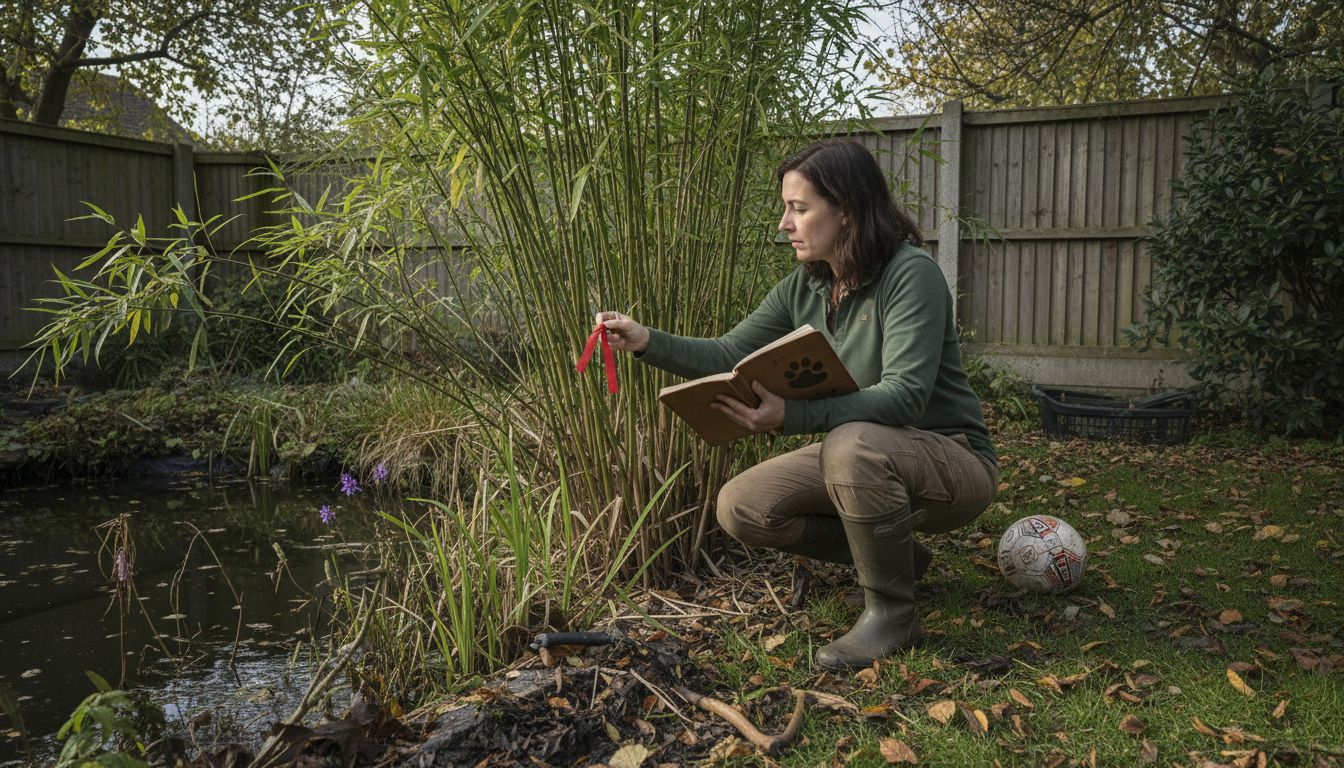
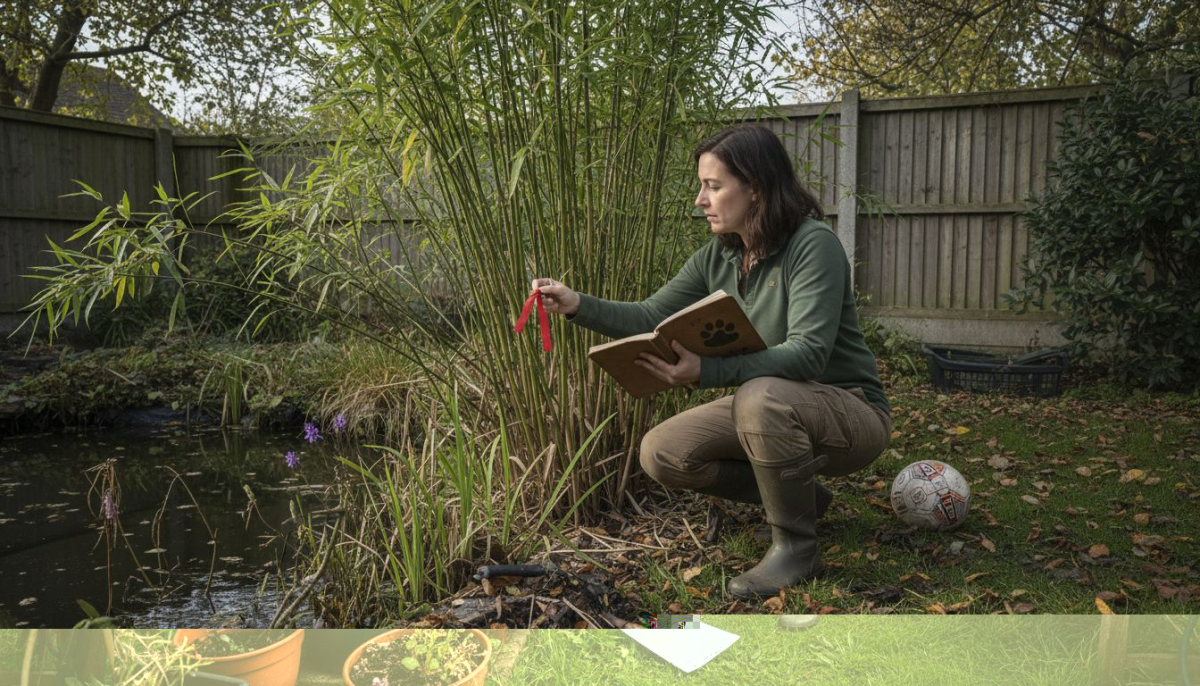
Other species causing significant property damage include Japanese sea spurge, which forms dense mats that prevent native plants from establishing, and rhododendron ponticum, an evergreen shrub that dominates woodland areas and reduces light for other species. New Zealand pigmyweed spreads rapidly across damp ground, whilst American skunk cabbage thrives in wet conditions and produces an unpleasant odour that affects property enjoyment. The challenge for homeowners is that many of these species look deceptively innocent, especially when young, which is why professional identification matters enormously. What makes these plants particularly dangerous isn’t just their aggressive growth—it’s their ability to persist in fragmented populations. Even small root fragments left behind after removal can regenerate into full plants, meaning incomplete treatment creates long-term problems.
The specific species affecting your property depends on your location, soil type, and proximity to water sources. Properties near rivers, streams, or wet woodland face heightened risk from water-based invasive species. Urban gardens often struggle with Japanese Knotweed due to its ability to exploit construction disturbances, whilst rural properties may encounter giant hogweed or Japanese sea spurge. The practical reality is that once you’ve identified an invasive species on your land, your options are limited without expert help. DIY removal frequently fails because it doesn’t address the extensive underground root systems these plants develop, leading to regrowth within months. This is why mortgage lenders and property surveyors now routinely require professional assessment before transactions proceed.
To clarify how various invasive plant species impact UK properties, here is a comparative overview of the most problematic plants:
| Invasive Species | Main Impact on Properties | Health Risks | Typical Affected Areas |
|---|---|---|---|
| Japanese Knotweed | Damages building foundations | None | Urban and suburban gardens |
| Giant Hogweed | Causes burns and scarring | Severe skin reactions | Riverbanks, rural land |
| Himalayan Balsam | Erodes riverbanks | None | Wet woodlands, watersides |
| Water Primrose | Blocks drainage and waterways | None | Ponds and lakeside gardens |
| Rhododendron ponticum | Reduces light, kills native flora | None | Woodlands and rural estates |
| Japanese Sea Spurge | Suppresses native plant growth | None | Coastal or sandy soils |
| American Skunk Cabbage | Unpleasant odour, spreads quickly | None | Damp and marshy areas |
Pro tip: Document the location and extent of any suspected invasive plants with photographs and GPS coordinates before contacting specialists, as this information helps treatment providers plan their approach and estimate costs accurately.
How 2025 Legislation Changes Homeowner Responsibilities
The 2025 changes to invasive weed legislation represent a significant shift in how homeowners must approach land management. Rather than waiting for local authorities to intervene, you now bear primary responsibility for identifying and controlling invasive species on your property. Proactive management is no longer optional—it’s a legal requirement. Under the updated framework, homeowners must take active roles in controlling invasive species, which means conducting regular inspections, documenting infestations, and implementing treatment strategies before authorities become involved. This represents a departure from earlier approaches where enforcement was often triggered only after complaints or visible spread to neighbouring properties. The legislation now emphasises prevention and ongoing management rather than reactive responses, placing the burden squarely on property owners to stay vigilant.
Your specific obligations now include several key responsibilities. You must prevent invasive species from spreading beyond your property boundaries, manage existing infestations responsibly using approved methods, and comply with legal standards for disposal and treatment of contaminated material. Local authorities now have expanded powers to issue enforcement notices and compel landowners to take action if they neglect these duties. Failure to comply with such notices can result in substantial fines and legal action. Additionally, if an invasive species spreads from your property to neighbouring land or protected habitats, you could face claims for damages. This means that ignoring a Japanese Knotweed infestation or delaying treatment isn’t just risky—it’s potentially illegal. Insurance companies are also becoming stricter about this, sometimes refusing claims where invasive species have caused damage due to negligent property management.
For homeowners with mortgages or planning to sell in 2025, these changes have immediate practical consequences. Lenders now routinely require evidence that invasive species have been identified and appropriate management plans are in place before releasing funds. Property surveyors specifically look for invasive plants, and their presence can dramatically affect valuation and saleability. You’re also required to disclose known invasive species to potential buyers, making professional assessment and treatment before listing far more economically sensible than dealing with failed sales or reduced offers. The legislation essentially means that treating invasive species is no longer an optional home improvement—it’s a mandatory aspect of responsible property ownership in England and Wales.
Here is a summary of key homeowner responsibilities under the 2025 invasive species legal framework:
| Responsibility | Description | Consequence for Neglect |
|---|---|---|
| Regular Inspection | Check for invasive plants each season | May miss early infestation, legal risk |
| Responsible Management | Apply approved treatment methods | Fines, enforcement notice possible |
| Preventing Spread | Stop plants reaching neighbouring land | Liability for third-party damage |
| Professional Documentation | Maintain survey and treatment records | Harder to prove compliance |
| Disclosure During Sale | Inform buyers of all infestations | Claims for misrepresentation |
Pro tip: Begin your 2025 property inspection now by walking your boundaries carefully during growing season (April through September) when invasive species are most visible, photographing anything unfamiliar, and having it professionally identified before local authorities notice and issue formal notices.
Disclosure Requirements in Property Transactions
When selling a property in England or Wales during 2025, you have a legal obligation to disclose the presence of invasive species like Japanese Knotweed to potential buyers. This isn’t optional or negotiable—it’s a contractual and legal requirement that protects both parties in the transaction. Failing to disclose known invasive infestations can expose you to substantial legal liability, including claims for misrepresentation, breach of contract, and damages. Buyers can pursue legal action years after purchase if they discover you knowingly concealed an infestation, and courts have awarded significant compensation in such cases. The disclosure requirement applies even if you believe the infestation is minor or manageable. Property agents and solicitors will specifically ask about invasive species during the conveyancing process, and providing false or incomplete information is fraud.
The role of professional surveyors has become increasingly critical in this process. Surveyors must now detect invasive weed infestations and advise on legal implications, making their reports essential documents for both buyers and lenders. When a surveyor identifies Japanese Knotweed or other invasive species, this information automatically becomes part of the property record and must be disclosed to all interested parties. Many buyers will withdraw their offers entirely upon learning of invasive species, particularly if no treatment plan is in place. Mortgage lenders frequently refuse to lend on properties with active infestations unless comprehensive treatment and management plans are documented and underway. This creates a practical reality: non-disclosure doesn’t protect your sale—it derails it far more catastrophically than transparent disclosure with solutions.
The timing of disclosure matters significantly. Properties with disclosed infestations and professional treatment plans approved by surveyors and lenders sell more successfully than those where problems emerge during conveyancing. Obtaining a professional survey and treatment plan before listing your property actually accelerates the sales process rather than hindering it. You demonstrate due diligence, reduce buyer anxiety, and provide lenders with the documentation they require. This proactive approach typically results in better valuations than attempting to hide problems. If you’re aware of invasive species but haven’t obtained professional assessment, arrange this immediately before listing your property. The cost of treatment is far lower than the financial and legal consequences of non-disclosure or delayed transactions.
Pro tip: Obtain a professional invasive species survey and treatment plan 2-3 months before listing your property, then include this documentation in your sales pack to reassure buyers and lenders that the issue is being managed professionally and legally.
Risks, Liabilities and Penalties for Non-Compliance
Non-compliance with invasive plant species legislation carries serious criminal and civil consequences that extend far beyond simple fines. Criminal penalties under UK law include prosecution, substantial fines, and in severe cases, imprisonment. Landowners are legally obliged to prevent the spread of listed invasive plants, and failure to control them or improper disposal constitutes an offence under the Environmental Protection Act. Local authorities now have significant enforcement powers, including the ability to issue Community Protection Notices that demand immediate action. If you ignore such a notice, you’re committing a further offence. The financial penalties are escalating, with fines now reaching tens of thousands of pounds for serious or persistent breaches. What makes this particularly concerning is that these penalties apply regardless of whether you caused the infestation or merely failed to manage it after discovering it.
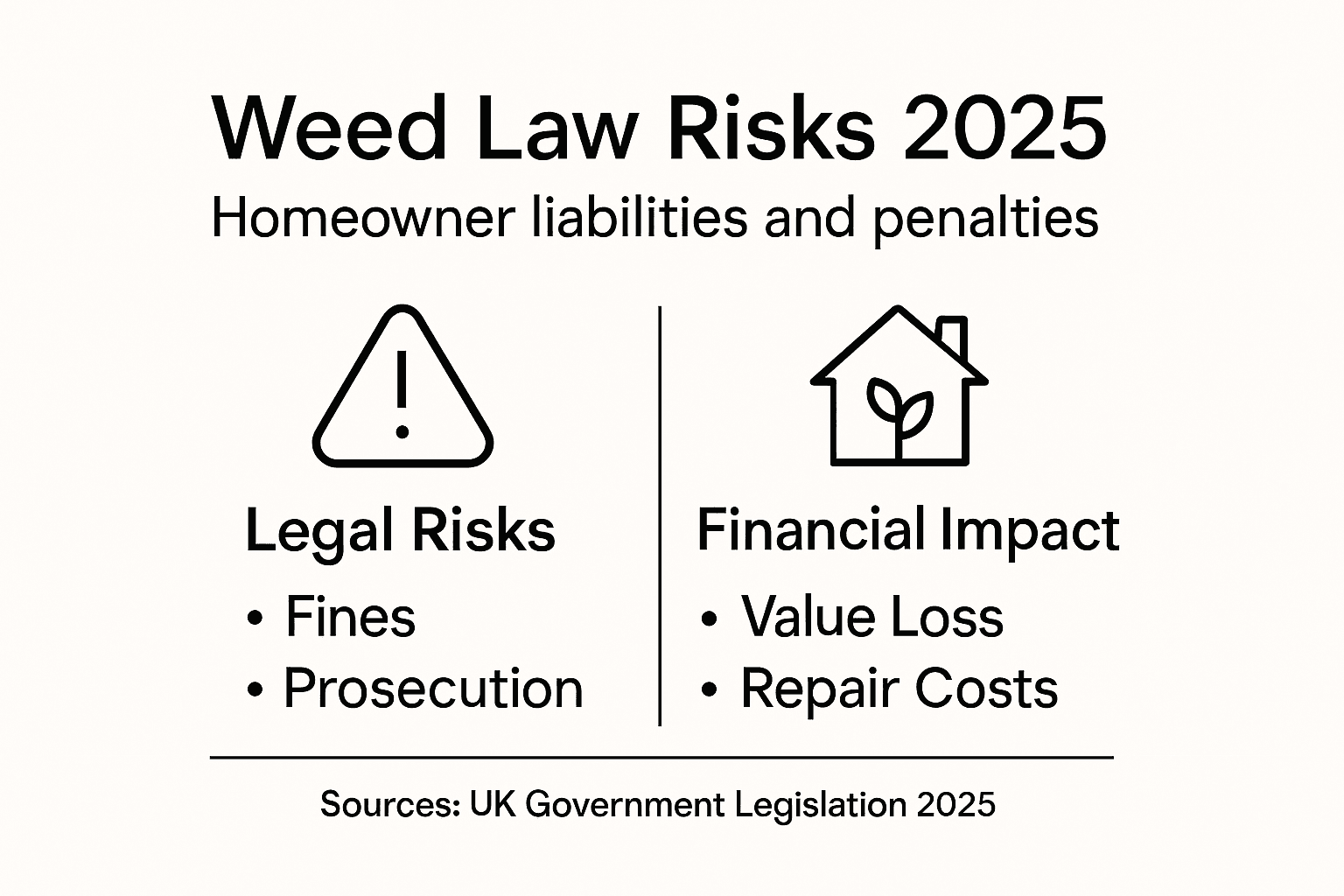
Beyond criminal liability sits civil liability, which is arguably more damaging to homeowners. If an invasive species spreads from your property to neighbouring land, you could face claims for damages covering the cost of treatment, lost property value, and loss of enjoyment. Neighbours can pursue you through the courts, and these claims can take years to resolve whilst accumulating legal costs. Your property insurance may refuse to cover damages caused by invasive species you knew about but failed to manage, leaving you personally liable. Additionally, if an invasive plant spreads to a protected habitat or public land, you could face enforcement action from environmental bodies. Environmental damage claims can be substantial, particularly where invasive species have compromised biodiversity or caused ecological harm. The cumulative effect is a liability landscape where inaction creates exponentially greater financial risk than addressing the problem proactively.
The practical reality for 2025 is that invasive species management directly impacts your financial security and property rights. Banks and insurance companies are now incorporating invasive species assessments into their risk evaluations, which means non-compliance can affect your ability to refinance, obtain insurance, or sell your property. Some lenders are refusing mortgages on properties with active infestations, whilst others are increasing premiums substantially. Conveyancing solicitors now routinely conduct invasive species checks, and undisclosed infestations discovered during property transactions can result in legal disputes lasting years. The cost of treating an invasive infestation professionally is typically far lower than the cumulative costs of fines, legal action, reduced property value, and increased insurance premiums that result from non-compliance.
Pro tip: Keep detailed records of all invasive species assessments, treatment work, and correspondence with professionals or local authorities, as this documentation protects you legally by demonstrating due diligence and good faith compliance with legislation.
Approved Chemical-Free Treatment and Management Options
Chemical-free treatment methods are increasingly recognised as the preferred approach for managing invasive species in the UK, particularly given environmental concerns and regulatory compliance requirements. The shift away from herbicides reflects a broader commitment to ecological sustainability and property owner responsibility. Approved methods now include manual removal, cutting, mechanical treatments, and specialised energy-based interventions that cause internal damage to invasive plants without introducing harmful chemicals into soil or waterways. For properties near freshwater environments, chemical-free management practices for invasive weeds are mandatory under environmental protection regulations, making these approaches not merely preferable but essential for compliance. The practical advantage is that chemical-free methods eliminate concerns about soil contamination, water pollution, or harm to beneficial insects and wildlife that shares your property boundaries.
Manual and mechanical removal remains effective for smaller infestations or in locations where access is straightforward. This involves digging out rhizomes and root systems completely, which requires meticulous work to ensure every fragment is removed. Cutting and mowing suppress visible growth but typically require repeated applications throughout growing seasons to deplete underground energy reserves. Where infestations are extensive or occur in challenging terrain, professional treatment using thermo-electric energy systems delivers results that manual methods cannot achieve. These systems work by transmitting high-voltage pulses directly into plant tissue, causing internal cellular damage and depleting the energy resources within extensive rhizome networks. This approach requires specialist equipment and expertise, which is why professional treatment providers deliver significantly better outcomes than DIY attempts. The key advantage is that a properly executed energy-based treatment can eliminate an infestation in far fewer applications than mechanical methods, reducing long-term costs and property disruption.
Regardless of which method you choose, success depends on consistency and professional guidance. Flooding strategies can suppress growth in appropriate landscapes, whilst habitat management and vegetation replacement prevent reinfestation by competing plants. Many homeowners make the mistake of attempting treatment without understanding the specific species, rhizome depth, or spread patterns on their property. This is where professional surveys become invaluable—they identify the exact extent of infestation and recommend the most cost-effective treatment pathway. A combination approach often works best, starting with professional treatment to eliminate the primary infestation, followed by ongoing monitoring and management to prevent recurrence. The 2025 legislative framework increasingly expects homeowners to demonstrate ongoing management plans rather than one-off treatment, meaning you’ll need professional support to develop and implement long-term strategies that satisfy both legal requirements and lender expectations.
Pro tip: Before committing to any treatment method, arrange a professional survey to determine infestation depth, rhizome extent, and site-specific challenges, as this information allows you to select the most cost-effective and efficient treatment approach rather than attempting multiple failed methods.
Take Control of Invasive Weeds with Expert Chemical-Free Solutions
Navigating the stricter 2025 invasive weed legislation can feel overwhelming as a homeowner in England or Wales. The legal responsibility to identify, manage and disclose invasive species like Japanese Knotweed has never been more critical. Failing to act promptly risks costly fines, legal challenges and difficulties selling your property. You need a proven, effective approach to eradicate invasive plants safely and legally without jeopardising your landscape or health.

At Japanese Knotweed Agency, we specialise in pioneering chemical-free treatments that deliver up to 5000 volts of energy directly to the root system causing irreversible internal cell damage. Our expert surveys across England, Wales and Ireland provide precise identification and tailored management plans ensuring compliance with the latest legislation. Combine this with our root barrier installations and excavation works and you gain a comprehensive solution designed to protect your home and investment.
Don’t risk the consequences of non-compliance or ineffective DIY treatments. Act now to schedule a professional survey and start your chemical-free eradication journey by visiting Japanese Knotweed Agency. For detailed insights and expert guidance on invasive plant identification and understanding risks, we are your trusted partner every step of the way.
Frequently Asked Questions
What are invasive weeds?
Invasive weeds are non-native plants that spread rapidly and aggressively, causing environmental, economic, or health damage. In the UK, 36 species are classified as invasive non-native plants under the Wildlife and Countryside Act 1981.
What responsibilities do homeowners have regarding invasive weeds under the 2025 legislation?
Homeowners are legally required to identify and manage invasive weeds on their property. This includes conducting inspections, preventing the spread of invasive species, and documenting treatment efforts.
What are the consequences of non-compliance with invasive weed legislation?
Failure to comply can lead to criminal penalties, substantial fines, and civil liability if invasive species spread to neighbouring properties. Homeowners may also face increased insurance costs and challenges in property transactions.
How can I manage invasive weeds without using chemicals?
Chemical-free management methods include manual removal, cutting, mechanical treatments, and energy-based interventions that damage plants without introducing harmful substances into the environment.