

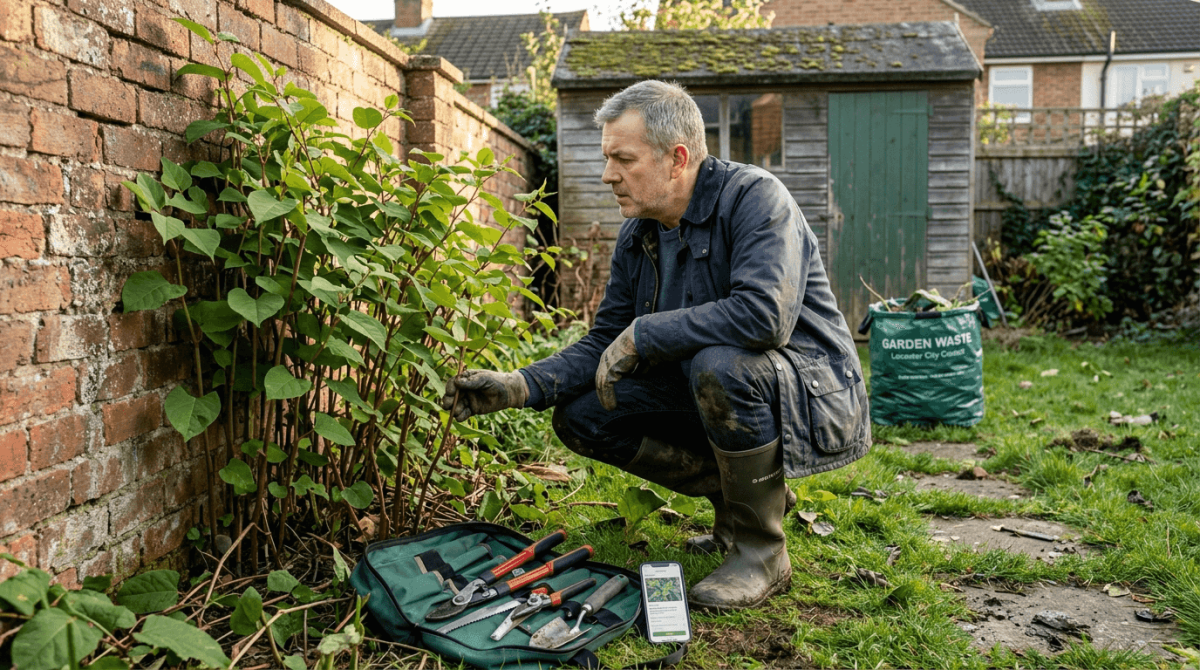
Japanese knotweed silently destroys property values across England, Wales, and Ireland, with affected homes losing up to 15% of their market worth. Many homeowners believe harsh chemical pesticides offer the only solution, yet these treatments can take five years whilst introducing harmful toxins into gardens where families play. Non-chemical methods now deliver faster, safer eradication within 12 months, protecting both property investments and household health. This guide reveals why abandoning chemicals represents the smartest choice for homeowners facing this invasive threat.
Table of Contents
- Understanding The Threat Of Japanese Knotweed To Your Property
- How Non-Chemical Treatments Work Against Japanese Knotweed
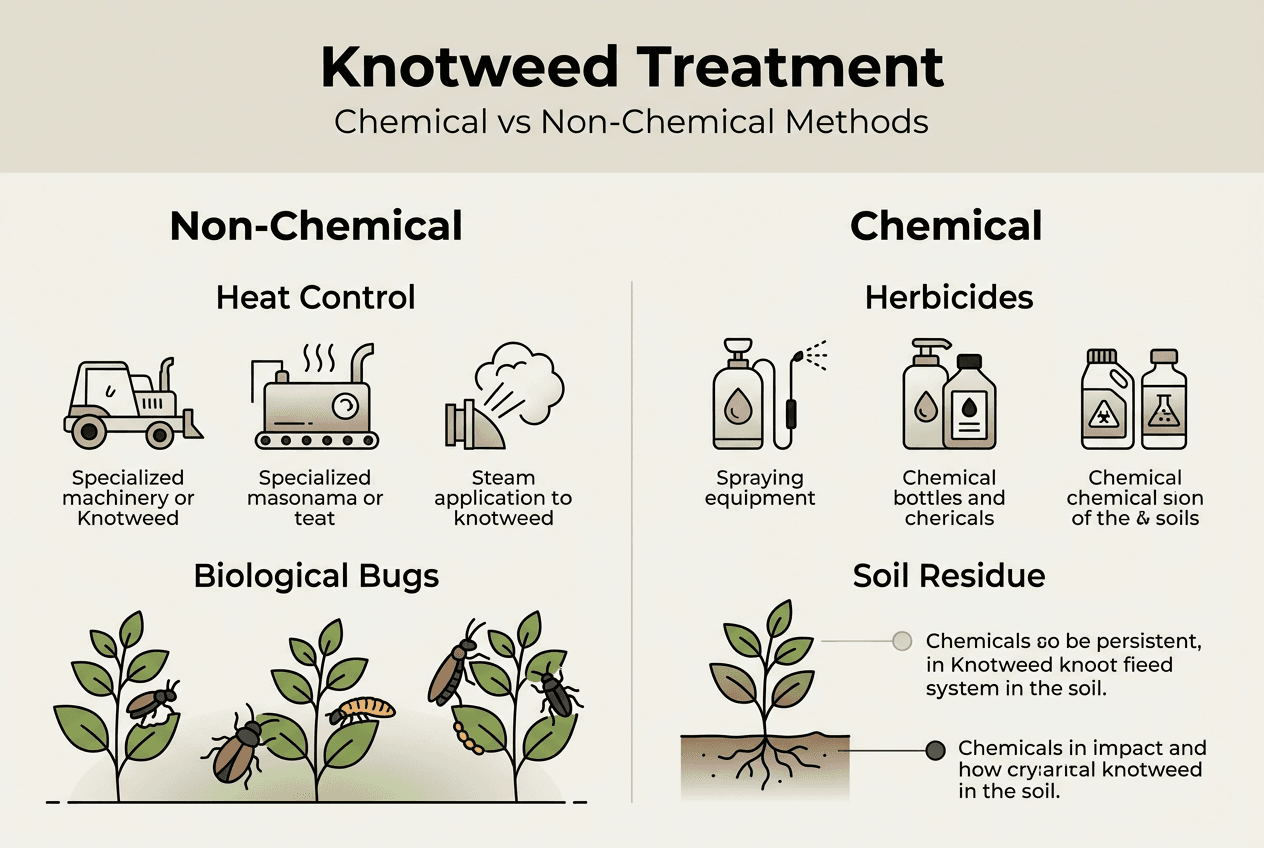
- Comparing Chemical And Non-Chemical Treatments: Benefits And Risks
- Biological Control And Long-Term Management Without Chemicals
- Explore Chemical-Free Japanese Knotweed Solutions For Your Home
- Frequently Asked Questions
Key takeaways
| Point | Details |
|---|---|
| Rapid eradication | Non-chemical treatments eliminate Japanese knotweed within one year compared to five years for pesticides. |
| Property protection | Homes affected by knotweed lose 5-15% in value, making swift action essential for preserving investments. |
| Health safety | Chemical-free methods avoid glyphosate and other toxins linked to serious health conditions. |
| Environmental benefit | Thermo-electric and biological controls protect soil, water, and local wildlife whilst achieving effective results. |
| Professional advantage | Expert application ensures thorough eradication and compliance with legal requirements for property transactions. |
Understanding the threat of Japanese knotweed to your property
Japanese knotweed inflicts devastating financial damage on homeowners throughout the UK and Ireland. Invasive species cost the UK economy £4 billion annually, with Japanese knotweed alone responsible for £170 million in damages. This aggressive plant doesn’t simply create an eyesore in your garden. It actively reduces your property’s market value, creates obstacles during sales, and triggers mortgage lender concerns that can derail transactions entirely.
The impact on property values extends beyond immediate financial loss. Potential buyers often withdraw offers upon discovering knotweed presence, even when treatment plans exist. Mortgage companies frequently refuse lending on affected properties or demand expensive insurance-backed guarantees before proceeding. Some homeowners find themselves trapped, unable to sell or remortgage whilst watching their equity diminish.
Beyond economics, Japanese knotweed creates serious ecological disruption. The plant’s aggressive growth pattern crowds out native species, destroys habitats for beneficial insects and wildlife, and destabilises soil structure. Its extensive rhizome network can penetrate foundations, driveways, and drainage systems, causing structural damage that multiplies repair costs. Understanding these multifaceted threats helps homeowners recognise why immediate action matters.
Key impacts homeowners face include:
- Property devaluation ranging from 5% to 15% of total market value
- Mortgage application rejections or expensive guarantee requirements
- Structural damage to foundations, patios, and underground utilities
- Legal liability if knotweed spreads to neighbouring properties
- Ecosystem disruption affecting garden biodiversity and soil health
Pro Tip: Document knotweed locations with dated photographs and measurements immediately upon discovery. This evidence proves invaluable when discussing treatment options with professionals and demonstrates proactive management to potential buyers.
The urgency of addressing Japanese knotweed cannot be overstated. Each growing season allows the plant to extend its rhizome network further underground, expanding the treatment area and escalating costs. Early intervention prevents minor infestations from becoming major property disasters. Homeowners who delay treatment often face exponentially higher expenses as the problem compounds, making swift decision-making essential for protecting property investments.
How non-chemical treatments work against Japanese knotweed
Modern non-chemical treatments deliver remarkable effectiveness without introducing harmful substances into your property. The Roots Reset method eradicates knotweed within one year without pesticides, achieving success in over 95% of cases. This innovative approach allows homeowners to replant gardens and proceed with property development within just five days, compared to the five-year wait period required after chemical herbicide application.
Thermo-electric treatment represents another breakthrough in chemical-free knotweed control. This method applies controlled heat to damage plant cells deep within the rhizome network, causing internal destruction without harming surrounding ecosystems. The precision of this approach targets knotweed specifically, leaving beneficial soil microorganisms, earthworms, and native plants unaffected. Multiple treatments systematically deplete the plant’s energy reserves until complete eradication occurs.
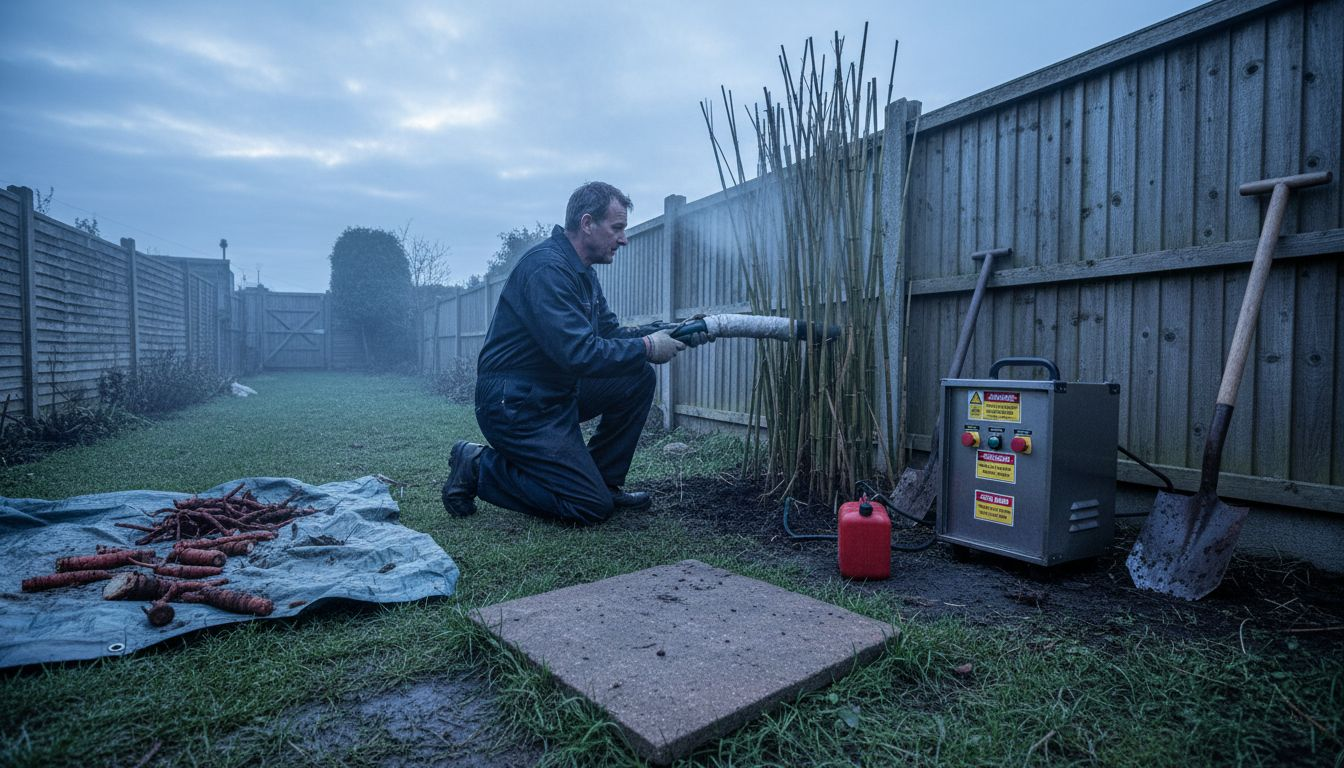
The advantages of chemical-free control extend beyond speed and safety. These methods eliminate concerns about pesticide residues contaminating vegetable gardens, children’s play areas, or water sources. Homeowners avoid the anxiety of wondering whether chemical treatments might affect family health or pet safety. The immediate usability of treated areas means landscaping projects can proceed without lengthy waiting periods.
| Treatment Method | Eradication Time | Replanting Wait | Environmental Impact |
|---|---|---|---|
| Roots Reset | 12 months | 5 days | Zero chemical residue |
| Thermo-electric | 12-18 months | Immediate | No ecosystem disruption |
| Chemical herbicide | 3-5 years | Up to 5 years | Toxic soil contamination |
| Traditional smothering | 3-7 years | Varies | Minimal but labour intensive |
Thermo-electric treatment in detail reveals the sophisticated science behind this approach. Specialist equipment delivers up to 5000 volts directly to the plant’s rhizome system, causing cellular damage that prevents regeneration. Each treatment session weakens the plant progressively, depleting stored energy reserves until the entire network collapses. The precision of energy delivery ensures thorough treatment whilst protecting surrounding vegetation.
Traditional non-chemical methods like smothering with landscape fabric or repeated cutting still exist but require significantly more time and labour. Smothering works by blocking sunlight, gradually starving the plant of photosynthesis energy over several years. Cutting removes above-ground growth but must continue relentlessly to exhaust root reserves. These approaches suit homeowners committed to long-term management but lack the speed and certainty of modern alternatives.
Pro Tip: Schedule non-chemical treatments during the growing season when knotweed actively transports nutrients to its rhizomes. This timing maximises treatment effectiveness as energy delivery or heat penetration reaches deeper into the root system, accelerating eradication.
Comparing chemical and non-chemical treatments: benefits and risks
Chemical herbicides like glyphosate dominate traditional knotweed treatment approaches, yet these substances carry significant drawbacks that increasingly concern homeowners. Glyphosate is linked to cancers and neurological diseases according to independent studies, raising serious questions about exposing families and pets to these compounds. Whilst glyphosate stunts knotweed growth, it rarely achieves permanent eradication and requires repeated applications over multiple years.
The fundamental problem with chemical treatments lies in their mechanism. Herbicides work by poisoning the entire plant system, but Japanese knotweed’s extensive rhizome network often survives deep underground where chemicals cannot penetrate effectively. Surviving fragments regenerate, forcing homeowners into endless treatment cycles. Meanwhile, toxic residues accumulate in soil, potentially contaminating groundwater and affecting beneficial organisms essential for garden health.
| Factor | Chemical Treatment | Non-Chemical Treatment |
|---|---|---|
| Health risks | Exposure to carcinogenic compounds | Zero toxic exposure |
| Eradication timeline | 3-5 years minimum | 12-18 months typical |
| Replanting safety | 5-year wait recommended | Immediate to 5 days |
| Environmental impact | Soil and water contamination | Ecosystem preservation |
| Recurring costs | Multiple annual applications | Defined treatment schedule |
| Legal compliance | Increasing restrictions | Aligns with pesticide reduction goals |
Non-chemical treatments eliminate health anxieties whilst delivering faster results. Homeowners using thermo-electric or Roots Reset methods avoid wondering whether garden vegetables absorbed pesticide residues or whether children playing on treated lawns face exposure risks. The peace of mind accompanying chemical-free approaches represents substantial value beyond mere eradication effectiveness.
Chemical methods impose frustrating delays on property development plans. The five-year wait before safely replanting or building on chemically treated ground stalls landscaping projects, extensions, and sales. Buyers increasingly demand properties free from chemical contamination, viewing pesticide use as a liability rather than a solution. This shift in perception affects property marketability and negotiating positions during sales.
“Chemical-free revolution in knotweed treatment addresses growing public concern about pesticide safety whilst delivering superior speed and environmental protection compared to traditional herbicide approaches.”
The regulatory landscape increasingly favours non-chemical solutions. Government policies across the UK and Ireland promote pesticide reduction to protect biodiversity and water quality. Best practices for knotweed removal now emphasise sustainable methods that align with environmental protection goals. Homeowners choosing chemical-free treatments position themselves ahead of potential future restrictions on herbicide use.
Natural prevention strategies complement non-chemical eradication by reducing reinfestation risks. Maintaining healthy native plant communities creates competition that discourages knotweed establishment. Regular garden monitoring catches new growth early when treatment proves simplest and least expensive. These proactive approaches work synergistically with chemical-free eradication to provide lasting protection.
Pro Tip: Request detailed treatment plans showing exactly which methods will be used, expected timelines, and post-treatment land use permissions. Transparency about approaches helps you understand what happens on your property and ensures alignment with your family’s health priorities.
Understanding risks of chemical herbicides extends beyond immediate health concerns. Persistent pesticide residues can affect soil fertility for years, reducing garden productivity and requiring expensive remediation. Water contamination from herbicide runoff threatens local ecosystems and potentially affects drinking water supplies. These broader environmental impacts make chemical-free alternatives increasingly attractive to environmentally conscious homeowners.
Biological control and long-term management without chemicals
Biological controls offer innovative solutions that harness nature’s own mechanisms to combat Japanese knotweed. Specialist insects like Aphalara itadori are released to reduce knotweed populations naturally, attacking the plant’s sap and weakening its growth capacity. These psyllid insects feed exclusively on Japanese knotweed, making them safe for native plants and beneficial garden species. As populations establish, they provide ongoing suppression without requiring constant human intervention.
The beauty of biological controls lies in their self-sustaining nature. Once introduced, these specialist organisms multiply locally, creating permanent pressure on knotweed populations. This approach reduces labour requirements and eliminates the need for repeated chemical applications or intensive manual removal. Over time, biological agents progressively weaken knotweed infestations, making complementary treatments more effective and reducing overall management costs.
Effective long-term knotweed management requires commitment and strategic planning:
- Conduct thorough initial surveys to map the complete extent of infestation and identify all growth points.
- Implement primary eradication treatments using thermo-electric, Roots Reset, or approved biological methods.
- Establish monitoring schedules with monthly inspections during growing seasons to catch regrowth immediately.
- Maintain detailed records documenting treatment dates, methods used, and observed results for future reference.
- Coordinate with neighbours to prevent reinfestation from adjacent properties through collaborative management.
- Consult professionals annually to assess progress and adjust strategies based on site-specific conditions.
Pro Tip: Create a simple monitoring log with dated photographs taken from consistent positions each month. Visual documentation tracks progress objectively and provides evidence of successful management for property transactions or legal purposes.
The chemical-free eradication workflow emphasises systematic approaches that combine multiple techniques for maximum effectiveness. Initial treatments weaken the plant significantly, whilst follow-up sessions target regrowth before it re-establishes energy reserves. This methodical strategy ensures complete eradication rather than temporary suppression, preventing the frustrating cycles of regrowth that plague inadequate treatment approaches.
Homeowners must recognise that sustainable knotweed control represents an ongoing commitment rather than a one-time fix. Even after successful eradication, vigilance prevents reinfestation from windblown fragments or contaminated soil. Regular garden inspections become routine maintenance, similar to lawn mowing or hedge trimming. This mindset shift helps property owners maintain knotweed-free status long term.
Reporting Japanese knotweed discoveries helps authorities track infestations and coordinate regional management efforts. Early reporting enables swift professional intervention before small patches expand into major problems. Community awareness and cooperation multiply individual efforts, creating collective benefits that protect entire neighbourhoods from this invasive threat.
Professional guidance proves invaluable for developing effective long-term management strategies. Experts assess site-specific conditions, recommend appropriate treatment combinations, and provide realistic timelines based on infestation severity. Their experience prevents costly mistakes that homeowners attempting DIY solutions often encounter, ultimately saving money whilst ensuring thorough eradication.
Explore chemical-free Japanese knotweed solutions for your home
Protecting your property from Japanese knotweed demands expertise you can trust. Our chemical-free solutions combine innovative thermo-electric treatment with proven Roots Reset methodology, delivering safe eradication that preserves your family’s health and your property’s value. We’ve pioneered approaches that eliminate knotweed within 12 months, allowing you to reclaim your garden and proceed with development plans without lengthy delays.
Our transparent treatment process begins with comprehensive site surveys that map every aspect of your infestation. We explain exactly what will happen, provide clear timelines, and remain available throughout treatment to answer questions and address concerns. You’ll receive detailed documentation suitable for mortgage lenders and property transactions, giving you confidence during sales or refinancing. Discover how our chemical-free approach protects both your investment and your peace of mind by exploring our comprehensive FAQs or contacting our specialist team today.
Frequently asked questions
What makes non-chemical treatments safer for homeowners and the environment?
Non-chemical methods avoid toxic substances like glyphosate that independent studies link to cancers, neurological diseases, and reproductive problems. These approaches protect soil microorganisms, beneficial insects, and water quality whilst eliminating family exposure to harmful pesticides. Children and pets can safely use treated areas immediately without health concerns.
How long does it typically take for non-chemical treatments to eradicate Japanese knotweed?
Modern methods like Roots Reset and thermo-electric treatment achieve complete eradication within 12 to 18 months through systematic applications. Traditional non-chemical approaches such as smothering or repeated cutting require three to seven years of consistent effort. Professional chemical-free treatments deliver significantly faster results than older manual methods.
Can I apply non-chemical knotweed treatments myself, or should I hire professionals?
Professional services ensure thorough application using specialist equipment that targets deep rhizome networks effectively. DIY attempts often miss underground growth, allowing regrowth that wastes time and money. Experts also provide documentation required for property transactions and ensure compliance with legal responsibilities regarding neighbour protection.
What role do biological controls play in managing Japanese knotweed?
Biological agents like psyllid insects naturally suppress knotweed by feeding on plant tissue and weakening growth capacity. These controls establish self-sustaining populations that provide ongoing pressure without human intervention. They complement primary treatments by preventing regrowth and reducing long-term management labour and costs.