
TL;DR:
- Chemical-free methods effectively control Japanese knotweed by targeting its root system without relying on harmful chemicals. These approaches are safer for households, promote faster soil recovery, and support biodiversity compared to herbicide treatments. Success rates reach up to 95%, but professional surveys and targeted applications are crucial for optimal results.
Choosing how to tackle Japanese knotweed or other invasive species on your property is rarely straightforward. You need a method that works decisively, satisfies legal obligations, and does not place your family, pets, or soil at unnecessary risk. For many homeowners across England, Wales, and Ireland, the traditional answer has been herbicide treatment, yet growing awareness of the health and environmental trade-offs involved is pushing people to ask a sharper question: is there a way to achieve the same level of control without reaching for chemicals? Chemical-free treatment methods are now offering a credible, evidence-backed alternative that merits serious consideration.
Table of Contents
- What is chemical-free plant treatment?
- Health and safety: protecting people, pets and soil
- Homes and gardens: supporting property value and future use
- Environmental impact: restoring soil health and biodiversity
- Success rates and practical outcomes: how effective are chemical-free methods?
- The uncomfortable truth about chemical-free weed control methods
- Explore your options: chemical-free treatment and expert surveys
- Frequently asked questions
Key Takeaways
| Point | Details |
|---|---|
| Zero pesticide exposure | Chemical-free treatment methods remove the risk of toxic chemicals in family or garden environments. |
| Quicker garden recovery | Homeowners can often replant within days, instead of waiting months or seasons as required after chemical use. |
| Boosts biodiversity | These methods support soil health and the return of natural wildlife without chemical residues. |
| Property value protection | Using chemical-free solutions ensures regulatory compliance with no future lender or insurance complications. |
| High effectiveness rates | Well-applied methods can match or exceed chemical treatments, with some achieving up to 95% success. |
What is chemical-free plant treatment?
To make sense of these new options, it helps to define chemical-free treatment and understand why it matters. In straightforward terms, chemical-free treatment refers to any method of controlling or eradicating invasive plant species that does not rely on herbicides, pesticides, or any synthetic chemical compounds applied to the plant or surrounding soil. Instead, these approaches work by targeting the plant’s biology through physical or energy-based means.
The approach taken by Japanese Knotweed Agency is a leading example of this category. The process delivers direct electrical energy of up to 5,000 volts into the plant and its extensive rhizome network, causing internal cell damage and progressively depleting the energy reserves that allow knotweed to regenerate. Each treatment delivery weakens the plant further, working systematically against one of the most resilient root networks in the invasive species world. Alongside energy-based treatment, methods such as root barrier installation and targeted excavation also fall within the broader chemical-free toolkit.
One of the primary reasons homeowners seek out non-chemical knotweed methods is straightforward concern: they do not want toxic residues near children’s play areas, kitchen gardens, or pet runs. As chemical-free knotweed control has been positioned as a viable option for homeowners managing the legal and structural risks of invasive species without herbicides, interest has grown considerably across residential settings.
Key reasons homeowners are choosing chemical-free approaches include:
- Concern over herbicide drift affecting neighbouring gardens or watercourses
- Desire to maintain organic or wildlife-friendly garden status
- Young children, pets, or vulnerable family members on-site
- Proximity to vegetable patches, fruit trees, or ponds
- Preference for environmental stewardship over short-term chemical convenience
“Chemical-free treatment represents a significant shift in how we think about invasive species management. It places ecological responsibility and household safety at the centre of the solution, not as afterthoughts.”
Health and safety: protecting people, pets and soil
Once you understand what these treatments are, the biggest question is how they affect your household and land. The answer, where chemical-free methods are concerned, is unambiguously positive in this respect.
When herbicides are applied to Japanese knotweed, the active compounds, most commonly glyphosate, do not simply vanish after contact with the plant. They can persist in soil, be taken up by surrounding vegetation, leach into groundwater, or drift onto adjacent surfaces where children play and animals roam. The risks are not hypothetical: concerns about glyphosate’s effects on human health and broader ecosystems have featured prominently in regulatory debate across Europe for a number of years.
The health benefits of chemical-free control are well-documented among practitioners of these methods. By removing pesticide use entirely from the equation, chemical-free treatments eliminate the following concerns at source:
- Direct skin or inhalation exposure during or after application
- Residual toxins in soil that may persist for months or years
- Contamination of groundwater serving private wells or nearby watercourses
- Risk to beneficial insects, including pollinators and soil invertebrates
- Accidental ingestion by pets or children contacting recently treated areas
Promoters of chemical-free methods, including ecologists working alongside organisations such as the North Wales Wildlife Trust, argue that eliminating pesticide exposure supports not only human health but also above- and below-ground ecosystem recovery during and after eradication.
Pro Tip: If you have a vegetable garden, a wildlife pond, or young children who use the garden regularly, inform your specialist before any treatment begins. A professional survey can identify exactly how close the infestation is to these sensitive zones and tailor the treatment approach accordingly.
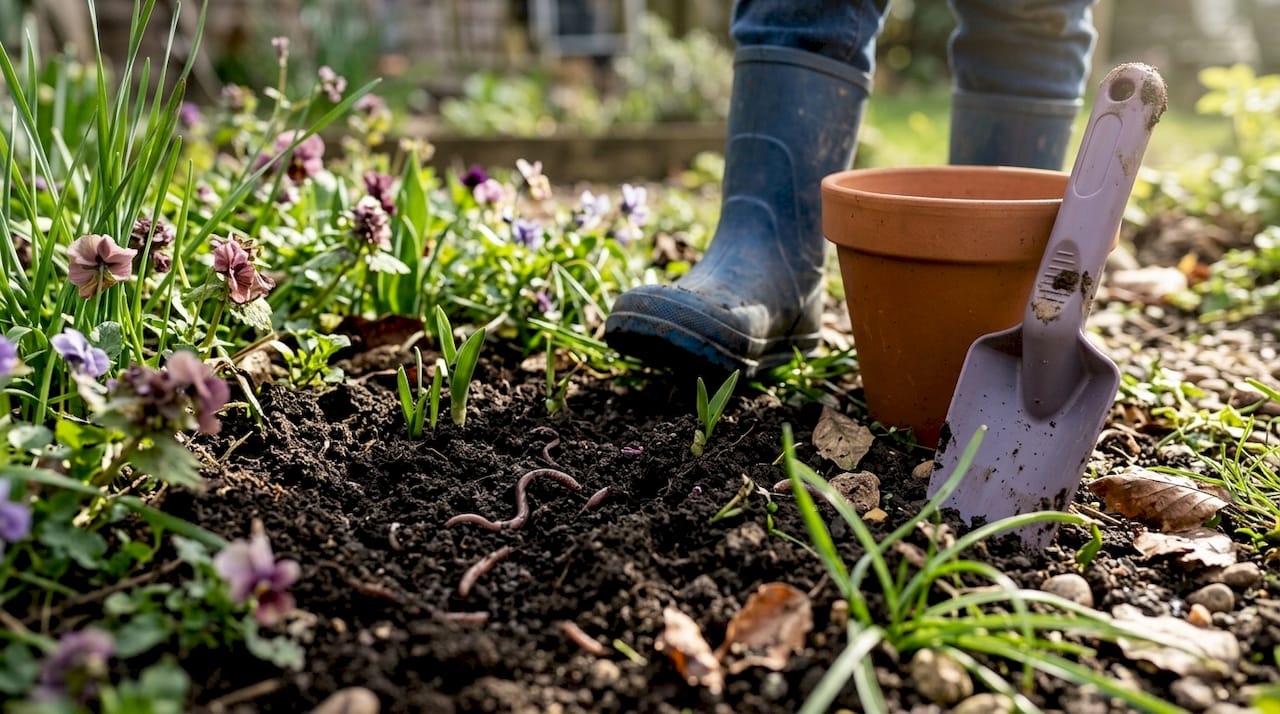
The long-term picture matters too. Soil treated without chemicals recovers its natural microbial activity more rapidly, which benefits everything planted in that ground going forward. This is not merely an aesthetic consideration. Healthy soil biology underpins plant root health, drainage, and the entire garden ecosystem.
Homes and gardens: supporting property value and future use
Beyond personal safety, non-chemical control also offers tangible benefits for your home’s value and long-term usability. This is a dimension that surprises many homeowners, who assume that any knotweed treatment carries similar implications for future land use.
The reality is that chemical-based treatments can complicate matters with mortgage lenders and conveyancers. Soil contamination records, herbicide treatment warranties, and specialist management plans all introduce layers of paperwork and potential liability into property transactions. Some lenders require evidence of a formal management plan spanning several years before they will release funds on a property affected by Japanese knotweed. Chemical-free methods can streamline this considerably.
Consider the following comparison between the two approaches:
| Factor | Chemical herbicide treatment | Chemical-free treatment |
|---|---|---|
| Replanting timeline | Often 6 to 12 months minimum | Reportedly possible within 5 days |
| Soil contamination risk | Present, depending on product | None |
| Impact on lender requirements | May require multi-year warranty | Cleaner documentation pathway |
| Risk to adjacent vegetation | Possible drift or uptake | Minimal to none |
| Ecological recovery time | Slower due to residual effects | Faster, soil biology intact |
The Roots Reset method, trialled notably in North Wales, uses no pesticides and aims for successful control within a single year, with replanting reportedly achievable in as little as five days. For a homeowner planning to redesign a garden, lay new turf, or sell a property, that speed of recovery is a significant practical advantage.
The property benefits of non-chemical control extend into the legal sphere as well. Homeowners have a duty to prevent invasive species from spreading to neighbouring land, and effective chemical-free treatment satisfies this obligation just as a herbicide programme would, without the associated risks to your soil or your sale. For those protecting property from knotweed in the long term, a clean site record also carries reputational value.
Pro Tip: Always request a written report following any chemical-free treatment programme. This documentation serves as evidence of due diligence for mortgage applications, property sales, or neighbour disputes, and it carries considerably more weight when it shows no chemical substances were used.
Key property-related advantages of chemical-free control include:
- Faster site clearance and replanting, allowing landscaping or sale preparation to begin sooner
- No soil contamination record to disclose or manage during a property transaction
- Simpler legal compliance with the Wildlife and Countryside Act 1981 and the Invasive Alien Species Regulation
- Reduced insurance and liability risk where herbicides might have affected neighbouring land
- Stronger appeal to environmentally conscious buyers in the residential market
Environmental impact: restoring soil health and biodiversity
Looking beyond the boundary wall, the local environment can also see major benefits from a chemical-free eradication plan. This is an area that receives insufficient attention in many discussions about knotweed removal, where the focus tends to remain on the plant itself rather than everything living alongside it.
Japanese knotweed is already a significant threat to native biodiversity. Its dense cane growth shades out native plants, and its root network alters soil structure over time. When chemical treatment is added into this environment, the impact on beneficial organisms, from earthworms to ground-nesting beetles, from fungal networks to soil bacteria, can extend the ecological damage well beyond the original infestation.
A comparison of ecological outcomes is instructive:
| Ecological factor | Chemical treatment | Chemical-free treatment |
|---|---|---|
| Soil microbial activity | Reduced, recovery may take months | Preserved, minimal disruption |
| Pollinator safety | At risk during and after application | Not affected |
| Earthworm populations | Can decline with persistent herbicides | Remain stable |
| Adjacent native plant risk | Drift or root uptake possible | Essentially eliminated |
| Groundwater quality | Potential contamination risk | No chemical input |
Advocates for safe weed treatment for the environment consistently highlight the speed of ecological recovery following chemical-free approaches. When soil biology is left intact throughout the treatment process, native plant communities can re-establish more readily, pollinators return sooner, and the garden or green space begins functioning as a healthy ecosystem more quickly.
Evidence from the Roots Reset trials in Wales reinforces this picture. As noted by ecologists involved in those trials, eliminating pesticide exposure during eradication actively supports above- and below-ground ecosystem recovery, a finding that strengthens the environmental case for chemical-free methods considerably.
“Removing invasive plants without chemicals gives the surrounding ecosystem every opportunity to recover on its own terms, without the additional burden of recovering from treatment residues at the same time.”
The benefits to biodiversity are not abstract. They translate into more bees in your garden, more intact soil structure when you begin replanting, and a more resilient local environment over the years that follow.
Success rates and practical outcomes: how effective are chemical-free methods?
With all these benefits considered, how do chemical-free treatments measure up when put to the test? This is the question that ultimately determines whether these methods are worth pursuing for your specific property.
The data emerging from chemical-free trials is encouraging. The Roots Reset method has been associated with success rates of up to 95% for Japanese knotweed control within a treatment year, a figure that compares favourably with multi-season herbicide programmes. Crucially, this is achieved without leaving the site in a chemically compromised state.
To understand how a typical chemical-free programme unfolds, consider the following staged process:
- Initial professional survey: A qualified specialist surveys the property, identifies the extent of the rhizome network, and assesses proximity to structures, watercourses, and sensitive areas.
- Treatment delivery: Direct energy is applied to the plant and root system, targeting internal cell structures and depleting stored energy within the rhizome network across multiple sessions.
- Monitoring and follow-up: Progress is assessed between treatments to confirm die-back and ensure regrowth is managed before it can re-establish.
- Site clearance and replanting: Once the infestation is under control, the site is cleared and replanting can begin, often within five days of the final treatment session.
- Documentation: A treatment record is issued, supporting any future property transaction or legal compliance requirement.
The knotweed eradication workflow for chemical-free solutions is structured, methodical, and tailored to the individual site, which is why professional assessment remains the starting point for any successful programme. Understanding removal best practices is equally important for homeowners who want to avoid inadvertently spreading the infestation during early management.
“A success rate of up to 95% within a single treatment year, achieved without herbicides, represents a meaningful advance in how invasive plant management can be delivered at a residential scale.”
Chemical-free methods are not equally suitable for every situation. Mature, widespread infestations with deep rhizome systems may require a carefully planned combination of approaches. This is precisely why the initial survey is so important: it enables honest, site-specific guidance rather than a one-size-fits-all recommendation.
The uncomfortable truth about chemical-free weed control methods
Having examined the benefits and the science, a lived-experience perspective reveals what the marketing rarely mentions. Chemical-free does not mean effort-free. This distinction matters enormously for homeowners setting their expectations before committing to a treatment programme.
The energy-based methods that deliver such impressive results in trials require multiple treatment sessions, professional equipment, and thorough follow-up monitoring. A single visit is almost never sufficient for an established Japanese knotweed infestation, regardless of which method is used. The rhizome network can extend three metres deep and seven metres horizontally from the visible canes, which means aftercare and vigilance during the recovery period are as important as the initial treatment delivery.
There is also a common misconception that chemical-free automatically means lower cost. In some cases, the specialist equipment, professional expertise, and number of site visits involved in an energy-based programme may represent a comparable investment to herbicide treatment carried out over the same period. The value lies not in cheapness but in the absence of chemical risk and the speed of ecological recovery.
For homeowners with mature infestations, the most effective path often involves combining chemical-free energy treatment with root barrier installation or targeted excavation where the rhizome system is particularly extensive. The reasons to remove Japanese knotweed naturally are compelling, but achieving the best outcomes consistently requires professional guidance rather than a DIY approach.
The most important insight is this: a professional survey is not an optional preliminary step. It is the foundation on which any effective treatment plan, chemical-free or otherwise, must be built. Without it, you are managing an infestation you have not fully assessed, and that is a risk no homeowner should take lightly.
Explore your options: chemical-free treatment and expert surveys
For homeowners who have identified an invasive species problem, the next step is understanding exactly which solution fits the scale and specifics of the site. Japanese Knotweed Agency provides chemical-free knotweed solutions with success rates of up to 95%, delivered by specialists who understand the full scope of the challenge.
Professional plant eradication surveys across England, Wales, and Ireland provide the accurate, site-specific foundation that effective treatment depends on. Whether you are dealing with Japanese knotweed, giant hogweed, Himalayan balsam, or another invasive species, a thorough assessment ensures your treatment programme is properly targeted. For those ready to move beyond initial assessment, the invasive species eradication plan guide for UK homeowners offers step-by-step support through the entire process, from survey to successful clearance.
Frequently asked questions
Does chemical-free Japanese knotweed control really work?
Yes, trial data shows chemical-free options can achieve up to a 95% success rate for Japanese knotweed control when properly applied by qualified specialists.
How quickly can I replant after chemical-free weed removal?
Replanting is often possible within just five days after using chemical-free treatments, which is significantly faster than waiting for herbicide residues to clear from the soil. The Roots Reset method specifically supports this rapid recovery timeline.
Are chemical-free methods safe for gardens with children or pets?
Yes, removing pesticide use from the process entirely means there are no direct risks to people or animals, and no residual soil toxins. As trial evidence confirms, eliminating pesticide exposure actively supports ecosystem recovery both above and below ground.
What are the main environmental benefits of chemical-free treatments?
They support the recovery of soil health, encourage biodiversity above and below ground, and leave no chemical residue behind. Evidence from ecosystem recovery trials in Wales demonstrates faster return of native plant communities and beneficial soil organisms following chemical-free eradication.
Do chemical-free treatments satisfy legal responsibilities for Japanese knotweed?
Yes, provided they are effective in controlling the spread of the infestation, chemical-free knotweed control meets the legal requirements to manage invasive species under current UK and Irish legislation.