TL;DR:
- Japanese Knotweed can significantly hinder property sales, reduce values, and increase legal liabilities if unmanaged.
- Proper professional surveys, documented management plans, and ongoing treatment are essential to protect legal and financial interests in property transactions.
- Proactive, accredited weed management safeguards homeowners, buyers, and lenders, ensuring smooth sales and long-term property value.
Japanese Knotweed has a well-earned reputation for disrupting property transactions across England, Wales, and Ireland. Many homeowners assume that urban weed management is simply about keeping outdoor spaces presentable, but the reality is far more consequential. A single, overlooked Japanese Knotweed infestation can stall a sale, trigger a mortgage rejection, and expose sellers to serious legal liability. Understanding how to manage invasive weeds properly is not optional for property owners; it is an essential part of protecting your financial interests.
Table of Contents
- Why urban weed management matters for homeowners
- How weed management impacts property sales and mortgages
- What does effective urban weed management look like?
- Practical tips for homeowners facing invasive urban weeds
- Our perspective: why thorough weed management is non-negotiable
- Get expert help with urban weed management solutions
- Frequently asked questions
Key Takeaways
| Point | Details |
|---|---|
| Disclose and document early | Failing to declare weeds like Japanese Knotweed can cost property owners time, money, and legal trouble. |
| Require accredited surveys | Mortgage lenders and buyers rely on official, expert surveys and management plans to approve property sales. |
| Prioritise robust solutions | Superficial or DIY removal methods rarely satisfy legal or lender standards and may backfire. |
| Early action protects value | Prompt weed management prevents deals from collapsing and preserves both your investment and peace of mind. |
Why urban weed management matters for homeowners
Japanese Knotweed is not merely an unsightly garden nuisance. It is a legally significant invasive species capable of pushing through tarmac, penetrating building foundations, and spreading rapidly from even a small fragment of root material. For homeowners engaged in buying, selling, or remortgaging, its presence on or near a property carries very real financial and legal weight.
The impact on property values can be severe, with some lenders refusing to provide mortgage finance altogether if Japanese Knotweed is identified without an accredited management plan in place. Buyers understandably become cautious, and valuers are obliged to take infestations into account during formal assessments. In some cases, properties have sold at a significant discount or failed to sell entirely because the issue was not addressed early enough.
“Failure to disclose or manage invasive weeds can result in misrepresentation claims and significant financial loss, leaving sellers exposed to legal action from buyers.”
The home sale risks associated with invasive weeds extend beyond individual transactions. Neighbours, local authorities, and even future purchasers may all become involved if a problem is inadequately managed. The key issues that make urban weed management essential for every property owner include:
- Mortgage eligibility: Most high-street lenders require professional surveys and management plans before they will lend on properties with known infestations.
- Legal liability: Sellers who fail to disclose known weed issues face claims under misrepresentation law, which can result in substantial damages.
- Property value: An unmanaged infestation can reduce a property’s market value and make it extremely difficult to sell at full price.
- Neighbour relations and legal obligations: Allowing Japanese Knotweed to spread onto adjoining land is a civil matter and can lead to further legal complications.
- Peace of mind: Knowing your property is clear of invasive species removes a significant source of stress during any property transaction.
Effective urban weed management is therefore not cosmetic. It is a fundamental aspect of responsible property ownership that directly influences your ability to sell, remortgage, and maintain the full value of your home.
How weed management impacts property sales and mortgages
The legal and financial framework surrounding Japanese Knotweed in property transactions is clear and well-established. Sellers in England and Wales are required to answer questions about invasive weeds on the TA6 property information form, which is a legally binding document. If you fail to disclose the presence of Japanese Knotweed on this form, you risk claims of misrepresentation after completion, and the financial consequences can be severe.
Mortgage lenders, meanwhile, typically require a PCA-accredited survey before they will consider lending on an affected property. The Property Care Association sets the industry standards for invasive weed surveys, and most lenders will only accept documentation from surveyors who meet those standards. This means that an informal inspection or a verbal assurance is simply not sufficient.
The contrast between properties with and without professional weed management in place is striking:
| Factor | Without professional management | With professional management |
|---|---|---|
| Mortgage availability | Often refused or restricted | Generally accepted with plan |
| Property value | Reduced, sometimes significantly | Maintained or restored |
| Legal risk | High misrepresentation exposure | Greatly reduced |
| Sale timeline | Delayed or collapsed | Smoother and more predictable |
| Buyer confidence | Low, often leading to withdrawal | Higher, with documented evidence |
The process for sellers and buyers to navigate weed management correctly involves several clear steps:
- Commission a professional survey from a PCA-accredited specialist at the earliest opportunity, ideally before listing a property.
- Disclose accurately on the TA6 form, ensuring all known information about invasive weeds is recorded honestly.
- Obtain a formal management plan, prepared by an accredited specialist, that satisfies lender requirements.
- Provide full documentation to buyers, solicitors, and lenders, including survey reports and any treatment records.
- Maintain the management programme throughout the sale process and beyond, as lenders and buyers will want assurance that treatment is ongoing.
Reviewing survey industry standards before instructing anyone to carry out an assessment is strongly advisable, as the credentials of your surveyor directly influence whether a lender will accept the resulting documentation.
Pro Tip: Even if you believe your property is free of Japanese Knotweed, a professional survey provides documented assurance that you can present to buyers and lenders with confidence. This single step can prevent significant delays later in the transaction.
What does effective urban weed management look like?
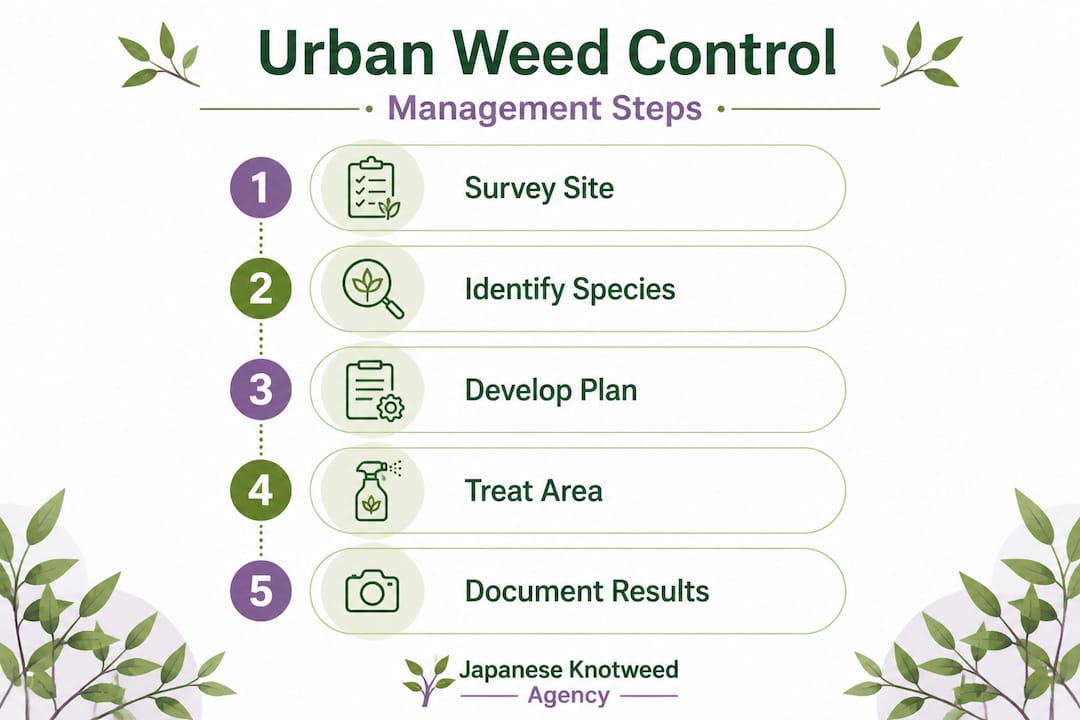
Understanding the process helps you make informed decisions and ask the right questions of any specialist you appoint. Effective urban weed management is structured, documented, and ongoing. It is not a single visit and a brief spray of herbicide.
The following table outlines the principal stages of a professionally managed programme:
| Stage | What it involves | Why it matters |
|---|---|---|
| Initial inspection | Visual survey of property boundaries and structures | Identifies extent and risk category |
| Professional identification | Confirmation of species by an accredited surveyor | Ensures correct treatment is applied |
| Survey report | Formal written report with photographs and mapping | Required by lenders and solicitors |
| Management plan | Tailored treatment schedule agreed with the client | Sets out the full programme of works |
| Treatment delivery | Chemical-free or conventional intervention | Addresses the rhizome network directly |
| Monitoring | Scheduled revisits to confirm treatment efficacy | Provides ongoing assurance and documentation |
The key elements of a best-practice approach to invasive weed eradication include:
- Thermo-electric treatment: An innovative, chemical-free method that delivers direct electrical energy to the plant’s root network, disrupting cellular function without the use of herbicides.
- Root barrier installation: Physical barriers installed underground to prevent rhizome spread into adjacent areas or structures.
- Excavation works: In certain situations, physical removal of contaminated soil and root material is the most appropriate solution.
- Chemical-based treatment: Where appropriate and permitted, herbicide programmes may form part of a wider plan, though chemical-free methods are increasingly preferred by both clients and lenders.
Following weed eradication best practices is critical because the Japanese Knotweed rhizome network can extend up to three metres deep and seven metres laterally from the visible plant. Surface removal alone will not resolve an infestation. Any treatment that does not address the underground root system will result in rapid regrowth.
The step-by-step invasive weed management process must also take into account the broader ecology of the site. Responsible weed management protects biodiversity and supports habitat restoration strategies, particularly where native plant species have been displaced by Japanese Knotweed colonisation. Restoring ecological balance after treatment contributes to the long-term value and amenity of the property.
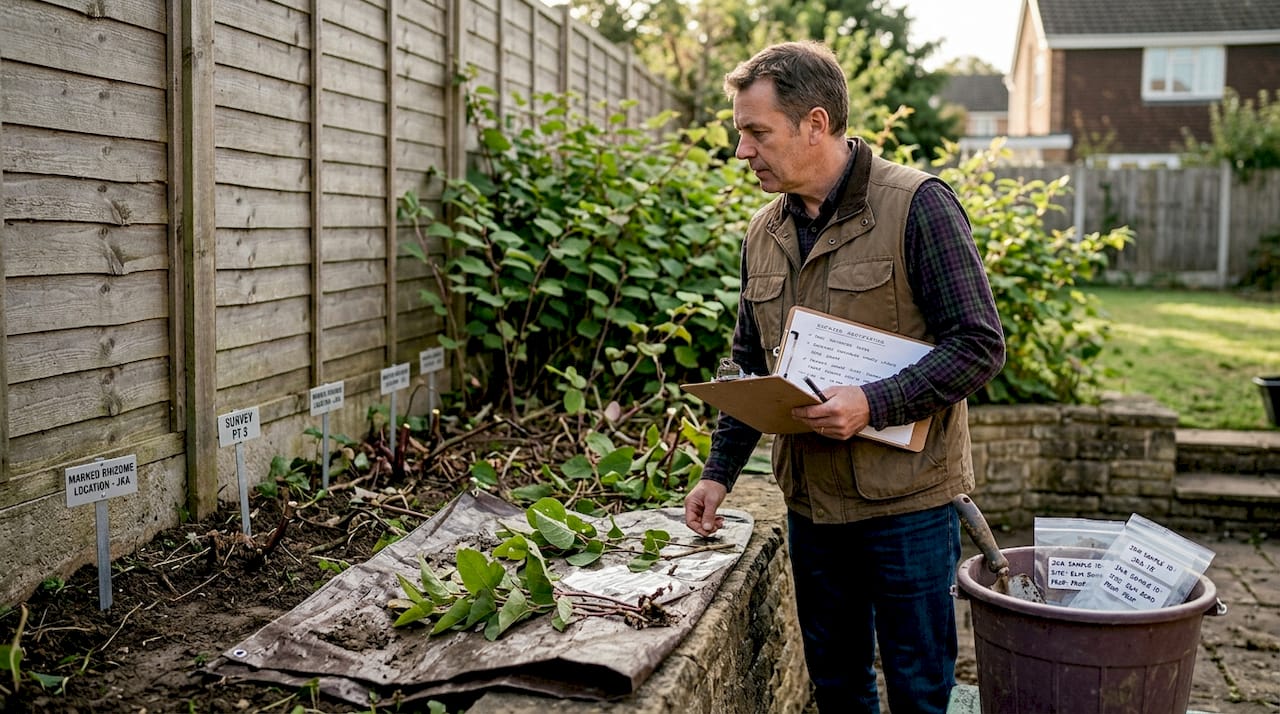
Lenders require PCA-accredited surveys and plans as an accepted standard of evidence, and this requirement is non-negotiable for most mortgage applications involving affected properties. Always confirm that your specialist holds current PCA accreditation before commissioning any work.
Pro Tip: Always insist on full written documentation at every stage of the management process. Your survey report, management plan, and treatment records are vital evidence for your mortgage application, your solicitor, and any future sale of the property.
Practical tips for homeowners facing invasive urban weeds
Whether you are buying, selling, or simply maintaining your property, there are concrete actions you can take right now to reduce your exposure to the risks associated with invasive weeds.
Overlooking weed management can lead to costly damages and legal action, so proactive vigilance is far preferable to reactive crisis management. The following practical guidance applies to homeowners at every stage of the property journey:
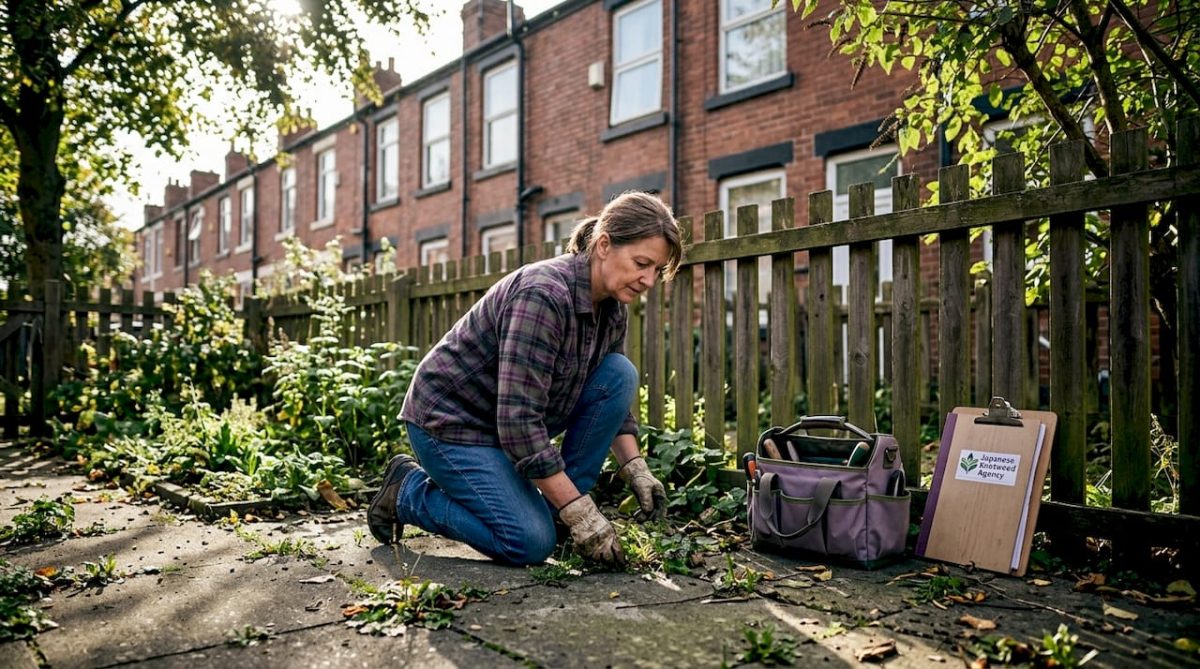
- Inspect your boundaries regularly. Japanese Knotweed is most visible in spring and summer when it produces distinctive bamboo-like stems and broad, shield-shaped green leaves. Early identification allows for earlier intervention, which is both more effective and more cost-efficient.
- Consult a PCA-accredited specialist at the first sign of concern. Do not wait until a problem is advanced before seeking professional advice. Early-stage infestations are significantly easier and less expensive to address.
- Scrutinise the TA6 form carefully when buying. If you are a purchaser, ensure the seller’s property information form accurately reflects the condition of the property. If you have concerns, commission an independent survey before proceeding.
- Retain all documentation related to surveys and treatments. This includes original survey reports, photographic evidence, management plans, treatment records, and any insurance-backed guarantees. These documents are essential for lenders and future buyers.
- Understand the boundary rules. Japanese Knotweed on neighbouring land poses a genuine risk to your property. If you identify an infestation originating from an adjacent property, you have legal grounds to request remediation.
- Never attempt to dispose of Japanese Knotweed in standard garden waste. It is classified as controlled waste under UK legislation, and improper disposal can lead to further spread and potential fines.
Following chemical-free eradication guidance is particularly valuable for homeowners who wish to avoid the use of herbicides near water features, children’s play areas, or areas of ecological sensitivity. Chemical-free methods have advanced considerably in recent years, and accredited specialists can now deliver highly effective treatment without relying on traditional herbicide programmes.
Being informed about local weed policy strategies is also useful, as local authority approaches to invasive species management vary across England, Wales, and Ireland. Some councils have active programmes in place, while others rely on landowners to manage issues independently.
Pro Tip: Early professional intervention typically costs a fraction of what homeowners spend managing the legal and financial consequences of an undisclosed or unmanaged infestation. Investing in a proper survey and management plan at the outset is one of the most financially sound decisions a property owner can make.
Our perspective: why thorough weed management is non-negotiable
From our experience working with property owners, buyers, and developers across England, Wales, and Ireland, one pattern stands out consistently. The homeowners who encounter the most serious difficulties are not those who discovered Japanese Knotweed; they are those who chose to deal with it inadequately.
Shortcuts are remarkably common. A contractor is hired to cut the visible growth back. A partial herbicide application is carried out without a formal plan. A seller decides not to mention the issue on the TA6, hoping the buyer will not notice. In every one of these scenarios, the consequences arrive later and they arrive harder. Lenders reject applications. Buyers withdraw. Legal claims follow. The financial and emotional cost of attempting to conceal or minimise an invasive weed problem consistently exceeds the cost of addressing it properly from the outset.
The industry impacts of Knotweed on property transactions are well-documented, and lenders, solicitors, and surveyors are now well-versed in identifying inadequate management. A management plan prepared by an unaccredited contractor, or a treatment history with no formal documentation, will not satisfy modern lender requirements. The property market has matured in its understanding of this issue.
Robust, accredited weed management is not merely an additional expense. It is an investment in the transactability of your property. The difference between a sale that completes smoothly and one that collapses at the eleventh hour is, very often, the quality of the weed management documentation. We believe strongly that investing in proper accredited surveys, comprehensive treatment programmes, and ongoing monitoring is the only approach that genuinely protects both your property value and your legal position.
Get expert help with urban weed management solutions
If Japanese Knotweed or any other invasive species has been identified on or near your property, professional guidance is available from a team with the expertise and credentials to help you at every stage.
Japanese Knotweed Agency are pioneers in chemical-free treatment and eradication, using innovative thermo-electric technology to deliver direct energy up to 5,000 volts into the rhizome network, causing internal cell damage and systematically depleting the plant’s energy resources without the use of herbicides. We also offer root barrier installations and excavation works, providing a genuinely comprehensive solution. For homeowners who need clarity on next steps, our Japanese Knotweed FAQs are an excellent starting point. Explore our chemical-free Knotweed solutions to understand what modern treatment looks like, or read our plant eradication survey guide to learn exactly what to expect from a professional property survey.
Frequently asked questions
Why do mortgage lenders care about invasive weeds like Japanese Knotweed?
Lenders are concerned about structural risks and the potential for future sale complications, so they require PCA-accredited surveys and formal management plans as evidence that any infestation is being properly addressed before they will consider providing finance.
What happens if a seller hides Japanese Knotweed on the TA6 form?
If sellers fail to disclose the presence of invasive weeds on the TA6, they face claims of misrepresentation from buyers after completion, which can result in substantial financial damages and prolonged legal proceedings.
How can homeowners tell if Japanese Knotweed is present?
Look for bamboo-like hollow stems with distinctive purple speckles, large shield-shaped green leaves, and rapid growth during spring and summer; however, a professional survey remains the most reliable method of confirmed identification.
Are chemical-free weed management solutions accepted by lenders?
Yes, provided the treatment is delivered and documented by accredited professionals as part of a formal management plan, chemical-free approaches fully satisfy standard lender requirements.
What should buyers do if a survey finds invasive weeds?
Buyers should immediately request a comprehensive management plan from an accredited specialist and negotiate appropriate remedies with the seller before completing the purchase, in order to avoid inheriting unresolved legal or financial liabilities.