

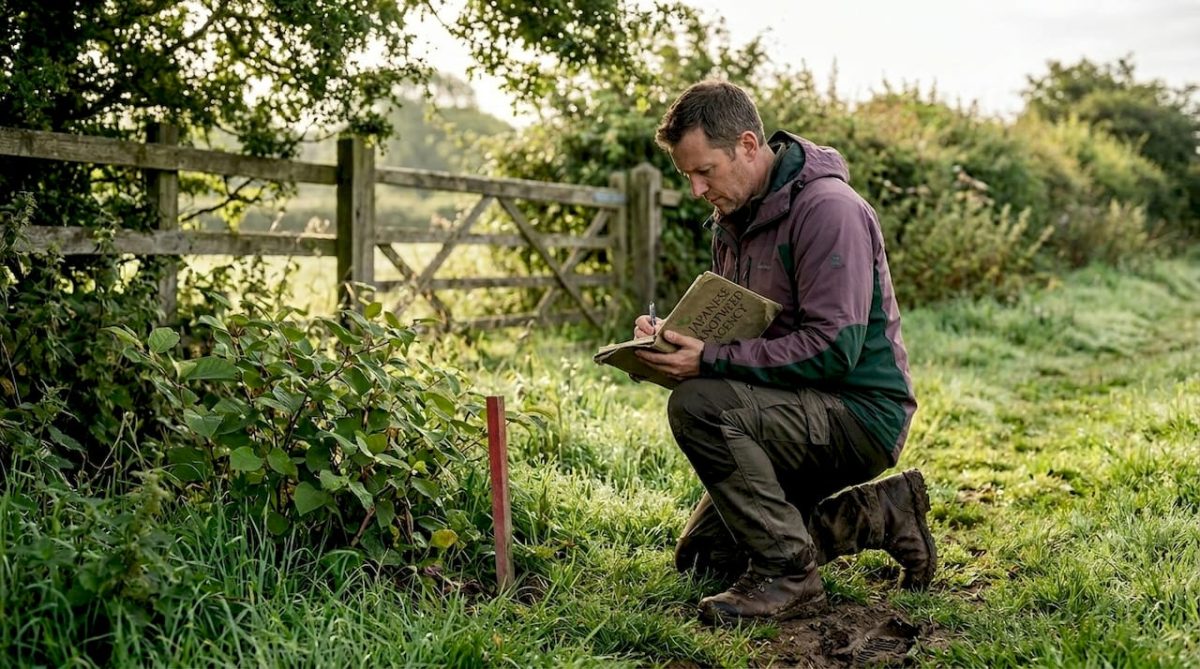
TL;DR:
- Rapid response weed management involves proactive detection, layered control methods, and continuous monitoring to eradicate invasive species early. Early action significantly reduces costs and increases success, emphasizing the importance of professional surveys and integrated techniques like thermo-electric treatment. Rushing treatments without proper planning can worsen infestations, making expert guidance essential for effective long-term land health.
Many homeowners assume that rapid response weed management simply means pulling weeds out quickly before they spread. That assumption leads to costly mistakes. What is rapid response weed management, in practice, is a structured, proactive approach combining early detection, layered control methods, and consistent monitoring to stop invasive species before they become unmanageable. For homeowners and property managers dealing with species such as Japanese knotweed, which can push through tarmac and destabilise foundations, getting this right has direct consequences for property value, mortgage applications, and long-term land health.
Table of Contents
- Key takeaways
- What rapid response weed management actually involves
- Effective rapid weed control methods
- Common mistakes that undermine rapid response
- Building a rapid response plan for your property
- My perspective on what actually works
- How Japaneseknotweedagency supports your response plan
- FAQ
Key takeaways
| Point | Details |
|---|---|
| Early action is decisive | Detecting and treating small infestations costs up to 95% less than managing established ones. |
| Integrated methods outperform single tactics | Combining mechanical, cultural, and targeted treatment methods delivers far better results than any one approach alone. |
| Timing determines success | Treating weeds after they flower or set seed risks spreading infestations and triggering regrowth from root fragments. |
| Professional surveys matter | A specialist survey provides the baseline knowledge needed to build an effective rapid response plan for your property. |
| Chemical-free options exist | Modern thermo-electric treatment and other precision techniques offer effective, environmentally responsible alternatives to herbicides. |
What rapid response weed management actually involves
The concept is rooted in a strategy known as Early Detection and Rapid Response, or EDRR. Developed and formalised through programmes such as that run by the Oregon Department of Agriculture, EDRR focuses on identifying invasive plants while populations are still small enough to eradicate, rather than simply suppress.
The reasoning is economic as much as ecological. The invasion curve concept demonstrates that management costs rise sharply and eradication chances fall steeply as infestations grow. A small stand of knotweed detected early is a contained problem. Left unchecked through a single growing season, the same stand can spread through an extensive rhizome network, pushing into neighbouring land, drainage systems, and building structures.
| Infestation stage | Estimated control success | Relative cost |
|---|---|---|
| 1 to 5 plants detected | 99 to 100% | Very low |
| Established patch, 1 to 5 sq metres | 70 to 90% | Moderate |
| Full infestation, multiple areas | 30 to 60% | Very high |
| Widespread, rhizome-extensive growth | Suppression only | Extreme |
Early detection in practice means regular visual inspections of your land, particularly in spring when new growth emerges. It means knowing which species to look for and understanding their typical growth patterns. For property managers overseeing multiple sites, a scheduled surveillance programme is far more cost-efficient than reactive treatment. Detecting 1 to 5 plants costs 90 to 95% less than managing a full infestation across the same area.
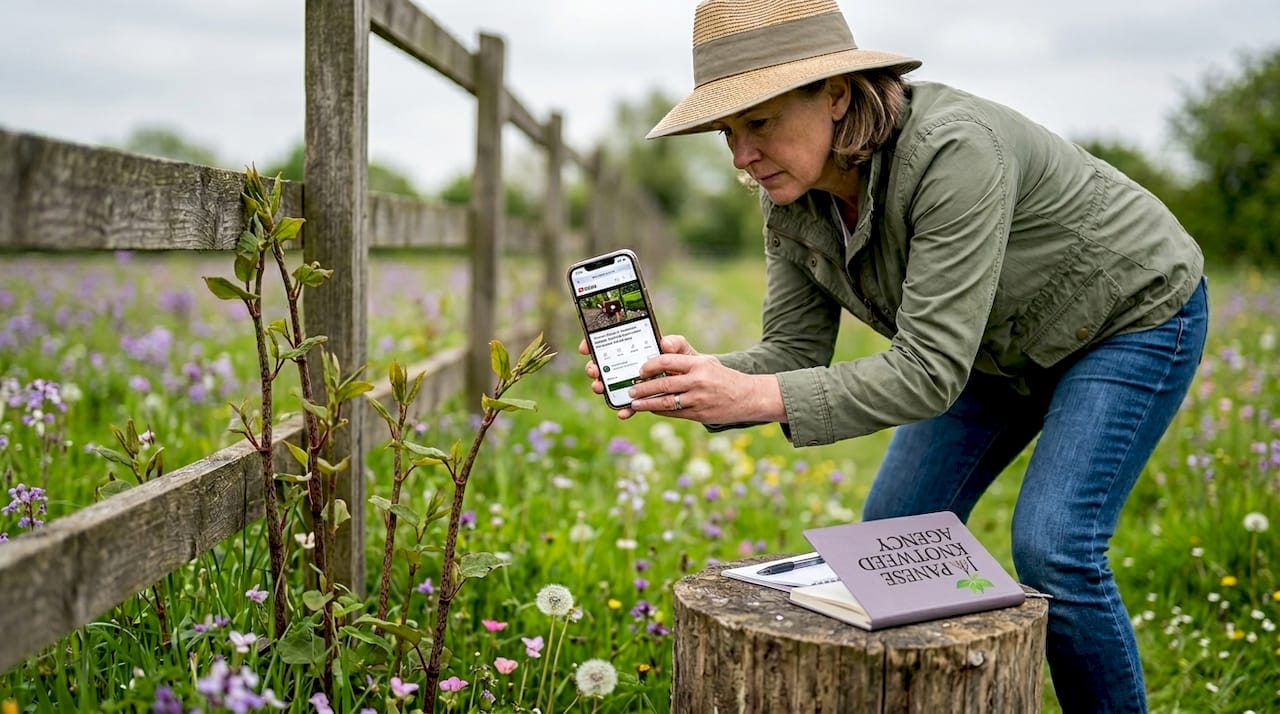
Pro Tip: Photograph any suspected invasive plants and note the GPS location using a smartphone. This creates a dated record that is invaluable for tracking spread and planning follow-up treatments.
Effective rapid weed control methods
Understanding the range of rapid weed control methods available is central to building a workable plan. No single method delivers lasting control. Integrated Weed Management, which layers prevention, mechanical, cultural, and targeted treatment approaches, consistently outperforms any one-dimensional strategy.
Here is how each method category functions in practice:
- Mechanical and manual removal: Effective for small infestations in accessible areas. Manual weeding achieves 72 to 99% control in early-stage populations, though it is labour intensive and requires precise timing. Rhizome fragments left in soil will regrow, so thorough removal is non-negotiable.
- Cultural controls: Promoting dense, healthy vegetation reduces the opportunity for invasive species to establish. Competitive plant growth acts as a natural barrier, depriving invasive plants of light and space. This approach supports long-term resilience without chemical inputs.
- Shallow cultivation: Shallow cultivation before seed set can control up to 90% of annual and biennial weeds. However, cultivating too deeply or too late in the season risks exposing buried seed banks and worsening the problem.
- Chemical controls: Herbicides such as glyphosate are licensed for certain invasive species in the UK and can be effective when applied correctly and at the right growth stage. That said, overuse of chemical herbicides causes environmental harm and risks resistance developing over time. Chemical control should be one component of a broader plan, not the default response.
- Thermo-electric and precision treatment: Technology such as thermo-electric treatment delivers targeted energy directly to plant tissue and root systems, causing cell damage without the need for chemical inputs. This approach aligns with the growing demand for environmentally responsible weed management and is particularly relevant for sensitive sites near watercourses or protected habitats. You can read more about the evidence behind chemical-free treatment outcomes in residential and property contexts.
Pro Tip: Timing matters more than intensity. Treating invasive plants before they flower or set seed removes the risk of spreading propagules across your land during the removal process itself.
Common mistakes that undermine rapid response
Even property managers with the best intentions can undermine their own efforts through avoidable errors. Recognising these pitfalls is part of any weed control best practice framework.
-
Treating visible growth while ignoring root systems. Japanese knotweed, for example, has a rhizome network that can extend up to three metres deep and seven metres horizontally. Removing the canes above ground without addressing the roots simply triggers regrowth. Root fragments cause regrowth if left behind, and disturbing the soil without proper extraction can spread the problem further.
-
Acting after seed or spore dispersal. Pulling weeds after flowering risks scattering viable seed across the site and into surrounding areas. For species that spread vegetatively through root fragments, any disturbance post-establishment requires careful management to avoid making things worse.
-
Assuming one treatment is enough. Persistent seed banks remain viable in soil for years. Consistent monitoring reduces re-infestation risk, but only if it is built into a long-term management plan rather than treated as optional follow-up.
-
Excessive soil disturbance without a plan. Digging or cultivating without understanding the extent of a root system can fragment and redistribute rhizomes. This is particularly problematic with knotweed, where even a small fragment containing a node can regenerate into a new plant.
-
Skipping a professional survey before acting. Without understanding what species are present, how far they have spread, and what the root structure looks like, any treatment is guesswork. A plant eradication survey provides the precise information needed to choose the right methods and sequence them correctly.
Building a rapid response plan for your property
Translating theory into practice requires a clear sequence of decisions. The following framework reflects how effective weed management techniques are structured in a property context, particularly where mortgage or legal risk is a concern.
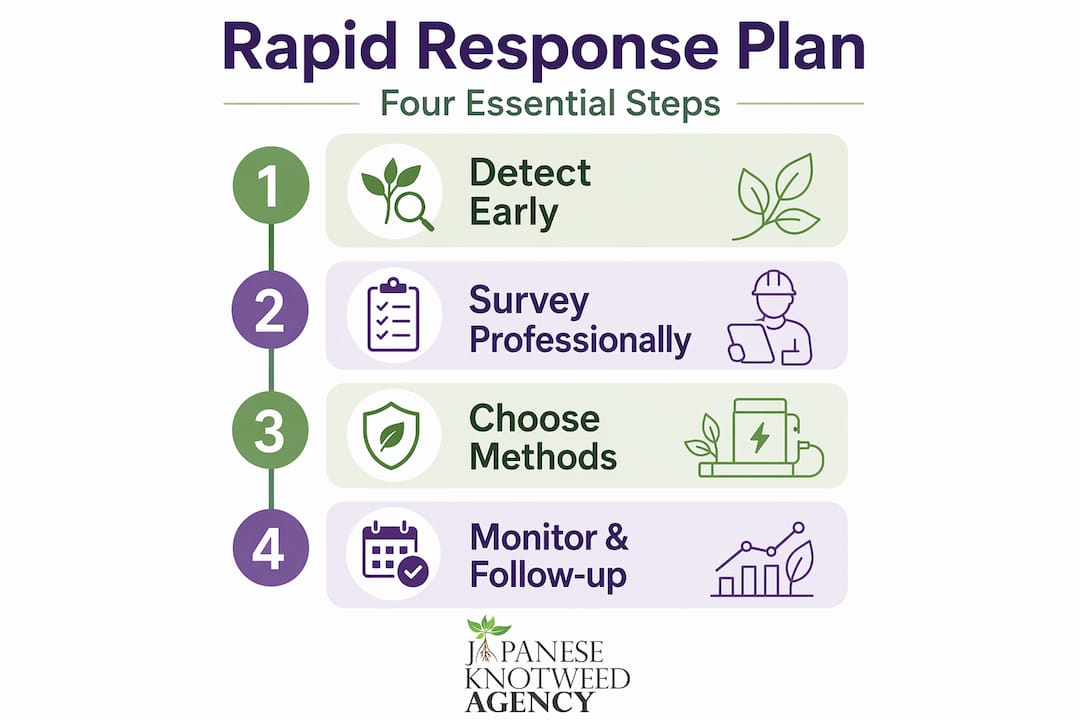
Step one: Detection and identification. Inspect your land at the start of the growing season, typically March to April in the UK. Look for characteristic growth patterns, unusual plant density, or regrowth in previously cleared areas. If you are uncertain about identification, reporting Japanese knotweed to a qualified specialist is the correct first step.
Step two: Commission a specialist survey. A professional survey maps the extent of any infestation, identifies the species present, and documents the rhizome network where relevant. This is the foundation of any management plan and is often required by mortgage lenders where invasive species are suspected.
Step three: Select and layer your treatment methods. Based on survey findings, choose a combination of methods appropriate to the species, site conditions, and environmental sensitivities. The table below outlines how different methods compare across key criteria.
| Method | Speed of result | Environmental impact | Best suited to |
|---|---|---|---|
| Manual removal | Fast for small infestations | Low | Early-stage, accessible sites |
| Cultural controls | Slow, long-term | Very low | Prevention and landscape restoration |
| Herbicide application | Moderate | Moderate to high | Licensed species, non-sensitive sites |
| Thermo-electric treatment | Progressive, multi-session | Very low | Sensitive sites, chemical-free requirements |
| Excavation | Immediate | Moderate (disruption) | Severe infestations or development sites |
Step four: Monitor and follow up. Rapid response is not a single event. The invasion curve demonstrates that sustained suppression requires repeated monitoring across multiple growing seasons. Schedule inspections in spring and late summer to identify any resurgence and respond before it escalates.
Legal and environmental considerations also apply. Allowing invasive species such as Japanese knotweed to spread to neighbouring land or a controlled watercourse can result in legal liability under the Wildlife and Countryside Act 1981. Understanding your obligations and engaging a qualified specialist protects both your property and the surrounding environment.
My perspective on what actually works
In my experience, the biggest misunderstanding about fast response weed solutions is the belief that speed alone is the objective. Property owners often contact specialists in a reactive state, having noticed knotweed growth metres from a boundary wall or received a mortgage condition flagging an invasive species survey. The urgency is real, but rushing the treatment without a plan is how small problems become expensive ones.
What I have seen work consistently is a layered approach that starts with a thorough survey and builds outward. The survey tells you what you are dealing with. The management plan tells you how to sequence your response. And the follow-up monitoring is what actually secures the result over time.
I would also push back on the assumption that chemical-free treatment is inherently slower or less effective. Thermo-electric treatment, in particular, has demonstrated progressive depletion of rhizome energy reserves across treatment cycles, without the regulatory constraints or environmental risks associated with herbicide use. For sites near water, in protected areas, or where there are concerns about chemical exposure, it is often the stronger choice. The role of a knotweed specialist is precisely to help you navigate these decisions with accuracy rather than assumption.
My consistent advice to homeowners is this: act before you can see the problem clearly. By the time a knotweed stand is visible and established, the window for low-cost eradication has already narrowed considerably.
— Alan
How Japaneseknotweedagency supports your response plan
If you are dealing with a suspected invasive weed infestation, or simply want to know the current status of your land before buying, selling, or developing a property, Japaneseknotweedagency offers the specialist support you need.
Japaneseknotweedagency carries out professional eradication surveys across England, Wales, and Ireland, providing property owners with accurate species identification, rhizome mapping, and a clear treatment pathway. Where chemical-free treatment is preferred or required, the agency’s thermo-electric treatment delivers up to 5,000 volts directly to the plant’s root network, depleting stored energy over successive sessions. The benefits of chemical-free control are particularly relevant for mortgage-sensitive properties and environmentally protected sites. Japaneseknotweedagency also provides root barrier installation and excavation services where the situation demands immediate physical intervention. To take the first step, book a survey and receive a clear, evidence-based assessment of your property.
FAQ
What is rapid response weed management?
Rapid response weed management is a proactive strategy that combines early detection, layered control methods, and ongoing monitoring to stop invasive weeds before they become established. It goes well beyond simply removing visible growth and requires a planned, sequential approach.
How quickly does weed management need to begin to be effective?
The sooner treatment begins, the greater the chance of full eradication. Detecting and treating 1 to 5 plants can cost 90 to 95% less than managing a full infestation, and success rates drop significantly as infestations grow.
Can I manage Japanese knotweed myself without chemicals?
Small, early-stage infestations may be partially addressed through careful manual removal, but Japanese knotweed’s extensive rhizome network makes DIY eradication highly unreliable. Thermo-electric treatment, carried out by specialists, offers an effective, chemical-free alternative with a documented success rate.
How often should I monitor my property for invasive weeds?
At minimum, inspect your land twice during the growing season, in early spring and late summer. If a known infestation has been treated, monitoring should continue across multiple growing seasons due to the persistence of seed banks and rhizome fragments.
Does invasive weed presence affect my mortgage?
Yes. Mortgage lenders frequently flag Japanese knotweed and other invasive species as material risks. A professional survey and a documented management or eradication plan are often required as conditions of lending, particularly when selling or purchasing a property with a known infestation.