Glyphosate Ban in Derry – Northern Ireland: Embracing Safer, Sustainable Weed Control

Introduction: Derry, located in Northern Ireland, has joined the growing list of UK and Irish cities banning the use of glyphosate. Known for its rich history and vibrant cultural heritage, Derry is now making strides in adopting environmentally conscious practices by eliminating harmful chemical herbicides. In this blog, we’ll explore why Derry has opted for a glyphosate ban, the benefits of this decision, and how thermo-electric treatment from the Japanese Knotweed Agency provides a chemical-free solution for managing invasive species like Japanese Knotweed.

Why Derry Has Banned Glyphosate:

Glyphosate, a widely used herbicide, has come under increased scrutiny due to its potential health and environmental risks. Derry, along with other progressive cities across Northern Ireland, is embracing the ban for several key reasons:

  1. Public Health Concerns: The potential link between glyphosate and cancer has led to a growing demand for alternatives. Derry’s glyphosate ban aims to protect public health by reducing exposure to harmful chemicals in public spaces, gardens, and recreational areas.
  2. Protecting the Environment: Glyphosate can harm local ecosystems by disrupting soil health and affecting pollinators such as bees. The decision to ban glyphosate in Derry is part of a broader initiative to protect the town’s natural beauty and biodiversity, making it a safer and more sustainable place to live.
  3. Aiming for Sustainability: By banning glyphosate, Derry is aligning itself with global sustainability goals. This forward-thinking approach demonstrates a commitment to preserving the environment for future generations by adopting safer and more responsible weed control practices.

What Does the Ban Mean for Derry Residents?

The glyphosate ban in Derry brings about significant changes for residents, businesses, and local authorities. Here’s what the ban means for the community:

  1. Alternative Weed Control Solutions: With the ban in place, chemical herbicides are no longer a viable option for weed control. This shift calls for the adoption of innovative and safe alternatives. Thermo-electric treatment by the Japanese Knotweed Agency is one such solution that provides an environmentally friendly way to manage invasive plants, including Japanese Knotweed, without using harmful chemicals.
  2. Supporting Biodiversity: The ban ensures that Derry’s ecosystems remain intact, with local wildlife and plants benefiting from the reduction of harmful chemicals. Thermo-electric treatment is an excellent choice for this, as it targets invasive species without affecting the surrounding environment, preserving biodiversity and allowing native species to thrive.
  3. Public Awareness and Education: Derry has also launched educational initiatives to inform the public about the dangers of glyphosate and promote safer alternatives. Thermo-electric treatment is one of the alternatives being advocated to help communities combat invasive species safely and effectively.

How Thermo-Electric Treatment Helps Derry’s Weed Control Efforts

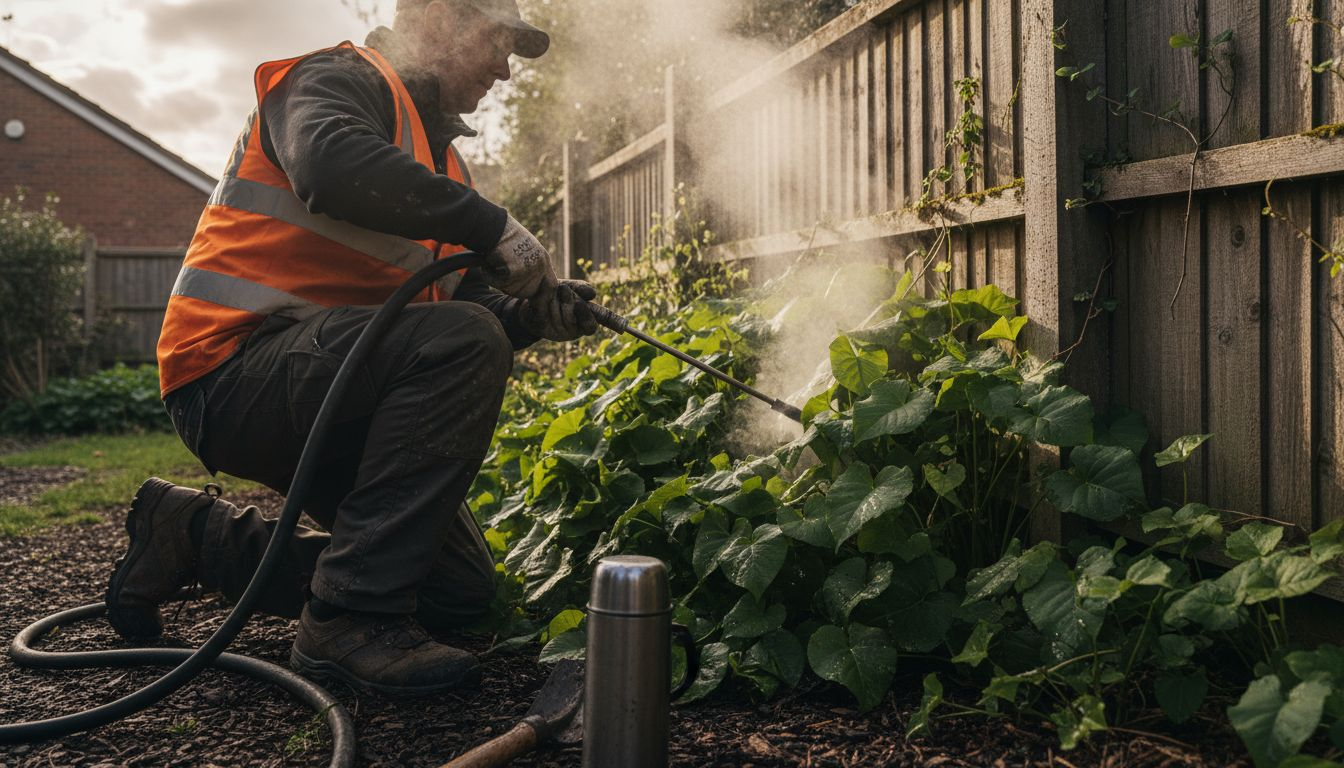
The Japanese Knotweed Agency offers thermo-electric treatment as a cutting-edge solution to combat invasive plants without the use of chemicals. This method uses heat to target and kill the plant’s root system, preventing regrowth and spread.

Here’s why thermo-electric treatment is a fantastic option for Derry:

  1. Eco-Friendly and Chemical-Free: Thermo-electric treatment provides an environmentally safe solution for controlling invasive species. Unlike traditional herbicides, which can harm the soil and surrounding vegetation, this method only targets the plant being treated, leaving the rest of the environment unharmed.
  2. Effective for Invasive Species: Japanese Knotweed, an invasive plant that can cause severe damage to buildings and infrastructure, is particularly difficult to manage. Thermo-electric treatment effectively targets the plant’s deep roots and prevents regrowth, making it an ideal solution for controlling Knotweed in Derry’s public and private spaces.
  3. Long-Term Results: One of the key advantages of thermo-electric treatment is its long-term effectiveness. By using heat to kill the roots of invasive plants, this method prevents further spread, ensuring that the problem is addressed for good.
  4. Safe for Wildlife and Pollinators: Unlike chemical herbicides that can negatively impact local wildlife, thermo-electric treatment poses no threat to pollinators, such as bees, or other beneficial insects. This is crucial in areas like Derry, where maintaining a healthy ecosystem is a priority.

Why Derry Residents Should Embrace Thermo-Electric Treatment

For Derry residents, adopting thermo-electric treatment for invasive plant management offers several benefits:

  1. Protecting Property Value: Invasive plants like Japanese Knotweed can severely reduce property values. By using thermo-electric treatment, Derry residents can prevent the spread of Knotweed and protect their homes and properties from damage.
  2. Promoting a Greener Future: Derry’s commitment to sustainability is reflected in its decision to ban glyphosate. By choosing alternative methods like thermo-electric treatment, residents can continue to contribute to a greener, healthier environment.
  3. Maintaining Community Health: With the ban on glyphosate, the community benefits from reduced exposure to harmful chemicals. Thermo-electric treatment provides an effective, chemical-free way to manage invasive plants and promote public health.

What’s Next for Derry’s Weed Control?

Derry’s decision to ban glyphosate marks a significant step toward creating a safer, more sustainable community. As residents, businesses, and local authorities continue to explore safer alternatives, solutions like thermo-electric treatment will play a vital role in managing invasive species and maintaining a healthy environment.

In the coming years, Derry is poised to lead the way in chemical-free weed control, setting an example for other towns and cities across Northern Ireland and the UK.

Conclusion:

Derry’s glyphosate ban is a groundbreaking decision that aligns with the town’s commitment to environmental sustainability. By choosing eco-friendly alternatives like thermo-electric treatment from the Japanese Knotweed Agency, the town is taking proactive steps to protect its ecosystem, public health, and property values.

If you’re in Derry and dealing with invasive species like Japanese Knotweed, contact the Japanese Knotweed Agency today. We offer professional thermo-electric treatment services that are safe, effective, and environmentally friendly.

Call to Action:

If you’re facing an invasive plant problem in Derry, especially Japanese Knotweed, contact the Japanese Knotweed Agency today to schedule your free survey. Let us help you manage and treat invasive species safely and effectively with our thermo-electric service.

Stay tuned for more informative blog posts in this series!

Call to Action: Contact the Japanese Knotweed Agency today to learn more about our sustainable solutions for managing invasive plants and ensuring a healthier environment. We’re here to help you keep your garden and property safe from harmful species like Japanese Knotweed.

EMAIL US: contact@japaneseknotweedagency.co.uk

CALL US: Freephone 03335 777 888

EMAIL WEB FORM: https://japaneseknotweedagency.co.uk/contact-us/

Glyphosate Ban in Glastonbury: The Future of Weed Control in Somerset

Introduction: Glastonbury, a town famous for its rich history, mystical connections, and the globally renowned music festival, is also making waves in the environmental community with its recent decision to ban glyphosate. This forward-thinking initiative is in line with the town’s broader commitment to sustainability and ecological health. In this blog, we’ll take a closer look at why Glastonbury has introduced the glyphosate ban, what it means for local residents and businesses, and how thermo-electric treatment can help manage invasive plants like Japanese Knotweed in a safer, more eco-friendly way.

Why Glastonbury Has Banned Glyphosate:

The decision to ban glyphosate in Glastonbury comes as part of the growing movement across the UK to limit the use of harmful pesticides. This is particularly important in an area known for its unique cultural and environmental significance. Several factors have led to this decision:

  • Health and Safety Concerns: Glyphosate has faced increasing scrutiny due to its potential health risks, including its links to cancer and other diseases. Glastonbury, known for its community-led environmental efforts, is prioritising the health of its residents and visitors by moving away from glyphosate-based products.
  • Environmental Impact: Pesticides like glyphosate can have devastating effects on local ecosystems. From pollinators like bees to soil health, the use of chemical herbicides has long-lasting consequences. The ban in Glastonbury is an attempt to protect the town’s flora and fauna, particularly its native species.
  • A Sustainable Future: Glastonbury has always prided itself on being a hub for progressive thinking and environmental consciousness. This glyphosate ban reinforces the town’s commitment to sustainability, promoting organic practices and reducing the reliance on toxic chemicals in everyday life.

What Does the Ban Mean for Glastonbury Residents?

For Glastonbury’s residents and local businesses, the glyphosate ban means that the traditional methods of weed control, including chemical herbicides, will no longer be allowed. This shift will require a move toward alternative weed management solutions that are both effective and environmentally responsible.

  • Alternative Weed Control Solutions: As part of the transition away from glyphosate, Glastonbury residents and businesses will need to explore alternative methods for managing weeds. One such method is the thermo-electric treatment provided by Japanese Knotweed Agency. This cutting-edge technology uses heat to destroy the root systems of invasive plants, including Japanese Knotweed, without relying on chemicals.
  • Supporting Local Wildlife: Glastonbury is home to a variety of native species, and the glyphosate ban is an important step in protecting these organisms. Thermo-electric treatments do not harm surrounding plants, animals, or pollinators, making it a safe and effective way to manage weeds without disturbing the local ecosystem.
  • Fostering Public Awareness: As part of the ban, Glastonbury has also launched campaigns to raise awareness about the dangers of glyphosate and educate residents on safer alternatives. The thermo-electric service is one such method that the Japanese Knotweed Agency is introducing to local communities as part of the transition to more sustainable weed control.

What Is Thermo-Electric Treatment, and Why Is It a Great Solution for Glastonbury?

Thermo-electric treatment is an innovative solution for controlling invasive plant species like Japanese Knotweed. The method uses heat to target and kill the plant’s root system, preventing it from regrowing. This approach is incredibly effective and has several advantages over traditional chemical methods.

Here are some reasons why thermo-electric treatment is the perfect solution for Glastonbury’s glyphosate-free future:

  • Eco-Friendly: Thermo-electric treatment does not use any harmful chemicals, making it an environmentally safe option for controlling invasive plants.
  • Long-Term Effectiveness: The heat treatment targets the plant’s root system, ensuring long-term control over stubborn species like Japanese Knotweed.
  • Non-Toxic to Surrounding Plants: The treatment only affects the targeted plant, leaving surrounding flora and fauna unaffected. This is essential in areas with delicate ecosystems, such as Glastonbury.
  • Ideal for Sensitive Areas: For towns like Glastonbury, known for their cultural significance and natural beauty, maintaining a healthy ecosystem is crucial. Thermo-electric treatment provides a method that can help control invasive plants without compromising the environment.

The Benefits of Thermo-Electric Treatment for Glastonbury’s Gardens and Landscapes:

As more residents and businesses seek alternatives to glyphosate, the thermo-electric treatment provided by Japanese Knotweed Agency offers several benefits for the local community:

  • Preserving Natural Spaces: Glastonbury’s parks, gardens, and public spaces can benefit from thermo-electric treatments by eliminating invasive plants like Japanese Knotweed, allowing native species to thrive.
  • Protecting Property Value: Managing invasive plants such as Japanese Knotweed is crucial for maintaining property values in Glastonbury. The treatment helps prevent the spread of Knotweed, protecting homes and businesses from damage.
  • Sustainable Practices: As Glastonbury embraces a more sustainable future, thermo-electric treatment offers a solution that is both effective and eco-friendly, aligning with the town’s green initiatives.

What’s Next for Glastonbury’s Weed Control?

The glyphosate ban is just the beginning of Glastonbury’s commitment to a greener, more sustainable future. Over the coming years, we can expect more residents and businesses to adopt eco-friendly solutions like thermo-electric treatment to tackle invasive species. As Glastonbury becomes a leader in environmentally-conscious practices, innovative methods such as this will be key to achieving long-term success in managing invasive plants.

Conclusion:

The decision to ban glyphosate in Glastonbury is a vital step in the town’s mission to create a healthier, safer, and more sustainable environment. As residents and businesses make the transition away from harmful chemicals, alternatives like thermo-electric treatment offer a reliable and eco-friendly solution for managing invasive plants, such as Japanese Knotweed, without harming the local ecosystem.

With the Japanese Knotweed Agency leading the way in providing eco-friendly, effective treatment options, Glastonbury is well on its way to maintaining its natural beauty while embracing sustainable practices.

Call to Action:

If you’re in Glastonbury and looking for a safe, effective solution for Japanese Knotweed or other invasive plants, the Japanese Knotweed Agency offers professional thermo-electric treatment services. Contact us today to schedule a survey and learn more about how we can help protect your property and the local environment from the damaging effects of invasive plants!

Next Steps: Stay tuned for more blog posts where we will continue to explore the growing movement against glyphosate, alternative weed control methods, and the importance of preserving our local ecosystems!

Call to Action: Contact the Japanese Knotweed Agency today to learn more about our sustainable solutions for managing invasive plants and ensuring a healthier environment. We’re here to help you keep your garden and property safe from harmful species like Japanese Knotweed.

EMAIL US: contact@japaneseknotweedagency.co.uk

CALL US: Freephone 03335 777 888

EMAIL WEB FORM: https://japaneseknotweedagency.co.uk/contact-us/

Glyphosate Bans in Bath: What You Need to Know

Introduction: Bath, known for its Roman history and beautiful Georgian architecture, is also taking significant steps toward becoming a more environmentally-conscious city. In line with this, Bath has become one of the first cities in the UK to introduce a ban on glyphosate. This move reflects growing concerns about the environmental and health risks associated with the herbicide, especially its impact on biodiversity and human health. In this blog, we’ll explore the implications of the glyphosate ban in Bath and how residents and businesses can adapt, including alternative weed management solutions like the thermo-electric treatment offered by Japanese Knotweed Agency.

Why Bath Has Implemented a Glyphosate Ban:

Bath’s decision to implement a glyphosate ban is part of a larger trend in the UK, with various cities and regions opting to restrict or completely eliminate the use of this widely used herbicide. Several factors contribute to this shift:

  • Environmental Concerns: Glyphosate has been linked to a variety of environmental issues, particularly its impact on non-target plants, pollinators, and soil health. Bath, with its rich natural surroundings, is taking proactive measures to protect its local ecosystems.
  • Public Health: The growing body of evidence suggesting that glyphosate may have carcinogenic properties has led many to question its safety. Bath, along with other UK cities, is responding to public pressure and the concerns of environmental groups by adopting a glyphosate-free approach to gardening and landscaping.
  • A Commitment to Sustainability: As part of Bath’s wider sustainability goals, the ban aligns with the city’s commitment to reducing chemical usage in public spaces and promoting natural alternatives for weed control.

How the Ban Affects Bath Residents:

With the glyphosate ban in place, residents of Bath will need to adjust their gardening and landscaping practices. For homeowners and businesses, this means finding alternative methods to control weeds. For local authorities, it may require revisiting their landscaping practices and opting for more sustainable, eco-friendly solutions.

  • Alternative Weed Control Solutions: In response to the ban, Bath residents and businesses are seeking alternative weed control solutions. The thermo-electric treatment from Japanese Knotweed Agency offers an innovative way to tackle weeds without relying on harmful chemicals. This method involves applying heat to invasive plants like Japanese Knotweed, killing them at the root and preventing regrowth—without the use of glyphosate or other chemicals.
  • Preserving Local Ecosystems: Bath is known for its commitment to preserving local biodiversity. By embracing more eco-friendly alternatives like thermo-electric treatment, the city can maintain a healthy balance in its gardens, parks, and public spaces.
  • Educational Campaigns: The local council has also launched educational campaigns to inform the public about sustainable gardening practices and how to manage weeds without resorting to chemicals. This includes highlighting the benefits of natural weed control methods like the thermo-electric service.

What Is Thermo-Electric Treatment, and Why Should You Consider It?

Thermo-electric treatment is an advanced, eco-friendly method used to manage invasive species like Japanese Knotweed. By applying targeted heat to the plant, it destroys the root system, preventing regrowth. Unlike chemical herbicides, it doesn’t harm surrounding plants, soil, or wildlife, making it an ideal solution for sensitive environments like those found in Bath.

Here’s why you should consider using thermo-electric treatment for your weed control needs in Bath:

  • Eco-Friendly: The method uses only heat, with no harmful chemicals, ensuring that it is safe for the environment.
  • Effective: Thermo-electric treatment targets the plant’s root system, providing long-term control of invasive species like Japanese Knotweed.
  • Safe for Wildlife: The process is safe for pollinators, wildlife, and surrounding plants, making it a responsible choice for garden and property owners.
  • Compliance with Local Regulations: The shift toward glyphosate bans makes it even more important to adopt alternatives that comply with local regulations.

Looking Ahead: What’s Next for Bath’s Weed Management?

As the glyphosate ban continues to be enforced, Bath will likely see more residents, businesses, and local authorities exploring eco-friendly alternatives for weed management. The Japanese Knotweed Agency’s thermo-electric treatment could play a pivotal role in this transition, offering a sustainable solution that aligns with the city’s green initiatives.

The introduction of this ban is a sign of a growing commitment to environmental responsibility, and other cities and towns in the UK may follow Bath’s lead. With new, innovative techniques like the thermo-electric service, there’s no need to rely on harmful chemicals to manage weeds effectively.

Conclusion:

Bath’s decision to ban glyphosate is an important step toward creating a healthier, more sustainable city. As this change unfolds, residents and businesses will need to adapt by exploring alternative weed control methods. The thermo-electric treatment offered by Japanese Knotweed Agency presents a viable, eco-friendly solution for tackling invasive species like Japanese Knotweed, without the environmental and health risks associated with glyphosate.

As we continue to transition toward more sustainable practices, it’s clear that methods like thermo-electric treatment will play a key role in maintaining beautiful, healthy, and environmentally responsible spaces.

Call to Action: For those in Bath looking for effective, eco-friendly weed control solutions, the Japanese Knotweed Agency offers professional thermo-electric treatment for Japanese Knotweed and other invasive plants. Contact us today to schedule a survey and learn more about how we can help you manage invasive species safely and effectively!

Next Steps: Stay tuned for more blog posts where we’ll explore further glyphosate bans across the UK, the benefits of thermo-electric treatments, and other eco-friendly solutions for invasive plant management.

Call to Action: Contact the Japanese Knotweed Agency today to learn more about our sustainable solutions for managing invasive plants and ensuring a healthier environment. We’re here to help you keep your garden and property safe from harmful species like Japanese Knotweed.

EMAIL US: contact@japaneseknotweedagency.co.uk

CALL US: Freephone 03335 777 888

EMAIL WEB FORM: https://japaneseknotweedagency.co.uk/contact-us/

The Future of Glyphosate Bans: What to Expect in the UK

Introduction: The future of glyphosate in the UK is one of increasing uncertainty, as environmental concerns and health risks continue to spark debates about its use. Glyphosate, a widely used herbicide, has been under scrutiny due to its potential environmental and health impacts. This blog will explore the trajectory of glyphosate bans in the UK, what changes to expect, and how these changes could affect gardeners, farmers, and the general public. Additionally, we’ll touch on the innovative, eco-friendly alternatives to glyphosate—such as the thermo-electric treatment offered by Japanese Knotweed Agency—which are becoming increasingly important in the fight against invasive species like Japanese Knotweed.

The Current Status of Glyphosate Use in the UK:

Glyphosate has been a staple in the UK’s weed management strategy for decades. It is used widely by homeowners, farmers, and local authorities to control a variety of unwanted plants, including invasive species like Japanese Knotweed. However, increasing concerns about its environmental and health effects have led to a shift in public attitudes and policy decisions.

Several cities in the UK, such as Bath, Brighton, and Hove, have already implemented full or partial bans on glyphosate use. This is in response to growing evidence that glyphosate can harm non-target plants, pollinators, and soil quality. As local authorities grapple with the consequences of glyphosate use, it’s clear that further restrictions and bans are likely on the horizon, and ultimately a UK-wide ban will come into effect in December 2025.

Why Are Bans Being Introduced?

  1. Environmental Concerns: Glyphosate has been shown to harm biodiversity. It doesn’t just kill weeds; it can also adversely affect pollinators like bees, beneficial insects, and soil microbes. These negative impacts on ecosystems are causing more local councils and governments to reconsider its widespread use.
  2. Health Implications: Glyphosate’s potential carcinogenic properties have made headlines over the years, adding fuel to the fire of its ban in various countries. While not universally agreed upon, the growing body of research linking glyphosate exposure to health risks has pressured governments to act.
  3. Public Demand for Sustainability: There is increasing public pressure for more sustainable gardening and farming practices. People are looking for non-chemical solutions to weed management, especially in urban environments and public spaces.

What Does the Future Hold for Glyphosate in the UK?

As environmental awareness increases and the negative effects of glyphosate become clearer, we can expect several significant shifts:

  1. Wider Bans Across the Country: Following the example set by cities like Bath and Brighton, more local authorities across the UK will likely implement glyphosate bans. With more people aware of its risks, it will become more difficult to justify its continued widespread use, especially in public spaces like parks, playgrounds, and roadways.
  2. Stricter Regulations: The UK government may eventually impose stricter regulations surrounding glyphosate’s use, potentially limiting its availability and the areas in which it can be used. These changes will likely focus on limiting its application near watercourses, schools, and residential areas.
  3. A Shift Toward Eco-Friendly Alternatives: With glyphosate bans in place, gardeners, farmers, and property managers will need to find alternative methods for controlling weeds. One such eco-friendly solution is the thermo-electric treatment provided by Japanese Knotweed Agency. This method involves using heat to eliminate invasive plants, including Japanese Knotweed, without the need for chemicals. The thermo-electric process is highly effective, environmentally friendly, and safe for surrounding plants, soil, and wildlife.

Why choose thermo-electric treatment?

  • Eco-friendly: No chemicals are involved, making it safe for the environment and non-target species.
  • Highly effective: It targets the plant’s root system, which is essential for long-term eradication.
  • Safe for wildlife: Since it doesn’t involve harmful chemicals, it ensures that local wildlife, including pollinators, is protected.
    1. Increased Research and Development: As the demand for alternatives to glyphosate grows, there will be a greater push for research into non-chemical weed control solutions. Thermo-electric treatments, bio-based herbicides, and other innovative techniques are at the forefront of this movement.

The Role of Local Authorities in Managing Glyphosate Use:

Local authorities are playing a pivotal role in the shift away from glyphosate. With pressure from environmental groups and the public, many councils are adopting more sustainable weed control methods. For example, councils in places like Bath and Brighton are already using more natural alternatives to keep their public spaces safe and chemical-free.

The Japanese Knotweed Agency’s thermo-electric service can complement these efforts, particularly in areas where invasive species like Japanese Knotweed are a concern. The method is effective for tackling knotweed, and local authorities can use it to help manage infestations without resorting to chemical solutions.

Conclusion:

The future of glyphosate use in the UK is uncertain, but the trend towards bans and restrictions is clear. With environmental and health concerns continuing to mount, it’s likely that more regions will follow the lead of cities like Bath and Brighton. As glyphosate use declines, alternative methods such as the thermo-electric treatment provided by Japanese Knotweed Agency will become more vital. These eco-friendly solutions are crucial for ensuring that invasive species like Japanese Knotweed are managed effectively without compromising the environment or human health.

Next Steps: If you’re concerned about glyphosate, use or invasive plants like Japanese Knotweed on your property, consider scheduling a Japanese Knotweed survey with the Japanese Knotweed Agency. Our innovative thermo-electric service offers an eco-friendly and effective way to tackle knotweed and other invasive species without the use of harmful chemicals.

Call to Action: Contact the Japanese Knotweed Agency today to learn more about our sustainable solutions for managing invasive plants and ensuring a healthier environment. We’re here to help you keep your garden and property safe from harmful species like Japanese Knotweed.

EMAIL US: contact@japaneseknotweedagency.co.uk

CALL US: Freephone 03335 777 888

EMAIL WEB FORM: https://japaneseknotweedagency.co.uk/contact-us/