2026年入侵植物趋势:房产安全监测与治理指南

当您准备购置梦想家园时,是否考虑过隐藏在花园角落的入侵植物可能带来的严重威胁?许多购房者往往忽视日本虎杖等入侵植物对房产结构的破坏力和对物业价值的负面影响。这些看似普通的植物实际上能够在短时间内造成地基损坏、墙体开裂,甚至导致房产价值下降超过15%。本文将为您详细解析2026年入侵植物的最新趋势,提供科学有效的监测与治理方法,帮助您在购房和融资过程中有效规避这一隐性风险,确保您的房产投资安全无忧。

目录

主要要点回顾

要点 详情
入侵植物生长迅速威胁房产 日本虎杖等入侵植物单日可增长数英寸,根茎深入地下破坏建筑结构。
房产价值显著下降 受侵染严重的物业价值可下降5%至15%甚至更多。
综合治理策略至关重要 早期监测结合化学、机械和生物防治手段可有效控制扩散。
人类活动加剧扩散 土壤移动、园艺废弃物处理不当促进入侵植物传播。
购房前调查必不可少 专业入侵植物评估可避免后续高额治理成本和法律纠纷。

认识2026年主要入侵植物及其风险

日本虎杖是一种多年生草本植物,具有明显的竹节状硬梗和呈三角形的宽大叶片,春季新芽呈红色,夏季则长出白色小花簇。这种植物的生长速度令人震惊,单日可增长数英寸,最终高度可达10至15英尺甚至更高。其真正的威胁在于地下部分,根茎系统可以向四周延伸数米深,形成复杂的地下网络,这正是其强大扩散能力和重生能力的关键所在。

这种植物的适应能力极强,能够在各种恶劣环境中生存繁衍。无论是贫瘠的土壤、阴暗的角落、干旱的地区还是高盐分的土地,日本虎杖都能顽强生长。更令人担忧的是,其侵害性源于强健的根茎系统、快速生长能力和在各种环境中的生存优势,使其成为房产安全的重大隐患。

专业提示: 即使地上部分被完全清除,只要地下残留一小段根茎,日本虎杖就能重新生长。因此单纯的地面修剪无法根治问题。

日本虎杖对房产结构的破坏主要通过以下方式实现:

  • 根茎穿透混凝土裂缝和排水系统,造成地基损坏
  • 侵入墙体缝隙导致建筑结构开裂和变形
  • 破坏铺装道路和庭院硬质景观
  • 阻塞排水管道引发积水和渗漏问题
  • 侵占花园空间抑制其他植物生长

下表对比了主要入侵植物的特征和危害程度:

植物名称 生长速度 根茎深度 破坏力等级 治理难度
日本虎杖 极快 3米以上 极高 极高
喜马拉雅凤仙 快速 浅层 中等 中等
巨型猪草 快速 中层

了解这些入侵植物的生物学特性是制定有效防控策略的第一步。如需更详细的识别入侵植物指南,可以帮助您准确判断物业是否存在潜在风险。

入侵植物对房产价值的影响与案例分析

入侵植物对房产市场价值的影响远超许多人的想象。根据权威调研数据,受日本虎杖侵染的房产价值降幅从5%到15%甚至更高,具体取决于侵染程度和治理难度。这意味着一套价值30万英镑的房产可能因此贬值1.5万至4.5万英镑,对购房者和卖家都是沉重的经济负担。

治理成本是另一个不容忽视的财务压力。轻度侵染的治理费用可能在数百至数千英镑之间,但严重侵染的物业治理成本可能高达数万英镑。这些费用包括专业评估、化学或物理治理、后续监测以及必要的建筑修复工作。更糟糕的是,治理过程通常需要数年时间才能彻底根除,期间房产难以出售或融资。

英国每年因日本虎杖造成的经济损失估计高达20亿英镑,涵盖房产贬值、治理费用和相关法律诉讼成本。

真实案例更能说明问题的严重性。2024年一位英格兰房主因未能及时治理自家花园的日本虎杖,导致植物扩散至邻居物业,最终被判赔偿超过5万英镑并承担全部治理费用。另一案例中,购房者在交易完成后才发现物业存在严重的日本虎杖侵染,由于卖家未在合同中披露此信息,买家通过法律途径获得了部分赔偿,但仍需自行承担高额治理成本和房产贬值损失。

贷款机构对入侵植物问题极为谨慎。许多银行和建房互助协会要求在批准抵押贷款前提供入侵植物评估报告,如发现日本虎杖等高风险植物,可能拒绝放贷或要求提供完整的治理计划和保险证明。这直接影响房产的市场流动性,使卖家难以找到合适买家。

专业提示: 即使治理完成,也应保留所有治理记录和保险文件至少10年,这些文件在未来转售时能够证明问题已得到专业处理,提升买家信心。

购房检测和及时治理是避免财产贬值的关键步骤。在签署购房合同前进行专业的房产估价与入侵植物综合评估,可以帮助您准确了解物业状况,在谈判中争取合理价格调整或要求卖家承担治理责任。

监测和治理入侵植物的综合策略

早期发现是降低治理难度和成本的关键因素。在入侵植物刚开始扩散时采取行动,可以将治理成本降低70%以上,同时大幅缩短治理周期。春季是监测的最佳时期,此时新芽刚刚萌发,容易识别且尚未形成强大的根茎网络。定期巡查物业边界、排水沟渠和潮湿区域,特别关注曾有园艺废弃物堆放或土壤扰动的地方。

专业人员定期对边界区域进行巡查,及时发现和处理外来入侵植物。

准确识别是实施有效控制的基础。虽然日本虎杖的地上特征较为明显,但与其他植物混生时可能造成误判。建议拍摄清晰的植物照片,包括茎秆、叶片形状和花序特征,必要时咨询专业机构进行确认。错误的识别可能导致采用不当的治理方法,不仅浪费资源还可能加剧扩散。

综合治理需要多方面策略配合,单一方法往往难以彻底根除入侵植物。以下是经过验证的有效治理方案:

  1. 化学控制法使用专业除草剂,在生长旺季对叶片和茎秆进行处理,药剂通过光合作用输送至根茎系统。
  2. 机械清除法挖掘并移除整个根茎网络,深度需达到3米以上,所有植物残体必须按危险废弃物标准处理。
  3. 物理隔离法安装专业根系阻隔膜,防止根茎向建筑物或邻近物业扩散。
  4. 生物防治法引入天敌昆虫或病原菌,长期抑制植物生长和繁殖能力。
  5. 能量耗竭法通过反复修剪地上部分,逐步消耗根茎储存的能量,配合其他方法提高成功率。

专业提示: 2026年最新的无化学电能治理技术通过直接向根茎系统输送高达5000伏特的电能,造成细胞内部损伤并耗竭能量储备,环保且高效。

针对大面积侵染,完全移除根茎系统是最可靠的方案。这需要专业设备和经验丰富的团队,确保挖掘深度足够且不遗漏任何根茎碎片。所有挖出的土壤和植物材料必须运往指定处理场所,严禁随意丢弃或用于其他区域填土。

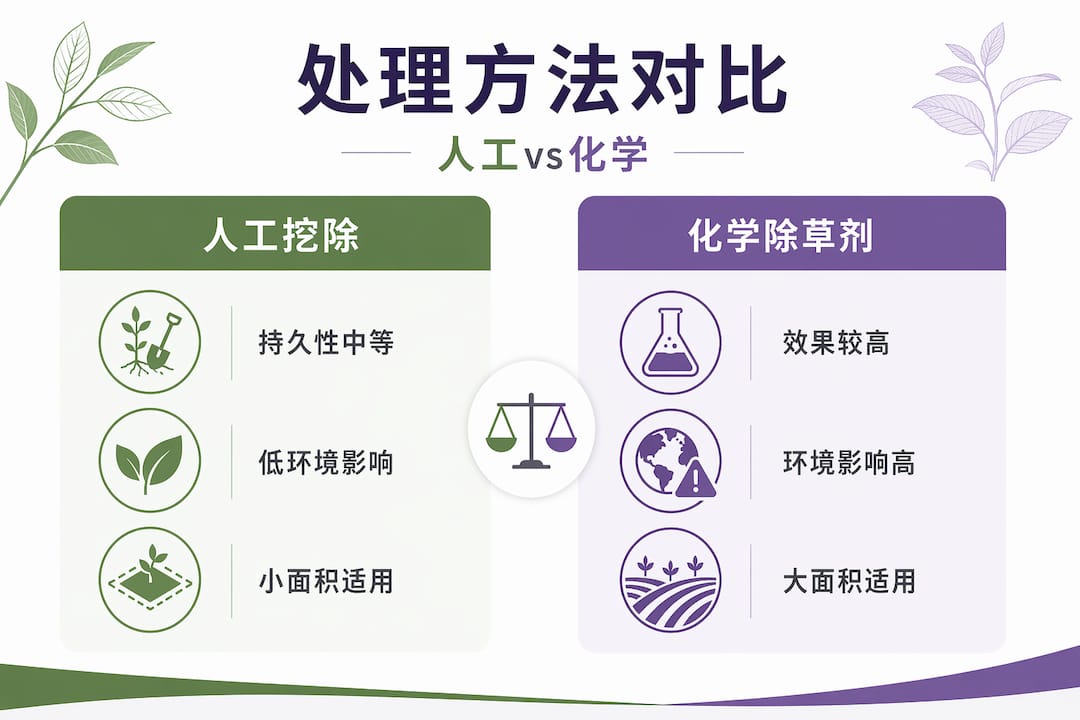
不同治理方法的对比如下:

治理方法 见效时间 彻底性 成本 环境影响
化学控制 2至3年 较高 中等 中等
完全挖除 立即 极高 较低
物理隔离 持续有效 中等 中等 极低
电能治理 1至2年 中高 极低

常见入侵植物治理方式对比一览

机械清除和生物防治适合作为长期管理策略的一部分。单纯依靠这些方法可能需要5至10年才能完全控制,但配合其他手段可以显著提升整体效果。关键是制定详细的治理计划,明确每个阶段的目标和评估标准,并保持持续监测。

更多实用的入侵植物管理技巧和完整的入侵植物治理流程可以帮助您系统性地解决问题,提升治理成功率达85%以上。

购房者如何有效防范和应对入侵植物风险

购房过程中的风险防控从选择目标物业开始。重点关注已知入侵植物高发区域,包括河流沿岸、铁路附近、老旧工业用地改造项目和长期荒废的地块。这些区域的土壤扰动频繁,为入侵植物提供了理想的生长环境。查阅当地政府发布的入侵植物分布地图,了解目标区域的历史记录和邻近物业的治理情况。

委托专业入侵植物评估是保护自身权益的必要投资。专业评估师会对物业及周边7米范围内进行详细检查,识别所有潜在风险并提供书面报告。报告应包括植物种类、侵染程度、预估治理成本和建议方案。这份文件不仅是贷款申请的必备材料,也是与卖家协商价格调整或治理责任的重要依据。

专业提示: 选择具备RICS认证或同等资质的评估机构,确保报告的专业性和法律效力。评估费用通常在300至800英镑之间,远低于未来可能产生的治理成本。

购房合同中必须明确入侵植物相关条款。具体包括以下内容:

  1. 卖家需书面声明物业是否存在入侵植物或曾进行过相关治理。
  2. 如存在入侵植物,明确治理责任归属和完成时间表。
  3. 要求卖家提供治理保险或保证金,覆盖未来可能的复发风险。
  4. 保留在发现隐瞒信息时解除合同或要求赔偿的权利。
  5. 约定交房后的监测期限和双方责任范围。

一旦发现物业存在入侵植物问题,应立即采取治理措施防止扩散。拖延只会导致侵染范围扩大和治理成本上升。与专业治理机构签订正式合同,明确治理方案、时间节点、费用明细和质保条款。优先选择提供长期保险的服务商,确保治理效果得到持续保障。

持续监测是保障资产安全的长期策略。即使治理完成,也应在随后3至5年内每年进行专业复查,确认没有复发迹象。建立物业维护档案,记录所有治理活动、费用支出和检查结果,这些资料在未来转售时能够增强买家信心,减少交易障碍。

详细的入侵植物调查指南和实用的房产调查清单可以帮助您系统性地开展风险评估,确保不遗漏任何关键检查项目。

了解更多专业入侵植物监测与治理服务

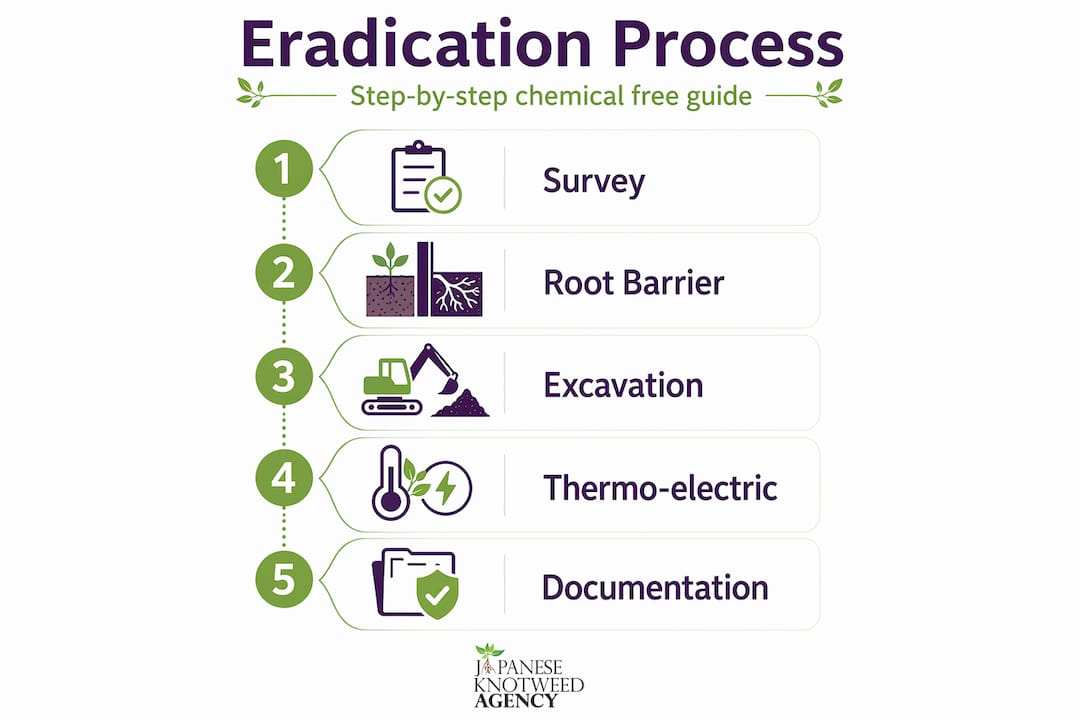
面对复杂的入侵植物问题,专业支持能够为您节省大量时间和成本。Japanese Knotweed Agency作为无化学治理技术的先驱,采用高达5000伏特的直接能量输送系统,对根茎网络进行精准打击,造成细胞内部损伤并逐步耗竭能量储备。这种环保安全的治理方式避免了传统化学方法的环境风险,特别适合有儿童或宠物的家庭。

https://japaneseknotweedagency.co.uk

我们提供覆盖英格兰、威尔士和爱尔兰的全面物业调查服务,由经验丰富的专业团队进行现场评估,出具详细的风险报告和定制治理方案。除了核心的治理服务,我们还提供根系阻隔膜安装和必要的挖掘清除工作,确保从多个维度解决问题。通过入侵植物管理技巧和安全无害治理指南,您可以深入了解我们的服务优势。访问我们的住宅入侵植物排查清单,开始系统性的物业保护行动,降低财产风险,提升房产市场竞争力。

入侵植物物业风险常见问答

入侵植物如何影响房产贷款申请?

多数贷款机构要求在批准抵押贷款前提供入侵植物评估报告。如发现日本虎杖等高风险植物,银行可能拒绝放贷或要求提供完整治理计划和保险证明后才考虑审批。部分机构会降低贷款额度或提高利率以覆盖潜在风险。

在购房前如何查验物业是否受入侵植物影响?

委托具备RICS认证的专业评估师进行现场检查,覆盖物业及周边7米范围。春季是最佳检查时期,此时新芽易于识别。评估报告应包括植物种类、侵染程度和治理建议,作为贷款申请和价格协商的依据。

治理入侵植物的成本大致是多少?

治理成本取决于侵染程度和选择的方法。轻度侵染的化学控制费用约1500至3000英镑,严重侵染需要完全挖除的成本可达1万至3万英镑甚至更高。建议获取多家专业机构的报价并比较服务内容和质保条款。

怎样有效防止入侵植物扩散到邻近物业?

安装专业根系阻隔膜是最有效的物理隔离方法,阻止根茎向外延伸。定期修剪地上部分防止种子传播,所有植物残体必须按危险废弃物标准处理,严禁随意丢弃。与邻居保持沟通,共同监测边界区域。

法律层面对入侵植物责任如何规定?

英国法律要求土地所有者有责任控制其物业上的入侵植物,防止扩散至他人土地。如因疏于管理导致邻居物业受损,可能面临民事赔偿诉讼。卖家在房产交易中必须如实披露入侵植物信息,隐瞒可能构成欺诈。更多法律细节可查阅日本虎杖常见问题解答

推荐

Property survey process for invasive weeds: complete guide

Discovering invasive weeds during a property purchase can derail your mortgage approval and slash thousands from your home’s value. Japanese Knotweed alone affects over 4% of properties across Britain, creating legal headaches and financial uncertainty for unsuspecting buyers. This guide walks you through a proven survey process to identify, assess, and manage invasive species using chemical-free methods that protect both your investment and the environment. You’ll learn exactly what lenders require, how to spot warning signs before they become deal-breakers, and why organic treatment approaches deliver lasting results without the risks of herbicides.

Table of Contents

Key takeaways

Point Details
Survey prevents mortgage rejection Lenders require professional invasive weed assessments before approving property loans in affected areas.
Rhizome fragments regenerate quickly A piece smaller than your fingernail can establish a new Japanese Knotweed colony within weeks.
Organic compost treatment works Pilot studies show bespoke soil regeneration methods successfully suppress knotweed without chemicals.
Risk mapping guides management Professional surveys categorise infestation severity to determine appropriate treatment intensity and monitoring frequency.
Verification protects long-term value Regular monitoring after treatment ensures compliance with lender requirements and prevents costly re-infestation.

Understanding the risks of invasive weeds in property surveys

Japanese Knotweed transforms from a garden curiosity into a financial nightmare faster than most homeowners realise. Many lenders refuse mortgages on properties with active infestations unless you present a professional treatment plan backed by insurance guarantees. The plant’s aggressive rhizome network can spread three metres horizontally in a single growing season, pushing through tarmac, concrete foundations, and drainage systems with relentless force.

The regeneration capacity makes eradication particularly challenging. A rhizome fragment weighing less than a gram can lie dormant in soil for years before sprouting new growth. This biological resilience explains why untreated infestations compound exponentially, with neighbouring properties often discovering secondary colonies traced back to a single original source.

Legal complications multiply when sellers fail to disclose known infestations. Courts have awarded damages exceeding £50,000 in cases where buyers discovered concealed Japanese Knotweed after completion. Property values typically drop 5-10% in affected areas, with some mortgage providers applying even stricter lending criteria that effectively block sales until treatment reaches advanced stages.

Pro Tip: Request copies of previous property surveys dating back five years. Knotweed presence in historical documents triggers mandatory disclosure requirements, even if current growth appears dormant or has been cut back.

The impact of Japanese Knotweed on property values extends beyond immediate treatment costs. Insurance premiums increase, future buyers demand significant price reductions, and you inherit ongoing monitoring obligations that persist for years after initial treatment. Understanding these financial ripples helps you approach surveys with appropriate seriousness rather than treating them as bureaucratic formalities.

“Japanese Knotweed is not just a nuisance weed but a property risk, a legal talking point, and a potential deal-breaker when buying or selling homes.”

The knotweed mortgage issues UK landscape has tightened considerably since 2024. Lenders now require detailed risk assessments showing exact distances from buildings, boundary lines, and infrastructure. Properties with infestations within seven metres of habitable structures face the strictest scrutiny, often requiring five-year management plans before mortgage approval.

Common invasive species requiring survey attention:

  • Japanese Knotweed (Fallopia japonica)
  • Giant Hogweed (Heracleum mantegazzianum)
  • Himalayan Balsam (Impatiens glandulifera)
  • Rhododendron ponticum
  • Floating pennywort (Hydrocotyle ranunculoides)

Each species carries distinct risks and legal implications. Giant Hogweed’s toxic sap causes severe skin burns, creating liability concerns for property owners. Himalayan Balsam destabilises riverbanks, potentially triggering flood risks that affect insurance coverage. Comprehensive surveys identify all problematic species, not just the most notorious ones.

Preparing for a property survey: what you need to know and look for

Effective preparation separates superficial inspections from surveys that actually protect your investment. The Japanese knotweed and residential property guidance establishes a risk-based framework that determines survey scope based on property characteristics and surrounding land use. Properties backing onto railway embankments, waterways, or neglected industrial sites require more intensive investigation than those in well-maintained residential areas.

Your Japanese Knotweed survey checklist should include seasonal timing considerations. Spring surveys between April and June capture early growth stages when identification proves easiest. Autumn surveys reveal mature plants with distinctive red-tinged stems, but miss early colonisation signs. Conducting surveys across multiple seasons provides the most complete picture, though budget constraints often limit buyers to single visits.

Essential survey documentation and tools:

  • Detailed site plans showing property boundaries and neighbouring land
  • Historical aerial photographs revealing previous infestations
  • Soil sampling equipment for rhizome detection
  • GPS coordinates for precise infestation mapping
  • Camera equipment with macro capability for identification photos
  • Moisture meters to identify drainage issues attracting invasive species

The decision tree based on risk level helps valuers and surveyors determine appropriate management intensity. Category 1 properties show no visible growth within seven metres of buildings. Category 2 properties have growth between seven and ten metres away. Category 3 properties face growth within seven metres, whilst Category 4 properties show knotweed within habitable structures themselves.

Risk Category Distance from Structure Management Action Required Typical Timeline
Category 1 Beyond 7 metres Monitoring only Annual checks
Category 2 7-10 metres Preventative treatment 2-3 year plan
Category 3 Within 7 metres Active eradication 3-5 year plan
Category 4 Inside structure Emergency intervention Immediate action

Pro Tip: Photograph neighbouring properties during your survey. Knotweed spreading from adjacent land creates ongoing re-infestation risk that affects treatment planning and long-term management costs.

The knotweed assessment workflow for homeowners emphasises boundary investigation. Walk the entire property perimeter, paying special attention to areas with disturbed soil, recent construction work, or dumped garden waste. These locations frequently harbour rhizome fragments that establish new colonies within weeks of soil disturbance.

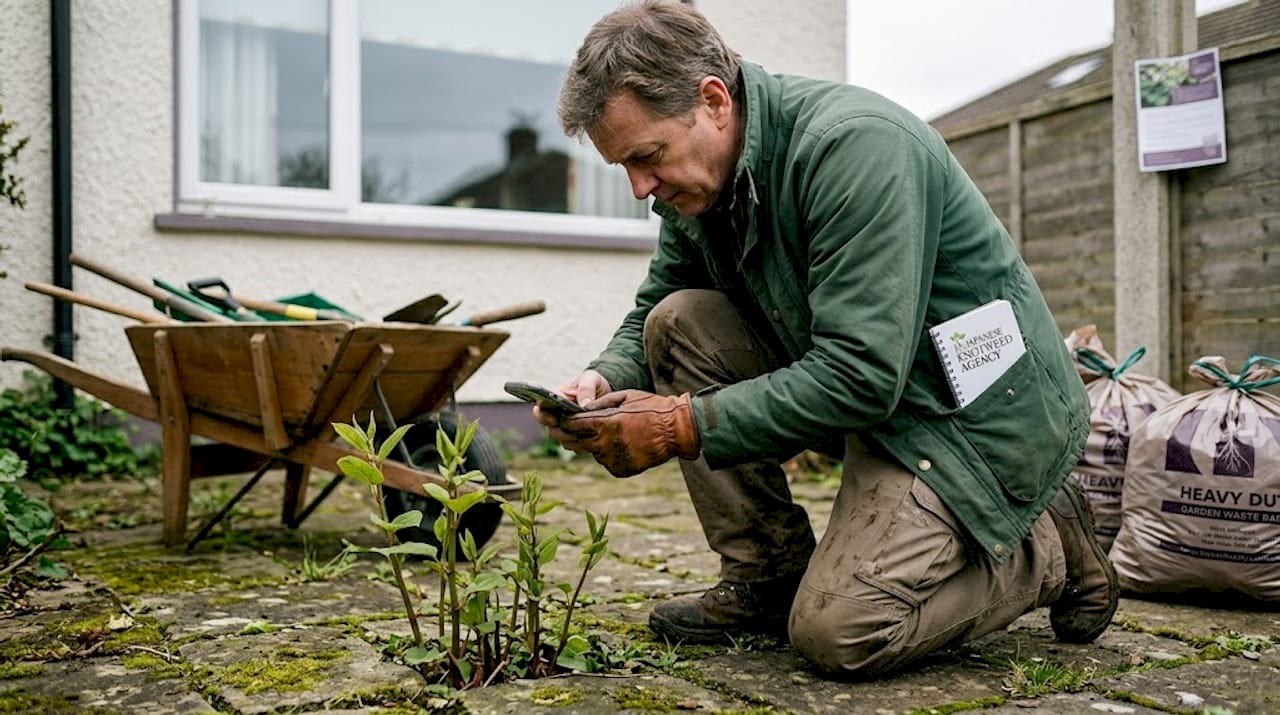
Homeowner photographing property boundary weeds

Legal documentation requirements vary by jurisdiction, but all surveys should include detailed maps, identification photographs, and written assessments signed by qualified professionals. England and Wales follow RICS guidance standards, whilst Ireland applies separate protocols through the Property Services Regulatory Authority. Confirm your surveyor holds appropriate professional indemnity insurance covering invasive species assessments.

Financial preparation matters as much as physical readiness. Budget £400-800 for professional surveys depending on property size and infestation complexity. Treatment costs range from £2,500 for minor infestations to £15,000+ for severe cases requiring excavation or root barriers. Lenders often require these funds held in escrow before releasing mortgage advances.

Executing the survey process: identification, assessment, and monitoring without chemicals

Systematic execution transforms survey preparation into actionable intelligence. Begin with perimeter inspection, working inwards towards buildings and hardscaping. Japanese Knotweed displays distinctive shield-shaped leaves with flat bases and pointed tips. Stems show purple speckles resembling bamboo, growing in dense stands reaching three metres by late summer. Cream-coloured flower clusters appear in August and September.

Step-by-step survey execution protocol:

  1. Document existing vegetation patterns and bare soil areas using grid photography
  2. Collect soil samples from suspected infestation zones at 30cm depth intervals
  3. Map all findings using GPS coordinates linked to site plans
  4. Record environmental factors including drainage patterns and sunlight exposure
  5. Photograph identification features from multiple angles with scale references
  6. Note proximity to boundaries, structures, and underground services
  7. Document evidence of previous treatment attempts or disturbance

The bespoke organic compost treatment approach pioneered through the KNOT project demonstrates how soil regeneration inhibits knotweed growth without herbicides. The method applies carbon-rich organic matter that encourages beneficial soil microbes competing with knotweed rhizomes for nutrients and space. Pilot sites showed 60-70% reduction in viable rhizome mass after two growing seasons.

Chemical-free strategies align with the KNOT project aims targeting soil regeneration through organic matter increase and strategic tree planting. Native tree species like willow and alder establish root systems that physically compete with knotweed whilst shading out photosynthesis capacity. This ecological approach requires patience but delivers sustainable suppression without environmental contamination risks.

Treatment Method Application Frequency Visible Results Timeline Long-term Effectiveness
Organic compost Twice yearly 12-18 months 85% suppression
Cover planting Single installation 18-24 months 75% suppression
Root barrier One-time install Immediate containment 95% prevention
Soil regeneration Ongoing programme 24-36 months 80% suppression

Pro Tip: Avoid disturbing soil during surveys unless collecting samples. Rhizome fragmentation from digging or cutting spreads infestations faster than natural growth, potentially creating multiple new colonies from a single original stand.

The chemical-free knotweed treatment process employs electrical current technology delivering up to 5000 volts directly into rhizome networks. This innovative approach causes internal cell damage and energy depletion without introducing chemicals into surrounding soil or groundwater. Treatment sessions occur at six-week intervals during growing seasons, with rhizome viability declining progressively after each application.

Monitoring protocols track treatment effectiveness through regular site visits documenting stem counts, growth vigour, and rhizome sampling results. Successful programmes show declining stem density, reduced leaf size, and weakened shoot emergence over successive growing seasons. Digital photography at fixed points creates visual evidence demonstrating progress to lenders and future buyers.

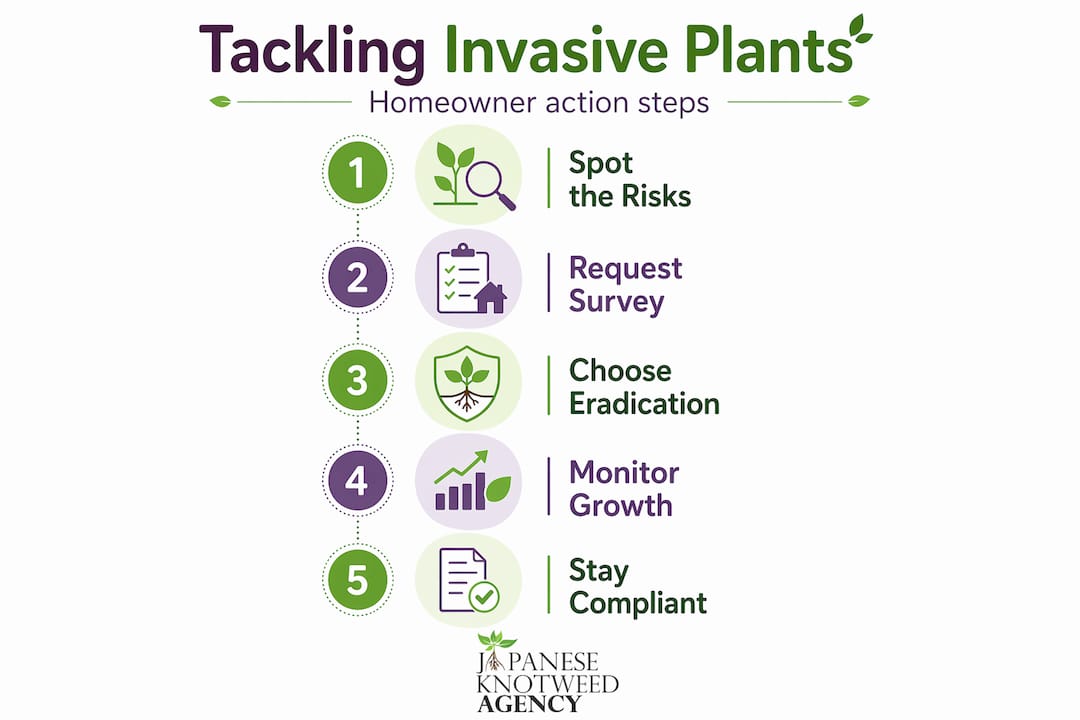
Infographic summarizing invasive weed survey phases

The manage invasive plants naturally philosophy recognises that eradication represents an unrealistic goal in many situations. Sustainable management focuses on suppression to levels preventing structural damage and mortgage complications whilst accepting low-level presence that poses minimal risk. This pragmatic approach reduces costs and environmental impact compared to aggressive chemical campaigns.

Soil health improvements deliver collateral benefits beyond knotweed control. Enhanced microbial activity supports native plant establishment, improves drainage, and increases carbon sequestration. Properties treated with organic methods often show improved garden productivity and reduced maintenance requirements compared to chemically-treated sites showing depleted soil biology.

Verifying survey results and avoiding common mistakes

Verification separates optimistic assumptions from documented reality. Independent validation by RICS-qualified surveyors provides the credibility lenders require when assessing mortgage applications. Request detailed reports including laboratory analysis of soil samples, not just visual observations that miss subsurface rhizome networks.

The most expensive mistake involves disrupting cover planting installed as part of treatment programmes. Hedge cutting activities impact cover planting placed to shade out knotweed regrowth, creating gaps that allow renewed photosynthesis and rhizome energy replenishment. Maintain buffer zones around treated areas, avoiding mowing, digging, or pruning for minimum three-year periods following initial treatment.

Critical verification checkpoints:

  • Confirm surveyor holds professional indemnity insurance covering invasive species work
  • Verify treatment plans meet specific lender requirements documented in writing
  • Review monitoring schedules ensuring coverage through dormant winter periods
  • Check management plans address boundary issues and neighbour notification
  • Validate insurance-backed guarantees cover full property ownership period

Chemical treatment risks often receive insufficient attention during survey verification. Glyphosates impact adjacent plants and the broader biosphere when incorrectly managed, with drift affecting vegetable gardens, ornamental plants, and wildlife habitats. Groundwater contamination concerns have prompted several European nations to restrict or ban glyphosate use entirely, with Britain expected to follow similar regulatory trajectories.

Pro Tip: Request copies of contractor qualifications and treatment records from previous property owners. Gaps in documentation often indicate incomplete or abandoned treatment programmes that require restart rather than continuation.

The Japanese Knotweed impact on property values persists even after successful treatment completion. Disclosure obligations continue indefinitely, requiring you to inform future buyers about historical infestations regardless of current status. Transparent documentation actually enhances buyer confidence compared to properties where treatment history remains unclear or disputed.

Common verification failures stem from inadequate monitoring frequency. Annual site visits miss critical regrowth periods when early intervention proves most effective. Quarterly monitoring during growing seasons catches problems whilst they remain manageable, preventing expensive remediation campaigns that could have been avoided through timely observation.

“Glyphosates are commonly used to treat Japanese Knotweed but can impact adjacent plants and the biosphere if incorrectly managed.”

Lender compliance verification requires specific documentation formats and timelines. The getting a mortgage with Japanese Knotweed process demands evidence of professional treatment plans, insurance-backed guarantees, and monitoring schedules extending minimum five years. Submit complete documentation packages rather than piecemeal submissions that delay mortgage approval and risk transaction collapse.

Regular monitoring prevents the gradual complacency that undermines long-term management success. Schedule calendar reminders for site inspections, photograph documentation, and professional review sessions. Properties maintaining consistent monitoring records command premium prices compared to those with sporadic or incomplete documentation.

Protect your property with expert invasive weed survey and treatment

Navigating invasive weed challenges requires specialist knowledge that general surveyors often lack. Japanese Knotweed Agency delivers comprehensive property surveys across England, Wales, and Ireland, combining identification expertise with pioneering chemical-free treatment technology. Our electrical current system provides effective rhizome suppression without environmental contamination, whilst our organic treatment programmes restore soil health for lasting results.

https://japaneseknotweedagency.co.uk

Explore our detailed chemical-free knotweed treatment process to understand how direct energy delivery eliminates invasive species whilst protecting surrounding ecosystems. Our Japanese Knotweed FAQs answer common homeowner questions about treatment timelines, costs, and lender requirements. Whether you’re purchasing a new property or managing an existing infestation, our invasive weed survey guide for property purchase provides the practical intelligence you need to protect your investment and secure mortgage approval.

Frequently asked questions

What happens during a professional invasive weed property survey?

Qualified surveyors conduct systematic site inspections documenting all invasive species present, their locations, and severity ratings. They collect soil samples, photograph identification features, and produce detailed reports with GPS-mapped findings. The Japanese Knotweed survey checklist ensures comprehensive coverage of all risk factors affecting property value and mortgage eligibility.

Why do mortgage lenders require invasive weed surveys before approval?

Lenders protect their security interest by confirming properties don’t harbour infestations that could damage structures or reduce resale values. Japanese Knotweed can undermine foundations, penetrate drainage systems, and slash property values by thousands. Surveys provide the documentation lenders need to assess risk and determine appropriate lending terms or treatment requirements before releasing funds.

How long do chemical-free treatments take to suppress Japanese Knotweed effectively?

Organic approaches typically require two to three growing seasons to achieve 70-85% suppression rates. Electrical current treatments show progressive rhizome weakening after four to six sessions spaced at six-week intervals. The manage invasive plants naturally philosophy prioritises sustainable suppression over unrealistic eradication claims, delivering lasting results without environmental contamination.

Can I conduct my own property survey for invasive weeds to save money?

Whilst you can perform preliminary inspections, lenders and solicitors require reports from qualified professionals with appropriate insurance coverage. DIY surveys miss subsurface rhizome networks, misidentify similar-looking plants, and lack the legal standing needed for mortgage applications. Professional surveys cost £400-800 but prevent expensive mistakes and transaction delays worth thousands.

What should I do if I discover Japanese Knotweed after purchasing a property?

Document the infestation immediately with photographs and GPS coordinates. Commission a professional survey to assess severity and treatment requirements. Review your purchase documentation to determine if the seller failed to disclose known infestations, potentially creating grounds for legal action. Begin treatment promptly to prevent spread and maintain detailed records for future disclosure obligations when you eventually sell.

2026年环保除草方法:有效清除日本葛与入侵植物

面对日本葛等入侵植物的快速蔓延,传统化学除草剂带来的环境风险和健康隐患让越来越多房主和地方政府寻求更安全的替代方案。无化学环保除草方法不仅能有效控制入侵植物生长,还能保护土壤健康和周边生态系统。本文将详细介绍机械切割、覆盖抑制和生物控制等实证有效的环保除草策略,帮助您选择最适合自身需求的综合治理方案,实现长期可持续的杂草管理目标。

目录

关键要点

要点 详情
早期检测至关重要 及早发现入侵植物并快速响应能显著提高控制成功率并降低治理成本
多方法组合最有效 机械切割、覆盖抑制和生物控制相结合可达到最佳除草效果
需要长期坚持 彻底根除入侵植物通常需要持续三至四年的多季节管理维护
环境安全优势明显 无化学方法特别适合居民区、学校和公共设施等环境敏感区域

评价环保除草方法的关键标准

选择有效的环保除草方案需要建立科学的评判框架。首要标准是确保方法完全无毒性,不会对土壤微生物、地下水或周边植被造成化学污染。持续性同样关键,理想的除草方案应能在多个生长季节持续发挥作用,而非仅提供短期抑制效果。

评估除草方法时必须考虑其多季效应和生态兼容性。防止杂草种源传播与识别能力是管理成功的基础,这要求建立完善的早期监测系统。有效方案还需包含植被恢复计划,因为受扰动地块若不恢复植被,杂草会在短时间内迅速再次侵占空间。

综合评价体系应覆盖以下核心维度:

  • 对目标入侵植物的直接杀伤或抑制能力
  • 实施过程的环境友好程度和安全性
  • 所需人力物力投入与长期维护成本
  • 适用地形条件和场地规模限制
  • 与其他除草方法的协同兼容性

专业提示:建立详细的除草记录系统,记录每次处理的时间、方法和效果观察,这些数据将帮助您优化后续治理策略并评估投资回报率。

了解更多关于防治入侵植物方法清单的详细信息,可以帮助您建立更完整的评估框架。

机械除草和覆盖法针对日本葛的应用

机械切割是最直接的物理控制手段,通过反复切除地上部分消耗根系储存的能量。针对日本葛这类具有强大地下根茎网络的入侵植物,单次切割远远不够,需要在生长季节每两到三周进行一次彻底切割。切割时应尽量贴近地面,避免留下能够快速萌发的茎段。

机械切割结合有机覆盖物可抑制葛藤80%再生率,这一数据充分证明了组合策略的有效性。覆盖层应至少达到15至20厘米厚度,使用木屑、树皮或厚重的防草布材料。覆盖物通过阻断阳光进行光合作用,同时物理压制新芽萌发,双重机制显著提升控制效果。

实施机械覆盖法的具体步骤:

  1. 在早春植物刚开始生长时进行首次全面切割
  2. 清理所有切割下的植物材料,防止残留茎段再生
  3. 立即铺设厚重覆盖层,确保完全覆盖处理区域
  4. 每月检查覆盖层完整性,及时补充破损部位
  5. 持续维护覆盖至少两个完整生长季节

不同机械方法的适用场景对比:

方法类型 适用面积 地形要求 见效时间 维护频率
人工切割 小于100平方米 平坦或缓坡 4至6个月 每2周一次
机械割草机 100至500平方米 平坦地形 3至5个月 每3周一次
挖掘机根除 任意面积 可机械作业 立即见效 一次性处理
覆盖抑制 任意面积 任意地形 6至12个月 每月检查

机械挖根对小范围开花植株特别有效,但必须确保彻底清除所有根茎碎片,因为即使指甲大小的根茎残留也能重新萌发。这种方法适合处理刚发现的小规模侵染点,配合后续的覆盖维护可以达到彻底根除的目标。

深入了解无化学杂草处理流程,掌握从初期发现到完全根除的完整操作规范。

生物控制:利用山羊等动物有效治理葛藤

生物控制利用自然界的食草动物持续啃食入侵植物,是既环保又高效的除草策略。山羊因其强大的消化系统和对葛藤叶片的偏好,成为生物控制的理想选择。山羊每日可食葛藤达10磅,这一惊人的食量使其能够在短时间内显著减少植物的地上生物量。

利用山羊在山坡上治理葛藤

山羊放牧特别适合地形复杂、坡度陡峭或机械设备难以进入的区域。与机械切割相比,山羊能够灵活穿行于各种地形,啃食到人工或机械难以触及的植株。更重要的是,山羊的反复啃食不仅消除地上部分,还通过持续消耗迫使根系不断动用储备能量再生新叶,最终耗尽植物的生命力。

实施山羊放牧控制需要周密的管理计划:

  • 设置坚固的临时或永久围栏,防止山羊逃逸或进入保护区域
  • 配备训练有素的牧羊犬保护羊群免受野生动物威胁
  • 确保放牧区域内有充足的饮水供应和遮阴场所
  • 定期轮换放牧区域,避免过度啃食导致土壤裸露
  • 结合人工补充切割处理山羊无法触及的高处枝叶

专业提示:山羊放牧最佳时机是春季植物快速生长期,此时葛藤叶片最嫩最有营养,山羊的采食积极性最高,控制效果也最显著。

持续放牧维持三至四年能够彻底根除葛藤,这一时间框架强调了生物控制需要长期承诺。虽然见效相对缓慢,但山羊放牧的环境友好性和低维护成本使其成为大面积治理的经济选择。许多地方政府和土地管理机构已将山羊放牧纳入常规的入侵植物管理计划。

田纳西州某社区采用山羊放牧治理20英亩葛藤侵染地,三年后植被覆盖率从95%降至不足5%,本地植物自然恢复,生态系统逐步重建。

探索更多生态除葛藤教学内容,学习如何将生物控制融入整体生态管理策略。

无化学除草方法的综合效果比较与实际建议

不同环保除草方法各有优势和局限性,科学选择需要根据具体场地条件和资源投入能力进行综合评估。机械切割适合小面积密集侵染区域,能够快速减少植物生物量,但需要高频率的人工投入。覆盖抑制法通过持续阻断光照和物理压制,显著增强能源消耗效果,特别适合与机械切割配合使用。

山羊放牧在处理复杂地形和大面积侵染时展现出独特优势。这种方法不仅高效,还能同时改善土壤结构,山羊的粪便为土壤提供天然有机肥料。机械和放牧联用提升除草持续性与彻底性,组合策略能够弥补单一方法的不足,实现1加1大于2的协同效应。

各方法优缺点综合对比:

除草方法 主要优势 主要局限 最佳应用场景 预期成本
机械切割 见效快速,操作灵活 需频繁维护,劳动强度大 小面积居民区 中等
覆盖抑制 持续有效,维护简单 初期材料成本高 花园和景观区 中高
山羊放牧 环保经济,适应复杂地形 需要围栏和管理 大面积荒地
挖掘根除 立即彻底清除 土壤扰动大,成本极高 建筑工地

实际应用中推荐采用分阶段组合策略:

  • 第一阶段:使用机械切割或挖掘快速减少初始生物量
  • 第二阶段:铺设覆盖层或引入山羊放牧进行持续抑制
  • 第三阶段:定期监测和局部补充处理,防止复发
  • 第四阶段:恢复本地植被,建立竞争性生态屏障

长期坚持是成功的关键因素。无论选择哪种方法,都需要至少持续三个完整生长季节的管理投入。过早停止处理会导致根系恢复和植物迅速反弹,前期努力功亏一篑。建立详细的监测记录,追踪处理效果和植物反应,及时调整策略确保最终成功。

查看实用除草方法清单获取更多方法选择指导,或参考非化学除草实操指南了解英国地区的具体实施规范。

为什么选择我们的无化学环保除草服务

综合运用机械、生物和覆盖技术需要专业知识和丰富经验。Japanese Knotweed Agency作为无化学入侵植物治理领域的先驱,为房主和地方政府提供全方位的绿色除草解决方案。我们的创新技术直接输送高达5000伏特的能量至植物根茎网络,造成内部细胞损伤并持续消耗能量储备,每次处理都显著削弱植物再生能力。

https://japaneseknotweedagency.co.uk

我们深入了解无化学葛藤处理流程的每个细节,根据您的具体场地条件定制个性化方案。无论是居民住宅的小面积侵染,还是地方政府管理的大规模公共用地,我们都能提供专业评估和长期维护支持。探索我们的环保除草方案介绍了解更多服务详情,或查看专为地方政府入侵植物控制方案设计的综合治理计划。

常见问题

什么是最适合家庭使用的无化学除草方法?

对于大多数家庭环境,推荐机械切割结合厚层有机覆盖物的组合方案。这种方法安全无毒,不会对儿童、宠物或周边植物造成任何健康风险。定期切割消耗植物能量,覆盖层持续阻断光照,两者协同作用可在一至两个生长季节内显著控制入侵植物蔓延。如果处理面积较大且地形允许,也可以考虑短期山羊放牧,但需要确保围栏安全和邻里协调。详细了解家庭环保除草方案的具体实施步骤。

如何确保生物控制(如山羊放牧)不会影响其他植物?

实施山羊放牧时必须采用科学的轮牧管理策略。设置明确的放牧区域边界,使用坚固围栏将目标治理区与需要保护的植被区域隔离。控制山羊数量和放牧时长,避免过度啃食导致土壤裸露和本地植物受损。配备经验丰富的牧羊人或训练有素的牧羊犬进行日常监督,及时调整放牧区域。如果场地内有珍稀或保护植物,应在放牧前设置物理屏障或暂时移植保护。参考生态除葛藤管理获取更多生物控制的安全管理建议。

无化学除草方法大概需要多长时间见效?

无化学除草方法的见效时间取决于入侵植物种类、侵染程度和所选方法组合。一般而言,地上部分的明显减少可在首个生长季节的2至3个月内观察到,但彻底根除通常需要持续三至四年的系统管理。机械挖掘可以立即清除可见植株,但后续仍需监测和处理可能的根茎再生。覆盖抑制法需要6至12个月才能显著削弱植物活力。结合多种方法可以加速控制进程,例如机械切割配合覆盖能够比单一方法提前半年达到理想效果。耐心和持续投入是成功的关键。了解无化学杂草根除周期的详细时间规划和阶段目标。

环保除草方法的成本是否高于化学除草剂?

初期投入方面,环保除草方法的确可能高于简单喷洒化学除草剂,特别是需要购买覆盖材料、租赁设备或雇佣山羊放牧服务时。然而从长期综合成本考虑,无化学方法往往更经济。化学除草剂需要反复多次施用才能控制顽强的入侵植物,每次施用都产生材料和人工成本。更重要的是,化学方法可能造成土壤污染和生态损害,后续修复成本远超预期。环保方法虽然需要更长时间和更多耐心,但一旦成功根除,复发风险显著降低,长期维护成本更低。此外,环保方法保护了土壤健康和生态系统,为未来的景观利用创造了更好的基础条件。

地方政府如何大规模实施无化学除草计划?

地方政府实施大规模无化学除草需要建立系统的管理框架。首先进行全面的入侵植物分布调查,绘制详细的侵染地图并划分优先处理区域。根据不同地块的面积、地形和周边环境特点,制定差异化的治理方案组合。平坦开阔地带可以使用机械割草设备,陡坡和林地适合山羊放牧,公园和居民区周边优先采用覆盖抑制法。建立专业的除草管理团队或与专业服务机构合作,确保方案的专业实施和长期维护。设立公众教育项目,提高居民对入侵植物危害和环保除草方法的认知,鼓励社区参与和志愿者行动,形成全社会共同治理的良好氛围。

推荐

Step by step invasive weed assessment for UK homes 2026

Step by step invasive weed assessment for UK homes 2026

Japanese knotweed poses serious risks to UK homeowners, threatening structural integrity, property values, and legal compliance. Early detection and systematic assessment form the foundation of effective management, yet many homeowners struggle to conduct thorough evaluations without professional guidance. This comprehensive guide walks you through preparing for, conducting, and interpreting an invasive weed assessment, empowering you to make informed decisions about protecting your property. Whether you choose DIY management or professional intervention, understanding the assessment process ensures you address infestations accurately and efficiently.

Table of Contents

Key takeaways

Point Details
Assessment reveals extent Systematic inspection identifies weed presence, spread dimensions, and structural risks to your property.
Preparation ensures success Gathering proper tools, understanding regulations, and learning identification prevents costly mistakes during surveys.
Documentation drives decisions Thorough records support treatment planning, regulatory compliance, and potential insurance claims.
Professional expertise optimises outcomes Complex infestations benefit from specialist surveys that combine technical knowledge with chemical-free treatment options.

Preparing for your invasive weed assessment

Before stepping onto your property with clipboard in hand, proper preparation separates effective assessments from wasted effort. Homeowners must comply with UK invasive species regulations during surveys, making legal awareness your first priority. Understanding your responsibilities prevents accidental violations that could trigger penalties or forced remediation.

Gather essential equipment to conduct a thorough survey:

  • GPS device or smartphone mapping application for precise location recording
  • Measuring tape (minimum 30 metres) for documenting spread dimensions
  • High-resolution camera with date stamp function for visual evidence
  • Survey report forms or digital templates for structured data collection
  • Protective gloves and clothing to prevent rhizome disturbance
  • Boundary markers to define survey zones systematically

Learning to identify Japanese knotweed accurately prevents confusion with similar species like horsetail or bamboo. Study visual guides showing distinctive features across seasons: bamboo-like hollow stems with purple speckles, heart-shaped leaves arranged alternately, and creamy-white flower clusters appearing late summer. The invasive plant identification UK guide provides seasonal photographs and comparison charts to sharpen your recognition skills.

Infographic outlining weed assessment steps

Obtain permission before surveying neighbouring properties where infestations may extend beyond your boundaries. Communicating proactively with neighbours demonstrates responsibility and prevents disputes that could complicate treatment efforts. Document permission in writing to protect against future disagreements.

Safe survey practices prevent accidental spread of viable rhizome fragments. Avoid digging or disturbing soil around suspected knotweed stands. Clean footwear and tools between survey zones to prevent transferring contaminated soil. Mark boundaries clearly using temporary fencing or spray paint to ensure systematic coverage without overlap.

Pro tip: Schedule your assessment during late summer when Japanese knotweed reaches peak growth, making identification straightforward and spread measurements most accurate.

Conducting a step-by-step invasive weed inspection

Systematic monitoring improves control success over time, making structured inspection methodology critical for reliable results. Follow this numbered sequence to gather comprehensive data:

  1. Begin at known or suspected infestation points identified during preliminary observations or property records.
  2. Establish a systematic grid pattern working outward from initial sites, ensuring complete property coverage.
  3. Measure surface spread dimensions using tape measure, recording length and width at widest points.
  4. Estimate underground rhizome extent, typically extending 3 metres horizontally and 2 metres vertically beyond visible growth.
  5. Photograph each infestation zone from multiple angles, including close-ups of identifying features and wide shots showing context.
  6. Document plant density using categories: sparse (individual stems), moderate (clustered stands), or dense (continuous coverage).
  7. Note growth stages present: emerging shoots, mature canes, flowering specimens, or winter dieback remnants.
  8. Record environmental conditions including soil type, drainage patterns, proximity to watercourses, and surrounding vegetation.
  9. Mark GPS coordinates for each infestation zone to enable accurate mapping and future monitoring comparisons.

Create a structured data table to organise findings systematically:

Zone ID GPS Coordinates Surface Area (m²) Density Growth Stage Proximity Risks
A1 51.5074, 0.1278 12.5 Dense Mature flowering 2m from patio foundation
B3 51.5076, 0.1282 6.2 Moderate Mixed stages Adjacent to boundary fence
C2 51.5072, 0.1275 3.8 Sparse Emerging shoots Near drainage pipe

Cross-reference your observations against established knotweed characteristics to eliminate misidentification. Compare leaf shape, stem structure, and growth patterns with reference materials. The guide to invasive plant surveys for homeowners offers detailed comparison frameworks distinguishing Japanese knotweed from commonly confused species.

Japanese knotweed detail in UK garden

Document any signs of structural impact: cracked paving, displaced boundary walls, or compromised drainage systems. These observations inform treatment urgency and help quantify potential property damage for insurance or legal purposes.

Pro tip: Conduct inspections during late summer when distinctive creamy-white flowers and full foliage make identification unmistakable, avoiding the ambiguity of spring shoots or winter dieback.

Understanding assessment results and planning treatment

Interpreting your collected data transforms raw observations into actionable management strategies. Severity classifications guide decision-making: minor infestations (under 5m² with no structural threats) allow DIY approaches, moderate cases (5-20m² or near buildings) warrant professional consultation, and severe situations (over 20m² or causing damage) demand immediate expert intervention.

Effective treatment depends on accurate assessment enabling targeted approaches tailored to your specific infestation characteristics. Compare treatment methods using this framework:

Treatment Type Effectiveness Duration Environmental Impact Cost Range
Chemical herbicide 85-95% over 3-5 years Long-term commitment Soil and water contamination risks £1,500-£5,000
Chemical-free energy 90-98% over 2-4 years Faster results Zero chemical residue £2,000-£6,000
Excavation 95-100% immediate Single intervention Soil disposal regulations £5,000-£15,000+
Root barrier Containment only Permanent installation Minimal impact £3,000-£8,000

Property features significantly influence treatment selection. Infestations near watercourses prohibit certain chemical applications under environmental regulations. Proximity to foundations demands methods preventing further structural damage. Shared boundaries require neighbour coordination to prevent recolonisation from adjacent properties.

Legal responsibilities vary by jurisdiction but generally mandate preventing spread onto neighbouring land. Your assessment documentation provides evidence of proactive management, protecting against liability claims. Some mortgage lenders require professional treatment plans before approving property transactions, making thorough assessment records valuable for future sales.

Weigh DIY management against professional services honestly. Small, accessible infestations identified early suit informed homeowner intervention following strict protocols. Complex situations involving multiple zones, structural risks, or regulatory complications benefit from specialist expertise combining survey accuracy with proven eradication methods.

Common mistakes and how to avoid them during assessment

Disturbance of rhizome networks represents the most damaging error homeowners make during assessments. Digging exploratory holes or pulling stems fragments viable rhizomes, creating new infestation points that spread contamination. Always mark suspected areas without soil disturbance, relying on surface observations and measuring tape rather than excavation to estimate underground extent.

Misidentification undermines entire management programmes, directing resources toward wrong species whilst knotweed continues spreading unchecked. Don’t confuse Japanese knotweed with horsetail (thin, segmented stems with needle-like leaves) or bamboo (woody stems, narrower leaves, different growth pattern). Cross-reference multiple identification features rather than relying on single characteristics. Seasonal variations complicate recognition, making spring assessments particularly error-prone when only shoots appear without distinctive mature features.

Failing to document thoroughly invalidates insurance claims, legal defences, and treatment planning. Incorrect or incomplete assessments can lead to failed eradication and costly property damage. Photograph every infestation zone with date stamps, record precise measurements, and maintain written notes describing conditions. Digital records enable easy sharing with professionals, insurers, or legal advisors when needed.

Ignoring neighbour communication creates disputes that escalate into legal battles and treatment complications. Knotweed respects no boundaries, frequently spreading between properties through underground rhizomes. Proactive dialogue demonstrates good faith and facilitates coordinated management preventing recolonisation. Understanding legislation for invasive control affecting homeowners in England clarifies your obligations and rights regarding shared infestations.

Improper assessment handling risks severe legal consequences including court-ordered remediation, neighbour compensation claims, and mortgage complications that can derail property transactions indefinitely.

Use pre-survey and post-survey checklists ensuring completeness. Before starting, verify you have all equipment, understand identification features, and know legal requirements. After completing fieldwork, confirm you documented every zone with photographs, measurements, and written observations. Review data for gaps or inconsistencies whilst details remain fresh, returning to site if necessary to fill missing information.

Find expert support for invasive weed assessment and control

Whilst this guide empowers you with DIY assessment knowledge, professional expertise delivers comprehensive solutions for challenging infestations. Japanese Knotweed Agency offers specialist surveys tailored for UK homeowner needs, combining technical accuracy with practical treatment planning that addresses your specific property situation.

https://japaneseknotweedagency.co.uk

Our survey teams document infestations systematically using proven methodologies that satisfy regulatory requirements, mortgage lender standards, and insurance specifications. Professional assessments provide legally defensible evidence supporting treatment decisions and protecting your property interests. Chemical-free treatment solutions eliminate knotweed whilst safeguarding your family, pets, and surrounding environment from herbicide exposure. Direct energy delivery targets rhizome networks precisely, achieving faster eradication than traditional chemical programmes.

Access our step by step invasive weed management resources to understand how professional intervention complements your assessment efforts. Browse the Japanese Knotweed FAQ listing for answers to common questions about surveys, treatment options, and regulatory compliance. Review our chemical-free knotweed treatment process to see how innovative technology delivers superior results without environmental compromise.

FAQ

How do I identify Japanese knotweed during an assessment?

Look for bamboo-like hollow stems with distinctive purple speckles, heart-shaped leaves arranged alternately along stems, and dense clusters growing 2-3 metres tall during summer. Creamy-white flower spikes appear late summer, providing unmistakable confirmation. Be mindful of seasonal changes: winter dieback leaves only dead brown canes, whilst spring shows red or purple shoots emerging from soil. Refer to the invasive plant identification UK guide for visual confirmation across all growth stages.

Homeowners must prevent Japanese knotweed spread onto neighbouring properties and comply with local environmental protection laws governing invasive species management. Allowing knotweed to encroach across boundaries constitutes legal nuisance, exposing you to compensation claims and court-ordered remediation costs. Failure to comply with invasive species compliance requirements can trigger enforcement action from local authorities, including substantial fines and mandatory treatment programmes at your expense.

When is the best time to perform an invasive weed assessment?

Late summer to early autumn provides optimal conditions when Japanese knotweed displays full growth and distinctive features, enabling straightforward identification and accurate spread measurement. Mature plants show characteristic heart-shaped leaves, purple-speckled stems, and creamy flower clusters that eliminate identification ambiguity. Winter assessments prove unreliable due to complete dieback leaving only dead canes, whilst spring shoots lack distinctive features that separate knotweed from similar species.

Can I manage Japanese knotweed on my own, or do I need professional help?

Small infestations under 5m² located away from structures might suit informed DIY management following strict protocols that prevent rhizome disturbance and comply with disposal regulations. However, large or complex sites involving multiple infestation zones, proximity to buildings, or shared boundaries require expert intervention ensuring legal compliance and effective control. Professional services provide guaranteed eradication, satisfy mortgage lender requirements, and protect against liability risks that DIY efforts cannot address comprehensively.