了解入侵性杂草扩散机制及有效防控指南2026

您可能不知道,即使1厘米的入侵性杂草碎片也能重新生长成完整植株。这一惊人事实正是日本结缕草等入侵植物在英国和爱尔兰快速蔓延的核心原因。对于计划购买或再抵押物业的房主而言,理解这些杂草的扩散机制至关重要。洪水、土壤搬运、园艺活动都可能在不经意间加速传播。本文将深入解析入侵性杂草通过根茎和碎片扩散的科学原理,揭示水系在传播中的关键作用,并提供针对英国和爱尔兰房主的实用防控策略,帮助您有效保护物业价值,避免昂贵的治理成本。

目录

本文要点总结

要点 详情
碎片再生能力极强 仅1厘米的碎片即可再生新植株,使防控难度倍增
扩散途径多样隐蔽 通过根茎直接生长和茎段碎片传播,常被日常活动无意助推
洪水加速水系扩散 极端洪水事件显著推动入侵植物沿河流快速蔓延,支流是主要增长源头
彻底清理是关键 必须移除每一处碎片和根茎,否则残留部分将迅速重新生长
专业方案更有效 化学无害治理技术结合根障安装,可实现长期彻底控制

入侵性杂草的扩散机制详解

日本结缕草和其他入侵性杂草之所以难以根除,核心在于其独特的繁殖方式。这些植物主要通过地下根茎网络和地上茎段碎片进行无性繁殖。根茎系统可以在地下延伸数米,形成复杂的网络结构。当根茎遇到障碍物时,会改变生长方向继续扩展,甚至能穿透混凝土裂缝和排水管道。

更令人担忧的是碎片传播机制。研究表明,仅1厘米的碎片即可再生新植株。这意味着修剪、挖掘或搬运受污染土壤时,任何遗留的微小碎片都可能成为新的感染源。许多房主在不知情的情况下,通过以下方式加速了扩散:

  • 使用割草机或修枝剪处理杂草,将碎片散落到其他区域
  • 在花园内移动受污染的土壤或堆肥
  • 通过雨水径流或灌溉系统冲刷碎片到新位置
  • 在车辆轮胎或工具上携带含有碎片的泥土

专业提示:在处理任何疑似入侵性杂草的植物前,务必先进行专业鉴定。一旦确认,应立即停止所有可能产生碎片的操作,避免问题扩大。可参考无化学消除日本结缕草了解安全处理方法。

扩散主要通过根茎生长和碎片传播的特性,要求防控措施必须极其彻底。任何疏漏都可能导致治理失败,使投入的时间和金钱付诸东流。这也是为什么专业调查和科学治理方案如此重要,特别是在物业交易过程中。更多防止再生的详细操作可查看防止结缕草再生指南

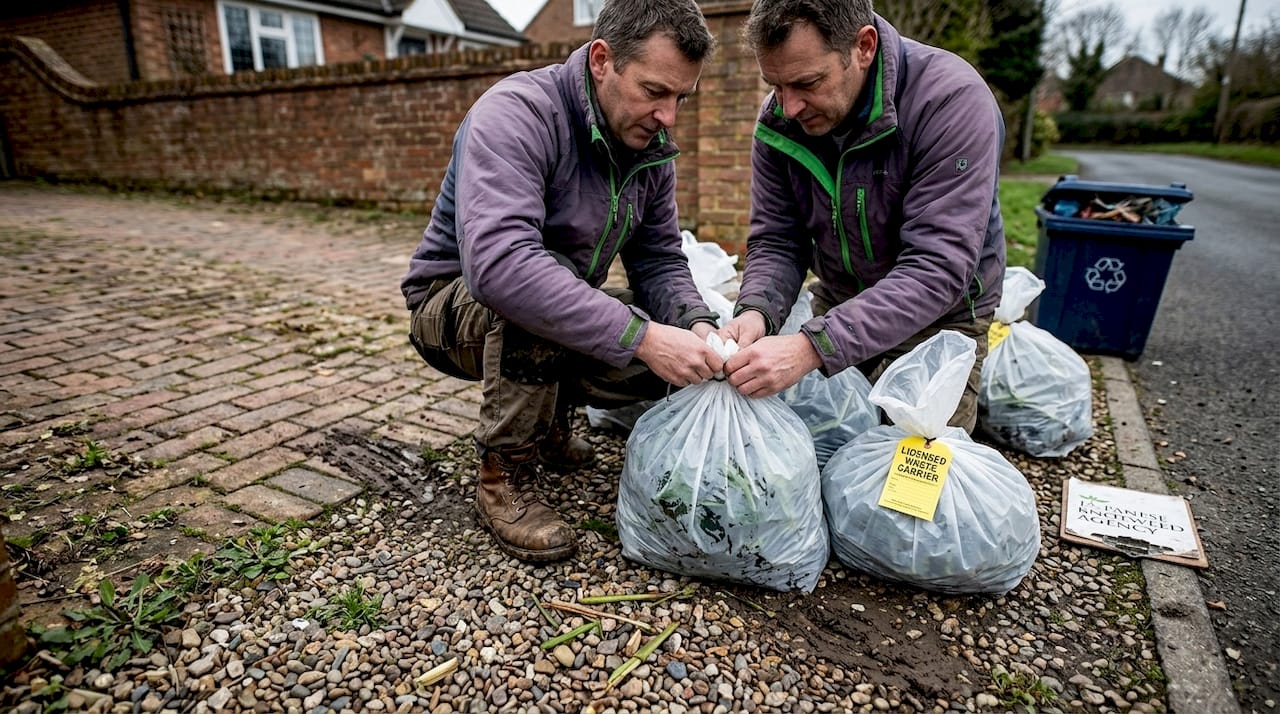
杂草传播途径与重点防治策略示意图

理解这些扩散机制后,您会意识到随意处理入侵性杂草的风险。即使是善意的园艺活动,也可能在不经意间制造数十个新的感染点。英国政府已发布详细的防扩散指导,强调预防和专业处理的重要性。

水灾对入侵性杂草扩散的助推作用

近年来气候变化导致极端天气事件频发,洪水已成为入侵性杂草沿水系快速扩散的主要推手。2021年太平洋西北地区的洪水事件为这一现象提供了清晰证据。极端洪水事件显著促进水系入侵植物种群扩张,研究数据令人震惊。

洪水通过多种方式加速杂草传播。首先,强大的水流冲刷河岸,将成熟植株连根拔起,茎段和根茎碎片随水流漂移数公里。其次,洪水淹没区域的土壤扰动暴露出原本深埋的根茎,增加碎片随水流移动的机会。第三,洪水退去后在河岸和低洼地留下的沉积物中往往含有大量碎片,这些碎片在适宜条件下迅速萌发。

2021年洪水后的流域调查数据揭示了惊人的扩散规模:

水系区域 洪水前植株数量 洪水后植株数量 增长率
主流河段 156株 423株 171%
支流河段 89株 267株 200%
汇流区 34株 158株 365%

这些数据清晰展示了单次极端洪水事件对入侵植物种群的巨大影响。汇流区的增长率高达365%,因为该区域同时接收来自多个方向的碎片。主流和支流的植株年龄分布也呈现明显差异,支流内多为成熟稳定的群落,而主流则以年轻植株为主,反映出从支流向主流的持续扩散趋势。

洪水不仅是自然灾害,更是入侵性杂草的传播媒介。一场洪水可能将数年的防控努力毁于一旦,使原本受控区域重新面临感染风险。

对于河流附近的物业,洪水风险评估应纳入入侵性杂草管理计划。即使您的物业目前未受影响,上游或支流的杂草种群在下次洪水时也可能成为威胁。定期监测水系状况,特别是在洪水季节后,能帮助及早发现新的感染点。了解更多综合防治方法可参考防治入侵植物方法清单

气候模型预测显示,未来极端降雨和洪水事件的频率将继续上升。这意味着水系传播将成为越来越重要的扩散途径。房主和物业管理者需要将洪水风险纳入长期杂草管理策略,而不仅仅关注现有感染区域的治理。

支流在入侵性杂草种群增长中的关键角色

深入分析水系结构对杂草扩散的影响,支流的作用尤为关键。研究发现,支流内的杂草多为成熟群落而主流偏年轻,这一年龄分布模式揭示了扩散动态的本质。

支流作为主要种群源头的原因有三。第一,支流水流相对平缓,沉积环境稳定,适合碎片定植和根茎扩展。第二,支流通常受人为干扰较少,使杂草群落有充足时间发展成熟。第三,支流与周边土地的接触面积更大,更容易从农田、花园或废弃地接收初始感染。

主流中年轻植株占优的现象则反映了持续的扩散前沿。这些植株主要来源于:

  1. 支流洪水期间冲刷出的碎片顺流而下定植
  2. 上游成熟群落产生的碎片随水流移动
  3. 人为活动(如河道清理)产生的碎片二次传播
  4. 河岸土壤侵蚀暴露的根茎碎片进入水流

这种从支流到主流的扩散模式对管理策略有重要启示。控制支流种群等同于切断主要传播源头,能显著降低整个流域的扩散压力。相比之下,仅关注主流的治理往往事倍功半,因为支流会持续提供新的感染源。

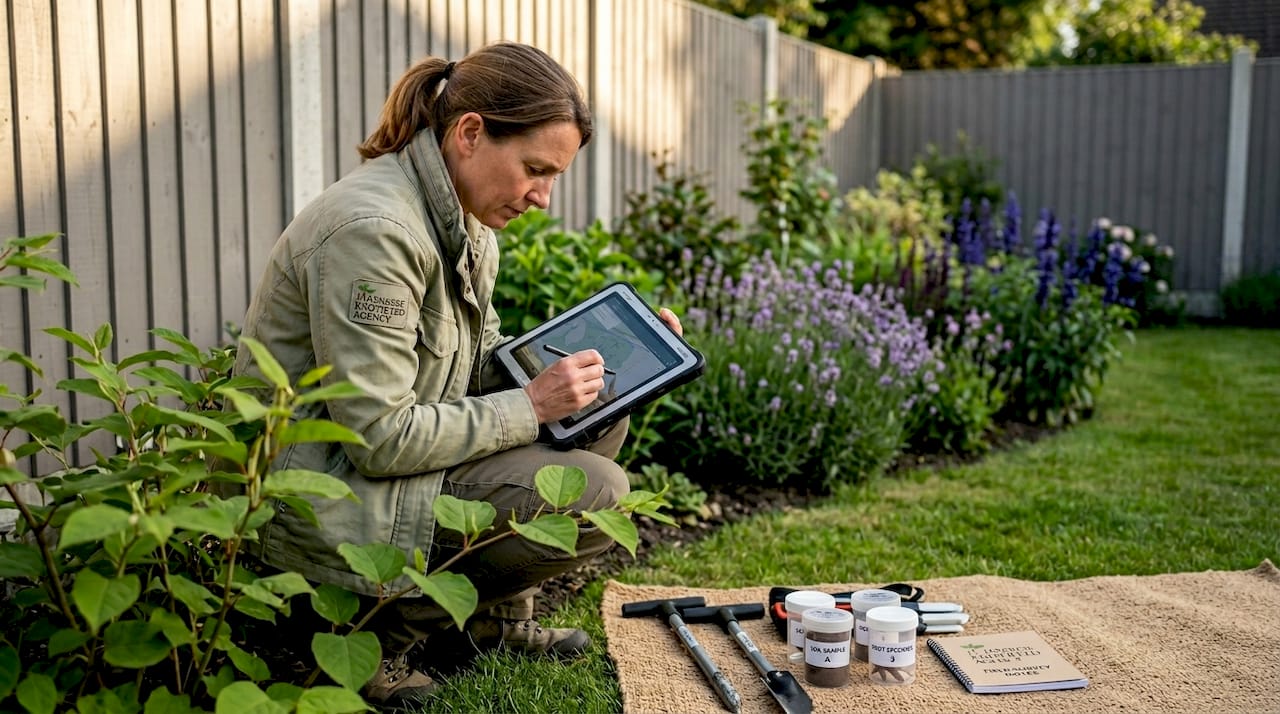
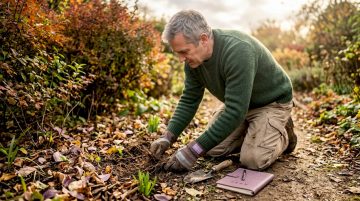
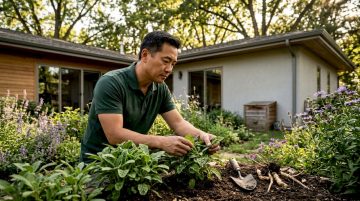
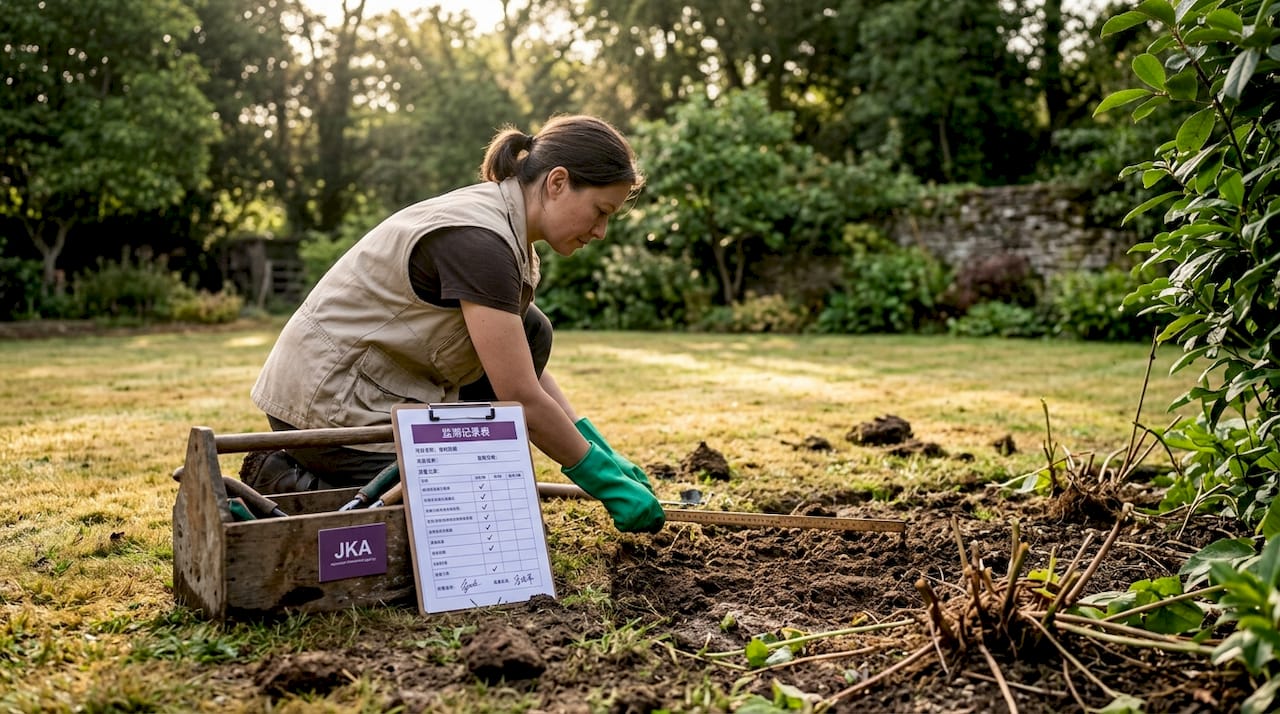
在支流岸边采集杂草根部样本

管理优先级 目标区域 预期效果 实施难度
高优先级 支流成熟群落 切断源头,长期控制 中等
中优先级 主流年轻植株 减缓当前扩散 较低
低优先级 零星分布点 局部控制

专业提示:在制定物业周边杂草管理计划时,务必调查附近所有支流的感染状况,即使它们距离您的物业较远。上游支流的未控制种群可能在数年内通过水系传播到您的区域。

理解支流的关键作用后,房主应重新评估风险。如果物业位于主流下游,即使目前未发现杂草,也应定期监测,因为上游支流可能随时成为威胁源。对于已有感染的物业,优先处理附近支流的种群能获得更持久的控制效果。更多识别和防范技巧可查看入侵植物识别与防范指南

流域尺度的协调管理变得越来越重要。单个物业的治理努力可能因周边未控制的种群而功亏一篑。与邻居、社区和地方政府合作,建立流域层面的监测和控制网络,能显著提升长期成功率。

实用入侵性杂草拦阻及防控策略

基于对扩散机制和水系传播的深入理解,英国和爱尔兰的房主可以采取以下科学有效的防控措施,保护物业免受入侵性杂草威胁。

首要原则是彻底性。必须彻底处理以防止1厘米碎片再生要求每一步操作都精确到位。半途而废的治理不仅浪费资源,还可能因碎片扩散使问题恶化。在开始任何处理前,进行专业调查确定感染范围和根茎深度至关重要。

防控策略应包含以下核心要素:

  • 建立物理屏障:在感染区域周围安装专业根障,深度至少2米,防止根茎向外扩展
  • 定期监测巡查:每月检查物业边界和易感区域,特别是在洪水或暴雨后
  • 控制碎片传播:避免在感染区域使用割草机、旋耕机等产生碎片的工具
  • 妥善处理废弃物:所有含杂草的土壤和植物材料必须按照法规要求专业处置
  • 记录治理过程:详细记录每次处理的日期、方法和效果,为后续评估提供依据

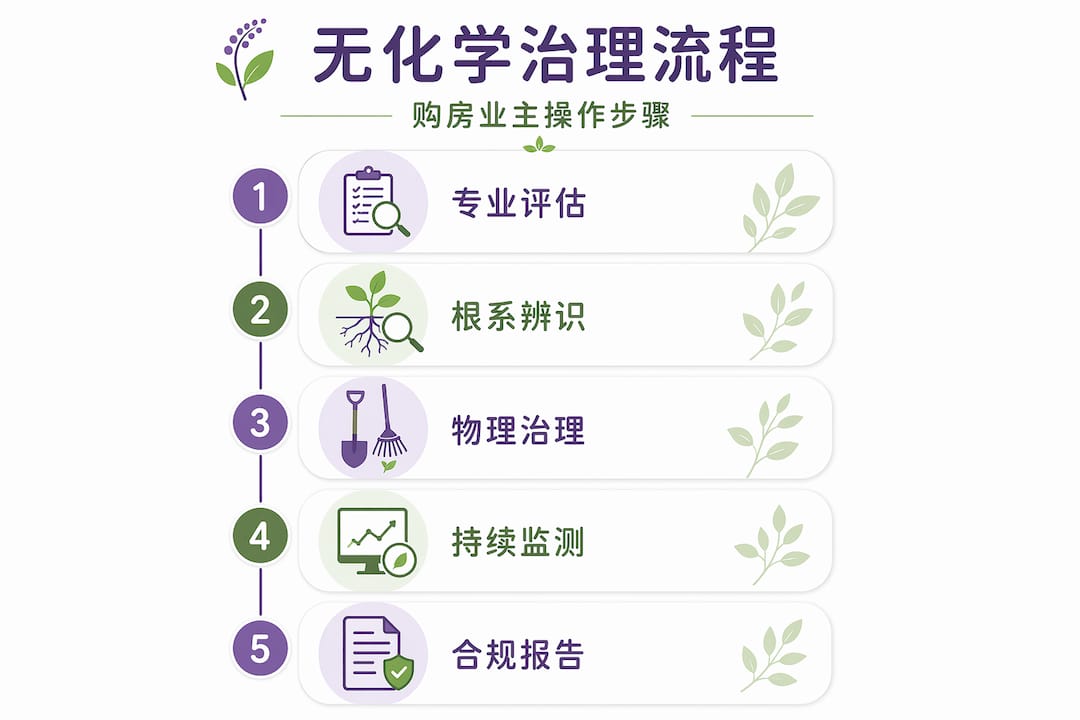
化学无害技术为房主提供了环保高效的选择。Japanese Knotweed Agency采用的直接能量输送系统,通过高达5000伏的电能造成细胞内部损伤,逐步耗竭根茎网络的能量储备。这种方法避免了化学药剂对土壤和水源的污染,特别适合有儿童和宠物的家庭,以及靠近水体的物业。详细流程可参考入侵杂草无化学处理流程

专业提示:在物业购买或再抵押前,务必进行全面的入侵性杂草调查。即使卖方声称无问题,独立第三方调查能发现隐藏的感染,避免日后昂贵的治理成本和法律纠纷。

对于已确认感染的物业,分阶段治理计划能平衡成本和效果。第一阶段集中控制主要感染区和高风险扩散点,第二阶段处理边缘区域和潜在碎片,第三阶段进行长期监测和维护。这种渐进式方法既保证彻底性,又使财务负担更易管理。

预防同样重要。在购买新植物或土壤前,确认供应商的来源可靠。避免从野外或未知来源移植植物。定期清洁园艺工具和车辆,防止碎片在不同区域间传播。如果物业靠近河流,在洪水季节后加强巡查,及早发现水流带来的新感染。

与专业机构保持联系能获得持续支持。定期咨询可以及时调整治理策略,应对新出现的挑战。许多成功案例显示,房主的积极参与结合专业技术支持,能在2到3年内实现有效控制。更多家庭管理步骤可查看家庭入侵杂草管理步骤

了解更多专业杂草管理服务

理解了入侵性杂草的扩散机制和防控要点后,您可能意识到专业协助的价值。Japanese Knotweed Agency专注于为英国和爱尔兰的房主提供权威的入侵植物调查和化学无害治理方案。我们的团队拥有丰富的现场经验,能够准确识别各类入侵物种,评估感染程度,并制定个性化的长期控制计划。

https://japaneseknotweedagency.co.uk

我们的化学无害技术通过直接能量输送系统,以高达5000伏的电能精准作用于根茎网络,造成细胞内部损伤并逐步耗竭能量储备。这种方法环保安全,不会对土壤、水源或周边生态造成污染,特别适合有机花园、儿童活动区域和水源保护地。除治理外,我们还提供专业的根障安装和必要时的挖掘清除服务,确保彻底解决问题。无论您是准备购买物业需要入侵植物调查,还是现有物业需要化学无害处理,我们都能提供专业支持。了解更多化学无害解决方案如何保护您的物业价值。

入侵性杂草扩散机制常见问答

如何确认我的物业是否受入侵性杂草影响?

最可靠的方法是聘请专业机构进行全面调查。专业人员能识别早期感染迹象,包括不明显的幼苗和地下根茎。如果您发现竹节状茎秆、心形叶片或快速生长的植物,应立即停止任何干扰并寻求专业鉴定。

最有效的预防扩散措施是什么?

彻底性是关键。避免任何可能产生碎片的操作,如修剪或挖掘。在感染区域周围安装深度至少2米的专业根障,能有效阻止根茎扩展。定期监测特别是在洪水后,能及早发现新感染并快速处理。

若在花园发现疑似碎片应如何处理?

立即停止所有园艺活动,不要移动或触碰碎片。用塑料布覆盖该区域防止进一步扩散,然后联系专业机构评估。切勿将碎片放入普通垃圾或堆肥,因为这可能导致更广泛的传播。专业处置是法律要求也是有效控制的必要步骤。

洪水后应采取何种措施防止杂草扩散?

洪水退去后尽快巡查物业,特别是河岸、低洼区域和水流经过的地方。寻找新出现的植株或冲刷暴露的根茎。如发现可疑植物,标记位置但不要触碰,然后安排专业调查。及早发现能显著降低治理成本和难度。

化学无害方法的治理效果如何?

化学无害技术如直接能量输送系统已被证实高效可靠。通过多次处理逐步耗竭根茎能量储备,通常2到3年可实现有效控制。相比化学方法,无害技术对环境更友好,无二次污染风险,特别适合有机种植区域和水源保护地。成功率取决于治理的彻底性和后续监测维护。更多详情可查看常见问题解答

物业交易时发现入侵性杂草会有什么影响?

贷款机构通常要求提供专业的杂草管理计划和保险支持的治理方案,否则可能拒绝贷款或要求大幅折价。及早进行专业调查并获得治理报价,能帮助顺利完成交易。许多卖方会在交易前主动处理,或在价格中反映治理成本。透明沟通和专业文档是关键。

推荐

Energy-based eradication: chemical-free knotweed control

Most homeowners believe that powerful chemical herbicides are the only way to eliminate Japanese Knotweed, yet these treatments often fail to reach deep rhizomes and face imminent regulatory bans. Energy-based eradication methods, using controlled heat and electrical energy, are transforming invasive plant control across England, Wales, and Ireland. These chemical-free approaches deliver targeted energy directly to plant cells, causing internal damage without harming surrounding soil or ecosystems. This guide explains how thermo-electric and steam treatments work, why they outperform traditional herbicides, and how property owners can protect their investments whilst supporting sustainable land management practices.

Table of Contents

Key takeaways

Point Details
Chemical-free control Energy-based methods eliminate Japanese Knotweed without toxic herbicides, protecting soil health and family safety.
Thermo-electric precision Direct electrical heating damages internal plant cells and depletes rhizome energy reserves with targeted accuracy.
Steam soil restoration High-temperature steam neutralises weeds, seeds, and pathogens, allowing contaminated soil to be safely reused onsite.
Regulatory compliance Energy-based treatments align with upcoming glyphosate restrictions and health safety standards for residential properties.
Property value protection Effective eradication prevents the 5-15% market value loss associated with persistent knotweed infestations.

Understanding energy-based eradication and its benefits

Energy-based eradication represents a fundamental shift in invasive plant control, using precisely controlled thermal and electrical energy to destroy Japanese Knotweed without chemical intervention. Unlike conventional herbicides that rely on toxic compounds absorbed through leaves, energy-based weed control delivers direct heat or electrical current to plant tissues, causing irreversible cellular damage throughout the entire organism. This approach targets the extensive underground rhizome network that makes knotweed so difficult to eliminate, addressing the root cause rather than surface symptoms.

Comparing energy-based methods to chemical herbicides reveals stark differences in safety, effectiveness, and environmental impact. Chemical treatments typically require multiple applications over several years, leaving residues that contaminate soil and groundwater whilst facing increasing regulatory scrutiny. Energy-based solutions produce zero chemical residues, eliminate the need for costly soil disposal, and align with upcoming glyphosate bans anticipated across the UK. The benefits of chemical free weed control extend beyond environmental protection to include faster treatment cycles and reduced long-term costs for property owners.

Thermo-electric treatment exemplifies the precision possible with energy-based approaches. Specialised equipment delivers controlled electrical heating directly into knotweed stems and rhizomes, raising internal temperatures to lethal levels whilst leaving surrounding plants and soil unaffected. This targeted application causes protein denaturation and cell membrane rupture deep within the plant structure. The risk of regrowth is greatly reduced because the treatment depletes energy reserves stored in rhizomes, weakening the plant’s ability to regenerate after each session.

Key advantages for residential properties include:

  • No toxic exposure for children, pets, or beneficial garden organisms
  • Immediate usability of treated areas without waiting periods
  • Compatibility with organic gardening and sustainable landscaping goals
  • Reduced insurance complications and mortgage approval barriers
  • Compliance with environmental protection regulations for sensitive sites

Pro Tip: Energy-based methods work exceptionally well in confined spaces like garden borders or areas near water features where chemical drift poses risks. The chemical-free knotweed eradication workflow allows treatment within metres of ponds, streams, or vegetable gardens without contamination concerns, making it ideal for typical residential settings where families want safe outdoor spaces.

How energy-based methods work: thermo-electric and steam treatments

Steam treatment harnesses high-temperature water vapour to destroy invasive plants and sanitise contaminated soil simultaneously. The process involves applying pressurised steam at temperatures exceeding 100°C directly to affected areas, penetrating soil depths where knotweed rhizomes proliferate. Steam treatment neutralises weeds, seeds, and harmful pathogens in soil, creating conditions where previously infested material can be safely reused for landscaping or construction fill. This eliminates disposal costs that can reach thousands of pounds for excavated knotweed waste, whilst restoring soil biological activity disrupted by years of herbicide applications.

Thermo-electric treatment operates on different principles but achieves similar outcomes through precisely controlled electrical heating. Thermo-electric treatment delivers precisely controlled, directed heat causing internal cell damage throughout the plant structure. Equipment applies electrical current through probes inserted into knotweed stems, generating resistance heating that raises tissue temperatures to 60-80°C. This thermal shock destroys cellular proteins and disrupts nutrient transport systems, whilst repeated treatments progressively deplete the carbohydrate reserves that fuel rhizome growth. The method proves particularly effective because it bypasses the waxy leaf cuticles that often repel herbicide sprays.

Implementing energy-based eradication follows a systematic chemical free treatment process designed for maximum effectiveness:

  1. Conduct thorough site assessment to map infestation extent and identify sensitive areas requiring protection.
  2. Select appropriate energy method based on site access, soil conditions, and treatment timeline requirements.
  3. Apply initial treatment during active growth periods when plants transport maximum energy to rhizomes.
  4. Schedule follow-up sessions at strategic intervals to target regrowth and exhaust underground energy reserves.
  5. Monitor treated areas with regular inspections to confirm eradication and address any residual growth promptly.
  6. Document treatment outcomes for property records, insurance purposes, and future landscaping plans.

Comparing the two primary energy-based approaches helps property owners select the optimal method:

Feature Steam Treatment Thermo-electric Treatment
Typical cost per session Moderate to high Moderate
Treatment duration 2-4 hours per area 1-2 hours per area
Soil impact Sanitises and restores Minimal disturbance
Regrowth risk Low with proper application Very low with repeat treatments
Best suited for Large infestations, soil remediation Targeted control, sensitive sites

Pro Tip: Thermo-electric methods excel in established gardens where you want to preserve surrounding plants, whilst steam treatment makes sense when you’re planning major landscaping changes and need to remediate large soil volumes. Combining both approaches in a staged treatment plan often delivers the fastest, most complete eradication for complex infestations.

Why homeowners in England, Wales and Ireland should consider energy-based eradication

Japanese Knotweed affects an estimated 4% of properties across England, Wales, and Ireland, creating significant financial and legal complications for homeowners. The plant’s aggressive growth damages building foundations, disrupts drainage systems, and penetrates through tarmac and concrete with surprising force. Affected homes can lose between 5-15% of their market value due to Japanese Knotweed presence, whilst mortgage lenders often refuse financing until professional eradication programmes are in place. These economic pressures make effective, sustainable control methods essential for protecting property investments.

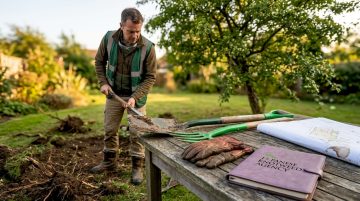
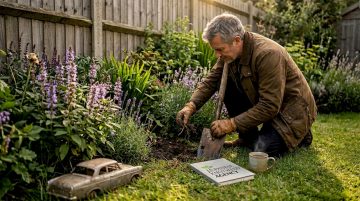
Homeowner inspecting garden knotweed infestation

Regulatory changes are accelerating the shift away from chemical herbicides across the UK and Ireland. Glyphosate may be banned in the UK in December 2025 due to health risks, leaving homeowners who rely on traditional treatments facing limited options. European Union restrictions on chemical pesticides already influence Irish regulations, whilst growing public health concerns about herbicide exposure near homes and schools are prompting stricter local authority guidelines. Energy-based methods provide future-proof solutions that comply with emerging environmental standards.

Comparing traditional and modern approaches reveals why homeowners are switching to chemical-free alternatives:

Aspect Chemical Herbicide Control Energy-based Methods
Family safety Toxic exposure risks Zero chemical contact
Treatment duration 3-5 years typical 1-2 years with proper protocol
Environmental impact Soil and water contamination No residues or runoff
Regulatory compliance Facing restrictions Fully compliant
Soil disposal costs High for excavated material Minimal with steam sanitisation

Homeowners choosing non-chemical knotweed controls gain multiple practical advantages:

  • Immediate garden access after treatment without waiting for chemical breakdown periods
  • Protection for beneficial insects, soil microorganisms, and native plant species
  • Compliance with organic gardening standards and sustainable property management goals
  • Reduced liability concerns related to chemical drift onto neighbouring properties
  • Alignment with knotweed removal best practices recognised by surveyors and insurance providers

Alan Hoey, pioneer of chemical-free knotweed solutions, emphasises that homeowners deserve treatment options that protect both property values and family health. His work demonstrates how chemical-free knotweed control benefits extend beyond immediate eradication to support long-term environmental stewardship and community wellbeing.

Pro Tip: Document your energy-based treatment programme with dated photographs and professional reports. This creates a clear property history that satisfies mortgage lenders, reassures potential buyers, and demonstrates responsible land management if knotweed ever spreads from neighbouring properties in future.

Challenges and misconceptions about Japanese Knotweed eradication

Numerous myths about Japanese Knotweed control persist amongst homeowners, often leading to wasted money and prolonged infestations. Common misconceptions include beliefs that ordinary weed killers designed for dandelions or thistles will eliminate knotweed, that cutting stems prevents spread, or that covering affected areas with landscape fabric stops growth. These approaches fail because they don’t account for the plant’s unique biology. Standard solutions used for other weeds don’t work on Japanese Knotweed due to its extensive rhizome network that can extend 3 metres deep and 7 metres horizontally from visible stems.

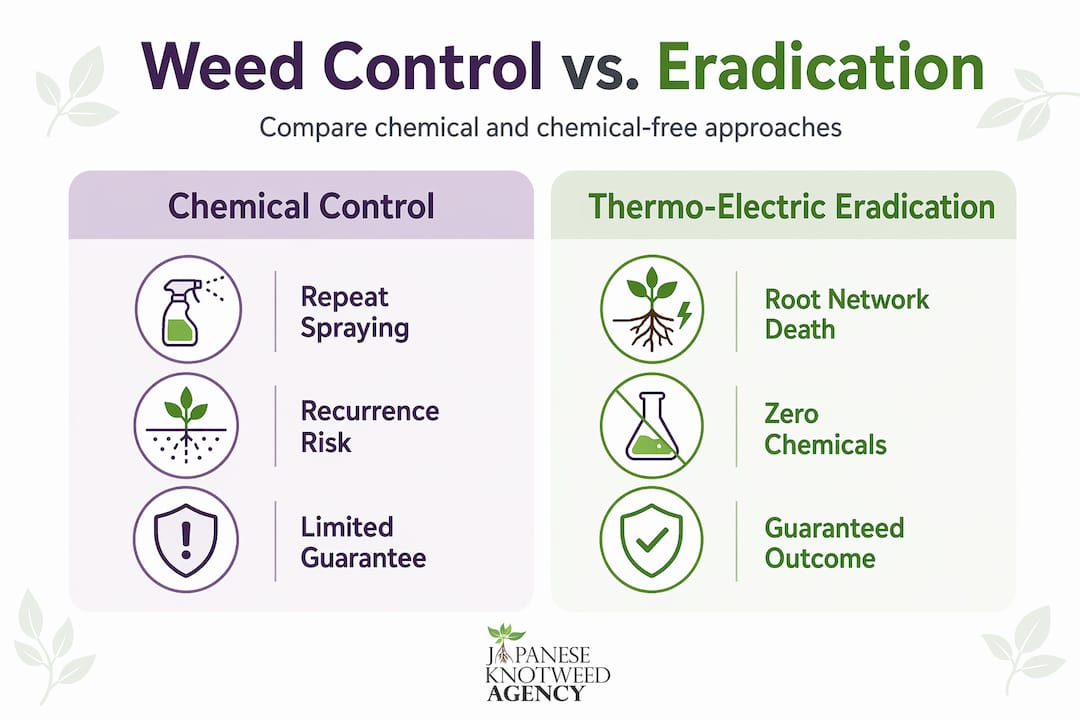
Infographic comparing knotweed eradication methods

DIY attempts at knotweed control frequently worsen infestations rather than resolving them. DIY solutions do not work because improper cutting or digging fragments rhizomes, with each piece capable of generating new plants. Homeowners who attempt excavation without professional guidance often spread contaminated soil to other garden areas, creating multiple infestation sites. Even small rhizome fragments measuring just 0.7 grams can regenerate into full plants under favourable conditions, making amateur eradication efforts counterproductive.

Chemical herbicides marketed for knotweed control carry their own limitations that many property owners discover too late. Glyphosate-based treatments require perfect timing during active growth periods, multiple applications over several years, and careful technique to penetrate the plant’s waxy leaf surfaces. Environmental conditions like rain within 24 hours of application wash away herbicides before absorption occurs. The temporary nature of chemical suppression means rhizomes remain viable underground, ready to exploit any gap in treatment schedules.

Effective Japanese Knotweed eradication requires understanding the plant’s biology, using methods that target deep rhizome systems, and maintaining treatment consistency over appropriate timeframes. Shortcuts and generic approaches invariably fail, costing homeowners more in the long run.

Energy-based eradication addresses these challenges through direct physical destruction of plant tissues rather than relying on chemical absorption. Thermo-electric and steam treatments bypass the biological defences that make knotweed resistant to conventional controls, delivering lethal temperatures directly to rhizomes regardless of growth stage or weather conditions. This fundamental difference explains why energy methods achieve reliable results where other approaches struggle.

Most homeowners miss critical factors when evaluating eradication methods:

  • Regrowth potential from untreated rhizome fragments left in soil
  • Long-term soil contamination from repeated herbicide applications
  • Realistic timeframes for complete eradication versus temporary suppression
  • Legal obligations for preventing knotweed spread to neighbouring properties
  • Documentation requirements for property sales and mortgage applications

Professional assessment identifies the full extent of infestations using techniques like ground-penetrating radar or systematic soil sampling. This prevents the common mistake of treating only visible growth whilst leaving extensive underground rhizome networks intact. The natural knotweed removal guide emphasises that lasting success requires combining appropriate technology with expert knowledge of plant behaviour and site-specific conditions.

Explore chemical-free invasive plant solutions for your home

Protecting your property from Japanese Knotweed doesn’t require compromising on environmental values or family safety. Professional chemical-free invasive plant solutions combine advanced energy-based technologies with expert assessment to deliver reliable eradication results. These services provide comprehensive treatment programmes tailored to your property’s specific conditions, ensuring compliance with regulations whilst preserving soil health and garden ecosystems. Homeowners gain peace of mind knowing their properties receive the same cutting-edge approaches that are revolutionising invasive species management across the UK and Ireland.

https://japaneseknotweedagency.co.uk

The chemical-free knotweed treatment process begins with thorough site evaluation and continues through systematic energy applications designed to exhaust rhizome reserves completely. Professional teams document every stage, creating the detailed records mortgage lenders and property surveyors require. Whether you’re dealing with a small garden infestation or extensive knotweed affecting multiple areas, expert guidance ensures you choose the most effective approach for your situation.

Take these practical steps to address knotweed concerns:

  • Book a professional survey to accurately map infestation extent and assess treatment options
  • Review the complete treatment workflow to understand timeframes and expected outcomes
  • Explore knotweed FAQs to get answers about costs, guarantees, and property implications

FAQ

What is energy-based eradication?

Energy-based eradication uses controlled thermal or electrical energy to destroy invasive plants without chemical herbicides. Thermo-electric methods deliver precise electrical heating to plant tissues, whilst steam treatments apply high-temperature vapour to eliminate weeds and sanitise soil. Both approaches target the deep rhizome networks that make Japanese Knotweed so difficult to control with conventional methods.

How does energy-based eradication compare to chemical treatments?

Energy-based methods eliminate toxic exposure risks, produce zero soil or water contamination, and typically achieve complete eradication in 1-2 years versus 3-5 years for herbicides. The chemical-free knotweed eradication workflow allows immediate garden use after treatment and complies with emerging restrictions on glyphosate and other chemical pesticides.

Is energy-based eradication safe for residential properties?

Yes, energy-based treatments pose no risks to children, pets, or beneficial garden organisms. The methods target only the invasive plants being treated, leaving surrounding vegetation and soil biology unaffected. Properties can be used normally immediately after treatment sessions, unlike chemical applications that require exclusion periods.

How long does energy-based eradication take?

Complete eradication typically requires 12-24 months with properly scheduled treatment sessions. Initial applications target visible growth and accessible rhizomes, whilst follow-up treatments address regrowth and exhaust underground energy reserves. The exact timeline depends on infestation size, site conditions, and treatment method selected.

What are the main benefits of chemical-free weed control?

The benefits of chemical free weed control include protecting family health, preserving soil quality, complying with environmental regulations, and maintaining property values. Energy-based methods also reduce long-term costs by eliminating soil disposal fees and accelerating treatment timelines compared to traditional herbicide programmes.

Can energy-based methods treat large knotweed infestations?

Yes, both steam and thermo-electric treatments scale effectively for properties with extensive knotweed coverage. Professional equipment handles large treatment areas efficiently, whilst systematic application protocols ensure complete rhizome network destruction. The methods prove particularly valuable for sites where chemical use is restricted or where rapid, reliable eradication is essential for property transactions.

2026年无化学灭除日本结缕草:彻底根除的环保指南

许多房主和地方官员尝试使用所谓的无化学方法灭除日本结缕草,却发现效果不佳甚至加剧了问题。柴油、盐水和漂白剂等DIY方法不仅无效还污染环境。本文将揭示常见误区,介绍科学的无化学根除方案,包括机械挖掘和创新的热电技术,帮助您实现彻底、环保的结缕草治理。无论您是正在申请房屋调查的房主,还是寻求可持续除草方案的地方政府官员,这份指南都将为您提供实用的策略和专业建议。

目录

关键要点

要点 详情
无化学方法需慎用 许多DIY方案如柴油或盐水无效且污染环境,反而促使结缕草扩散
挖掘根茎是关键 彻底根除需挖除根茎及周边2到3米土壤安全带,防止断片再生
热电技术环保高效 利用高压电流破坏根茎细胞,对周围生态无害,适合敏感区域
全克隆治理更有效 治理整个克隆区域比局部控制复发风险更低,需持续监控管理

无化学灭除日本结缕草的挑战与误区解析

市面上流传着许多所谓的无化学灭除方案,但大多数效果不佳。许多房主尝试用柴油、盐水或漂白剂浇洒结缕草,以为能够杀死根茎。这些DIY方法不仅无效还污染环境,对土壤和地下水造成长期危害。日本结缕草的根茎系统极其顽强,表面处理无法触及深层根茎,反而可能刺激其加速生长。

另一个常见误区是随意挖掘。许多人认为挖出地表植株就能解决问题,却不知道根茎断片极易再生。即使是指甲盖大小的根茎碎片,也能在合适条件下重新萌发,造成更大范围的扩散。不当的挖掘操作会将根茎切成无数小段,每一段都可能成为新的生长点,使问题变得更加棘手。

机械挖掘虽然是有效方法,但需要专业规划和执行。多数DIY操作缺乏对根茎分布深度和范围的准确判断,导致挖掘不彻底或处理不当。未经培训的操作者往往低估了根茎的延伸范围,仅挖掘可见植株周围的土壤,留下大量残余根茎。这些残余根茎会在数周内重新萌发,使治理工作前功尽弃。

专业提示: 在尝试任何无化学灭除方法前,建议先进行专业的无化学消除结缕草指南评估,了解根茎分布情况,制定科学的治理方案。

常见的无效方法包括:

  • 用柴油、盐水或漂白剂浇洒植株
  • 仅挖掘地表可见部分而忽略根茎
  • 使用除草布或覆盖物而不配合其他措施
  • 频繁割草试图耗尽植株能量

这些方法不仅浪费时间和金钱,还可能让问题变得更加严重。了解这些误区是制定有效治理策略的第一步。

科学原理与物理灭除方法详解

日本结缕草的根茎系统是其顽强生命力的关键。研究表明,根茎集中于土壤上层60厘米内,最深可达80厘米。根茎以水平方式延伸,形成密集的地下网络,储存大量能量和养分。这种结构使其能够在不利条件下存活,并在环境改善时迅速恢复生长。

彻底根除日本结缕草需要挖掘整个根茎系统,包括周边2到3米的安全带。这个安全带范围不是随意设定的,而是基于根茎的实际延伸距离。根茎可以从主植株向外延伸数米,即使看不到地表植株,地下也可能存在活跃的根茎。挖掘时必须确保移除所有根茎碎片,因为任何残留都可能导致再生。

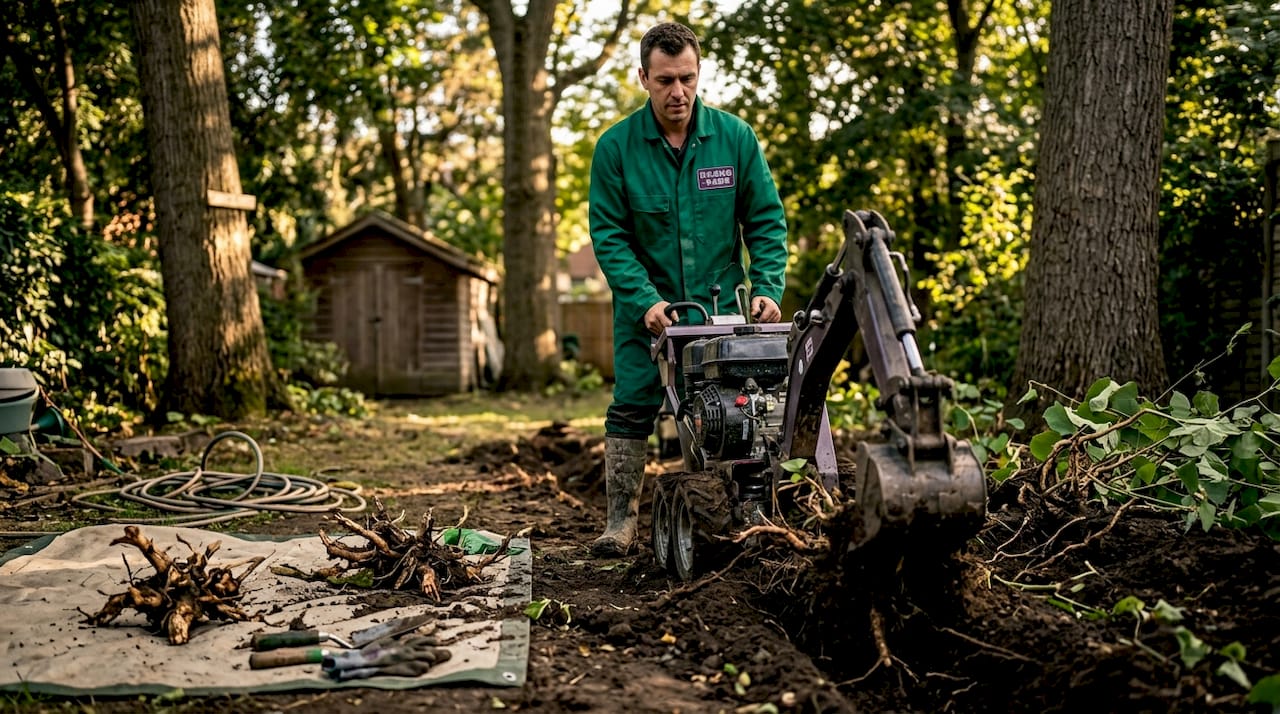
在庭院中详细描述了如何安全地挖掘,并注意保护根茎不受损伤。

挖掘深度 根茎分布 处理要求
0到30厘米 主要根茎集中区 必须完全移除
30到60厘米 次要根茎分布区 仔细检查并清除
60到80厘米 深层根茎可能区 根据评估决定挖掘深度

规范化的挖掘流程包括以下步骤:

  1. 标记所有可见植株位置,确定治理范围
  2. 使用探测工具评估根茎分布深度和范围
  3. 从外围向中心逐步挖掘,避免根茎扩散
  4. 仔细筛选挖出的土壤,移除所有根茎碎片
  5. 将根茎和受污染土壤按规定处置,不得随意丢弃

挖掘后的土壤处理同样重要。受污染的土壤必须按照相关法规进行处置,不能用于填埋或转移到其他地点。许多地方政府对日本结缕草废弃物有严格的处理要求,违规处置可能面临法律责任。

专业提示: 挖掘工作最好在生长季节进行,此时根茎活跃,更容易识别和移除。秋季和冬季虽然地表植株枯萎,但根茎仍然存活,挖掘难度更大。

采用覆盖防护和机械管理可以减缓再生概率。在挖掘后的区域铺设防根膜,阻止残余根茎向上生长。定期监控并及时移除任何萌发的幼苗,防止其重新建立根茎系统。这种持续管理是确保长期效果的关键,需要至少2到3年的时间。更多详细步骤请参考结缕草无化学去除流程

先进无化学技术:热电处理的应用与优势

热电技术是近年来兴起的创新无化学灭除手段,通过向根茎输送高压电流产生热量,破坏细胞结构。这种方法有效根除结缕草且环境安全,不会在土壤中留下任何化学残留。电流产生的热量可达数百摄氏度,足以使根茎细胞内的蛋白质变性,导致细胞死亡。

Japanese Knotweed Agency采用的热电技术可输送高达5000伏特的电能,直接作用于根茎网络。每次处理都会消耗根茎储存的能量,削弱其再生能力。经过多次处理后,根茎的能量储备耗尽,最终无法再生。这种方法特别适合敏感区域,如水源保护区、有机农场或儿童活动场所,完全避免了化学污染的风险。

热电技术的优势包括:

  • 对周围植物和土壤生物无害,保护生态平衡
  • 处理过程无需挖掘,减少对景观的破坏
  • 可在狭小或难以进入的区域使用
  • 符合日益严格的环境保护法规

这种技术在英国得到越来越多的认可和推广。许多地方政府和环保组织开始采用热电处理,取代传统的化学除草方法。虽然初期投资较高,但长期来看,热电技术的环境效益和社会效益远超化学方法。

“无化学治疗不仅保护环境,还能避免化学残留对人体健康的潜在影响。这是未来入侵植物治理的发展方向。” —— 环保专家

热电技术的应用需要专业设备和训练有素的操作人员。设备必须能够精确控制电压和电流,确保有效杀死根茎的同时不对周围环境造成危害。操作人员需要了解日本结缕草的生长特性,选择最佳的处理时机和位置。多次处理通常比单次处理更有效,因为根茎系统庞大,需要逐步削弱其能量储备。

想了解更多关于热电技术的信息,请访问我们的无化学结缕草处理流程页面。

实用策略与防控建议:全面治理与持续管理

科学的日本结缕草治理需要综合考虑多种因素,制定系统的管理方案。研究显示,全克隆治理优于局部控制,复发风险更低。全克隆治理是指治理整个结缕草克隆区域,而不仅仅是可见植株周围的小范围。这种方法虽然初期工作量更大,但能够从根本上消除再生风险。

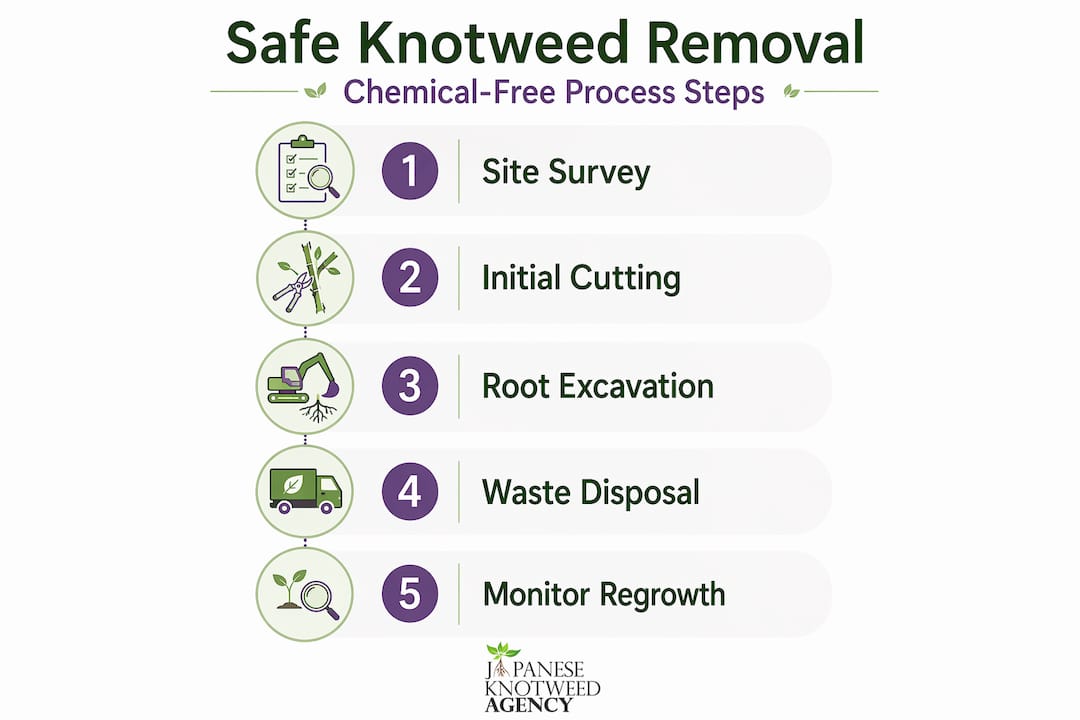
结缕草快速清除步骤一览图

结合机械挖掘与热电技术可以减少生态负担,提高治理效率。对于大面积感染区域,可以先用机械挖掘移除主要根茎,然后用热电技术处理残余部分。这种组合策略既能快速减少根茎总量,又能精确处理难以挖掘的区域,达到最佳效果。

有效的治理策略包括:

  1. 进行全面的场地评估,确定结缕草分布范围和根茎深度
  2. 根据场地特点选择合适的治理方法或组合方法
  3. 制定详细的施工计划,包括挖掘范围、深度和废弃物处置方案
  4. 实施治理措施,确保所有根茎和受污染土壤得到妥善处理
  5. 建立长期监控机制,定期检查并处理任何萌发的幼苗

| 治理方法 | 适用场景 | 优势 | 注意事项 |
| — | — | — |
| 机械挖掘 | 开阔区域,大面积感染 | 快速移除大量根茎 | 需专业设备和规范操作 |
| 热电技术 | 敏感区域,狭小空间 | 环保无污染,精确处理 | 需多次处理,成本较高 |
| 组合策略 | 复杂场地,严重感染 | 综合优势,效果最佳 | 需专业规划和协调 |

定期监控与管理是防止结缕草再生的关键。即使经过彻底治理,仍可能有微小的根茎碎片残留在土壤中。这些碎片在条件适宜时可能萌发,形成新的植株。建议在治理后的前三年内,每月检查一次治理区域,及时发现并移除任何幼苗。第三年后可以减少检查频率,但仍需保持警惕。

专业提示: 春季和初夏是结缕草生长最活跃的时期,也是监控的关键时段。此时萌发的幼苗更容易识别,处理起来也更简单。

选择适合场地的多样化策略能够达到最佳效果。不同的场地条件需要不同的治理方法。例如,靠近水体的区域不宜使用可能造成土壤扰动的机械挖掘,热电技术是更好的选择。在历史建筑或考古遗址附近,需要特别小心,避免对地下结构造成破坏。了解更多管理步骤,请访问入侵植物逐步管理指导

地方政府在日本结缕草治理中扮演重要角色。制定明确的管理政策,提供技术支持和资金援助,能够帮助房主和土地管理者更有效地控制结缕草扩散。许多地方政府已经建立了入侵植物治理项目,提供免费的咨询服务和部分资金补助。更多信息请查看地方政府入侵植物治理页面。

探索我们的无化学日本结缕草解决方案

了解了无化学灭除日本结缕草的科学方法和实用策略后,您可能希望获得专业的帮助来实施这些方案。Japanese Knotweed Agency提供全面的无化学结缕草检测与根除服务,采用先进的热电技术和规范的机械挖掘方法,确保彻底、环保的治理效果。

https://japaneseknotweedagency.co.uk

我们为房主和地方政府设计了多样化的治理方案,根据场地特点和感染程度量身定制。无论您面对的是小面积的庭院感染,还是大规模的公共土地问题,我们都能提供专业的解决方案。我们的团队经验丰富,熟悉英格兰、威尔士和爱尔兰的相关法规,确保所有治理工作符合当地要求。想了解更多关于我们的无化学除草解决方案,或查看详细的入侵植物管理步骤,请访问我们的网站。

无化学灭除日本结缕草常见问题解答

无化学灭除方法真的有效吗?

是的,但需要选择正确的方法并规范执行。机械挖掘和热电技术都是经过验证的有效方法,但DIY方案如柴油或盐水通常无效。专业的无化学治理需要对根茎分布有准确了解,并采用系统的处理流程。

挖掘日本结缕草需要多深?

根茎主要分布在土壤上层60厘米内,但安全起见应挖掘至80厘米深。挖掘范围需要超出可见植株周围2到3米,形成安全带。所有挖出的土壤都需要仔细筛选,确保移除所有根茎碎片。

热电技术安全吗?

热电技术对环境和人体都是安全的,前提是由专业人员操作。这种方法不会在土壤中留下任何化学残留,对周围植物和土壤生物无害。处理过程中会采取必要的安全措施,确保操作人员和公众的安全。

如何防止日本结缕草再生?

防止再生需要彻底移除所有根茎,并进行长期监控。治理后应定期检查区域,及时移除任何萌发的幼苗。使用防根膜可以阻止残余根茎向上生长。持续管理至少需要2到3年,才能确保结缕草不会复发。

地方政府能提供什么帮助?

许多地方政府提供入侵植物治理的咨询服务和资金援助。您可以联系当地的环境管理部门,了解可用的支持项目。一些地区还提供免费的场地评估和治理建议。更多信息请访问我们的结缕草常见问答页面。

推荐

Why non-chemical treatments protect homes from knotweed

Japanese knotweed silently destroys property values across England, Wales, and Ireland, with affected homes losing up to 15% of their market worth. Many homeowners believe harsh chemical pesticides offer the only solution, yet these treatments can take five years whilst introducing harmful toxins into gardens where families play. Non-chemical methods now deliver faster, safer eradication within 12 months, protecting both property investments and household health. This guide reveals why abandoning chemicals represents the smartest choice for homeowners facing this invasive threat.

Table of Contents

Key takeaways

Point Details
Rapid eradication Non-chemical treatments eliminate Japanese knotweed within one year compared to five years for pesticides.
Property protection Homes affected by knotweed lose 5-15% in value, making swift action essential for preserving investments.
Health safety Chemical-free methods avoid glyphosate and other toxins linked to serious health conditions.
Environmental benefit Thermo-electric and biological controls protect soil, water, and local wildlife whilst achieving effective results.
Professional advantage Expert application ensures thorough eradication and compliance with legal requirements for property transactions.

Understanding the threat of Japanese knotweed to your property

Japanese knotweed inflicts devastating financial damage on homeowners throughout the UK and Ireland. Invasive species cost the UK economy £4 billion annually, with Japanese knotweed alone responsible for £170 million in damages. This aggressive plant doesn’t simply create an eyesore in your garden. It actively reduces your property’s market value, creates obstacles during sales, and triggers mortgage lender concerns that can derail transactions entirely.

The impact on property values extends beyond immediate financial loss. Potential buyers often withdraw offers upon discovering knotweed presence, even when treatment plans exist. Mortgage companies frequently refuse lending on affected properties or demand expensive insurance-backed guarantees before proceeding. Some homeowners find themselves trapped, unable to sell or remortgage whilst watching their equity diminish.

Beyond economics, Japanese knotweed creates serious ecological disruption. The plant’s aggressive growth pattern crowds out native species, destroys habitats for beneficial insects and wildlife, and destabilises soil structure. Its extensive rhizome network can penetrate foundations, driveways, and drainage systems, causing structural damage that multiplies repair costs. Understanding these multifaceted threats helps homeowners recognise why immediate action matters.

Key impacts homeowners face include:

  • Property devaluation ranging from 5% to 15% of total market value
  • Mortgage application rejections or expensive guarantee requirements
  • Structural damage to foundations, patios, and underground utilities
  • Legal liability if knotweed spreads to neighbouring properties
  • Ecosystem disruption affecting garden biodiversity and soil health

Pro Tip: Document knotweed locations with dated photographs and measurements immediately upon discovery. This evidence proves invaluable when discussing treatment options with professionals and demonstrates proactive management to potential buyers.

The urgency of addressing Japanese knotweed cannot be overstated. Each growing season allows the plant to extend its rhizome network further underground, expanding the treatment area and escalating costs. Early intervention prevents minor infestations from becoming major property disasters. Homeowners who delay treatment often face exponentially higher expenses as the problem compounds, making swift decision-making essential for protecting property investments.

How non-chemical treatments work against Japanese knotweed

Modern non-chemical treatments deliver remarkable effectiveness without introducing harmful substances into your property. The Roots Reset method eradicates knotweed within one year without pesticides, achieving success in over 95% of cases. This innovative approach allows homeowners to replant gardens and proceed with property development within just five days, compared to the five-year wait period required after chemical herbicide application.

Thermo-electric treatment represents another breakthrough in chemical-free knotweed control. This method applies controlled heat to damage plant cells deep within the rhizome network, causing internal destruction without harming surrounding ecosystems. The precision of this approach targets knotweed specifically, leaving beneficial soil microorganisms, earthworms, and native plants unaffected. Multiple treatments systematically deplete the plant’s energy reserves until complete eradication occurs.

Technician uses thermo-electric tool on knotweed

The advantages of chemical-free control extend beyond speed and safety. These methods eliminate concerns about pesticide residues contaminating vegetable gardens, children’s play areas, or water sources. Homeowners avoid the anxiety of wondering whether chemical treatments might affect family health or pet safety. The immediate usability of treated areas means landscaping projects can proceed without lengthy waiting periods.

Infographic comparing knotweed control methods

Treatment Method Eradication Time Replanting Wait Environmental Impact
Roots Reset 12 months 5 days Zero chemical residue
Thermo-electric 12-18 months Immediate No ecosystem disruption
Chemical herbicide 3-5 years Up to 5 years Toxic soil contamination
Traditional smothering 3-7 years Varies Minimal but labour intensive

Thermo-electric treatment in detail reveals the sophisticated science behind this approach. Specialist equipment delivers up to 5000 volts directly to the plant’s rhizome system, causing cellular damage that prevents regeneration. Each treatment session weakens the plant progressively, depleting stored energy reserves until the entire network collapses. The precision of energy delivery ensures thorough treatment whilst protecting surrounding vegetation.

Traditional non-chemical methods like smothering with landscape fabric or repeated cutting still exist but require significantly more time and labour. Smothering works by blocking sunlight, gradually starving the plant of photosynthesis energy over several years. Cutting removes above-ground growth but must continue relentlessly to exhaust root reserves. These approaches suit homeowners committed to long-term management but lack the speed and certainty of modern alternatives.

Pro Tip: Schedule non-chemical treatments during the growing season when knotweed actively transports nutrients to its rhizomes. This timing maximises treatment effectiveness as energy delivery or heat penetration reaches deeper into the root system, accelerating eradication.

Comparing chemical and non-chemical treatments: benefits and risks

Chemical herbicides like glyphosate dominate traditional knotweed treatment approaches, yet these substances carry significant drawbacks that increasingly concern homeowners. Glyphosate is linked to cancers and neurological diseases according to independent studies, raising serious questions about exposing families and pets to these compounds. Whilst glyphosate stunts knotweed growth, it rarely achieves permanent eradication and requires repeated applications over multiple years.

The fundamental problem with chemical treatments lies in their mechanism. Herbicides work by poisoning the entire plant system, but Japanese knotweed’s extensive rhizome network often survives deep underground where chemicals cannot penetrate effectively. Surviving fragments regenerate, forcing homeowners into endless treatment cycles. Meanwhile, toxic residues accumulate in soil, potentially contaminating groundwater and affecting beneficial organisms essential for garden health.

Factor Chemical Treatment Non-Chemical Treatment
Health risks Exposure to carcinogenic compounds Zero toxic exposure
Eradication timeline 3-5 years minimum 12-18 months typical
Replanting safety 5-year wait recommended Immediate to 5 days
Environmental impact Soil and water contamination Ecosystem preservation
Recurring costs Multiple annual applications Defined treatment schedule
Legal compliance Increasing restrictions Aligns with pesticide reduction goals

Non-chemical treatments eliminate health anxieties whilst delivering faster results. Homeowners using thermo-electric or Roots Reset methods avoid wondering whether garden vegetables absorbed pesticide residues or whether children playing on treated lawns face exposure risks. The peace of mind accompanying chemical-free approaches represents substantial value beyond mere eradication effectiveness.

Chemical methods impose frustrating delays on property development plans. The five-year wait before safely replanting or building on chemically treated ground stalls landscaping projects, extensions, and sales. Buyers increasingly demand properties free from chemical contamination, viewing pesticide use as a liability rather than a solution. This shift in perception affects property marketability and negotiating positions during sales.

“Chemical-free revolution in knotweed treatment addresses growing public concern about pesticide safety whilst delivering superior speed and environmental protection compared to traditional herbicide approaches.”

The regulatory landscape increasingly favours non-chemical solutions. Government policies across the UK and Ireland promote pesticide reduction to protect biodiversity and water quality. Best practices for knotweed removal now emphasise sustainable methods that align with environmental protection goals. Homeowners choosing chemical-free treatments position themselves ahead of potential future restrictions on herbicide use.

Natural prevention strategies complement non-chemical eradication by reducing reinfestation risks. Maintaining healthy native plant communities creates competition that discourages knotweed establishment. Regular garden monitoring catches new growth early when treatment proves simplest and least expensive. These proactive approaches work synergistically with chemical-free eradication to provide lasting protection.

Pro Tip: Request detailed treatment plans showing exactly which methods will be used, expected timelines, and post-treatment land use permissions. Transparency about approaches helps you understand what happens on your property and ensures alignment with your family’s health priorities.

Understanding risks of chemical herbicides extends beyond immediate health concerns. Persistent pesticide residues can affect soil fertility for years, reducing garden productivity and requiring expensive remediation. Water contamination from herbicide runoff threatens local ecosystems and potentially affects drinking water supplies. These broader environmental impacts make chemical-free alternatives increasingly attractive to environmentally conscious homeowners.

Biological control and long-term management without chemicals

Biological controls offer innovative solutions that harness nature’s own mechanisms to combat Japanese knotweed. Specialist insects like Aphalara itadori are released to reduce knotweed populations naturally, attacking the plant’s sap and weakening its growth capacity. These psyllid insects feed exclusively on Japanese knotweed, making them safe for native plants and beneficial garden species. As populations establish, they provide ongoing suppression without requiring constant human intervention.

The beauty of biological controls lies in their self-sustaining nature. Once introduced, these specialist organisms multiply locally, creating permanent pressure on knotweed populations. This approach reduces labour requirements and eliminates the need for repeated chemical applications or intensive manual removal. Over time, biological agents progressively weaken knotweed infestations, making complementary treatments more effective and reducing overall management costs.

Effective long-term knotweed management requires commitment and strategic planning:

  1. Conduct thorough initial surveys to map the complete extent of infestation and identify all growth points.
  2. Implement primary eradication treatments using thermo-electric, Roots Reset, or approved biological methods.
  3. Establish monitoring schedules with monthly inspections during growing seasons to catch regrowth immediately.
  4. Maintain detailed records documenting treatment dates, methods used, and observed results for future reference.
  5. Coordinate with neighbours to prevent reinfestation from adjacent properties through collaborative management.
  6. Consult professionals annually to assess progress and adjust strategies based on site-specific conditions.

Pro Tip: Create a simple monitoring log with dated photographs taken from consistent positions each month. Visual documentation tracks progress objectively and provides evidence of successful management for property transactions or legal purposes.

The chemical-free eradication workflow emphasises systematic approaches that combine multiple techniques for maximum effectiveness. Initial treatments weaken the plant significantly, whilst follow-up sessions target regrowth before it re-establishes energy reserves. This methodical strategy ensures complete eradication rather than temporary suppression, preventing the frustrating cycles of regrowth that plague inadequate treatment approaches.

Homeowners must recognise that sustainable knotweed control represents an ongoing commitment rather than a one-time fix. Even after successful eradication, vigilance prevents reinfestation from windblown fragments or contaminated soil. Regular garden inspections become routine maintenance, similar to lawn mowing or hedge trimming. This mindset shift helps property owners maintain knotweed-free status long term.

Reporting Japanese knotweed discoveries helps authorities track infestations and coordinate regional management efforts. Early reporting enables swift professional intervention before small patches expand into major problems. Community awareness and cooperation multiply individual efforts, creating collective benefits that protect entire neighbourhoods from this invasive threat.

Professional guidance proves invaluable for developing effective long-term management strategies. Experts assess site-specific conditions, recommend appropriate treatment combinations, and provide realistic timelines based on infestation severity. Their experience prevents costly mistakes that homeowners attempting DIY solutions often encounter, ultimately saving money whilst ensuring thorough eradication.

Explore chemical-free Japanese knotweed solutions for your home

Protecting your property from Japanese knotweed demands expertise you can trust. Our chemical-free solutions combine innovative thermo-electric treatment with proven Roots Reset methodology, delivering safe eradication that preserves your family’s health and your property’s value. We’ve pioneered approaches that eliminate knotweed within 12 months, allowing you to reclaim your garden and proceed with development plans without lengthy delays.

https://japaneseknotweedagency.co.uk

Our transparent treatment process begins with comprehensive site surveys that map every aspect of your infestation. We explain exactly what will happen, provide clear timelines, and remain available throughout treatment to answer questions and address concerns. You’ll receive detailed documentation suitable for mortgage lenders and property transactions, giving you confidence during sales or refinancing. Discover how our chemical-free approach protects both your investment and your peace of mind by exploring our comprehensive FAQs or contacting our specialist team today.

Frequently asked questions

What makes non-chemical treatments safer for homeowners and the environment?

Non-chemical methods avoid toxic substances like glyphosate that independent studies link to cancers, neurological diseases, and reproductive problems. These approaches protect soil microorganisms, beneficial insects, and water quality whilst eliminating family exposure to harmful pesticides. Children and pets can safely use treated areas immediately without health concerns.

How long does it typically take for non-chemical treatments to eradicate Japanese knotweed?

Modern methods like Roots Reset and thermo-electric treatment achieve complete eradication within 12 to 18 months through systematic applications. Traditional non-chemical approaches such as smothering or repeated cutting require three to seven years of consistent effort. Professional chemical-free treatments deliver significantly faster results than older manual methods.

Can I apply non-chemical knotweed treatments myself, or should I hire professionals?

Professional services ensure thorough application using specialist equipment that targets deep rhizome networks effectively. DIY attempts often miss underground growth, allowing regrowth that wastes time and money. Experts also provide documentation required for property transactions and ensure compliance with legal responsibilities regarding neighbour protection.

What role do biological controls play in managing Japanese knotweed?

Biological agents like psyllid insects naturally suppress knotweed by feeding on plant tissue and weakening growth capacity. These controls establish self-sustaining populations that provide ongoing pressure without human intervention. They complement primary treatments by preventing regrowth and reducing long-term management labour and costs.