
Root barrier tips: effective Japanese Knotweed control

Properly installing a root barrier against Japanese Knotweed can feel overwhelming for UK homeowners. Many struggle with depth requirements, material choices, and integration with chemical-free treatments. This article shares professional insights to help you protect your property effectively. You’ll learn evidence-backed practices that combine physical barriers with sustainable eradication methods for lasting results.

Table of Contents

Key takeaways

Point Details
Minimum depth Root barriers must reach at least 2 metres depth with 30cm overlap at joints to block underground rhizomes effectively.
Cutting fails Cutting knotweed alone won’t eradicate it; rhizomes regenerate from tiny fragments left in soil.
Soil matters Clay, sandy, or loamy soil affects barrier stability and long-term effectiveness against ground movement.
Combined approach Physical barriers paired with chemical-free methods deliver the most reliable, sustainable knotweed control.
Professional install Expert installation ensures proper depth, overlap, and compliance with best practices for lasting protection.

Criteria for choosing effective root barriers

Selecting the right root barrier requires understanding several critical factors that determine long-term success. Barrier depth must reach at least 2 metres to effectively block Japanese Knotweed’s extensive underground rhizome network. Shallow installations simply redirect growth rather than stopping it.

Joint overlaps are equally vital. You need to overlap joints by 30cm minimum to prevent gaps where opportunistic rhizomes can squeeze through. Even small openings become highways for regrowth.

Soil type significantly impacts barrier performance. Clay soils provide natural resistance but can shift during wet seasons. Sandy soils drain well but offer less structural support for barrier edges. Loamy soils present moderate conditions but still require proper anchoring.

Ground movement poses another challenge. Frost heave in winter, settling in summer, and root pressure from nearby trees can all compromise barrier integrity over time. Your installation must account for these dynamic forces.

Pro Tip: Always conduct a soil analysis before installation to identify potential movement issues and choose materials that can flex without breaking.

When you understand why install root barriers, you can make informed decisions about depth, material, and placement. Proper planning reduces the risk of breakthrough and costly repairs later. Every criterion works together to create an impenetrable defence against this aggressive invader.

Choosing the right material balances durability, cost, and installation complexity for your specific site conditions. Each option offers distinct advantages and limitations worth examining closely.

High-density polyethylene (HDPE) dominates UK installations. This plastic material combines strength with flexibility, resisting punctures whilst accommodating minor ground shifts. HDPE barriers last decades without degrading and install relatively easily compared to rigid alternatives.

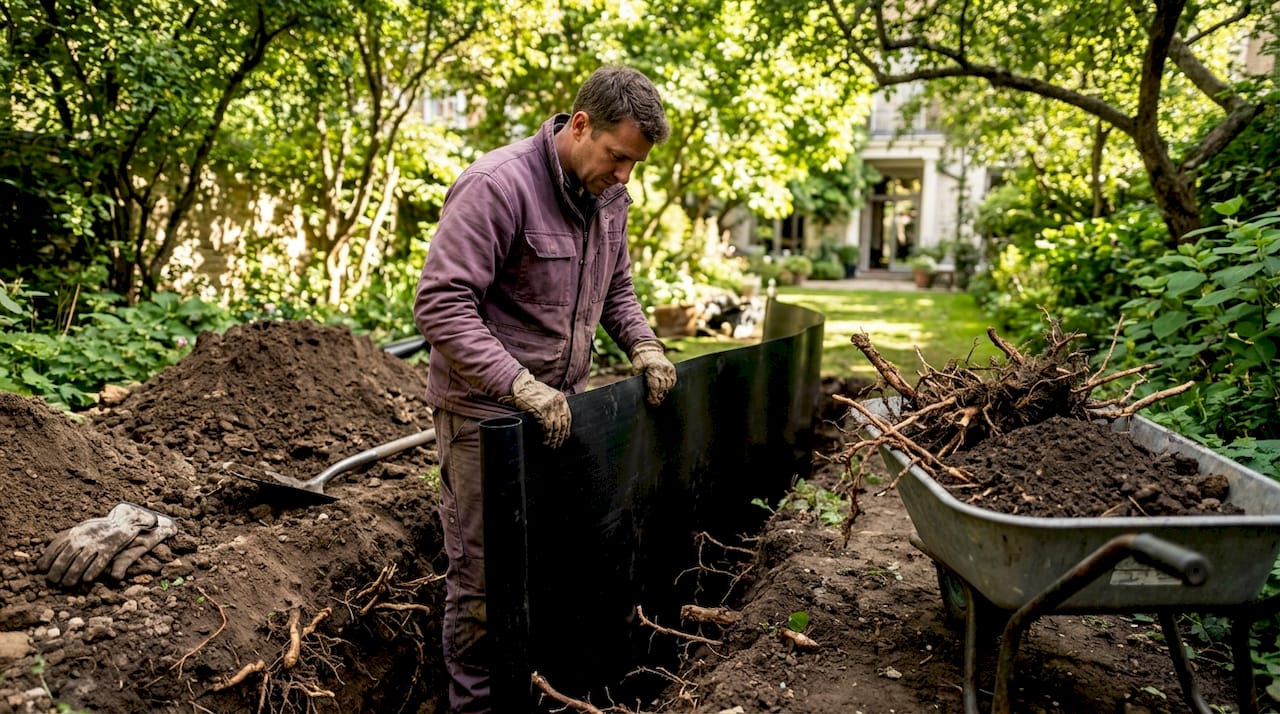
Hands fitting HDPE root barrier in soil trench

Material Advantages Disadvantages Best for
HDPE Flexible, durable, cost-effective Requires careful joint sealing Most residential sites
Metal sheets Extremely robust physical block Corrosion risk, higher cost Commercial properties
Concrete slabs Impermeable, permanent Complex install, inflexible Large-scale projects
Geotextile fabric Lightweight, easy handling Must combine with other materials Supplementary protection

Metal root barriers provide exceptional physical blocking. Steel or aluminium sheets create formidable walls against rhizomes. However, corrosion remains a persistent concern in damp British soil. Galvanised or coated metals address this but increase costs substantially.

Concrete slabs offer the most impermeable option. Once installed, knotweed cannot penetrate solid concrete barriers. The trade-off is installation difficulty and lack of flexibility. Soil type and ground movement can crack rigid concrete over time, creating new pathways for growth.

Geotextile fabrics rarely work alone but excel as supplementary layers. They provide separation between soil and primary barriers whilst adding an extra blocking dimension. Combined systems using geotextiles with HDPE or metal deliver superior protection.

Pro Tip: Match your material choice to local soil conditions; clay-heavy sites benefit from flexible HDPE, whilst stable ground supports rigid options better.

For comprehensive guidance on material selection and installation standards, explore our knotweed root barriers guide. The right material choice sets the foundation for successful long-term control.

Common misconceptions and installation errors to avoid

Homeowners frequently fall into predictable traps that undermine their knotweed control efforts. Understanding these mistakes helps you avoid wasted time, money, and frustration.

The most damaging myth suggests cutting alone eliminates Japanese Knotweed. Repeated cutting weakens but doesn’t kill the plant because its rhizome system stores immense energy reserves underground. Even tiny fragments left in soil regenerate into new growth.

Shallow barrier installation ranks as the second most common error. Many homeowners underestimate rhizome depth and install barriers at 1 metre or less. Knotweed simply grows beneath these inadequate barriers and emerges on the other side.

  • Insufficient joint overlap creates gaps where rhizomes penetrate barriers with ease
  • Ignoring soil analysis leads to material choices unsuited for site conditions
  • Skipping ground movement assessment results in barrier displacement over seasons
  • Failing to combine physical barriers with other treatments reduces overall effectiveness
  • Attempting DIY installation without professional guidance often misses critical details

Joint overlap failures happen when installers rush or lack proper training. A 30cm overlap seems excessive until you witness how aggressively rhizomes exploit any weakness. Every centimetre matters in preventing breakthrough.

“The rhizome network can extend 3 metres deep and 7 metres laterally from visible growth, making comprehensive barrier coverage essential for control.”

Ground movement catches many by surprise. Seasonal frost heave, soil settling after rain, and pressure from tree roots all shift barriers over time. Without accounting for these forces, even properly installed barriers develop breaches within a few years.

Neglecting integrated treatment approaches limits success rates dramatically. Barriers contain but don’t eliminate existing rhizomes. You need combined strategies addressing both physical containment and rhizome depletion. Learn more about frequent errors at our knotweed misconceptions resource.

How to combine root barriers with chemical-free eradication methods

Integrating physical barriers with environmentally safe treatments creates the most effective long-term knotweed management strategy. This combined approach addresses both containment and elimination simultaneously.

Start with careful excavation of visible rhizomes and contaminated soil before barrier installation. Remove as much root material as possible whilst avoiding fragment dispersal that spreads the problem. Proper excavation reduces the underground biomass your other treatments must tackle.

  1. Excavate affected soil carefully, collecting all rhizome fragments for proper disposal
  2. Install root barrier following expert depth and overlap guidelines at minimum 2 metres deep
  3. Apply solarisation by covering treated areas with black plastic sheeting for several growing seasons
  4. Monitor the site fortnightly during growing season, removing any breakthrough shoots immediately
  5. Maintain healthy soil ecology through composting and native planting to discourage re-establishment
  6. Schedule professional inspections annually to verify barrier integrity and treatment effectiveness

Chemical-free methods work by exhausting the rhizome’s energy reserves over time. Solarisation uses solar heat to cook underground rhizomes whilst preventing photosynthesis. Covering with thick barriers starves the plant of light and nutrients.

Electrical treatments offer an innovative alternative. Direct energy delivery up to 5000 volts causes internal cell damage within rhizomes, depleting their stored energy with each treatment cycle. This approach avoids chemicals entirely whilst targeting the underground network effectively.

Pro Tip: Coordinate barrier installation with the beginning of growing season when rhizomes are most active and vulnerable to depletion strategies.

Regular monitoring remains crucial for long-term success. Even small shoots emerging near barriers signal potential breaches requiring immediate attention. Swift action prevents minor issues from becoming major problems.

Soil health plays a surprising role in prevention. Healthy, diverse soil ecosystems naturally resist knotweed colonisation better than degraded ground. After eradication, rebuild soil vitality through organic matter addition and native species planting.

For detailed guidance on sustainable treatment approaches, visit our guide on prevent knotweed regrowth naturally. Combined strategies deliver results that neither barriers nor treatments achieve alone.

Find professional root barrier solutions and chemical-free treatments

Professional installation removes the guesswork and risk from Japanese Knotweed management. Expert teams ensure your root barriers meet depth requirements, joint overlaps, and material specifications that DIY attempts often miss.

https://japaneseknotweedagency.co.uk

Japanese Knotweed Agency pioneered chemical-free eradication using direct electrical energy delivery up to 5000 volts. This approach causes internal rhizome damage whilst avoiding environmental contamination from herbicides. Combined with properly installed root barriers, it delivers comprehensive protection for your property.

Our services include thorough site surveys across England, Wales, and Ireland to assess your specific situation. We design bespoke management plans integrating chemical free invasive plant solutions for homeowners with proven barrier installations. Every project receives ongoing monitoring to verify treatment success.

Access detailed technical guidance through our guide to knotweed root barriers and explore common questions at Japanese Knotweed FAQs. Professional expertise ensures lasting results whilst protecting your investment and the environment.

Frequently asked questions

What depth should a root barrier be installed to effectively stop Japanese Knotweed?

Root barriers must reach at least 2 metres depth to block the extensive underground rhizome network effectively. Joint overlaps need 30cm minimum to prevent rhizomes from exploiting gaps. Shallow installations simply redirect growth rather than containing it.

Can cutting Japanese Knotweed kill it or replace root barrier installation?

Cutting alone never eradicates Japanese Knotweed because rhizomes regenerate from tiny fragments left underground. Repeated cutting weakens the plant temporarily but cannot replace proper root barriers. Physical containment remains essential for effective control alongside depletion strategies.

What are the benefits of chemical-free knotweed eradication methods combined with root barriers?

Chemical-free treatments protect the environment whilst avoiding health risks associated with herbicides. When paired with properly installed root barriers, they deliver sustainable eradication by depleting rhizome energy reserves over time. This combination suits homeowners seeking eco-conscious, lasting solutions that safeguard property values and local ecosystems.

How long do root barriers last against Japanese Knotweed?

High-quality HDPE barriers typically last 20 to 30 years when properly installed with correct depth and overlaps. Metal barriers may corrode sooner in damp conditions unless galvanised or coated. Regular inspections every few years help identify potential breaches before knotweed exploits them.

What soil conditions affect root barrier effectiveness most?

Clay soils provide natural resistance but shift during seasonal wet periods, potentially displacing barriers. Sandy soils drain well but offer less structural support for barrier edges. Ground movement from frost heave, settling, or nearby tree roots can compromise any installation over time regardless of soil type.

2026年英国非化学除草实操指南:安全高效清除入侵杂草

英国和爱尔兰的房主及地方政府越来越重视环保除草方案,尤其面对日本葛藤等棘手入侵植物时。传统化学除草剂存在安全隐患,而非化学方法不仅对儿童宠物友好,更能维护生态平衡。本文详解从准备到验证的全流程操作步骤,帮助您实现安全高效的庭院杂草管理,特别针对日本葛藤的持续治理提供实用技巧。

目录

关键要点速览

要点 详情
安全环保 非化学方法对儿童宠物无害,避免化学残留风险
适用范围 多数花园杂草可手工或覆盖清除,草坪杂草同样有效
入侵植物 日本葛藤需持续非化学治理,耐心管理是关键
生态平衡 保留部分野花促进生物多样性,减轻维护负担

准备阶段:了解与规划您的非化学除草方案

非化学除草指不依赖化学药剂,通过物理或生物方法控制杂草生长。这种方法对绝大多数花园杂草有效,包括年生和多年生品种。然而日本葛藤等入侵植物需要特殊对待,因其根系庞大且生命力顽强。

了解目标杂草特性至关重要。年生杂草如鼠曲草生命周期短,根系较浅,易于手工清除。多年生杂草如蒲公英根系深入,需要更彻底的处理。日本葛藤为法律管控植物,房主有责任防止其蔓延至邻近地产。

准备工作需要合适工具和防护装备。基本工具包括园艺手套、除草铲、园艺叉和覆盖材料。针对不同杂草类型,所需工具略有差异:

  • 年生杂草:锄头、手工除草器
  • 多年生杂草:园艺叉、深挖铲
  • 草坪杂草:草坪叉、割草机
  • 日本葛藤:重型铲具、防护服

以下是常见杂草类型及推荐非化学处理方法对照表:

杂草类型 特征 推荐方法 难度等级
年生杂草 生命周期短根浅 手工拔除覆盖抑制
多年生杂草 根系深入顽固 深挖去根持续监控
草坪杂草 与草混生难辨 定向拔除提高割草
日本葛藤 法律管控极顽强 专业无化学治理

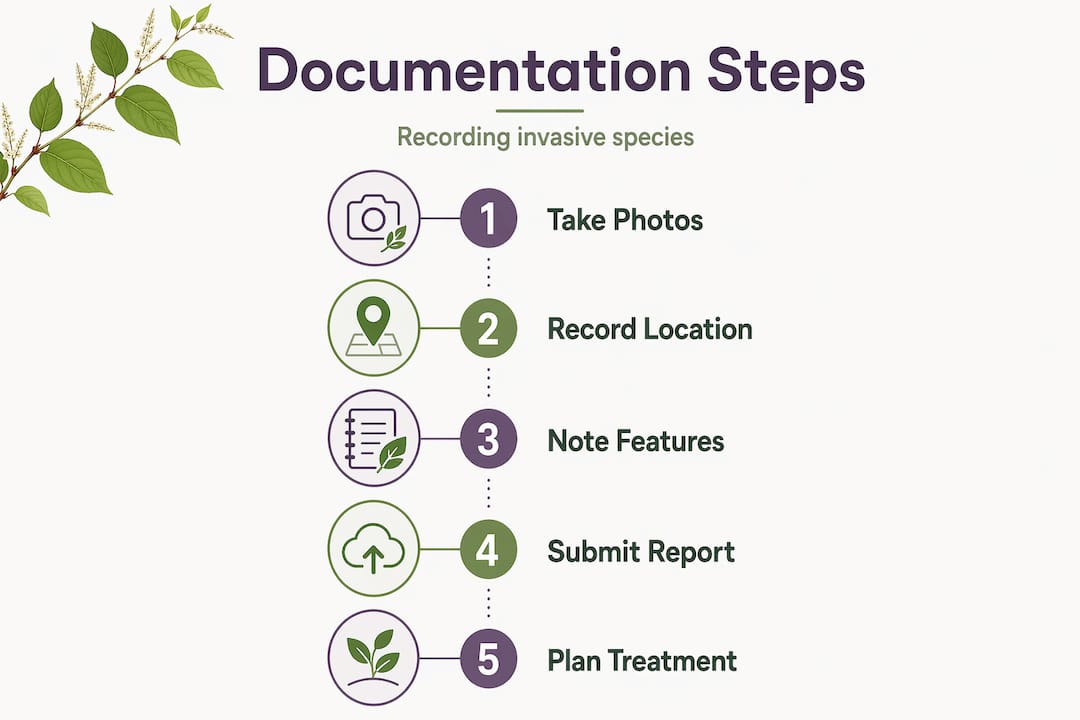
**专业提示:**开始除草前拍照记录杂草分布,建立基线数据便于后续追踪成效。标注日本葛藤出现位置尤为重要,因其扩散速度快且根系可深达3米。

安全注意事项不容忽视。穿戴防护手套避免植物刺伤或过敏反应。处理日本葛藤时务必穿长袖衣物,防止汁液接触皮肤。所有清除的植物残体需妥善处理,特别是入侵物种不能随意丢弃于堆肥或垃圾桶,应联系地方政府获取专业处置指导。

除草专用的防护服

操作阶段:非化学除草的有效步骤与技术

手工拔除是最直接的非化学除草方法,特别适合年生杂草清除。操作步骤如下:

  1. 在土壤湿润时进行,雨后是最佳时机
  2. 用除草铲深入根部周围,松动土壤
  3. 握住杂草基部缓慢向上拔起,确保根系完整移除
  4. 检查土壤中是否残留根茎碎片,彻底清理干净
  5. 及时填补空隙防止新杂草乘虚而入

覆盖抑制法通过阻断光照抑制杂草生长。使用厚层覆盖物如木屑、稻草或专用园艺布,覆盖杂草生长区域至少10厘米厚。这种方法需要数周至数月才能彻底杀死杂草,但对大面积治理非常有效。

草坪中杂草处理需要不同策略。定期高频割草能削弱杂草竞争力,同时促进草坪草健康生长。使用草坪叉手工挑出蒲公英等深根杂草,确保移除整个直根。提高割草高度至5-7厘米可增强草坪密度,自然抑制杂草萌发。

日本葛藤的非化学治理需要持续而耐心的努力。传统挖掘方法风险高,因任何残留根茎碎片都可能重新生长。推荐采用以下流程:

  1. 标记所有葛藤生长点,绘制分布图
  2. 定期修剪地上茎秆,削弱根系能量储备
  3. 使用重型覆盖材料完全遮光,持续至少两个生长季
  4. 每两周检查覆盖区域,及时处理任何突破覆盖层的新芽
  5. 考虑专业非化学治理服务,采用先进能量耗竭技术

以下是常见非化学除草技术的优缺点对比:

方法 优势 劣势 最适用场景
手工拔除 精准环保成本低 耗时费力不适合大面积 小型花园年生杂草
覆盖抑制 大面积有效持久 见效慢影响美观 空地准备或休耕区
火焰除草 快速有效 需设备有火灾风险 硬化地面缝隙杂草
热水浇灌 安全无残留 效果有限需重复 铺装区域小面积
专业能量治理 深层根系有效 需专业设备 入侵植物如葛藤

除草方法对比一览图

**专业提示:**避免在杂草开花结籽后才开始清除,此时种子已扩散导致来年问题加剧。最佳除草时机是杂草幼苗期,此时根系未深入且易于拔除。对日本葛藤而言,春季新芽刚出现时是削弱其能量储备的关键窗口。

针对不同生长阶段的杂草,调整处理策略能提高效率。幼苗期杂草用简单锄地即可清除。成熟期多年生杂草需要深挖并跟踪残留根系。草坪中混生杂草则建议采用选择性手工拔除配合草坪养护,避免大面积破坏草皮。

验证与优化:监测成效与防止再生

除草完成后的监测同样重要。建立定期检查机制,每周巡视治理区域,记录杂草再生情况。使用手机应用或纸质日志追踪每个区域的处理日期和效果,特别是日本葛藤生长点需要重点标记和长期观察。

保留部分野花杂草反而有益生态。三叶草、雏菊等植物为传粉昆虫提供食源,同时减少频繁维护需求。在不影响主要景观的边角区域,允许自然植被生长能增强庭院生物多样性。这种策略也减轻了房主的除草工作量。

多样化草坪管理降低维护成本的同时提升生态价值。混播多种草种增强抗病虫害能力,减少施肥需求。容忍一定比例的阔叶植物如车前草,这些植物根系深入能改善土壤结构,雨季时减少积水问题。

预防杂草再生的综合策略包括:

  • 及时填补清除杂草后的空隙,种植地被植物或覆盖覆盖物
  • 避免翻土过深,防止埋藏种子被带至表层
  • 定期补充有机覆盖层,保持至少5厘米厚度
  • 改善土壤健康促进期望植物生长,自然抑制杂草竞争
  • 清洁工具防止跨区域传播杂草种子或根茎碎片

日本葛藤的持续监控尤为关键。即使地上部分完全消失,根系仍可能潜伏数年后重新萌发。建议至少持续观察三个完整生长季,每月检查历史生长点周围半径5米范围。发现任何新芽立即处理,切勿等待其成熟。考虑安装专业根系屏障阻止地下蔓延,这对临近建筑物的区域特别重要。

记录天气条件与杂草生长关系有助优化管理计划。雨季后杂草生长迅速,需增加检查频率。干旱期虽然杂草生长放缓,但也是施加覆盖层的好时机。通过积累经验数据,您能预测杂草高发期并提前采取预防措施。

专业非化学入侵杂草解决方案推荐

面对日本葛藤等顽固入侵植物,专业服务能显著提升治理成功率。Japanese Knotweed Agency开创了无化学能量耗竭技术,通过直接传递高达5000伏特电能至根系,破坏细胞结构并逐步消耗地下根茎能量储备。这种方法避免化学残留,对周边环境完全安全。

https://japaneseknotweedagency.co.uk

专业团队还提供全面的入侵植物调查服务,覆盖英格兰、威尔士和爱尔兰地区。准确识别问题植物并评估扩散范围,制定针对性治理方案。对于需要物理隔离的场景,提供根系屏障安装和专业挖掘服务,确保彻底清除同时保护周边设施。

如果您的庭院存在日本葛藤或其他入侵植物困扰,获取专业无化学解决方案能节省时间精力,更重要的是避免不当处理导致的法律风险和邻里纠纷。访问常见问题解答页面了解更多治理细节和成功案例。

非化学除草常见问题解答

非化学除草对儿童和宠物是否安全?

非化学除草方法完全安全,不涉及有毒化学物质。儿童和宠物可在治理区域自由活动,无需等待安全期。唯一需注意的是刚翻土或挖掘的区域可能存在尖锐工具或松动土壤,暂时围挡直至回填平整即可。

如何辨别日本葛藤的早期迹象?

春季观察地面是否出现红色或紫色笋状新芽,快速生长呈竹节状空心茎。夏季叶片呈盾形,排列成之字形模式。秋季开白色小花簇,冬季地上部分枯死但茎秆残留。任何疑似情况建议拍照咨询专业机构确认。

非化学除草多久能看到明显成效?

年生杂草通常手工拔除后一周内即见效果。多年生杂草需要数周持续处理,完全根除可能需要整个生长季。日本葛藤等入侵植物治理周期最长,通常需要2至3年持续管理才能彻底控制。

是否所有杂草都能用非化学方法清除?

绝大多数花园杂草可通过非化学方法有效控制。极个别深根且繁殖力强的品种如日本葛藤治理难度较大,但配合专业能量耗竭技术同样能实现无化学根除。关键是选择正确方法并保持治理耐心。

环保除草会影响花园整体生态吗?

恰恰相反,非化学除草促进生态平衡。保留适量野花为传粉昆虫提供栖息地,避免化学残留保护土壤微生物。多样化植被增强抗病能力,长期来看减少维护投入。合理的杂草管理与生态保护完全可以兼顾。

如何防止邻居庭院杂草蔓延至我家?

在边界安装物理屏障如深埋地布或塑料边界板,阻止根系横向扩展。保持边界区域密集种植地被植物,增强竞争优势。与邻居友好沟通共同管理边界杂草,特别是法律管控的入侵物种如日本葛藤,双方都有防止蔓延的责任。

推荐

英国房产交易中的日本结缕梅:识别、处理与风险规避指南2026

约70%的英国房产因日本结缕梅问题在贷款审批中遭遇重大障碍,这种入侵植物的根系可深达地下7米以上,对建筑基础构成严重威胁。本文将为正在购买或置换房产的英国房主详细介绍科学检测方法、创新的无化学处理方案,以及如何在交易中有效规避相关法律与财务风险,确保您的房产投资安全无忧。

目录

关键要点

要点 详情
根系破坏力惊人 日本结缕梅根系可深达7米以上,能够破坏建筑基础、地下管线和排水系统
视觉检测不可靠 单纯依靠视觉辨别准确率低于50%,必须结合专业地下探测和土地历史调查
严重影响贷款 约70%存在结缕梅问题的房产在贷款过程中面临审批困难或被直接拒绝
创新处理技术 高压电击无化学技术环保安全,12个月内可有效抑制再生,显著减少复发风险
法律披露义务 1990年入侵物种法规定卖方必须如实披露结缕梅情况,违反可能面临法律诉讼

日本结缕梅简介与破坏机制

日本结缕梅是一种极具侵略性的多年生植物,原产于东亚地区,19世纪作为观赏植物引入英国后迅速失控。这种植物生长速度惊人,在理想条件下每天可生长10厘米,春季至夏季是其旺盛生长期。最令人担忧的是,根系深达7米以上,迅速扩展破坏建筑基础,对房产安全构成长期威胁。

日本结缕梅的破坏机制主要体现在以下几个方面:

  • 根茎系统极其发达,能够穿透混凝土、沥青路面和建筑墙体的微小裂缝
  • 生长过程中产生的压力可达建筑材料承受极限,导致地基沉降和结构损坏
  • 侵入地下排水系统和管线,造成堵塞和破裂,维修成本高昂
  • 即使地上部分被清除,地下根系仍可存活多年并随时再生

更多关于日本结缕草危害解析的详细信息显示,许多房主因低估这种植物的破坏力而遭受重大财产损失。误判结缕梅风险不仅影响房屋结构安全,还可能在房产交易中引发复杂的法律纠纷和经济赔偿问题。

英国房产交易中结缕梅的识别与调查流程

准确识别日本结缕梅存在与否是房产交易成功的关键前提。然而,视觉检测准确率低于50%,需辅助地下探测和土地历史记录,这是因为结缕梅在不同季节呈现不同形态,冬季地上部分完全枯萎后更难辨认。

专业的结缕梅识别和调查流程包括以下七个关键步骤:

  1. 初步视觉评估:检查房产周边是否存在心形叶片、竹节状茎干等典型特征
  2. 季节性观察:春季查看新芽,夏季观察开花情况,秋季检查种子形成
  3. 地下探测技术:使用探地雷达或内窥镜探测地下根茎分布范围和深度
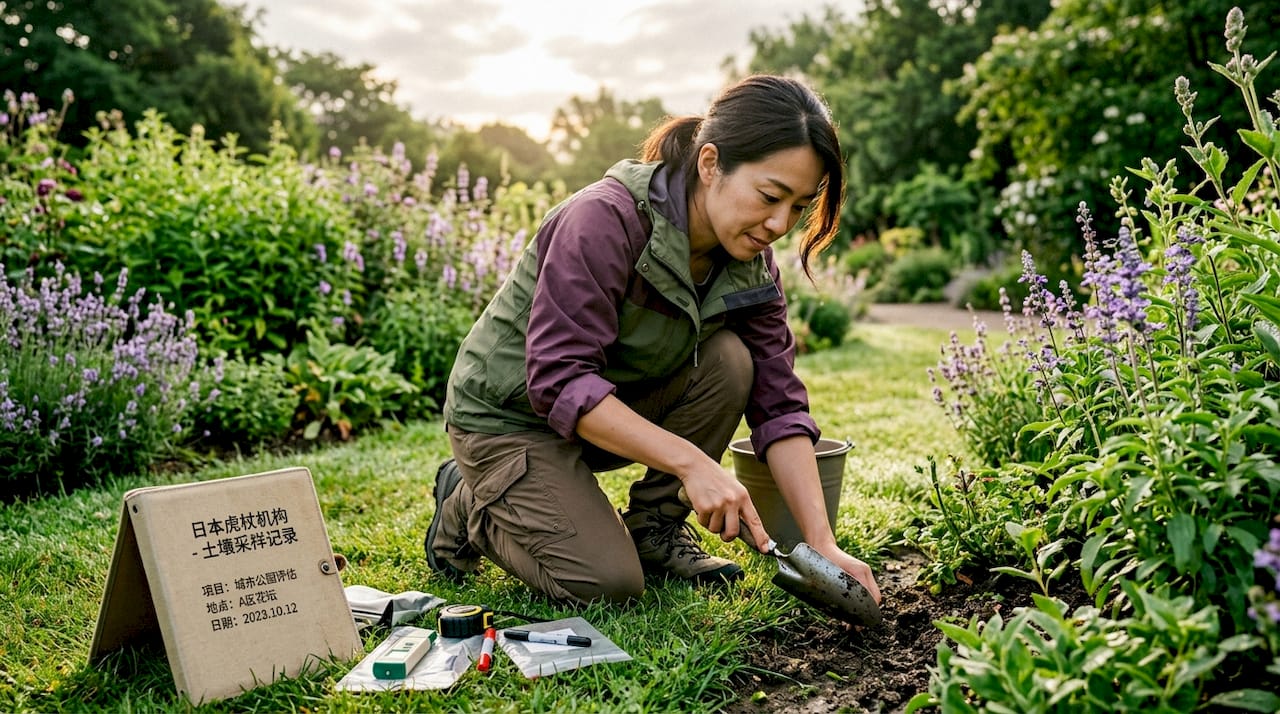
  4. 土壤样本分析:提取土壤样本进行实验室检测,确认是否含有结缕梅根茎碎片
  5. 历史记录调查:查阅土地使用历史、之前的调查报告和处理记录
  6. 邻近区域排查:检查相邻地块是否存在结缕梅,评估扩散风险
  7. 专业报告编制:由持证调查员出具详细的调查报告,包括风险等级和处理建议

专业提示: 购房前务必要求卖方提供近6个月内的专业结缕梅调查报告。如果卖方无法提供,建议自行委托独立第三方进行全面调查,费用通常在300至600英镑之间,但这笔投资可避免未来数万英镑的处理成本和法律纠纷。

地上植株与地下根系分离是识别中的重大风险点。即使地表看不到任何植株,地下仍可能存在活跃的根茎网络。专业调查机构会综合运用多种技术手段,确保检测的全面性和准确性,为买卖双方提供可靠的决策依据。

日本结缕梅对房产价值及贷款的具体影响

日本结缕梅对房产交易的影响远超出一般杂草问题,它直接关系到贷款审批、房产估值和交易周期。研究数据显示,70%的结缕梅房产在贷款过程中遭遇重大障碍,许多贷款机构会直接拒绝为存在未处理结缕梅问题的房产提供按揭服务。

贷款审批难度显著提升的具体表现包括:

  • 贷款机构要求提供专业的结缕梅管理计划和保险担保书
  • 贷款价值比(LTV)可能被降低10%至20%,意味着买家需支付更高首付
  • 审批周期延长4至8周,增加交易不确定性和成本
  • 部分贷款机构设置严格的距离限制,要求结缕梅距建筑物至少7米以外

房产市场价值受结缕梅影响同样显著。根据皇家特许测量师学会(RICS)的评估标准,存在结缕梅问题的房产价值折扣范围在5%至15%之间,具体取决于感染程度、距离建筑物远近以及是否已有处理方案。在竞争激烈的房产市场中,这种折扣可能意味着数万英镑的损失。

“未披露日本结缕梅问题的卖方可能面临买方提起的欺诈诉讼,赔偿金额通常包括处理成本、房价差额以及买方因此遭受的所有经济损失。”

交易延误和法律纠纷风险也不容忽视。当买方在交易过程中发现未披露的结缕梅问题时,往往会要求重新谈判价格、要求卖方承担处理费用或直接退出交易。这种情况下,卖方不仅损失已投入的法律费用和测量费用,还可能面临买方索赔。更多关于结缕梅对房产的影响的案例显示,及早发现和处理问题远比隐瞒更为明智。

现有结缕梅处理方案及创新无化学技术对比

传统的结缕梅处理方案主要依赖化学除草剂,但这种方法存在明显局限性。化学处理通常需要持续3至5年,每年春季和夏季多次喷洒草甘膦等除草剂。这不仅处理周期漫长,而且存在环境污染风险,对周边植物、土壤和水源都可能造成负面影响。此外,化学方法的复发率相对较高,约15%至20%的案例在停止处理后会出现再生。

创新的高压电击无化学技术为房主提供了更加环保和高效的选择。该技术通过向结缕梅根茎系统直接输送高达5000伏特的电能,造成内部细胞损伤并消耗根茎网络的能量储备。高压电击技术12个月内有效抑制结缕梅再生,复发率降至5%以下,远优于传统化学方法。

工作人员将电力设备直接作用于裸露的虎杖根部进行处理。

处理方案 处理周期 环境影响 复发率 适用场景
化学除草剂 3至5年 中度污染风险 15%至20% 预算有限、非敏感区域
高压电击技术 12至18个月 零污染 低于5% 环保要求高、需快速见效
根障安装 即时物理隔离 无污染 取决于施工质量 局部控制、配合其他方案
土壤挖除 1至2周 需合规处置 几乎为零 小范围感染、急需解决

专业提示: 选择处理方案时应综合考虑感染范围、时间要求、预算限制和环保标准。对于急需完成交易的房主,结缕梅无化学处理技术配合根障安装是最佳组合方案,既能快速达到贷款机构要求,又能提供长期保障。

高压电击技术的施工时间短,通常每次处理仅需2至4小时,对日常生活影响极小。更重要的是,这种方法不会在土壤中残留有害物质,处理后的土地可立即用于园艺种植或其他用途。随着环保意识提升和技术成熟,越来越多的房主和贷款机构认可这种创新方案。

结缕梅养护方案对比一览图

英国法律法规与卖家买家的责任界定

英国法律对日本结缕梅问题有明确且严格的规定。1990年入侵物种法规定卖方必须披露结缕梅情况,否则面临法律诉讼,这是保护买方权益的重要法律基础。卖方在填写房产信息表(TA6表格)时,必须如实回答关于日本结缕梅的三个关键问题:是否知道房产内或附近存在结缕梅、是否曾进行过处理、是否有相关保险或担保。

卖方披露义务及违约后果包括:

  • 故意隐瞒或虚假陈述可构成欺诈,买方有权要求全额赔偿
  • 即使是疏忽大意未披露,卖方仍需承担责任和赔偿损失
  • 赔偿范围包括处理费用、房价贬值、法律费用及买方遭受的其他损失
  • 严重案例中卖方可能面临刑事指控和监禁处罚

买方在交易中同样负有尽职调查责任。专业的房产律师会建议买方:

  • 委托独立的结缕梅专业调查,不应仅依赖卖方提供的信息
  • 仔细审查卖方提供的所有相关文件,包括历史处理记录和保险单据
  • 在合同中明确约定结缕梅相关条款,包括发现问题后的补救措施
  • 要求卖方提供有效期内的专业担保书,确保处理方案的长期有效性

“根据2013年一起里程碑式判例,一位房主因未披露日本结缕梅问题被判赔偿买方32.6万英镑,这个案例为后续类似纠纷树立了重要先例。”

交易合同的责任划分应当清晰明确。标准做法是卖方承担发现时已存在的结缕梅处理责任,或在房价中扣除合理的处理费用。买方应坚持要求卖方提供由专业机构出具的处理方案和至少10年的保险担保。更多关于法律责任及披露义务解析的内容可帮助买卖双方更好地理解各自权利义务。

结缕梅根障及土挖除施工技术解析

根障技术是控制日本结缕梅扩散的有效物理屏障。专业的根障系统使用高密度聚乙烯(HDPE)材料制成,厚度通常在2至3毫米之间,具有极高的抗穿刺性能。根障寿命超过20年,有效阻断根系扩散,为房产提供长期保护。

根障安装的标准施工流程包括:

  1. 现场勘测评估,确定根障安装的准确位置、深度和长度
  2. 开挖安装沟槽,深度至少达到根系最深处以下0.5米,通常为3至4米
  3. 清理沟槽底部和侧壁,确保无尖锐物体可能损坏根障材料
  4. 展开并固定根障材料,接缝处采用专业热熔焊接技术确保完全密封
  5. 沟槽回填,每20厘米一层进行夯实,防止后期沉降
  6. 安装监测点,便于后期检查根障完整性和根系生长情况
  7. 地面恢复和植被重建,确保整体景观协调

土壤挖除是最彻底的根除方法,适用于感染范围较小的情况。这种方法涉及将含有结缕梅根茎的土壤完全挖出并运走,挖掘深度通常达到3米以上,横向范围需超出已知根系边界至少2米。挖除过程中必须严格遵守废料处理标准:

  • 所有含结缕梅的土壤必须运送至持有相应许可证的专业处理场所
  • 运输过程中使用密封车辆,防止根茎碎片散落造成二次污染
  • 挖掘设备使用后必须彻底清洁,避免将根茎带到其他地点
  • 回填使用经过检验的清洁土壤,确保无任何结缕梅残留

土壤挖除的风险管理至关重要。施工不当可能导致根系扩散到更大范围,或在运输过程中污染其他区域。因此必须选择经验丰富的专业承包商,并要求提供完整的废料处置记录和证明文件。更多详细的结缕梅根障技术指南可帮助房主做出明智选择。

买卖双方应对结缕梅问题的实用建议与误区纠正

许多房主和买家对日本结缕梅存在严重误解,这些错误认知可能导致不当处理和额外损失。最常见的误区是认为割除地上植物即可根除问题。实际上,割除地上植物后99%会再生,需专业管理,因为地下根茎系统极其顽强,即使地表看不到任何迹象,根系仍在持续生长。

其他常见误区包括:

  • 认为结缕梅只在夏季生长,冬季休眠期就安全了。实际上根系全年活跃,冬季同样需要监测。
  • 以为使用普通除草剂就能解决问题。一般除草剂对结缕梅根系穿透力不足,效果极为有限。
  • 误以为结缕梅只影响老旧房产。实际上新建房产同样面临风险,特别是建在曾被污染的土地上。
  • 认为邻居的结缕梅不会影响自己的房产。根系可横向扩展7米以上,跨越地界侵入。

专业提示: 综合管理方案是应对结缕梅最有效的策略。研究显示,结合专业检测、无化学处理技术和定期监测的综合方案,可将复发率降至5%以下,远低于单一处理方法的效果。

买方在交易过程中应采取以下实用措施:

  • 坚持要求独立第三方进行专业调查,费用由卖方承担或从房价中扣除
  • 在购房合同中加入结缕梅保护条款,明确发现问题后的解决方案和赔偿标准
  • 优先选择已完成专业处理并提供长期担保的房产
  • 了解贷款机构的具体要求,确保处理方案符合放贷标准

卖方则应主动采取以下措施避免纠纷:

  • 在挂牌前委托专业调查,及早发现和处理潜在问题
  • 如确认存在结缕梅,立即启动专业处理方案并保留完整记录
  • 在房产信息表中如实披露所有相关信息,包括历史处理记录
  • 考虑购买专业的结缕梅保险,为买方提供额外保障增加房产吸引力

定期监测和专业跟进对长期控制至关重要。即使完成初步处理,建议每年春季和秋季进行两次专业检查,及时发现和处理任何复发迹象。这种主动管理策略不仅保护房产价值,还能在未来交易中提供有力证明。更多关于结缕梅识别与误区纠正和结缕梅误区与科学事实的权威信息可帮助房主建立正确认知。

专业日结缕梅调查与无化学处理服务

面对日本结缕梅带来的复杂挑战,选择专业可靠的服务机构至关重要。Japanese Knotweed Agency作为无化学处理技术的先驱者,为英格兰、威尔士和爱尔兰的房主提供全面的结缕梅调查和根除服务。我们的专业团队使用先进的探测设备进行准确检测,确保不遗漏任何潜在风险点。

https://japaneseknotweedagency.co.uk

我们的创新高压电击技术能够直接向根茎系统输送高达5000伏特的电能,造成内部细胞损伤并消耗根系能量储备,这种方法完全环保,不会在土壤中残留任何化学物质。配合专业的根障安装和土壤挖除服务,我们为客户提供量身定制的综合解决方案。详细了解我们的无化学结缕梅处理流程

无论您是准备购买房产还是计划出售,我们都能提供专业的调查报告,满足贷款机构的严格要求,帮助您顺利完成交易。查看我们的安全房产调查指南,或访问结缕梅常见问题解答获取更多实用信息,保障您的房产投资安全。

英国房产交易中结缕梅相关常见问题

怎样判断房产是否存在结缕梅?

单纯依靠视觉辨别准确率低于50%,必须结合专业检测。春夏季可观察心形叶片、竹节状茎干和白色花穗等典型特征,但冬季地上部分完全枯萎后难以辨认。建议委托持证调查员使用探地雷达进行地下根系探测,并结合土壤样本实验室分析和历史记录调查,获得准确全面的评估结果。

卖家不披露结缕梅后果有多严重?

根据1990年入侵物种法和2013年里程碑判例,卖方故意隐瞒或疏忽未披露结缕梅问题可能面临严重法律后果。买方有权提起欺诈诉讼,要求赔偿处理费用、房价贬值、法律费用及所有相关经济损失,赔偿金额可达数十万英镑。严重案例中卖方还可能面临刑事指控,因此如实披露是唯一明智选择。

根障能保证结缕梅不再生吗?

专业安装的高密度聚乙烯根障寿命超过20年,能有效阻断根系横向扩散,但不能杀死已存在的根系。根障主要用于物理隔离和局部控制,通常需配合其他处理方法如高压电击技术使用。施工质量至关重要,接缝处必须采用热熔焊接确保完全密封,安装深度需达到根系最深处以下至少0.5米,才能达到最佳防护效果。

高压电击处理大概多长时间见效?

高压电击无化学技术通常在12至18个月内有效抑制结缕梅再生,复发率降至5%以下。每次处理仅需2至4小时,对日常生活影响极小。完整疗程通常包括3至5次处理,间隔6至8周,确保彻底消耗根茎能量储备。这种方法完全环保,处理后土地可立即用于园艺种植,显著优于需要3至5年的传统化学方法。

结缕梅处理会影响房屋贷款吗?

约70%存在未处理结缕梅的房产在贷款审批中遭遇困难,但已完成专业处理并提供有效担保书的房产通常能顺利获得贷款。贷款机构主要关注三点:是否有专业机构出具的处理方案、是否提供至少10年的保险担保、处理方法是否符合行业标准。选择认可度高的无化学处理技术,配合完整的文档记录,可大幅提高贷款审批成功率。

推荐

Herbicide resistance in Japanese Knotweed: control guide

Many homeowners believe herbicide resistance means Japanese Knotweed becomes completely untreatable with chemicals. The reality is more nuanced. Resistance does complicate chemical control, but integrated approaches combining chemical-free methods with mechanical removal can still effectively reduce infestations. Understanding herbicide resistance helps you choose safer, more effective eradication strategies that protect both property value and health.

Table of Contents

Key takeaways

Point Details
Herbicide resistance definition Plants evolve tolerance to chemicals through repeated exposure over years
Impact on homeowners Resistant knotweed reduces property values by up to 15% and complicates removal
Chemical-free alternatives Electrical treatments delivering up to 5000 volts bypass resistance mechanisms entirely
Realistic timescales Eradication requires 3 to 7 years using integrated management approaches
Practical solutions Combine electrical treatments, root barriers, and monitoring for lasting control

Introduction to herbicide resistance

Herbicide resistance occurs when plants develop genetic traits allowing survival despite chemical applications. This evolutionary response emerges from selection pressure created by repeated herbicide use. Resistant individuals survive treatment, reproduce, and gradually dominate the population.

The process typically unfolds over several growing seasons. Herbicide resistance typically develops over 5-10 years of consistent chemical applications. This timeframe varies based on herbicide type, application frequency, and plant species characteristics.

For homeowners managing invasive plants, resistance fundamentally undermines traditional control methods. What once worked reliably becomes progressively less effective. Property owners face mounting frustration as treatments fail repeatedly.

Understanding resistance helps you recognise why chemical-only approaches often disappoint. Key factors driving resistance include:

  • Overreliance on single herbicide types without rotation
  • Inadequate application rates allowing partial survival
  • Failure to combine chemical with mechanical removal methods
  • Genetic diversity within knotweed populations enabling adaptation

Recognising these common knotweed misconceptions prevents wasted time and money on ineffective treatments. Resistance does not appear suddenly. It builds gradually through selection pressure favouring tolerant individuals.

How herbicide resistance develops in Japanese Knotweed

Japanese Knotweed populations develop resistance through predictable biological mechanisms. Each herbicide application eliminates susceptible plants whilst inadvertently favouring tolerant individuals. These survivors carry genetic variations conferring partial resistance.

Over multiple treatment cycles, the proportion of resistant plants increases dramatically. What begins as a small percentage of tolerant individuals eventually dominates the entire infestation. This process accelerates when homeowners rely exclusively on glyphosate-based products.

Examining knotweed after herbicide treatments

The UK faces particularly severe challenges with resistant knotweed. Up to 20-30% glyphosate treatment failure rates occur across affected regions. These failures leave homeowners struggling with persistent infestations despite costly, repeated applications.

Understanding the resistance development process helps identify better control strategies:

  1. Initial susceptible population responds well to herbicide treatments
  2. Small percentage of plants possess genetic tolerance traits
  3. Repeated applications eliminate susceptible individuals preferentially
  4. Tolerant plants survive, reproduce through rhizome fragments
  5. Resistant population expands with each subsequent treatment cycle
  6. Eventually, herbicide effectiveness drops below acceptable thresholds

This progression explains why chemical treatments that worked initially later fail completely. Genetic variation within Japanese Knotweed resistance details provides raw material for evolutionary adaptation.

The extensive rhizome network complicates matters further. Underground stems spread resistance traits across wide areas. A single resistant fragment can establish new populations sharing tolerance characteristics.

Common misconceptions about herbicide resistance

Homeowners often misunderstand herbicide resistance, leading to poor management decisions. Clearing these misconceptions empowers better choices for effective control.

First, resistance does not mean complete chemical untreatability. Resistant plants show reduced susceptibility, not total immunity. Integrated approaches combining multiple control methods remain effective even against resistant populations.

Second, resistance traits do not transfer between unrelated plant species. Japanese Knotweed resistance develops independently through its own genetic variations. Treating other garden plants does not influence knotweed resistance levels.

Third, immediate eradication rarely occurs regardless of resistance status. Knotweed’s extensive rhizome system requires persistent, multi-year treatment programmes. Expecting quick results from any single method sets unrealistic expectations.

Common false beliefs about resistance include:

  • One failed treatment means complete herbicide resistance
  • Resistant knotweed cannot be controlled at all
  • Chemical resistance makes the infestation more aggressive
  • Switching herbicide brands automatically overcomes resistance

Understanding these knotweed misconceptions corrected prevents abandoning viable control strategies prematurely. Resistance complicates management but does not render infestations uncontrollable.

Pro Tip: Document your treatment history including products used, application dates, and observed responses. This record helps professionals design effective integrated programmes accounting for potential resistance patterns.

Impacts of herbicide resistance on property value and health

Herbicide-resistant knotweed infestations create serious financial and health consequences for homeowners. These impacts motivate many to seek safer, more effective alternatives.

Property value reductions of 10-15% occur when mortgage lenders discover resistant knotweed. Banks view resistance as evidence of failed control attempts, increasing perceived risk. Buyers negotiate lower prices or withdraw offers entirely upon learning about resistant infestations.

Health concerns compound financial losses. Repeated herbicide applications contaminate soil and potentially leach into groundwater. Families growing vegetables or allowing children to play in treated areas face exposure to chemical residues.

Key impacts of resistant knotweed include:

  • Mortgage approval difficulties as lenders demand professional management plans
  • Higher insurance premiums reflecting increased structural damage risk
  • Ongoing treatment costs escalating as chemical methods fail
  • Stress and anxiety from persistent, seemingly uncontrollable infestations
  • Environmental degradation from excessive herbicide applications

These combined effects drive growing interest in chemical-free alternatives. Homeowners increasingly prioritise methods eliminating herbicide exposure whilst effectively controlling resistant populations.

Resistant infestations reduce market value by up to 15%, costing the average UK homeowner £30,000 to £50,000 in lost equity.

Understanding property value impact studies helps homeowners appreciate the urgency of effective management. Early intervention using integrated approaches prevents resistance development and protects property investments.

Chemical-free alternatives to combat herbicide resistance

Chemical-free methods offer powerful alternatives for controlling herbicide-resistant Japanese Knotweed. These approaches bypass resistance mechanisms entirely whilst eliminating environmental and health concerns.

Electrical methods use up to 5000 volts to damage knotweed rhizomes internally. High-voltage energy disrupts cellular structures and depletes stored energy reserves throughout the underground network. This physical damage occurs regardless of any chemical resistance traits.

Electrical treatments provide several advantages over herbicides. They work immediately at the cellular level without relying on plant metabolism. Resistance cannot develop because the mechanism is purely physical rather than biochemical.

Comparing chemical and chemical-free approaches:

Method Effectiveness Against Resistance Environmental Impact Treatment Duration Health Concerns
Herbicides Decreasing over time Soil/water contamination 5+ years Chemical exposure risk
Electrical Consistent effectiveness Minimal impact 3-7 years None
Mechanical Moderate Low if done properly Ongoing Physical labour strain

Integrated programmes typically combine electrical treatments with mechanical controls. This multi-pronged approach attacks knotweed through different mechanisms simultaneously. The chemical-free weed control benefits include avoiding resistance development entirely.

Pro Tip: Schedule electrical treatments during active growth periods when rhizomes contain maximum stored energy. Depleting these reserves at peak times maximises long-term control effectiveness.

The chemical-free eradication workflow integrates surveying, targeted electrical application, and ongoing monitoring. This systematic approach ensures comprehensive rhizome destruction without environmental harm.

Realistic timelines and expectations for effective eradication

Successful Japanese Knotweed eradication requires patience and realistic expectations. Understanding typical timescales prevents premature abandonment of effective treatment programmes.

Eradication typically requires 3 to 7 years of multi-faceted treatment for resistant knotweed. This duration reflects the extensive underground rhizome network requiring systematic depletion. Quick fixes simply do not exist for well-established infestations.

Integrated approaches combining chemical-free and mechanical methods improve success rates significantly. Single-method strategies, particularly chemical-only programmes, often fail against resistant populations. Diversified control attacks knotweed through multiple mechanisms simultaneously.

Key timeline considerations include:

  • Initial visible reduction appears within first growing season
  • Underground rhizome depletion requires multiple years
  • Regrowth monitoring continues for 2-3 years post-treatment
  • Professional verification ensures complete eradication before declaring success

Repeated chemical application alone frequently fails with resistant populations. Homeowners waste years and thousands of pounds on ineffective herbicide programmes. Switching to integrated approaches earlier saves both time and money.

Infographic explains knotweed resistance process

Professional guidance proves critical for lasting control. Experts design treatment schedules accounting for seasonal growth patterns and site-specific conditions. They adjust strategies based on ongoing monitoring results rather than following rigid protocols.

Homeowners should set expectations realistically to avoid premature abandonment. Understanding knotweed eradication timelines prevents disappointment when visible progress takes months to manifest. Underground rhizome depletion precedes above-ground elimination.

Practical steps for homeowners managing resistant Japanese Knotweed

Homeowners facing herbicide-resistant knotweed need actionable strategies combining modern chemical-free methods with traditional mechanical controls. These integrated approaches deliver results where chemical-only programmes fail.

Avoid sole reliance on chemicals to prevent worsening resistance. Diversifying control methods attacks knotweed through multiple mechanisms simultaneously. This redundancy ensures progress even if one method proves less effective.

Implementing an effective management programme:

  1. Arrange professional survey mapping complete infestation extent including rhizome spread
  2. Establish root barriers preventing further spread into unaffected areas
  3. Schedule electrical treatments targeting rhizome networks during peak growth
  4. Combine treatments with careful mechanical removal of above-ground growth
  5. Monitor progress through regular professional inspections adjusting strategy as needed
  6. Maintain detailed records documenting all interventions and observed responses
  7. Continue monitoring for 2-3 years after visible growth disappears

Electrical treatments targeting rhizomes provide the foundation for modern control programmes. These methods bypass resistance whilst eliminating chemical exposure concerns. Root barriers contain existing infestations preventing lateral spread during the eradication process.

Regular professional surveys track underground rhizome health and treatment effectiveness. Thermal imaging and careful excavation reveal progress invisible from surface observations. This monitoring informs treatment schedule adjustments maximising efficiency.

Pro Tip: Photograph your property from consistent positions every month during growing season. This visual record helps identify regrowth patterns and documents progress for mortgage lenders or buyers.

Integrated programmes combining these elements deliver superior results. The protect property from knotweed approach emphasises prevention alongside active treatment. Learning natural knotweed removal steps and how to prevent knotweed regrowth naturally completes your knowledge base for long-term success.

Discover our chemical-free Japanese Knotweed solutions

Resistant Japanese Knotweed demands innovative approaches combining cutting-edge technology with proven integrated management principles. Professional chemical-free treatments specifically target resistant populations using electrical methods that bypass resistance mechanisms entirely.

https://japaneseknotweedagency.co.uk

Our comprehensive management programmes include electrical rhizome treatments, root barrier installations, and ongoing monitoring tailored to your property’s specific needs. We protect your property value and family health through sustainable, effective solutions designed for 2026’s environmental standards.

Expert guidance helps navigate the complexities of resistant knotweed management. Our chemical-free invasive plant solutions combine multiple control methods in coordinated programmes. Detailed step by step invasive weed management ensures nothing gets overlooked during your eradication journey.

Visit our Japanese Knotweed FAQs for answers addressing common concerns about resistance, treatment options, and property protection strategies.

Frequently asked questions

What is herbicide resistance and how does it affect Japanese Knotweed?

Herbicide resistance occurs when Japanese Knotweed develops genetic tolerance to chemical treatments through repeated exposure. This evolved survival mechanism reduces herbicide effectiveness progressively, requiring alternative control approaches. Resistant populations survive applications that previously eliminated susceptible plants, making chemical-only programmes increasingly ineffective.

Are chemical-free methods effective against resistant Japanese Knotweed?

Electrical methods prove highly effective against resistant knotweed by disrupting rhizomes through physical energy rather than biochemical pathways. These treatments deliver up to 5000 volts causing internal cell damage and energy depletion throughout the underground network. Because the mechanism is purely physical, resistance cannot develop, providing consistent effectiveness regardless of chemical tolerance traits.

How long does it usually take to control resistant Japanese Knotweed?

Eradication typically requires 3 to 7 years using integrated approaches combining electrical treatments, mechanical removal, and ongoing monitoring. This duration reflects the extensive rhizome system requiring systematic depletion through persistent, coordinated efforts. Single-method strategies, particularly chemical-only programmes, often extend timelines significantly or fail completely against resistant populations.

Can herbicide resistance affect my property’s value and health?

Resistant knotweed infestations reduce property values by 10 to 15% as mortgage lenders view failed chemical treatments as evidence of serious control challenges. Repeated herbicide applications attempting to overcome resistance may contaminate soil and groundwater, raising health concerns for families. These combined financial and health impacts drive increasing homeowner interest in chemical-free alternatives eliminating exposure risks whilst effectively controlling resistant populations.