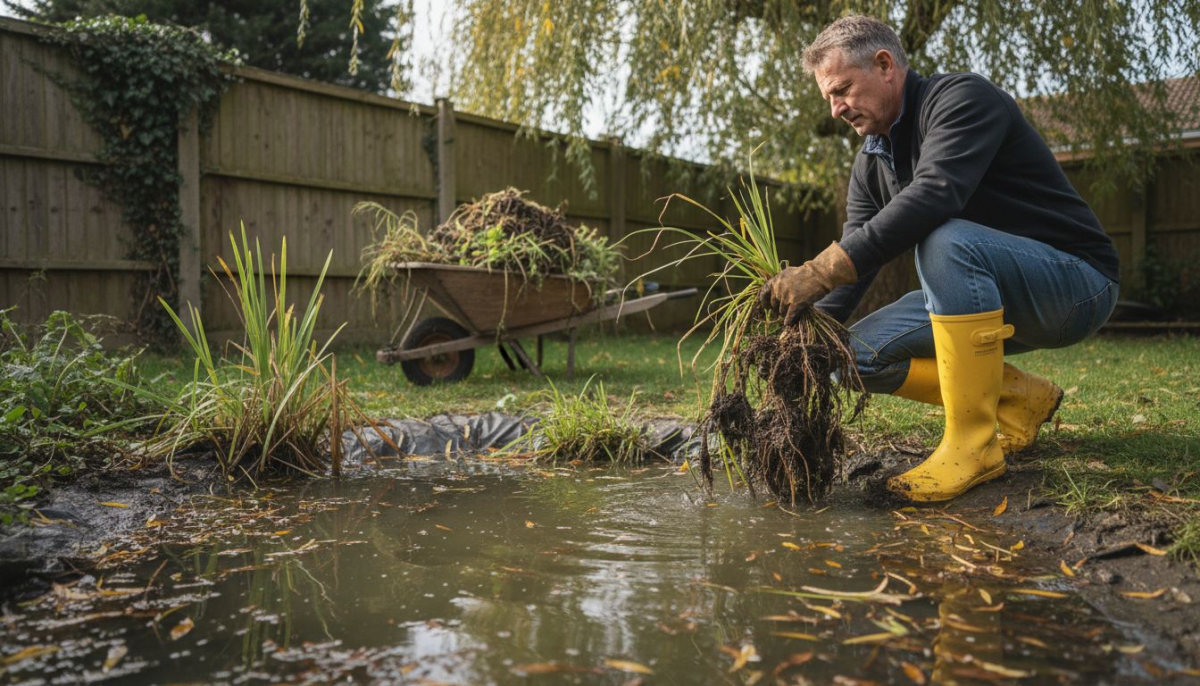
Finding stubborn plants overrunning your pond or riverside can feel daunting, especially when you want to protect your property and the surrounding environment. Invasive species like Himalayan Balsam, Japanese Knotweed, Floating Pennywort, and Giant Hogweed threaten water quality, native habitats, and sometimes even property sales. This guide explains how to safely assess, document, and remove invasive plants using chemical-free methods, helping you safeguard your waterside spaces in England and Wales and meet survey requirements for future buyers.
Table of Contents
- Step 1: Assess The Affected Waterside Areas
- Step 2: Identify And Select Suitable Chemical-Free Methods
- Step 3: Apply Non-Chemical Eradication Techniques
- Step 4: Inspect And Verify Effective Plant Removal
Quick Summary
| Key Point | Explanation |
|---|---|
| 1. Assess Invasive Species Early | Conduct a thorough survey of waterside areas to identify invasive plants and their extent, documenting locations and water quality. |
| 2. Use Chemical-Free Removal Methods | Opt for manual removal techniques such as hand-pulling and cutting to eliminate invasive species without harming the ecosystem. |
| 3. Regular Monitoring is Essential | Inspect treated areas frequently to ensure no regrowth occurs; prompt action on any new shoots is crucial for success. |
| 4. Document All Actions and Findings | Keep detailed records of your removal efforts and inspections to provide necessary evidence if selling your property. |
| 5. Engage Local Community for Support | Involve local conservation groups in removal efforts; community participation can enhance effectiveness and foster investment in local waterways. |
Step 1: Assess the Affected Waterside Areas
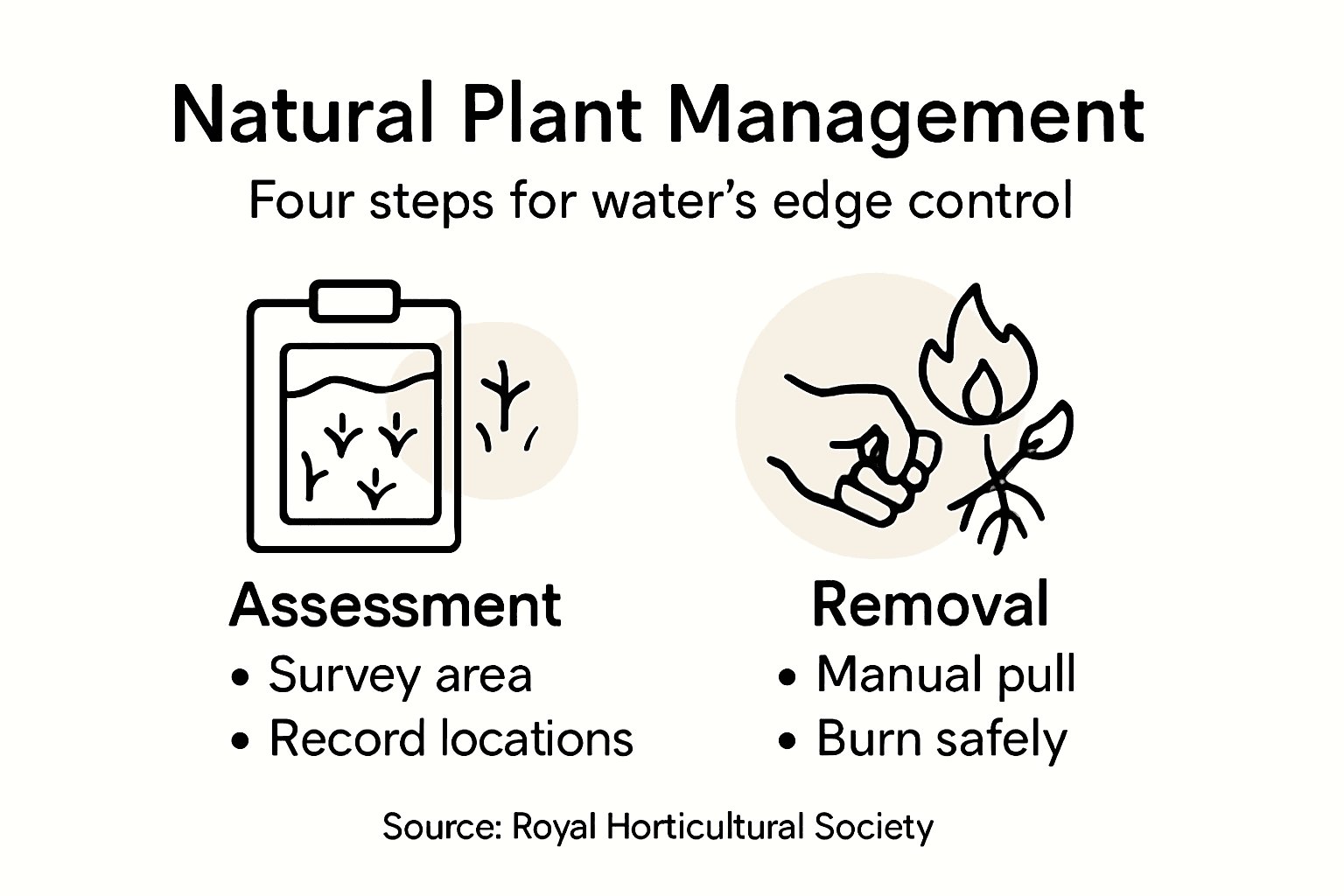
Before you can tackle invasive plants near water, you need to understand exactly what you’re dealing with and where the problem lies. This step involves surveying your waterside property to identify the invasive species present, assess how much area they cover, and evaluate the damage they’ve caused to the surrounding ecosystem.
Start by walking the perimeter of your water feature—whether that’s a pond, stream, canal, or riverside section. Look for plants that don’t belong. The most common invasive species along UK waterways include Himalayan Balsam, Japanese Knotweed, Floating Pennywort, and Giant Hogweed. Each has distinctive traits you’ll want to recognise.
Japanese Knotweed appears as bamboo-like stems with heart-shaped leaves and cream-coloured flower clusters. Himalayan Balsam has soft green stems, oval leaves, and pink or purple flowers. Floating Pennywort forms thick carpets of circular leaves on the water surface. Giant Hogweed towers above other plants with massive leaves and white flower clusters on thick stems.
Take photographs of suspicious plants and note their locations. Record how much of your waterside they occupy—are they confined to one corner or spreading across the entire bank? Check the water quality too; invasive plants often disrupt water clarity and oxygen levels.
Here’s how the main invasive plant species differ along UK waterways:
| Species | Key Traits | Health Risk | Typical Habitat |
|---|---|---|---|
| Japanese Knotweed | Bamboo-like stems, heart-shaped leaves | Low for people | Riverbanks, damp ground |
| Himalayan Balsam | Soft green stems, pink flowers | None | Stream banks, wetlands |
| Floating Pennywort | Circular floating leaves | None | Water surfaces |
| Giant Hogweed | Large, white flowers, thick stems | Causes skin burns | Damp riversides |
Early identification of invasive species is crucial for determining the most effective treatment approach and preventing further spread.
You can cross-reference what you find with the GB Non-native Species Information Portal, which provides distribution maps and detailed information about invasive plants across Britain. This helps you understand whether you’re dealing with an isolated problem or part of a wider infestation pattern in your area.
Document the extent of the problem:
- Length of waterside affected (in metres)
- Depth of plant coverage (how far from the bank into the water)
- Species present and their density
- Any visible damage to riverbanks, native plants, or water clarity
- Whether the infestation blocks access or obstructs navigation
This assessment becomes vital when you’re considering selling your property. Mortgage lenders require documented surveys when Japanese Knotweed or other invasive species are present, along with a treatment plan. Having clear records now saves time and money later.
Pro tip: Use a smartphone to document GPS coordinates of invasive patches and timestamp your photos—this creates a reliable baseline for tracking treatment progress over time.
Step 2: Identify and Select Suitable Chemical-Free Methods
Now that you’ve assessed your waterside problem, it’s time to choose a treatment approach that won’t harm the environment or the water ecosystem. Chemical-free methods protect biodiversity whilst effectively removing invasive plants.
The most straightforward approach is manual removal. For smaller infestations, hand-pulling works well, especially before plants set seed. Grab the base of the plant and pull firmly, ensuring you extract the entire root system. For species like Himalayan Balsam, timing matters—remove plants before they flower and spread thousands of seeds into your waterway.
Cutting and digging are equally effective for larger plants. Use sharp tools to cut invasive species below the soil line, then dig out the root system. This prevents regrowth. Always wear gloves and protective clothing, particularly when handling Giant Hogweed, which can cause skin reactions in sunlight.
Proper disposal of plant material is essential; never compost invasive plants or leave them where they can take root elsewhere.
The Royal Horticultural Society recommends destroying all removed plant material by burning it (where permitted) or placing it in sealed bags for council disposal. Never dump it near water or other green spaces.
For water-based infestations like Floating Pennywort, consider volunteer hand-pulling campaigns organised through local conservation groups. The Canal & River Trust promotes community participation in removing invasive species, particularly before seed set.
Your chemical-free options include:
- Hand-pulling for young plants and seedlings
- Cutting and digging for established growth
- Repeated cutting to exhaust root reserves
- Specialist thermo-electric treatment (delivered by professionals like Japanese Knotweed Agency)
- Root barrier installation to prevent spread
For persistent infestations covering large areas, professional thermo-electric treatment offers a proven alternative. This method uses controlled energy delivery to damage plant cells without chemicals, protecting your water quality and native species.
The following table summarises the effectiveness and considerations of common chemical-free removal methods:
| Method | Best For | Cautions | Key Advantage |
|---|---|---|---|
| Hand-pulling | Small or new infestations | Must remove roots fully | Precise, eco-friendly |
| Cutting/Digging | Mature, deep-rooted plants | Protective gear for some species | Eliminates regrowth risk |
| Thermo-electric | Large, stubborn infestations | Needs professional service | No chemical residues |
| Root Barriers | Preventing spread | May disturb nearby plants | Long-term protection |
Pro tip: Start treatment in late spring or early summer when plants are actively growing; they’ll be easier to remove and less likely to regenerate.
Step 3: Apply Non-Chemical Eradication Techniques
With your strategy in place, it’s time to put your chemical-free approach into action. This step involves physically removing invasive plants using techniques that won’t damage your waterway or harm native species.
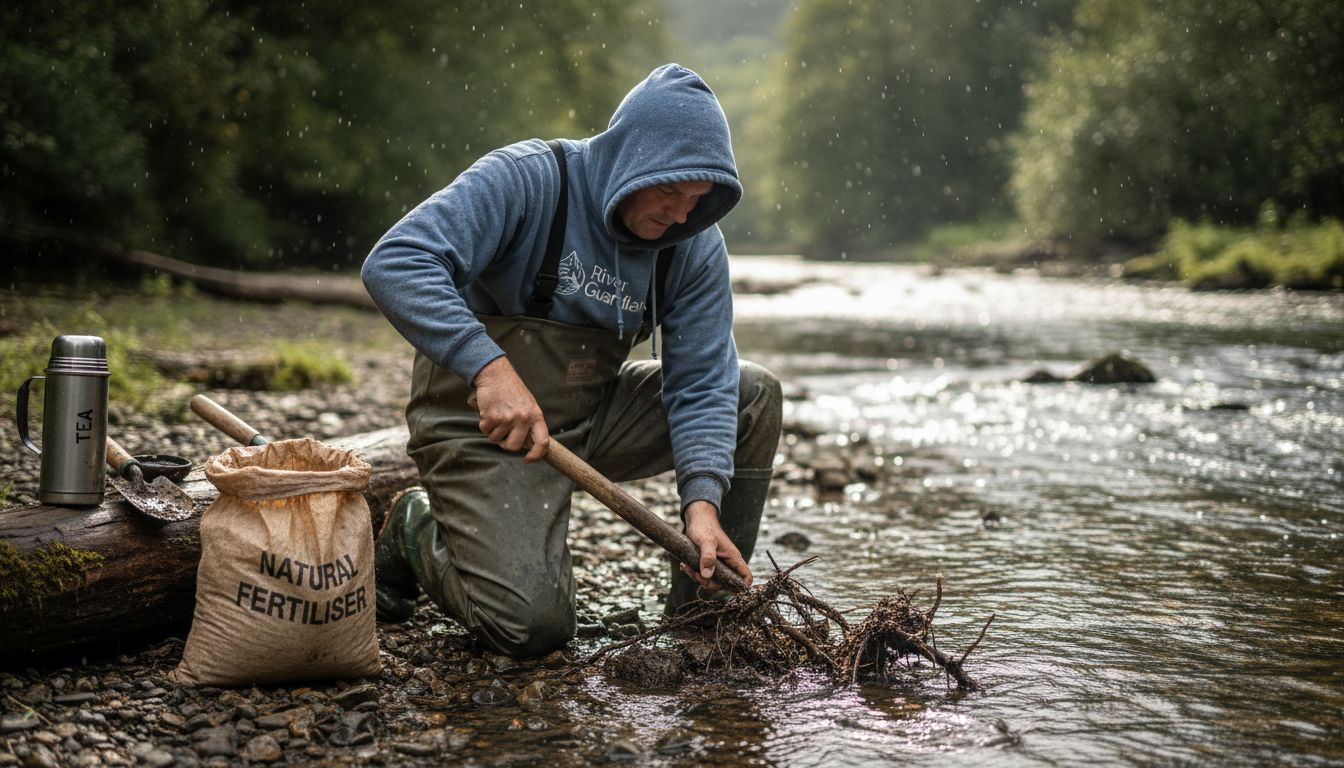
Start with hand-pulling for accessible areas. Wear protective gloves and grip each plant at the base, pulling firmly and steadily to extract the entire root system. This works best on soft-stemmed species like Himalayan Balsam before they flower. The timing is critical—remove plants before seed pods develop, preventing thousands of seeds from entering your water.
For tougher, established growth, use cutting and digging techniques. Cut plants below soil level with sharp secateurs or saws, then carefully dig out the root mass. Take your time here; incomplete removal means regrowth. Work methodically across affected areas, removing all visible plant material.
Regular monitoring and repeated removal sessions are essential; even small fragments can regenerate into full plants.
Water-based infestations require slightly different tactics. Hand-pulling floating pennywort involves carefully lifting dense mats from the water surface, which often requires patience and multiple visits to remove regrowth.
Dispose of removed material responsibly:
- Burn plant matter where local regulations permit
- Place material in sealed bags for council collection
- Never compost invasive plants near water or green spaces
- Keep fragments away from soil where they might root
You may need to repeat removal sessions throughout the growing season. Annual attention prevents dormant seeds from erupting in subsequent years, ensuring complete eradication over time. For larger or persistent infestations, professional thermo-electric treatment delivers consistent results without chemicals, using targeted energy to damage plant cells whilst protecting your water quality.
Don’t underestimate the power of volunteer participation. Local conservation groups often organise group removal days, making the work faster and creating community investment in your waterway’s recovery.
Pro tip: Document your removal efforts with photos and dates; this record proves treatment progress and becomes invaluable if you’re selling your property, as lenders require evidence of invasive species management.
Step 4: Inspect and Verify Effective Plant Removal
Removing invasive plants is only half the battle. Verification ensures your efforts actually worked and that regrowth won’t undermine your progress. This step involves thorough inspection and ongoing monitoring to confirm complete eradication.
Begin your inspection within days of removal. Walk the entire treated area methodically, checking soil and water for any remaining plant fragments or rhizomes. Look for signs of regrowth at cut sites or root break-offs that might have escaped your initial removal. Some species like Japanese Knotweed can regenerate from tiny root pieces, so meticulous inspection matters.
Document your findings with photographs and notes. Record the date, weather conditions, and any plant material you discover. This creates evidence of your treatment efforts—essential if you’re selling your property, as mortgage lenders require proof of invasive species management.
Continuous monitoring is recommended to verify that invasive plants do not re-establish and to manage any soil or plant material that may harbour viable seeds or rhizomes.
Ongoing monitoring confirms successful eradication over multiple growing seasons. Plan revisits throughout the year, particularly in spring and summer when plants actively grow. You should revisit treated sites annually for at least two to three years to catch any dormant seeds that germinate.
Your inspection checklist should cover:
- Visible plant regrowth at cut or pulled sites
- New shoots emerging from soil or water
- Floating fragments that haven’t decomposed
- Bare patches where plants were removed (native species should be colonising these)
- Changes in water clarity and quality
If you discover regrowth, address it immediately. Small patches are far easier to manage than established infestations. The longer you wait, the stronger the plant’s root system becomes.
Keep detailed records of all inspections. Professional treatment records, combined with your monitoring documentation, create a comprehensive management history. This becomes invaluable when dealing with property transactions or demonstrating compliance with biosecurity requirements.
Pro tip: Set phone reminders for seasonal inspections (spring, summer, autumn) so you don’t overlook regrowth; catching problems early prevents small issues from becoming major setbacks.
Manage Invasive Waterside Plants Effectively and Safely
Dealing with invasive plants near water naturally can be a demanding challenge. You need a solution that respects the delicate waterside environment while ensuring thorough eradication of species like Japanese Knotweed and Giant Hogweed. The article highlights vital chemical-free methods such as hand-pulling, cutting, and thermo-electric treatments to preserve water quality and biodiversity. Yet persistent infestations often require expert intervention tailored to the complexities of waterways.
At Japanese Knotweed Agency, we specialise in chemical free treatment and eradication using advanced direct energy delivery up to 5000 volts. This innovative technique targets underground rhizomes, depleting their energy and preventing regrowth without harming the ecosystem. We also provide precise root barrier installations and excavation works to protect your property long term. Documented surveys carried out across England, Wales and Ireland ensure full transparency and peace of mind.

Take control of your invasive plant problem today. Visit our Japanese Knotweed Agency homepage to learn more about expert chemical-free methods and property surveys. Protect your waterside environment and secure the future of your land with professional support designed specifically for invasive plants near water.
Frequently Asked Questions
How can I identify invasive plants near my water feature?
To identify invasive plants, survey the perimeter of your water feature and look for species that aren’t native. Capture photographs of any suspicious plants and note their locations, focusing on key invasive species like Japanese Knotweed and Floating Pennywort.
What manual removal methods can I use to tackle invasive plants?
Manual removal methods include hand-pulling, cutting, and digging out the entire root system of invasive plants. Ensure you remove plants before they flower to prevent further seed spread; for instance, aim to clear Himalayan Balsam by early summer.
How should I dispose of removed invasive plant material?
Dispose of removed invasive plant material by either burning it, where permitted, or placing it in sealed bags for council disposal. Avoid composting the material or leaving it in areas where it could re-root, as even small fragments can regenerate.
How can I verify that I’ve successfully removed invasive plants?
Verify successful removal by inspecting the treated area for any signs of regrowth or remaining plant fragments within a week of your efforts. Continue to monitor the area for at least two to three growing seasons to catch any new shoots emerging from dormant seeds or roots.
What are chemical-free methods for managing invasive plants near water?
Chemical-free methods include hand-pulling, cutting below the soil line, and using thermo-electric treatments for stubborn infestations. Implement these strategies promptly to minimise ecological impact and support the recovery of native species in your waterway.
Recommended
- How to Manage Invasive Plants Naturally for Homeowners
- Invasive Plants on Council Land: Effective Control
- Chemical Free Invasive Plant Solutions for Homeowners
- Invasive Weed Management: Protecting UK Homes Safely
- 6 Effective Rainwater Drainage Solutions for Homeowners
- Naturnahe Baumpflege Methoden: Biodiversität fördern leicht gemacht
- Organic Pest Control Methods for Safe Pest Management