入侵植物治理在英国房产安全中的关键作用

购买或再融资英国房产时,许多业主都面临日本狼毒草等入侵植物的隐忧。它们不仅能迅速扩散,还可能损害建筑地基,带来高昂修复支出。英国各大研究机构高度重视非化学治理方案,推动环保且高效的物理技术取代传统药剂。本文帮助业主识别高风险入侵植物,解析无化学土壤处理优势,并梳理房产合规治理计划,助您保护资产与生态安全。

目录

关键要点

重点 细节
入侵植物的危害 入侵植物对生态系统和房产价值造成严重影响,需引起重视。
专业治理的重要性 定期专业检查和治理可有效保护房产安全与价值。
法律合规责任 房产交易中,卖方需披露入侵植物信息,避免法律风险。
无化学处理技术的优势 物理及电击处理技术环保且成功率高,是新趋势。

入侵植物定义与常见误区

入侵植物是一类被非自然方式引入特定生态系统,并对当地环境造成显著破坏的非本地植物物种。这些植物具有快速繁殖、强大适应性和极强竞争力的特点,往往能迅速占据生态位置,严重威胁本地生态平衡。

根据英国自然历史博物馆的研究,入侵物种的定义并非仅仅指外来物种,而是指那些对生态系统产生负面影响的物种。关键在于它们破坏性的潜在影响,而非简单的非本地身份。

英国常见的入侵植物包括以下几类:

  • 日本狼毒草(Fallopia japonica)
  • 喜马拉雅凤仙花
  • 外来荨麻
  • 加拿大一枝梅

入侵植物的传播途径多样,主要包括:

  1. 意外植物携带
  2. 园艺贸易
  3. 国际运输
  4. 气候变化导致的生态环境变迁

常见误区

  • 认为所有外来植物都是入侵物种
  • 低估入侵植物的生态破坏能力
  • 认为入侵植物仅影响自然生态,忽视其对房地产的巨大风险

入侵植物不仅危害生态系统,还可能严重影响房产价值和结构安全。它们的根系可以穿透建筑地基,导致严重的结构性损害,并可能引发昂贵的修复成本。

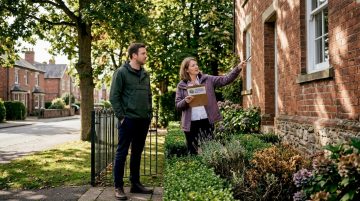
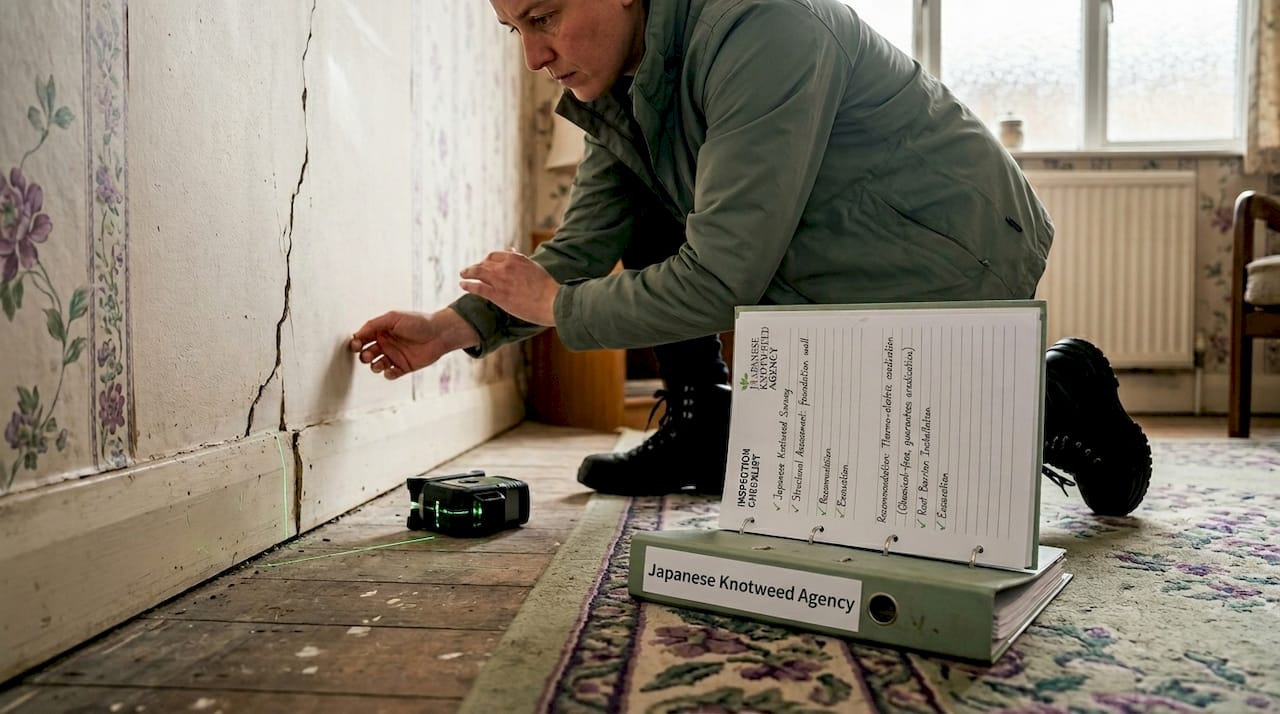
外来植物的根系侵入房屋地基,可能对房屋结构造成破坏。

以下表格总结了几类常见英国入侵植物及其主要危害,方便快速参考:

植物名称 主要入侵区域 典型危害
日本狼毒草 城市、乡村、河岸旁 损害建筑地基,影响房产价值
喜马拉雅凤仙花 河岸、湿地、公园 破坏本地植物群落,侵占生态空间
外来荨麻 草坪、空地、城市绿地 抑制本地植被,影响景观稳定性
加拿大一枝梅 草地、农田、花园 干扰作物生产,减少生物多样性

专业提示 对于房主来说,定期专业检查和及时识别潜在入侵植物是保护房产价值的关键策略。

日本狼毒草等高风险物种解析

日本狼毒草(Fallopia japonica)是英国最具破坏性的入侵植物之一,其生长速度和侵略性令生态系统面临严重威胁。这种植物原产于东亚,在英国已成为一种高风险外来物种,能够以惊人的速度蔓延并破坏本地生态环境。

根据昆卡斯尔大学的研究,高风险入侵植物对英国经济的影响极为显著。日本狼毒草不仅破坏农业生产,还能对建筑物和房地产价值造成严重损害,其根系可穿透混凝土和建筑地基,引发昂贵的修复成本。

日本狼毒草的主要特征包括:

  • 生长迅速,每年可长至2.1米高
  • 根系极其坚韧,可深入3米以下
  • 能够穿透混凝土和建筑材料
  • 繁殖能力极强,极难完全根除

高风险入侵植物的传播途径主要包括:

  1. 园艺贸易和landscaping活动
  2. 土壤和建筑材料转运
  3. 不当植物处理
  4. 气候变化导致的生态环境变迁

高风险入侵植物对房产的潜在威胁

  • 严重损害建筑地基结构
  • 降低房产市场价值
  • 增加房屋维护和修复成本
  • 可能导致房屋保险拒保

专业调查显示,如不及时处理,日本狼毒草可能在短短几年内导致房产价值下跌高达10-20%。针对这类高风险植物,提前预防和专业治理至关重要。

专业提示 房主应定期进行专业入侵植物调查,及早发现并控制潜在的风险,保护房产安全和价值。

物理及电击等无化学处理技术

入侵植物治理的无化学处理技术正在逐渐成为生态友好型解决方案的主流趋势。这些技术致力于减少环境化学负担,同时有效控制入侵植物的蔓延,为房主提供更安全、更环保的治理选择。

英国自然环境研究机构的无化学治理研究表明,物理和电击处理技术已成为控制高风险入侵植物的重要手段。这些创新方法包括精准的物理干预和先进的电击技术,能够在最大程度上减少对周边生态系统的破坏。

无化学处理的主要技术方法包括:

  • 电击处理:利用高压电流直接破坏植物根系
  • 机械清除:精确挖掘和移除入侵植物根系
  • 遮蔽覆盖:使用专业材料阻断植物生长
  • 热处理:通过高温方法杀灭植物根系

电击技术的作用流程:

  1. 精确定位入侵植物根系
  2. 输送高压电流(通常为5000伏特)
  3. 破坏植物细胞结构
  4. 阻断根系能量传递

技术优势

  • 环境友好,无化学污染
  • 精准定位,减少对周边生态系统的影响
  • 长期有效,防止植物再生
  • 可重复使用,成本相对可控

电击处理技术能够直接穿透植物根系网络,以物理方式彻底清除入侵植物,是现代生态治理的创新解决方案。

专业调查显示,这些无化学处理技术的成功率可高达85%,显著优于传统化学除草方法。对于希望保护房产价值和生态环境的房主来说,这些技术提供了一个极具吸引力的选择。

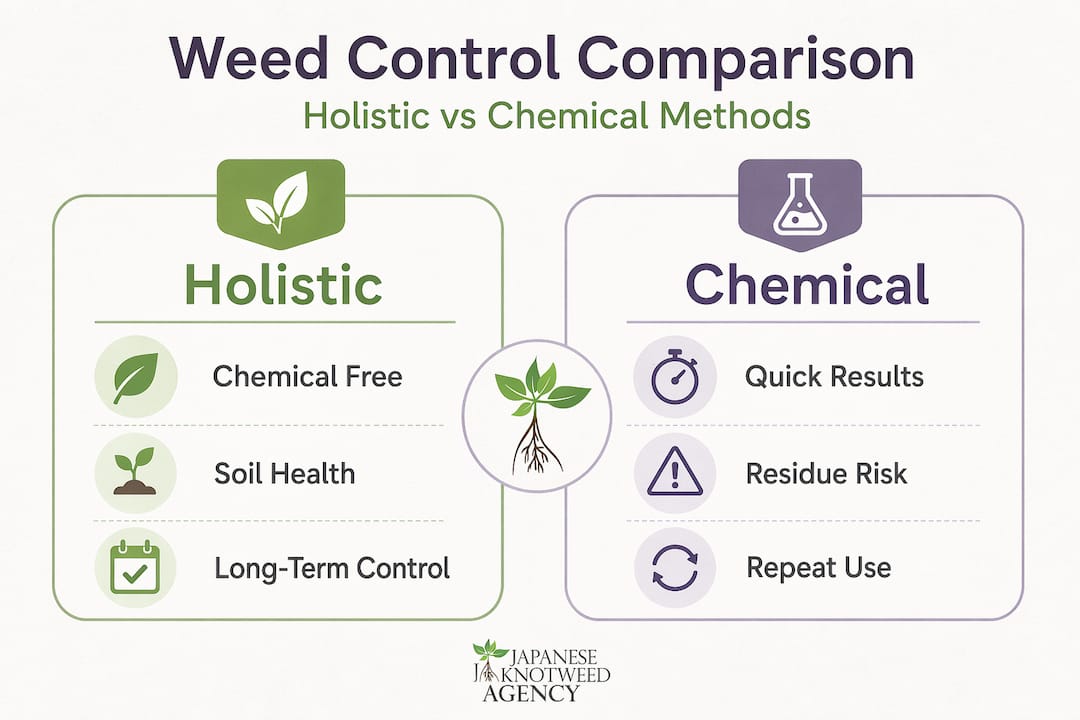
各类治理技术对比一览图

以下表格对“物理及电击处理技术”与传统化学除草方法进行了对比,有助于决策:

对比项 物理及电击技术 传统化学除草法
环境影响 无化学污染,环保 残留化学物质,影响土壤水体
治理效果 成功率高达85% 效果受耐药性影响
对周边生态的影响 精准处理,干扰极小 容易伤及非靶植物
长期成本 可反复利用,投入可控 需长期多次施药

专业提示 选择无化学处理技术时,务必咨询专业团队,确保技术适用于特定入侵植物和具体环境条件。

房产交易中法律与合规要点

在英国房地产市场中,入侵植物治理已成为不可忽视的法律合规重点。买卖双方必须对潜在的入侵植物风险保持高度警惕,因为这不仅关乎房产价值,更涉及重大法律责任。

英国房地产交易中的入侵植物法律框架要求卖方必须全面披露土地内入侵植物的存在情况。这一法律规定旨在保护买家利益,确保房地产交易的透明度和公平性。

房产交易中的关键合规要点包括:

  • 全面披露:卖方必须如实报告入侵植物情况
  • 专业评估:需提供专业机构的入侵植物调查报告
  • 治理证明:提供已完成治理的official证明文件
  • 风险评估:详细说明潜在修复成本

法律合规的具体流程:

  1. 委托专业入侵植物调查
  2. 获取正式评估报告
  3. 完成必要的治理工作
  4. 准备相关法律文件

交易中的法律风险

  • 未披露可能导致法律诉讼
  • 隐瞒入侵植物信息可能被视为欺诈
  • 可能影响房屋保险和抵押贷款
  • 潜在降低房产市场价值

入侵植物治理已成为房地产交易中不可或缺的法律合规环节,直接关系到房产价值和交易安全。

根据最新法律规定,房主需要对入侵植物承担主动治理和披露责任。不仅要进行专业治理,还要保存相关证明文件,为未来可能的房产交易做准备。

专业提示 在房产交易前务必进行全面的入侵植物专业调查,获取官方评估报告,以降低法律风险并保护自身权益。

治理失误与常见损失风险

入侵植物治理中的失误往往会带来难以估量的经济损失和生态破坏。不当的处理方式不仅可能导致植物迅速反弹,还会极大地增加后续治理的复杂性和成本。

英国大学研究显示的入侵植物治理风险表明,错误的治理策略可能造成显著的财产损失和生态环境破坏。专业调查揭示,不当治理可能使修复成本急剧上升,甚至导致房产价值严重下跌。

常见的治理失误包括:

  • 部分清除:未完全根除入侵植物根系
  • 时机不当:在生长旺季进行治理
  • 方法错误:选择不适合的处理技术
  • 缺乏后续监测:未持续追踪植物生长情况

损失风险的主要表现:

  1. 房产价值显著下降
  2. 建筑结构潜在损害
  3. 修复成本大幅增加
  4. 可能面临法律纠纷

高风险治理失误的具体后果

  • 根系持续破坏建筑地基
  • 房屋保险拒保
  • 房产交易价值锐减
  • 长期生态环境破坏

入侵植物治理不仅是技术问题,更是关乎房产安全和经济利益的系统性挑战。

专业数据显示,不当治理可能导致房产价值下跌15-25%,远远超出初始治理成本。及时、专业的干预对于控制风险至关重要,房主必须高度重视入侵植物的专业治理。

专业提示 选择具备丰富经验的专业团队进行入侵植物治理,确保采用最新技术和全面的根系清除方案。

保护您的房产免受入侵植物威胁的专业方案

文章详细揭示了入侵植物,尤其是日本狼毒草,对英国房产安全和市场价值造成的严重威胁。入侵植物不仅破坏建筑地基,还可能导致法律风险和高昂的修复费用。面对这些挑战,房主亟需高效、环保且专业的治理方案以确保资产安全和长期价值。日本狼毒草等高风险物种需要精准的物理及电击技术彻底根除,避免传统方法带来的治理失误和二次损害。

https://japaneseknotweedagency.co.uk

Japanese Knotweed Agency作为英国领先的无化学处理专家,采用高达5000伏特的直接电能技术,专业破坏入侵植物根系细胞,彻底阻断其能量供应。我们提供根障安装和挖掘服务,帮助您全面控制入侵风险,保护建筑结构和房产价值。无论是英国、威尔士还是爱尔兰,我们均提供全面的房产入侵植物调查和专业治理。立即访问Japanese Knotweed Agency官网了解详情,选择专业治理方案为您的房产筑起坚固防线。不要等待入侵植物造成不可逆转的损失,现在就采取行动保障您的房产安全。

常见问题

入侵植物是什么?

入侵植物是指被非自然方式引入特定生态系统,并对当地环境造成显著破坏的非本地植物物种,具有快速繁殖和强大竞争力的特点。

日本狼毒草对房产安全有哪些威胁?

日本狼毒草的根系可以穿透建筑地基,导致严重的结构损害,并可能引发昂贵的修复成本,严重影响房产价值。

如何有效治理入侵植物?

有效治理入侵植物的方法包括电击处理、机械清除、遮蔽覆盖和热处理等无化学处理技术,能够减少对环境的影响并控制植物生长。

在房产交易中为什么需要披露入侵植物信息?

在房产交易中,卖方有法律责任全面披露土地内入侵植物的存在情况,确保买家知情,从而避免法律诉讼和潜在的经济损失。

推荐

Step-by-Step Guide to Invasive Plant Surveys for Homeowners

Buying or selling a home in England or Wales can get complicated when you discover suspicious plant growth close to your property. Japanese Knotweed is known for its rapid spread and challenging removal, often raising red flags during property transactions. If you want a chemical-free solution, a detailed invasive plant survey helps you understand the problem clearly, making your chosen method safe and suitable for your site.

Table of Contents

Quick Summary

Key Insight Explanation
1. Gather essential survey tools Assemble a survey kit including a GPS, camera, datasheets, and safety gear for effective data collection.
2. Conduct systematic property inspection Perform a thorough walkthrough of your property, documenting infestations using GPS and mapping tools.
3. Carefully identify invasive species Use identification resources and document key features of invasive plants to distinguish them from natives.
4. Assess infestation severity and risks Evaluate the ecological impact and potential damage of invasive species to prioritise management strategies.
5. Compile and verify your report Cross-reference your data with authoritative sources to produce a comprehensive and reliable survey report.

Step 1: Prepare site and gather essential tools

Before embarking on your invasive plant survey, proper site preparation and tool selection are critical for accurate data collection and personal safety. Gathering the right equipment ensures you can efficiently document and assess potential invasive plant infestations across your property.

Start by assembling a comprehensive survey kit that includes essential wildlife monitoring tools. Your survey toolkit should contain a GPS device for precise location tracking, a high resolution camera capable of capturing detailed plant identification features, weatherproof datasheets or a digital recording app, and appropriate safety gear. Consider wearing protective clothing like long trousers, sturdy boots, and lightweight gloves to prevent potential skin contact with harmful plant species. Protective eyewear is also recommended when working in dense vegetation areas.

Careful site assessment involves creating a methodical approach to surveying your property. Walk the entire area systematically, paying close attention to boundaries, garden edges, disturbed ground, and areas with previous landscaping work where invasive plants often establish themselves. Bring a detailed site map or create a rough sketch to mark potential problem areas and track your survey progress.

Expert Advice Always carry a first aid kit and inform someone of your survey location and expected duration for added safety during invasive plant investigations.

The following table contrasts essential survey equipment with their specific function and the value added to your survey:

Tool/Equipment Function Value to Survey Process
GPS Device Records precise locations Enables accurate mapping of findings
High Resolution Camera Captures clear plant images Supports robust species identification
Protective Clothing Shields from harm Ensures safety during fieldwork
Weatherproof Datasheets Secure data collection Prevents data loss in adverse weather

Step 2: Inspect property and map affected areas

After preparing your survey equipment, the next critical phase involves systematically inspecting your property to identify and document potential invasive plant infestations. This step requires careful observation and precise mapping to understand the full extent of plant spread across your land.

Begin by conducting a comprehensive walkthrough of your entire property, paying close attention to boundaries, garden edges, disturbed soil areas, and locations with previous landscaping work. Use your GPS device to record precise location details of any invasive plant sightings. Create a detailed sketch or digital map marking specific areas of concern, noting characteristics such as plant density, growth patterns, and proximity to structures or other vegetation. Take high resolution photographs that capture distinctive features which will help with later identification and tracking.

Homeowner closely inspecting garden border plants

While surveying, look for telltale signs of invasive species like unusual growth patterns, plant clusters that differ from surrounding vegetation, or damage to hardscaping such as pathways or foundations. Pay special attention to areas with recent ground disturbance, as these are prime locations for invasive plant establishment. Document each area thoroughly, recording GPS coordinates, estimated plant coverage, and any observable impacts on surrounding landscape.

Expert Tip Cross reference your initial survey findings with local ecological databases to validate your observations and understand potential wider ecological implications.

Step 3: Identify invasive species and record evidence

Identifying invasive plant species requires careful observation and detailed documentation. Your goal in this stage is to accurately recognise and record specific characteristics that distinguish these potentially harmful plants from native vegetation.

Carefully examine plant characteristics using comprehensive identification resources that provide detailed guidance on distinguishing invasive species. Focus on key identifying features such as leaf shape, stem structure, growth patterns, and flowering characteristics. Japanese Knotweed, for instance, has distinctive bamboo-like stems and heart-shaped leaves, while Himalayan Balsam features pink trumpet-shaped flowers and tall branching stems. Take multiple high-resolution photographs from different angles to capture these unique attributes, ensuring clear images of leaves, stems, flowers, and overall plant structure.

Documentation is crucial for effective invasive plant management. Create a systematic record that includes precise GPS coordinates, estimated plant coverage, growth stage, and potential environmental impacts. Photograph each identified invasive plant cluster with a scale reference like a ruler or standard-sized object to provide context for size and spread. Include detailed notes about the surrounding environment, such as soil type, proximity to structures, and interaction with native vegetation.

Expert Tip Always wear protective clothing and avoid direct contact with potentially harmful invasive species during your identification and documentation process.

To help prioritise your efforts, here is a reference table summarising typical invasive plant species found in UK surveys and the key risks they pose:

Species Key Identification Feature Main Ecological Risk Notable Property Impact
Japanese Knotweed Bamboo-like stems, heart leaves Rapid spread, outcompetes natives Can damage building foundations
Himalayan Balsam Pink trumpet flowers, tall stems Suppresses native flora May cause soil erosion near banks
Giant Hogweed Large leaves, white flower heads Phototoxic sap affects wildlife Causes skin burns, restricts access

Step 4: Assess infestation severity and risk factors

Evaluating the potential impact of invasive plant species requires a systematic approach to understanding their ecological and environmental risks. Your goal is to determine the extent of the infestation and its potential consequences for your property and surrounding ecosystems.

Infographic summarizing infestation risk assessment steps

Utilise comprehensive invasive species assessment tools to analyse the specific characteristics that determine infestation severity. Consider key risk factors such as the plant’s growth rate, reproductive capacity, and ability to outcompete native vegetation. Japanese Knotweed, for example, can spread rapidly through underground rhizome networks and potentially cause structural damage to buildings and infrastructure. Assess the plant’s proximity to vulnerable structures, water sources, and sensitive ecological areas. Measure the current plant coverage and estimate its potential spread by examining growth patterns, soil conditions, and surrounding habitat characteristics.

Prioritise your control strategy by creating a detailed risk assessment that quantifies the potential ecological and economic impacts. Calculate the potential damage to property foundations, drainage systems, and landscape integrity. Consider the plant’s reproductive mechanisms, such as seed production or root fragmentation, which can accelerate its spread. Evaluate the potential long-term consequences if left untreated, including displacement of native plant species, soil erosion, and potential reduction in local biodiversity.

Expert Tip Consult local ecological experts or invasive species specialists to get a professional assessment of complex or extensive infestations.

Step 5: Verify survey accuracy and compile report

Compiling a comprehensive and accurate invasive plant survey report requires meticulous verification and systematic documentation. Your final step involves transforming your field observations into a professional assessment that can guide potential management or remediation strategies.

Ensure the reliability of your survey data by cross-referencing identification details with authoritative botanical resources. Review all collected photographic evidence, GPS coordinates, and written observations for consistency and accuracy. Compare your findings against established invasive species databases to confirm species identification and verify the extent of the infestation. Pay special attention to details such as plant measurements, growth characteristics, and potential environmental interactions that could impact the survey’s credibility.

Organise your report with clear sections that provide a comprehensive overview of your findings. Include a detailed map highlighting invasive plant locations, high resolution photographs with scale references, estimated plant coverage percentages, and potential risks to property or surrounding ecosystems. Summarise your observations with precise language that objectively describes the infestation severity, potential spread mechanisms, and recommended next steps for management or eradication. Consider including recommendations for professional intervention if the invasive species present significant ecological or structural risks.

Expert Tip Create digital backups of all survey documentation and photographs to ensure you have a reliable record for future reference or professional consultation.

Take Control of Invasive Plant Threats with Expert Support

The detailed steps in your invasive plant survey highlight the challenges of identifying, mapping, and managing aggressive species like Japanese Knotweed right on your property. Accurate identification, assessing infestation severity, and documenting evidence can feel overwhelming without specialist tools and expert knowledge. This is where professional help makes a real difference.

At Japanese Knotweed Agency, we offer more than just guidance—we provide effective, chemical-free eradication solutions tailored to eliminate invasive plants safely and efficiently. Our high voltage treatments target the extensive rhizome networks beneath the surface while our specialist teams handle root barrier installations and excavation works to prevent further spread and protect your property’s structural integrity. We also conduct thorough property surveys for invasive weeds across England, Wales, and Ireland, ensuring no infestation goes undetected.

https://japaneseknotweedagency.co.uk

Don’t let invasive plants silently damage your land or home foundations. Start with a precise and professional survey combined with cutting-edge treatment methods to secure your property today. Visit Japanese Knotweed Agency now and take the first step towards a safer, invasion-free environment.

Frequently Asked Questions

What should I include in my invasive plant survey toolkit?

To conduct an effective invasive plant survey, include a GPS device, high-resolution camera, weatherproof datasheets or a digital recording app, and appropriate safety gear. Assemble your toolkit before starting the survey to ensure you can accurately document any infestations and stay safe.

How do I identify invasive plant species during my survey?

To identify invasive plant species, examine key characteristics such as leaf shape, stem structure, and flowering features. Use identification resources to help distinguish between native and invasive species, and take multiple high-resolution photographs from different angles to aid in later recognition.

What steps should I take to assess the severity of an invasive plant infestation?

Evaluate the severity by examining the growth rate, reproductive capacity, and spread of the invasive species. Document your findings, including estimated plant coverage and proximity to vulnerable structures, to effectively prioritise control strategies.

How can I verify the accuracy of my invasive plant survey report?

Ensure the accuracy of your survey report by cross-referencing your identification details with reliable botanical resources. Review all collected data, including photographs and GPS coordinates, for consistency, before compiling a comprehensive report of your findings.

What protective measures should I take while surveying for invasive plants?

Wear protective clothing, including long trousers and gloves, to shield against potentially harmful plants. Always carry a first aid kit and inform someone of your survey location and expected duration to enhance safety during your investigation.

如何无化学消除日本结缕草:环保彻底根除实用指南

面对日本结缕草在英国房产频繁蔓延,许多购房者、业主及地方政府官员都在寻求无化学、环保的根除方案。只有仔细评估草的分布和风险,才能科学制定出合法且可持续的应对措施。本文将为您梳理如何利用实际观测、物理手段和英国法规指导,有效应对日本结缕草这一复杂挑战,守护您的财产与生态环境。

目录

快速总结

关键要点 说明
1. 评估日本结缕草分布 开始根除工作前,需全面评估草的分布与影响,包括根系及相邻地产情况。
2. 制定无化学处理方案 选择热能处理和机械挖掘等环保方法,确保符合当地法规与规范。
3. 精确实施根除方法 高压能量与机械挖掘相结合,确保彻底清除草根,避免侵害其他基础设施。
4. 安装防根屏障 在财产边界安装屏障,有效防止根系再侵入,确保保护措施长效。
5. 定期监测草的复发 处理后数月内定期检查,有助于尽早发现新生长,防止问题扩大。

步骤 1:评估日本结缕草分布及风险范围

评估您的财产中日本结缕草的分布情况是根除工作的第一步。这个阶段关乎理解草的位置、它已经蔓延到什么程度,以及它对您房产的实际威胁有多大。正确的评估为后续处理工作奠定基础。

开始时,在您的地面上进行视觉检查。日本结缕草在春季开始长出新芽,这通常是识别它最容易的时候。寻找那些已知的特征:竹笋状的红色或紫色芽,以及后来的深绿色大型叶子。检查您房产的边界、任何边界线附近的区域,以及与邻近地产接近的位置。草通常从一个地点开始,然后向外扩展,所以追踪其最初的来源点能帮助您理解分布范围。

您还应该查看地下情况。日本结缕草的根系统(根状茎)可以延伸到地表以下1.5米深,甚至更深。这就是为什么视觉检查本身不足以做出完整评估。如果您能安全地挖掘几个测试孔,您会发现深色的根材料。这些根会继续在地下传播,即使上面的植物被移除也会再生。关于根茎特性的详细数据能帮助您理解这种入侵植物的生物学特征。

考虑一下您的邻居是否也有同样的问题。日本结缕草会从相邻地产蔓延到您的地产,反之亦然。了解更广泛的社区情况有助于您判断再感染的风险程度。您可能还想查看关于英国入侵草本植物分布图绘制的资源,以了解您地区的已知分布情况。

记录您发现的一切。拍摄照片,标记受影响区域的位置,记下每块区域的近似大小。这个文件在与处理专家沟通时至关重要,他们需要精确的信息来制定适当的根除战略。

专业建议 如果您正在考虑购买或出售房产,请进行正式的杂草调查,因为房产交易中的杂草检查可能对您的房产价值和法律责任产生重大影响。

步骤 2:准备并规划无化学处理方案

现在您已经评估了日本结缕草的分布范围,是时候为根除工作制定一个清晰的无化学处理计划了。这一步涉及选择合适的方法、准备现场条件,以及确保您的方案符合英国的环保标准和法规。

首先,了解您有哪些无化学选项。热能处理是一种直接有效的方法,它通过传递高达5000伏的能量,造成根状茎内部的细胞损伤并耗尽其能量资源。这种方法不会使用任何化学物质进入土壤或地下水。机械清除(如挖掘)是另一种选择,但需要非常谨慎,因为任何残留的根茎碎片都会重新长出。您还可以结合根系统屏障安装,以防止未来的根茎穿过边界。

规划您的方案时,需要考虑英国在城市规划中的科学主导绿色基础设施方法。这强调了如何通过可持续的生态管理和机械干预来实现环境目标。评估您的财产布局、受影响区域的大小、地下根系统的深度,以及是否需要后续的景观恢复工作。

接下来,确保您符合英国关于废物分类和处理的法规。关于非化学替代处理方案的英国政府技术指南详细说明了如何妥善处理植物废物并避免污染。您需要知道如何处置处理后产生的植物材料,以及如何处理任何被污染的土壤。

制定一个时间表。日本结缕草的最佳处理时间通常是春季至初秋,此时植物活跃,更容易吸收和响应处理。准备好现场访问、必要的许可证或邻居通知,以及任何需要隔离的区域。如果您计划进行多次处理周期,请确保在您的日程表上标记后续访问的日期。

专业建议 与拥有无化学处理专业知识的认证专家合作,他们能根据您财产的具体条件制定定制方案,并监督整个根除过程以确保彻底清除。

步骤 3:实施高压能量和机械根除方法

现在您已经制定了计划,是时候开始实际的根除工作了。高压能量处理和机械方法是两种最有效的无化学手段,可以彻底消除日本结缕草及其广泛的根状茎网络。这一步需要精确的执行和对安全的重视。

高压能量处理的工作原理是直接向植物传递高达5000伏的能量。这股能量穿透土壤,进入根状茎内部,造成细胞结构破坏并耗尽植物维持生长所需的能量资源。与化学处理不同,这种方法不会在土壤中留下任何残留物。能量会立即消散,不会对周围生态系统造成伤害。每次处理都会削弱根系统,多次处理会导致完全死亡。关于高压工程解决方案的创新应用展示了压力应用在控制系统中的科学原理,这与能量处理的机制类似。

机械根除涉及物理移除根状茎。挖掘是最常见的方法,但必须非常彻底。您需要去除受影响区域以下至少1.5米深的所有根材料。挖掘时,小心分离泥土中的每一根根茎。任何遗漏的根片段,即使只有一厘米长,都可能重新长出新植株。这就是为什么单独使用机械方法通常需要多个周期的原因。许多专业人士会将挖掘与高压能量处理结合,以确保完全清除。

组合方法往往最有效。先进行高压能量处理以削弱根系统,然后进行机械挖掘以移除受损的根材料。这种方法大幅降低了复发的风险。处理后,您应该监测现场,查看是否有新芽出现。如果发现新生长,立即进行后续处理。

以下是两种常见无化学日本结缕草根除方法对比:

方法类型 原理与特点 优点 局限性
高压能量处理 直接电击破坏根部组织 无化学残留,环保 需专业设备及多次处理
机械挖掘 物理移除土壤中所有根状茎 立竿见影,易于理解操作 易遗漏碎片,劳动量大

安全是关键。高压能量处理需要专业设备和培训。确保处理人员穿着适当的防护装备,周围没有无关人员。机械挖掘需要适当的工具和体力,以及对地下公用设施位置的了解。

专业建议 在实施任何根除方法之前,标记地下电力线、供水管和燃气管的位置,以避免损伤关键基础设施,同时保护您和施工人员的安全。

步骤 4:安装防根屏障防止复发

根除日本结缕草只是战斗的一半。防止它再次入侵您的财产同样重要。安装防根屏障是一种物理预防措施,可以阻止任何残留根状茎或来自邻近地产的根茎穿过边界进入您的土地。这一步涉及在易受影响的区域周围创建一道保护性的地下墙。

为了防止植物根系蔓延,主人特意在花坛周围安装了防根隔板。

防根屏障通常由高密度聚乙烯或其他耐久材料制成,厚度至少3毫米。屏障必须深入地下至少1.5米,与日本结缕草根状茎的最大深度相当。屏障应该围绕您财产的边界安装,特别是与邻近地产相邻的区域,那里根茎最可能穿透。屏障本身不会杀死植物,但它会物理阻止根的蔓延,迫使任何试图穿过的根状茎向上生长,进入可以管理的地表区域。

安装过程需要仔细规划。首先,在您想放置屏障的区域开沟。对于财产边界,这通常沿着围栏线进行。沟的深度必须足够容纳屏障的全部高度。将屏障垂直放入沟中,然后用土壤回填。确保屏障在上方至少延伸20厘米到地表之上,以防止根状茎在屏障顶部爬过。有效的预防性干预措施强调了物理防护措施在长期风险管理中的关键作用,这与屏障安装的目的完全一致。

您还应该考虑在屏障内部安装监测点。这些可以是简单的观察孔,允许您定期检查屏障后是否有新的根状茎生长。如果您发现任何穿过或绕过屏障的根,可以立即进行额外的处理。安全监测策略的原则适用于持续监督防根屏障的有效性。定期视觉检查,特别是在春季和夏季,可以及早发现任何问题。

屏障只是长期解决方案的一部分。结合定期监测、快速响应任何新生长的承诺,以及与邻居沟通关于共同问题的重要性,您可以大大降低重新感染的风险。

专业建议 在安装屏障后,保留详细的记录和照片,记下屏障位置、安装日期和材料规格,这对未来的房产销售或保险索赔可能至关重要。

步骤 5:检测并监控根除效果

根除日本结缕草不是一个一次性的事件,而是一个需要持续监控的过程。处理后的几个月和几年内,您需要定期检查以确保草没有复发。有效的监控可以让您在问题扩大之前尽早发现任何新生长。

开始时,建立一个基线。在初始处理前后拍摄您财产受影响区域的详细照片。记录位置、估计的植物覆盖范围和任何可见的根状茎。这些记录将帮助您比较处理后的情况,并追踪进展。使用GPS标记或简单的手绘地图标注您财产上的关键点。这些参考点在将来检查时会很有用。

日本结缕草无化学药剂根除方法流程图

在初始处理后的前两年内,每隔几周进行一次视觉检查。寻找任何新的红色或紫色芽,特别是在春季和初夏。新芽出现比成熟植株处理要容易得多,所以及时发现至关重要。如果您发现新生长,立即进行额外的高压能量处理。不要等待根状茎再次建立强大的地下网络。关于干预效果评估的系统方法可以指导您如何结构化和记录监测结果,确保您的观察清晰、可重复且可比较。

监测还应该包括对防根屏障的检查。沿着屏障线走动,查看是否有任何根状茎试图绕过或穿过屏障。如果屏障有损伤,立即修复。检查周围土壤是否下沉或移位,这可能表明屏障下方有活动。详细的监测数据和属性评估可以帮助您理解日本结缕草行为的科学基础,从而更好地预测它在您的环境中可能如何反应。

在前两年之后,如果您没有发现任何新生长,可以将检查频率降低到每年两到三次。但永远不要完全停止监测。日本结缕草很顽强,可以在地下保持休眠多年,然后在条件有利时再次出现。保持警惕是长期成功的关键。

您可参考监测与记录日本结缕草根除过程的关键要点:

步骤阶段 记录内容要点 监测频率
处理前 拍照、标注分布区域 一次性
处理后1-2年 检查新芽与屏障完整性 每2-4周一次
持续维持 监测日志、定期复查 每年2-3次

专业建议 维持一个监测日志,记录检查日期、发现内容和采取的任何行动,这将为您提供文件证明,证明您采取了合理的措施来控制入侵植物,这对保护您的房产价值和法律责任非常重要。

立即行动无化学根除日本结缕草,守护您的家园环境

本文详细介绍了无化学方法彻底根除日本结缕草的关键步骤,尤其强调了高压能量处理和防根屏障安装的重要性。如果您正面临日本结缕草顽固蔓延带来的焦虑和困扰,想要彻底解决根茎深藏的隐患,确保财产不被反复侵害,那么专业且环保的解决方案是必不可少的

https://japaneseknotweedagency.co.uk

Japanese Knotweed Agency作为无化学处理的先锋,运用最高达5000伏的现场高压能量处理技术,专门破坏日本结缕草根状茎的细胞活性,彻底耗尽其养分储备。更提供精准的根障安装和安全挖掘服务,帮助您从根源防止复发。我们还为英格兰威尔士和爱尔兰地区提供专业的入侵杂草财产调查,保障您的房产价值和安全。现在访问Japanese Knotweed Agency官网了解详情,开启您的无忧根除之路,别让日本结缕草再次威胁您的生活。行动越早,效果越彻底!立即咨询并制定专属您的无化学根除方案。

常见问题

如何评估我房产中日本结缕草的分布情况?

要评估日本结缕草的分布情况,首先进行视觉检查,寻找其红色或紫色的芽和深绿色的叶子。记下受影响区域的位置和大小,以便后续处理。

如何制定无化学处理方案以根除日本结缕草?

制定无化学处理方案时,首先了解可行的处理方法,如热能处理和机械清除。选择合适的方法,并确保符合环保标准,然后准备现场条件和时间表。

高压能量处理是如何消除日本结缕草的?

高压能量处理通过向植物传递高达5000伏的能量,直接破坏根状茎的细胞。实施此方法时,确保专业设备安全,并进行多次处理以增强效果。

应如何安装防根屏障以防止日本结缕草复发?

在易受影响区域周围挖沟并安装高密度聚乙烯防根屏障,深度应至少为1.5米,以阻止根状茎穿透。这道屏障不仅能防止复发,还需确保顶部超过地面20厘米,防止根段越过。

如何监测日本结缕草根除效果?

每隔几周进行一次视觉检查,以确认新生芽和屏障的完整性。在初始处理后,两年内保持频繁检查,以便及时发现问题并采取行动。

什么是处理后监测日志,有何重要性?

监测日志记录检查的日期、观察到的情况和采取的措施,能够证明您采取了合理的防控措施。保持详细记录有助于保护房产价值及法律责任。

推荐

Weed Management Plans: Protecting Homes Safely

Tackling weeds like Japanese Knotweed can be daunting when you want to avoid chemical herbicides around your home and garden. For homeowners in England and Wales, the risks of hidden infestations and legal obligations add extra pressure during a property purchase. Thankfully, integrated weed management plans combine chemical-free solutions with expert guidance to help you eradicate tough plants safely, protect your family, and satisfy mortgage requirements without harming local biodiversity.

Table of Contents

Key Takeaways

Point Details
Weed Management Plans A proactive weed management plan combines various methods to control unwanted plants, particularly invasive species, ensuring a sustainable approach without relying solely on chemical treatments.
Legal Obligations Sellers must disclose known invasive weed infestations, while buyers should request specialist surveys to avoid inheriting costly problems.
Long-Term Commitment Effective weed management requires ongoing monitoring and adaptive strategies to ensure lasting control, especially for persistent species like Japanese Knotweed.
Avoid Common Pitfalls Homeowners should refrain from overreliance on chemical herbicides and ensure accurate identification of weeds to select the most appropriate treatment methods.

Weed Management Plans for UK Homes Explained

A weed management plan is a structured approach to controlling unwanted plants on your property without relying solely on chemical solutions. Rather than treating weeds as they appear, a proper plan identifies the types of weeds present, assesses the risks they pose, and selects the most appropriate removal methods for your specific situation.

For homeowners in England and Wales, understanding integrated weed management approaches is increasingly important, particularly when dealing with invasive species like Japanese Knotweed. These plans combine mechanical, thermal, and biological methods to target the root causes of infestation rather than just surface symptoms.

The framework typically involves three key stages. First, you survey your property to identify what weeds are present and how severe the problem is. Second, you determine which methods suit your garden, soil type, and proximity to buildings or water sources. Third, you implement a treatment schedule that prevents new growth whilst managing existing plants.

Many homeowners are moving away from chemical herbicides due to health and environmental concerns. Sustainable weed management strategies now form the backbone of UK guidance, offering alternatives that protect your family and local wildlife whilst effectively controlling problem plants.

Invasive species like Japanese Knotweed require specialist attention because they cannot be managed through standard garden methods. Their extensive root systems, called rhizomes, spread aggressively beneath the soil surface and can cause structural damage to properties. A proper management plan identifies these threats early and applies appropriate treatment before they become a costly problem.

When selling a property where Japanese Knotweed is present, mortgage lenders typically demand formal surveys and treatment plans as a condition of lending. This legal requirement protects both the lender and subsequent owners from purchasing a property with hidden liabilities.

Pro tip: Request a professional invasive weed survey before creating your management plan, especially if you suspect Japanese Knotweed or other problem species on your property, as early detection significantly improves treatment outcomes and reduces long-term costs.

Types of Treatment: Chemical-Free and Beyond

Weed treatment options have evolved significantly. Modern approaches recognise that chemical herbicides are not always the best or safest solution, particularly around homes where families and pets live. Understanding your options allows you to choose methods that match your specific situation and concerns.

Mechanical removal remains one of the oldest and most reliable techniques. Hand-pulling, digging, and hoeing work well for small infestations and give you complete control over what you remove. For larger areas, professional machinery can cut or strip vegetation efficiently. The key advantage is immediate results with zero chemical residue left behind.

Woman manually pulling backyard weeds

Thermal treatments use heat to destroy weeds at their source. Hot water application, steam, and heated air systems damage plant cells beyond repair, preventing regrowth from root systems. Thermal weed control methods prove particularly effective on hard surfaces like driveways and patios where chemical use raises concerns about runoff into gardens or water sources.

Electro-physical treatments represent an innovative approach that many homeowners have not yet encountered. Direct electrical energy disrupts the internal cell structure of plants, including their extensive root systems. This method works especially well for stubborn invasive species like Japanese Knotweed, where the energy depletes the rhizome network that would otherwise regenerate from fragments left behind by conventional digging.

Infographic of key weed management methods

Biological controls and habitat modification offer longer-term solutions. By encouraging competing plants, improving soil health, and removing conditions that favour weeds, you create an environment where problem plants struggle to establish. Integrated management approaches that combine these methods with targeted physical removal deliver superior results whilst supporting local biodiversity.

The most effective strategy combines multiple techniques tailored to your property. A Japanese Knotweed infestation requires different treatment than dandelions in a lawn, which differs again from invasive bindweed in borders. Your management plan should specify which methods suit each area and the timing needed for success.

Here’s a concise overview of major weed treatment methods and where they excel:

Method Best Use Case Environmental Impact Key Advantage
Mechanical Removal Small gardens, isolated weeds Minimal, soil-friendly Fast, leaves no residue
Thermal Treatment Hard surfaces, patios No runoff, wildlife safe Penetrates root systems
Electro-physical Invasive species, large areas Low, no chemicals Targets underground rhizomes
Biological/Habitat Borders, long-term control Enhances biodiversity Prevents future infestations

Pro tip: Start with the least invasive method first, then escalate only if initial treatment fails—this approach minimises disruption to your garden whilst proving what actually works for your specific weed problems.

When you purchase a property in England or Wales, both you and the seller have legal responsibilities regarding invasive weeds like Japanese Knotweed. Understanding these obligations protects you from inheriting costly problems and potential liability issues that could affect your ownership for years to come.

Sellers must disclose known invasive weed infestations to potential buyers. This duty falls under property law and consumer protection regulations. If Japanese Knotweed or other invasive species are present on the property, the seller should reveal this before contracts are exchanged. Failure to disclose can result in legal claims after purchase, as you may have grounds to pursue compensation for undisclosed defects.

Mortgage lenders take Japanese Knotweed very seriously. Most major lenders will refuse to advance funds on a property where the infestation is confirmed unless a formal treatment plan is in place. This means you cannot proceed with your purchase until a professional survey confirms either the absence of the problem or demonstrates an approved management strategy with timescales for eradication.

Your surveyor should identify potential invasive species during a standard property survey. However, not all surveyors are trained to recognise Japanese Knotweed or other problem plants. If you suspect an issue, request a specialist invasive weed survey as part of your due diligence before committing to the purchase.

Property owners have ongoing legal duties to prevent invasive weeds from spreading to neighbouring land. Sustainable management approaches that prioritise integrated pest management are now encouraged across UK property management. If your actions allow Japanese Knotweed to spread to a neighbour’s property, you could face legal action for nuisance or damage.

Documentation matters significantly. Keep all survey reports, treatment plans, and evidence of management work. This paper trail protects you when selling later and demonstrates responsible ownership to future buyers or lenders.

For quick reference, here’s how legal duties differ for buyers and sellers in invasive weed scenarios:

Role Core Duty Consequence of Failure Documentation Needed
Seller Disclose invasive weed presence Compensation claims possible Survey & disclosure form
Buyer Request specialist survey Inherits hidden liabilities Survey report
Owner Prevent spread to neighbours Legal action for nuisance Treatment records

Pro tip: Always obtain a specialist invasive weed survey before exchanging contracts on any property purchase, regardless of what the standard survey shows, as this single step prevents most costly disputes after completion.

Surveying, Monitoring, and Long-Term Control

Effective weed management does not end after the first treatment. Long-term success requires ongoing assessment, careful record-keeping, and adaptive strategies that evolve as conditions change on your property. This commitment to monitoring makes the difference between temporary relief and permanent control.

Initial surveys establish a baseline. A professional assessment identifies all weed species present, their distribution across your property, and the severity of each infestation. For Japanese Knotweed, this baseline is critical because the rhizome network extends far underground, sometimes spanning areas larger than visible plant growth above soil.

Regular monitoring tracks treatment effectiveness. Baseline assessments and periodic reviews allow you to see whether your chosen methods are working or require adjustment. Monthly inspections during the growing season catch any resurgence early, when intervention is simpler and less costly than allowing reinfestation to establish.

Record-keeping provides essential documentation. Photograph problem areas, note treatment dates and methods used, and record weather conditions during application. This data proves invaluable if you later need to demonstrate responsible management to mortgage lenders, buyers, or neighbours. For Japanese Knotweed specifically, detailed records show the progression of eradication and build confidence that the problem is genuinely resolved.

Adaptive management means changing your approach based on results. Continual surveying and data-driven refinement ensure your weed management plan remains effective over time. If one method proves insufficient, your records show precisely where and why, guiding your next treatment choice.

Long-term control typically spans multiple seasons. Japanese Knotweed often requires two to three years of consistent treatment because the rhizome system stores energy reserves that fuel regrowth. Annual monitoring during this period confirms progress and justifies continued investment in your chosen method.

Pro tip: Create a simple monitoring schedule with quarterly inspections and photograph the same areas each time, storing images with dates in a dedicated folder—this visual record demonstrates control progress far better than written notes alone.

Common Pitfalls and Comparing Alternatives

Many homeowners make costly mistakes when tackling weed problems without proper planning. Understanding what goes wrong helps you avoid expensive setbacks and choose approaches that actually deliver results rather than temporary fixes.

Overreliance on chemical herbicides is a significant pitfall. Weeds develop resistance over time when the same chemicals are applied repeatedly, meaning doses must increase or products must change frequently. This escalating cycle raises costs whilst potentially harming surrounding plants, soil life, and water systems. Additionally, chemical treatments often fail to address root systems like those of Japanese Knotweed, leaving the problem dormant but alive beneath the surface.

Another common mistake is treating weeds without identifying what species you actually have. Different weeds respond to different methods. Annual weeds, perennials, and invasive species each require distinct approaches. Misidentifying your problem leads to wasted effort and money on unsuitable treatments.

Comparing chemical methods with mechanical, thermal, and biological alternatives reveals that integrated approaches consistently outperform single-method strategies. Mechanical removal followed by thermal treatment, combined with habitat management, produces superior long-term control with minimal environmental impact.

Inconsistent application is another trap. Starting treatment then stopping halfway through allows regrowth to establish. Weeds are persistent; commitment matters. Strategic integrated approaches that combine physical, biological, and targeted chemical methods prove far more effective than sporadic efforts with any single technique.

Ignoring professional advice leads to preventable problems. For invasive species like Japanese Knotweed, attempting DIY removal often spreads the infestation further. Cutting stems without addressing rhizomes simply stimulates regrowth. Digging without proper containment scatters fragments across your garden. Professional intervention from the start saves time, money, and frustration.

Choosing alternatives based purely on cost rather than effectiveness is shortsighted. The cheapest initial option often becomes the most expensive long-term investment through repeated treatments and eventual professional intervention.

Pro tip: Always get a professional assessment before committing significant time or money to any treatment plan, as the cost of surveying is minimal compared to the expense of continuing a failing approach for months.

Secure Your Home with Expert Chemical-Free Weed Management

The article highlights the challenge of controlling invasive weeds like Japanese Knotweed while prioritising family safety and environmental health. If you are worried about costly infestations spreading or the legal complications of undisclosed invasive species, taking early, reliable action is crucial. You need a plan that goes beyond surface treatments to target root systems with proven, sustainable methods.

At Japanese Knotweed Agency, we specialise in pioneering chemical-free eradication techniques that deliver direct energy up to 5000 volts onsite, destroying the extensive rhizome networks safely and effectively. Our experienced team also offers thorough property surveys for invasive weeds across England, Wales and Ireland, enabling you to identify problems before they escalate. With services like root barrier installation and expert excavation, we provide all the tools to safeguard your property and comply with legal requirements.

https://japaneseknotweedagency.co.uk

Don’t let invasive weeds threaten your home’s value or your peace of mind. Act now to receive a professional survey and tailored management plan from trusted specialists. Visit Japanese Knotweed Agency today and take the first step to protect your property chemically free with lasting results.

Frequently Asked Questions

What is a weed management plan?

A weed management plan is a structured approach to controlling unwanted plants on your property, focusing on identifying weed types, assessing risks, and selecting suitable removal methods, often without relying on chemical solutions.

How can I effectively manage Japanese Knotweed in my garden?

Managing Japanese Knotweed requires a professional assessment and a thorough management plan that typically includes methods like mechanical removal, thermal treatments, and continual monitoring to eradicate its extensive root system.

What are the alternatives to chemical herbicides for weed control?

Alternatives to chemical herbicides include mechanical removal, thermal treatments, biological controls, and habitat modification, which can effectively target weeds while minimising impact on the environment.

Why is regular monitoring important in weed management?

Regular monitoring is crucial as it helps track the effectiveness of your chosen weed management methods, allowing you to make necessary adjustments and prevent reinfestation, ultimately leading to long-term control of unwanted plants.