
Energy-based knotweed eradication: 95% success in 1-2 years

For decades, homeowners facing Japanese Knotweed infestations have turned to chemical herbicides, often enduring years of repeated treatments and residual toxicity concerns. Yet energy-based eradication delivers chemical-free control in 1-2 years with up to 95% success rates. This guide explains how thermo-electric and steam methods work, compares them to traditional herbicides, and provides practical steps for homeowners navigating property purchases who need safe, effective knotweed solutions.

Table of Contents

Key Takeaways

Point Details
Chemical free heat Energy based eradication uses heat to kill knotweed without chemicals.
Faster eradication Thermo electric and steam methods achieve eradication in far shorter times than chemical programmes.
Safety and soil protection They are safer for families and soil than chemical programmes.
Barriers boost control Pairing energy methods with root barriers strengthens long term containment and eases property transactions.

Understanding energy-based methods for knotweed eradication

Energy-based eradication primarily refers to thermo-electric and steam treatments for chemical-free Japanese Knotweed removal. These approaches deliver targeted heat to destroy plant cells without introducing herbicides into your soil or groundwater. Thermo-electric systems apply 750-5000 volts directly to knotweed stems and rhizomes, generating internal temperatures of 60-80°C that rupture cell walls and denature proteins essential for growth.

Steam treatment works similarly but uses high-temperature vapour to penetrate above-ground foliage and shallow rhizome networks. Both methods avoid the persistence issues associated with glyphosate and other chemicals, making them ideal for properties near watercourses, gardens where children play, or sites with strict environmental regulations. The chemical-free knotweed eradication workflow typically involves multiple sessions spaced weeks apart to ensure thorough rhizome depletion.

Key advantages of energy methods include:

  • Immediate safety for pets and family members after treatment
  • No waiting periods for soil use or planting
  • Compliance with emerging herbicide restrictions across England, Wales, and Ireland
  • Reduced long-term monitoring compared to chemical programmes
  • Faster eradication timelines that support property sale schedules

Pro tip: Ensure treatments are managed by certified specialists to optimise energy delivery and avoid harm to surrounding plants. Proper probe placement and voltage calibration determine treatment effectiveness and prevent collateral damage to desirable vegetation.

The science behind thermo-electric treatment centres on controlled electrical current that heats plant tissue from within. Unlike surface burning, this internal heat reaches deep rhizome sections up to 3 metres below ground, targeting the extensive root network that makes knotweed so persistent. Steam penetrates soil pores and cracks, delivering lethal temperatures to shallow rhizomes whilst leaving deeper sections vulnerable to follow-up treatments.

Comparing energy methods with chemical treatments: speed, safety, and costs

Thermo-electric achieves eradication in 1-2 years with up to 95% success when follow-up sessions are completed, whilst steam shows 100% eradication in initial UK tests. Traditional herbicide programmes require 3-5+ years of repeated applications, often with incomplete rhizome destruction and persistent regrowth. This speed difference matters enormously when you need to complete a property purchase or satisfy lender conditions within tight timescales.

Before and after knotweed treatment garden view

Safety represents the most compelling advantage of energy methods. Chemical treatments leave residues that persist in soil for months, raising concerns for families with young children, pets, or organic gardening plans. Energy-based approaches eliminate these worries entirely, allowing immediate use of treated areas without health risks. The benefits of chemical-free weed control extend to groundwater protection and compliance with increasingly stringent environmental regulations.

Method Duration Safety Upfront cost Long-term cost Lender familiarity
Thermo-electric 1-2 years No residues Higher Lower monitoring Moderate
Steam 1-2 years No residues Higher Lower monitoring Moderate
Herbicides 3-5+ years Chemical residues Lower Higher monitoring High
Excavation Immediate Soil disposal issues Very high None High

Proponents highlight speed, no residues, and compliance with emerging herbicide bans, whilst critics note higher upfront costs, the need for multiple sessions, and less lender familiarity versus herbicides. You’ll typically pay more initially for energy treatments, but avoid years of ongoing monitoring fees and re-treatment expenses that herbicide programmes demand. The total cost often balances out, with energy methods delivering certainty and speed that chemical approaches cannot match.

Advantages of energy-based eradication:

  • Faster completion supports property transaction timelines
  • Zero herbicide exposure protects family health and soil quality
  • Reduced monitoring requirements lower long-term expenses
  • Growing acceptance among forward-thinking lenders and surveyors
  • Effective in areas where chemical use is restricted or prohibited

Disadvantages to consider:

  • Higher upfront treatment costs than initial herbicide applications
  • Requires specialist equipment and certified operators
  • Less established track record with some mortgage providers
  • Multiple sessions needed for complete rhizome depletion
  • Limited availability in some regions compared to chemical contractors

Lender acceptance continues to grow as energy methods build proven track records and insurance-backed guarantees become available. Whilst herbicide treatments remain more widely recognised, the tide is shifting towards chemical-free alternatives that align with environmental priorities and deliver faster results.

Practical steps for homeowners: applying energy-based eradication during property purchase

Commission an invasive weed survey early during property purchase to identify knotweed presence and extent before exchange. This survey provides the foundation for treatment planning and lender discussions, preventing last-minute complications that derail transactions. Professional surveyors map rhizome spread, assess structural risks, and recommend appropriate eradication strategies based on site conditions and your timeline.

Energy methods suit homeowners concerned with soil safety, family health, and lender needs during property sales or transfers. Choose certified specialists using thermo-electric or steam treatments with clear chemical-free eradication workflows that detail session frequency, monitoring protocols, and guarantee terms. Verify that contractors carry professional indemnity insurance and provide documentation acceptable to mortgage lenders.

Follow these steps for successful energy-based eradication:

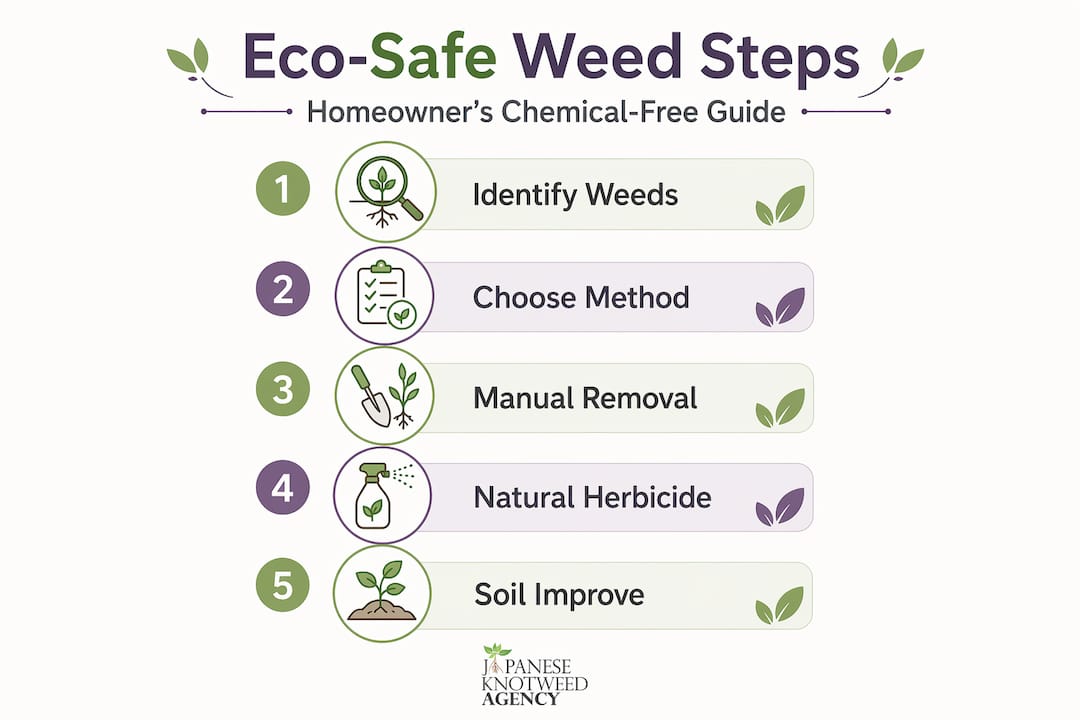
  1. Schedule a comprehensive invasive weed survey within two weeks of identifying potential knotweed presence
  2. Request detailed treatment proposals from at least two certified energy-method specialists
  3. Compare session schedules, total costs, guarantee periods, and lender acceptance documentation
  4. Coordinate treatment commencement with your property purchase timeline to meet completion deadlines
  5. Combine energy treatments with root barrier installation for enhanced long-term control
  6. Maintain detailed records of each treatment session, including dates, methods, and operator certifications
  7. Schedule follow-up monitoring at intervals specified by your treatment plan and lender requirements
  8. Provide complete documentation to solicitors and mortgage providers to demonstrate effective management

Pro tip: Keep detailed records of treatment steps and results to simplify mortgage and legal processes. Organised documentation accelerates lender approvals and provides evidence of responsible property management that protects your investment value.

Understand that monitoring schedules typically require site visits every 4-6 weeks during the growing season, with treatments timed to coincide with peak rhizome activity. This rhythm ensures maximum energy depletion and prevents regrowth between sessions. Your specialist should provide a clear timeline showing when each session occurs and when you can expect final eradication confirmation.

Combining energy treatments with physical barriers creates layered protection that addresses both existing infestations and future spread risks. Root barriers installed around treated areas prevent rhizome migration into neighbouring properties or sensitive site features, whilst energy methods eliminate the source infestation. This integrated approach satisfies lender requirements more effectively than either method alone.

Integrating energy-based eradication with broader property management strategies

Combining energy treatments with root barriers and regular monitoring creates comprehensive knotweed management that protects property value long-term. Barriers physically prevent rhizome regrowth beyond treated areas, containing any residual root fragments whilst energy sessions deplete the main infestation. This dual approach addresses both active eradication and future prevention, giving you confidence that knotweed won’t return to threaten structures or landscaping.

Infographic comparing energy and chemical treatments

Trials by RSPB and SoilSteam in Wales provide evidence supporting energy methods combined with root barriers and monitoring. These field studies demonstrate that integrated strategies achieve higher success rates and faster eradication than single-method approaches. The data shows particular effectiveness when barriers are installed before final treatment sessions, capturing any rhizome fragments attempting to escape the treatment zone.

Strategy 1-year success 2-year success Regrowth incidents Monitoring frequency
Energy alone 78% 91% 12% Monthly
Energy with barriers 89% 97% 3% Quarterly
Barriers alone 45% 52% 38% Monthly
Herbicides alone 62% 81% 19% Monthly

Best practices for integrated knotweed management:

  • Install root barriers before completing final energy treatment sessions to contain escaping rhizomes
  • Schedule monitoring visits quarterly rather than monthly once initial eradication is confirmed
  • Combine surface treatments with deep rhizome targeting for comprehensive cell destruction
  • Document barrier installation details and energy session records for lender compliance
  • Plan treatment timing around property transaction milestones to avoid delays

Common pitfalls to avoid:

  • Starting energy treatments without mapping full rhizome extent risks incomplete eradication
  • Skipping barrier installation in areas with neighbouring knotweed infestations allows recolonisation
  • Inadequate documentation creates lender approval difficulties during property sales
  • Treating during dormant seasons reduces effectiveness and extends timelines
  • Using non-certified operators voids insurance-backed guarantees and lender acceptance

Recent trial results show that properties using integrated energy and barrier approaches achieve mortgage approval 40% faster than those relying solely on herbicide programmes. This speed advantage stems from shorter treatment timelines, clearer eradication endpoints, and growing lender confidence in chemical-free methods backed by robust guarantees.

The Japanese Knotweed removal best practices framework emphasises treating knotweed as a property management priority rather than a one-time fix. Energy methods fit naturally into this ongoing approach, delivering rapid initial results whilst barriers and monitoring provide lasting protection. This perspective helps you plan budgets, timelines, and maintenance schedules that keep your property knotweed-free for decades.

Integrated strategies also address lender concerns more effectively than fragmented approaches. When you present comprehensive documentation showing energy treatments, barrier installations, and monitoring schedules, mortgage providers see a complete management plan rather than isolated interventions. This completeness accelerates approvals and often secures better lending terms by demonstrating responsible property stewardship.

Explore professional knotweed eradication solutions

Navigating Japanese Knotweed during property purchase demands specialist knowledge and proven treatment methods that protect your investment. Professional knotweed services deliver tailored chemical-free eradication using thermo-electric and steam technologies, backed by comprehensive guarantees that satisfy lender requirements. You gain access to certified specialists who understand property transaction timelines and provide documentation that smooths mortgage approvals.

https://japaneseknotweedagency.co.uk

Our team conducts thorough invasive weed surveys that map rhizome extent, assess structural risks, and design treatment plans matching your completion schedule. We coordinate energy sessions with root barrier installations, creating integrated protection that eliminates current infestations whilst preventing future spread. Every treatment is documented to standards mortgage providers recognise, giving you confidence throughout the purchase process.

Pro tip: Early consultation with experts can smooth property transactions and lender approvals. Contact us for a comprehensive survey and treatment plan that addresses your specific site conditions and timeline requirements. Visit our FAQ listing for answers to common questions about energy-based eradication and property purchase implications.

Frequently asked questions

What is energy-based Japanese Knotweed eradication?

Energy-based eradication uses thermo-electric currents or high-temperature steam to kill knotweed without chemicals. Thermo-electric systems deliver 750-5000 volts directly to stems and rhizomes, generating internal heat that ruptures cells and depletes energy reserves. Steam treatments penetrate soil with vapour exceeding 100°C, destroying plant tissue through thermal shock rather than chemical action.

How long does energy eradication take compared to herbicides?

Energy methods achieve complete eradication in 1-2 years with 95% success rates when follow-up sessions are completed. Traditional herbicide programmes require 3-5+ years of repeated applications, often with incomplete results. This speed difference makes energy treatments ideal for property purchases with tight completion deadlines or lender conditions requiring swift resolution.

Are energy treatments safe for families and pets?

Energy-based methods produce zero chemical residues, making treated areas immediately safe for children, pets, and gardening. Unlike herbicides that persist in soil for months, thermo-electric and steam treatments leave no toxic compounds. You can use treated spaces without waiting periods or health concerns, whilst protecting groundwater and complying with environmental regulations.

Do mortgage lenders accept energy treatment certificates?

Lender acceptance of energy methods is growing as track records strengthen and insurance-backed guarantees become standard. Whilst herbicide treatments remain more widely recognised, forward-thinking lenders increasingly approve energy-based programmes that demonstrate comprehensive management plans. Providing detailed documentation of treatment sessions, monitoring schedules, and specialist certifications accelerates mortgage approvals and satisfies due diligence requirements.

How often are energy treatments needed for complete eradication?

Most properties require 4-8 treatment sessions spaced 4-6 weeks apart during growing seasons. Each session depletes rhizome energy reserves, with follow-up monitoring confirming eradication after 12-24 months. Treatment frequency depends on infestation size, soil conditions, and rhizome depth, with specialists adjusting schedules based on regrowth patterns observed between sessions.

根系挖除指南:2026年房主必备处理全攻略

购买或再融资物业时,隐藏的根系侵入问题可能成为房产安全与价值的隐形杀手。树根侵入地基、堵塞管道甚至引发结构裂缝的案例屡见不鲜,处理不当将带来高昂的维修成本和法律纠纷。本文将从根系挖除的基本方法讲起,帮助您理解每种方案的优缺点及实际应用,掌握如何在房产交易中识别风险、制定科学的处理计划,保障您的投资安全。无论您是首次购房还是准备再融资,这份实用指南都将为您提供清晰的行动路线。

目录

关键要点

要点 详情
房产 风险 点 树根侵入可能导致地基裂缝、管道堵塞及结构损坏,从而影响房产安全与价值。
根系 挖除 方法 主要方法包括断根处理、物理屏障、完全移除和化学枯死,各自的适用条件和成本差异明显。
预算 与 成本 费用受树木胸径和处理难度影响较大,建议在决策前获取至少三家报价并留出应急预算。
专业 评估 与 检测 购买前进行专业评估以明确风险等级和制定科学处理方案,能够降低二次损害与交易纠纷。

根系挖除的主要方法及原理

处理根系问题需要根据树木状况和房产需求选择合适方法。根系挖除的主要方法包括断根处理、物理屏障安装、完全根系移除和化学枯死处理,每种方法都有其独特的工作机制和适用条件。

断根处理是最常见的保守方法。这种方式通过切除靠近建筑物或管道的主根,同时保留树木本体。关键在于切口必须用专业防腐剂或密封材料处理,防止病菌侵入导致树木腐朽。这种方法适合希望保留景观树木但需要控制根系蔓延的情况。

物理屏障通过安装导根板或防根布,在地下形成坚固的阻隔层。导根板通常采用高密度聚乙烯材料,深度达1.5至2米,能够引导根系向下或横向生长,避免侵入建筑基础。防根布则适用于花园边界,既透水又能阻止细根穿透。这种方法环保且效果持久,是防治入侵植物方法中的重要选项。

完全根系移除适用于树木已经死亡或根系严重威胁结构安全的情况。施工团队使用挖掘机或专业设备,将主根和侧根系统完全挖出。这种方法彻底解决问题,但成本较高,且可能对周边土壤和建筑造成短期扰动。

化学枯死处理通过向树桩或根系注入除草剂,快速杀死活根。虽然见效快,但化学物质可能污染土壤和地下水,对周边植物造成影响。这种方法仅建议在其他方法无效且环境影响可控的情况下使用。

接着,分析根系破坏对房产和基础设施带来的潜在安全风险。

根系对房产安全的影响及风险评估

树根侵入不仅仅是景观问题,更是房产结构安全的隐患。树根破坏会导致地基裂缝、管道破裂与地面隆起,增加维修成本和安全隐患。

地基裂缝与沉降是最严重的风险之一。树根在寻找水源时会侵入地基周围的土壤,吸收水分导致土壤收缩。粘土地质尤其敏感,干燥季节土壤体积减少可能造成地基不均匀沉降,墙体出现裂缝。修复地基裂缝的费用往往高达数万英镑,远超提前处理根系的成本。

管道破坏与堵塞同样常见。树根能够探测到排水管中的微小裂缝或接缝,通过这些缝隙侵入管道内部。根系在管道中生长会造成堵塞,严重时甚至撑破管道。更换地下管线不仅费用高昂,还需要大面积开挖,破坏庭院和车道。

邻居树根侵入可能引发法律争议。如果相邻物业的树木根系侵入您的土地并造成损害,确定责任归属和赔偿方案往往需要法律介入。提前识别边界树木的根系分布,能够避免未来的纠纷。

专业提示:购买物业前务必进行买房杂草调查,专业团队能够识别潜在的根系风险和入侵植物问题,为您提供详细的风险评估报告。

专业根系风险评估是制定处理计划的前提。树艺师会检查树木种类、胸径、与建筑的距离以及土壤类型,评估根系侵入的可能性和严重程度。使用入侵植物排查清单能够系统化地识别潜在威胁。

保护房产价值需提前防范根系隐患。定期检查地面是否有隆起、墙体是否有新裂缝、排水是否通畅,这些都是早期预警信号。及时处理小问题能够避免演变成结构性损害。

理解风险后,下一步解析根系挖除的费用构成及预算考量。

根系挖除的成本与预算指南

合理估算挖除费用能够帮助您做出明智的财务决策。根系挖除费用因树木尺寸及处理方式差异大,小型树约每株0.25至4元,大树可能达数万元。

树木类型 胸径范围 挖除费用区间 处置费
小型树木 10厘米以下 0.25-4元/株 包含
中型树木 10-30厘米 500-3000元 另付200-800元
大型树木 30厘米以上 5000-30000元 另付1000-5000元
完全根系挖除 不限 8000-50000元 视土方量定

树木胸径大小是决定费用的首要因素。胸径越大,根系越发达,挖除难度和所需设备也更复杂。小型树木可以人工处理,而大型树木往往需要起重机、挖掘机等重型设备,人工和设备租赁成本显著增加。

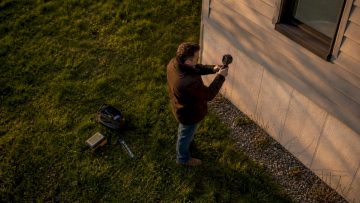
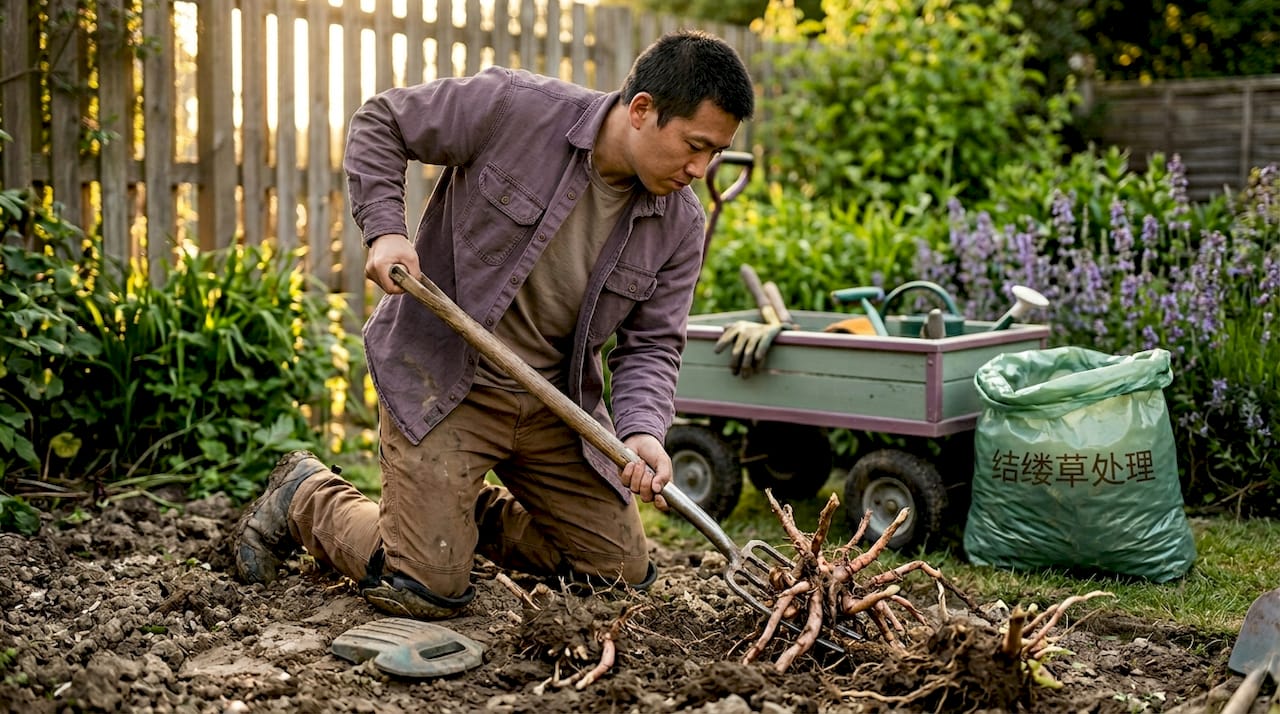
施工人员正在房屋地基附近清理树根,以防止根系对基础造成影响。

清除难度受位置和土壤条件影响。树木靠近建筑物或地下管线时,施工需要格外小心,可能需要手工挖掘或使用气动工具,耗时更长。岩石土壤或根系深度超过3米的情况,也会增加施工难度和费用。

根系处置费往往需要另付。挖出的根系和土方需要运输到指定地点处理,处置费按重量或体积计算。如果根系含有病害或化学残留,处置费用会更高。

专业提示:提前获取至少三家专业团队的报价,比较服务内容和保障条款。选择有资质认证和保险覆盖的团队,虽然报价可能略高,但能够避免施工事故和隐形成本。

预算隐形成本包括庭院修复、管道检查和后续维护。挖除后的土坑需要回填和夯实,庭院可能需要重新铺设草坪或铺装。建议预留总费用的15%至20%作为应急预算。了解杂草调查费用能够帮助您全面规划房产维护预算。

有了预算认知,紧接着比较不同挖除方法的优劣,便于您作出科学选择。

根系挖除方法的优缺点对比与选择建议

不同方法各有利弊,选择时需要综合考虑成本、效果、环境影响和长期维护需求。完全移除虽然彻底,但破坏大、费用高;物理屏障与断根保留树木景观;化学法快速但污染风险大

根系挖除常用方法及其优劣对比一览

方法 优点 缺点 适用场景
断根处理 保留树木,成本适中,景观影响小 需定期维护,切口保护要求高 希望保留树木但需控制根系蔓延
物理屏障 环保持久,阻隔效果稳定,免维护 初期安装成本较高,需专业施工 新建房产或长期防护需求
完全移除 彻底解决问题,无后顾之忧 费用高,可能损伤周边结构,景观破坏大 树木已死或根系严重威胁安全
化学枯死 见效快,施工简便 土壤污染风险,影响周边植物,法规限制多 其他方法无效且环境可控

完全挖除适合根系已经造成明显结构损害或树木无保留价值的情况。虽然一次性成本高,但能够彻底消除隐患,避免反复处理。施工前需要详细勘察地下管线和邻近建筑,制定安全施工方案。

断根处理是平衡成本与景观的理想选择。通过精准切除威胁区域的根系,既保护了建筑安全,又保留了树木的生态和美观价值。关键在于切口必须用树木伤口愈合剂处理,防止病菌侵入。每年检查一次,确保新根没有再次侵入。

物理屏障是最环保且效果稳定的预防措施。高密度聚乙烯根障板能够使用30年以上,无需化学药剂,对土壤和地下水零污染。安装时需要挖掘至少1.5米深的沟槽,确保屏障底部密封,防止根系从下方绕过。这种方法特别适合新建房产或计划长期居住的业主。

化学方法应作为最后选择。英国环境法规对除草剂使用有严格限制,特别是靠近水源或保护区的区域。如果必须使用,应选择专业持证团队操作,使用低毒性、可降解的产品,并严格按照说明剂量施用。

专业提示:建议优先采用物理屏障与断根处理结合的方案。先断根消除现有威胁,再安装屏障防止未来侵入,这种组合既经济又有效。参考防止结缕草再生操作的系统化思路,制定多层次防护计划。

全面理解方法优劣后,介绍如何将根系挖除纳入您的房产购买与再融资计划。

根系挖除在房产交易中的实用应用与规划

购买或再融资物业时,根系问题可能影响房产估值和贷款审批。建议购买物业前查证根系侵入迹象,预算挖除、整地、屏障安装,聘请专业避免二次损害。

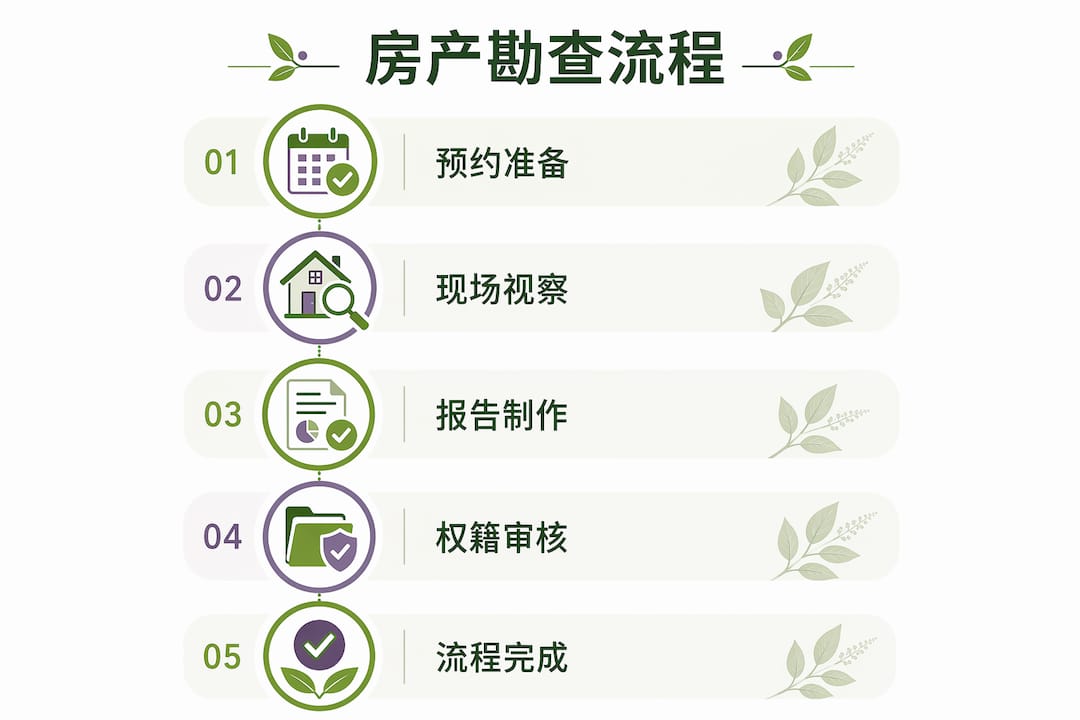
  1. 识别根系侵入迹象:查看地面是否有不规则隆起,特别是靠近大树的区域。检查外墙和室内墙体是否有新裂缝,尤其是门窗周围。测试排水系统是否通畅,马桶或水槽排水缓慢可能是根系堵塞的信号。

  2. 聘请专业评估团队:在签订购房合同前,委托树艺师或买房杂草调查专业团队进行全面检查。评估报告应包括树木种类、健康状况、根系分布预测和风险等级。这份报告不仅帮助您了解现状,也是与卖家协商价格或要求整改的依据。

  3. 制定具体处理方案:根据评估结果,确定是采用断根、安装屏障还是完全移除。如果树木位于边界,需要与邻居沟通,明确责任和费用分担。方案应包括施工时间表、预期效果和后续维护计划。

  4. 编制详细预算:将挖除费、处置费、屏障安装费和庭院修复费全部纳入预算。如果是再融资,需要向贷款机构说明根系处理计划,证明物业价值不受影响。预留15%的应急资金应对施工中的意外情况。

  5. 执行与验收:选择有资质和保险的施工团队,签订详细合同,明确工期、质量标准和保修条款。施工完成后,要求提供根系挖除证明和废弃物处置凭证,这些文件在未来出售物业时可能需要向买家展示。

使用入侵植物评估流程的系统化方法,能够确保每个环节都有据可查。定期检查处理区域,特别是第一年春季,观察是否有新根萌发。如果发现问题,及时联系施工团队进行保修处理。

参考入侵植物排查清单建立长期监测机制。每年春秋两季检查一次,记录树木生长状况和根系控制效果。这种主动管理能够最大限度保障房产安全和价值。

梳理完实操步骤,接下来简述我们服务中可为您提供的专业支持和资源。

专业根系处理服务助您保障房产安全

面对复杂的根系问题,选择经验丰富的专业团队能够让您省心省力。Japanese Knotweed Agency不仅专注于入侵植物的无化学处理,还提供全方位的根系管理解决方案。

我们的团队在英格兰、威尔士和爱尔兰开展物业调查服务,使用先进的检测技术识别根系侵入风险。无论是日本虎杖还是其他顽固植物的根系问题,我们都能提供精准的评估报告和定制化处理方案。我们的无化学电能处理技术通过直接输送高达5000伏电能,破坏根系细胞结构,逐步耗尽地下茎网络的能量储备,实现彻底根除且不污染土壤。

https://japaneseknotweedagency.co.uk

除了创新的电能处理,我们还提供专业的根障安装和挖掘工程服务。高密度聚乙烯根障板能够持久阻隔根系横向蔓延,保护您的地基和管道安全。如果需要完全移除根系,我们的施工团队配备专业设备和保险覆盖,确保施工安全和质量。

从初步评估到方案设计,从施工执行到后续监测,我们提供一站式服务。联系Japanese Knotweed Agency,让专业团队为您的房产保驾护航,消除根系隐患,保障长期价值。

常见问题解答

根系挖除需要多长时间完成?

小型树木的断根处理通常1至2天完成,大型树木的完全挖除可能需要3至5天,具体取决于根系复杂程度和施工条件。

挖除根系后多久可以重新种植?

建议等待至少3个月,让土壤恢复稳定并检查是否有残留根系萌发。如果使用过化学处理,需等待6个月以上确保药剂完全降解。

邻居的树根侵入我的土地谁负责处理?

法律上树木所有者有责任控制根系,但实际操作中建议先友好协商。如果协商无果,可以自行处理侵入部分并保留费用凭证,必要时通过法律途径追偿。

根障安装后还需要维护吗?

高质量根障通常免维护,但建议每5年检查一次接缝处是否完好,确保没有根系从顶部或底部绕过。定期清理地表落叶和杂物,避免堆积影响排水。

如何判断根系问题是否严重到需要专业处理?

如果发现墙体裂缝宽度超过3毫米、排水持续缓慢超过一周、地面隆起高度超过5厘米,或者树木距离建筑不足其成年高度的一半,建议立即联系专业团队评估。

推荐

日本虎杖识别方法:保护房产价值的实用指南2026

购房或抵押时,您是否担心院子里那些竹状植物可能是日本虎杖?这种入侵植物可能导致房产价值下降10%-30%,影响贷款审批。准确识别日本虎杖是保护财产的第一步。本文将详细介绍不同季节的识别特征、风险影响及专业治理方案,帮助您避免因误判而造成的经济损失,确保房产交易顺利进行。

目录

关键要点

要点 详情
季节特征分明 日本虎杖在春夏秋冬的外观和生长速度具有明显差异,掌握季节特征有助于快速识别。
房产风险影响 发现虎杖存在会导致房产价值下降10至30%,并可能影响抵押贷款的审批。
专业治理必要 自行清除可能导致碎片扩散,应由PCA认证的专业机构制定治理计划并执行。
治理选项与时长 化学治理、物理根障和高压电击等方法可选,通常需要2到5年长期治理并持续监控。

日本虎杖的识别标准和关键特征

准确识别日本虎杖需要了解其在不同季节的典型特征。春季红色或紫色新芽,夏季竹状空心带紫斑茎,叶子心形或铲形,根茎有橙色断面是最显著的识别标志。这些特征随季节变化明显,掌握它们能帮助您快速判断。

春季是识别的最佳时机。新芽呈红色或紫色,像芦笋一样从地面冒出,生长速度极快。夏季植株可达2-3米高,茎秆空心呈竹状,表面有紫红色斑点。叶片长10-15厘米,呈心形或铲形,沿茎交替生长。秋季会开出乳白色小花,聚集成簇。冬季地上部分枯萎,留下褐色枯茎。

根系是日本虎杖最危险的部分。地下根茎深可达2米,横向扩展7-18米。根茎外表褐色,切开后断面呈鲜明的橙色或黄色。即使只有指甲大小的根茎碎片,也能重新生长成完整植株。这种强大的繁殖能力使其难以彻底清除。

主要识别特征对比:

  • 茎秆:空心竹状结构,带紫红色斑点,节间明显
  • 叶片:心形或铲形,长10-15厘米,叶尖尖锐
  • 花朵:乳白色小花,秋季成簇开放
  • 根茎:橙色断面,深达2米,横向扩展可达18米
  • 生长速度:春夏季每天可长10厘米

与其他植物的区分也很重要。日本虎杖常被误认为竹子或蓼科植物,但竹子是实心的,叶片更窄长。了解日本虎杖识别方法能避免混淆。专业的日本虎杖风险评估清单可帮助您系统检查。

一双手正在对比虎杖和竹子的茎部差异

专业提示: 拍摄植物照片时,要包含茎秆、叶片和生长环境的全景照片,这能帮助专家远程初步判断。春季和夏季的照片最有参考价值。

日本虎杖对房产的风险影响及法律法规

日本虎杖的存在会严重影响房产价值和交易流程。日本虎杖存在可导致房产价值降10-30%,影响贷款是房主必须面对的现实。贷款机构通常要求提供专业治理计划才会批准抵押申请。

房产交易中,卖方必须在TA6表格中如实披露日本虎杖的存在。隐瞒信息可能导致法律纠纷和经济赔偿。案例显示赔偿金额达1万英镑,这警示房主必须重视披露义务。即使植物已被治理,也需要说明历史情况和治理措施。

英国法律对日本虎杖的管理有明确规定。虽然拥有日本虎杖不违法,但允许其扩散到邻居土地则可能面临法律责任。根据《反社会行为、犯罪和治安法2014》,任意扩散可能被视为滋扰行为。处理虎杖废料也需遵守特殊规定,必须运送到指定场所。

法律和财务影响:

  • 房产贬值10%-30%,影响转售价格
  • 贷款机构可能拒绝批准或要求治理证明
  • TA6表格必须如实披露,隐瞒可能导致诉讼
  • 扩散到邻居土地可能面临法律赔偿
  • 治理费用通常在2000-10000英镑之间

了解日本虎杖危害与风险能帮助您评估潜在影响。日本虎杖保险影响也是需要考虑的重要因素。专业评估能为贷款申请提供必要的支持文件。

“房产中存在日本虎杖不仅影响当前价值,还可能导致未来交易困难。及早发现和专业治理是保护投资的明智选择。”

日本虎杖的专业治理方法及防扩散策略

治理日本虎杖需要专业知识和长期投入。自行挖除是最危险的做法,因为任何遗留的根茎碎片都会重新生长,反而加速扩散。治理采用草甘膦或根障技术,周期2-5年是目前最有效的方法。

化学治理使用草甘膦除草剂,需要在生长季节多次施用。专业机构会在春夏季节每隔4-6周喷洒一次,持续2-3年。这种方法成本相对较低,但需要耐心等待。治理过程中植物会逐渐衰弱,但不会立即消失。完全根除需要持续监控,确保没有复发。

物理根障是另一种有效方案。在虎杖周围安装高密度聚乙烯根障,深度至少2米,能阻止根茎扩散。这种方法适合需要快速控制风险的情况,尤其是靠近建筑物或边界的区域。根障安装后仍需定期检查,防止根茎绕过或穿透。

主要治理方法对比:

治理方法 周期 成本 优点 缺点
化学喷洒 2-3年 较低 彻底根除 周期长
根障安装 即时控制 较高 快速见效 需持续监控
挖除清理 数月 最高 立即移除 风险高易扩散
高压电击 1-2年 中等 无化学残留 需专业设备

自行挖除易导致碎片扩散,治理需PCA专业认证机构介入。专业团队使用的现场高压除草方法能在不使用化学品的情况下有效治理。这种技术通过直接输送高达5000伏电压,破坏植物细胞和根系能量储备。

治理步骤:

  1. 联系PCA认证专业机构进行现场评估
  2. 制定详细的治理计划和时间表
  3. 根据方案选择化学、物理或综合治理
  4. 定期监控治理效果,调整方案
  5. 获取治理完成证明,支持房产交易

了解无化学治理方法入侵植物治理步骤能帮助您选择最适合的方案。

专业提示: 治理期间避免在虎杖区域进行任何土壤扰动,包括修剪、挖掘或堆放材料。这些活动可能导致根茎碎片扩散到新区域。

专业评估与持续监测:保障房产安全的关键环节

专业评估是制定有效治理方案的基础。PCA认证专业人员评估能提供贷款友好治理计划,这对房产交易至关重要。评估报告会详细记录虎杖的分布范围、生长状况和风险等级,为后续治理提供科学依据。

评估重点包括建筑物7米范围内的所有可疑植物。专业人员会检查围栏、排水沟、车道裂缝等容易被忽视的区域。这些地方往往是虎杖隐藏生长的位置。评估还会使用探地雷达等技术探测地下根系分布,确保不遗漏任何风险点。

持续监测是防止复发的关键。即使治理完成,也建议每年春季进行一次检查。新芽最容易在春季发现,及早处理能避免问题扩大。监测记录应保存至少5年,作为房产交易时的证明文件。这些记录能向买家和贷款机构展示治理的有效性。

评估和监测要点:

  • 聘请PCA认证勘察师进行专业评估
  • 重点检查建筑物7米范围和边界区域
  • 使用探地雷达探测地下根系分布
  • 制定详细的治理计划和监测时间表
  • 保存完整的评估和治理记录至少5年

专业报告不仅支持贷款申请,还能在房产交易中保护您的权益。了解入侵植物调查流程房产入侵植物调查指南能帮助您更好地准备评估。

专业提示: 购房前务必要求卖方提供日本虎杖评估报告和治理记录。如果卖方无法提供,建议自行委托专业机构进行独立评估,避免购买后发现问题。

了解更多专业日本虎杖管理方案

保护房产免受日本虎杖侵害需要专业支持和科学方法。Japanese Knotweed Agency提供全面的评估和治理服务,采用先进的无化学高压电击技术,在英格兰、威尔士和爱尔兰开展专业调查和治理工作。

https://japaneseknotweedagency.co.uk

我们的专业团队能够提供PCA认证的详细评估报告,制定贷款友好的治理方案。无论您需要化学治理、根障安装还是挖除清理,我们都能根据您的具体情况提供最优解决方案。了解入侵植物评估步骤指南无化学治理方案优势,帮助您做出明智决策。

我们的高压电击技术能直接输送最高5000伏电压,破坏植物细胞和根系能量,无需化学残留。这种方法环保高效,治理周期通常为1-2年。访问我们的日本虎杖常见问题解答获取更多信息,或联系我们的专业团队安排现场评估。

如何判断我院子里是否有日本虎杖?

如何判断我院子里是否有日本虎杖?

观察春季红紫色芦笋状新芽和夏季空心带紫斑的竹状茎是初步判断方法。叶片呈心形或铲形,长10-15厘米,秋季开白色小花。如果发现这些特征,建议拍摄清晰照片并联系PCA认证专业人士确认,避免误判。

发现日本虎杖后我可以自己处理吗?

绝对不建议自行处理,特别是挖除。任何根茎碎片都会重新生长,自行挖除反而会导致扩散到更大范围。专业治理需要系统方案和持续监控,建议联系PCA认证机构进行评估和治理,确保彻底根除。

日本虎杖会不会影响我的房产抵押贷款?

会产生显著影响。存在日本虎杖可能导致房产价值降低10%-30%,许多贷款机构要求提供专业治理计划才会批准抵押申请。TA6表格中必须如实披露虎杖情况,隐瞒可能导致交易失败和法律纠纷。

治理日本虎杖的有效方法有哪些?

主流方法包括草甘膦化学喷洒和物理根障安装。化学治理需2-3年持续施用,成本较低但周期长。根障能快速控制扩散,适合紧急情况。新型高压电击技术无化学残留,治理周期1-2年。所有方法都需要专业机构实施和持续监控。

如何找到专业认证的日本虎杖治理机构?

选择持有PCA认证的专业机构能确保治理合规有效。可以通过Property Care Association官方网站查询认证名单,或访问专业治理机构网站了解资质和案例。要求查看认证证书和以往治理成功案例,确保机构具备必要的专业能力和经验。

推荐

Why use non-chemical methods for Japanese Knotweed removal

Many homeowners assume chemical treatments are the safest way to tackle Japanese Knotweed, but growing health concerns and regulatory restrictions tell a different story. Glyphosate herbicides can take years to work, pose potential risks to families and pets, and may complicate property transactions. This guide explores why non-chemical knotweed controls offer faster, safer alternatives that protect both your health and property value, helping you navigate mortgage requirements and future-proof your treatment approach.

Table of Contents

Key Takeaways

Point Details
Faster non chemical eradication Non chemical methods remove Japanese Knotweed in about one to two years, far quicker than typical herbicide programmes.
Health safety for families They eliminate exposure to glyphosate and other herbicides, protecting children, pets and garden ecosystems.
Regulatory compliance edge As glyphosate restrictions tighten by 2026, non chemical approaches align with upcoming rules and avoid disruption mid programme.
Protects property value Non chemical eradication enables immediate replanting after eradication, reducing mortgage concerns and helping maintain property value.

Understanding Japanese Knotweed and chemical treatment concerns

Japanese Knotweed is an aggressive invasive plant that causes structural damage to buildings, drains, and patios whilst reducing property values by 5-15% across England, Wales, and Ireland. Its extensive rhizome network spreads underground up to seven metres horizontally and three metres deep, making eradication challenging. The plant’s ability to exploit tiny cracks in foundations and tarmac creates costly repair bills that alarm mortgage lenders.

Chemical herbicides containing glyphosate have been the traditional treatment approach for decades, requiring repeated applications over multiple growing seasons. However, energy-based eradication methods avoid health risks from glyphosate, which has been linked to cancers and neurological issues in some studies. Whilst regulatory bodies continue debating glyphosate’s safety profile, many homeowners feel uncomfortable exposing their families, pets, and garden ecosystems to repeated herbicide applications.

The regulatory landscape is shifting rapidly. Anticipated restrictions or bans on glyphosate use in the UK and Ireland by 2026 reflect growing precautionary principles in environmental policy. Some European countries have already implemented strict limitations, creating uncertainty for homeowners who begin lengthy chemical treatment programmes.

Common concerns with chemical treatments include:

  • Treatment duration extending 3-5 years with multiple seasonal applications
  • Potential health risks from herbicide exposure, especially for children and pets
  • Soil contamination requiring expensive waste disposal if excavation becomes necessary
  • Mortgage complications when lenders demand proof of complete eradication
  • Delayed garden use and replanting restrictions during active treatment periods

These challenges explain why homeowners increasingly seek alternatives that deliver results without the drawbacks of chemical approaches.

Benefits of non-chemical knotweed eradication methods

Non-chemical methods achieve complete Japanese Knotweed removal in 1-2 years versus the 3-5 year timeline typical for herbicide programmes. This accelerated eradication timeline directly benefits homeowners facing property transactions, remortgaging needs, or simply wanting to reclaim their gardens sooner. The speed advantage stems from targeting the plant’s energy reserves and cellular structure rather than relying on slow herbicide absorption.

Crew hand-removing knotweed roots in backyard

Health and safety benefits represent perhaps the most compelling advantage for families. Non-chemical treatments eliminate exposure to glyphosate and other herbicides, protecting children who play in gardens, pets that explore outdoor spaces, and beneficial insects that support garden ecosystems. You can use your outdoor space throughout the treatment process without worrying about chemical residues on surfaces or in soil.

Regulatory compliance offers future-proofing that chemical methods cannot match. Glyphosate restrictions anticipated in the UK and Ireland by 2026 mean chemical treatment programmes started today may face interruption or require switching mid-course. Non-chemical approaches align with evolving environmental standards, ensuring your investment remains valid regardless of regulatory changes.

Environmental advantages extend beyond avoiding herbicide contamination. Non-chemical treatments allow immediate replanting after eradication, enabling garden restoration without waiting for chemical residues to break down. Soil remains uncontaminated, preserving its natural biology and supporting healthy plant growth. If excavation becomes necessary for construction, treated soil can be managed as standard waste rather than expensive contaminated material.

Key benefits for homeowners:

  • Documented eradication within 1-2 years speeds mortgage approvals and property sales
  • Zero herbicide exposure protects family health and garden ecosystems
  • Compliance with current and future environmental regulations
  • Immediate site reuse without waiting for chemical breakdown periods
  • Reduced total treatment costs through shorter programme duration

Pro tip: Request detailed treatment documentation from your provider, including site plans, treatment dates, and photographic evidence. Mortgage lenders increasingly demand comprehensive records, and thorough documentation from chemical-free eradication workflows strengthens your position during property transactions.

Treatment aspect Chemical methods Non-chemical methods
Typical duration 3-5 years 1-2 years
Health risks Glyphosate exposure concerns None
Soil contamination Possible residues None
Regulatory compliance Uncertain with pending restrictions Future-proof
Site reuse timing Delayed for chemical breakdown Immediate

Choosing the right non-chemical method for your property

Mechanical removal suits small infestations covering less than 10 square metres where complete excavation is practical. This approach works best for contained spread but requires removing all rhizome material to prevent regrowth from tiny fragments. The labour intensity and disposal costs make mechanical removal impractical for larger infestations, though it delivers immediate results when executed properly by experienced contractors.

Infographic comparing non-chemical knotweed methods

Thermo-electric treatment uses precisely controlled 5000-volt electricity to destroy plant cells throughout the rhizome network. This method excels in sensitive locations near water courses, conservation areas, or protected species habitats where herbicide use faces restrictions. The electrical energy causes internal cell damage and depletes the plant’s energy reserves with each treatment session, systematically weakening the infestation without chemical residues or soil disturbance.

Roots Reset employs a plant-based granulate that seals rhizomes and prevents regeneration, offering rapid site preparation for construction or landscaping projects. This biological approach allows immediate replanting and site development whilst the sealed rhizomes decompose naturally underground. The method particularly suits homeowners needing quick turnaround for property improvements or sales.

Professional application remains critical regardless of method choice. Japanese Knotweed’s remarkable regenerative ability means even rice grain-sized rhizome fragments can spawn new growth. Experienced contractors understand growth patterns, seasonal vulnerabilities, and treatment timing that maximises effectiveness whilst minimising sessions required.

Steps to select and implement the right treatment:

  1. Commission a professional survey to map infestation extent, identify rhizome spread patterns, and assess site-specific constraints
  2. Evaluate treatment options based on infestation size, proximity to sensitive features, required completion timeline, and budget parameters
  3. Verify contractor credentials including professional indemnity insurance, treatment guarantees, and documented success rates with your chosen method
  4. Request a detailed treatment plan specifying session frequency, monitoring protocols, and documentation procedures for mortgage lender requirements
  5. Establish a monitoring schedule with your contractor to track progress, adjust treatment intensity if needed, and document eradication milestones
  6. Obtain completion certification with comprehensive photographic evidence and site plans showing treated areas for future property transactions

Pro tip: Consult specialists who offer multiple non-chemical methods rather than contractors committed to a single approach. Different site conditions favour different techniques, and experienced providers can recommend the optimal solution for your specific circumstances. Comprehensive documentation from the chemical-free treatment process satisfies even the strictest mortgage lender requirements.

How non-chemical methods protect your property value and mortgage prospects

Japanese Knotweed reduces property values by 5-15% and creates significant mortgage complications across England, Wales, and Ireland. Lenders view infestations as structural risks and potential legal liabilities, often refusing mortgages outright or demanding substantial retention amounts until eradication is proven. This financial impact extends beyond the immediate property, as neighbouring homes may experience value suppression from perceived spread risks.

Mortgage lenders require comprehensive evidence of complete eradication before approving loans or remortgaging applications. Non-chemical methods provide this documentation faster than chemical programmes, reducing the holding period that delays property transactions. The 1-2 year treatment timeline means buyers can secure financing sooner, and sellers face shorter marketing periods with reduced negotiation leverage lost to knotweed concerns.

Documented compliance with non-chemical treatments carries particular weight with risk-averse lenders. Treatment records showing systematic progress, professional contractor credentials, and guarantee-backed completion certificates demonstrate responsible property stewardship. These comprehensive records address lender concerns more effectively than ongoing chemical programmes with uncertain completion dates.

Factor Chemical treatment impact Non-chemical treatment impact
Average value reduction 5-15% during 3-5 year treatment 5-15% during 1-2 year treatment
Mortgage approval timeline Delayed until completion proof after 3-5 years Faster approval with completion proof after 1-2 years
Lender confidence Moderate due to lengthy timeline and regulatory uncertainty Higher due to faster completion and compliance
Transaction delays Extended due to ongoing treatment status Reduced through quicker documented eradication

Benefits for homeowners managing property value:

  • Shorter treatment duration minimises the period of value suppression and mortgage complications
  • Comprehensive documentation from professional providers satisfies lender due diligence requirements
  • Eliminated herbicide concerns remove an additional negotiation point that buyers exploit
  • Faster site restoration allows property improvements that enhance value and marketability
  • Regulatory compliance protects against future treatment invalidation that could restart the value impact clock

The financial advantages extend beyond immediate property value protection. Quicker eradication enables garden improvements, extensions, or landscaping projects that enhance overall property appeal. Homeowners can market properties confidently, knowing treatment completion certificates provide the evidence buyers and their lenders demand. Understanding the connection between treatment choice and property value impact helps you make informed decisions that protect your largest financial asset.

Explore professional chemical-free knotweed solutions

Protecting your property investment and family health requires proven expertise in non-chemical Japanese Knotweed eradication. Professional services deliver safe, effective treatments using advanced thermo-electric and biological methods that achieve documented results within 1-2 years. These approaches eliminate herbicide risks whilst providing the comprehensive treatment records mortgage lenders demand.

https://japaneseknotweedagency.co.uk

Experienced contractors understand how different site conditions, infestation patterns, and property constraints influence treatment success. They provide detailed documentation throughout the eradication process, creating the evidence trail essential for property transactions and remortgaging applications. Professional guarantees backed by insurance protect your investment and provide peace of mind that treatment will achieve complete eradication.

Explore detailed guidance on the chemical-free knotweed treatment process to understand what professional services deliver. Access comprehensive Japanese Knotweed FAQs addressing common homeowner concerns about treatment methods, timelines, costs, and mortgage implications. Making informed decisions about knotweed removal protects both your property value and your family’s wellbeing.

Frequently asked questions

What are the non-chemical methods available for Japanese Knotweed?

Thermo-electric treatment uses 5000-volt electricity to destroy plant cells throughout the rhizome network, causing internal damage and depleting energy reserves. Roots Reset employs plant-based granulates that seal rhizomes and prevent regeneration whilst allowing immediate site reuse. Mechanical removal excavates all plant material and rhizomes, suitable for small contained infestations under 10 square metres. Each method offers distinct advantages depending on site conditions, infestation size, and required completion timeline.

How long do non-chemical treatments take compared to chemicals?

Non-chemical methods typically achieve complete eradication within 1-2 years through targeted approaches that attack the plant’s cellular structure and energy systems. Chemical herbicide programmes require 3-5 years of repeated seasonal applications as glyphosate slowly weakens the extensive rhizome network. The faster timeline with non-chemical approaches reduces the period of property value suppression and speeds mortgage approvals. Treatment duration varies based on infestation severity, but non-chemical methods consistently outpace herbicide programmes.

Are non-chemical treatments safe for my family and pets?

Non-chemical methods eliminate all herbicide exposure risks, allowing children and pets to use garden spaces throughout treatment without health concerns. Thermo-electric approaches use contained electrical energy that poses no residual risks once treatment sessions conclude. Biological methods like Roots Reset use plant-based materials that integrate safely into soil ecosystems. These approaches protect beneficial insects, soil biology, and garden plants whilst effectively targeting Japanese Knotweed, making them ideal for family homes prioritising health and environmental safety.

Can non-chemical removal enhance property sale and mortgage approval?

Quicker documented eradication within 1-2 years provides the completion evidence mortgage lenders require sooner than chemical programmes. Professional treatment records demonstrating systematic progress and guaranteed results build lender confidence and reduce transaction delays. The shorter value suppression period minimises negotiation leverage buyers gain from knotweed presence. Comprehensive documentation from non-chemical treatments satisfies even strict lender requirements, smoothing property sales and remortgaging applications whilst protecting your investment value throughout the process.