Why Knotweed Affects Properties: Complete Guide

Most american homeowners are surprised to learn that Japanese knotweed can grow up to 10 centimeters every single day, making it one of the fastest spreading invasive plants. This reputation has created anxiety and myths about its potential for property destruction and mortgage rejection. Accurate information is crucial because confusion over Japanese knotweed often leads to costly mistakes. Get the facts you need to separate science from rumor and make informed choices about this misunderstood plant.

Table of Contents

Key Takeaways

Point Details
Understanding Japanese Knotweed Japanese knotweed is an invasive species that can grow rapidly and regenerate from small fragments, requiring targeted management.
Impacts on Property Value The presence of Japanese knotweed can reduce property values by 5-20% and complicate mortgage approvals, despite exaggerated damage claims.
Legal Responsibilities Homeowners must prevent Japanese knotweed from spreading, manage contaminated soil responsibly, and can face fines for non-compliance.
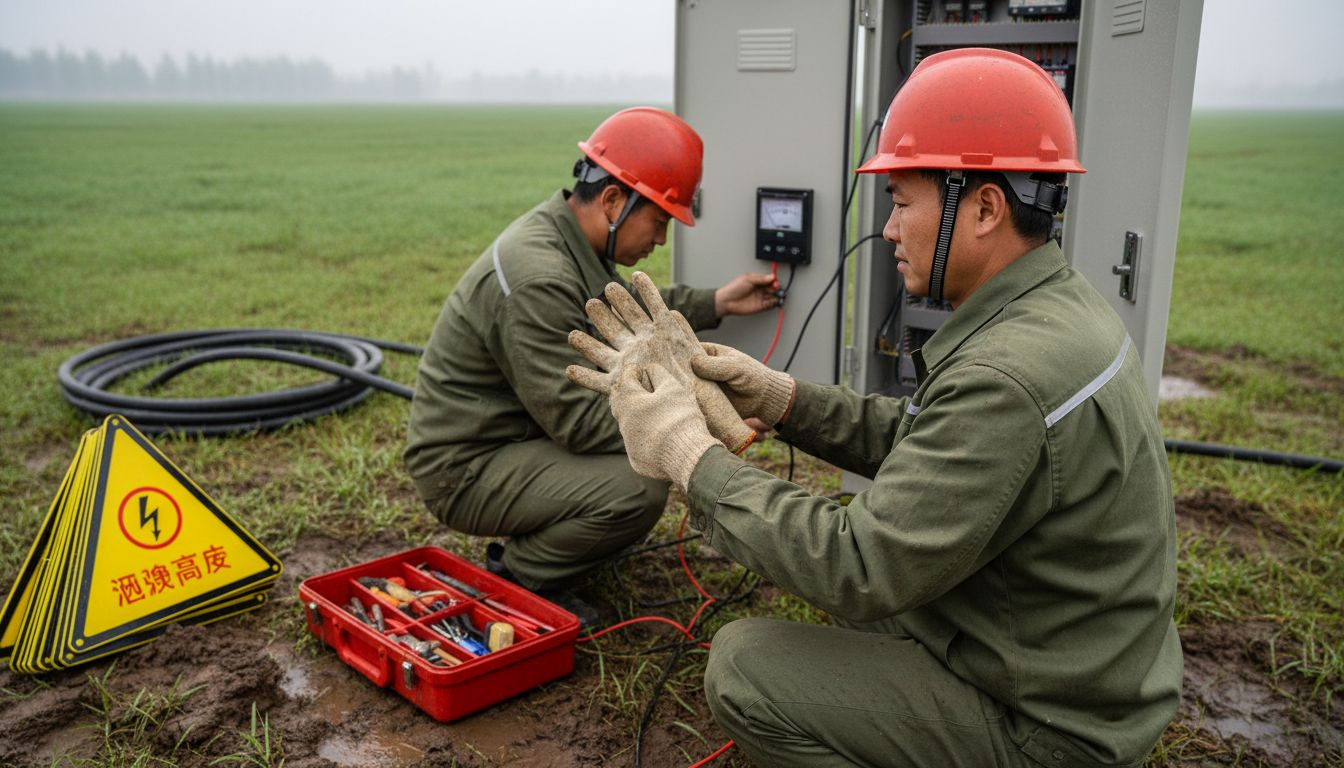
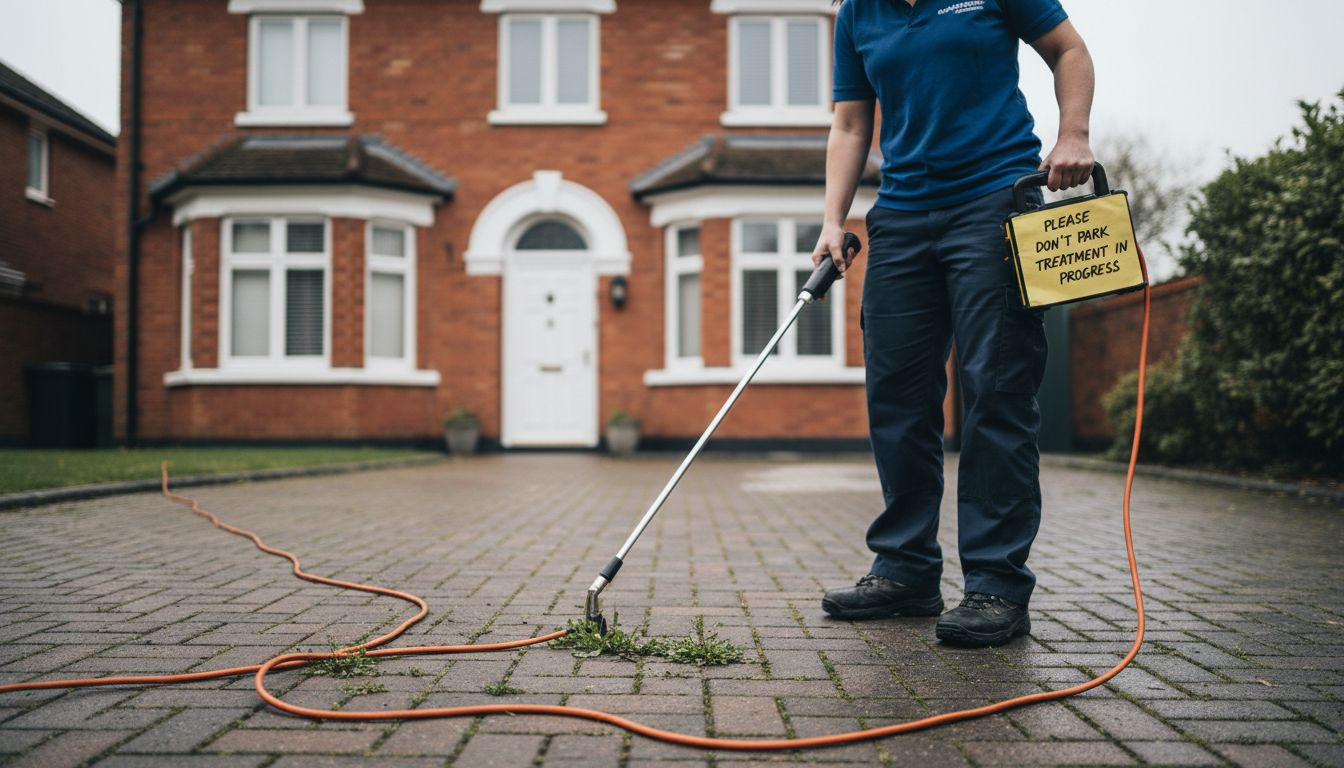
Innovative Removal Methods Chemical-free removal strategies, such as electrical treatment, can effectively eradicate Japanese knotweed while minimizing environmental impact.

Japanese Knotweed: Definition And Myths

Japanese knotweed (Fallopia japonica) is an aggressive, fast-spreading invasive plant species that has become a significant concern for property owners and land managers across multiple regions. Gov UK describes it as a non-native invasive plant known for its remarkable ability to thrive in diverse environments including roadsides, waste grounds, and riverbanks.

Contrary to widespread panic, recent scientific research suggests that the plant’s destructive potential might be somewhat exaggerated. Leeds University conducted a study challenging the common perception of extensive structural damage, indicating that its impact on buildings could be comparable to other plant species.

Key characteristics of Japanese knotweed that make it particularly challenging include:

  • Rapid growth rates of up to 10 centimeters per day
  • Ability to regenerate from root fragments as small as 1 centimeter
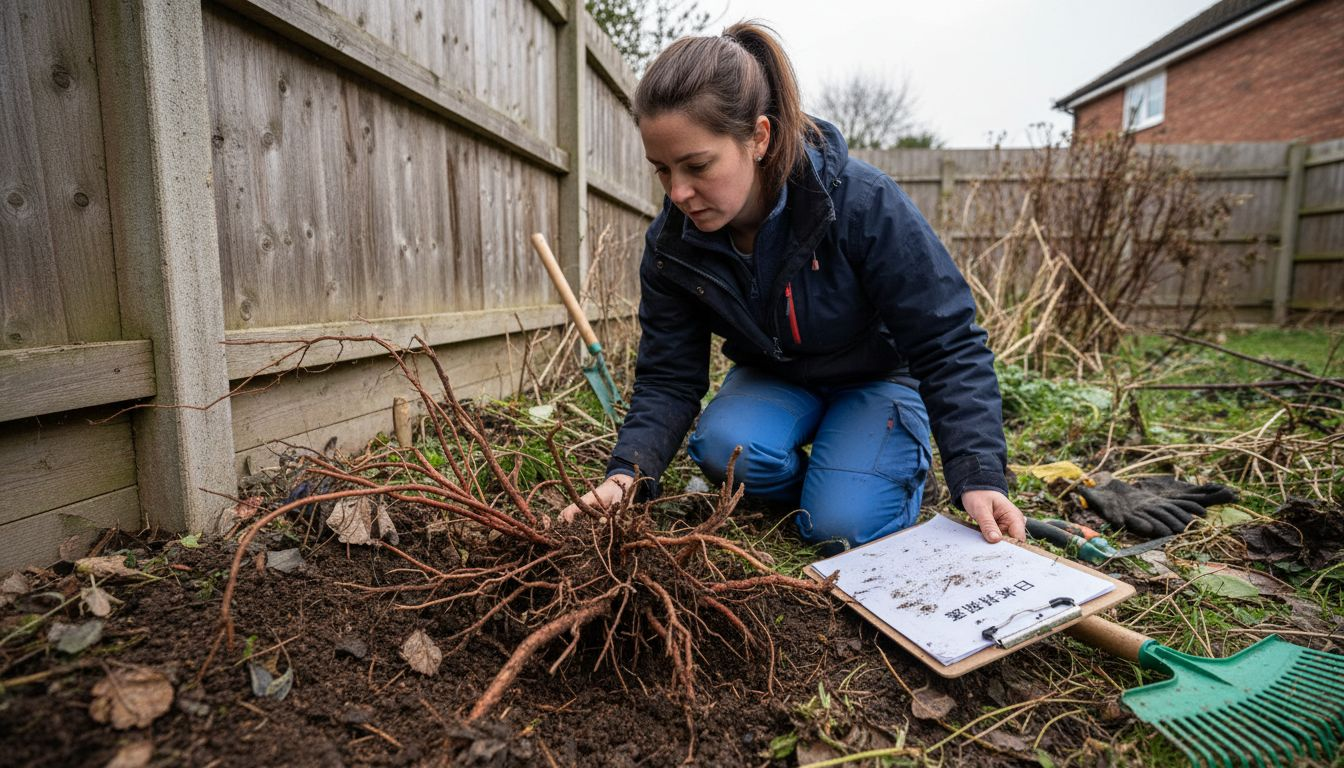
  • Extremely resilient root system called rhizomes that spread underground
  • Can penetrate concrete and foundation weaknesses

The most persistent myths surrounding Japanese knotweed include the belief that it can immediately destroy entire structures and that any small fragment guarantees complete property devastation. While the plant is undoubtedly aggressive, professional assessment and targeted treatment can effectively manage its spread and minimize potential property damage. Understanding its biology and implementing strategic removal techniques are crucial for property owners confronting this invasive species.

knotweed root damage

How Knotweed Spreads And Damages Property

Japanese knotweed represents a unique botanical challenge due to its extraordinary ability to spread and propagate through incredibly resilient underground root systems. Gov UK confirms that this invasive species can regenerate from incredibly small fragments, with rhizomes capable of spreading across most soil conditions and thriving in diverse environments like roadsides, waste grounds, and riverbanks.

Contrary to widespread fears, recent scientific research suggests that the plant’s destructive potential might be less severe than traditionally believed. Leeds University research indicates that Japanese knotweed’s rhizomes rarely extend more than 4 meters from above-ground plants, and its structural damage potential is comparable to other plant species.

Key mechanisms of knotweed spread include:

  • Regeneration from root fragments as small as 1 centimeter
  • Underground rhizome network expansion
  • Ability to grow through small cracks in concrete and foundations
  • Rapid growth rates up to 10 centimeters daily

Property owners should remain vigilant, understanding that while Japanese knotweed poses significant challenges, professional assessment and targeted removal strategies can effectively manage its spread. The consequences of letting Japanese Knotweed spread can be substantial, making early detection and professional intervention critical for preventing extensive property damage.

Property Value And Mortgage Impacts

The presence of Japanese knotweed can dramatically transform a property’s marketability and financial landscape. Centre for Ecology and Hydrology research reveals that mortgage lenders may outright refuse applications when Japanese knotweed is identified at a property site, creating significant challenges for potential buyers and current homeowners.

However, recent scientific research suggests that the mortgage industry’s response might be disproportionate to the actual risk. Leeds University found no substantive evidence that Japanese knotweed causes significant structural damage, challenging the automatic mortgage rejection practices that have become commonplace.

Potential property value impacts include:

  • Potential reduction in market value of 5-20%
  • Increased difficulty selling the property
  • Higher costs for professional treatment and removal
  • Potential legal complications with property transactions

Property owners facing Japanese knotweed should consider Japanese Knotweed and its impact on property values for comprehensive guidance. Proactive management, professional assessment, and documented treatment plans can significantly mitigate financial risks and improve mortgage approval chances. Understanding the nuanced reality of Japanese knotweed’s impact is crucial for making informed real estate decisions.

Infographic showing knotweed spread pathways and property value impact

Japanese knotweed management carries significant legal responsibilities for property owners, with potential serious consequences for non-compliance. Gov UK mandates that homeowners must prevent Japanese knotweed on their land from spreading to neighboring properties, classifying contaminated soil or plant material as controlled waste that requires careful handling and disposal.

UK Parliament Publications outline severe penalties for negligent management, including potential fines up to £5,000 and imprisonment for up to two years. Landowners can also face civil legal action from adjacent property owners if Japanese knotweed is allowed to spread and cause damage, creating a complex legal landscape for property management.

Key legal obligations for homeowners include:

  • Preventing knotweed from spreading to neighboring properties
  • Properly containing and disposing of contaminated soil
  • Documenting treatment and removal efforts
  • Disclosing knotweed presence during property sales
  • Implementing professional management strategies

Property owners confronting Japanese knotweed should approach the situation strategically, understanding that proactive management is not just an environmental responsibility but a critical legal requirement. Does Japanese knotweed cause property damage? provides additional insights into the legal and practical implications of managing this invasive species effectively.

Chemical-Free Knotweed Removal Solutions

Electrical treatment represents an innovative approach to Japanese knotweed eradication that eliminates the need for traditional chemical interventions. Gov UK emphasizes the critical importance of preventing knotweed spread, highlighting the need for comprehensive and effective removal strategies that go beyond conventional methods.

Leeds University research suggests that traditional perceptions of knotweed’s destructiveness may be overstated, reinforcing the importance of targeted, precise removal techniques that minimize environmental impact and property disruption.

Key chemical-free removal strategies include:

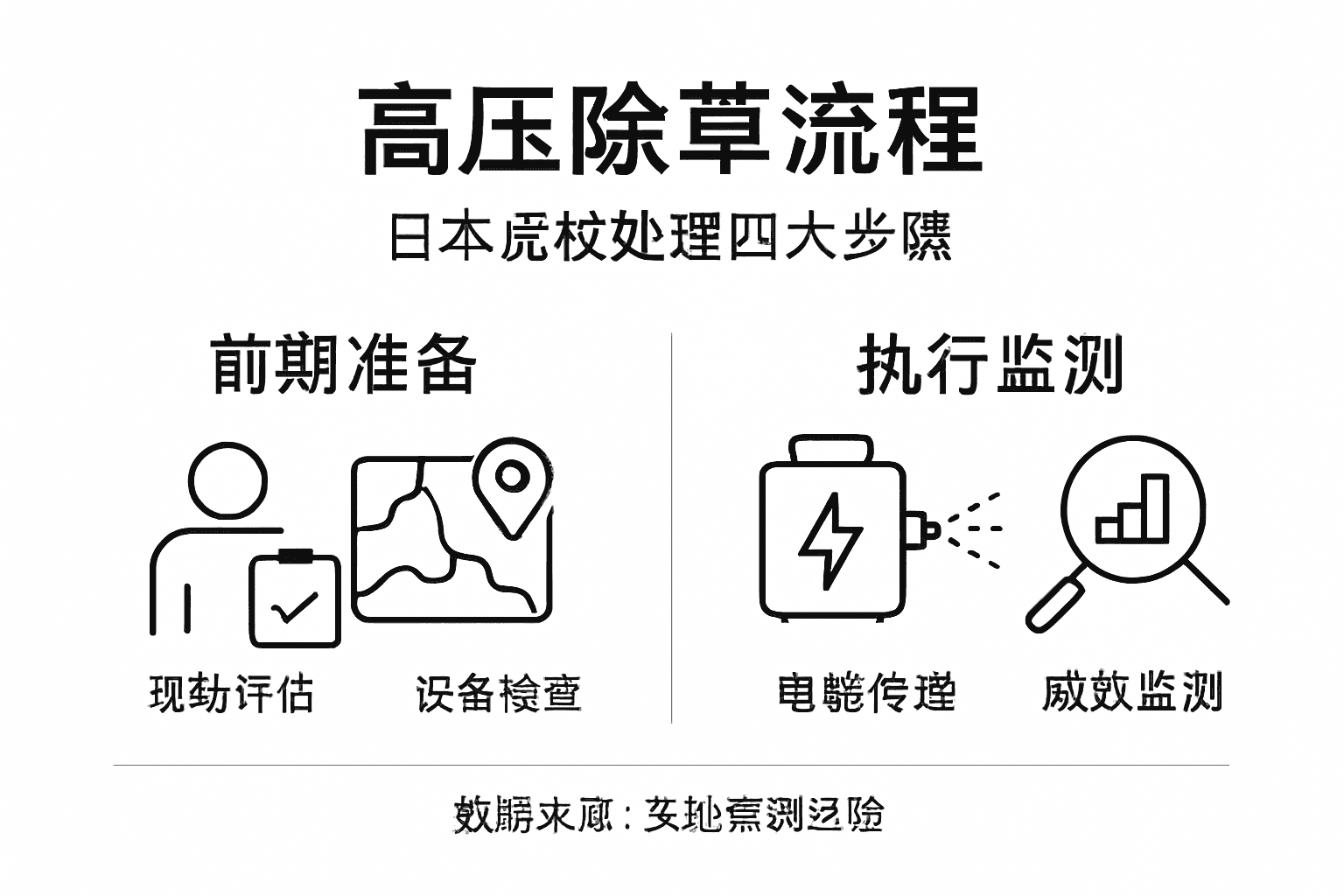
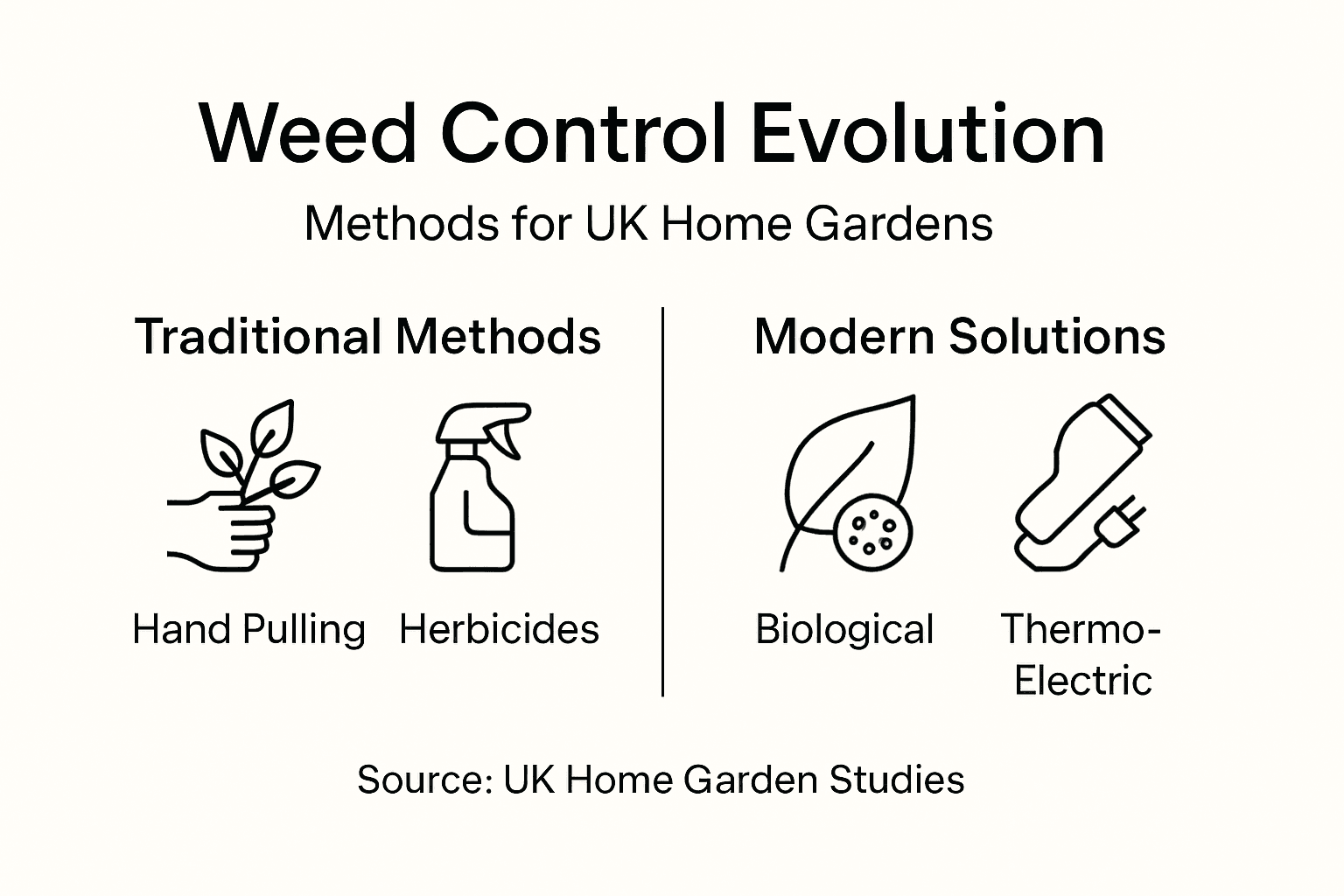
  • High-voltage electrical treatment targeting root systems
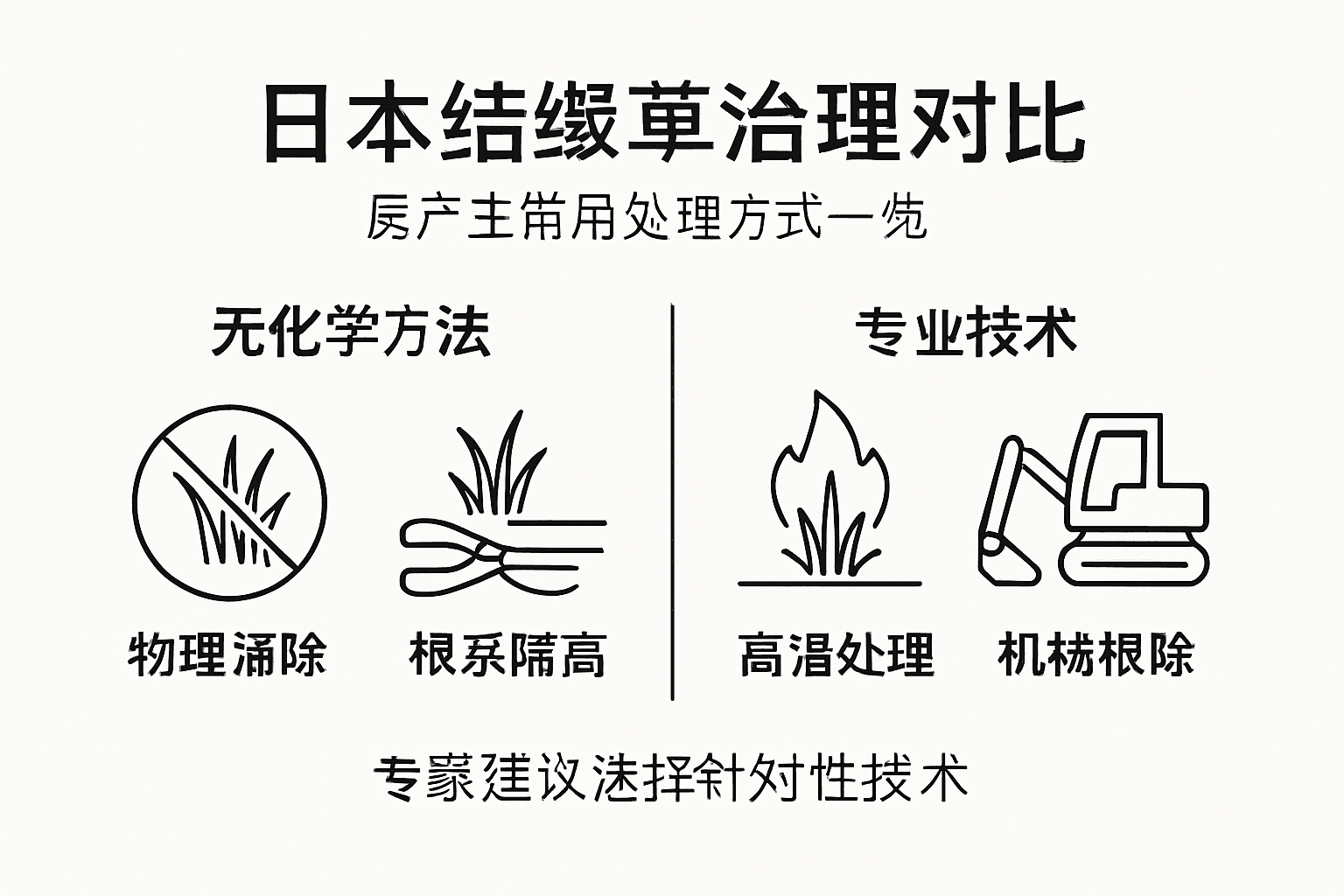
  • Precision excavation and root barrier installation
  • Targeted thermal treatment methods
  • Biological control through specialized management techniques
  • Comprehensive root zone monitoring and management

Property owners seeking alternative approaches should consider Glyphosate Ban in Brighton and Hove as an example of the growing shift towards environmentally conscious invasive plant management. The key is understanding that effective knotweed removal requires a sophisticated, multi-dimensional approach that goes beyond traditional chemical treatments.

Take Control of Japanese Knotweed Before It Threatens Your Property Value

Japanese knotweed can severely impact your property’s market value and mortgage options. The article explains how this invasive species spreads aggressively through its resilient rhizomes and can cause costly structural challenges. If you want to stop the problem early and avoid legal headaches related to property damage or disclosure, understanding and acting on effective removal solutions is critical. Japanese Knotweed Agency offers a proven chemical-free approach that delivers high-voltage energy directly to the root system, ensuring precise eradication without harmful chemicals.

https://japaneseknotweedagency.co.uk

Don’t wait until Japanese knotweed devalues your home or complicates your sale. Explore our chemical-free treatments, root barrier installation, and expert excavation services designed to securely remove knotweed and protect your property. Schedule a professional survey today across England, Wales, and Ireland by visiting Japanese Knotweed Agency. Learn more about our advanced methods and legal compliance support by visiting Japanese Knotweed and its impact on property values and discover how to protect your investment at Does Japanese knotweed cause property damage?. Act now to safeguard your property and peace of mind.

Frequently Asked Questions

What is Japanese knotweed and why is it a concern for property owners?

Japanese knotweed is an aggressive, invasive plant known for its rapid growth and ability to damage property. It can regenerate from small root fragments and its resilient root system can penetrate concrete and foundations, making it a significant concern for property owners.

How does Japanese knotweed spread and what are its impacts on properties?

Japanese knotweed spreads through an extensive underground rhizome network and can regenerate from small fragments. While it is capable of damaging structures, recent studies suggest its destructive potential may not be as severe as previously thought, comparing it to other plant species.

Homeowners must prevent Japanese knotweed from spreading to neighboring properties, properly dispose of contaminated soil, document treatment efforts, and disclose its presence when selling their property. Non-compliance can lead to fines and civil legal action.

Are there chemical-free methods for removing Japanese knotweed?

Yes, chemical-free methods include electrical treatment targeting root systems, precision excavation, thermal treatment methods, and biological control techniques. These alternatives reduce environmental impact while effectively managing knotweed outbreaks.

Guide to Knotweed Root Barriers for Lasting Control

Over $2.8 billion is spent every year by american property owners tackling invasive plants like Japanese knotweed. Ignoring these risks can lead to structural damage and steep legal costs that catch buyers off guard. Understanding how to assess and protect your property gives you peace of mind and helps secure your investment before knotweed ever becomes a problem.

Table of Contents

Quick Summary

Key Insight Explanation
1. Assess for Knotweed Risks Conduct thorough inspections to identify Japanese knotweed presence before property acquisition or development to protect your investment.
2. Prepare Site Before Installation Clear affected areas entirely to prevent knotweed regrowth, ensuring proper mapping and disposal of material according to legal guidelines.
3. Choose the Right Root Barrier Select a durable, high-density polyethylene barrier that meets performance criteria and hire professionals for installation to ensure effectiveness.
4. Install Barrier with Precision Properly excavate and install the barrier to create an effective containment system, overlapping sections to prevent any escape routes for rhizomes.
5. Monitor Barrier Integrity Ongoing Regularly inspect the barrier for damage and potential breaches, documenting findings to ensure the long-term effectiveness of your knotweed control measures.

Step 1: Assess Property for Knotweed Risks

Identifying potential Japanese knotweed risks before purchasing or developing a property is crucial for protecting your investment. According to the Royal Institution of Chartered Surveyors (RICS), a comprehensive assessment requires more than just measuring distance from structures.

To thoroughly assess property risks, start with a visual inspection of the landscape. Look for distinctive bamboo-like stems with green and reddish purple speckled coloration, often growing in dense clusters near building foundations or boundary lines. Pay special attention to areas with disturbed ground, such as construction zones or landscaped regions where rhizomes might have been accidentally transported. UK Centre for Ecology & Hydrology recommends checking your specific postcode against their high-resolution predictive model to understand localized knotweed presence risks.

Warning: Do not rely solely on visual inspection. Professional surveys can detect underground rhizome networks that might not be immediately visible. A trained expert can help you understand the full extent of potential knotweed infestation and recommend appropriate root barrier or treatment strategies before significant property damage occurs.

Step 2: Prepare the Site for Barrier Installation

Successfully installing a root barrier requires meticulous site preparation to prevent future Japanese knotweed spread. UK Government guidance emphasizes the critical importance of thorough initial site management before barrier installation.

Begin by completely clearing the area of existing knotweed vegetation. This means removing all visible above-ground stems and carefully excavating the surrounding soil to minimize potential rhizome regrowth. Use protective equipment like heavy-duty gloves and sealed boots to prevent accidental contamination. Map the entire infested area, marking precise boundaries to ensure comprehensive root barrier coverage. You will want to create a clear perimeter that extends well beyond the visible plant growth, accounting for the extensive underground rhizome network.

Pro Tip: Always work with a professional who can accurately assess the full extent of knotweed spread and recommend the most effective barrier placement strategy.

Remember that proper disposal of knotweed material is legally mandated. All excavated plant material must be handled as controlled waste, typically requiring specialized treatment to prevent potential regrowth. By meticulously preparing your site, you significantly reduce the risk of future knotweed propagation and protect your property from potential structural damage.

Step 3: Select and Source the Appropriate Root Barrier

Choosing the right root barrier is critical for effectively containing Japanese knotweed and preventing its destructive spread. UK Government guidance emphasizes selecting barriers with specific performance criteria to ensure long-term containment of underground growth.

When sourcing a root barrier, prioritize materials with high tensile strength and exceptional durability. Look for high-density polyethylene (HDPE) barriers that are at least 1 millimeter thick, capable of withstanding potential rhizome penetration. Ensure the barrier extends a minimum of 3 meters deep and creates a complete seal around the contaminated area. Professional installation is recommended to guarantee proper overlap and sealing of barrier sections, preventing any potential escape routes for knotweed rhizomes.

root barrier installation

Pro Tip: Always request certification and testing documentation for your root barrier to verify its effectiveness against Japanese knotweed penetration.

Before finalizing your selection, consult with a knotweed management specialist who can assess your specific site conditions and recommend the most appropriate barrier type. Different soil compositions and topographical features can impact barrier performance, so personalized expert advice is crucial for achieving comprehensive knotweed control.

Step 4: Install the Knotweed Root Barrier Effectively

Installing a root barrier requires precision and careful execution to prevent Japanese knotweed from spreading. UK Government guidance provides critical insights into the best practices for creating an impenetrable containment system that stops knotweed growth.

Begin by excavating a trench that extends at least 3 meters deep around the contaminated area, ensuring the sides are smooth and free from sharp objects that could puncture the barrier. Carefully unroll the high-density polyethylene barrier, making sure there are no wrinkles or gaps that could compromise its integrity. Overlap barrier sections by at least 300 millimeters and use specialized welding techniques or approved joining materials to create a continuous seal. When backfilling the trench, use fine soil or sand initially to prevent potential damage to the barrier from rocks or debris.

Pro Tip: Hire a certified knotweed management professional to ensure the root barrier is installed with maximum precision and effectiveness.

After installation, conduct a thorough visual inspection to verify the barrier’s completeness and integrity. Consider installing monitoring points to track any potential future growth and ensure your containment strategy remains successful over time. Remember that proper installation is your first line of defense against the aggressive spread of Japanese knotweed.

Step 5: Verify Barrier Integrity and Ensure Ongoing Protection

After installing your knotweed root barrier, continuous monitoring becomes crucial to maintain its effectiveness. UK Government guidance recommends establishing a systematic inspection schedule to detect and address any potential breaches or regrowth quickly.

Conduct quarterly visual inspections of the entire barrier perimeter, looking for signs of damage such as punctures, soil settling, or vegetation emerging near the barrier edges. Use specialized monitoring points installed during the barrier placement to track underground movement and potential rhizome activity. Document each inspection meticulously, recording the date, condition of the barrier, and any observations that might indicate compromised containment. Digital photographs can provide an excellent record of the barrier’s condition over time, helping you track subtle changes that might go unnoticed during quick visual assessments.

Pro Tip: Consider professional annual inspections by a certified knotweed management specialist to ensure comprehensive monitoring beyond your regular checks.

Remember that ongoing vigilance is your most powerful tool in preventing knotweed spread. Any signs of potential barrier failure or new growth should trigger immediate professional assessment and potential remediation. Your proactive approach will protect your property from the destructive potential of Japanese knotweed.

Infographic illustrating knotweed root barrier assessment, installation, and monitoring steps

Secure Your Property Against Japanese Knotweed with Expert Root Barrier Solutions

Japanese knotweed’s underground rhizomes can cause serious and costly damage if not contained properly. This article highlights the critical need for thorough site preparation, precise root barrier installation, and ongoing monitoring to prevent regrowth. If you are facing the challenge of stubborn knotweed or want to protect your investment from structural harm, the root barrier approach described requires expert knowledge and professional execution.

At Japanese Knotweed Agency, we specialize in chemical free eradication and provide high quality root barrier installations tailored to your property’s specific needs. With our pioneering electrical treatment technology and dedicated excavation services, we target the knotweed rhizome network effectively while minimizing environmental impact. Our comprehensive surveys across England, Wales, and Ireland ensure no infestation goes undetected, guiding precise and lasting solutions.

https://japaneseknotweedagency.co.uk

Do not let knotweed spread unchecked. Visit Japanese Knotweed Agency now to arrange a professional survey or ask about our certified root barrier installations. Take control today to protect your property’s value and prevent costly damages tomorrow.

Frequently Asked Questions

How can I assess a property for Japanese knotweed risks?

Identifying knotweed risks involves a thorough visual inspection of the property and its surroundings. Look for bamboo-like stems, especially in disturbed areas like construction sites, and use resources like predictive models for localized risks.

What steps should I take to prepare a site for a knotweed root barrier?

Start by completely clearing the area of all visible knotweed plants and their roots. Ensure you excavate the soil around the plants carefully to eliminate potential rhizome regrowth, and create a clear perimeter extending beyond the visible infested area.

What materials should I look for in a knotweed root barrier?

Choose barriers made from high-density polyethylene (HDPE) that are at least 1 millimeter thick, ensuring they are durable and capable of withstanding rhizome penetration. The barrier should extend at least 3 meters deep into the ground to effectively contain knotweed roots.

How do I properly install a knotweed root barrier?

To install the barrier, excavate a trench that is at least 3 meters deep around the affected area, ensuring smooth sides. Unroll the barrier without wrinkles, overlap sections by 300 millimeters, and use specialized techniques to seal all joints securely before backfilling with fine soil.

How often should I monitor the knotweed root barrier after installation?

Conduct quarterly inspections to check for signs of damage or regrowth around the barrier. Keep detailed records of your findings to quickly address any issues and ensure the barrier continues to perform effectively over time.

When should I consult a professional for knotweed management?

Engage a professional if you observe any signs of barrier compromise or unusual growth patterns near the root barrier. Regular professional assessments, ideally annually, can provide a higher level of monitoring and ensure lasting control against knotweed spread.

Complete Guide to Knotweed Legal Requirements UK

Few plants cause as much concern for property owners as Japanese knotweed. This invasive species now affects over 2 percent of development sites and more than 1 percent of homes across Great Britain. For anyone with american property interests in the UK, understanding this plant’s risks is crucial. With its ability to damage foundations, disrupt sales, and carry legal penalties, knowing how to handle Japanese knotweed can protect both your investment and your peace of mind.

Table of Contents

Key Takeaways

Point Details
Japanese Knotweed as an Invasive Species Japanese knotweed is a highly invasive plant that can cause significant property damage and environmental harm, requiring costly management strategies for eradication.
Legal Obligations for Property Owners Property owners must actively manage Japanese knotweed to prevent its spread and comply with strict legal requirements, including the proper documentation of treatment efforts.
Impact on Real Estate Transactions The presence of Japanese knotweed can drastically reduce property values and complicate mortgage approvals, necessitating full disclosure during property transactions.
Approved Control Methods Management strategies include chemical treatments, excavation, and ongoing research into biological control options, highlighting the importance of professional intervention.

What Is Japanese Knotweed And Why It Matters

Japanese knotweed is an aggressive, invasive plant species that represents a serious environmental and property threat across the United Kingdom. Originally introduced in the mid-nineteenth century as an ornamental garden plant, this perennial species has since become a widespread ecological challenge publications.parliament.uk.

The plant’s scientific name, Reynoutria japonica, describes a remarkably resilient organism with bamboo-like stems and heart-shaped leaves. What makes Japanese knotweed particularly dangerous is its extraordinary root system, which can penetrate hard surfaces like concrete, asphalt, and brick with remarkable ease. According to research, over 2% of development sites and 1.25% of residential properties in Great Britain are impacted by this invasive species publications.parliament.uk.

The consequences of Japanese knotweed extend far beyond simple aesthetic concerns. Its dense growth can significantly impede water flow, potentially increasing flood risks. Property owners face substantial challenges, as the plant’s presence can create a ‘chilling’ effect on real estate transactions. Eradicating Japanese knotweed often requires multi-year treatment plans or complete excavation, making it a costly and complex environmental management issue. Japanese Knotweed Legal Obligations provides comprehensive insights into managing this persistent plant.

Key characteristics that make Japanese knotweed a significant concern include:

  • Rapid growth rate
  • Extensive underground root network
  • Ability to penetrate building foundations
  • Potential to reduce local biodiversity
  • Significant property damage potential

Japanese knotweed occupies a unique legal position in the United Kingdom, with stringent regulations designed to prevent its spread and mitigate potential environmental and property damage. publications.parliament.uk classifies Japanese knotweed as a ‘controlled waste’ under the Environmental Protection Act 1990, establishing clear legal frameworks for its management.

The Wildlife and Countryside Act 1981 serves as the primary legislative mechanism governing Japanese knotweed control. Under this act, it is explicitly illegal to plant or cause Japanese knotweed to grow in the wild. Property owners and land managers face significant legal consequences for non-compliance, with potential penalties including substantial fines up to £5,000 and possible imprisonment for up to two years publications.parliament.uk.

Specific disposal requirements further underscore the plant’s legal complexity. Contaminated soil containing knotweed rhizome material must be handled with extreme care, requiring disposal at licensed landfill sites and burial to a minimum depth of 5 metres. The UK government has also developed comprehensive guidance on prevention, treatment, and disposal strategies. Ongoing research into biological control methods, such as exploring the potential of sap-sucking insects like Aphalara itadori, demonstrates a proactive approach to managing this invasive species.

Key legal obligations for property owners include:

  • Preventing knotweed from spreading to neighboring properties
  • Properly documenting and reporting knotweed presence
  • Implementing approved treatment or removal strategies
  • Ensuring compliant disposal of contaminated soil and plant material
  • Maintaining records of professional treatment plans

Property Owner Duties And Liabilities

Property owners face significant legal and financial responsibilities when dealing with Japanese knotweed, extending far beyond simple property maintenance. warnergoodman.co.uk highlights that while it is not technically illegal to have Japanese knotweed on your property, owners are legally obligated to prevent its spread to neighboring properties.

The potential consequences of mismanaging Japanese knotweed can be substantial. Property sales, insurance coverage, and mortgage approvals can all be dramatically impacted by the presence of this invasive species. Sellers are legally required to disclose the existence of Japanese knotweed during property transactions to avoid potential misrepresentation claims.

knotweed legal documents Failure to control its spread can result in legal action from neighboring property owners, potentially leading to expensive litigation and significant financial penalties.

Infographic contrasting compliant and non-compliant knotweed management responsibilities for UK property owners

Navigating these responsibilities requires a proactive and comprehensive approach. Property owners must develop a strategic management plan that includes professional assessment, documented treatment strategies, and ongoing monitoring. This typically involves engaging specialized knotweed removal experts who can provide comprehensive treatment plans, detailed documentation, and certification of eradication efforts. Japanese Knotweed Legal Obligations offers additional guidance on meeting these complex legal requirements.

Key property owner responsibilities include:

  • Conducting professional Japanese knotweed surveys
  • Implementing certified eradication strategies
  • Preventing spread to neighboring properties
  • Maintaining comprehensive treatment documentation
  • Disclosing knotweed presence during property transactions
  • Ensuring ongoing monitoring and management

Impact On Buying, Selling, And Mortgaging

Japanese knotweed represents a significant obstacle in property transactions, creating complex challenges for buyers, sellers, and financial institutions. The mere presence of this invasive plant can substantially diminish property values and complicate mortgage approvals, turning what should be a straightforward real estate process into a potential minefield of legal and financial complications.

Mortgage lending becomes particularly challenging when Japanese knotweed is identified on a property. Many financial institutions require comprehensive professional surveys and documented eradication plans before considering mortgage approval. Some lenders may refuse financing entirely or impose stringent conditions that can delay or completely derail property transactions. Potential buyers might find themselves facing additional survey costs, treatment expenses, and potential long-term management requirements just to secure property financing.

Sellers face equally significant hurdles when Japanese knotweed is present. Legal disclosure requirements mandate full transparency about the plant’s existence, meaning attempting to hide or minimize its presence can lead to potential misrepresentation claims. Professional documentation becomes critical, with buyers typically demanding proof of professional treatment plans, comprehensive eradication strategies, and ongoing management certifications. Japanese Knotweed Legal Obligations provides essential guidance for navigating these complex transactional challenges.

Key impacts on property transactions include:

  • Reduced property market value
  • Potential mortgage application rejections
  • Increased survey and treatment costs
  • Extended property sale timelines
  • Complex legal disclosure requirements
  • Potential need for specialized insurance coverage

Approved Control Methods And Restrictions

The UK government has developed comprehensive strategies for managing Japanese knotweed, focusing on environmentally responsible and scientifically rigorous control methods. assets.publishing.service.gov.uk highlights ongoing research into innovative biological control approaches, including the potential use of specialized insects and fungal pathogens to manage this invasive species.

Chemical treatment remains one of the most widely approved methods for Japanese knotweed control. Professional eradication typically involves targeted herbicide applications, carefully timed and implemented to maximize effectiveness while minimizing environmental impact. Physical removal techniques, including excavation and root barrier installations, provide alternative approaches for properties where chemical treatments may be less suitable. These methods require precise implementation and often involve multiple treatment cycles to ensure complete eradication of the plant’s extensive root system.

Biological control represents an emerging frontier in Japanese knotweed management. questions-statements.parliament.uk notes ongoing research into biological agents like the psyllid Aphalara itadori, which could potentially provide a more sustainable long-term solution. Land managers can access funding through the Environmental Land Management Countryside Stewardship scheme to support advanced control strategies, reflecting the government’s commitment to addressing this invasive species comprehensively.

Approved control methods include:

  • Chemical herbicide treatments
  • Professional excavation techniques
  • Root barrier installations
  • Biological control research
  • Ongoing monitoring and management plans
  • Specialized disposal procedures for contaminated soil and plant material

Protect Your Property From Japanese Knotweed With Expert Solutions

Dealing with Japanese knotweed is more than just a gardening challenge. This invasive plant threatens your property value, complicates sales, and carries strict legal responsibilities. If you need effective knotweed management that meets UK legal requirements, trust the pioneers in chemical free eradication. At the Japanese Knotweed Agency, we use advanced technology delivering up to 5000 volts directly to rhizomes, damaging internal cells and cutting off the energy that feeds this aggressive plant.

https://japaneseknotweedagency.co.uk

Do not wait until knotweed puts your property sale or mortgage approval at risk. Our specialized services also include root barrier installations, excavation, and comprehensive surveys for invasive weeds across England, Wales, and Ireland. Take control of your property’s future with a treatment plan that complies with UK laws and protects you from costly liabilities. Visit Japanese Knotweed Agency today to learn how our solutions can effectively secure your property and peace of mind.

Frequently Asked Questions

Property owners are required to prevent the spread of Japanese knotweed to neighboring properties, report its presence, and implement approved treatment or removal strategies. They must also ensure compliant disposal of contaminated soil and maintain records of professional treatment plans.

What are the penalties for failing to control Japanese knotweed?

Failing to control the spread of Japanese knotweed can result in significant penalties, including fines up to £5,000 and possible imprisonment for up to two years, as stipulated under the Wildlife and Countryside Act 1981.

How does Japanese knotweed affect property sales and mortgage approvals?

The presence of Japanese knotweed can significantly reduce property values and complicate mortgage approvals. Sellers must disclose its existence during property transactions, and financial institutions may require comprehensive treatment documentation before approving financing.

What are the approved methods for controlling Japanese knotweed?

Approved methods for controlling Japanese knotweed include chemical herbicide treatments, professional excavation techniques, root barrier installations, and ongoing monitoring and management plans. Research into biological control options is also underway to find sustainable solutions.

Complete Guide to Japanese Knotweed in the UK

Over 60 percent of american homeowners worry about the risks of invasive plants, yet few realize how myths and misinformation shape their concerns. Japanese knotweed, with its reputation for destruction, sparks confusion and unease in communities far beyond its origins. Understanding the facts behind this notorious invader empowers property owners to distinguish alarm from reality and make smarter decisions about management and legal responsibilities.

Table of Contents

Key Takeaways

Point Details
Japanese Knotweed Overview Japanese knotweed is an invasive plant that poses significant challenges for property owners due to its aggressive growth and propagation capabilities.
Legal Responsibilities Property owners must manage Japanese knotweed to avoid legal ramifications, including fines and impacts on property values.
Impact on Property Transactions The presence of Japanese knotweed can affect mortgage approvals and property valuations, necessitating thorough surveys and disclosure during transactions.
Non-Chemical Treatment Options Effective management often requires innovative non-chemical methods, such as root barrier installation and targeted mechanical removal.

Defining Japanese Knotweed and Common Myths

Japanese knotweed is an aggressive invasive plant species that poses significant challenges for property owners and landscapers across the United Kingdom. Originally introduced as an ornamental plant in the 19th century, this perennial plant has since become one of the most destructive non-native species in the country.

According to Natural Resources Wales, Japanese knotweed spreads through fragments of rhizome or stem, forming dense stands that effectively outcompete native vegetation. The plant’s remarkable ability to propagate through even tiny root fragments makes it exceptionally challenging to eradicate. Contrary to popular belief, it cannot actually grow through solid concrete, but it can exploit existing structural weaknesses with remarkable efficiency.

Interestingly, the UK House of Commons Science and Technology Committee suggests that the impact of Japanese knotweed is often overstated, potentially leading to unnecessary alarm among property owners. While the plant can cause damage, its reputation sometimes exceeds its actual destructive potential. Here are some common myths about Japanese knotweed:

  • Myth: Japanese knotweed can grow through solid concrete
  • Reality: It exploits pre-existing cracks and structural weaknesses
  • Myth: A small piece of root will instantly destroy an entire building
  • Reality: Damage occurs gradually through persistent growth and root expansion

Understanding the true nature of Japanese knotweed is crucial for effective management. While it presents significant challenges, informed and strategic approaches can help control and mitigate its spread. For more insights into common misconceptions, check out our guide on Japanese Knotweed Misconceptions.

Key Identification Signs and Life Cycle Stages

Japanese knotweed is a master of survival, with distinctive characteristics that make it both fascinating and challenging to manage. Natural Resources Wales provides critical insights into the plant’s unique identification features and complex life cycle.

Visual identification is crucial for early detection. The plant exhibits distinctive bamboo-like stems that are hollow and segmented, typically bright green with red or purple speckles in spring and early summer. Its heart-shaped leaves emerge alternately along the stem, creating a dense canopy that can grow up to 3 meters tall.

knotweed identification uk In late summer, the plant produces characteristic clusters of small white flowers, which might seem innocuous but represent a sophisticated reproductive strategy.

According to the UK House of Commons Science and Technology Committee, the plant’s growth pattern follows a predictable yet aggressive annual cycle:

  • Spring Emergence: Rapid shoot growth from underground rhizomes
  • Early Summer: Reaching full height, creating dense vegetation
  • Late Summer: Flowering period with white cluster blooms
  • Autumn: Above-ground parts die back, but underground rhizomes remain viable
  • Winter: Dormant period with rhizomes storing energy for next season’s growth

Understanding these life cycle stages is critical for property owners and landscapers seeking to manage this invasive species effectively. The plant’s underground rhizome network remains its most powerful survival mechanism, capable of regenerating from tiny root fragments and lying dormant for extended periods. For a deeper understanding of managing these complex growth patterns, explore our guide on Japanese Knotweed Misconceptions.

Japanese knotweed presents significant legal challenges for property owners, transforming what might seem like a simple landscaping issue into a complex legal and financial liability. Natural Resources Wales highlights that landowners bear a critical responsibility for controlling this invasive plant to prevent its uncontrolled spread.

Under the Wildlife and Countryside Act 1981, property owners face serious legal consequences for mismanaging Japanese knotweed. It is a criminal offense to intentionally cause the plant to grow in the wild, which means property owners must take proactive steps to control and contain the plant. Potential penalties can include substantial fines and legal action, making proper management not just an environmental concern, but a legal imperative.

According to the UK House of Commons Science and Technology Committee, the presence of Japanese knotweed can dramatically impact property transactions and values. Mortgage lenders have become increasingly cautious, often requiring detailed surveys and treatment plans before approving loans.

Key legal implications include:

  • Disclosure Requirement: Mandatory reporting during property sales
  • Potential Liability: Legal claims from neighboring properties
  • Mortgage Restrictions: Potential loan denials or reduced property values
  • Treatment Costs: Significant expenses for professional eradication

Navigating these legal complexities requires professional guidance and proactive management. Property owners must document their treatment efforts, maintain comprehensive records, and work with qualified experts to mitigate potential legal and financial risks. For a comprehensive understanding of managing these challenges, check out our guide on Japanese Knotweed Misconceptions.

Non-Chemical Eradication and Treatment Methods

Japanese knotweed presents a formidable challenge for property owners seeking environmentally friendly and sustainable removal strategies. Natural Resources Wales cautions that traditional non-chemical methods like cutting and digging are often ineffective due to the plant’s extraordinary regenerative capabilities.

Excavation represents one of the most direct non-chemical approaches, involving complete removal of contaminated soil and root systems. However, this method requires extreme precision and careful management. The UK House of Commons Science and Technology Committee emphasizes that excavation can be prohibitively expensive and carries significant risks of unintentional plant spread if not executed with professional expertise.

Alternative non-chemical techniques that property owners might consider include:

  • Root Barrier Installation: Preventing rhizome spread through physical barriers
  • Targeted Mechanical Removal: Careful extraction of contaminated soil zones
  • Continuous Monitoring: Regular cutting to weaken plant’s energy reserves
  • Soil Screening: Precise removal and sifting of contaminated earth

For property owners seeking innovative solutions, understanding the nuanced challenges of non-chemical treatments is crucial. Each approach demands meticulous planning and expert implementation to prevent unintended plant propagation.

INFOGRAPHIC:infographic_content] To explore comprehensive strategies for managing this invasive species, review our [guide on Japanese Knotweed Misconceptions.

Property Surveys, Buying, and Remortgaging Risks

Japanese knotweed represents a critical consideration for property transactions, casting a long shadow over buying, selling, and financing real estate. According to the UK House of Commons Science and Technology Committee, the plant’s presence can significantly impact property valuations and mortgage approvals, creating complex challenges for potential buyers and homeowners.

Natural Resources Wales emphasizes the critical importance of full disclosure during property transactions. Sellers are legally obligated to report any known Japanese knotweed infestations, with potential legal consequences for failing to do so. Prospective buyers must conduct thorough surveys to identify potential infestations, understanding that the plant’s presence can dramatically affect property value and mortgage eligibility.

Key risks for property transactions include:

  • Mortgage Restrictions: Lenders may refuse loans or require extensive treatment plans
  • Property Valuation Impacts: Significant potential decrease in market value
  • Legal Liability: Potential claims from neighboring properties
  • Survey Requirements: Mandatory detailed investigations during property transfers

Navigating these complex risks requires professional expertise and comprehensive understanding. Potential buyers should prioritize detailed property surveys and professional assessments to mitigate potential financial and legal challenges. For more specific guidance on managing mortgage challenges, explore our guide on getting a mortgage with Japanese knotweed.

Take Control of Japanese Knotweed with Proven Chemical-Free Solutions

Japanese knotweed is a tough invasive plant that demands careful and effective management. This complete guide has highlighted how challenging it is to eradicate due to its extensive rhizome network and legal implications for property owners. If you are facing issues with Japanese knotweed on your property, you understand the urgency to act before damage spreads and property values drop.

https://japaneseknotweedagency.co.uk

At Japanese Knotweed Agency, we specialize in innovative chemical-free treatments that deliver up to 5000 volts of energy directly to the rhizomes causing lasting root damage. This method targets the plant’s survival system, making eradication possible without harsh chemicals. We also provide expert property surveys for invasive weeds and offer professional root barrier installations and excavation works to prevent further spread. Take the next step to protect your property, regain peace of mind, and comply with legal responsibilities. Visit our website now to learn how our expertise can help you overcome Japanese knotweed challenges effectively.

Frequently Asked Questions

What is Japanese knotweed and why is it a problem?

Japanese knotweed is an aggressive invasive plant species that can outcompete native vegetation and cause structural damage to buildings due to its extensive root system. Its rapid spread and ability to propagate from small fragments make it a significant challenge for property owners.

How can I identify Japanese knotweed?

Japanese knotweed has distinctive bamboo-like stems that are hollow and segmented, bright green with red or purple speckles. It features heart-shaped leaves and produces small white flowers in late summer. The plant can grow up to 3 meters tall and forms dense stands.

Property owners must manage Japanese knotweed to prevent its spread, as neglect can lead to legal penalties under the Wildlife and Countryside Act 1981. This includes mandatory disclosure during property transactions and potential liability for spreading the plant to neighboring properties.

What are effective non-chemical methods for eradicating Japanese knotweed?

Effective non-chemical methods include excavation of the plant and its rhizomes, root barrier installation, targeted mechanical removal of contaminated soil, continuous monitoring through regular cutting, and soil screening to prevent regrowth.