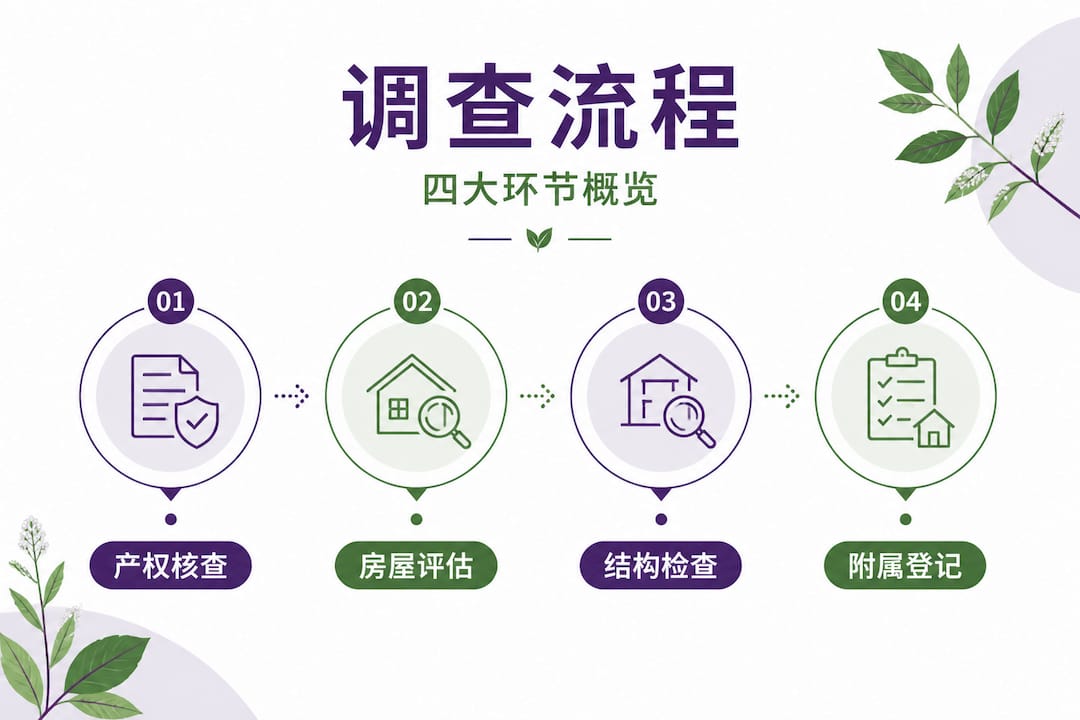

防止结缕草扩散流程:5年降低90%根茎活性指南

调查发现结缕草存在的物业贷款拒批率提升近40%。结缕草扩散问题已成为英格兰、威尔士和爱尔兰地区房产交易中的重大障碍。无论您是购房还是再融资,根茎扩散带来的财产贬值和法律风险都不容忽视。本文为您系统介绍专业的防扩散流程,帮助您有效控制结缕草蔓延,保障物业价值和贷款审批顺利。

目录

关键要点

要点 详情
全面调查是基础 专业测量地上地下根茎范围,避免漏判导致复发
环保技术优先 结合机械挖掘、电流处理和根障碍安装实现高效控制
长期监测必不可少 3至5年定期复查确保根茎活性持续下降
综合方案效果显著 成功案例显示5年内根茎活跃率降低90%以上

调查前的准备和评估

准确调研是制定有效控制策略的基础,避免遗漏根茎导致复发。开始防控前,您需要全面评估结缕草的实际扩散情况。专业调查团队会测量地上植株分布及地下根茎网络深度,通常根茎可深入土壤3米以上。调查还需评估土壤类型、排水条件和相邻物业影响,这些因素直接决定根茎扩散速度。

在英格兰、威尔士和爱尔兰,化学药剂使用受到严格监管。您必须了解当地法规对农药施用的限制,避免非法操作带来的法律风险。聘请持有资质认证的专业结缕草调查团队能确保评估准确性和合规性。调查报告应包含详细的根茎分布图、扩散风险评级和推荐处理方案。

准备工作还包括制定长期维护计划。结缕草防控绝非一次性工程,您需要预留至少3至5年的后续监测预算。专业团队会根据初步调查结果,为您定制分阶段处理时间表和复查频率。这种系统化准备能显著提高防控成功率,降低根茎复发风险。

专业提示: 调查时务必记录相邻物业的结缕草情况。根茎可横向扩散超过7米,邻居物业的未处理结缕草可能持续侵入您的土地。与邻居协商联合防控能从根本上解决扩散问题,避免单方努力功亏一篑。

  • 测量地上植株覆盖面积和密度分布
  • 探测地下根茎深度及横向扩散范围
  • 评估土壤条件对根茎生长的影响
  • 检查相邻物业结缕草状况和潜在风险
  • 获取符合监管要求的调查报告

具体的结缕草扩散防止步骤

完成准备评估后,防扩散工作进入实际操作阶段。高达5000伏电流的现场直接能量处理能减少根系活性超过85%。这种无化学技术通过电流直击根茎细胞,破坏其内部结构并耗尽能量储备,避免化学残留对土壤和地下水的污染。

具体操作遵循系统化流程:

  1. 全面标记结缕草分布区域,确保处理覆盖所有感染点
  2. 选择适合物业条件的技术组合,通常结合电流处理和物理阻隔
  3. 执行机械挖掘清除地上植被,减少光合作用对根茎的能量供应
  4. 在根茎集中区域安装根障碍,物理阻断横向扩散路径
  5. 定期复查处理区域,监测新芽出现情况并及时补充处理

无化学结缕草处理流程具有显著环保优势。传统化学喷洒可能需要持续3至5年多次施药,且药剂残留影响土壤生态。电流技术则能在每次处理中直接损伤根茎组织,处理间隔更短、效果更持久。根障碍安装是关键环节,障碍材料必须厚度足够且埋设深度达到根茎最深处下方至少0.5米。

技术类型 环保性 效果持久性 实施周期 适用场景
电流处理 极高 长期 6至12个月 各类物业
化学喷洒 中期 3至5年 偏远区域
机械挖掘 短期 单次 根茎浅层
根障碍 极高 永久 单次安装 边界防护

机械挖掘虽能快速减少地上覆盖,但单独使用易导致根茎断裂后再生。您需要将挖掘与根障碍安装结合,形成立体防御体系。挖掘深度应至少达到2.5米,清除的根茎必须按照监管要求妥善处置,禁止随意倾倒造成二次扩散。

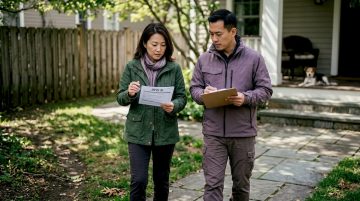
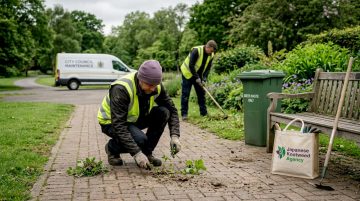
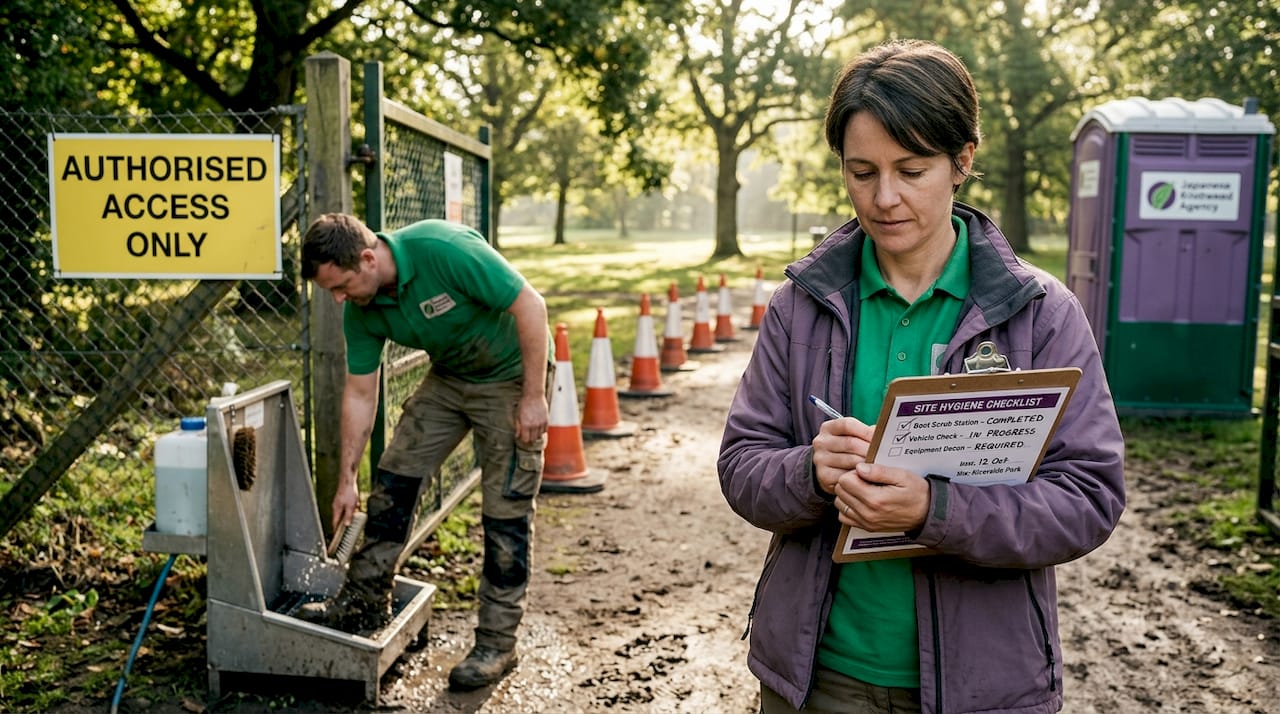
技术人员正在对障碍物的安装细节进行认真核查,确保每一个环节都符合规范。

专业提示: 电流处理的最佳时机是春季和初夏,此时根茎生长活跃、能量流动旺盛。在生长旺季施加电流能最大化细胞损伤效果,显著缩短整体防控周期。避免在根茎休眠期处理,此时能量储备少、处理效果大打折扣。

常见错误及修正措施

防控失败多源于操作偏差。68%的结缕草处理失败归因于缺乏系统后续跟踪调查。许多业主在初步处理后放松警惕,认为地上植株消失即代表根除成功。实际上根茎可在地下休眠数月后重新萌发,若无定期监测,复发风险极高。

根茎范围判定不足是另一高频错误。调查时仅关注可见植株区域,忽略根茎横向扩散能力。结缕草根茎可延伸至地上植株边缘外7米以上,判定范围过小会遗漏大量活跃根系。这些残留根茎在处理后迅速占领空白区域,导致扩散反弹。

非法使用化学药剂带来严重后果。部分业主为追求快速效果,使用未经批准的高浓度除草剂。这不仅违反环保法规,还可能污染水源、损害周边植被。化学残留在土壤中长期存在,影响后续土地利用和物业价值。修正方法是立即停用非法药剂,聘请专业团队评估污染程度并采取合规的无化学处理方案。

  • 根茎范围低估导致处理不彻底和快速复发
  • 忽略长期监测致使休眠根茎重新活跃
  • 违规使用化学药剂造成环境污染和法律风险
  • 机械挖掘后未安装根障碍,断裂根茎再生蔓延
  • 单一技术无法应对复杂根系,需采用综合措施

单一措施难以根除顽固根茎。仅依赖机械挖掘或化学喷洒,无法同时解决地上和地下的扩散问题。您需要根据物业具体情况,组合电流处理、根障碍和定期监测,形成多层防御。修正失败案例时,首先重新进行全面调查,识别遗漏区域和复发原因,然后制定增强版综合方案,延长监测周期至初次处理的两倍时间。

处理后的结果预期与验证

结合机械、电流和根障碍措施的综合防治方案,5年内活跃根茎减少90%以上。防控效果需通过科学监测验证。处理后第一年每季度复查一次,重点观察新芽出现位置和数量。第二年降低频率至每半年一次,第三年及以后可年度复查,直至连续两年无新芽出现方可视为控制成功。

主要监测指标包括地上新芽密度、根茎活性检测和土壤状况评估。专业团队使用探地雷达或钻孔取样,检测根茎残留量和活性水平。地上新芽数量是最直观指标,数量持续下降表明根茎储能耗尽、再生能力减弱。土壤pH值和有机质含量变化也能反映根茎分解进度。

根茎活性监测流程一览图

控制成功与财产价值稳定直接相关。贷款机构和买家高度关注结缕草问题,完整的防控记录和监测报告能显著提升物业吸引力。您应保存所有调查报告、处理记录和复查数据,作为物业交易时的重要凭证。这些文件证明您已采取专业措施,降低买家顾虑和贷款拒批风险。

时间节点 预期效果 监测频率 关键指标
处理后6个月 新芽减少60% 每月一次 新芽数量、位置分布
处理后1年 新芽减少80% 每季度一次 根茎活性、土壤恢复
处理后3年 新芽减少95% 每半年一次 零星新芽、障碍完整性
处理后5年 活跃根茎降低90% 年度复查 长期稳定性验证

成功案例显示综合防治的长期价值。某住宅物业初次调查发现根茎覆盖面积达150平方米,采用电流处理结合根障碍方案后,第一年新芽数量从200株降至40株。第三年复查时仅发现3株零星新芽,第五年年检确认根茎活性下降92%,物业顺利完成再融资。

验证清单:

  • 记录每次复查的新芽位置和数量变化
  • 定期检测土壤中根茎残留和活性水平
  • 评估根障碍完整性和阻隔效果
  • 对比处理前后的物业估值变化
  • 保存完整文档供未来交易使用

总结与维护建议

长期监控是防止复发的核心。您应建立年度检查制度,即使连续两年未见新芽,也需继续观察至少三年。检查重点包括原感染区域边缘、根障碍接缝处和相邻物业交界线。早春是最佳检查时机,此时新芽最先萌发、最易识别。

物理与化学维护需结合物业实际。长期防控策略应优先考虑环保方案,仅在极端情况下考虑局部化学补充。根障碍需每两年检查完整性,修补破损部位防止根茎穿透。定期清理障碍周边土壤,避免堆积为根茎提供越障路径。

环境保护融入日常维护。避免在根障碍区域过度浇水或施肥,这些行为会刺激残留根茎生长。选择本地植物替代结缕草占据的生态位,增强生物多样性抑制入侵物种。妥善处理修剪的植物材料,禁止堆肥化处理可能含有活根茎的废料。

  • 建立春季年检制度,重点观察原感染区域和边界
  • 每两年检查根障碍完整性并修补破损
  • 优先采用环保维护方案,减少化学干预
  • 清理障碍周边堆积物,防止根茎越障
  • 种植本地物种增强生态竞争力

专业提示: 购买物业保险时,主动披露结缕草历史和防控记录。完整的处理文档能证明您已尽责管理,部分保险公司会据此调整保费或承保条件。隐瞒结缕草问题可能导致理赔拒绝,透明沟通是保障自身权益的最佳策略。

了解专业结缕草防控服务

实施系统防扩散方案需要专业支持。Japanese Knotweed Agency开创无化学处理技术,现场输送高达5000伏电流直击根茎,破坏细胞结构并耗尽能量储备。这种方法环保高效,避免化学残留对土壤和水源的长期污染。

https://japaneseknotweedagency.co.uk

我们的专业调查服务覆盖英格兰、威尔士和爱尔兰全境,为房产交易和再融资提供详尽评估报告。调查团队使用先进探测设备,精确测量地下根茎分布,确保防控方案覆盖所有感染区域。无化学处理流程结合电流技术、机械挖掘和根障碍安装,形成立体防御体系。

我们还提供根障碍定制安装和土壤挖掘服务,根据物业地形和根茎深度设计最优方案。2026年防控方案融入最新监管要求和技术创新,确保合规性和长期效果。立即预约评估,保障您的物业价值和贷款顺利。

防止结缕草扩散常见问题

如何识别结缕草根茎的扩散范围?

专业调查使用探地雷达和钻孔取样确定根茎深度和横向范围。根茎通常深入土壤2至3米,横向可扩散至地上植株边缘外7米。您需要标记所有可见植株位置,然后向外延伸至少5米作为初步评估范围,专业团队会进一步精确测量。

防控期间需要多长时间的后续监测?

标准监测周期为3至5年。第一年每季度复查一次,第二年每半年一次,第三年及以后年度复查。连续两年无新芽出现后,仍需继续观察至少一年以确认根茎完全失活。高风险物业可能需要延长至7年监测。

是否所有物业都适合无化学处理技术?

绝大多数住宅和商业物业都适合电流处理。该技术对建筑基础和地下管线无影响,环保安全。极少数情况下,如根茎深度超过5米或土壤极度湿润,可能需要结合其他方法。专业团队会根据初步调查结果推荐最优组合方案。

根障碍安装有哪些关键注意事项?

障碍必须埋设至根茎最深处下方至少0.5米,厚度不低于2毫米。接缝处需热熔或化学焊接,确保无缝隙。障碍顶部应高出地面10厘米,防止根茎越顶扩散。安装后每两年检查完整性,及时修补破损,避免根茎穿透。

处理不当后怎样修正防扩散策略?

首先重新进行全面调查,识别遗漏区域和复发原因。停止单一技术操作,改用综合方案结合电流、机械和根障碍。延长监测周期至初次处理的两倍,增加复查频率。保存详细记录供专业团队分析,制定增强版处理计划,必要时更换服务提供商。

防控成功后如何维护物业价值?

保存完整的调查报告、处理记录和监测数据,作为物业交易凭证。继续年度检查至少三年,确保长期稳定。主动向买家和贷款机构披露防控历史,完整文档能显著降低交易阻力。考虑购买专项保险,覆盖潜在复发风险,进一步提升物业吸引力。

推荐

Plant Removal Safety: 3+ Years to Eradicate Knotweed

Choosing the right removal strategy for Japanese Knotweed can feel overwhelming when you realize a tiny root fragment can spawn a new infestation. Homeowners across England and Wales face legal, environmental, and technical challenges when tackling this aggressive invader. You need to understand effective removal criteria to protect your property value and avoid costly mistakes. This article reveals essential safety tips, approved methods, and legal requirements to guide your decision, helping you select the most effective approach for your situation.

Table of Contents

Key Takeaways

Point Details
Legal Compliance Japanese Knotweed can regrow from rhizome fragments as small as 1cm, making legal prevention of spread mandatory under UK law.
Treatment Duration Most removal methods require at least 3 years of repeated applications and monitoring to achieve full eradication.
Disposal Requirements Knotweed waste is controlled waste requiring licensed carriers and authorized landfill or incineration to avoid penalties.
Method Selection Choose between chemical herbicides, energy-based treatments, or excavation based on infestation size, budget, and environmental sensitivity.
Professional Involvement Certified professionals ensure compliance with regulations, proper waste handling, and effective long-term management.

How to Choose the Right Removal Approach: Key Selection Criteria

Selecting the right removal method starts with understanding five critical criteria that determine safety, effectiveness, and legal compliance. Each factor shapes which approach works best for your property.

First, legal requirements under the Wildlife and Countryside Act 1981 demand that you prevent spread to neighbouring land. You face potential fines and legal action if your infestation crosses boundaries due to negligence. Permits may be required for treatments near protected sites or watercourses.

Second, effectiveness and duration vary dramatically. Chemical treatments typically require at least 3 years with repeated monitoring and retreatment cycles. Energy-based methods can show faster symptom reduction but may need integration with other approaches.

Third, environmental impact considerations become crucial near sensitive habitats. Chemical herbicides pose contamination risks to watercourses and protected species, making chemical-free alternatives preferable in these zones.

Fourth, cost factors include treatment fees, waste disposal charges, and potential property devaluation. Small garden infestations cost significantly less than large-scale development site clearances. Accessibility to certified professionals in your area affects both price and timeline.

Fifth, waste disposal protocols require strict adherence to UK regulations. You must use licensed carriers and authorized facilities, adding complexity and cost to any removal project.

Pro Tip: Always obtain at least three quotes from certified professionals who can assess your specific infestation and recommend the most cost-effective approach for your property size and constraints.

Key selection criteria to evaluate:

  • Legal compliance with your Japanese Knotweed legal obligations
  • Treatment duration and frequency of applications
  • Environmental sensitivity of your site location
  • Budget for multi-year treatment and disposal costs
  • Availability of certified contractors in your region

Understanding these criteria helps you compare chemical versus eco treatments effectively. You can then match your property’s specific needs with the most appropriate removal strategy. Review plant spread prevention guidelines before making your final decision to ensure full regulatory compliance.

Chemical Treatment Methods: Safe Application and Effectiveness

Chemical herbicide treatments remain the most common removal approach in England and Wales, but they demand careful execution and realistic timeline expectations. Approved herbicides applied by certified personnel over at least 3 years form the standard protocol for this method.

Only licensed applicators can legally administer herbicides for Japanese Knotweed control. These professionals hold certification demonstrating their knowledge of safe handling, application techniques, and environmental protection measures. You cannot simply purchase industrial-strength herbicides and apply them yourself without violating regulations.

The typical treatment cycle involves annual or biannual applications for a minimum of three years, often extending to five years for established infestations. Late summer injection directly into stems proves most effective, as the plant actively transports nutrients to its rhizomes during this period. The herbicide travels down to underground storage organs, gradually depleting the plant’s energy reserves.

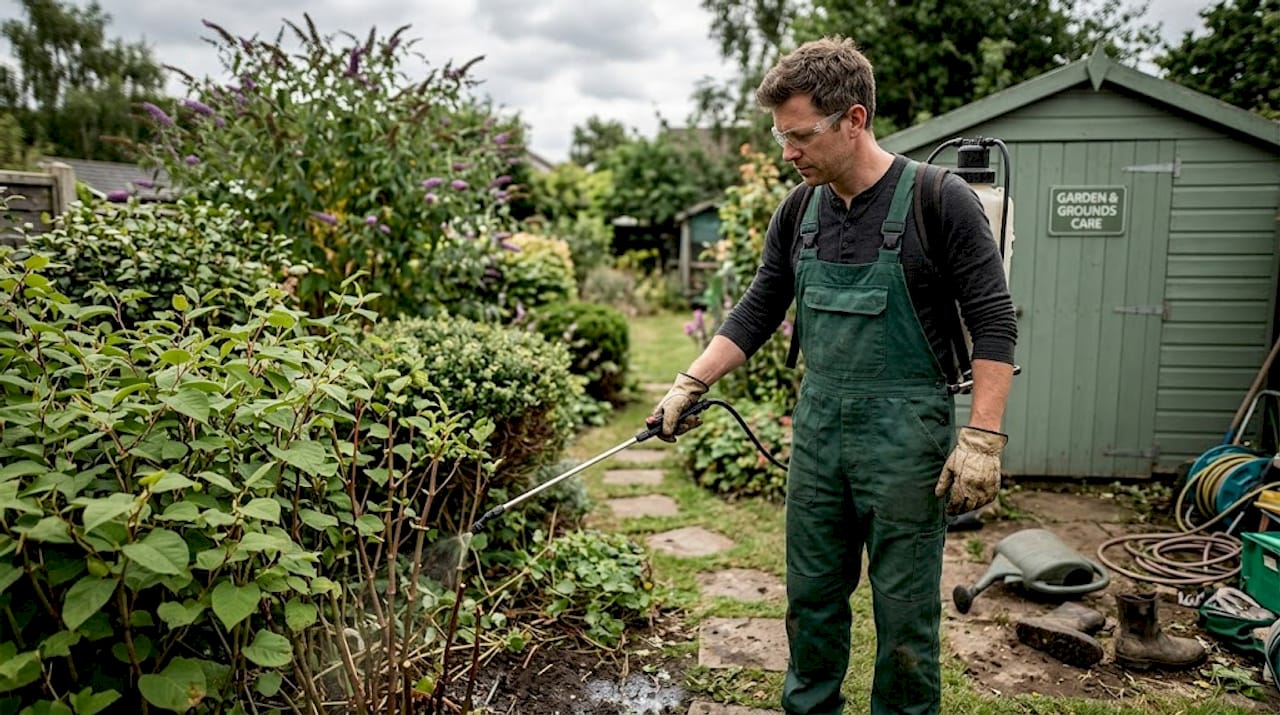
Contractor spraying knotweed during multi-year treatment

Risks of chemical application become significant near protected environments. Watercourses, wetlands, and Sites of Special Scientific Interest require special permits and modified protocols. Drift from spray applications can damage non-target vegetation and contaminate water sources, leading to environmental penalties.

Follow-up monitoring forms a critical component of chemical treatment success. Your contractor should schedule regular inspections to identify new growth and assess treatment effectiveness. Retreatment plans must be flexible, adjusting to the infestation’s response and site conditions.

Pro Tip: Schedule chemical treatments for late August through early October when the plant actively transports nutrients downward, maximizing herbicide delivery to the rhizome system.

Chemical treatment considerations:

  • Contractor must hold valid certification for herbicide application
  • Minimum 3-year commitment with multiple site visits annually
  • Higher costs near protected sites due to permit requirements
  • Risk of environmental damage if improperly applied
  • Requires patience as visible results develop slowly

For homeowners concerned about chemical exposure or environmental impact, explore chemical-free treatment alternatives that eliminate herbicide risks. Compare different approaches through official guidance on herbicide use to understand regulatory requirements. A thorough comparison of chemical and eco methods helps you weigh safety against effectiveness for your specific situation.

Non-Chemical Treatment Options: Energy-Based and Mechanical Solutions

Chemical-free removal methods offer environmentally sensitive alternatives that avoid herbicide risks while still achieving effective control. These approaches suit properties near watercourses, organic gardens, or areas where chemical use is restricted or undesirable.

High-voltage energy treatments represent an innovative approach to Japanese Knotweed control. This method delivers direct electrical energy up to 5000 volts to plant tissue, causing internal cell damage and depleting energy resources within the extensive rhizome network. Each treatment session progressively weakens the plant without introducing chemicals into the soil or groundwater.

Mechanical solutions include two main strategies: root barrier installation and controlled excavation. Root barriers create physical shields that prevent horizontal rhizome spread, protecting foundations and neighbouring properties. Excavation physically removes contaminated soil, eliminating the infestation source but requiring careful waste management.

Chemical-free approaches comply with the strictest environmental regulations, making them ideal for sensitive sites. You avoid waiting periods before replanting, reduce risks to pets and wildlife, and eliminate concerns about herbicide residues in soil.

Limitations exist for non-chemical methods. Equipment availability for energy treatments remains limited compared to chemical contractors. Excavation proves impractical for very large infestations due to soil removal costs. Some chemical-free approaches work best when integrated with other methods for comprehensive control.

Non-chemical treatment benefits:

  • No herbicide residues in soil or groundwater
  • Suitable for environmentally sensitive locations
  • Faster symptom reduction in some cases
  • Compliance with organic gardening standards
  • Reduced risk to pets, children, and wildlife

Explore chemical-free plant removal options to understand how these methods work in practice. Review effective chemical-free solutions for knotweed to see case studies and success rates. These alternatives provide viable paths forward for homeowners prioritizing environmental safety and rapid action.

Excavation and Root Barrier Installation: Protecting Property Foundations

Excavation and root barriers provide physical solutions that directly address underground rhizome networks threatening your property’s structural integrity. These methods require careful planning, regulatory compliance, and professional execution to achieve lasting results.

The excavation process involves layered soil removal, typically extending at least 3 meters horizontally and 2 meters vertically from visible growth. Contractors must avoid overfilling wagons to 90% capacity to prevent spillage during transport. Risk assessments identify potential contamination spread risks before work begins.

Legal permit requirements and risk assessments precede any excavation project. Your contractor must demonstrate proper waste handling protocols, equipment decontamination procedures, and emergency response plans. Local authorities may require site-specific management plans for larger projects.

Root barriers installed per UK standards prevent horizontal rhizome spread without removing soil. These barriers must extend to sufficient depth (typically 2 meters) and project above ground level to prevent rhizomes from growing over the top. Proper installation creates a protective zone around foundations, driveways, and utility lines.

Pro Tip: Request documentation of barrier placement depth and material specifications from your contractor, as this information proves valuable for future property sales and mortgage applications.

Excavation and barrier installation steps:

  1. Conduct thorough site survey mapping infestation boundaries
  2. Obtain necessary permits and complete risk assessments
  3. Establish exclusion zones and decontamination stations
  4. Remove soil in layers, maintaining strict segregation protocols
  5. Clean all equipment before leaving site to prevent spread
  6. Install barriers or dispose of excavated material at licensed facilities
  7. Backfill with clean certified soil and monitor for regrowth
Excavation Stage Primary Risk Mitigation Measure
Site preparation Contamination spread Establish decontamination zones for equipment
Soil removal Fragment dispersal Layer removal with 90% wagon capacity limits
Transportation Material spillage Use covered vehicles with secured loads
Disposal Illegal dumping Verify facility licenses and obtain disposal certificates
Backfilling Reintroduction Use only certified clean soil from verified sources

Learn more about knotweed root barrier guide specifications and installation requirements. Understand the benefits of root barrier installation for long-term property protection. Review excavation safety procedures and root barrier installation standards to ensure your contractor follows best practices.

Disposal Protocols: Handling Japanese Knotweed Waste Safely and Legally

Proper waste disposal forms a critical component of any Japanese Knotweed removal project, with strict legal requirements governing every step from collection to final disposition. Violations carry significant penalties and environmental consequences.

Japanese Knotweed waste is classified as controlled waste under UK environmental law, requiring specialized handling protocols. You must use licensed waste carriers registered with the Environment Agency to transport material from your property. These carriers provide waste transfer notes documenting the chain of custody.

Authorized landfills and incineration facilities represent the only legal final disposal options for most Japanese Knotweed waste. Landfills accepting this material maintain dedicated cells designed to prevent spread. Incineration destroys plant material completely, eliminating regrowth risks.

On-site burning is legal only under registered D7 exemption, which requires advance registration with environmental authorities. Even with exemption, you must follow strict ash disposal requirements, as viable rhizome fragments can survive incomplete burning.

Prohibited disposal methods include composting, garden waste bins, regular household trash, and fly-tipping. These methods guarantee spread and carry prosecution risks. Composting fails to generate sufficient heat to kill rhizomes. Garden waste collection services are not equipped to handle controlled waste.

You must maintain records of all waste movements, including carrier licenses, facility permits, and disposal certificates. These documents prove compliance during property sales and protect you from liability if material is later found improperly disposed.

Legal disposal requirements:

  • Use only licensed waste carriers with valid registrations
  • Obtain waste transfer notes for every load removed
  • Verify disposal facility permits before delivery
  • Keep all documentation for at least 2 years
  • Register D7 exemption before any on-site burning
  • Never use composting, garden bins, or household trash

Find answers to common questions in our knotweed disposal FAQs section. Review comprehensive disposal prohibitions and guidance to understand all regulated methods. Proper disposal protects your property value and prevents legal complications down the road.

Understanding your legal obligations prevents costly mistakes and protects you from liability when managing Japanese Knotweed on your property. UK law places clear responsibilities on homeowners regarding invasive species control.

Your duty of care to prevent spread forms the foundation of these legal obligations. Allowing Japanese Knotweed to spread onto neighbouring properties is an offence under the Wildlife and Countryside Act 1981. This means you must take reasonable steps to contain and manage any infestation on your land.

Neighbours can pursue legal action if your failure to control Japanese Knotweed causes property damage or devaluation. Court cases have resulted in substantial compensation awards and mandatory removal orders. Insurance companies increasingly scrutinize properties for invasive species before issuing mortgages or coverage.

Permit requirements apply when treatments occur near protected sites, watercourses, or designated conservation areas. Your contractor must obtain necessary authorizations before applying herbicides in these sensitive zones. Working without permits constitutes an environmental offence carrying fines and prosecution.

Compliance reduces disputes, maintains property marketability, and demonstrates responsible land management. When you eventually sell your property, you must disclose any history of Japanese Knotweed and provide documentation of professional treatment.

“Homeowners face potential fines and legal action if Japanese Knotweed spreads from their property due to negligence. Understanding and following UK regulations protects both your finances and your neighbours’ property values.”

Key legal compliance points:

  • Prevent spread to neighbouring properties through active management
  • Disclose Japanese Knotweed presence during property sales
  • Obtain permits for treatments near protected areas
  • Use only licensed contractors and waste carriers
  • Maintain records of all treatment and disposal activities
  • Respond promptly to neighbour complaints or concerns

Learn how knotweed legislation impacts homeowners in practical terms. Review comprehensive information about laws around Japanese Knotweed removal to ensure full compliance. Understanding legal risks of knotweed spread helps you take appropriate preventive action before problems escalate.

Treatment Duration and Long-Term Management: Expectations and Monitoring

Realistic expectations about treatment timelines prevent frustration and ensure you commit adequate resources for successful eradication. Japanese Knotweed removal is a marathon, not a sprint.

Japanese Knotweed treatments commonly take 3+ years with repeated monitoring and retreatment. This extended duration reflects the plant’s extensive underground rhizome network, which can survive dormant in soil for years. A single treatment rarely achieves complete eradication.

Repeated site inspections identify new growth emerging from surviving rhizome fragments. Your contractor should visit at minimum twice annually during the growing season, with additional visits if regrowth appears. Each inspection assesses treatment effectiveness and determines whether additional applications are necessary.

Dormant rhizomes present ongoing challenges even after above-ground growth disappears. These underground storage organs can remain viable for extended periods, sprouting new growth when conditions improve. Management plans must account for this persistence.

Neighbour communication and joint efforts significantly improve control outcomes. Japanese Knotweed rarely respects property boundaries. Coordinating treatment with adjacent landowners creates a unified management zone, preventing reinfection from untreated neighbouring stands.

Ongoing vigilance remains essential even after apparent eradication. Many homeowners relax monitoring too early, only to discover new growth years later. Establish a long-term inspection schedule and maintain treatment records for future reference.

Long-term management essentials:

  • Commit to minimum 3-year treatment programs
  • Schedule biannual professional inspections during growing season
  • Monitor for new growth around treated areas
  • Coordinate with neighbours on adjacent infestations
  • Maintain detailed records of all treatments and inspections
  • Plan for potential retreatment even after initial success

Discover strategies for managing dormant knotweed rhizomes that persist underground. Follow our long-term invasive weed management steps for comprehensive control. Review official knotweed management timeline guidance to understand realistic expectations for your property.

Summary Comparison: Choosing the Best Removal Method for Your Situation

Comparing removal methods side by side clarifies which approach best matches your property’s needs, constraints, and priorities. This comparison weighs effectiveness, cost, duration, environmental impact, and legal compliance for the three primary methods.

Removal Method Effectiveness Typical Duration Cost Range Environmental Impact Legal Compliance
Chemical Herbicides High with proper application 3-5 years £1,500-£5,000+ Moderate; risks near water Requires certified applicator; permits near protected sites
Energy-Based Treatment Good; faster symptom reduction 2-4 years £2,000-£6,000+ Low; no chemical residues Minimal restrictions; suitable for sensitive sites
Excavation + Barriers Very high; immediate removal 1-3 months £5,000-£20,000+ High; soil disturbance and transport Requires permits, risk assessments, licensed waste disposal

Chemical herbicides offer proven effectiveness at moderate cost but require patience and ongoing applications. They work well for garden-scale infestations where long-term treatment fits your timeline. Environmental risks limit use near watercourses and organic gardens.

Energy-based methods eliminate chemical concerns while achieving good control rates. They suit environmentally sensitive properties and homeowners seeking eco-friendly solutions. Equipment availability remains more limited than chemical contractors, potentially affecting scheduling.

Excavation combined with root barriers provides the fastest definitive solution but at the highest cost. This approach makes sense for development sites, severe infestations threatening structures, or situations requiring immediate clearance for property sales.

Key decision factors:

  • Infestation size and proximity to structures
  • Budget for initial treatment and ongoing management
  • Timeline urgency and tolerance for multi-year programs
  • Environmental sensitivity of site location
  • Availability of certified contractors in your area

Explore a detailed comparison of invasive weed treatments with additional methods and case studies. This comparison helps you evaluate pros and cons systematically, leading to informed decisions that balance effectiveness, cost, and environmental responsibility for your specific situation.

Situational Recommendations: Which Removal Strategy to Choose

Tailoring your removal strategy to your specific circumstances maximizes effectiveness while controlling costs. Different situations call for different approaches based on infestation characteristics and property constraints.

Small garden infestations covering less than 10 square meters suit certified chemical or energy treatments most effectively. These methods provide cost-effective control without the expense and disruption of excavation. Budget-conscious homeowners can opt for phased chemical treatments spread across multiple years, paying for each application cycle separately.

Large-scale or development sites benefit from excavation combined with root barriers. The upfront investment delivers immediate clearance, enabling construction or sale to proceed without delay. Development timelines often cannot accommodate multi-year treatment programs, making physical removal the practical choice despite higher costs.

Environmentally sensitive or protected habitats require chemical-free solutions to avoid contamination and regulatory violations. Energy-based treatments, careful excavation with enhanced controls, or integrated management combining multiple non-chemical approaches work best in these contexts. Organic certification standards and proximity to watercourses push you toward these methods.

Properties with foundation threats demand immediate defensive action. Root barrier installation provides structural protection while you pursue longer-term eradication through other methods. This two-pronged approach secures your building investment while addressing the biological challenge.

Combining methods often produces superior results compared to single-approach strategies. Initial excavation of the densest growth areas followed by chemical or energy treatment of surrounding zones leverages the strengths of each method.

Situational strategy recommendations:

  • Small residential gardens: Certified chemical or energy treatment with 3-5 year commitment
  • Large development sites: Full excavation with root barriers for immediate clearance
  • Near watercourses or organic gardens: Energy-based or mechanical methods only
  • Foundation protection needed: Priority root barrier install plus chosen eradication method
  • Budget constraints: Phased chemical treatment with annual applications as funds allow

Consult professionals for site assessments before committing to any method. Expert evaluation identifies factors you might overlook, such as hidden rhizome spread or site-specific regulatory requirements. Follow our step by step invasive weed management guide for comprehensive planning. Compare chemical versus eco methods for invasive weeds to understand trade-offs. Professional guidance ensures your chosen strategy matches your property’s unique needs and constraints.

Protect Your Home with Expert Japanese Knotweed Removal Services

You have learned the criteria, methods, and compliance requirements for safe Japanese Knotweed removal. Now it is time to take action with professionals who understand these complexities.

https://japaneseknotweedagency.co.uk

We offer certified, legal removal options including both chemical and chemical-free methods tailored to your property’s needs. Our professional teams ensure safe disposal, full regulatory compliance, and long-term management support. Visit our Japanese Knotweed FAQs for answers to common questions, or explore our chemical free treatment process to see how energy-based solutions work. Contact Japanese Knotweed Agency today to schedule your consultation and protect your property investment.

Frequently Asked Questions

How long does Japanese Knotweed removal usually take?

Treatment typically requires a minimum of three years for full eradication using chemical or energy-based methods. The process involves repeated applications and monitoring to prevent regrowth from surviving rhizome fragments. This timeline varies based on infestation size, treatment method used, and site-specific factors affecting plant vigor.

Can I legally dispose of Japanese Knotweed in my garden compost or trash bin?

Garden composting or regular bins are illegal disposal methods for Japanese Knotweed waste. Homeowners must use licensed waste carriers and authorized landfill or incineration sites to comply with controlled waste regulations. Composting fails to generate sufficient heat to kill rhizomes, and improper disposal can lead to prosecution and fines.

Homeowners can face legal penalties if Japanese Knotweed spreads to neighbours due to negligence. The Wildlife and Countryside Act 1981 mandates control to prevent such spread. Courts have awarded substantial compensation to affected neighbours, and you may receive mandatory removal orders compelling immediate action at your expense.

Should I choose chemical or chemical-free removal methods?

Your decision depends on site sensitivity, budget, and timeline urgency. Chemical methods offer proven effectiveness at moderate cost but require 3-5 years and cannot be used near watercourses. Energy-based chemical-free treatments eliminate environmental concerns and work well in sensitive locations. Excavation provides immediate results at the highest cost, ideal when time constraints demand rapid clearance.

Root Systems: 95% Accurate Japanese Knotweed Surveys 2026

Japanese Knotweed can regenerate from fragments weighing just 0.7 grams, spreading its underground rhizome network up to seven metres horizontally from the visible plant. This extraordinary regenerative power makes eradication a technical challenge that demands deep knowledge of root biology, precise detection methods, and innovative chemical-free treatments to protect your property effectively.

Table of Contents

Key Takeaways

Point Details
Rhizome regeneration Japanese Knotweed rhizomes regrow from tiny fragments, making partial removal attempts counterproductive.
Chemical-free energy treatments Direct voltage disrupts root cell energy, achieving eradication within 18 months without environmental harm.
Detection accuracy Combining ground-penetrating radar with visual surveys delivers 95% accuracy in mapping underground spread.
Root barrier containment Physical barriers installed correctly contain rhizome spread with 90% efficacy post-treatment.
Cutting worsens infestations Mowing or cutting stimulates root growth rather than controlling the plant.

Introduction to Root Systems and Invasive Species

Root systems are underground plant structures responsible for water absorption, nutrient uptake, and anchoring plants into soil. For most plants, roots support healthy growth. Japanese Knotweed operates differently.

Unlike typical roots, Japanese Knotweed develops thick underground stems called rhizomes that store massive amounts of energy and nutrients. These rhizomes function as survival engines, allowing the plant to weather harsh winters, survive cutting, and regenerate aggressively when conditions improve. This storage capacity makes eradication attempts based on cutting or removing visible stems largely ineffective.

Japanese Knotweed roots can grow horizontally up to 7 meters and regenerate from tiny fragments weighing just 0.7 grams. A single broken piece left in soil can sprout an entirely new plant within weeks. This fragment regeneration means digging without complete removal often spreads the infestation across a wider area.

Several factors contribute to the invasive success of Japanese Knotweed root systems:

  • Extensive horizontal spread creating hidden underground networks
  • Rapid spring growth fuelled by stored rhizome energy
  • Ability to penetrate cracks in concrete, tarmac, and building foundations
  • Survival through freezing temperatures and prolonged drought
  • Resistance to most conventional herbicide treatments without repeated applications

The concealed rhizome network operates as the true threat. Above ground, you see stems and leaves. Below ground, an expanding web of energy reserves waits to regenerate the moment conditions allow. Understanding this hidden system is essential to choosing effective eradication methods.

Challenges Posed by Japanese Knotweed Root Systems

Japanese Knotweed rhizomes can regenerate from fragments as small as 0.7 grams, which complicates every removal attempt. Digging risks breaking rhizomes into dozens of viable fragments. Each fragment left behind becomes a new infestation point within weeks.

The root pressure exerted by expanding rhizomes damages property structures in multiple ways:

  • Penetrating foundation cracks and widening them over time
  • Disrupting drainage systems and underground utilities
  • Lifting paving slabs and damaging hard landscaping
  • Compromising retaining walls through persistent root growth
  • Reducing property values due to infestation presence

Seasonal growth patterns affect treatment effectiveness significantly. Spring brings explosive above-ground growth as rhizomes mobilise stored energy. Late summer and autumn see energy flow reverse as the plant prepares for winter dormancy. Treatments timed to intercept energy transfer back into rhizomes achieve better results than random application schedules.

Cutting or mowing Japanese Knotweed triggers a survival response. The plant interprets cutting as damage and responds by stimulating more vigorous root growth and spreading to compensate. Homeowners who mow repeatedly often discover wider infestations the following season, not smaller ones.

Homeowner trimming Japanese Knotweed stems

Pro Tip: Schedule surveys and treatments between late summer and early autumn when the plant translocates energy back into rhizomes. Treatments during this window target stored energy reserves directly, maximising eradication effectiveness.

Timing and method selection determine success or failure. Chemical herbicides require multiple applications over three to five years with no guarantee of complete removal. Excavation risks spreading fragments. Choosing methods that address the hidden rhizome network directly, without breaking it into regenerative pieces, offers the clearest path to lasting control.

Chemical-Free Methods for Eradicating Invasive Root Systems

Direct energy treatments represent a breakthrough in invasive plant eradication technology. This method delivers voltage up to 5000 volts directly to the plant, causing internal cell damage throughout the rhizome network. The electrical energy disrupts cell membranes and depletes energy reserves stored in underground stems. Repeated treatments over 12 to 18 months exhaust the plant’s ability to regenerate.

Chemical-free energy treatments offer distinct advantages over traditional herbicides:

  • No toxic residues left in soil or groundwater
  • Faster results with visible decline within months
  • Safe for surrounding plants and wildlife
  • Effective in areas where chemical use is restricted
  • Lower long-term cost due to shorter treatment duration

Direct energy treatments provide faster eradication under 18 months and avoid environmental harm common with chemical herbicides. Herbicide programs typically require three to five years of repeated applications, with success rates varying widely based on application timing, weather conditions, and rhizome depth.

A typical chemical-free eradication workflow follows these steps:

  1. Conduct a comprehensive property survey using ground-penetrating radar and visual inspection to map rhizome extent.
  2. Mark all infestation boundaries and access points for treatment equipment.
  3. Apply direct energy treatments at scheduled intervals during the growing season, targeting energy transfer periods.
  4. Monitor regrowth between treatments and adjust treatment intensity based on plant response.
  5. Install root barriers after eradication to prevent future rhizome spread from adjacent properties.
  6. Perform final verification surveys to confirm no viable rhizome material remains.
Factor Chemical Herbicides Direct Energy Treatment
Eradication Duration 3 to 5 years 12 to 18 months
Environmental Impact Soil and water contamination risk Zero toxic residues
Success Rate 60% to 75% after full program 85% to 95% with complete protocol
Treatment Frequency Multiple applications annually Scheduled sessions per growth cycle
Nearby Plant Safety Risk of drift damage No impact on surrounding vegetation

Pro Tip: Coordinate energy treatments with the plant’s natural energy cycles. Late summer treatments intercept energy flowing back into rhizomes for winter storage, maximising depletion of reserves and accelerating eradication timelines.

Property Survey Techniques for Detecting and Mapping Japanese Knotweed

Ground-penetrating radar technology uses electromagnetic pulses to create images of underground structures. GPR equipment detects rhizome networks by identifying density differences between soil and plant material. Trained operators interpret radar returns to map rhizome depth, spread direction, and infestation boundaries with precision.

Visual inspection complements GPR by identifying above-ground indicators homeowners and surveyors recognise:

  • Distinctive shield-shaped leaves and hollow bamboo-like stems
  • Purple-speckled young shoots emerging in spring
  • Dense stands forming thickets that crowd out native plants
  • Dead brown stems persisting through winter months

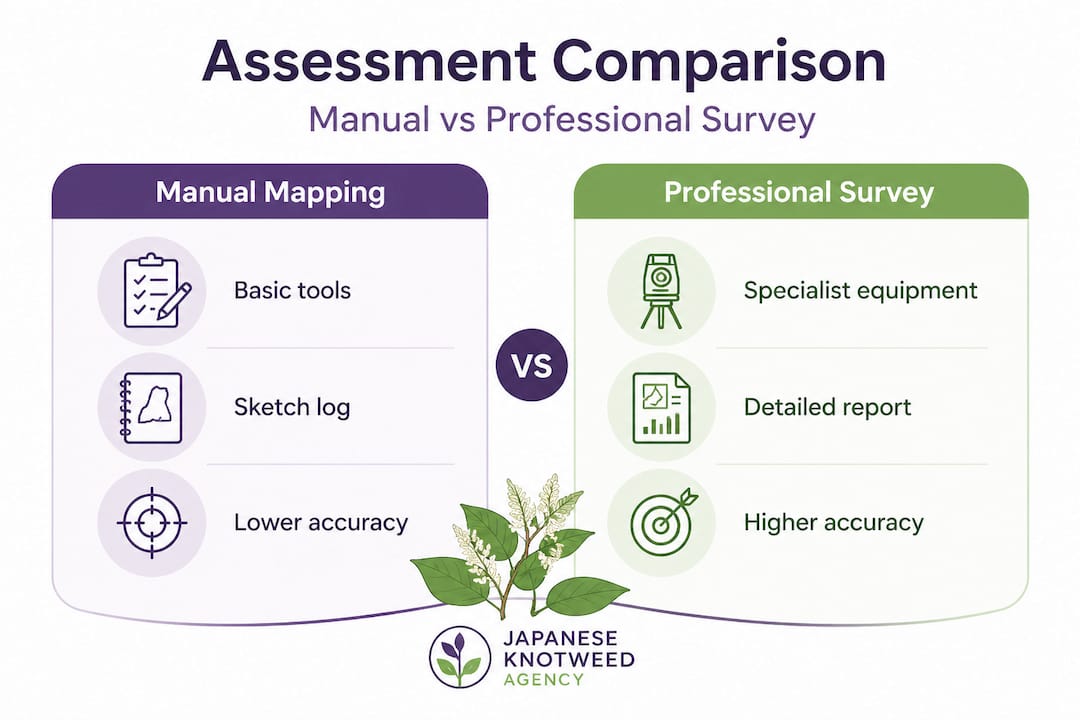
Combining ground-penetrating radar with visual inspection achieves approximately 95% accuracy in detecting Japanese Knotweed rhizomes. GPR reveals hidden rhizome spread beyond visible plant boundaries, while visual surveys confirm species identification and assess infestation maturity.

Survey Method Detection Accuracy Cost Range Best Use Case
Visual Only 50% to 60% Low Initial screening, small gardens
GPR Only 75% to 85% Medium Mapping extent pre-treatment
Combined GPR and Visual 90% to 95% Higher Comprehensive property assessment
Soil Sampling 65% to 75% Low to Medium Confirming fragment presence

Early detection saves significant money by enabling treatment before rhizomes spread to foundations, utilities, or neighbouring properties. Professional surveys using combined methods provide documentation essential for property transactions, mortgage applications, and planning treatment strategies that address the full infestation extent.

Homeowners purchasing property should insist on invasive weed surveys before completing transactions. Discovering Japanese Knotweed after purchase leads to unexpected treatment costs, property devaluation, and potential legal complications if the seller failed to disclose known infestations.

Role and Installation of Root Barriers in Invasive Species Management

Root barriers are physical containment systems made from high-density polyethylene or reinforced membranes installed vertically in soil to block lateral rhizome growth. Properly installed barriers create an underground wall that redirects root expansion away from protected areas like foundations, driveways, and neighbouring properties.

Root barriers physically block rhizome spread and can contain Japanese Knotweed spread with up to 90% efficacy when properly installed. Efficacy depends on installation depth, material quality, and regular inspection for potential breach points.

Installation best practices include:

  • Excavating trenches to at least 2 metres depth to intercept deep rhizomes
  • Selecting puncture-resistant barrier materials rated for root pressure
  • Overlapping barrier sections and sealing joints to prevent gaps
  • Installing barriers in a complete perimeter around the infestation zone
  • Inspecting barrier integrity annually for damage or root penetration attempts

Pro Tip: Install root barriers after eradication treatments substantially reduce rhizome viability. Installing barriers around active, untreated infestations contains spread but does not eliminate the existing rhizome network. Combining eradication with barrier installation delivers the most reliable long-term protection.

Common installation mistakes include insufficient depth, leaving gaps at barrier joints, and failing to account for sloped terrain that allows rhizomes to grow beneath barrier bottom edges. Professional installation ensures barriers integrate effectively into a multi-step eradication and containment plan.

Barriers serve as insurance against reinfestation from adjacent properties where Japanese Knotweed remains untreated. Even after successful eradication on your land, rhizomes from neighbouring infestations can cross property boundaries. Root barriers provide long-term protection by blocking this cross-boundary spread, preserving your investment in eradication.

Common Misconceptions and Pitfalls in Root System Eradication

Homeowners frequently believe cutting or mowing controls Japanese Knotweed. This approach fails because cutting stimulates rather than controls root growth. The plant interprets cutting as damage and mobilises stored rhizome energy to produce more vigorous regrowth. Repeated mowing spreads the problem by creating more stems and denser stands.

Another widespread myth suggests chemical herbicides provide quick, complete removal. Reality shows herbicide programs take three to five years with repeated applications and still fail to eradicate deep rhizomes in many cases. Herbicide effectiveness varies with application timing, weather, and how thoroughly the chemical translocates to underground stems. Many homeowners abandon herbicide programs midway due to slow results and persistent regrowth.

The belief that root fragments cannot regrow contradicts biological evidence. Japanese Knotweed regenerates from fragments as small as 0.7 grams. A piece of rhizome the size of a fingernail left in soil after excavation produces a new plant. DIY excavation attempts often fragment rhizomes extensively, transforming one infestation into multiple scattered growth points.

Professional surveys prevent costly mistakes by:

  • Mapping the full rhizome network extent before treatment begins
  • Identifying optimal treatment methods for site-specific conditions
  • Providing documentation required for property transactions and insurance
  • Establishing baseline infestation data for monitoring treatment progress

Common DIY errors include partial excavation that spreads fragments, applying treatments at ineffective times of year, and underestimating rhizome depth and spread. These mistakes extend eradication timelines, increase costs, and sometimes worsen infestations. Choosing appropriate chemical-free treatments based on professional assessment avoids these pitfalls and accelerates successful control.

Homeowners who attempt eradication without expert guidance frequently restart treatment programs after initial failures, doubling their total investment while the infestation continues spreading and causing property damage.

Bringing Understanding into Action: Choosing and Implementing Solutions

Assessing your situation accurately determines which eradication methods suit your needs. Consider infestation extent first. Small, newly established patches respond faster to treatment than mature stands with extensive rhizome networks. Property size affects access for treatment equipment and influences whether complete excavation remains feasible. Environmental priorities matter if your property includes sensitive habitats, watercourses, or organic gardens where chemical use is unacceptable.

Timeline expectations for chemical-free treatments range from 12 to 18 months for most residential infestations. Larger or more mature stands may require extended monitoring and additional treatment sessions. A comprehensive approach of survey, energy treatment, and root barrier leads to successful control of Japanese Knotweed with elimination of new growth within 18 months.

Follow this practical implementation sequence:

  1. Commission a professional property survey combining GPR and visual inspection to map rhizome extent and depth.
  2. Review survey findings with a treatment specialist to select energy-based or other chemical-free methods appropriate for your site.
  3. Schedule initial energy treatments during the growing season, targeting periods when the plant translocates energy to rhizomes.
  4. Monitor regrowth between treatment sessions and document plant decline.
  5. Install root barriers after rhizome viability drops significantly to contain any residual growth and prevent reinfestation from adjacent properties.
  6. Conduct final verification surveys to confirm eradication and document site clearance for property records.

Hiring professional surveyors and treatment experts locally ensures compliance with regional regulations and access to specialists familiar with soil conditions, climate patterns, and infestation characteristics common in England, Wales, and Ireland. Local experts provide faster response times and ongoing support throughout the eradication process.

Integrating knowledge into a practical strategy means recognising eradication as a multi-step process, not a single event. Effective management combines accurate detection, targeted treatment, physical containment, and verification to protect your property investment long term.

Protect Your Property with Expert Chemical-Free Knotweed Solutions

Professional chemical-free Japanese Knotweed eradication services deliver results homeowners need to safeguard property values and structural integrity. Tailored treatment plans for UK and Ireland properties address site-specific infestation characteristics using direct energy technology that eliminates rhizomes without environmental harm.

https://japaneseknotweedagency.co.uk

Expert property surveys using advanced ground-penetrating radar technology accurately map underground rhizome networks, providing the foundation for effective treatment strategies. Root barrier installation services ensure lasting containment post-treatment, preventing reinfestation from adjacent properties and protecting foundations from future damage.

Consult specialists who understand the biology driving Japanese Knotweed persistence. Personalised plans ensure environmental safety, regulatory compliance, and property protection. Chemical-free invasive plant solutions offer peace of mind backed by proven eradication technology and comprehensive management protocols designed for homeowner success.

Frequently Asked Questions

How early can I detect Japanese Knotweed roots on my property?

Professional surveys using ground-penetrating radar can detect rhizomes before visible above-ground growth appears in spring. Early detection allows treatment to begin when rhizome networks are smaller and less established, reducing eradication time and cost. Schedule surveys if you notice unusual plant growth near boundaries or after purchasing property in areas with known infestations.

What is the typical timeline for chemical-free eradication of Japanese Knotweed?

Most residential infestations require 12 to 18 months of scheduled energy treatments to achieve complete eradication. Larger or more mature stands may extend to 24 months. Treatment frequency depends on plant response and seasonal energy cycles, with monitoring between sessions to assess rhizome viability decline.

Why is a professional property survey important before treatment?

Surveys map the full extent of underground rhizome networks, preventing partial treatments that leave viable fragments. Accurate mapping identifies all infestation boundaries, ensuring treatment coverage reaches deep and lateral rhizome growth. Survey documentation also supports property transactions and provides baseline data for monitoring treatment effectiveness.

Can root barriers completely prevent knotweed regrowth?

Root barriers installed correctly contain rhizome spread with up to 90% efficacy. Complete prevention requires combining barriers with prior eradication treatments to eliminate existing rhizome viability. Barriers function as long-term insurance against reinfestation from neighbouring properties where Japanese Knotweed remains untreated. Annual inspections ensure barrier integrity and catch any attempted breaches early.

What should I avoid doing to not worsen knotweed infestations?

Never cut, mow, or dig Japanese Knotweed without professional guidance. Cutting stimulates root growth and denser regrowth. Digging breaks rhizomes into fragments that each regenerate into new plants, spreading the infestation. Check common mistakes homeowners make and avoid partial removal attempts that multiply rather than solve the problem.

英格兰威尔士入侵植物类型盘点及85%无化学根除法

入侵植物对英格兰、威尔士和爱尔兰的房产构成严重威胁,能够破坏地基、墙体和排水系统。超过80%的贷款机构要求入侵植物调查和管理计划,这意味着房主必须在购买或再融资前解决这一问题。无化学药品的处理方案既环保又有效,为您的房产交易扫清障碍。本文将系统介绍如何识别入侵植物、评估处理方案,并做出明智选择。

目录

主要要点总结

要点 详情
识别关键 准确识别日本结缕草等入侵植物是选择处理方案的前提
无化学方案 高压电脉冲和根障安装技术成功率达85%以上
贷款要求 多数贷款机构严格把控入侵植物风险管理
成本权衡 不同方案在环境保护和长期成本上各有优劣
交易保障 科学选择方案可大幅提升房产融资和交易成功率

选择入侵植物处理方案的关键标准

房主在评估入侵植物处理方案时,必须考虑多个维度的实际影响。根系破坏率直接决定长期控制效果,优质方案能够使复发率低于15%。无化学处理技术避免了传统除草剂对土壤和地下水的污染,确保您的家人、宠物和邻里环境的安全。

处理成本和时间周期影响实际操作可行性。高压电脉冲方案通常需要2到3年的监控周期,成本适中。机械激光挖掘能够完全去除根茎,但初期投资较高,适合高价值地产。合规性是另一个关键因素,超过80%的贷款机构要求入侵植物调查和管理计划,选择符合标准的方案直接影响融资审批和房产交易成功率。

物业类型和地理特征同样重要。狭小庭院可能更适合根障物理隔离,而大型地块则可以采用高压电脉冲技术全面处理。了解入侵植物治理政策有助于您把握合规要点,避免法律纠纷。

选择方案时请注意以下核心因素:

  • 根系破坏深度和覆盖范围决定长期效果
  • 无化学药品方案对环境和健康影响最小
  • 处理周期与成本需符合您的时间和预算
  • 贷款机构认可度影响融资审批速度
  • 物业面积和周边环境决定技术适用性

专业提示: 在选择方案前,请先进行专业调查,明确入侵植物的种类、分布范围和根茎深度。这些信息是制定有效管理计划的基础,也是入侵植物法规对房产影响评估的关键依据。

主要入侵植物类型及其特征识别

英格兰、威尔士和爱尔兰地区常见的入侵植物包括日本结缕草、藏茅草、捆枝花和巨型猪草。日本结缕草的根茎可铺展达7米以上,能够穿透混凝土和沥青,对建筑地基构成严重威胁。藏茅草生长速度极快,单株能在一个生长季内覆盖数平方米面积。

这些植物的繁殖方式多样,既能通过根茎无性繁殖,也能通过种子传播。根茎片段即使仅有几厘米长,也能在合适条件下重新生长。捆枝花的蔓延能力强,能迅速覆盖墙体和围栏,造成结构损坏。巨型猪草的汁液含有光敏性毒素,接触皮肤后在阳光下会引发严重灼伤。

识别入侵植物需要关注以下特征:

  • 叶片形状和排列方式
  • 茎秆颜色和生长高度
  • 根茎分布深度和扩散范围
  • 开花时间和种子特征
  • 生长季节和环境偏好

准确识别是制定针对性处理方案的第一步。您可以参考入侵植物识别清单进行初步排查,或委托专业机构完成详细调查。了解入侵植物调查流程能够帮助您更好地配合专业团队工作,确保调查结果准确可靠。

不同植物对建筑结构的威胁程度各异。日本结缕草的根茎能够钻入地基裂缝,导致结构性损坏。藏茅草虽然根系较浅,但密集的根网会阻碍排水系统正常运作。识别清楚植物类型后,您才能选择最合适的无化学处理方案。

无化学药品的入侵植物处理方案清单

无化学处理技术为房主提供了环保且高效的入侵植物管理选择。高压电脉冲技术通过向根茎输送高达5000伏的直流电能,破坏细胞结构并耗尽根系能量储备,成功率可达85%以上。这种方法对周围土壤和植被无害,处理后土地可立即用于种植。

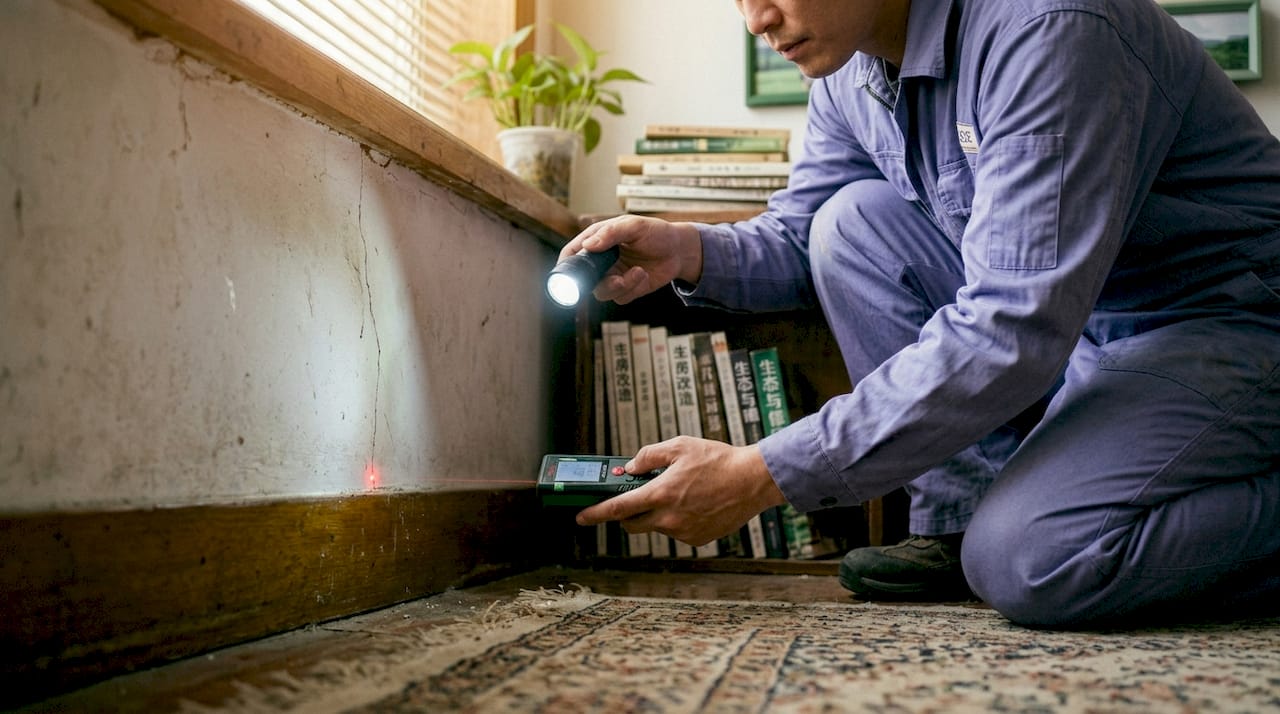
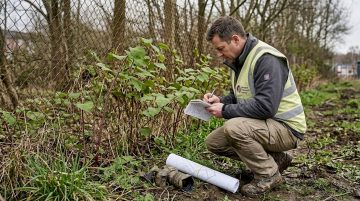
技术人员正在使用专用设备进行根部清除作业。

根障板物理隔离方案通过在地下安装高密度聚乙烯隔离层,阻断根茎的横向扩散。隔离板通常埋设深度达1.5到2米,能够有效防止日本结缕草等深根植物穿透。这种方案特别适合需要保护特定区域的场景,如建筑地基周边或邻里边界。

机械激光挖掘技术能够彻底移除根茎系统,适合高价值地产或急需完全清除的情况。挖掘深度通常达3米以上,所有根茎碎片都会被清理并安全处置。虽然初期成本较高,但这种方法能够一次性解决问题,无需长期监控。

主要无化学处理方案对比:

方案类型 处理机制 适用场景 环境影响
高压电脉冲 细胞破坏和能量耗尽 中型地块和庭院 零污染
根障板隔离 物理阻断根茎扩散 地基保护和边界控制 无化学残留
机械激光挖掘 完全移除根茎系统 高价值物业和紧急情况 土壤扰动最小化
热蒸汽处理 高温杀灭根茎细胞 小面积局部控制 无毒害物质

专业提示: 根据物业具体情况,组合使用多种方案往往能取得最佳效果。例如,先用高压电脉冲削弱根系活力,再安装根障板进行长期隔离,可以将复发风险降至最低。详细了解无化学防治方案清单能够帮助您制定最优策略。

各方案对环境的影响极小,不会污染地下水或影响周边植被健康。处理过程中产生的废弃物可按照标准流程安全处置,符合2026年最新的环保法规要求。选择无化学方案不仅保护您的房产,也体现了对环境的责任感。

入侵植物处理方案的效果及考虑因素对比

评估处理方案时,效果、成本、环境保护和维护需求是四个核心维度。高压电脉冲方案成本适中,单次处理费用通常在2000到5000英镑之间,需要2到3年的定期监控以确保根系完全失活。客户满意度调查显示,这种方案的长期效果满意率超过90%。

根障板安装的初期投资较高,费用取决于隔离面积和深度,通常在3000到8000英镑之间。但这种方案的维护成本极低,一旦安装完成可长期有效阻断根茎扩散,特别适合需要永久性保护的区域。客户反馈表明,根障板在防止复发方面表现优异。

机械激光挖掘是成本最高的方案,大型地块的处理费用可能超过10000英镑。但对于急需完成交易或高端物业而言,这种方案能够一次性彻底解决问题,避免长期监控的时间成本。复发率通常低于5%,是追求最高效果客户的首选。

方案效果和考虑因素对比:

  • 高压电脉冲复发率约12%,需定期监控
  • 根障板长期阻断效能强,维护需求低
  • 机械激光挖掘立即见效,适合紧急情况
  • 综合权衡成本与效果可达最优性价比
  • 客户满意度与方案匹配度密切相关

选择方案时请综合考虑您的预算、时间安排和物业特点。如果贷款机构要求快速解决,机械激光挖掘可能是最佳选择。如果您有充足时间且注重性价比,高压电脉冲结合定期监控是更经济的方案。参考入侵植物处理方法对比能够帮助您做出更明智的决策。

环境保护方面,所有无化学方案都优于传统除草剂处理。它们不会在土壤中留下有害残留物,处理后的土地可以安全用于种植蔬菜或建造儿童游乐设施。这对注重家庭健康和环境责任的房主尤其重要。

针对房屋买卖和再融资的特别建议

入侵植物调查和管理计划对房产交易和再融资至关重要。贷款机构在审批抵押贷款时,会严格评估物业是否存在入侵植物风险。超过80%的贷款机构会要求对存在入侵植物的物业进行专业调查和管理计划,未能提供合规文件可能导致贷款申请被拒。

无化学处理方案因其环保性和有效性,越来越受到贷款机构的认可。相比传统化学除草剂需要多年持续施用,无化学方案能够在较短时间内达到可验证的控制效果。这有助于加快融资审批流程,避免交易延误。

及时进行专业调查是成功交易的关键。建议在挂牌出售或申请再融资前3到6个月完成调查,以便有充足时间实施处理方案并准备相关文件。选择具有资质认证的专业机构能够确保调查报告被贷款机构接受,避免后续纠纷。

房产交易中的入侵植物管理要点:

  • 提前安排专业调查,预留充足处理时间
  • 选择贷款机构认可的无化学处理方案
  • 保留完整的处理记录和监控报告
  • 与买家或贷款机构保持透明沟通
  • 确保管理计划符合2026年最新法规要求

专业提示: 在签署购房合同前,明确约定入侵植物处理责任和费用分摊。卖家通常需要承担调查和初期处理费用,买家则负责后续监控。清晰的责任划分能够避免交易过程中的争议,保护双方利益。

了解入侵植物调查流程能够帮助您更好地配合专业团队工作。调查报告应包括植物种类、分布范围、风险评级和建议处理方案。这些信息是贷款机构做出审批决策的重要依据。

“我们在申请再融资时发现了日本结缕草问题。选择高压电脉冲无化学方案后,贷款机构很快批准了我们的申请。整个过程透明高效,没有影响我们的时间安排。” —— Sarah M., 威尔士卡迪夫房主

入侵植物政策对房产影响的最新变化要求房主和买家更加重视这一问题。2026年起,部分地方政府开始要求在房产登记时披露入侵植物情况。提前处理不仅保障交易顺利,也提升了物业的长期价值。

合理安排时间表能够避免交易延误。高压电脉冲方案通常需要2到3次处理,间隔4到6周。机械激光挖掘可以在1到2周内完成。根据您的交易时间表选择合适方案,确保在完成日前提交所有必需文件。

了解化学药品免疫的专业入侵植物管理方案

您是否担心入侵植物影响房产交易或再融资审批?Japanese Knotweed Agency提供符合贷款机构要求的专业调查和无化学处理服务。我们的高压电脉冲技术成功率达85%以上,通过输送高达5000伏直流电能破坏根系细胞结构,无需使用任何化学药品。

https://japaneseknotweedagency.co.uk

我们的服务覆盖英格兰、威尔士和爱尔兰全境,为房主提供从调查到长期监控的全流程支持。无论是日本结缕草、藏茅草还是其他入侵植物,我们都能制定针对性的无化学入侵植物解决方案,确保您的房产交易顺利进行。

专业调查报告包含详细的植物分布图、风险评估和处理建议,完全符合贷款机构的审核标准。我们的团队经验丰富,了解不同贷款机构的具体要求,能够帮助您准备完整的申请材料。查看入侵植物调查指南了解调查流程和注意事项。

我们还提供根障板安装和机械激光挖掘服务,满足不同物业类型和预算需求。所有处理方案都严格遵循环保标准,保护土壤和地下水安全。通过分步骤入侵植物管理流程,我们确保每个项目都能达到预期效果,让您的房产增值保值。

常见问题解答

入侵植物如何判定为风险等级?

风险等级基于植物与建筑物的距离、根茎扩散范围和潜在损害程度评估。距离建筑地基7米以内的日本结缕草通常被判定为高风险。专业调查会综合考虑植物生长阶段、土壤类型和周边环境,提供详细的风险评级报告供贷款机构参考。

无化学方案适合所有物业吗?

绝大多数物业都适合使用无化学处理方案。高压电脉冲技术适用于中小型庭院和标准住宅地块,根障板隔离适合需要保护特定区域的情况。极少数情况下,如根茎已严重破坏地基结构,可能需要结合建筑修复工程。专业评估能够确定最适合您物业的方案组合。

调查报告多久有效?

调查报告的有效期通常为12个月。如果在此期间未实施处理方案或植物生长情况发生显著变化,贷款机构可能要求更新调查。已经开始处理的物业需要定期提交监控报告,证明管理计划正在有效执行。保持文件更新能够确保融资和交易顺利进行。

处理后如何监控复发?

监控频率取决于处理方案类型和植物种类。高压电脉冲方案通常需要每3到6个月进行一次现场检查,持续2到3年。专业团队会记录根茎活力变化,及时发现复发迹象。根障板安装后只需年度检查,确认隔离层完整性。详细的监控记录是向贷款机构证明管理有效性的关键。

贷款机构如何核验入侵植物处理进度?

贷款机构通常要求提交专业调查报告、处理方案说明和定期监控记录。部分机构会委派独立评估师进行现场核查,确认处理工作按计划进行。选择有资质认证的处理机构能够简化核验流程,因为这些机构的报告更容易被贷款机构接受。透明的沟通和完整的文件记录是通过审核的关键。

处理费用可以纳入抵押贷款吗?

部分贷款机构允许将入侵植物处理费用纳入抵押贷款总额,但需要提前申请并提供详细的处理方案和报价。这种安排通常适用于处理费用较高的情况,如机械激光挖掘。与贷款顾问沟通您的具体情况,了解是否有灵活的融资选项来分摊处理成本。

推荐