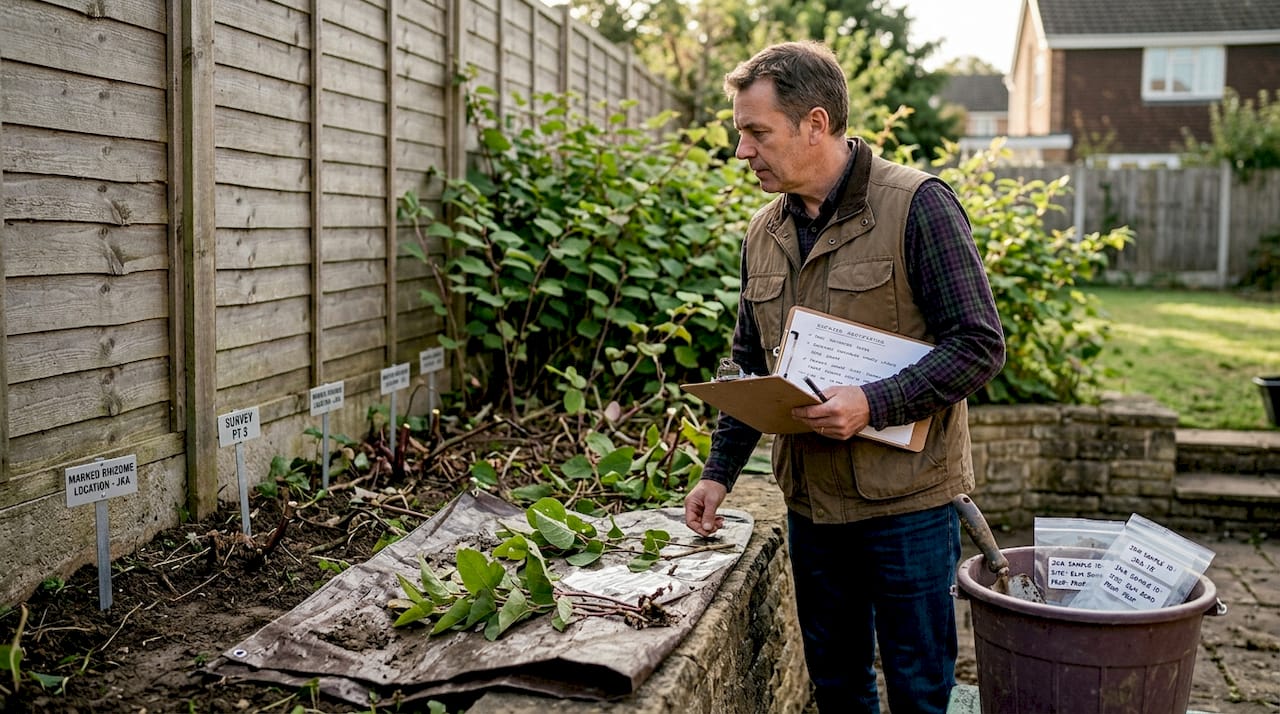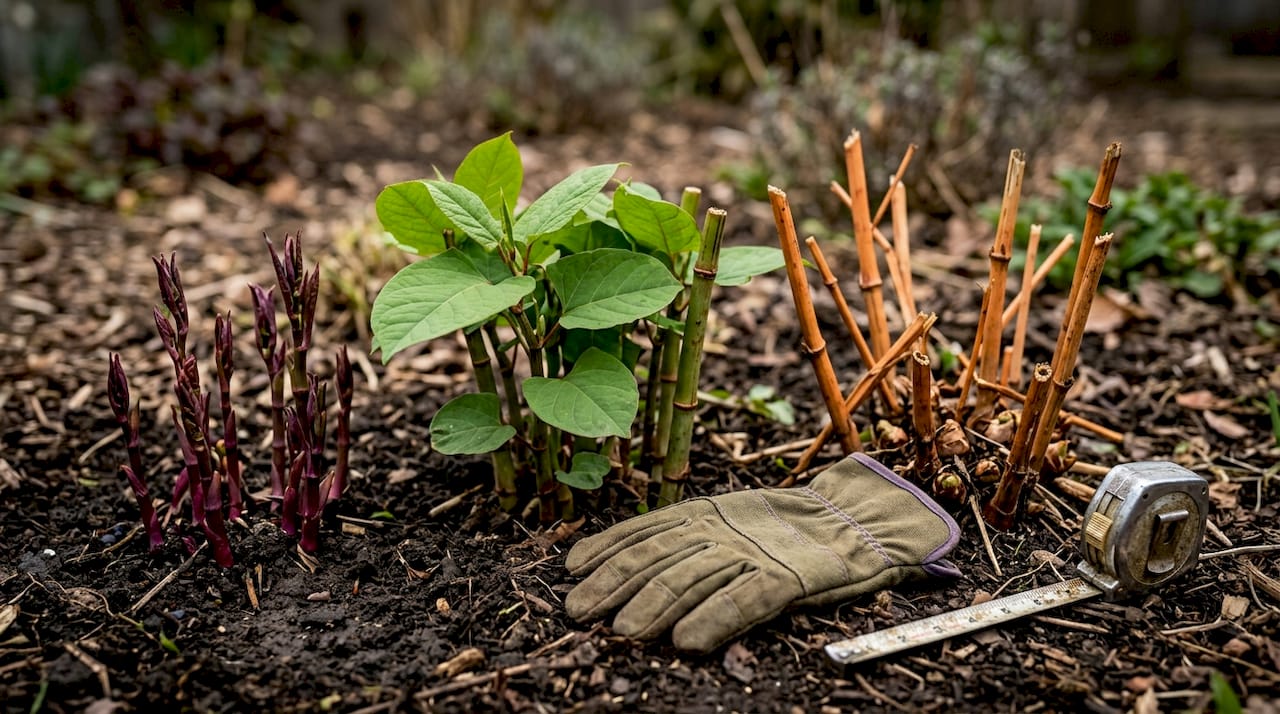


英国日本葛根风险分析:29536例分布与非化学治理优势

每年英国因日本葛根入侵带来的经济损失高达1.656亿英镑,涵盖房产贬值和修复成本。许多购房者严重低估了这种入侵植物的蔓延能力和破坏性。本文将全面介绍日本葛根在英国及爱尔兰的分布现状、潜在风险以及环保的非化学治理方案,帮助房主正确认知和应对这一威胁。

目录

关键要点总结

要点 详情
分布规模 英国确诊活跃日本葛根案例超29536例,年增长率达27.9%,增长迅速
繁殖能力 仅需1厘米根茎碎片即可无性繁殖,扩散速度惊人
经济损失 每年造成1.656亿英镑损失,包括房产贬值和结构修复费用
治理方案 非化学电压处理技术高达5000伏特,环保有效且避免抗药性
法律责任 英国法律限制扩散,房产交易时必须申报入侵植物状况

入侵植物及日本葛根基础知识

入侵植物指从外地引入后对本地生态系统构成严重威胁的物种。日本葛根19世纪从日本引入英伦三岛,当时被视为观赏植物,但其快速生长和强大的无性繁殖能力很快让其成为生态灾难。

日本葛根属于多年生草本植物,具有极强的适应性。其根茎系统可深入地下3米,横向延伸可达7米。每年春季,根茎会萌发出新的竹状茎秆,夏季可生长至3米高度。最令人担忧的是,即使只有1厘米的根茎碎片,也能在合适条件下发育成完整植株。

与英国其他入侵植物相比,日本葛根的蔓延优势更为明显。它能穿透混凝土、沥青和砖墙缝隙,造成建筑结构损坏。相比于喜马拉雅凤仙花和巨型猪草,日本葛根的根茎系统更为发达且难以清除。

英国环境部门已将日本葛根列为重点监控对象。对于房主而言,了解这种植物的基本特征至关重要。通过入侵植物防治方法可以帮助您建立系统的防范意识。详细的日本葛根引入与特性信息能进一步加深您的认识。

专业提示:识别日本葛根的最佳时期是5月至10月。此时植株会开出小白花,心形叶片和竹状茎秆特征明显,便于辨认。

英国及爱尔兰日本葛根及其他入侵植物分布现状

根据2026年最新数据,英国确诊活跃日本葛根案例约29536例,年增长率达27.9%。南约克郡、汉普郡和西苏塞克斯等地区的增长率超过70%,形势严峻。这些热点区域通常位于城市边缘和河流沿岸,人为活动频繁。

爱尔兰的情况同样不容乐观。日本葛根主要沿河流系统和交通路线蔓延,都柏林、科克和戈尔韦等主要城市周边受影响严重。水系传播和建筑废料不当处置是主要扩散途径。

下表展示了英国主要受影响区域的分布数据:

区域 确诊案例数 年增长率 主要蔓延途径
南约克郡 2850+ 72% 水系、建筑工地
汉普郡 2340+ 68% 道路施工、园艺废料
西苏塞克斯 1920+ 71% 河流、土壤转移
大伦敦 3650+ 45% 城市开发、热岛效应
曼彻斯特 2150+ 52% 工业区、铁路沿线

城市热岛效应为日本葛根提供了理想的生长环境。较高的温度和丰富的营养物质加速了植株生长。专业的入侵植物分布调查能帮助房主了解自己所在区域的风险等级。

通过日本葛根分布数据可以查询您所在邮编区域的具体情况。伦敦、伯明翰和利兹等大城市的发病率持续攀升,房产交易中的申报要求日益严格。

入侵植物扩散机制与环境影响解析

日本葛根的根茎繁殖能力是其快速蔓延的核心原因。根茎碎片仅需1厘米即可繁殖,这意味着任何土壤扰动都可能导致植株扩散。建筑施工、园艺活动甚至除草操作都可能无意中传播根茎碎片。

人为活动是最主要的扩散途径。当建筑工地挖掘含有日本葛根根茎的土壤时,这些碎片会随着泥土转移到新地点。车辆轮胎、工具和鞋底也可能携带微小的根茎碎片。河流和溪流会将断裂的根茎冲刷到下游,造成大范围传播。

城市热岛效应显著促进了日本葛根的生长速度。较高的环境温度延长了生长季节,使植株在城市环境中比农村地区长得更快更高。混凝土和沥青吸收并释放热量,为根茎提供了温暖的生长条件。

土壤pH值和营养状况对日本葛根影响有限,这种植物能在贫瘠和污染土壤中茁壮成长。它甚至能在建筑废墟和工业用地上迅速定植,展现出惊人的适应能力。

专业提示:如果您的房产附近有建筑工地或河流,请定期检查是否有日本葛根出现。早期发现能大幅降低治理成本和难度。

通过入侵植物识别指南可以帮助您掌握识别技巧。官方扩散防止指南提供了详细的预防措施,包括如何正确处理可能含有根茎的土壤。

避免在疑似受影响区域进行土壤挖掘。如果必须施工,请先进行专业检测,并采取隔离措施防止根茎扩散。

入侵植物对房产及基础设施的具体危害

日本葛根每年给英国造成约1.656亿英镑损失,这一数字涵盖了结构损坏、修复费用和房产价值下降。根茎系统能穿透混凝土地基的微小裂缝,导致地基沉降和结构不稳。

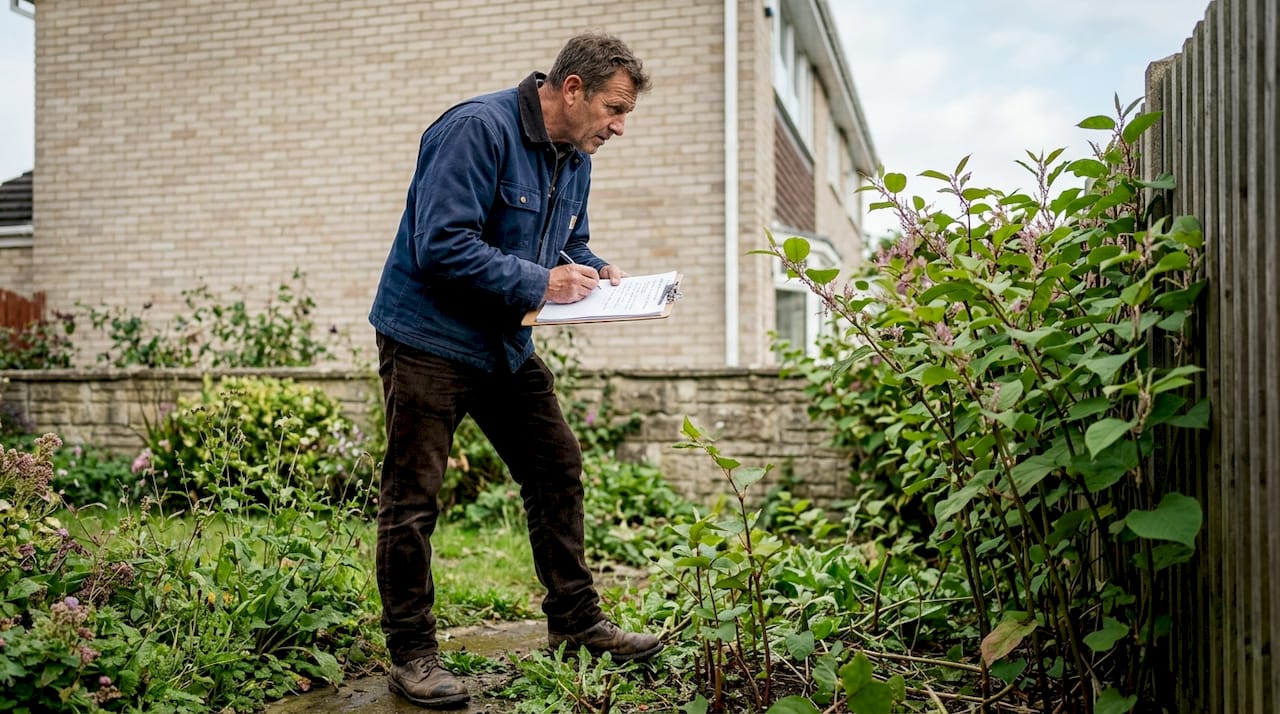
施工人员正在检查因日本结缕草侵害而受损的房屋地基。

建筑结构受损是最直接的影响。日本葛根的根茎会侵入排水系统、地下管道和墙体裂缝,造成堵塞和损坏。修复这些损害往往需要大规模拆除和重建,费用高昂且耗时漫长。

房产估价会因日本葛根的存在而大幅下跌。贷款机构对受影响房产持谨慎态度,可能拒绝提供抵押贷款或要求专业治理证明。买家在得知房产有日本葛根后,通常会要求降价或撤回购买意向。

典型的财产损害案例包括:

  • 地基裂缝扩大导致房屋结构不稳定,修复费用超过5万英镑
  • 根茎侵入排水系统造成堵塞,引发地下室积水和霉菌问题
  • 墙体裂缝被根茎穿透,需要重新砌筑外墙和防水处理
  • 车道和露台被根茎顶起,沥青和混凝土开裂需要重铺
  • 围墙和挡土墙因根茎生长而倾斜倒塌,存在安全隐患

保险公司通常不承保日本葛根造成的损害,房主需自行承担所有费用。及时的入侵植物治理与房产安全管理能有效降低风险。

详细的日本葛根经济损失分析显示,未及时处理的案例平均损失是早期治理成本的8至10倍。

现有日本葛根非化学治理技术与案例分析

非化学电压处理高达5000伏特电压直击根茎细胞,通过破坏细胞结构和消耗能量储备来抑制生长。这种技术避免了化学药剂带来的环境污染和抗药性问题,是目前最环保的治理方案。

电压处理的工作原理是将高压电流直接传导至根茎系统。电流通过时产生的热量和电化学反应会破坏细胞膜和蛋白质结构。多次治疗后,根茎的能量储备逐渐耗尽,植株无法再生长。

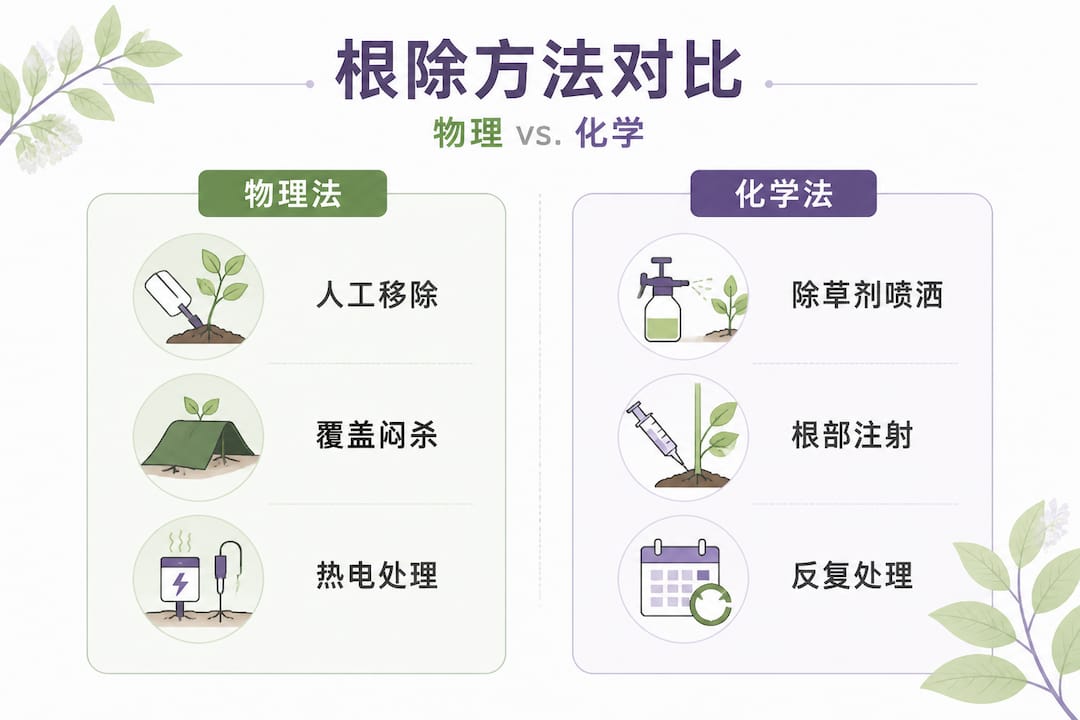
结节草防治方法对比图解

下表对比了不同治理方法的特点:

方法 优点 缺点 治疗周期 环境影响
电压处理 无化学残留、避免抗药性、精准有效 需多次治疗、初期成本较高 3至5年 零污染
化学喷洒 见效较快、操作简单 环境污染、抗药性风险、法律限制 2至4年 高污染
人工挖掘 物理清除、可快速移除 极易残留根茎、扩散风险高 立即但复发率高 中等
根系屏障 防止扩散、长期有效 不能根除、需配合其他方法 持续防护 低影响

实际案例显示,某伦敦住宅区经过18个月的电压治疗后,日本葛根的地面茎秆完全消失,根茎活性检测显示抑制率达95%以上。治疗期间无需使用任何化学药剂,对周围花园植物零影响。

专业提示:选择治理方案时要综合考虑侵染面积、预算、环境因素和法律要求。对于靠近水源或儿童活动区域的案例,非化学方案是最佳选择。

通过非化学防治方案列表可以了解各种环保治理技术的详细信息。综合治理步骤指导能帮助您制定科学的治理计划。详细的电压治理技术介绍解释了这种创新方法的技术原理和应用前景。

相关法律法规与财产交易风险管理

英国法律禁止释放日本葛根,房产买卖时必须申报入侵植物状况。1981年野生动植物和乡村法案以及2014年反社会行为、犯罪和治安法案都对日本葛根的扩散进行了严格限制。

法律明确规定,任何人不得故意或因疏忽导致日本葛根扩散到他人土地。携带含有日本葛根根茎的土壤或植物材料转移需要特殊许可证,否则将面临刑事指控。违反者可能面临最高5000英镑罚款或监禁。

房产交易中的申报义务至关重要。TA6表格(房产信息表)要求卖方如实回答是否知晓房产受日本葛根影响。虚假申报可能导致交易失败、买方索赔甚至法律诉讼。

未申报入侵植物的后果包括:

  • 交易延误或取消,导致购买链断裂和经济损失
  • 买方发现后提起民事诉讼,要求赔偿房产贬值和治理费用
  • 地方政府强制清除令,房主需自费治理并可能面临罚款
  • 邻居因植株扩散到其土地而提起法律诉讼
  • 贷款机构撤回抵押贷款批准,导致交易无法完成

维护房产价值的关键是及时发现和治理日本葛根。专业的侵染评估报告能提供法律认可的证据,保障交易顺利进行。通过入侵植物法律与政策了解最新法规要求。

详细的日本葛根法律法规指南能帮助您理解申报义务和法律责任。

入侵植物误区辨析与正确认知

许多房主错误地认为小面积的日本葛根不会造成严重问题。误区在于1cm根茎即可繁殖且扩散速度惊人,即使初期只有几株植物,一个生长季后也可能蔓延至整个花园。

误区一:小面积侵染无需担心。事实上,日本葛根的根茎系统在地下已经广泛分布,地面可见部分只是冰山一角。忽视早期侵染会导致后续治理成本成倍增加。

误区二:化学药剂是唯一有效方法。虽然草甘膦等除草剂被广泛使用,但长期施用会导致抗药性,且对环境和非目标植物造成损害。非化学电压处理等新技术已证明同样有效且更环保。

误区三:不采取措施也不会有严重后果。这是最危险的误解。法律要求房主控制入侵植物扩散,未采取行动可能面临罚款和法律诉讼。房产交易时的申报义务也不容忽视。

科学事实是日本葛根需要持续管理才能有效控制。单次治疗很难完全根除,需要制定长期的监测和治理计划。专业机构的定期检查能确保治疗效果,防止复发。

倡导综合防治策略:

  • 早期发现和快速响应是降低治理成本的关键
  • 结合多种方法(电压处理、根系屏障、定期监测)提高效果
  • 遵守法律要求,正确处理含有根茎的土壤和植物材料
  • 聘请专业机构进行评估和治理,避免自行操作导致扩散

通过入侵植物管理技巧掌握科学的管理方法。详细的日本葛根误区解析能帮助您建立正确的风险意识。

如何识别入侵植物及选择合适治理方案

准确识别入侵植物是有效治理的第一步。日本葛根的识别特征包括心形叶片、竹状空心茎秆和夏季开出的小白花簇。春季新芽呈红紫色,夏季茎秆可长至3米高,秋季叶片变黄后枯萎。

其他常见入侵植物包括喜马拉雅凤仙花、巨型猪草和杂交葛。喜马拉雅凤仙花具有粉红色花朵和爆裂性种子荚,常见于河岸。巨型猪草叶片巨大且茎秆有紫色斑点,汁液会引起皮肤灼伤。

科学的治理方案选择流程:

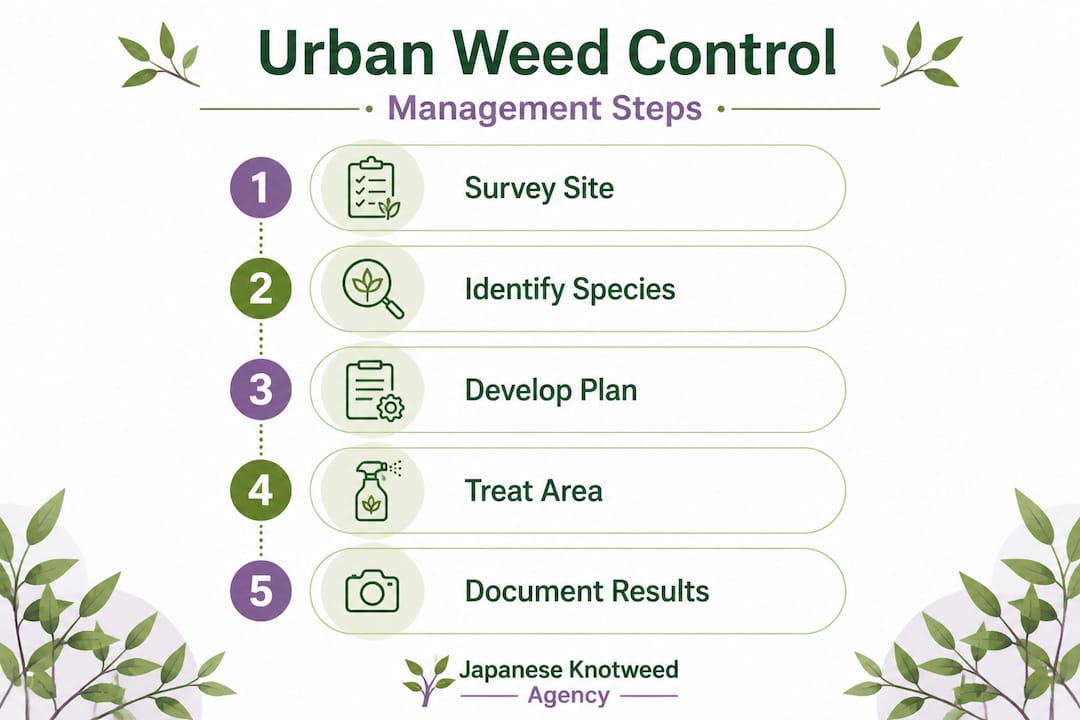
  1. 进行专业侵染评估,确定植物种类、分布范围和侵染程度
  2. 评估房产结构风险,检查地基、排水系统和墙体是否受影响
  3. 根据侵染面积和预算选择合适的治理方法(电压处理、化学治疗或挖掘)
  4. 制定长期监测计划,定期检查治理效果和是否有复发迹象
  5. 获取治理完成证书,为房产交易或贷款申请提供法律保障
  6. 实施预防措施,安装根系屏障防止邻近土地的植株扩散

治理方案需要兼顾环境影响、法律合规和经济成本。靠近水源的区域应避免使用化学药剂,选择电压处理或物理隔离方法。预算有限的情况下,可以先控制扩散,再逐步进行根除治疗。

专业提示:拍摄清晰的植株照片,包括叶片、茎秆、花朵和根部特征,便于专家远程初步诊断。记录首次发现的时间和位置,帮助评估侵染历史。

通过入侵植物识别清单可以系统学习识别技巧。详细的入侵植物治理步骤指导能帮助您制定科学合理的治理计划。

了解我们专业的入侵植物治理服务

前文详细介绍了日本葛根的风险和治理方法,但实际操作中,专业的评估和治疗服务能大幅提高成功率并降低扩散风险。Japanese Knotweed Agency专注于非化学治理方案,采用高达5000伏特的电压处理技术,精准破坏根茎细胞而不污染环境。

我们提供全面的无化学入侵植物解决方案,包括专业检测、治理方案设计、现场治疗和长期监测。我们的服务覆盖英格兰、威尔士和爱尔兰,拥有丰富的案例经验和专业资质。

https://japaneseknotweedagency.co.uk

详细的入侵植物治理步骤指导能帮助您了解治理流程。如果您对日本葛根或其他入侵植物有疑问,请访问我们的常见问题解答获取更多信息。我们的专家团队随时为您提供咨询和支持,保障您的房产安全。

入侵植物常见问题解答

如何判断我的房产是否受日本葛根影响?

观察是否有心形叶片、竹状空心茎秆和夏季开出的小白花簇。春季新芽呈红紫色,这是典型特征。建议聘请专业机构进行全面检测,因为地下根茎系统往往比地面植株范围更广。专业评估报告能为后续治理和房产交易提供法律保障。

非化学治理多久能见效?

通常需要3至5年的持续治疗才能完全控制日本葛根。治疗频率取决于侵染程度和根茎系统规模。电压处理需要每年多次施治,逐步消耗根茎能量储备。虽然周期较长,但这种方法避免了化学残留和环境污染,长期效果更可靠。定期监测能确保治疗有效性并及时调整方案。

未申报入侵植物的法律后果有哪些?

未如实申报可能导致交易失败、买方索赔和法律诉讼。虚假陈述违反了TA6表格的申报义务,买方可以要求赔偿房产贬值和治理费用。地方政府也可能发出强制清除令,房主需自费治理并可能面临最高5000英镑罚款。

小面积日本葛根真的也会扩散吗?

是的,仅需1厘米的根茎碎片即可繁殖成完整植株。地面可见的几株植物往往意味着地下已有广泛的根茎网络。一个生长季内,小面积侵染可能扩散至整个花园甚至邻近土地。早期发现和快速响应至关重要,能显著降低后续治理成本和难度。

有没有免费的入侵植物检测资源?

部分地方政府和环保组织提供基础的识别指导和咨询服务。然而,准确的侵染评估需要专业设备和经验,建议委托有资质的机构进行检测。专业报告不仅能准确判断植物种类和侵染范围,还能为房产交易、贷款申请和法律合规提供必要证明。初期投入能避免后续更大的经济损失。

推荐

Chemical herbicides: 15-20% property value loss exposed

Many homeowners believe chemical herbicides offer a quick, reliable solution for Japanese Knotweed infestations across England, Wales, and Ireland. However, mounting scientific evidence reveals significant health hazards, environmental damage, and financial consequences tied to these treatments. This guide examines the documented risks of chemical herbicide use and presents safer, chemical-free alternatives that protect your family, property value, and local ecosystem.

Table of Contents

Key takeaways

Point Details
Health concerns Glyphosate exposure links to cancer risks and children’s neurodevelopmental harm
Environmental damage Chemical residues reduce soil microbial diversity by up to 30% and disrupt ecosystems
Property value impact Herbicide contamination correlates with 15-20% valuation decreases in residential properties
Regulatory restrictions UK Pesticides Regulations 2011 impose strict controls favouring safer treatment approaches
Chemical-free alternatives High-voltage treatments and root barriers offer effective, compliant eradication without health risks

Understanding the risks of chemical herbicides

Glyphosate dominates Japanese Knotweed treatment protocols throughout the UK and Ireland, yet its safety profile raises serious concerns. The International Agency for Research on Cancer classified glyphosate as a probable human carcinogen in 2015, fundamentally shifting how we should view these chemicals in residential settings. Chemical residues persist in garden soil long after application, creating prolonged exposure windows for families and pets.

Japanese Knotweed’s extensive rhizome network requires repeated herbicide applications spanning multiple growing seasons. Each treatment cycle introduces fresh contamination whilst depleting beneficial soil organisms essential for healthy garden ecosystems. Homeowners often underestimate the cumulative impact of these repeated chemical exposures on their property and surroundings.

Key characteristics of chemical herbicide treatments include:

  • Persistence in soil for months or years after application
  • Non-selective damage to beneficial plants and soil microbes
  • Required multi-year treatment programmes with escalating costs
  • Uncertain eradication outcomes despite prolonged chemical exposure
  • Compliance obligations under UK pesticide regulations

The complexity of managing Japanese Knotweed through chemical means extends beyond simple application. Professional applicators must hold proper certifications, maintain detailed records, and follow strict protocols that many homeowners find impractical for residential properties.

Health risks posed by chemical herbicides

Direct contact with glyphosate-based herbicides occurs through multiple pathways in typical residential treatment scenarios. Skin absorption during application, inhalation of spray drift, and secondary contact from treated vegetation all create exposure opportunities for household members. Children face disproportionate risks due to their developing nervous systems and tendency to play in treated garden areas.

Glyphosate exposure is linked to increased cancer risk and neurodevelopmental issues in children, according to accumulating research from multiple international health agencies. Pregnant women, young children, and individuals with compromised immune systems warrant particular concern when herbicides feature in Knotweed management plans. The risks posed by Japanese Knotweed and herbicides extend beyond the plant itself to include chemical treatment hazards.

Common exposure scenarios for residential herbicide use include:

  • Overspray during application affecting nearby garden areas
  • Contact with freshly treated vegetation before herbicide absorption
  • Residue tracking into homes on shoes, clothing, and pets
  • Groundwater contamination affecting drinking water sources
  • Inhalation risks during and immediately following application

Pro Tip: If chemical treatment remains your only option, ensure all household members and pets stay indoors during application and for at least 48 hours afterwards, with windows closed to prevent drift exposure.

Healthcare professionals increasingly recommend minimising herbicide exposure wherever viable alternatives exist. Chemical-free Knotweed treatments eliminate these health concerns entirely whilst achieving comparable or superior eradication outcomes through proven mechanical and energy-based methods.

Environmental impacts of chemical herbicides

Soil ecosystems represent complex networks of bacteria, fungi, and microorganisms essential for plant health and nutrient cycling. Herbicide applications disrupt these delicate balances, with studies documenting up to 30% reductions in microbial diversity following glyphosate treatments. This degradation persists long after visible Knotweed disappears, compromising future garden productivity.

Chemical residues leach through soil profiles into groundwater systems and nearby watercourses. Non-target organisms including beneficial insects, earthworms, and native plant species suffer collateral damage from herbicide applications intended solely for Japanese Knotweed. The resulting ecosystem imbalances can paradoxically favour invasive species that tolerate disturbed, chemically-stressed environments.

Environmental consequences of herbicide use include:

  1. Reduced earthworm populations affecting soil aeration and nutrient availability
  2. Contamination of surface water harming aquatic ecosystems
  3. Diminished populations of pollinating insects essential for garden biodiversity
  4. Weakened native plant species struggling to compete in chemically-stressed soils
  5. Long-term soil fertility decline requiring increased fertiliser inputs

Chemical-free eradication methods preserve soil health whilst effectively managing Japanese Knotweed infestations. These approaches support rather than undermine the natural biological processes that maintain healthy garden ecosystems.

Pro Tip: Before committing to any Knotweed treatment, request soil health assessments to establish baseline conditions you can monitor throughout the eradication process.

Repeated herbicide applications compound environmental damage through cumulative contamination. Each treatment cycle introduces fresh chemicals into already-stressed ecosystems, creating long-term degradation that chemical-free alternatives avoid entirely.

Impact of chemical herbicide use on property value

Residual herbicide contamination creates measurable concerns within property markets across England, Wales, and Ireland. Residues of herbicides correlate with a 15-20% decrease in property market value compared to uncontaminated comparable properties. Buyers increasingly request soil testing and treatment history documentation before proceeding with purchases.

Estate agent reviewing knotweed property report

Mortgage lenders view herbicide-treated properties with heightened scrutiny, often requiring specialist surveys and indemnity insurance. These additional requirements extend transaction timescales and introduce uncertainty that can derail sales. Properties with documented chemical treatment histories face narrower buyer pools and reduced competitive bidding.

Factor Impact on Property Value Timeframe
Herbicide residue presence 15-20% valuation reduction Immediate and ongoing
Required soil remediation Additional 5-10% cost factor Pre-sale requirement
Buyer perception concerns Extended marketing periods 3-6 months longer
Mortgage lending restrictions Reduced buyer financing options Transaction stage

Solicitors now routinely include herbicide treatment disclosure requirements in property information forms. Failure to disclose chemical treatments can trigger legal disputes and financial penalties after completion. The property value impact of herbicide contamination extends beyond sale price to affect marketability and transaction success rates.

Chemical-free Knotweed treatments eliminate these valuation concerns entirely. Properties managed through non-chemical methods maintain full market value and face no disclosure complications, providing financial protection alongside effective eradication.

Infographic showing herbicide’s effect on property value

Common misconceptions about chemical herbicides

Many homeowners mistakenly believe herbicide application guarantees complete Japanese Knotweed removal. Reality demonstrates otherwise, with regrowth occurring in 40-60% of chemically-treated infestations within two years. Temporary suppression creates false confidence that often delays truly effective intervention.

The assumption that herbicides offer the quickest solution ignores treatment timelines typically spanning three to five growing seasons. Chemical-free alternatives often achieve comparable results within similar or shorter timeframes without associated health and environmental costs. Common misconceptions about herbicides persist despite mounting evidence of their limitations.

Widespread false beliefs include:

  • Single herbicide applications suffice for Knotweed eradication
  • Chemical treatments cost less than alternative methods over full treatment cycles
  • Herbicides pose no risks when applied by professionals
  • Glyphosate breaks down rapidly, leaving no lasting residues
  • Chemical treatment avoids the need for ongoing monitoring

Some chemical treatments may inadvertently stress Knotweed into producing more vigorous rhizome growth as a survival response. This defensive mechanism can actually increase underground biomass whilst surface growth appears diminished, complicating future eradication efforts.

Chemical-free approaches eliminate guesswork through direct mechanical or energy-based intervention. These methods provide visible, measurable progress without the uncertainties and hidden costs associated with herbicide-dependent strategies.

Chemical-free alternatives: effective solutions without the risks

High-voltage energy treatments represent cutting-edge Japanese Knotweed control, delivering up to 5000 volts directly into rhizome systems. This approach causes immediate cellular damage and progressive energy depletion across extensive underground networks. Each treatment session weakens the plant’s capacity to regenerate without introducing any chemical contamination.

Root barrier installations provide mechanical containment, reducing rhizome spread by up to 90% when properly designed and installed. These physical barriers complement other treatment methods whilst protecting vulnerable areas like building foundations and neighbouring properties. The chemical-free knotweed eradication workflow integrates multiple techniques for comprehensive management.

Pro Tip: Combining high-voltage treatments with root barriers achieves faster eradication than single-method approaches, typically reducing total treatment time by 30-40%.

Treatment Method Effectiveness Rate Environmental Impact Typical Duration Regulatory Compliance
Chemical herbicides 60-70% success High contamination risk 3-5 years Requires licensing
High-voltage energy 85-95% success Zero contamination 2-3 years Fully compliant
Root barriers 90% containment Minimal disturbance Immediate protection No restrictions
Combined approach 95%+ success Zero contamination 18-30 months Fully compliant

Key advantages of chemical-free methods include:

  • Immediate safety for children and pets following treatment
  • Preservation of beneficial soil organisms and garden biodiversity
  • No property value reduction from chemical contamination
  • Simplified regulatory compliance without pesticide licensing
  • Visible, measurable progress at each treatment stage

The chemical-free knotweed treatment process provides homeowners with transparent, predictable outcomes. These methods debunk herbicide misconceptions by demonstrating superior efficacy without associated risks.

Excavation works offer definitive removal for smaller infestations or pre-construction scenarios. Whilst more invasive than energy treatments, excavation provides immediate eradication when project timelines demand rapid resolution. Professional assessment determines which approach or combination best suits individual property circumstances.

The UK Pesticides Regulations 2011 establish strict controls governing herbicide purchase, storage, and application. Homeowners attempting DIY Knotweed treatment with professional-grade herbicides may unknowingly breach these regulations, risking enforcement action and financial penalties. Commercial applicators must hold valid certificates of competence demonstrating proper training.

Control of Substances Hazardous to Health (COSHH) regulations impose additional obligations on anyone using herbicides in residential settings. Risk assessments, proper protective equipment, and safe storage requirements often prove impractical for typical homeowners. Professional chemical applicators carry liability insurance specifically covering herbicide-related incidents.

Key regulatory considerations include:

  • Certificate of competence required for professional herbicide application
  • Detailed record-keeping obligations for all pesticide use
  • Restrictions on herbicide application near watercourses and sensitive habitats
  • Notification requirements for neighbouring properties before treatment
  • Potential criminal liability for improper herbicide disposal

Irish pesticide regulations mirror UK standards through the Sustainable Use of Pesticides Directive implementation. Both jurisdictions increasingly favour integrated pest management approaches that minimise chemical dependency. Regulatory trends consistently move towards stricter herbicide controls and enhanced protection for human health and environment.

Chemical-free Japanese Knotweed treatments face no regulatory restrictions beyond standard garden maintenance. This simplified compliance landscape removes legal complexity whilst delivering effective eradication aligned with evolving environmental protection standards.

Conclusion: making safe, effective Japanese Knotweed treatment decisions

The evidence overwhelmingly supports avoiding chemical herbicides for residential Japanese Knotweed management. Health risks to families, environmental degradation, property value reduction, and regulatory complexity create a compelling case for alternative approaches. Chemical-free treatments deliver superior outcomes across every meaningful metric.

Homeowners in England, Wales, and Ireland now access proven technologies that eradicate Japanese Knotweed without compromise. High-voltage energy systems and root barriers combine effectiveness with safety, protecting both immediate property interests and long-term investment value. Professional assessment ensures treatment strategies match specific infestation characteristics and site conditions.

UK and Irish regulations increasingly recognise chemical-free approaches as best practice for invasive species management. This regulatory alignment provides confidence that choosing non-chemical methods positions your property favourably for future compliance requirements. The financial, health, and environmental cases for avoiding herbicides strengthen yearly as research expands and regulatory standards evolve.

Protecting your family whilst achieving complete Knotweed eradication no longer requires accepting chemical contamination risks. Professional chemical-free services deliver results that preserve property value, comply with regulations, and maintain garden ecosystem health for years ahead.

Explore professional chemical-free knotweed solutions

Japanese Knotweed Agency pioneered chemical-free treatment and eradication across England, Wales, and Ireland, developing proven methods that protect your family and property value. Our high-voltage energy delivery system targets rhizome networks with up to 5000 volts, achieving cellular damage and energy depletion without any chemical residues.

https://japaneseknotweedagency.co.uk

Discover our comprehensive chemical-free knotweed treatment process designed specifically for residential properties. We combine cutting-edge technology with root barrier installations and excavation services when required. Our detailed chemical-free eradication workflow ensures transparent progress tracking throughout your treatment programme. Visit our common questions about knotweed treatment for immediate answers, or contact us directly for a professional property survey tailored to your specific circumstances.

Frequently asked questions about chemical herbicides and knotweed

Why is glyphosate considered hazardous to health?

Glyphosate received classification as a probable human carcinogen by the International Agency for Research on Cancer in 2015 based on accumulating evidence linking exposure to increased cancer risks. Research also documents neurodevelopmental concerns for children exposed during critical growth periods, prompting health agencies worldwide to recommend minimising residential use.

Are chemical herbicides guaranteed to remove Japanese Knotweed?

No treatment method provides absolute guarantees, but herbicides show particularly high failure rates with 40-60% of treated infestations experiencing regrowth within two years. Chemical treatments require multi-year programmes with repeated applications, creating prolonged exposure risks without assured eradication outcomes.

What chemical-free methods are effective for Knotweed control?

High-voltage energy treatments deliver direct cellular damage to rhizome systems, achieving 85-95% eradication success rates within 2-3 years. Root barriers provide 90% containment when properly installed, whilst excavation offers immediate removal for appropriate circumstances. Combined approaches typically exceed 95% success rates.

Can chemical herbicides lower my property’s value?

Yes, herbicide residues correlate with 15-20% property valuation reductions compared to uncontaminated comparable properties. Buyers increasingly request treatment history disclosure and soil testing, whilst mortgage lenders impose additional survey requirements that complicate transactions and narrow buyer pools.

What regulations govern herbicide use in UK homes?

The UK Pesticides Regulations 2011 and COSHH requirements establish strict controls on herbicide purchase, storage, application, and disposal. Professional applicators need valid certificates of competence, whilst homeowners face complex compliance obligations including risk assessments, protective equipment requirements, and detailed record-keeping that chemical-free methods avoid entirely.

治理侵入性植物流程:85%根障阻断提升成功率2026

侵入性植物的根茎可深达7米,横向扩展2至3米,形成庞大地下网络。传统化学喷洒往往治标不治本,碎片存活时间长达7年。本文全面介绍科学、无化学的治理流程,帮助您制定高效方案,保障房产安全与价值。

目录

主要结论速览

要点 详情
生物特性决定复杂治理需求 根茎深达7米且碎片存活7年,需科学长期治理
无化学高压电技术环保高效 5000伏直接能量破坏细胞,无化学残留适合居民区
综合物理措施显著提升成功率 根障阻断率超85%,配合挖掘降低复发率
治理周期及复发监控需长期坚持 通常需12至24个月,持续监控防止复发
侵入植株影响房产价值和贷款审批 房产贬值20%至30%,增加抵押贷款申请难度

侵入性植物的生物学特性及其危害机制

理解侵入性植物的地下结构是科学治理的基础。这些植物的根茎系统远比地表可见部分复杂,根茎可深达7米,横向扩展2至3米。这种庞大的地下网络使得简单的地表清除完全无效。

根茎碎片的顽强生命力是治理难度的核心原因。即使是指甲大小的根茎碎片也能存活并重新生长,存活时间可达7年。您在挖掘或搬运土壤时,任何遗留的碎片都可能导致新的侵袭。植物通过这些地下网络迅速向邻近区域扩散,一旦建立就极难根除。

地下根茎的破坏力不容小觑。它们能够穿透混凝土裂缝、破坏排水系统、损坏建筑基础。土壤结构被根茎网络彻底改变,导致地基不稳定。这种破坏通常在地表症状出现前已经发生,等您发现时损失已经形成。

专业提示: 早期识别是关键。定期检查房产周边可以在侵袭初期发现问题,大幅降低治理成本和难度。

关键生物特征:

  • 根茎深度可达7米,常规挖掘无法触及
  • 碎片存活期长达7年,极易复发
  • 横向扩展速度快,单季可达2米
  • 强破坏力影响建筑和土壤结构

“根茎系统的复杂性决定了治理必须采用综合策略,单一方法难以奏效。”

当前主流化学无害治理技术解析

高压电处理技术代表了侵入性植物治理的重大突破。该技术通过向植物输送高达5000伏的直接能量,造成内部细胞损伤并耗尽根茎网络的能量储备。每次处理都会削弱植物的生存能力,经过多轮处理后实现根除。

高压电无化学治理技术无化学残留,避免环境二次污染。传统化学喷洒会在土壤中残留数月甚至数年,影响其他植物生长并可能渗入地下水。这种环保特性使其特别适合居民区和儿童活动区域,减少健康隐患。

治理效率是该技术的突出优势。与传统化学喷洒相比,高压电处理的效果更快更彻底。化学方法需要植物处于生长期吸收药剂,而高压电可在任何季节实施。这种灵活性让您能够在最佳时机开始治理,不受季节限制。

持久监控仍是保障根除的关键。即使采用先进技术,治理过程也需要12至24个月。您需要配合专业团队定期复查,及时处理任何新芽或残留根茎。无化学侵入植物处理建议强调了长期监控的重要性。

专业提示: 选择治理技术时,优先考虑环保性和长期效果。短期成本节省可能导致更高的复发处理费用。

技术优势总结:

  • 5000伏高压电破坏植物细胞结构
  • 无化学残留,环境友好安全
  • 适合居民区,无健康隐患
  • 不受季节限制,灵活实施
  • 效率显著优于传统喷洒

物理措施对比:根障安装与土壤挖掘技术

物理措施在综合治理方案中发挥关键作用。根障和土壤挖掘各有特点,理解它们的优劣可以帮助您做出明智选择。根障通过物理屏障阻断根茎横向扩散,根障阻断根茎扩散率超85%,配合挖掘显著降低复发率。

根障安装是一次性投资带来长期保护。专业根障深度通常为2至3米,材料耐用可持续数十年。它不会杀死现有植物,但能有效防止扩散到建筑或邻近区域。对于边界清晰的侵袭区域,根障是成本效益最高的选择。

花园防根隔板规范施工现场

土壤挖掘适合根系密集且面积有限的区域。这种方法直接移除含有根茎的土壤,立即消除威胁。但挖掘深度需达到根茎底部,通常5至7米,成本较高且场地扰动大。您还需要妥善处置挖出的土壤,因为其中可能含有活跃碎片。

两者结合使用是提高成功率的最佳策略。先进行根障安装控制扩散范围,再在核心区域实施挖掘清除主要根茎。这种综合方案能够将复发率降至最低,同时控制总体成本。入侵植物物理治理对比详细分析了不同场景的最优选择。

措施类型 优势 局限性 最佳应用场景
根障安装 阻断率超85%,一次投资长期有效 不杀死现有植物,需配合其他方法 边界清晰的区域,预防扩散
土壤挖掘 立即移除根茎,效果直接 成本高,场地扰动大,需妥善处置 根系密集的小面积核心区
综合方案 显著降低复发率,效果持久 需要专业规划和较高预算 严重侵袭且要求彻底根除的场合

专业提示: 在制定物理治理方案前,先进行专业调查评估根茎分布。盲目挖掘可能遗漏深层根茎或造成碎片扩散。

物理措施关键考量:

  • 根障材料和深度需符合专业标准
  • 挖掘深度必须达到根茎底部
  • 土壤处置需遵守法规要求
  • 综合方案成本效益最优

治理实施步骤与时间周期预期

科学治理需要遵循系统化流程。治理周期通常为12至24个月,具体取决于根茎密度和现场条件。急于求成往往导致复发,反而增加总体成本和时间。您需要做好长期治理的心理和预算准备。

单次表层处理的复发率高达90%。许多房主误以为清除地表植株就能解决问题,结果次年春天又见新芽。地下根茎网络才是真正的目标,需要持续多轮处理才能逐步削弱其生存能力。

持续监控和周期复查是成功的保障。即使主要治理完成,您仍需定期检查是否有新芽萌发。早期发现残留根茎可以用简单方法处理,避免其重新建立庞大网络。专业团队会制定详细的复查计划,通常在第一年每季度一次,第二年每半年一次。

逐步清除根茎能够减少对房产的长期影响。激进的一次性挖掘虽然快速,但可能对建筑基础和景观造成严重破坏。分阶段治理让土壤和周边环境有时间恢复,最终效果更加稳定。入侵植物治理实施步骤提供了详细的时间表和检查清单。

标准治理流程:

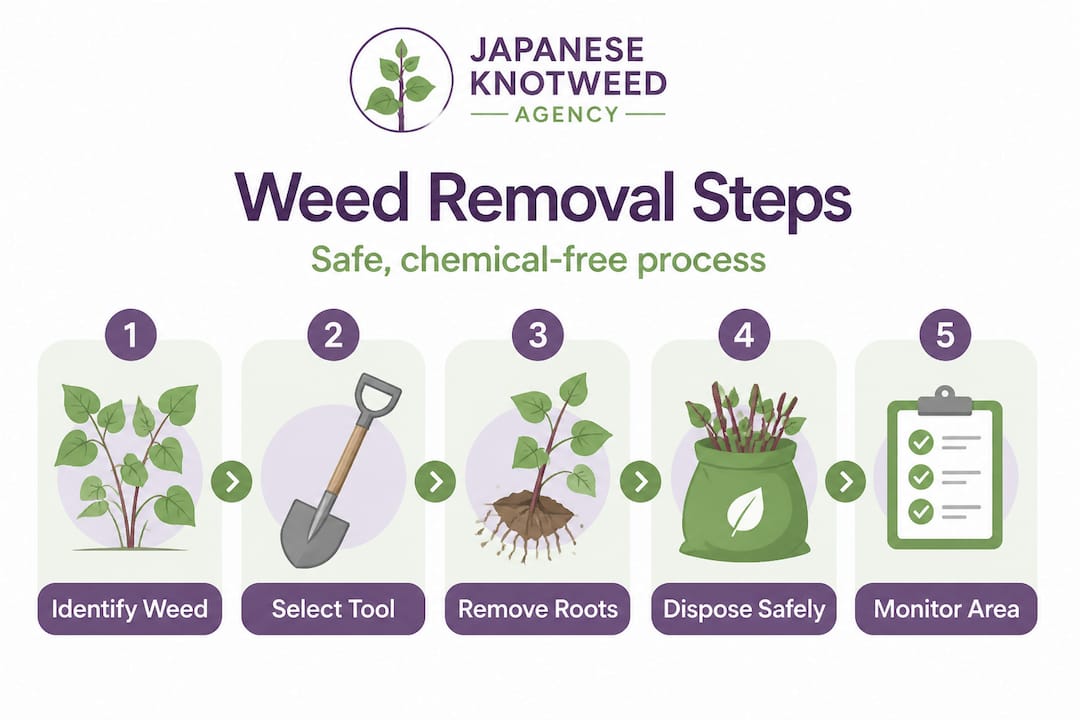
  1. 专业调查评估根茎分布和侵袭程度
  2. 制定个性化治理方案和时间表
  3. 实施初期处理(高压电或化学方法)
  4. 安装根障或进行土壤挖掘(如需要)
  5. 定期复查和补充处理新萌发植株
  6. 长期监控确保无复发迹象
  7. 最终验收和成果报告

侵入性植物对房产价值与抵押贷款的影响

侵入性植物对房产经济价值的影响远超许多房主预期。存在侵入植物的房产价值平均下降20%至30%,这种贬值不仅反映在售价上,也影响评估和保险费率。买家通常要求大幅折扣以覆盖未来的治理成本和风险。

抵押贷款审批因侵入植物而变得更加困难。部分贷款机构直接拒绝为存在侵入植物的房产提供贷款,其他则要求提供专业治理方案和担保。即使获批,贷款金额可能被削减,利率也会提高。这种金融障碍严重影响房产的流动性。

科学治理可以有效提升资产价值和贷款成功率。完成专业治理并获得无侵袭证明的房产,其价值可以恢复至正常水平。贷款机构也更愿意接受有完整治理记录和长期保障计划的申请。您的投资回报不仅是消除威胁,更是恢复房产的市场竞争力。

早期发现与处理是减轻损失的关键。在侵袭初期阶段治理,成本通常只需数千英镑。拖延至严重阶段,治理费用可能高达数万英镑,加上房产贬值损失,总损失可能超过十万英镑。入侵植物对房产及贷款影响详细解析了法律和金融层面的风险。

经济影响关键数据:

  • 房产价值下降20%至30%
  • 治理成本从数千至数万英镑不等
  • 部分贷款机构提高审批门槛或直接拒绝
  • 保险费率可能因风险增加而上涨

“侵入性植物不仅是园艺问题,更是严重的资产和金融风险。早期治理是最经济的选择。”

重要提醒: 出售房产时必须如实披露侵入植物情况。隐瞒可能导致法律纠纷和经济赔偿,损失远超治理成本。

常见误区澄清与科学认知建立

许多房主对侵入性植物治理存在误解。误区1认为化学药剂是唯一有效方法。这种观念忽视了现代无化学技术的进步,高压电处理已被证明效率更高且环保。您不必在效果和环境安全之间做出艰难选择。

误区2是一次处理即可根除,无需长期监控。前文已强调,单次表层处理的复发率高达90%。根茎系统的复杂性决定了治理必须是持续过程。任何承诺一次根除的方案都值得怀疑,很可能是不负责任的营销话术。

误区3假设所有侵入植物采用相同治理方式。不同植物的生物特性差异巨大,Japanese Knotweed、Giant Hogweed和Himalayan Balsam需要完全不同的策略。您必须基于准确识别制定个性化方案,盲目套用标准流程效果有限。

科学认知的核心是依据植物特性和现场条件制定方案。专业调查能够确定根茎分布、土壤条件、周边环境等关键因素。基于这些数据,治理团队会选择最合适的技术组合。标准化方案可能在某些情况下有效,但个性化设计才能确保最优结果。治理误区澄清帮助您建立正确的治理观念。

需要纠正的常见误解:

  • 化学药剂并非唯一选择,无化学技术更环保高效
  • 一次处理无法根除,需12至24个月持续治理
  • 不同植物需要不同策略,个性化方案是关键
  • 便宜的快速方案往往导致复发和更高总成本
  • DIY治理风险极高,可能加剧扩散

治理成功标准与长期复发控制策略

明确的成功标准是评估治理效果的基础。根系密度大幅下降且无新芽连续3年未萌发,是公认的成功判定标准。这个时间跨度确保了残留根茎已失去活性,复发风险降至可接受水平。您需要耐心等待这个验证期,不要过早中断监控。

长期复发率低于15%需要综合物理及监控手段。单纯依赖一种方法,复发率可能高达40%至50%。结合高压电处理、根障安装和定期复查的综合方案,能够将这个比例控制在15%以下。这种投资是值得的,避免了反复治理的循环。

物理干预降低复发风险的操作流程一览

社区参与和定期检测极大提升治理持久性。侵入植物不会尊重产权边界,邻居的未治理侵袭可能通过地下根茎重新入侵您的区域。与邻近房主协调治理行动,可以形成防护网络。定期的社区检测活动能够早期发现新的威胁。

科学监控及预警体系是持续保障。专业团队使用遥感技术和地下探测设备追踪根茎活动。这些技术能够在地表症状出现前发现残留根茎,允许及时干预。您应该与治理公司签订长期监控协议,将风险降至最低。长期复发控制策略提供了详细的监控计划模板。

成功保障措施:

  • 连续3年无新芽萌发作为成功标准
  • 综合方案将复发率控制在15%以下
  • 定期专业检测和快速响应机制
  • 社区协调形成区域防护网络
  • 长期监控协议提供持续保障

选择专业,保障房产安全:我们助您高效治理侵入性植物

掌握了科学治理知识后,选择专业团队是关键一步。Japanese Knotweed Agency基于最新无化学高压电技术,为您提供环保高效的治理方案。

https://japaneseknotweedagency.co.uk

我们的综合服务涵盖专业调查、个性化方案设计、现场治理实施和长期复诊监控。5000伏高压电技术配合根障安装和必要的土壤挖掘,确保彻底根除。每个项目都有详细的治理步骤记录和进度追踪。

环保无化学残留是我们的核心优势。无化学侵入植物解决方案特别适合有儿童和宠物的家庭,让您安心无忧。我们服务覆盖英格兰、威尔士和爱尔兰全境,随时为您的房产安全提供专业支持。

更多详情和常见问题解答请访问我们的网站,专业团队随时为您提供咨询。

常见问题解答

什么是侵入性植物?

侵入性植物是指非本地物种,通过强大的根系网络快速扩散,对生态系统和房产造成破坏。它们通常缺乏天敌,繁殖能力极强。Japanese Knotweed和Giant Hogweed是英国最常见的侵入性植物,对建筑基础和排水系统构成严重威胁。

治理侵入性植物通常需要多长时间?

治理周期通常为12至24个月,具体取决于根茎密度和侵袭范围。这个时间包括多轮处理和持续监控。单次处理无法根除,需要耐心和专业指导。成功标准是连续3年无新芽萌发,确保根茎完全失活。

高压电治理技术有哪些优势?

高压电技术通过5000伏直接能量破坏植物细胞,无化学残留,环保安全。它不受季节限制,任何时候都可实施治理。效果快速且持久,特别适合居民区和儿童活动区域。相比传统化学喷洒,对环境和健康的风险大幅降低。

侵入性植物如何影响房产贷款审批?

存在侵入植物的房产价值平均下降20%至30%,严重影响评估结果。部分贷款机构因此提高审批门槛,要求提供专业治理方案和担保,有些甚至直接拒绝贷款申请。完成科学治理并获得无侵袭证明,可以恢复房产的金融可接受性和市场竞争力。

治理后的复发如何预防?

建立长期监控和定期检测机制是预防复发的关键。专业团队应在治理后的前两年定期复查,及时处理任何新萌发植株。结合根障等物理阻断措施,可将复发率控制在15%以下。社区协调和邻居同步治理也能减少外部重新入侵的风险。

推荐

Top 4 Non-Chemical Knotweed Controls: Up to 95% Effective

Japanese Knotweed poses a formidable challenge for UK homeowners seeking safe, effective eradication without chemicals. With glyphosate herbicide bans in effect since December 2025, demand for non-chemical solutions has surged across England, Wales, and Ireland. This article explores the top four proven non-chemical methods that protect your property, comply with UK law, and deliver results you can trust.

Table of Contents

Key Takeaways

Point Details
Non-chemical methods avoid environmental and legal risks Chemical-free approaches protect soil, water, and non-target species while meeting UK invasive species regulations.
Thermo-electric treatment kills rhizomes with electrical heat Up to 5000 volts destroy knotweed cells safely, achieving eradication within 1-2 years.
Mechanical removal requires careful excavation and follow-up Hand-pulling and excavation work for small infestations but need meticulous disposal and monitoring.
Root barriers prevent underground spread effectively Physical barriers block lateral rhizome growth, protecting foundations and gardens when combined with removal.
Biological controls offer fast, chemical-free eradication Methods like Roots Reset eradicate knotweed within 1 year while restoring natural soil health.

Selection Criteria for Non-Chemical Weed Control Methods

Choosing the right non-chemical knotweed control method requires evaluating several critical factors. Your selection impacts not only eradication success but also environmental safety, legal compliance, and long-term costs.

Effectiveness in killing rhizomes and preventing regrowth stands as the top priority. Japanese Knotweed’s extensive underground network can regenerate from fragments as small as 1 cm, making thorough treatment essential. Environmental safety matters equally, particularly near watercourses, organic farms, and conservation areas where chemicals pose unacceptable risks.

Compliance with UK invasive species law prevents legal penalties and protects property values. Cost considerations include both initial investment and ongoing maintenance over multiple years. Implementation ease varies dramatically: some methods require specialized equipment and professional expertise, while others suit determined DIY homeowners. Finally, timeframe expectations influence your choice, as methods range from rapid 1-year eradication to multi-year approaches requiring patience.

Pro Tip: Always assess your specific infestation size, proximity to sensitive areas, and budget before committing to a control method to ensure the best fit for your property.

Key evaluation criteria include:

  • Rhizome kill rate and regrowth prevention capability
  • Impact on surrounding plants, wildlife, and water quality
  • Alignment with legal obligations for eco-friendly weed control
  • Total cost including equipment, labor, and follow-up treatments
  • Professional service availability in your region
  • Expected timeline from first treatment to complete eradication

Thermo-Electric Treatment

Thermo-electric treatment represents a breakthrough in chemical-free knotweed control, delivering electrical heat up to 5000 volts directly to stems and rhizomes. This targeted energy penetrates deep into the root system, causing internal cell damage and gradually depleting the plant’s energy reserves with each application.

The method excels in environmentally sensitive locations where herbicide use would violate regulations or harm ecosystems. It’s safe for use near watercourses, organic farms, and protected habitats, making it ideal for conservation-minded homeowners. Typically achieving complete eradication within 1-2 years, thermo-electric treatment outpaces mechanical approaches while avoiding chemical residues.

Professional expertise and specialized equipment are non-negotiable for this method. Trained technicians understand precise voltage application, treatment timing, and safety protocols. The UK industry has recognized this innovation with multiple awards for effectiveness and environmental stewardship.

“Thermo-electric treatment delivers sustainable knotweed eradication without compromising soil health or water quality, setting a new standard for invasive species management.”

Key advantages include:

  • Direct rhizome destruction without soil excavation
  • Zero chemical residues or herbicide drift concerns
  • Effective in challenging terrain and tight access areas
  • Proven success in Derbyshire and Glastonbury case studies
  • Compliant with all UK environmental regulations

Mechanical Removal

Physical removal methods tackle knotweed through direct action: hand-pulling, repeated cutting, and full excavation. These approaches suit small infestations where homeowners can commit sustained effort and vigilance. Success demands meticulous attention to detail, as rhizome fragments as small as 1 cm can regenerate.

Woman manually removing knotweed with waste bag

Hand-pulling works for very small, recently established stands when soil conditions are moist. Repeated cutting weakens plants over time by depleting stored energy in rhizomes. For larger patches, excavation becomes necessary, requiring removal of all root material to at least 3 meters depth and several meters laterally.

Disposal represents a critical phase often underestimated by DIY removers. UK regulations mandate specific methods to prevent spread during transport and disposal. Burning on impermeable membranes remains the safest option for small quantities, ensuring no viable fragments escape.

Pro Tip: Mark your removal area clearly and monitor it weekly during the growing season for at least 12 months after initial removal to catch any regrowth immediately.

Best practices for mechanical removal:

  1. Schedule work during moist soil conditions for easier root extraction
  2. Remove all visible rhizome material plus a 3-meter buffer zone
  3. Segregate excavated material on impermeable sheeting immediately
  4. Arrange licensed disposal or on-site burning following UK government guidelines
  5. Document the removal process with photos for legal records
  6. Implement weekly monitoring for at least one full year

Key considerations:

  • Labor-intensive approach requiring significant physical effort
  • Risk of spreading infestation through improper handling
  • Lower initial cost but potential for extended timelines
  • Safety protocols essential to prevent fragment dispersal
  • Effectiveness depends on excavation thoroughness
  • Follow-up monitoring non-negotiable for success

Root Barrier Installation

Root barriers provide a defensive strategy against knotweed’s underground advance. These physical shields made from high-density plastic or metal block lateral rhizome growth, protecting vulnerable areas like building foundations, gardens, and utility lines.

Installation requires professional expertise to achieve lasting effectiveness. Barriers must extend to depths matching known rhizome penetration, typically 2-3 meters, and project laterally well beyond the visible infestation perimeter. Proper sealing at joints prevents rhizomes from finding gaps.

Root barriers excel as part of an integrated control strategy rather than standalone solutions. They contain existing infestations while other methods work to eliminate the plants above ground and within the barrier perimeter. This dual approach prevents spread during the eradication process.

Pro Tip: Combine root barriers with annual inspections to verify barrier integrity and catch any rhizomes attempting to grow over or around the barrier edges.

Barrier applications:

  • Protecting property boundaries from neighbor’s knotweed
  • Shielding building foundations and hardscaping
  • Creating safe zones for gardens and landscaping
  • Containing knotweed during multi-year eradication programs
  • Preventing spread to sensitive waterways and habitats

Consult professional barrier installation guides to understand depth requirements, material specifications, and maintenance protocols for your specific situation.

Biological Control and Innovative Non-Chemical Methods

Biological control harnesses natural enemies and ecological processes to suppress knotweed without chemicals. The most promising development is Roots Reset, an innovative approach that achieves eradication within one year while promoting rapid soil regeneration and allowing immediate replanting.

Roots Reset applies ecological principles to starve knotweed of resources while encouraging beneficial soil organisms. This method dramatically shortens eradication timelines compared to chemical pesticides that may require up to 5 years. The treated areas return to productive use quickly, restoring natural habitat and soil health.

Another biological avenue involves psyllid insects that feed on knotweed sap, gradually weakening plants through sustained feeding pressure. UK field trials show significant vitality reduction, though this approach remains in development for widespread homeowner use. These tiny bugs offer hope for long-term sustainable control that mimics natural ecosystem balance.

Biological methods align perfectly with environmentally sensitive properties and restoration projects where chemical residues are unacceptable. They provide safer alternatives that work with nature rather than against it.

Method Eradication Timeline Soil Recovery Replanting Possible Environmental Impact
Roots Reset 1 year Immediate Yes, within months Positive restoration
Psyllid Control 2-3 years Natural process Yes, after clearance Minimal disruption
Chemical Herbicides 3-5 years Slow, residues present Delayed 1-2 years Contamination risk

Key advantages:

  • Rapid eradication with Roots Reset method
  • Restoration of soil health and biodiversity
  • Zero chemical residues or environmental harm
  • Faster return to productive land use
  • Sustainable long-term ecosystem management

Summary Comparison of Non-Chemical Weed Control Methods

Comparing non-chemical options side by side reveals distinct strengths and applications for each approach. Understanding these trade-offs empowers informed decision-making based on your specific circumstances.

Thermo-electric treatment achieves eradication within 1-2 years, offering the best balance of speed and environmental safety for medium to large infestations. Mechanical removal takes several years and demands ongoing vigilance but provides cost-effective control for small patches. Biological methods like Roots Reset deliver approximately 1-year eradication timelines while actively improving soil conditions.

Root barriers serve a different function entirely, preventing spread rather than eliminating existing plants. Their value multiplies when integrated with active eradication methods, containing the problem while treatment progresses.

Cost considerations extend beyond initial expenditure. Mechanical removal appears cheapest upfront but accumulated labor hours and monitoring costs add up over years. Thermo-electric and biological treatments command higher initial fees but compress timelines and reduce long-term expenses. Professional installation ensures effectiveness, reducing failed attempts that waste money.

Method Timeframe Initial Cost Environmental Impact Best For Scalability
Thermo-Electric 1-2 years Moderate-High Minimal Medium-large infestations, sensitive sites Excellent
Mechanical Removal 2-5+ years Low-Moderate Low if done correctly Small infestations, DIY homeowners Limited
Biological (Roots Reset) ~1 year Moderate-High Positive restoration Restoration projects, fast results needed Growing
Root Barriers Ongoing containment Moderate Minimal Prevention, property boundaries Good

Key comparison insights:

  • Thermo-electric excels for environmentally sensitive locations requiring professional expertise
  • Mechanical methods suit budget-conscious homeowners with small infestations and time to invest
  • Biological controls offer fastest sustainable eradication with soil health benefits
  • Root barriers provide essential containment as part of integrated treatment workflows
  • Combination approaches often deliver superior long-term results

Situational Recommendations for Homeowners

Selecting your optimal knotweed control method depends on infestation characteristics, site constraints, legal obligations, and budget realities. Matching method to situation maximizes success while minimizing unnecessary costs.

Small infestations covering less than 10 square meters respond well to manual removal combined with root barriers. This approach keeps costs manageable for homeowners willing to invest labor and monitor diligently. Budget several weekends for initial removal plus weekly inspections during growing seasons.

Medium to large infestations near sensitive environments benefit most from thermo-electric treatment. Properties adjacent to streams, organic gardens, or conservation areas cannot risk herbicide drift. The method’s precision and environmental safety justify higher costs through reliable results and regulatory compliance.

Ecological restoration projects and homeowners prioritizing rapid land return should explore biological controls like Roots Reset. Fast eradication timelines and positive soil impacts align with sustainability goals. This option suits environmentally conscious property owners willing to invest in innovative approaches.

Pro Tip: Consult multiple specialists to assess your specific infestation before committing to expensive treatments, as site conditions dramatically influence method effectiveness and costs.

Strict legal compliance demands integrated approaches with professional oversight and documentation. Properties facing sales, development, or neighbor disputes require bulletproof eradication records. Professional services provide treatment guarantees and legal protection worth the investment.

Choosing wisely protects your property value, which can otherwise decline 5-15% due to knotweed presence. Understanding the UK glyphosate ban effective since December 2025 increases the importance of selecting proven non-chemical methods now.

Situational guidance:

  • Budget-conscious with small infestation: mechanical removal plus monitoring
  • Medium-large infestation near water: thermo-electric treatment
  • Rapid eradication needed: biological control (Roots Reset)
  • Property boundary protection: root barriers plus active removal
  • Legal compliance critical: professional integrated approach with documentation
  • Restoration project: biological methods for eco-friendly outcomes

Explore Expert Chemical-Free Japanese Knotweed Solutions

Tackling Japanese Knotweed without chemicals requires specialized knowledge and proven methodologies. Professional agencies bring expertise in thermo-electric treatment, mechanical removal, biological controls, and root barrier installation tailored to your property’s unique conditions.

https://japaneseknotweedagency.co.uk

Expert services ensure safe, legal, and effective control that protects your investment and complies with UK regulations. Access detailed treatment workflows and explore comprehensive chemical-free solutions designed specifically for homeowners across England, Wales, and Ireland. Get answers to your specific questions through specialized FAQ resources that address common concerns and planning challenges.

Protect your property value with trusted chemical-free expertise that delivers lasting results you can verify.

What is the most effective non-chemical method for Japanese Knotweed?

What is the most effective non-chemical method for Japanese Knotweed?

Efficacy varies by infestation size and environmental sensitivity. Thermo-electric treatment and biological methods like Roots Reset lead for thorough eradication, achieving results within 1-2 years. Mechanical removal suits small infestations but demands meticulous monitoring and proper disposal protocols. Root barriers prevent spread effectively but don’t eliminate existing plants. Combination approaches integrating multiple methods often yield the best long-term outcomes. Consult the comprehensive FAQ page for method-specific guidance.

How long does it take for non-chemical methods to eradicate Japanese Knotweed?

Mechanical removal typically requires several years with ongoing monitoring to ensure complete eradication. Thermo-electric treatment achieves results within 1-2 years through systematic rhizome destruction. Biological controls like Roots Reset accomplish eradication in approximately 1 year, the fastest timeline available. Actual timeframes depend on infestation size, local growing conditions, and treatment consistency.

Non-chemical treatments fully comply with UK invasive species regulations when accompanied by responsible containment, monitoring, and proper disposal practices. These methods eliminate herbicide-related legal risks while meeting obligations to prevent knotweed spread. Professional services help ensure complete compliance and reduce liability exposure through documented treatment protocols.

Can root barriers alone stop Japanese Knotweed spread?

Root barriers effectively block underground rhizome spread but cannot eliminate existing knotweed plants above ground. They work best as preventive measures combined with active removal or treatment methods targeting the infestation itself. Professional installation following barrier best practices ensures proper depth, material quality, and sealing to deliver lasting protection for vulnerable areas.