
How knotweed regenerates: cycles, risks, and how to stop it


TL;DR:

  • Removing surface knotweed does not eliminate its extensive underground rhizome network.
  • Effective eradication requires multi-year treatment and professional intervention targeting deep roots.
  • Legally, homeowners must disclose knotweed presence, control its spread, and follow proper disposal protocols.

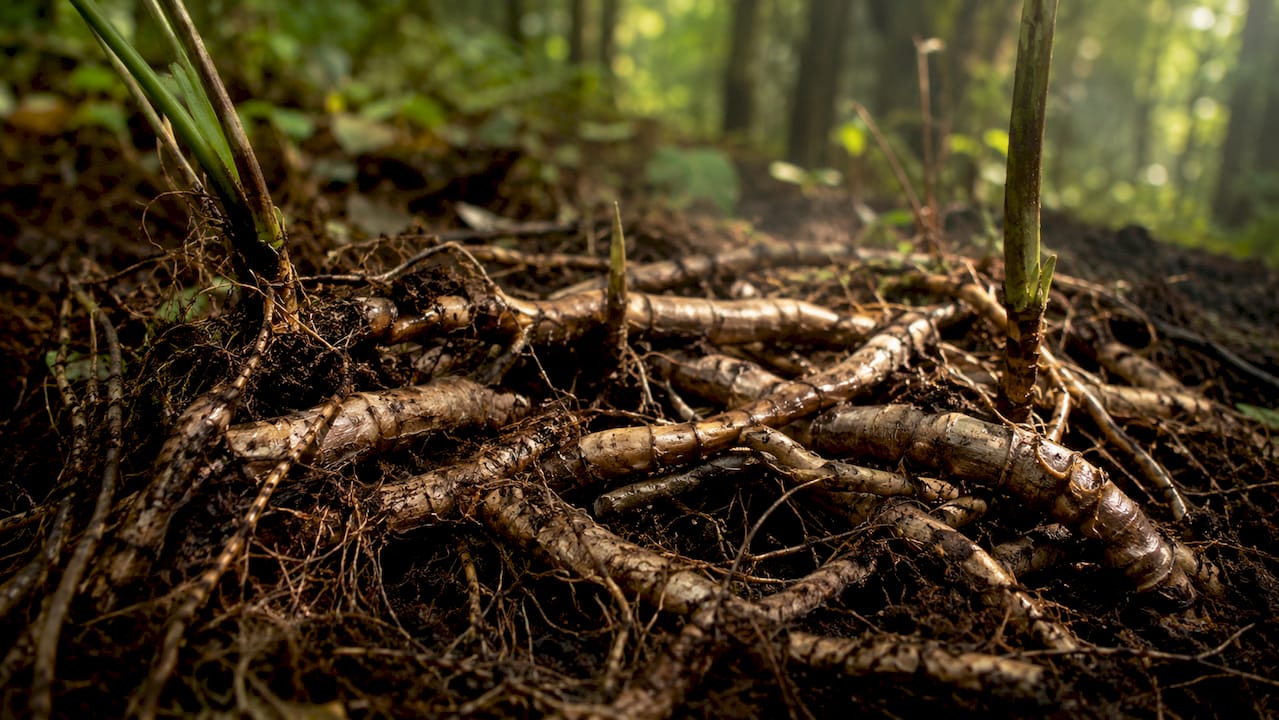
Most homeowners assume that removing visible Japanese Knotweed solves the problem. It does not. The real threat lies underground, in a dense network of rhizomes that can lie dormant for up to 20 years and regenerate from a fragment no larger than a fingernail. Whether you are dealing with an active infestation, preparing to sell, or buying a property where knotweed has been flagged, understanding how this plant regenerates is not optional. It is the foundation of every effective management decision you will make.

Table of Contents

Key Takeaways

Point Details
Regeneration from tiny fragments Knotweed can regrow from rhizome pieces as small as 1cm or less than a gram, making complete removal extremely challenging.
Dormancy lasts decades Rhizomes can lie dormant for up to 20 years before ‘waking up’ and spreading again.
Proper treatment required DIY solutions often fail; multi-year professional eradication and survey documentation is essential.
Legal disclosure needed Homeowners must disclose knotweed on TA6 forms, and improper disposal or spread can lead to fines.

What is knotweed regeneration and why is it so difficult to eliminate?

Now that you know why surface removals so often fail, let’s interrogate the underlying science — what exactly allows knotweed to regenerate when so many other weeds do not?

Japanese Knotweed (Fallopia japonica) does not spread through seeds in the UK. Regeneration is primarily vegetative, driven by rhizome fragments and stem segments rather than viable seed dispersal. UK plants are mostly female and produce sterile seeds, which means the entire burden of spread falls on the physical movement of root material. This is a critical distinction because it means every time soil is disturbed, excavated, or moved without proper controls, you risk creating new infestations.

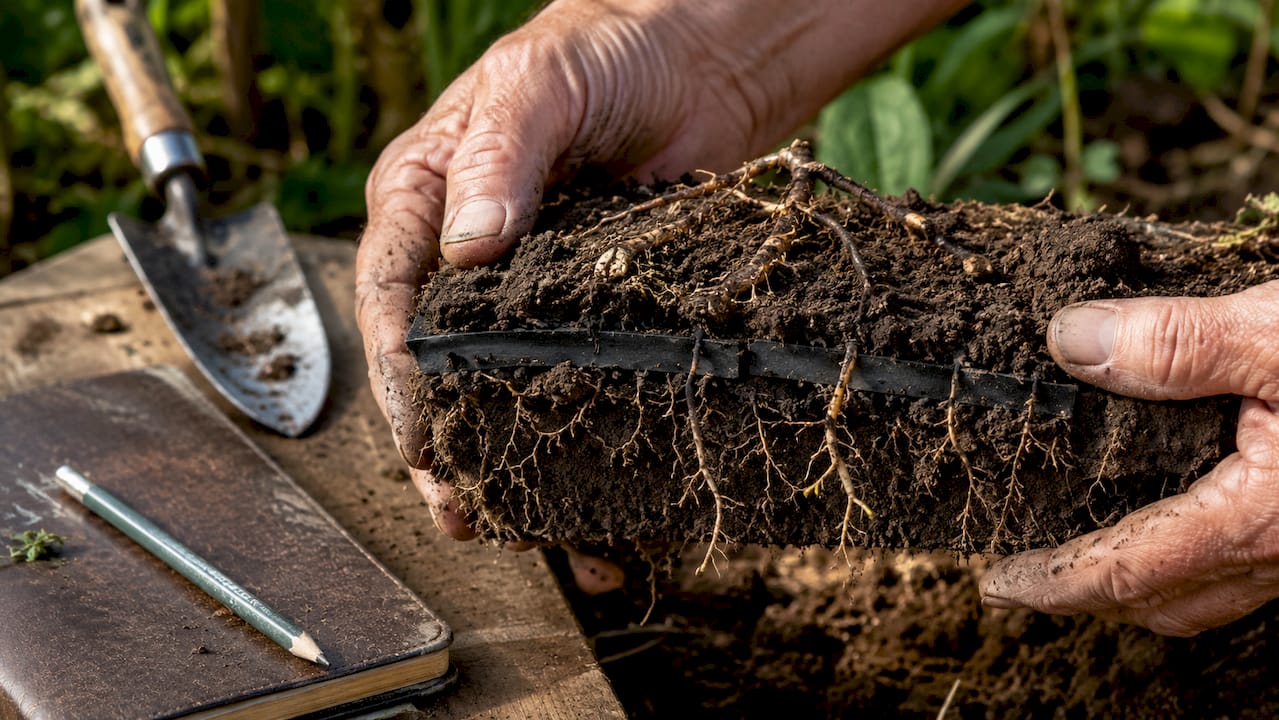
The rhizome network is extraordinarily resilient. A fragment as small as 1cm, containing a single node or bud, is sufficient to establish a new plant. Roots extend up to 3 metres deep and spread laterally up to 7 metres from the visible stem. Explore the Japanese Knotweed Help Centre for guidance on identifying how far an infestation may have travelled on your site.

“A single rhizome fragment as small as 1cm or weighing just 0.5–0.7g, provided it contains a node or bud, is capable of establishing an entirely new infestation.” — RHS Japanese Knotweed Guide

Why surface removal consistently fails:

  • Digging removes the visible plant but leaves rhizomes intact at depth
  • Soil disturbance fragments rhizomes and spreads viable pieces laterally
  • Roots at 2–3 metres depth are unreachable by standard garden tools
  • Dormant rhizomes can remain undetected for years before re-emerging
Removal method Reaches rhizome depth Addresses dormancy Prevents fragment spread
Hand digging No No No
Rotavating No No Worsens spread
Surface cutting No No No
Professional treatment Yes Yes Yes

The RHS Japanese Knotweed Guide confirms that the plant’s underground architecture is the primary reason eradication demands specialist intervention. Understanding this biology is not academic — it has direct consequences for your property’s value, mortgageability, and legal standing.

Understanding the regeneration cycle: dormancy, growth and spread

Having established why regeneration is so persistent, the next step is to visualise and sequence the entire cycle — from dormancy right through to uncontrollable growth.

Infographic on knotweed regeneration stages and risks

Knotweed follows a distinct seasonal pattern, but the underground rhizome network is active year-round, storing nutrients even when the surface plant appears dead. Rhizomes store nutrients year-round, lying dormant for up to 20 years before conditions trigger regrowth. This is what makes a site that appears clear so deceptive.

The knotweed regeneration cycle, step by step:

  1. Late winter to early spring: Dormant rhizomes detect temperature and moisture changes and begin mobilising stored energy reserves.
  2. Spring: Red or purple shoots emerge rapidly from the ground, sometimes growing several centimetres per day in favourable conditions.
  3. Summer: Hollow, bamboo-like canes reach full height, with dense canopy growth shading out competing vegetation.
  4. Autumn: The aerial plant dies back, but nutrients are drawn back down into the rhizome network, strengthening it for the following year.
  5. Winter: The plant appears eradicated. Underground, rhizomes remain viable and continue extending laterally.
Season Above-ground activity Below-ground activity
Spring Rapid shoot emergence Energy mobilisation
Summer Full canopy growth Lateral rhizome extension
Autumn Die-back begins Nutrient withdrawal to roots
Winter No visible growth Dormancy, continued spread

According to knotweed regeneration studies, mid-stem segments collected during the flowering period are particularly successful at regrowing, which is why autumn clearance work can inadvertently worsen an infestation if not managed correctly.

Pro Tip: If you are commissioning a UK weed survey for mortgages, do not wait until winter when the plant has died back. A survey conducted in late spring or summer, when growth is visible, produces far more accurate results and supports a stronger management plan. You can also review a knotweed survey checklist to understand exactly what a thorough inspection should cover.

Why home remedies and surface removal usually fail

With the full cycle in mind, it is now clear why so many approaches falter. You need more than effort — you need science on your side.

Homeowner points at returning knotweed sprouts

The most common mistake homeowners make is treating knotweed as a surface problem. Cutting it back, pouring boiling water over shoots, or applying off-the-shelf weedkiller may suppress visible growth temporarily, but none of these methods reach the rhizome network at depth. Surface removal fails precisely because the plant’s energy reserves and regenerative capacity sit well beyond the reach of garden-level intervention.

Common DIY methods and why they fall short:

  • Cutting and strimming: Stimulates vigorous regrowth; does not affect rhizomes
  • Domestic weedkiller: Active ingredients rarely penetrate more than a few centimetres into soil
  • Boiling water: Affects surface roots only; no impact at depth
  • Covering with membrane: Delays growth but does not kill rhizomes; plants eventually find gaps
  • Rotavating: Fragments rhizomes into hundreds of viable pieces, dramatically worsening spread

Even partial excavation without proper containment protocols can create new satellite infestations across a site. Any soil containing knotweed material is classified as controlled waste under UK regulations, and moving it without appropriate disposal procedures carries legal risk.

Pro Tip: If you are planning to sell a property with knotweed, be aware that mortgage lenders will scrutinise treatment history closely. A failed DIY attempt followed by incomplete documentation can be more damaging to a sale than the original infestation. Acting early with professional support is always the more cost-effective route.

Professional eradication programmes combine multi-year treatment schedules with insurance-backed guarantees. These guarantees are specifically recognised by mortgage lenders and surveyors, making them an essential document for any property transaction. If you are unsure whether your property qualifies for a survey, a free knotweed survey can provide an initial assessment without financial commitment.

Once you know the pitfalls of common tactics, the path forward is clear: legal compliance and expert help are not optional — they are fundamental.

Owning a property with Japanese Knotweed carries specific legal responsibilities in England, Wales, and Ireland. Understanding them protects you from fines, disputes, and failed property transactions.

Your legal obligations as a homeowner:

  1. Prevent spread to neighbouring land or the wild under Schedule 9 of the Wildlife and Countryside Act 1981. Allowing knotweed to spread beyond your boundary can result in civil action from neighbours.
  2. Disclose knotweed on the TA6 property information form when selling. Failure to disclose is a legal liability and can result in post-sale claims against you.
  3. Dispose of knotweed waste as controlled waste under the Environmental Protection Act 1990. It must be taken to a licensed landfill site; it cannot be composted or left in green waste collections.
  4. Engage a PCA-accredited specialist if a mortgage lender requires a management plan as a condition of lending.

Key statistic: Knotweed affects an estimated 5% of properties in the UK, yet the majority of affected homeowners remain unaware of their legal disclosure obligations until a sale is already in progress.

For homeowners who suspect knotweed but are unsure of their obligations, reporting knotweed correctly from the outset establishes a documented timeline that protects you legally. Understanding the full property survey workflow also ensures you know what to expect at each stage of the process, from initial identification through to lender-accepted sign-off.

What a professional treatment programme should include:

  • Site survey and rhizome mapping
  • Multi-year treatment schedule with documented progress
  • Insurance-backed guarantee accepted by major mortgage lenders
  • Controlled waste disposal certification
  • Post-treatment monitoring visits

What most homeowners get wrong about knotweed regeneration

It is clear by now that this is not just another weed problem. Here is a deeper look at where most approaches fall apart.

The most persistent error we encounter is the belief that a single treatment season resolves the infestation. Homeowners see no visible growth the following spring and conclude the problem is solved. What has actually happened is that the rhizome network has retreated deeper, conserving energy, waiting for the right conditions. Surface removal fails not because of poor effort, but because the biology of knotweed demands a multi-year, systematic approach that targets the rhizome network directly.

The second critical misunderstanding concerns dormancy. Rhizomes that have been untouched for a decade can reactivate when a neighbouring construction project disturbs the soil. We have seen sites declared clear by previous owners where knotweed re-emerged years later, creating significant legal complications during resale. Checking whether a surveyor missed knotweed in a previous inspection is a legitimate and important step for any buyer.

Mortgage lenders and professional surveyors are increasingly sophisticated in their assessment of knotweed management history. A poorly documented or incomplete treatment attempt raises more red flags than a professionally managed programme, even one still in progress. Long-term thinking, supported by accredited specialists and proper documentation, is the only approach that protects both your property and your legal position.

Take the next step: professional help and resources

If you are ready to act or need specialist support, these resources make it straightforward to protect your property and peace of mind.

https://japaneseknotweedagency.co.uk

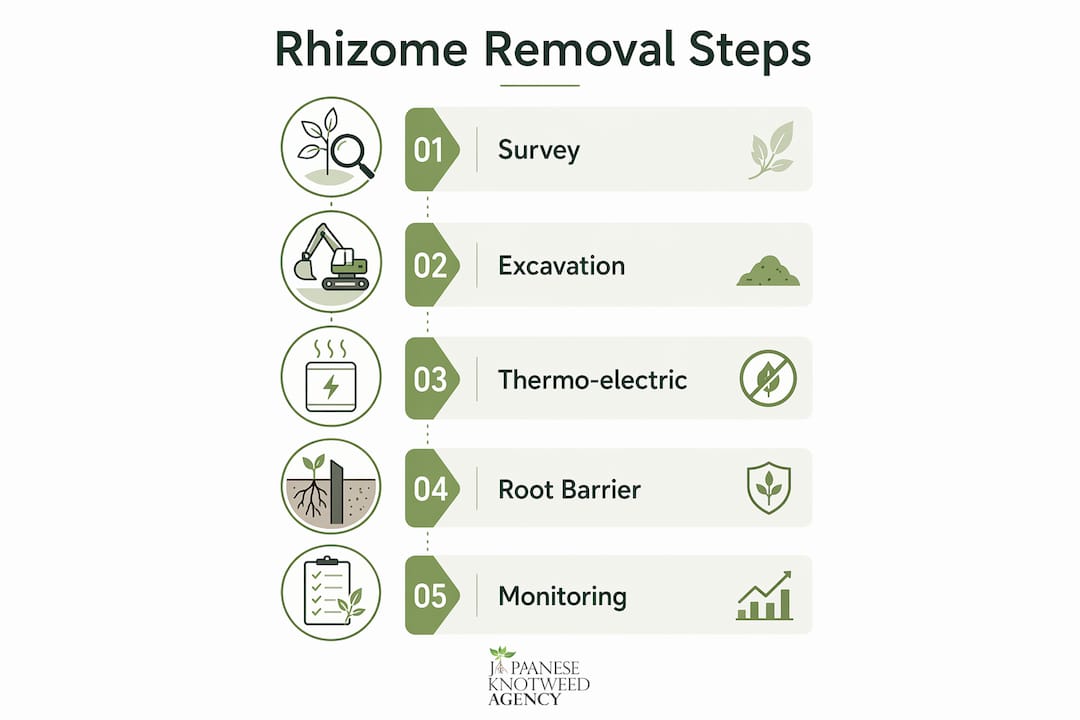
At Japanese Knotweed Agency, we deliver chemical-free thermo-electric treatment directly to the rhizome network, applying up to 5,000 volts onsite to cause internal cell damage and deplete energy reserves across the root system. We also install root barriers and carry out excavation works where required. Our property surveys cover England, Wales, and Ireland, and our documentation is structured to satisfy mortgage lender requirements. Visit our Japanese Knotweed FAQs for immediate answers, explore our eradication workflow to understand the treatment process, or review our survey process for invasive weeds to prepare for your next steps with confidence.

Frequently asked questions

How long can knotweed rhizomes stay dormant?

Knotweed rhizomes can remain dormant for up to 20 years before regrowing when soil conditions or disturbance trigger reactivation. This is why sites that appear clear can produce new infestations years after initial treatment.

Can cutting down knotweed stop it spreading?

No. Cutting only removes the surface plant, while underground rhizomes regrow unless the root network is treated directly. Repeated cutting can actually stimulate more vigorous regrowth.

Is it illegal to have Japanese Knotweed in my garden?

It is not illegal to have knotweed on your property, but you must prevent wild spread under Schedule 9 of the Wildlife and Countryside Act 1981 and disclose its presence on the TA6 form when selling.

What is the best way to stop knotweed from coming back?

Engage a PCA-accredited specialist for a multi-year treatment programme and obtain an insurance-backed guarantee that is recognised by mortgage lenders. Documented, professional management is the only reliably effective approach.

重新抵押房产如何科学检测与根除日本结缕草入侵风险


TL;DR:

  • 日本结缕草在英国和爱尔兰的生态及物业价值受到严重威胁。
  • 全流程检测强调提前准备、科学采样和多区域识别,确保结果准确。
  • 非化学治理需结合拔除、割草和土壤覆盖,防止杂草复发。

日本结缕草(Japanese stiltgrass,学名 Microstegium vimineum)在英国及爱尔兰的住宅和商业地产中日益常见,其蔓延速度和生态破坏力不容小觑。许多业主在办理再抵押或房产交易时,才发现地块上存在入侵杂草问题,进而影响评估报告的可信度,甚至令买卖双方陷入被动。尽管结缕草目前尚未像日本蔯麻草(Japanese knotweed)那样直接触发金融机构的强制审查,但其生态风险和潜在的物业价值影响已不可忽视。本文将为您提供从检测准备到非化学根除的全流程实操指南,帮助业主、再抵押申请人及地方政府科学应对这一挑战。

目录

关键要点

要点 详情
工具与资料准备 检测前充分准备工具与房产信息,将大大简化后续流程。
科学流程辨识 分步骤排查与判定,能极大提升日本结缕草检测准确率。
生态根除优先 非化学根除方案安全友好,多年坚持成效更显著。
结果核查关键 定期复查与合理归档是房产交易和资产安全的重要保障。

重新抵押前:准备好必需的检测工具与资料

清楚了问题,下一步需要准备检测流程涉及到的各项必需品和资料。在正式开始地块检测之前,充分的前期准备不仅能提升检测效率,更能确保记录的准确性和后续治理方案的可操作性。许多业主因为准备不足,导致检测结果无法作为专业报告的支撑材料,白白浪费时间与精力。

必备工具清单

检测工具及资料一览图

工具类别 具体物品 用途说明
个人防护 防刺手套、防水靴 避免皮肤接触植物汁液及土壤污染
采样工具 小铲、密封采样袋 提取根系及茎叶样本
记录设备 高清相机或手机 拍摄植株形态及分布范围
测量工具 卷尺、标记旗 标注侵染面积边界
参考资料 植物识别手册、检测表格 辅助现场判断

在资料准备方面,您需要提前整理以下文件:房产土地证及地界图、过去三至五年的地块管理记录(包括除草、施肥及灌溉历史)、以往任何杂草调查报告或治理合同。这些文件不仅有助于检测人员快速了解地块历史,也能在再抵押申请中作为尽职调查的证明材料。

  • 确认地块边界,避免遗漏相邻区域的潜在侵染源
  • 提前查阅当地气候记录,选择适合检测的天气窗口
  • 联系邻近业主,了解周边地块是否存在已知入侵杂草问题
  • 准备好检测记录表格,确保现场数据可追溯

专业提示:日本结缕草首选机械手动检测,提前准备可事半功倍。建议在检测前24小时内不进行割草或翻土操作,以保留植株的自然生长状态,便于准确识别。

在制定检测计划时,还需特别注意地块的地形特点。坡地、水边及遮荫区域是结缕草最常见的聚集地,这些区域需要重点标记。了解识别杂草基础有助于您在现场快速区分结缕草与本地草本植物,避免误判。

检测流程全解:逐步发现并判定日本结缕草

工具资料都准备好后,正式进入科学检测的全流程。系统化的检测流程是确保结果准确、可信的核心,任何环节的疏漏都可能导致治理方案失效或报告被质疑。

检测最佳时机:结缕草的检测最适合在每年6月至9月进行,此时植株处于旺盛生长期,茎叶特征最为明显,易于与其他草本植物区分。阴雨天后土壤湿润时,根系更易暴露,采样操作也更为便捷。

分步检测操作流程

  1. 全面观察地块:从地块边缘向中心系统扫描,重点关注低洼、遮荫及水边区域,记录疑似侵染点的位置和面积。
  2. 近距离鉴别植株:靠近疑似植株,观察叶片形态(结缕草叶片细长、中脉银白色)、茎节特征及生长密度,用手轻拉茎部感受其韧性。
  3. 抽样采集标本:在不同区域各取3至5株完整样本,连根带叶装入密封袋,标注采样位置和时间。
  4. 拍照存档:对每个疑似侵染区域进行多角度拍摄,包括整体分布、叶片细节及根系形态,确保图像清晰可辨。
  5. 填写检测记录表:将观察结果、采样信息及拍摄编号逐一录入检测表格,形成完整的现场记录。

日本结缕草易与其他草本植物混淆,需通过拉茎、观察叶形及生长季特征综合判断。以下对比表有助于现场快速区分:

特征 日本结缕草 本地草本植物 日本蔯麻草
叶片颜色 淡绿,中脉银白 深绿均匀 宽大,心形
茎节特征 节间明显,茎细 茎粗壮或匍匐 茎中空,直立
根系深度 浅根系 因种而异 深根茎网络
生长高度 30至100厘米 因种而异 可达3米以上

专业提示:参考英国家庭检测清单可帮助您系统核查每个检测步骤,避免遗漏关键环节。如需了解完整的专业调查流程详解,建议在提交再抵押申请前委托专业机构出具正式报告。

非化学治理日本结缕草:安全根除的科学步骤

检测到日本结缕草后,即需启动科学的非化学根除措施。对于住宅业主、地方政府及注重生态责任的机构而言,避免化学除草剂的使用不仅保护土壤和水源,也符合可持续管理的长远目标。

园林工人采用非化学方式治理结缕草

日本结缕草可通过手动拔除、割草和覆盖实现无化学根除,但需抓住播种前(夏末)时机,即在8月至9月结籽之前完成主要清除工作,可大幅降低来年复发率。

三种主要非化学治理方法

  1. 手动拔除:适用于小面积侵染区域。结缕草根系浅薄,雨后土地湿润时管理效果最好,此时根系整体拔出的成功率显著提高,残留根段也更少。操作时需佩戴手套,将植株连根拔起并装入密封袋,避免种子散落。
  2. 机械割草:适用于中大面积地块。在结籽前(7月下旬至8月初)进行割草,可有效阻断种子传播。需注意割草高度控制在5厘米以下,并在割草后及时清理残株。
  3. 覆盖遮光:在清除植株后,铺设厚度不低于10厘米的有机覆盖物(如木屑或稻草),可持续抑制结缕草萌发,同时改善土壤结构,为本地植物恢复创造条件。
  • 每次操作后立即清理所有植株残体,避免二次传播
  • 在治理区域边缘设置标记,便于后续复查
  • 治理完成后尽快补种本地密集草皮,抢占生态位,降低结缕草复发空间
  • 记录每次操作的日期、范围和效果,建立治理档案

生态防控建议:根据生态防控建议,在治理区域种植竞争力强的本地草种,可形成天然屏障,长期抑制结缕草再次入侵,这一方法在大面积公共绿地管理中尤为有效。

专业提示:参考家庭无化学治理指南可获取针对住宅场景的详细操作建议。如需了解更系统的无化学生态方案,我们的专业团队可根据地块特点制定个性化治理计划。

检测与治理结果的核查与风险提示

治理操作完成后,核查结果、规避风险尤为关键。许多业主在完成首轮治理后便放松警惕,但结缕草的种子潜伏能力极强,每株可产生1000余粒种子,土壤中存活可达5年,因此需要多轮系统检查才能确认根除效果。

核查结果的关键步骤

核查时间节点 核查内容 记录要求
治理后第2周 目测残株及新芽萌发情况 拍照对比治理前后
治理后第3个月 全面复查侵染区域 更新检测记录表
次年春季(4至5月) 检查越冬种子萌发 留存书面报告
次年夏末(8月) 确认无新植株结籽 形成最终核查档案

在风险提示方面,需特别关注以下几点:

  • 种子潜伏风险:即使地上部分已完全清除,土壤中的种子库仍可能在未来数年内持续萌发,需坚持多年复查。
  • 生态扩散风险:结缕草种子可通过水流、动物及人类活动传播至周边地块,治理区域边界需重点监控。
  • 房产交易建议:虽然结缕草对再抵押影响有限,主要为生态风险,但提供专业调查报告可显著提升物业交易安全感,增强买卖双方的信任度。
  • 复发率管理:保持治理区域密集的本地草坪覆盖,是降低复发率的最有效长期措施之一。

了解房产贬值案例有助于您更直观地认识入侵杂草对物业价值的潜在影响,从而在房产交易中做出更明智的决策。

关键数据提示:结缕草种子在土壤中的存活周期长达5年,这意味着单次治理绝对不够,系统性的多年跟踪检测是确保彻底根除的唯一可靠路径。

专家视角:日本结缕草检测流程与治理的认知误区与实务建议

步骤结束后,我们反思流程与常见误区,为您的实战操作保驾护航。在实际工作中,我们发现最普遍的误区是将结缕草的管理简化为

推荐

Spot rhizome damage from Japanese Knotweed: signs & treatment


TL;DR:

  • Japanese Knotweed’s underground rhizomes can extend up to 7 meters horizontally and cause unseen damage.
  • Untreated rhizome damage can lead to structural issues, legal liabilities, and mortgage refusals.
  • Professional, chemical-free treatments are highly effective and recommended over DIY methods for long-term resolution.

Beneath your garden, Japanese Knotweed may already be causing damage you cannot see. The rhizome network, the plant’s underground root system, is where the real threat lies. It can push through concrete, undermine foundations, and create legal and financial consequences that catch homeowners completely off guard. What makes this particularly serious is that rhizomes regenerate from tiny fragments, meaning even a small disturbance during garden work can spread the problem further. This guide sets out exactly what to look for, what is at stake, and which treatment options are proven to work.

Table of Contents

Key Takeaways

Point Details
Hidden damage signs Rhizome damage often hides below ground, causing cracks and unexpected regrowth.
Legal and financial risk Untreated rhizome damage can prevent sales and expose you to legal penalties.
Professional treatment works best Chemical-free solutions and certified contractors offer safer, more effective eradication.
DIY risks spreading Attempting removal yourself increases the risk of regenerating and legal consequences.

How to spot signs of Japanese Knotweed rhizome damage

Identifying rhizome damage early is one of the most important steps a homeowner can take. The difficulty is that most of the damage occurs underground, well out of sight, and by the time visible symptoms appear at surface level, the rhizome network may already be extensive.

The most common surface-level signs of rhizome damage include:

  • Cracks in paving slabs or patios that appear without obvious cause
  • Distorted or buckled tarmac on driveways or paths
  • Unexplained subsidence in garden borders or lawns
  • Regrowth of shoots appearing in unexpected locations, sometimes metres from the main plant
  • Orange-tinted, woody underground stems uncovered during digging or excavation

That last point is particularly telling. If you disturb soil during landscaping and find thick, dark brown stems with a vivid orange interior, you are almost certainly looking at Japanese Knotweed rhizomes. This is not a plant you want to keep digging around, as fragmentation accelerates the problem.

Key fact: Rhizomes extend up to 7m horizontally and between 1.5 and 2.5 metres deep. They can regenerate from fragments as small as 1cm or 0.7g in weight.

The spread potential is significant. A rhizome network that started from a single plant can extend well beyond your property boundary without any visible sign above ground. This is why reporting Japanese Knotweed promptly is so important, both for your own protection and for neighbouring properties.

Pro Tip: If you suspect rhizome activity, do not attempt to dig or rotovate the area. Every fragment you disturb has the potential to establish a new plant. Mark the area clearly and contact a specialist before any ground works proceed.

Regrowth appearing in spring in locations where no plant was previously visible is a strong indicator that the rhizome network has spread laterally. New shoots can emerge from dormant rhizome sections that have been undisturbed for years, particularly following nearby construction or soil movement.

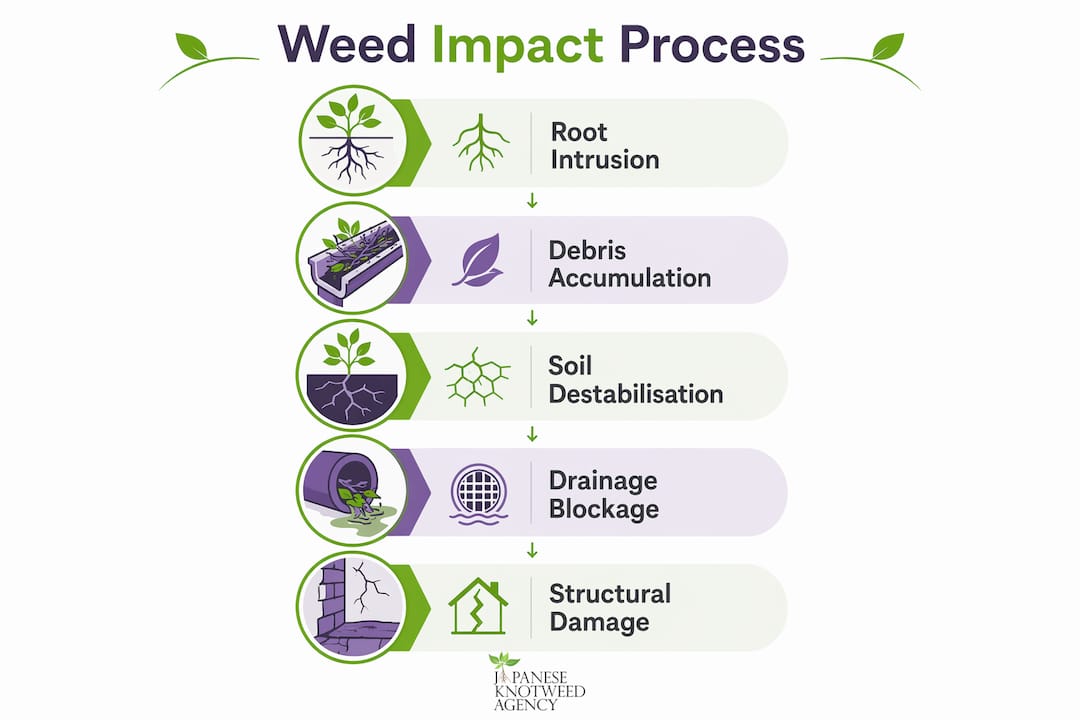
The hidden risks: how rhizome damage impacts your home

Once you have identified potential rhizome damage, understanding what is at stake will help you act decisively. The consequences of leaving Japanese Knotweed untreated extend well beyond the garden.

Home surveyor finds rhizomes near foundation

Financial and mortgage implications are among the most immediate concerns. Mortgage lenders may refuse loans on properties where Japanese Knotweed is present within 7 metres of a habitable structure or 3 metres of a boundary. This can make a property effectively unsellable until the issue is professionally treated and documented.

Your Japanese Knotweed legal obligations as a homeowner are clear and carry real consequences:

  • Spreading rhizomes is a legal offence under the Wildlife and Countryside Act 1981
  • Property sale forms (TA6) require you to declare the presence of Japanese Knotweed
  • Soil containing rhizome material is classified as controlled waste and must be disposed of by a licensed contractor
  • Failure to manage the plant where it causes a nuisance to neighbours can result in enforcement action

“Allowing Japanese Knotweed to spread to neighbouring land, even unintentionally, can expose you to civil liability and enforcement notices.”

Insurance is another area of concern. Some home insurance policies do not cover damage caused by Japanese Knotweed, particularly where the presence of the plant was known and untreated. Undisclosed rhizome damage discovered during a property survey can invalidate claims and create disputes during conveyancing.

Pro Tip: Before listing your property for sale, commission a professional invasive weed survey. A documented treatment plan or management guarantee can significantly reassure mortgage lenders and buyers alike.

Understanding the full scope of UK laws on Japanese Knotweed is not optional for homeowners who suspect rhizome activity. The legal framework is designed to prevent spread, and ignorance of it is not a defence.

Chemical-free solutions and professional treatment options

With the risks clearly understood, the next priority is choosing a treatment approach that is both effective and appropriate for your property. At Japanese Knotweed Agency, we have developed and refined chemical-free methods that address the rhizome network directly, without the environmental and regulatory complications associated with herbicide use.

The three primary professional treatment options are:

  1. Thermo-electric treatment: We deliver direct energy at up to 5,000 volts into the rhizome network, causing internal cell damage and progressively depleting the plant’s energy reserves with each treatment. This method is precise, non-toxic, and highly effective on established infestations.
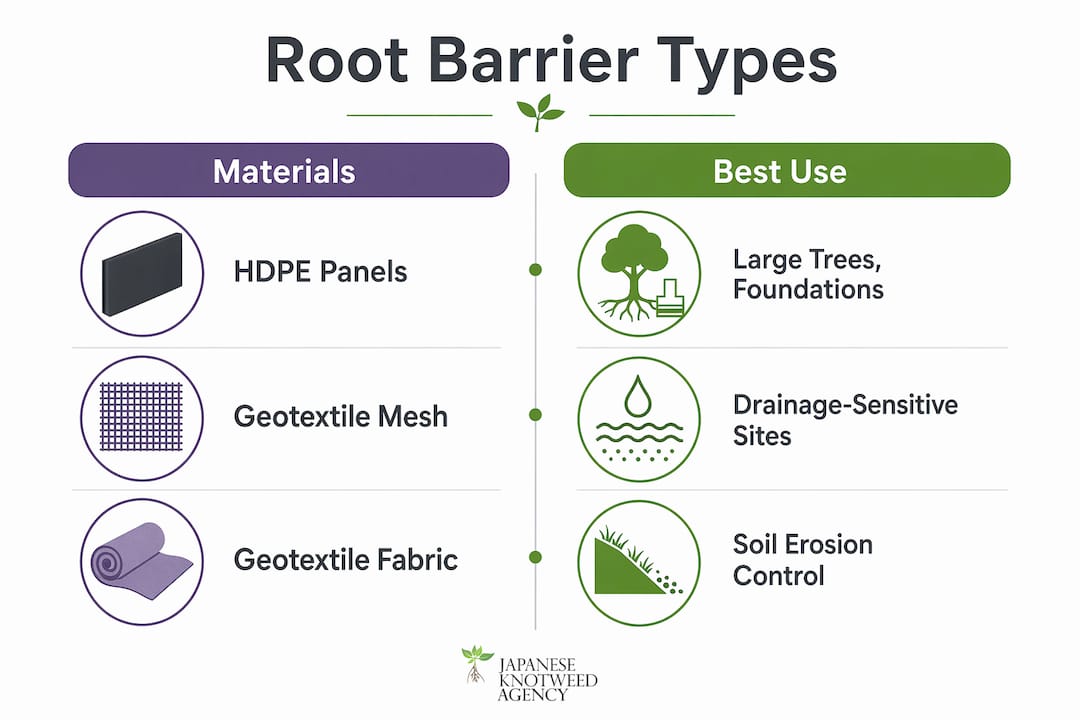
  2. Root barrier installation: Physical membranes are installed to prevent further lateral spread of rhizomes, protecting foundations, drainage systems, and boundary structures from ongoing damage.
  3. Mechanical excavation: Targeted removal of rhizome-bearing soil, following strict removal best practices to ensure all material is handled as controlled waste and disposed of correctly.

According to our knotweed eradication workflow, chemical-free methods achieve up to 95% effectiveness and are particularly well-suited to sensitive sites such as schools, riverbanks, and heritage properties where herbicide use is restricted or prohibited.

The risks of attempting DIY treatment are considerable. Disturbing rhizomes without specialist knowledge spreads fragments, potentially extending the infestation and creating new legal liability. Insurance cover may also be invalidated if unlicensed work is carried out. Root excavation effectiveness depends entirely on correct identification of the full rhizome extent, which requires professional survey equipment and experience.

Pro Tip: Always request an insurance-backed guarantee from your treatment contractor. This protects your position with mortgage lenders and provides documented evidence of professional management for future property sales.

For properties where excavation is the preferred route, chemical-free excavation carried out by accredited specialists ensures that all rhizome material is correctly identified, removed, and disposed of under controlled waste regulations.

Comparing rhizome damage treatment methods

Choosing the right treatment depends on your property type, the severity of the infestation, and any site-specific restrictions. The table below provides a practical comparison to support your decision.

Treatment method Effectiveness Disruption level Best suited for
Thermo-electric treatment Up to 95% Low Established infestations, sensitive sites
Root barrier installation High (preventative) Moderate Boundary protection, foundations
Mechanical excavation High (immediate) High Severe infestations, pre-development
Herbicide treatment Variable Low Open land, non-sensitive sites

Key considerations when weighing your options:

  • Sensitive sites such as watercourses, schools, and listed buildings require chemical-free approaches by law or best practice guidance
  • Guarantee and insurance backing is only reliably available through PCA-accredited contractors
  • Excavation delivers the fastest visible results but generates controlled waste that must be managed correctly
  • Thermo-electric treatment requires multiple visits but causes minimal surface disruption and no chemical residue

Chemical-free alternatives offer up to 95% effectiveness, making them a credible and often preferable choice for residential properties where long-term environmental impact matters. You can find further background on the plant’s biology and spread at the Japanese Knotweed information resource published by the Royal Horticultural Society.

For homeowners focused on long-term management, understanding how to prevent knotweed regrowth after initial treatment is equally important. Regrowth monitoring and follow-up visits are standard components of any professionally managed programme.

Why professional expertise matters more than ever

There is a pattern we see repeatedly: a homeowner notices regrowth, decides to dig it out over a weekend, and inadvertently spreads rhizome fragments across a wider area of their garden. By the time a specialist is called, the infestation has grown in both scale and complexity, and the cost of resolution has increased substantially.

DIY removal risks spreading fragments and constitutes a legal offence if material reaches neighbouring land. This is not a technicality. It is a genuine risk that has resulted in civil disputes and enforcement action for homeowners across England and Wales.

Professional surveys are not simply a formality. They establish the true extent of the rhizome network before any treatment begins, which is the only reliable basis for an effective plan. Attempting treatment without a survey is like addressing a structural problem without understanding where the damage lies.

We also see cases where dormant Knotweed signs are missed entirely during winter months, leading homeowners to believe the problem has resolved itself. It has not. The rhizome network remains fully active underground regardless of what is visible at surface level. Certified contractors with insurance-backed guarantees provide the only dependable route to long-term resolution.

Get help for rhizome damage: expert solutions for homeowners

If you suspect Japanese Knotweed rhizome damage on your property, acting promptly is the single most important step you can take.

https://japaneseknotweedagency.co.uk

At Japanese Knotweed Agency, we offer professional property surveys across England, Wales, and Ireland, followed by tailored treatment plans using our proven chemical-free methods. Our chemical-free treatment process is designed to address rhizome damage at its source, with insurance-backed guarantees that protect your position with lenders and buyers. Explore our full range of chemical-free solutions for homeowners and take the first step towards resolving the problem with confidence and expert support behind you.

Frequently asked questions

How deep do Japanese Knotweed rhizomes grow?

Rhizomes extend up to 7 metres horizontally and commonly reach between 1.5 and 2.5 metres below ground, making surface-only treatment ineffective without professional assessment.

Can you remove rhizome damage yourself?

DIY removal risks spreading fragments, which is a legal offence if material reaches neighbouring land; always engage PCA-accredited specialists to carry out surveys and treatment safely.

What happens if you ignore rhizome damage?

Unchecked rhizome damage can cause structural harm to buildings and drainage systems, trigger mortgage refusals and legal consequences, and must be declared on property sale forms under TA6 requirements.

Are chemical-free treatments effective against rhizome damage?

Yes, professionally delivered chemical-free methods achieve up to 95% effectiveness and are suitable for sensitive sites where herbicide use is restricted or not appropriate.

全面解析根茎网络与日本葛根草治理核心策略


TL;DR:

  • 日本葛根草根茎网络深且复杂,难以彻底根除。
  • 无化学治理需长期持续,结合挖除、覆盖和监控效果最佳。
  • 规范操作和多年度跟踪能大幅降低复发风险。

日本葛根草(Japanese Knotweed)的地下根茎网络是自然界中最顽强的植物结构之一,其扩展速度与再生能力令传统治理手段频频失效。对于正在购买或再融资物业的房主而言,一旦地产范围内存在葛根草侵害,不仅会影响房产估值,更可能直接阻碍贷款审批。与此同时,随着环保意识的提升,越来越多的业主希望采用无化学方案彻底解决问题,而非依赖除草剂带来的短期效果。本文将系统梳理葛根草根茎网络的生物结构、无化学治理方法、常见误区以及多年度跟踪流程,为您提供切实可行的行动指引。

目录

关键要点

要点 详情
根茎网络极易再生 主根与根冠深度巨大,局部处理易导致反复扩散。
无化学治理更适合房产交易 避免化学残留和披露风险,便于购房评估与融资流程。
多环节持续治理最有效 2-3年多方法结合及原生植物恢复是抑制复发的关键。
谨防操作误区 避免浅层挖掘和随意抛弃根茎碎片,防止二次扩散。
治理档案助力房产保值 保存治理进度和案例,有利于房产买卖、再融资及生态安全。

理解葛根草根茎网络的结构与扩展机制

要有效治理日本葛根草,首先必须理解其地下根茎系统的真实面貌。许多房主在初次接触这一问题时,往往低估了根茎网络的复杂程度,以为只需清除地面植株便可解决问题。事实上,地面以上的部分不过是冰山一角。

葛根草的根茎系统由三个核心部分构成:主根根冠(Crown)以及分支根(Lateral Rhizomes)。主根负责向下延伸,为整个植株提供水分与养分的储存基础;根冠位于主根顶端附近,是最关键的再生节点;分支根则从根冠向四周水平延伸,形成互联的地下网络,可在短时间内覆盖大面积土地。

根据研究数据,主根深度最高达12英尺,根冠结构促使地下蔓延,形成极强的再生能力。这意味着,即便地面植株被完全清除,只要根冠完好,葛根草便能在下一个生长季节重新破土而出。

以下是葛根草根茎系统的关键特征概览:

根茎组成部分 功能 治理难点
主根 储存养分,向下延伸 深度大,挖掘困难
根冠 主要再生节点 断裂碎片即可萌发新株
分支根 横向扩展,连接网络 范围广,难以全面定位

根冠的特殊危险性在于其极强的碎片再生能力。当挖掘操作不当时,根冠碎片会随土壤移动扩散至新区域,每一个碎片都可能成为新的侵害起点。这正是为何了解房屋威胁解析对于任何面临葛根草问题的房主都至关重要。

葛根草根茎网络的横向扩展尤为令人警惕。分支根可以穿越建筑地基、排水管道和硬质铺装,在相邻地块之间形成连通网络。这种跨地块扩展不仅加剧了治理难度,也意味着单一地块的治理可能因邻地未处理而功亏一篑。

关键认知:葛根草的地下根茎网络具有极强的能量储备,即便地面被反复清除,根茎中储存的碳水化合物仍能支撑植株多次再生。这也是为何单次治理几乎不可能彻底根除的根本原因。

在清楚根茎网络的生物结构后,才能真正理解其治理难点,并选择真正有效的应对策略。

无化学治理:房主和购房者的首选策略

掌握有效的治理思路后,应深入对比各类方法的利弊与适用场景。无化学治理方案不仅能规避除草剂对土壤和水源的污染风险,更能在房产交易过程中避免化学残留的披露义务,为购房者和再融资业主提供更清晰的合规路径。

房主采用了无化学药剂的方法来治理根茎问题

研究证实,重复修剪、根冠挖除、厚覆盖、山羊放牧等方式能有效抑制根茎活性,但需长期执行,通常需要持续两年以上才能看到显著效果。

以下是主要无化学治理方法的对比分析:

治理方法 适用场景 优势 局限性
人工挖掘根冠 小面积侵害区 精准定位,效果直接 劳动强度大,需专业判断
厚覆盖压制 中等面积区域 成本较低,操作简便 需长期维持,根茎可穿透
山羊放牧 大面积开阔地 持续压制,生态友好 需配合围栏管理
反复修剪 各类场景辅助 消耗根茎能量储备 单独使用效果有限

具体操作建议如下:

  1. 精准调查定位:在任何物理操作前,委托专业机构进行地下根茎分布调查,明确根冠位置。
  2. 优先处理根冠:挖掘时务必完整清除根冠,避免碎片残留,这是防止二次扩散的核心步骤。
  3. 铺设厚覆盖层:在挖掘区域铺设至少15厘米厚的覆盖物(如木屑或防草布),阻断残余根茎的光合作用机会。
  4. 定期复查:每隔6至8周检查一次,及时处理新萌发的幼苗,防止根茎重新积累能量。
  5. 多方法组合小片区适合人工挖掘,大型侵占区建议结合放牧与覆盖,单一方法很少能独立实现彻底根除。

专业提示:在进行根系挖除操作时,所有挖出的根茎碎片必须装入密封袋并按照当地法规处置,切勿随意堆放或混入普通园艺废料,否则极易造成新的侵害点。此外,了解更多非化学除草技巧有助于制定更全面的治理计划。

对于正在进行房产交易的业主,无化学方案还有一个重要优势:治理记录更为清晰透明,不涉及化学品使用许可和残留检测,大幅简化了与抵押贷款机构的沟通流程。

常见误区与无效治理的风险分析

明白有效做法后,避免常见错误同样至关重要。在实际案例中,我们发现许多房主在自行处理葛根草时,往往因为错误操作不仅未能解决问题,反而加剧了根茎的扩散范围。

以下是最常见的治理误区:

  • 只做表层修剪:仅清除地面茎叶会消耗根茎少量能量,但无法触及根冠,植株会在数周内重新生长。
  • 浅层挖掘:挖掘深度不足时,根冠被切断但未被完整清除,碎片留在土壤中反而形成多个新的再生点。
  • 忽视碎片管理:挖掘后将根茎碎片随意堆放在场地内,碎片接触土壤后即可萌发,造成侵害范围扩大。
  • 依赖高温处理:热水或蒸汽处理对表层根茎有一定效果,但对深达数米的根冠和主根几乎无效。
  • 单次处理后放弃跟踪:认为一次处理即可彻底解决,忽视后续监控,导致休眠根茎在数月后重新活跃。

专家建议优先处理根冠,防止浅层挖掘引发根茎碎片扩散;恢复原生植被有助于长期抑制再生。这一建议在实际操作中往往被忽视,但它恰恰是区分成功治理与失败治理的关键分水岭。

重要警示:根茎碎片的扩散风险在雨季尤为突出。雨水冲刷会将碎片携带至排水沟或邻近地块,造成难以追踪的二次侵害。因此,治理操作应尽量避开雨季,并在挖掘区域设置临时防护措施。

专业提示:了解防止根茎扩散流程无化学根除实用指南能帮助您在操作前建立完整的风险防控意识,避免因操作失误造成更大范围的侵害和额外的治理成本。

高温处理方法值得特别说明。部分房主尝试用沸水或火焰灼烧地面植株,短期内确实能看到植株枯萎,但这种方法的热量根本无法穿透超过30厘米的土层,对深层根冠毫无影响。更糟糕的是,高温处理可能破坏土壤中的有益微生物群落,反而削弱了土壤对葛根草再生的自然抑制能力。

实用治理流程:案例与持续跟踪的意义

规避误区后,实操流程和资料留存会带来更长期的保障。一个结构清晰的多年度治理方案,不仅能提高根除成功率,更能在房产评估和再融资审批过程中发挥关键作用。

以下是一个经过验证的标准治理流程:

  1. 专业调查阶段:委托具有资质的机构进行现场勘查,绘制根茎分布图,评估侵害等级。
  2. 第一年强化治理:集中力量处理根冠,结合物理挖掘与厚覆盖压制,建立初步控制。
  3. 第一年至第二年定期复查:每季度检查一次,记录新萌发点位,及时处理并更新治理档案。
  4. 第二年巩固阶段:针对复发区域进行精准补充处理,同时开始种植本地原生植物以恢复生态竞争。
  5. 长期监控与档案维护:保留每次处理的日期、方法、照片和效果记录,形成完整的治理档案。

建议制定2至3年治理与监控方案,并保留每年进展记录以便房产评估参考。这份记录在与抵押贷款机构或房产评估师沟通时,能够直接证明您已采取负责任的专业处置措施,大幅降低交易风险。

此外,治理后一段时间(最长2年)根茎网络仍可能休眠后再生,监控与原生植物恢复同等重要。原生植物的种植不仅能填补土壤空间,减少葛根草重新定植的机会,还能逐步恢复受侵害区域的生态平衡。

治理阶段 核心任务 预期成果
第1至6个月 根冠挖除,覆盖压制 地面植株受控
第6至18个月 定期复查,补充处理 根茎活性显著降低
第18至36个月 原生植物恢复,档案完善 侵害基本消除,生态稳定

关键数据:研究显示,坚持执行系统性多年度治理方案的案例中,根茎活性在第二年末平均降低超过70%,而缺乏持续跟踪的案例复发率则高达85%以上。完整的杂草无化学根除全流程能为您提供更详细的操作指引。

我们对根茎网络治理的深层理解与建议

在多年的一线案例积累中,我们最深刻的体会是:葛根草治理失败的根本原因,往往不是方法错误,而是心态错误。许多房主抱着

推荐