7大入侵植物危害列表及无化学解决方法指南

在英国拥有房产时,你是否担心过不起眼的植物会带来巨大麻烦?日本锦带草等入侵物种正以惊人的速度扩散,它们的根系可以破坏建筑地基,导致房产损坏和贬值,甚至让买卖和贷款变得异常困难。英国法律早已将种植、移动或允许这些植物在野外生长定为违法,房产所有者必须主动应对,否则可能面临严重后果。

接下来,你会发现有效识别与处理这些入侵植物的实用方法,从无化学治理新技术到根障安装与监测实务。每一项建议都能帮助你提前化解风险,保护房产利益。掌握这些专业见解,就是守护你的家与投资的关键。

目录

快速总结

关键信息 解释
1. 识别日本锦带草的重要性 由于其对房产结构的破坏,房主应及时识别和处理日本锦带草。
2. 入侵植物影响房产价值 入侵植物存在可能导致房产价值降低5%至20%,并影响贷款能力。
3. 定期进行专业房产调查 每半年进行一次专业调查,及时发现入侵植物,有助于控制风险。
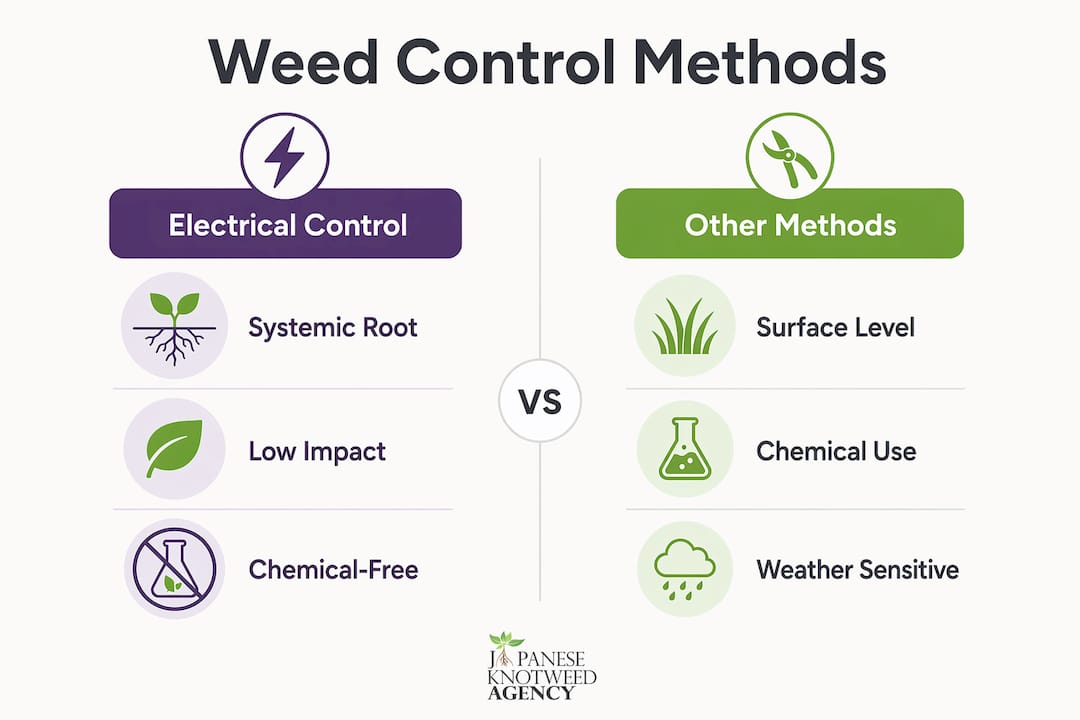
4. 无化学药剂治疗的优越性 优先使用无化学药剂的方法,能有效控制入侵植物且保护环境。
5. 安装根障的必要性 通过根障可以有效阻止入侵植物的扩散,保护房产基础。

1. 认识日本锦带草与其对房产的影响

日本锦带草是英国房产市场上最令人头疼的入侵植物之一。这种极具破坏性的外来植物能够迅速蔓延,对房屋基础和整体结构造成严重威胁,严重时可能导致房产价值急剧下降。

日本锦带草的危险性主要体现在其惊人的生长特性:

  • 能够穿透混凝土和砖石结构
  • 生长速度极快,每年可以生长高达10厘米
  • 根系网络可以延伸至3米深和7米宽
  • 极其顽固,普通除草方法难以根除

根据英国政府的非本土入侵物种规定,房主必须严格控制日本锦带草的蔓延。允许其生长或传播可能会面临法律责任和高额罚款。

房产专业人士警告,日本锦带草不仅会直接损坏建筑结构,还会严重影响房屋抵押和转售价值。银行和保险公司往往会因为日本锦带草的存在而拒绝提供贷款或降低房产估值。

专业建议在购买或出售房产时务必进行专业的日本锦带草调查,及早发现和处理可以避免巨大的经济损失。

2. 识别英国常见入侵植物及危害

入侵植物是生态系统中的隐形杀手,它们悄无声息地破坏本地环境平衡。英国存在多种危害极大的入侵植物,每一种都具有独特且令人担忧的生存策略。

最常见的入侵植物类型包括:

  • 日本锦带草:破坏建筑基础
  • 巨型毒芹:对人体皮肤有严重伤害
  • 喜马拉雅山凤仙花:快速占领水岸区域
  • 新西兰矮生藻:严重影响水生生态系统

根据英国政府预防有害入侵植物指南,这些植物不仅破坏生物多样性,还会造成严重的环境和经济损失。它们具有极强的繁殖能力,能够迅速挤压本地植物,形成生态系统的单一优势群落。

入侵植物最危险的特征是其快速扩散能力破坏性生长模式。它们往往通过多种方式传播:风媒、水媒、动物携带以及人类无意识的传播。一株入侵植物可能在极短时间内覆盖大面积区域,造成难以逆转的生态破坏。

专业提示在发现可疑植物时,请立即拍照并咨询专业生态专家,切勿尝试自行处理可能具有危险性的入侵植物。

3. 入侵植物如何影响房产价值和贷款

入侵植物对英国房地产市场构成严重威胁,不仅影响房产美观还会直接导致财务损失。这些植物能迅速破坏建筑结构,让房主面临巨大的经济风险。

入侵植物对房产价值的影响主要体现在:

  • 房产价值可能下降5%至20%
  • 贷款机构拒绝提供抵押贷款
  • 显著延长房产交易周期
  • 增加房产维护和清理成本

房产交易中的入侵植物影响显示,大多数金融机构要求提供专业治理方案和风险保险。这意味着房主必须主动应对入侵植物问题,否则将面临严重的金融障碍。

银行和保险公司通常会进行严格的房产风险评估。一旦发现入侵植物,他们可能会:

  • 降低房产估值
  • 拒绝提供贷款
  • 要求额外的环境治理证明
  • 提高保险费率

专业建议在购买或出售房产前,请务必进行专业的入侵植物调查,并准备详细的治理报告,这将大大提高交易成功的可能性。

4. 无化学药剂治疗的原理与优势

无化学药剂治疗是现代生态修复的前沿方法,它不仅有效控制入侵植物,还能最大限度地保护周围环境。传统化学除草剂对生态系统的破坏已经引起越来越多的关注和担忧。

无化学治疗的主要方法包括:

  • 机械除草
  • 热能处理
  • 生物控制
  • 生态系统平衡调节

根据非农药替代方案指南,这些方法具有显著的环境保护优势。它们不仅避免了化学污染,还能有效抑制入侵植物的蔓延。

无化学治疗的核心优势在于生态系统友好性。这些方法通过以下机制工作:

  • 物理性阻断植物生长
  • 降低化学品对土壤和水源的污染
  • 保护非目标生物的生存环境
  • 减少抗药性风险

专业建议在选择入侵植物治理方案时,优先考虑综合性的无化学方法,并咨询专业生态修复专家以制定最佳解决方案。

5. 直接能量技术控制入侵植物的方法

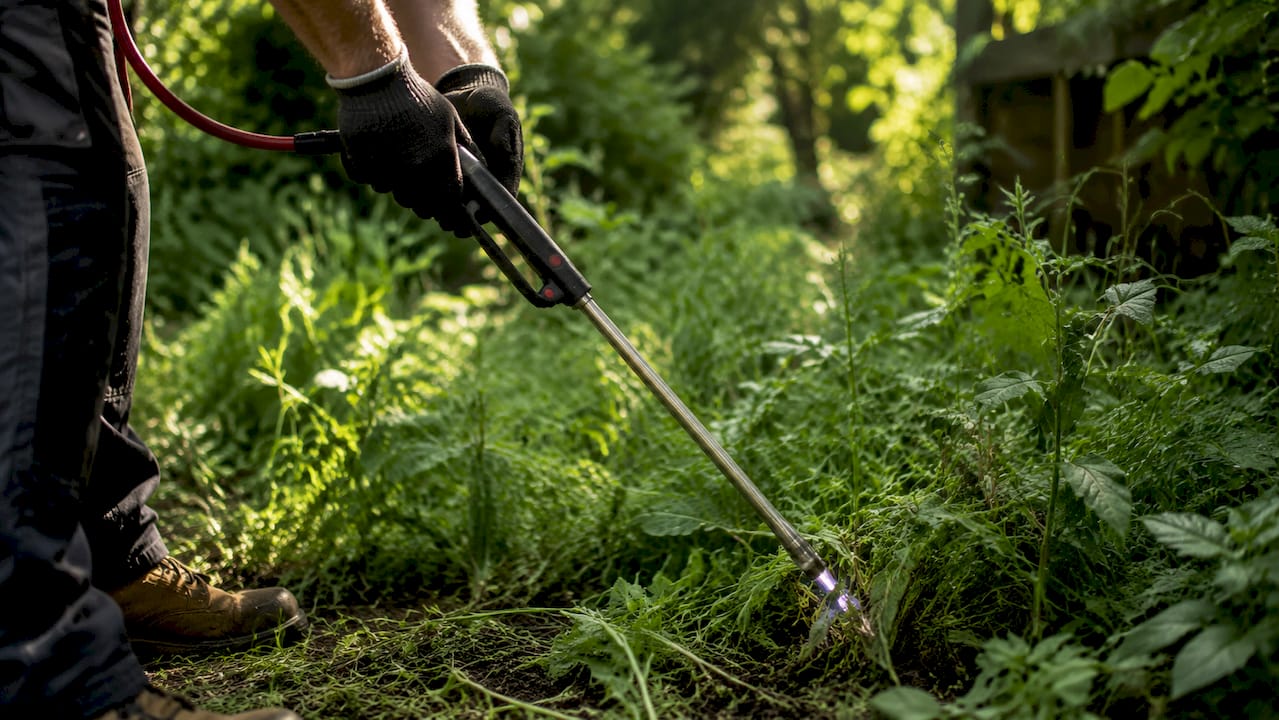
直接能量技术是现代入侵植物防治的革命性解决方案。这种创新方法通过精准的热能处理,实现了无化学药剂的根本性清除。

定向能量技术的核心优势包括:

  • 精确打击植物根系
  • 避免化学污染
  • 适用于敏感生态区域
  • 降低植物再生几率

英国新兴的热电技术通过定向加热破坏植物细胞结构,阻断其能量供应。这种方法与传统除草方式有着根本性的不同:热能直接作用于植株,迅速杀死根部组织。

技术实施的关键步骤:

  1. 精确定位入侵植物区域
  2. 应用高温热能
  3. 持续监测植株死亡情况
  4. 评估处理效果

热能控制技术具有显著的环境友好性,能够在不损害周围生态系统的情况下有效清除入侵植物。

专业建议进行热能处理前,请务必邀请专业技术团队评估植被情况,制定最精准的能量控制方案。

6. 根障安装与挖掘处理建议

根障是防治入侵植物最有效的物理屏障技术,能够从根本上阻断植物的横向扩散。这项创新解决方案为房主提供了一种长期有效的入侵植物控制方法。

根障技术的核心优势:

  • 可持续使用25年
  • 阻断根系横向生长
  • 保护建筑物基础
  • 环保无污染

高密度聚乙烯根障系统的安装需要专业技术和精确规划。其关键在于创建一个不可逾越的物理屏障,防止入侵植物根系扩散。

根障安装的关键步骤:

  1. 详细勘察入侵区域
  2. 清理现有根系土壤
  3. 选择合适的根障材料
  4. 垂直或水平安装根障
  5. 填埋并压实周边土壤

根障防护系统不仅能阻止入侵植物,还能为房产提供长期安全保障。

专业建议安装根障前务必请专业团队进行全面评估,确保覆盖所有潜在扩散路径。

7. 房产调查与持续监控的实际步骤

房产调查是防范入侵植物风险的关键环节,它不仅能及时发现潜在威胁,还能为后续处理提供精准依据。专业调查能帮助房主有效评估和控制入侵植物带来的风险。

房产调查的核心步骤:

  • GPS精确定位入侵区域
  • 测量植物覆盖面积
  • 拍摄详细形态特征照片
  • 评估周边生态环境
  • 记录植物生长状态

根据入侵植物调查指南,监测的关键在于持续跟踪和动态分析。调查不是一次性工作,而是需要长期系统的观察和记录。

专业调查通常包括以下内容:

  1. 绘制入侵植物分布地图
  2. 记录生长速度和扩散范围
  3. 分析周边植被受影响程度
  4. 制定针对性防控策略
  5. 定期更新监测报告

专业建议每半年进行一次专业调查,保存详细影像和记录,这将为未来的处理提供关键证据。

下面的表格总结了文章中关于日本锦带草及其他入侵植物对房产的影响以及处理方法的主要内容。

化学药剂之外的高效入侵植物解决方案

面对文章中提到的日本锦带草及其他入侵植物带来的破坏性威胁,许多房主都深感无助。快速生长的根系和顽固的扩散能力不仅威胁房屋结构还严重影响房产价值 文章指出无化学药剂的直接能量技术和根障安装是有效且环保的解决方法

Japanese Knotweed Agency作为英国领先的无化学治疗先驱 可提供高达5000伏的定向热能处理 专门击破植物根系的细胞结构 彻底切断其能量供应 结合专业根障安装和挖掘服务 保障您的房产远离入侵危害

https://japaneseknotweedagency.co.uk

立即采取行动 预约我们的专业入侵植物房产调查 及早发现风险 并获取量身定制的治理方案 保障您的投资安全 点击访问我们的网站 了解更多关于无化学药剂控制技术 让您的房产恢复健康与价值

常见问题解答

日本锦带草对房产价值有什么影响?

日本锦带草会对房产价值造成严重影响,可能导致房产估值下降5%至20%。因此,建议在购房前进行专业的日本锦带草调查,以便及时发现并处理这一问题。

如何识别入侵植物的生长特征?

识别入侵植物的生长特征通常需要观察它们的覆盖面积、根系深度以及生长速度。例如,日本锦带草每年可生长高达10厘米。定期检查周围植物状况并拍照记录,可帮助你更好地识别入侵植物。

有哪些无化学治疗入侵植物的方法?

无化学治疗入侵植物的方法包括机械除草、热能处理和生物控制等。这些方法能够有效控制入侵植物生长,同时保护周围的生态环境,建议优先考虑这些生态友好的处理方案。

如何进行入侵植物的房产调查?

进行房产调查的步骤包括GPS精确定位入侵区域、测量植物覆盖面积、拍摄形态特征照片等。这些信息能够帮助制定针对性的防治策略,通常建议每六个月进行一次专业调查以监控植物状况。

根障安装的关键步骤是什么?

根障安装的关键步骤包括详细勘察入侵区域、选择合适的根障材料并进行安装。确保安装时土壤压实,以防止入侵植物根系的扩散,最佳实践是由专业团队进行此项工作。

如何评估无化学技术的长期效果?

评估无化学技术的长期效果可以通过定期监测植物生长状态和扩散范围来实现。记录每次监测结果并与前期数据比较,通常建议在处理后每季度进行一次评估,以便及时调整管理策略。

推荐

7 Signs of Invasive Weeds Every Homeowner Should Know

Spotting invasive weeds early can make all the difference when it comes to protecting your garden or property. These aggressive plants grow quickly, form dense clusters, and often outcompete native species before you realise what is happening. Some, like Japanese Knotweed, can even spread from the tiniest root fragment and cause serious damage to walls, paths, and local ecosystems.

Understanding the most telling signs of invasive weeds helps you act before problems spiral out of control. This guide reveals the key features to watch for so you can confidently identify and manage these troublesome invaders. Get ready to discover the warning signs that every homeowner should know.

Table of Contents

Quick Summary

Takeaway Explanation
1. Monitor for rapid growth Regularly check your landscape for surprising and aggressive growth patterns that could indicate invasive weeds.
2. Identify unique leaf and stem features Learn the specific shapes and textures of invasive weeds to help quickly identify potential threats in your garden.
3. Document dense clusters immediately Take photographs of any dense weed clusters and seek professional advice to mitigate ecological damage effectively.
4. Inspect for structural damage Regularly check for weeds that penetrate hard surfaces and foundations, which can create significant repair costs.
5. Use multiple removal techniques Combine various methods, including non-chemical strategies, to effectively combat herbicide-resistant invasive weeds in your garden.

1. Unusual Rapid Growth Patterns

Invasive weeds possess an extraordinary capacity for rapid and aggressive expansion that can catch unsuspecting homeowners completely off guard. These botanical bullies can transform landscapes with startling speed, creating dense populations that overwhelm native plant ecosystems.

Understanding the growth dynamics of invasive species is crucial for effective management. Some invasive plants like Japanese knotweed can generate dense growth from minuscule root fragments, demonstrating remarkable regenerative capabilities.

Key characteristics of rapid invasive weed growth include:

  • Ability to spread from tiny plant fragments
  • Accelerated growth rates compared to native species
  • Exceptional resilience in diverse environmental conditions
  • Capacity to penetrate infrastructure like concrete and tarmac

Rapid growth isn’t just about speed – it’s about ecological domination.

These plants exploit multiple reproduction strategies including underground rhizome networks and seed dispersal mechanisms. The Encyclopaedia of Arable Weeds highlights that tracking growth across different stages helps homeowners identify potential invasive threats early.

Homeowners must remain vigilant and monitor landscape changes systematically. Early detection can prevent extensive ecological and structural damage caused by these aggressive plant species.

Expert Tip: Monitor your property quarterly and photograph any unusual plant growth to track potential invasive weed developments.

2. Distinct Leaf and Stem Shapes

Invasive weeds reveal their true nature through distinctive leaf and stem characteristics that set them apart from ordinary garden plants. Understanding these unique botanical signatures can help homeowners identify potential threats before they spread uncontrollably.

Identification of broad-leaved weeds requires careful observation of specific morphological features that distinguish invasive species from native plants.

Key distinguishing characteristics include:

  • Unusual leaf shape and arrangement
  • Distinctive stem texture and colour
  • Irregular growth patterns
  • Unique leaf edge or surface markings

Not all plants are created equal – some are ecological invaders waiting to be recognised.

For instance, Japanese knotweed displays heart-shaped leaves arranged alternately on distinctive zig-zag stems. Giant hogweed presents large spotted leaf stalks with hollow spiny stems.

Homeowners should pay close attention to:

  1. Leaf shape and symmetry
  2. Stem colour and texture
  3. Growth pattern and node arrangement
  4. Leaf edge characteristics

Documenting these features through photographs can help gardening experts accurately diagnose potential invasive weed species.

Expert Tip: Take clear, well-lit photographs of suspicious plant growth from multiple angles to assist professional identification.

3. Dense Clusters or Thickets

Invasive weeds possess a remarkable ability to form dense, impenetrable clusters that can rapidly overwhelm entire landscapes and ecosystems. These botanical colonisers create thick stands that choke out native plant life and disrupt local biodiversity.

Invasive weeds in the UK frequently produce dense population structures that require targeted management strategies. These clusters are more than just a visual nuisance they represent a serious ecological threat.

Characteristics of invasive weed clusters include:

  • Rapid horizontal and vertical growth
  • Ability to dominate large areas quickly
  • Suppression of surrounding plant species
  • Complex root systems that support dense growth

A single invasive weed cluster can transform an entire ecosystem.

Some species like Japanese knotweed form thick bamboo-like stands, while Himalayan balsam creates extensive colonies along riverbanks. These dense thickets can:

  1. Reduce local plant diversity
  2. Destabilise soil structures
  3. Block sunlight for native vegetation
  4. Impede water flow in riparian environments

Homeowners and land managers must develop proactive identification and removal strategies to prevent these invasive clusters from establishing permanent footholds.

Expert Tip: Photograph and document dense weed clusters immediately and consult professional ecological management services for targeted removal techniques.

4. Damage to Walls and Paths

Invasive weeds are not merely unsightly garden inhabitants they can become destructive forces capable of undermining entire structural foundations. Structural damage potential represents one of the most concerning aspects of aggressive plant species.

Weeds growing on hard surfaces can create significant problems for homeowners by penetrating cracks and displacing paving materials. These botanical invaders transform seemingly stable surfaces into uneven and potentially dangerous terrains.

Key structural damage mechanisms include:

  • Penetration of underground infrastructure
  • Expansion through tiny surface cracks
  • Displacement of paving materials
  • Destabilisation of foundational structures

Some weeds can transform solid surfaces into botanical battlegrounds.

Japanese knotweed represents a particularly dangerous invasive species capable of causing extensive structural damage. Its underground rhizomes can:

  1. Grow through concrete foundations
  2. Disrupt wall structures
  3. Create significant repair expenses
  4. Compromise property integrity

Homeowners should remain vigilant and address potential weed intrusions quickly to prevent costly structural repairs.

Expert Tip: Conduct regular property inspections and seal small surface cracks immediately to prevent invasive weed penetration.

5. Roots Extending Underground

Beneath the surface lurks an often unseen yet remarkably aggressive network of invasive weed roots that can transform your garden into a botanical battleground. Underground root systems represent the hidden warfare of persistent plant invaders.

Invasive weeds like Japanese knotweed spread extensively through robust underground rhizomes that make complete eradication extraordinarily challenging.

Underground root characteristics include:

  • Ability to regenerate from tiny root fragments
  • Extensive horizontal and vertical spread
  • Capacity to penetrate deep soil layers
  • Remarkable resilience against traditional removal methods

One small root fragment can become an entire invasive ecosystem.

Garden weeds such as ground elder and bindweed demonstrate remarkable regenerative capabilities through their underground networks. Their root systems can:

  1. Survive harsh environmental conditions
  2. Spread rapidly beneath soil surfaces
  3. Regenerate from microscopic root segments
  4. Outcompete native plant species

Homeowners must understand that superficial removal offers only temporary relief. Comprehensive root management requires strategic and persistent intervention.

Expert Tip: Consult professional invasive species management experts who can deploy specialised techniques for complete underground root system elimination.

6. Seasonal Flowering and Seeding

Invasive weeds are master strategists of reproduction using sophisticated seasonal cycles to spread and dominate landscapes. Seasonal flowering patterns represent a critical window of vulnerability for plant management strategies.

The Encyclopaedia of Arable Weeds highlights the importance of understanding precise flowering and seeding times for effective weed control.

Key seasonal reproductive characteristics include:

  • Prolific seed production during specific periods
  • Ability to create dormant seed banks in soil
  • Strategic timing of flowering and seed dispersal
  • Multiple reproductive mechanisms

One season of unchecked flowering can create years of future infestations.

Weed seeds demonstrate remarkable survival strategies by remaining viable in soil and emerging during optimal conditions. Their seasonal cycles typically involve:

  1. Flowering in spring or autumn
  2. Producing extensive seed quantities
  3. Creating underground seed reservoirs
  4. Waiting for perfect germination conditions

Homeowners must remain vigilant during peak flowering seasons to interrupt these reproductive cycles and prevent widespread propagation.

Expert Tip: Photograph and document weed flowering periods in your garden to track and anticipate future growth patterns.

7. Resistance to Common Removal Methods

Invasive weeds are not passive botanical passengers they are sophisticated survival experts that have evolved remarkable resistance mechanisms against traditional eradication techniques. Herbicide resistance strategies represent a significant challenge for gardeners and land managers.

Herbicide resistance in broad-leaved weeds has become an increasingly complex problem requiring sophisticated management approaches.

Key resistance characteristics include:

  • Genetic adaptations to chemical treatments
  • Rapid mutation of herbicide-vulnerable traits
  • Multiple reproduction and survival mechanisms
  • Capacity to regenerate from minimal plant fragments

Nature’s most resilient plants laugh in the face of conventional removal methods.

Non-chemical control methods are increasingly recommended to combat resistant species. These methods typically involve:

  1. Mechanical disruption of root systems
  2. Physical removal techniques
  3. Smothering and light exclusion strategies
  4. Repeated intervention approaches

Homeowners must adopt multi-faceted strategies that combine different removal techniques to effectively combat these persistent botanical invaders.

Expert Tip: Document and photograph your weed removal attempts to track the effectiveness of different intervention strategies.

Below is a comprehensive table summarising the main strategies and guidance discussed regarding identifying and managing invasive weed species.

Aspect Key Features Recommended Actions
Rapid Growth Fast propagation, utilisation of rhizomes for spread, and ecological dominance Regular monitoring and early intervention
Distinctive Morphology Unique leaf shapes and stem textures aiding in visual identification Closely observe and document unusual botanical features
Formation of Dense Clusters Creates thick structures that overwhelm native flora Remove identified clusters with professional assistance if necessary
Structural Damage Risks Capable of penetrating and destabilising foundations and paths Address small surface cracks and eliminate newly spawned growth
Extensive Underground Root Systems Regrowth from minimal fragments; roots spread horizontally and vertically Apply targeted eradication measures, consult experts
Seasonal Reproductive Strategies Prolific flowering and seeding providing future propagation opportunities Monitor during flowering seasons and prevent seed dispersal
Resistance to Common Eradication Adaptation to conventional herbicides and traditional removal methods Employ combined eradication approaches and track method efficacy

Take Control of Invasive Weeds with Expert Help

Recognising the 7 Signs of Invasive Weeds can be overwhelming for any homeowner. Rapid growth, underground roots spreading silently, and damage to property foundations are serious challenges that require more than just traditional removal methods. If you have spotted dense clusters or noticed structural damage to walls and paths it is crucial to act quickly before the problem worsens. Japanese Knotweed Agency specialises in chemical free treatment and eradication of Japanese Knotweed and other invasive species using innovative direct energy technology that disrupts root networks deep underground.

https://japaneseknotweedagency.co.uk

Protect your home and garden from ecological invasion by choosing professional support. With comprehensive property surveys across England Wales and Ireland and expert root barrier installations your investment is safe from future damage. Explore the complete range of services at Japanese Knotweed Agency and discover how our effective techniques overcome resistance to common removal methods and prevent relentless regrowth. Don’t wait until the weeds take over contact us today to secure your property for years to come with chemical free knotweed treatment and tailored eradication plans.

Frequently Asked Questions

What are the signs of invasive weeds I should look for?

Invasive weeds often display unusual rapid growth patterns, distinctive leaf and stem shapes, and form dense clusters. Pay attention to changes in your garden, such as unexpected growth or thickets, to catch these plants early.

How can I identify invasive weeds on my property?

Look for unique characteristics such as irregular leaf shape, distinctive stem textures, and dense growth patterns. Document these features with photographs to assist in identification and management strategies.

What damage can invasive weeds cause to my property?

Invasive weeds can penetrate structural foundations, displace paving materials, and destabilise soil. Regularly inspect for signs of damage, and address any invasive growth immediately to avoid costly repairs.

How can I effectively remove invasive weeds from my garden?

Combine physical removal methods with regular monitoring and strategic interventions to effectively eradicate invasive weeds. Start by uprooting the plants entirely and follow up with quarterly inspections to prevent regrowth.

What should I do if I notice invasive weeds spreading seasonally?

Act quickly by documenting the flowering and seeding periods of any invasive weeds. Interrupt their reproduction cycle by removing them during peak flowering times to decrease future infestations.

How can I manage resistant invasive weeds that won’t respond to traditional methods?

Adopt a multi-faceted approach that includes mechanical disruption and physical removal techniques. Successfully manage these resilient plants by varying your methods, and seek to perform interventions routinely to keep them at bay.

英国房产主须知:7大常见入侵植物清单及防治方法

房产交易前后,你是否担心隐秘的入侵植物威胁到建筑安全和资产价值?在英国,像日本葛根、竹子和忍冬这样的入侵植物不仅可能破坏墙体、地基和花园,还会影响你的贷款申请与法律责任。专业调查和管理方案能帮你识别风险,保护你的房产免受损害。接下来,你将学到具体的识别要点、有效控制方法及房主必须掌握的关键实用策略。每一项建议都能帮助你避免高额维修费用和交易障碍。别错过这些实用技术,让你的投资更加放心可靠。

目录

快速总结

关键信息 说明
1. 识别日本葛根是关键 日本葛根生长速度快,根系可穿透建筑,及时识别避免损失。
2. 定期物业调查是必要的 定期检查可以及早发现入侵植物,降低处理成本和法律风险。
3. 专业处理至关重要 对入侵植物的处理需要专业团队,避免错误导致更大损害。
4. 管理策略需科学选择 自主管理和专业服务相结合,应根据入侵程度制定处理方案。
5. 环保处理方法值得关注 无化学药剂的方法越来越重要,可以有效保护生态环境。

1. 日本葛根的识别与风险分析

日本葛根是一种极具破坏性的入侵植物,对英国房产主构成严重威胁。这种植物不仅能迅速蔓延,还会对建筑结构造成严重损害。

英国生态与水文中心的研究表明,日本葛根具有以下关键特征:

  • 生长速度极快,每年可延伸多达10厘米
  • 根系可穿透混凝土和建筑基础
  • 能快速排挤本地植被,破坏生态平衡
  • 会显著降低房产价值

房产勘察中需要特别关注 这种植物的存在。它的识别关键在于其独特的生长特征:

  1. 竹子状的中空茎秆
  2. 绿色叶片呈心形
  3. 夏季白色或粉色小花簇
  4. 冬季茎秆变为枯黄色

一株日本葛根可在短短几个月内迅速蔓延并破坏建筑结构

日本葛根对房产的风险极大。一旦发现,房主必须立即采取专业处理。某些抵押贷款机构甚至会因日本葛根存在而拒绝贷款。

专业建议在购买房产前务必进行专业的入侵植物调查,及早发现并控制日本葛根风险。

2. 房产交易中入侵植物检查要点

在英国房产交易过程中,入侵植物检查已成为不可忽视的关键环节。不正确的植物风险评估可能导致巨大的经济损失和法律纠纷。

房产入侵植物调查对于买卖双方至关重要。主要检查要点包括:

  • 识别常见入侵植物种类
  • 评估植物蔓延范围
  • 分析对建筑结构的潜在损害
  • 评估根系破坏风险
  • 确定处理和清除方案

检查过程通常需要专业调查员进行全面勘察。他们会仔细检查房产的每个角落:

  1. 检查建筑物周边环境
  2. 分析土壤和植被情况
  3. 鉴定可疑植物
  4. 记录潜在风险区域

一株入侵植物可能导致房产价值下跌多达20%

重要风险提示:部分抵押贷款机构会因入侵植物存在而拒绝贷款申请。提前进行专业检查可以有效规避潜在风险。

专业建议在房产交易前务必委托专业机构进行全面的入侵植物风险评估,保护您的房产投资安全。

3. 竹子与忍冬:常见但易忽视的入侵植物

许多英国房主常常低估竹子和忍冬等植物的入侵风险。这些看似无害的园林植物实际上可能对房产构成严重威胁。

园艺师可以帮助识别入侵植物,防止其对生态系统造成破坏。这些植物的危害主要体现在:

  • 快速蔓延占据生长空间
  • 迅速排挤本地植被
  • 破坏土壤生态平衡
  • 潜在损害建筑结构根基

关于竹子的特别风险:

  1. 根系可穿透建筑地基
  2. 生长速度每年可达数英尺
  3. 难以彻底根除
  4. 可能降低房产价值

一株入侵竹子可在短短几个月内迅速扩散整个花园

竹子生长风险需要房主高度警惕。其根茎系统极其发达,能够快速突破混凝土和建筑基础。

专业建议定期检查院落植被生长情况,及时控制竹子和忍冬的蔓延范围,防止造成不可逆的生态和建筑损害。

4. 无化学药剂处理的创新方法

随着环境保护意识的提升,传统化学除草方法正逐渐被更加环保和可持续的技术替代。对于房产主而言,寻找无化学药剂的入侵植物处理方案变得越来越重要。

沃里克大学研究探索了非化学防治方法,为我们提供了创新的解决思路:

  • 物理屏障方法
  • 生态系统恢复技术
  • 根系定向阻断
  • 热能处理
  • 机械清除

非化学处理的主要创新方法包括:

  1. 根系阻隔技术
  2. 热能电击处理
  3. 精准物理清除
  4. 生态恢复方案

减少化学药剂使用可以显著降低对环境的负面影响

关键处理原则是通过物理和生态方法,在不破坏周边环境的情况下控制入侵植物生长。

专业建议选择专业的无化学处理团队,确保既能有效清除入侵植物,又能最大限度保护生态环境。

5. 根系隔离及挖掘方案介绍

入侵植物根系控制是保护房产安全的关键环节。针对具有破坏性的入侵植物,根系隔离和挖掘技术已成为不可或缺的专业处理方案。

政府指南详细阐述了入侵植物控制策略,为房主提供了重要参考。根系处理主要包括:

  • 精确定位根系范围
  • 安装专业隔离屏障
  • 深度土壤清理
  • 受控废弃物处置
  • 防止根系再生

根系隔离及挖掘的具体流程:

  1. 全面勘察根系分布
  2. 选择合适隔离材料
  3. 安装垂直根系屏障
  4. 彻底清除受污染土壤
  5. 严格按照专业标准处置

一个不当的根系处理可能导致入侵植物更快速蔓延

根系隔离关键技术需要专业团队精准操作。错误的处理可能会带来更大的生态风险。

专业建议选择经验丰富的专业团队进行根系隔离,确保从根本上控制入侵植物的蔓延风险。

6. 定期物业调查的重要性

房产调查不仅仅是一项例行检查,更是保护房产价值和生态环境的关键举措。定期专业调查能够及时发现并控制潜在的入侵植物风险。

森林研究院建议进行系统性物业调查,防范生态隐患。物业调查的核心价值体现在:

  • 及早发现入侵植物
  • 降低处理成本
  • 减少生态破坏
  • 维护房产价值
  • 防范法律风险

定期调查的具体实施步骤:

  1. 确定调查周期
  2. 聘请专业调查团队
  3. 全面检查房产
  4. 记录并跟进风险点
  5. 制定针对性处理方案

一次专业的物业调查可以为您节省数千英镑的潜在修复成本

物业调查的战略意义在于预防而非事后补救,这是保护房产的最佳策略。

专业建议每年至少进行一次专业的入侵植物调查,尤其是在生态敏感区域和老旧房产周边。

7. 自主管理与专业服务的选择建议

入侵植物管理是一个需要谨慎平衡的过程。房主既需要了解自主管理的基本技能,又要懂得何时寻求专业服务的帮助。

政府指南建议根据入侵规模选择管理方式,核心在于科学评估和精准应对。自主管理与专业服务的选择要点包括:

  • 准确评估入侵植物范围
  • 判断自身处理能力
  • 了解法律合规要求
  • 评估潜在经济成本
  • 考虑长期生态影响

选择管理方案的决策流程:

  1. 全面勘察入侵情况
  2. 评估自身专业能力
  3. 估算处理成本
  4. 选择最优管理路径
  5. 制定后续跟进计划

不当的入侵植物管理可能导致更严重的生态和经济损失

专业服务的关键价值在于提供系统性和长期有效的解决方案。

专业建议对于大面积或复杂的入侵情况,务必及时聘请专业团队进行全面评估和处理。

[以下为文章主要内容和建议的总结。]

主题 描述 关键建议
日本葛根的识别与风险 日本葛根具有快速蔓延能力,能够损害建筑结构并降低房产价值。识别特征包括竹子状茎秆、心形叶片等 在购房前进行专业植物勘察,发现后立即采取专业处理。
入侵植物检查要点 房产交易中,需检查植物种类、蔓延范围及建筑损害风险 聘请专业调查员完成风险评估。
竹子与忍冬的风险 看似无害的植物可能快速扩展并破坏生态及建筑根基 定期检查院落植被,控制蔓延范围。
非化学处理方法 新技术包括物理屏障、热能处理等,减少环境污染 寻找专业团队实施环保解决方案。
根系隔离及挖掘方案 定位根系范围,安装隔离屏障,清理土壤,预防再生 选择经验丰富的团队处理根系问题。
定期物业调查的重要性 早发现能减少经济和生态损害,保护房产价值 建议每年进行一次专业调查。
自主管理与专业服务选择 合理评估入侵规模与经济成本,确保管理科学 面对复杂情况时请咨询专业团队。

英国房产主的入侵植物防治最佳选择

面对文章中提到的日本葛根和其他入侵植物对房屋结构和生态环境的威胁,您是否意识到专业处理的重要性?快速蔓延的根系不仅可能导致房产价值大幅下跌,更存在无法抵押贷款的风险。面对如此严格的挑战,普通的自我管理难以彻底根除,必须依靠科学的无化学药剂技术和精准的根系隔离方案才能真正控制风险。

Japanese Knotweed Agency拥有领先的化学免费处理技术,采用高达5000伏的直接能量传递,有效破坏入侵植物内部细胞,彻底耗竭其根茎能量。我们提供专业的根系隔离和挖掘服务,确保从根本上阻断扩散,同时为英国、威尔士和爱尔兰房产提供全面的入侵植物物业调查保障。

https://japaneseknotweedagency.co.uk

不要让入侵植物威胁您的财产安全和生态环境。立即访问Japanese Knotweed Agency官网获取专业评估和定制解决方案。确保您的房产投资长远稳定,从今天开始采取精准防治措施!

常见问题解答

如何识别房产周围的入侵植物?

识别入侵植物可以从观察植株外观入手,例如叶片形状、茎部结构和生长环境。定期巡视房产时,留意是否有类似于日本葛根、竹子或忍冬的植物。如果发现可疑植物,及时记录并寻求专业帮助。

入侵植物会如何影响我的房产价值?

入侵植物可能导致房产价值显著降低,有时甚至达到20%。因此,定期检查并及时处理入侵植物,可以防止潜在的经济损失。建议每年至少进行一次专业调查。

如果我发现入侵植物,应该立即采取什么措施?

发现入侵植物后,首先应停止任何土壤活动并避免进一步扩散。在确保安全的情况下,联系专业团队进行彻底评估和处理,以确保植物根系不再再生。

如何进行有效的入侵植物管理?

有效的管理包括定期监测和及时处理。评估入侵植物的范围后,可以制定针对性的管理计划,例如根系隔离和机械清除,以控制其蔓延。

可以采用哪些无化学方法处理入侵植物?

无化学处理方法主要包括物理隔离、机械清除及热能处理。这些方法不仅有效控制植物生长,还能最大限度地保护周边生态环境。选择适当的方法并执行,可以在数周内见到成效。

如何评估我的自主管理能力和寻求专业帮助的时机?

评估管理能力时,需考虑入侵植物的规模和处理要求。如果植物蔓延广泛或对建筑物造成损害,建议及时寻求专业帮助,以避免更大的经济损失。理想情况下,应定期审视自主管理的效果,并根据植物生长情况进行调整。

推荐

Hazardous Weed Waste – Impact on UK Property

Property sales in England, Wales, and Ireland often reveal surprises hiding beneath the soil. Facing threats like Japanese Knotweed, homeowners encounter invasive weeds that can dramatically impact value and resale prospects. The legal definition of hazardous waste covers these stubborn plants, demanding careful handling and safe disposal to avoid lasting environmental and financial troubles. This guide explains chemical-free solutions and highlights professional survey options for tackling weed issues confidently during property transactions.

Table of Contents

Key Takeaways

Point Details
Hazardous Waste Regulations Businesses must comply with strict regulations for hazardous waste, including proper classification, storage, and disposal to prevent environmental harm.
Invasive Weeds Impact Invasive plants like Japanese Knotweed and Giant Hogweed pose significant risks to properties and biodiversity, requiring professional management.
Homeowner Responsibilities Homeowners are liable for hazardous waste management on their properties and must maintain comprehensive documentation for compliance.
Chemical-Free Disposal Alternatives Employing non-chemical methods for invasive weed control can effectively minimise ecological impact and ensure sustainable management strategies.

Hazardous weed waste defined in UK law

Hazardous waste represents a complex legal classification with significant implications for property management and environmental protection in the United Kingdom. Under current UK regulations, hazardous waste is specifically defined as materials that pose potential risks to human health or ecological systems.

The legal framework for hazardous waste management is comprehensively outlined in the Hazardous Waste Regulations for England and Wales. These regulations establish strict protocols for identifying, handling, and disposing of substances that could cause environmental damage or human health risks.

Key categories of hazardous waste in the UK include:

  • Chemical waste
  • Asbestos materials
  • Contaminated soil
  • Electronic equipment
  • Batteries and industrial solvents
  • Pesticide residues
  • Ozone-depleting substances

Businesses and property owners must adhere to specific legal requirements when managing these materials. The duty of care principle mandates that all hazardous waste must be:

  1. Correctly classified
  2. Safely stored
  3. Professionally transported
  4. Appropriately disposed of

Failure to comply with hazardous waste regulations can result in significant legal penalties and potential environmental contamination.

Property owners and managers should consult professional waste management services to ensure proper handling and legal compliance when dealing with potentially hazardous materials.

Pro tip: Always document the entire lifecycle of hazardous waste materials to maintain comprehensive legal traceability and demonstrate responsible environmental management.

Types of invasive weed waste and key risks

Invasive weeds represent a significant environmental and property management challenge across the United Kingdom. These non-native plant species can cause extensive damage to landscapes, infrastructure, and ecosystems through their aggressive growth patterns and resilient characteristics. Invasive plant threats pose complex risks that extend far beyond simple botanical nuisance.

The most prevalent invasive weed species in the UK include:

  • Japanese Knotweed: Notorious for structural damage
  • Giant Hogweed: Produces toxic sap causing severe skin burns
  • Himalayan Balsam: Rapidly displaces native vegetation
  • Horsetail: Develops extensive, difficult-to-control root systems
  • Rhododendron Ponticum: Suppresses biodiversity in woodland areas

Each of these invasive species presents unique environmental and structural challenges. Japanese Knotweed, for instance, can penetrate concrete foundations, compromise building structures, and dramatically reduce property values. Its underground rhizome network spreads rapidly, making complete eradication extremely challenging and expensive.

The ecological and health risks associated with these invasive weeds are substantial. Giant hogweed’s toxic sap can cause painful skin burns and potential long-term photosensitivity, while Himalayan balsam’s aggressive spread can completely overwhelm native plant ecosystems, leading to significant biodiversity loss.

This comparison highlights key differences between major invasive weed species found across the UK:

Invasive Species Primary Environmental Impact Main Health Risk Typical Management Challenge
Japanese Knotweed Structural damage to properties None directly Rapid rhizome spread, difficult eradication
Giant Hogweed Biodiversity loss, displacement Severe skin burns, photosensitivity Toxic sap, safe handling needed
Himalayan Balsam Monoculture formation, ecosystem disruption None directly Fast growth, requires ongoing monitoring
Horsetail Soil alteration, infrastructure damage None directly Deep roots, resistant to removal
Rhododendron Ponticum Woodland biodiversity suppression None directly Dense thickets, slows native regrowth

Invasive weeds are not merely a gardening problem, but a serious environmental and property management issue requiring professional intervention.

Property owners must understand that managing these invasive species involves more than simple removal. Professional assessment, specialised treatment strategies, and ongoing monitoring are crucial to preventing long-term ecological and structural damage.

Pro tip: Always consult professional invasive plant specialists before attempting to remove hazardous weed species, as improper handling can potentially increase environmental spread and legal complications.

Hazardous waste disposal in the United Kingdom is governed by stringent legal frameworks designed to protect public health and environmental safety. Hazardous waste regulations establish comprehensive guidelines that mandate responsible management and disposal of potentially harmful materials.

Key legal obligations for waste producers include:

  • Correct waste classification
  • Secure storage methods
  • Use of licensed waste carriers
  • Proper documentation and traceability
  • Comprehensive risk assessment
  • Environmental protection protocols

The Hazardous Waste Regulations 2005 impose specific responsibilities on individuals and organisations generating hazardous waste. These regulations require waste producers to take all reasonable precautions to prevent environmental contamination and potential health risks. Failure to comply can result in significant financial penalties and potential legal prosecution.

Waste management involves several critical legal requirements. Every movement of hazardous waste must be accompanied by detailed consignment notes, ensuring a transparent audit trail from production to final disposal. Waste must be categorised using specific waste codes, stored in appropriate containment systems, and transferred only to authorised waste management facilities.

Compliance is not optional – it is a legal requirement with serious consequences for non-adherence.

Professional waste management companies play a crucial role in navigating these complex legal requirements, providing expertise in classification, transportation, and environmentally responsible disposal strategies.

Consultant reviews waste plans with property owner

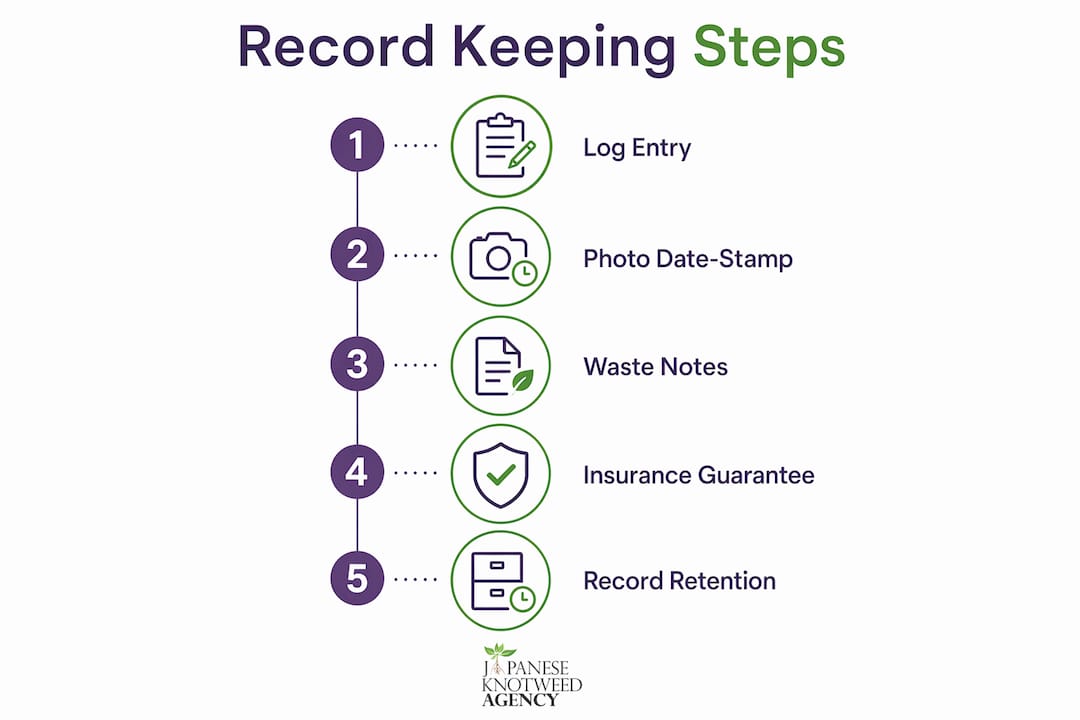
Pro tip: Maintain comprehensive documentation for all hazardous waste movements and retain records for a minimum of three years to demonstrate legal compliance and environmental responsibility.

Homeowner responsibilities and liabilities

Homeowners in the United Kingdom bear significant legal responsibilities when managing hazardous waste on their properties. Hazardous waste disposal regulations establish clear guidelines that define the precise obligations and potential liabilities for property owners handling potentially harmful materials.

Key homeowner responsibilities include:

  • Identifying hazardous waste materials
  • Implementing secure storage protocols
  • Using only licensed waste carriers
  • Maintaining comprehensive documentation
  • Preventing environmental contamination
  • Ensuring proper waste classification

The duty of care principle imposes strict legal requirements on homeowners. This means property owners must take active steps to prevent any potential harm arising from waste materials, including invasive plant species, chemical residues, or construction debris. Negligence can result in substantial financial penalties and potential legal prosecution.

Legal liabilities extend beyond simple disposal. Homeowners remain legally responsible for waste until it is completely and safely processed by authorised facilities. This includes maintaining detailed records of waste movements, completing necessary consignment notes, and ensuring that all disposal activities comply with environmental protection standards.

Ignorance of waste disposal regulations is not a legal defence – homeowners are expected to understand and comply with their responsibilities.

Professional waste management services can provide crucial guidance in navigating these complex legal requirements, helping homeowners avoid potential legal complications and environmental risks.

Pro tip: Retain all waste disposal documentation for a minimum of three years and consult professional waste management experts when dealing with potentially hazardous materials to ensure full legal compliance.

Safe, chemical-free disposal alternatives

Addressing hazardous weed waste requires innovative and environmentally responsible approaches that minimise ecological impact. Non-chemical weed control methods offer sustainable alternatives to traditional chemical treatments, providing homeowners with effective strategies for managing invasive plant species.

Key chemical-free disposal alternatives include:

  • Manual plant removal techniques
  • Mechanical excavation methods
  • Thermal treatment processes
  • Root barrier installations
  • Biological control strategies
  • Preventative landscape management

The mechanical removal approach involves carefully extracting invasive plant systems, including their extensive underground root networks. This method requires precision and comprehensive understanding of plant root structures to ensure complete eradication without causing additional environmental disturbance. Professional specialists can employ targeted techniques that prevent potential regrowth and minimise soil disruption.

Thermal treatment represents another innovative chemical-free solution for managing invasive plant waste. By applying controlled heat directly to plant systems, technicians can effectively destroy cellular structures and prevent regeneration. This method offers a precise, environmentally neutral approach that eliminates the need for harmful chemical interventions.

Sustainable weed management requires a holistic approach that prioritises ecological balance and long-term prevention.

Implementing multiple complementary techniques often provides the most comprehensive and effective strategy for managing hazardous plant waste without relying on chemical treatments.

Infographic on risks and solutions for hazardous weed waste

The following table compares common disposal methods for hazardous weed waste in terms of sustainability and effectiveness:

Method Environmental Impact Long-Term Effectiveness Best Use Case
Manual removal Low, minimal disturbance Moderate, may need repeats Small infestations
Mechanical excavation Moderate soil disruption High, removes roots Extensive outbreaks
Thermal treatment Low, no chemicals used High, prevents regrowth Areas inaccessible to machinery
Biological control Low, promotes natural balance Varies, depends on species Ecologically sensitive zones

Pro tip: Consult professional ecological specialists who can design a tailored, chemical-free management plan specific to your property’s unique environmental conditions and invasive plant challenges.

Take Control of Hazardous Weed Waste with Expert Solutions

The dangers of invasive weeds such as Japanese Knotweed are clear. They cause structural damage, reduce property value, and pose serious environmental risks. The article highlights the complex challenge of managing hazardous weed waste safely and legally, emphasising the need for professional expertise in classification, removal, and disposal. If you are facing persistent invasive weed issues or require chemical-free eradication, expert help is essential to prevent costly damage and legal liabilities.

https://japaneseknotweedagency.co.uk

At Japanese Knotweed Agency, we specialise in chemical-free treatment that targets the extensive rhizome networks with direct energy technology. Our comprehensive services include root barrier installations and excavation works tailored to permanently remove hazardous weeds like Japanese Knotweed. We also provide thorough property surveys across England, Wales and Ireland to identify invasive plant threats early and secure your property against long-term damage.

Act now to protect your property and comply with UK hazardous waste regulations. Discover more about our advanced eradication methods by visiting Japanese Knotweed treatment solutions and ensure you are taking responsible action against invasive weed waste today.

Frequently Asked Questions

What is hazardous weed waste?

Hazardous weed waste refers to non-native plant species that pose health risks and environmental threats, such as Japanese Knotweed and Giant Hogweed. These plants can cause structural damage and displacement of native flora.

How do invasive weeds affect property management?

Invasive weeds can severely impact property values and structural integrity. For instance, Japanese Knotweed can penetrate concrete foundations, while Giant Hogweed’s toxic sap poses health hazards, necessitating professional management.

Homeowners must identify hazardous materials, store them securely, use licensed waste carriers, and maintain comprehensive documentation. They are liable until the waste is safely disposed of, making compliance essential to avoid penalties.

What are the alternatives to chemical treatments for managing invasive weed waste?

Chemical-free methods include mechanical excavation, manual removal, thermal treatments, and biological control strategies. These approaches aim to manage invasive species sustainably while minimising environmental impact.