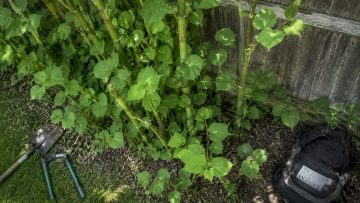
全面解析根茎网络与日本葛根草治理核心策略


TL;DR:

  • 日本葛根草根茎网络深且复杂,难以彻底根除。
  • 无化学治理需长期持续,结合挖除、覆盖和监控效果最佳。
  • 规范操作和多年度跟踪能大幅降低复发风险。

日本葛根草(Japanese Knotweed)的地下根茎网络是自然界中最顽强的植物结构之一,其扩展速度与再生能力令传统治理手段频频失效。对于正在购买或再融资物业的房主而言,一旦地产范围内存在葛根草侵害,不仅会影响房产估值,更可能直接阻碍贷款审批。与此同时,随着环保意识的提升,越来越多的业主希望采用无化学方案彻底解决问题,而非依赖除草剂带来的短期效果。本文将系统梳理葛根草根茎网络的生物结构、无化学治理方法、常见误区以及多年度跟踪流程,为您提供切实可行的行动指引。

目录

关键要点

要点 详情
根茎网络极易再生 主根与根冠深度巨大,局部处理易导致反复扩散。
无化学治理更适合房产交易 避免化学残留和披露风险,便于购房评估与融资流程。
多环节持续治理最有效 2-3年多方法结合及原生植物恢复是抑制复发的关键。
谨防操作误区 避免浅层挖掘和随意抛弃根茎碎片,防止二次扩散。
治理档案助力房产保值 保存治理进度和案例,有利于房产买卖、再融资及生态安全。

理解葛根草根茎网络的结构与扩展机制

要有效治理日本葛根草,首先必须理解其地下根茎系统的真实面貌。许多房主在初次接触这一问题时,往往低估了根茎网络的复杂程度,以为只需清除地面植株便可解决问题。事实上,地面以上的部分不过是冰山一角。

葛根草的根茎系统由三个核心部分构成:主根根冠(Crown)以及分支根(Lateral Rhizomes)。主根负责向下延伸,为整个植株提供水分与养分的储存基础;根冠位于主根顶端附近,是最关键的再生节点;分支根则从根冠向四周水平延伸,形成互联的地下网络,可在短时间内覆盖大面积土地。

根据研究数据,主根深度最高达12英尺,根冠结构促使地下蔓延,形成极强的再生能力。这意味着,即便地面植株被完全清除,只要根冠完好,葛根草便能在下一个生长季节重新破土而出。

以下是葛根草根茎系统的关键特征概览:

根茎组成部分 功能 治理难点
主根 储存养分,向下延伸 深度大,挖掘困难
根冠 主要再生节点 断裂碎片即可萌发新株
分支根 横向扩展,连接网络 范围广,难以全面定位

根冠的特殊危险性在于其极强的碎片再生能力。当挖掘操作不当时,根冠碎片会随土壤移动扩散至新区域,每一个碎片都可能成为新的侵害起点。这正是为何了解房屋威胁解析对于任何面临葛根草问题的房主都至关重要。

葛根草根茎网络的横向扩展尤为令人警惕。分支根可以穿越建筑地基、排水管道和硬质铺装,在相邻地块之间形成连通网络。这种跨地块扩展不仅加剧了治理难度,也意味着单一地块的治理可能因邻地未处理而功亏一篑。

关键认知:葛根草的地下根茎网络具有极强的能量储备,即便地面被反复清除,根茎中储存的碳水化合物仍能支撑植株多次再生。这也是为何单次治理几乎不可能彻底根除的根本原因。

在清楚根茎网络的生物结构后,才能真正理解其治理难点,并选择真正有效的应对策略。

无化学治理:房主和购房者的首选策略

掌握有效的治理思路后,应深入对比各类方法的利弊与适用场景。无化学治理方案不仅能规避除草剂对土壤和水源的污染风险,更能在房产交易过程中避免化学残留的披露义务,为购房者和再融资业主提供更清晰的合规路径。

房主采用了无化学药剂的方法来治理根茎问题

研究证实,重复修剪、根冠挖除、厚覆盖、山羊放牧等方式能有效抑制根茎活性,但需长期执行,通常需要持续两年以上才能看到显著效果。

以下是主要无化学治理方法的对比分析:

治理方法 适用场景 优势 局限性
人工挖掘根冠 小面积侵害区 精准定位,效果直接 劳动强度大,需专业判断
厚覆盖压制 中等面积区域 成本较低,操作简便 需长期维持,根茎可穿透
山羊放牧 大面积开阔地 持续压制,生态友好 需配合围栏管理
反复修剪 各类场景辅助 消耗根茎能量储备 单独使用效果有限

具体操作建议如下:

  1. 精准调查定位:在任何物理操作前,委托专业机构进行地下根茎分布调查,明确根冠位置。
  2. 优先处理根冠:挖掘时务必完整清除根冠,避免碎片残留,这是防止二次扩散的核心步骤。
  3. 铺设厚覆盖层:在挖掘区域铺设至少15厘米厚的覆盖物(如木屑或防草布),阻断残余根茎的光合作用机会。
  4. 定期复查:每隔6至8周检查一次,及时处理新萌发的幼苗,防止根茎重新积累能量。
  5. 多方法组合小片区适合人工挖掘,大型侵占区建议结合放牧与覆盖,单一方法很少能独立实现彻底根除。

专业提示:在进行根系挖除操作时,所有挖出的根茎碎片必须装入密封袋并按照当地法规处置,切勿随意堆放或混入普通园艺废料,否则极易造成新的侵害点。此外,了解更多非化学除草技巧有助于制定更全面的治理计划。

对于正在进行房产交易的业主,无化学方案还有一个重要优势:治理记录更为清晰透明,不涉及化学品使用许可和残留检测,大幅简化了与抵押贷款机构的沟通流程。

常见误区与无效治理的风险分析

明白有效做法后,避免常见错误同样至关重要。在实际案例中,我们发现许多房主在自行处理葛根草时,往往因为错误操作不仅未能解决问题,反而加剧了根茎的扩散范围。

以下是最常见的治理误区:

  • 只做表层修剪:仅清除地面茎叶会消耗根茎少量能量,但无法触及根冠,植株会在数周内重新生长。
  • 浅层挖掘:挖掘深度不足时,根冠被切断但未被完整清除,碎片留在土壤中反而形成多个新的再生点。
  • 忽视碎片管理:挖掘后将根茎碎片随意堆放在场地内,碎片接触土壤后即可萌发,造成侵害范围扩大。
  • 依赖高温处理:热水或蒸汽处理对表层根茎有一定效果,但对深达数米的根冠和主根几乎无效。
  • 单次处理后放弃跟踪:认为一次处理即可彻底解决,忽视后续监控,导致休眠根茎在数月后重新活跃。

专家建议优先处理根冠,防止浅层挖掘引发根茎碎片扩散;恢复原生植被有助于长期抑制再生。这一建议在实际操作中往往被忽视,但它恰恰是区分成功治理与失败治理的关键分水岭。

重要警示:根茎碎片的扩散风险在雨季尤为突出。雨水冲刷会将碎片携带至排水沟或邻近地块,造成难以追踪的二次侵害。因此,治理操作应尽量避开雨季,并在挖掘区域设置临时防护措施。

专业提示:了解防止根茎扩散流程无化学根除实用指南能帮助您在操作前建立完整的风险防控意识,避免因操作失误造成更大范围的侵害和额外的治理成本。

高温处理方法值得特别说明。部分房主尝试用沸水或火焰灼烧地面植株,短期内确实能看到植株枯萎,但这种方法的热量根本无法穿透超过30厘米的土层,对深层根冠毫无影响。更糟糕的是,高温处理可能破坏土壤中的有益微生物群落,反而削弱了土壤对葛根草再生的自然抑制能力。

实用治理流程:案例与持续跟踪的意义

规避误区后,实操流程和资料留存会带来更长期的保障。一个结构清晰的多年度治理方案,不仅能提高根除成功率,更能在房产评估和再融资审批过程中发挥关键作用。

以下是一个经过验证的标准治理流程:

  1. 专业调查阶段:委托具有资质的机构进行现场勘查,绘制根茎分布图,评估侵害等级。
  2. 第一年强化治理:集中力量处理根冠,结合物理挖掘与厚覆盖压制,建立初步控制。
  3. 第一年至第二年定期复查:每季度检查一次,记录新萌发点位,及时处理并更新治理档案。
  4. 第二年巩固阶段:针对复发区域进行精准补充处理,同时开始种植本地原生植物以恢复生态竞争。
  5. 长期监控与档案维护:保留每次处理的日期、方法、照片和效果记录,形成完整的治理档案。

建议制定2至3年治理与监控方案,并保留每年进展记录以便房产评估参考。这份记录在与抵押贷款机构或房产评估师沟通时,能够直接证明您已采取负责任的专业处置措施,大幅降低交易风险。

此外,治理后一段时间(最长2年)根茎网络仍可能休眠后再生,监控与原生植物恢复同等重要。原生植物的种植不仅能填补土壤空间,减少葛根草重新定植的机会,还能逐步恢复受侵害区域的生态平衡。

治理阶段 核心任务 预期成果
第1至6个月 根冠挖除,覆盖压制 地面植株受控
第6至18个月 定期复查,补充处理 根茎活性显著降低
第18至36个月 原生植物恢复,档案完善 侵害基本消除,生态稳定

关键数据:研究显示,坚持执行系统性多年度治理方案的案例中,根茎活性在第二年末平均降低超过70%,而缺乏持续跟踪的案例复发率则高达85%以上。完整的杂草无化学根除全流程能为您提供更详细的操作指引。

我们对根茎网络治理的深层理解与建议

在多年的一线案例积累中,我们最深刻的体会是:葛根草治理失败的根本原因,往往不是方法错误,而是心态错误。许多房主抱着

推荐

How invasive plants affect your property’s foundations


TL;DR:

  • Japanese Knotweed rarely causes structural damage but can impact property value and legal obligations.
  • The plant primarily exploits existing weaknesses rather than demolishing sound foundations.
  • Early professional inspection, treatment, and transparent disclosure effectively manage risks.

Many homeowners believe that Japanese Knotweed and similar invasive plants will tear through concrete and bring down their house. In reality, this is rarely the case. The true risks are subtler but still serious: reduced property value, complications with mortgage lenders, legal obligations, and the financial cost of specialist treatment. Understanding what these plants actually do to your property, and what they do not do, puts you in a far stronger position to protect your home and your investment.

Table of Contents

Key Takeaways

Point Details
Severe damage is rare Japanese Knotweed and similar plants rarely destroy sound foundations but can worsen existing cracks or weaknesses.
Value and legal risks matter most Property value loss, lender caution, and legal duties often matter more to homeowners than physical structural harm.
Expert assessment is essential Accurate identification and specialist surveys are the safest way to manage invasive plant risks.
Timely action prevents problems Early detection and appropriate management stop small issues from becoming major costs or legal headaches.

What are invasive plants and why should homeowners care?

With the misconceptions clarified, it is important to understand exactly what invasive plants are and why they attract such attention from property owners and legal bodies alike.

Invasive plants are non-native species that establish themselves aggressively, outcompeting local vegetation and causing ecological and structural disruption. In England, Wales, and Ireland, the most significant offenders for property owners include:

  • Japanese Knotweed (Fallopia japonica): The most widely publicised invasive species in the UK and Ireland, capable of pushing through tarmac, paving, and drainage systems. Its extensive rhizome network can extend several metres from the visible plant.
  • Giant Hogweed (Heracleum mantegazzianum): A significant health hazard due to its toxic sap, and a regulated species under UK and Irish law.
  • Himalayan Balsam (Impatiens glandulifera): Spreads rapidly along watercourses and can destabilise riverbanks, increasing flood risk to nearby properties.

These species spread with remarkable speed. Japanese Knotweed, for example, can grow up to 10 centimetres per day during peak growing season. Invasive species like Japanese Knotweed are a regulated concern for property owners across Ireland and the UK, with legal obligations attached to their management.

Under UK and Irish legislation, homeowners have a legal duty not to allow invasive species to spread beyond their boundaries. Failure to act can result in enforcement notices, civil liability, and complications during property transactions. This is not simply an environmental concern; it is a legal and financial one.

Knowing what Japanese Knotweed looks like at different stages of growth is a practical first step. The RHS guidance on invasive plants provides useful identification information for homeowners who suspect a problem.

Pro Tip: Early identification dramatically reduces treatment costs and legal exposure. If you spot hollow, bamboo-like stems with distinctive shovel-shaped leaves, seek a specialist survey without delay.

How invasive plants affect foundations and structures

Now we know which plants to watch for, it is essential to separate myth from reality about how they actually impact structures.

The media narrative around Japanese Knotweed often portrays it as a plant capable of demolishing homes. The evidence tells a more measured story. Damage mainly occurs where weaknesses like cracks exist, with total structural destruction being rare. Rhizomes exploit pre-existing vulnerabilities rather than creating them in sound, modern construction.

“Recent scientific reviews find that Japanese Knotweed does not cause more serious damage than other common garden plants when structural conditions are sound.”

The following comparison illustrates how different plants compare in terms of foundation risk:

Plant Root/rhizome depth Foundation risk Most affected structures
Japanese Knotweed Up to 3 metres Moderate (exploits cracks) Shallow foundations, walls, drains
Mature tree (e.g. oak) 6 metres or more High (moisture extraction) Deep foundations, clay soils
Ivy Shallow, surface Low to moderate Mortar, pointing, render

The property areas most commonly affected by invasive plant rhizomes include:

  1. Garden walls and boundary structures
  2. Paved driveways and patio slabs
  3. Drainage channels and inspection chambers
  4. Outbuildings and garages with shallow footings
  5. Extensions built with older, shallower foundations

Modern deep-pour concrete foundations are generally resilient. Older properties, particularly those built before the 1960s with shallow strip foundations, carry greater risk. Poor drainage around foundations compounds vulnerability, as saturated ground softens the substrate that roots and rhizomes exploit.

Surveyor checks for invasive plants near stone foundation

For a detailed assessment of knotweed and property damage, including case examples, and to understand property industry impacts more broadly, specialist guidance is always the most reliable source.

Do invasive plants affect property value, insurance, or mortgage access?

Beyond the physical structure, invasive plants can affect your financial security and your ability to sell or insure your home.

This is where the practical consequences for homeowners become most tangible. Properties with Japanese Knotweed can lose up to 20% of their value and may require a specialist survey and treatment plan before a mortgage lender will proceed.

Infographic shows property risks from invasive plants

Issue Typical impact
Property value reduction Up to 20% in affected cases
Mortgage approval Many lenders require a management plan
Buildings insurance Some insurers exclude knotweed-related damage
Sale conveyancing Sellers must disclose known invasive plant presence

Key callout: A 20% reduction in property value is not hypothetical. Lenders and surveyors treat invasive plant presence as a material risk, and buyers are increasingly aware of the implications.

For mortgage purposes, most high-street lenders now require evidence of a professional survey and, in many cases, an active treatment programme with an insurance-backed guarantee. The steps typically required include:

  • A site survey by a qualified invasive species specialist
  • A written management and treatment plan
  • Evidence of treatment commencement or completion
  • An insurance-backed guarantee (IBG) from the treatment provider
  • Ongoing monitoring documentation where required by the lender

Legal disclosure obligations also apply. Sellers in England, Wales, and Ireland are required to declare known invasive plant issues during conveyancing. Failing to do so can expose sellers to legal action post-completion.

Understanding the impact on property values and the specific mortgage issues with knotweed is essential reading before listing a property or making an offer on one where invasive plants are present or suspected.

Practical steps for homeowners: inspection, treatment, and prevention

If invasive plants are found or suspected, there are clear steps homeowners should take for peace of mind and legal compliance.

Acting early and methodically is the most cost-effective approach. The following sequence applies whether you are buying, selling, or simply managing your existing property:

  1. Visual inspection: Check for hollow, bamboo-like stems, distinctive heart-shaped leaves, and creamy white flowers in late summer. Look along boundaries, near drainage channels, and around outbuildings.
  2. Professional survey: Commission a survey from a qualified invasive species specialist. A thorough invasive weed survey will confirm species, extent, and proximity to structures.
  3. Treatment programme: Select a treatment method appropriate to your property and circumstances. Chemical-free knotweed treatment using thermo-electric technology is an increasingly favoured option, particularly where herbicide use is restricted or undesirable.
  4. Prevention and root barriers: Following treatment, physical root barriers can be installed to prevent rhizome re-entry from neighbouring land.
  5. Legal reporting and compliance: The Wildlife Act places a legal duty on homeowners to prevent spread. Keep records of all surveys, treatments, and correspondence.

Pro Tip: Always use a specialist with recognised qualifications and experience in invasive species management. A management plan from an unqualified contractor may not satisfy mortgage lenders or insurers.

Common mistakes to avoid include:

  • Attempting DIY removal by cutting or strimming, which spreads rhizome fragments and worsens the problem
  • Disposing of knotweed material in general waste, which is illegal under UK and Irish legislation
  • Ignoring the issue during a property transaction and hoping it goes unnoticed
  • Relying on a single treatment without follow-up monitoring

Understanding foundation inspection costs alongside treatment costs helps homeowners budget realistically and avoid unpleasant surprises during a sale or remortgage.

Why the real risk of invasive plants to foundations isn’t what you think

With practical steps understood, it is worth considering why expert voices and industry perspectives on foundation risk so often clash.

There is a persistent tension between how invasive plants are portrayed commercially and what independent researchers actually find. Industry players highlight severe risks to justify services, but leading experts and researchers consistently find the structural risk overstated. This does not mean the risk is zero. It means the risk is frequently mischaracterised.

From our experience working across England, Wales, and Ireland, the homeowners who face the most serious consequences are rarely those whose foundations have been physically damaged. They are the ones who discovered knotweed during a sale, failed to disclose it, or attempted amateur removal that made the problem worse. The perception of risk, and the legal and financial obligations attached to it, cause far more disruption than the plant itself in most cases.

What actually matters is proactive surveying, transparent disclosure, and calm, methodical management. Understanding how to manage property value risks with expert support is the most rational response to a problem that the media routinely overstates.

Get expert help for invasive plants and foundation concerns

Having clarified both the risks and the reality, the most important step is to act with the support of trusted specialists.

https://japaneseknotweedagency.co.uk

Japanese Knotweed Agency provides professional property surveys for invasive weeds across England, Wales, and Ireland, alongside our pioneering chemical-free thermo-electric treatment programme. Whether you are preparing for a sale, responding to a mortgage requirement, or simply want certainty about your property, we are here to help. Explore our invasive plant FAQs, review our property survey process, or find out more about our chemical-free knotweed solutions. Early action protects your property, your finances, and your peace of mind.

Frequently asked questions

Can Japanese Knotweed actually break through concrete foundations?

Japanese Knotweed rarely breaks through sound concrete; it exploits existing cracks or weaknesses but does not demolish solid, well-constructed foundations. Older properties with shallow strip footings carry the greatest structural risk.

How far can Japanese Knotweed rhizomes spread underground?

Rhizomes spread 2.5 metres horizontally and 1.5 metres deep on average, though exceptional cases have recorded spread up to 7 metres wide and 3 metres deep. This is why professional survey is essential before assuming a plant is contained.

Does Japanese Knotweed always lower property values?

Not always, but property value can drop up to 20% due to lender caution and buyer perception. A documented treatment plan with an insurance-backed guarantee can significantly reduce this impact.

Do I have to report invasive plants or Japanese Knotweed on my property?

You are not required to report to a government body, but the Wildlife Act places a legal duty on you to prevent spread to neighbouring land. During a property sale, you must disclose known invasive plant presence or face potential legal liability.

Invasive weed taxonomy: protect your property in 2026


TL;DR:

  • Invasive weed taxonomy determines legal obligations, treatment options, and property sale disclosures.
  • Japanese Knotweed is a highly regulated invasive species with specific identification and legal treatment requirements.
  • Accurate identification and certified management plans are essential to prevent legal issues and protect property value.

Not every problem weed in your garden carries the same legal weight, and that distinction could cost you thousands if you get it wrong. Invasive weed taxonomy determines both your legal obligations and the management strategies available to you as a homeowner. Many property owners assume that any vigorous or unwanted plant is treated identically under the law. In reality, classification governs what you must disclose during a property sale, what treatment you are legally permitted to use, and whether a mortgage lender will even consider your home. This guide explains how taxonomy works in practice, which species carry genuine legal risk, and what steps protect your property across England, Wales, and Ireland.

Table of Contents

Key Takeaways

Point Details
Taxonomy drives legal actions Knowing how weeds are classified determines your legal and management obligations as a homeowner.
Japanese Knotweed is unique This weed’s scientific identity and rhizome spread make it especially regulated in UK and Ireland.
Legal duties differ by country England, Wales, and Ireland enforce specific laws and heavy penalties regarding invasive species.
Correct ID means effective control Accurate taxonomy enables successful surveys, treatment, and upholds property value.
Expert help prevents costly errors Certified surveys and tailored plans offer peace of mind and full compliance for homeowners.

What is invasive weed taxonomy?

Taxonomy is the scientific system used to name, describe, and classify all living organisms. For plants, this means organising species from the broadest category, the kingdom, down to genus and species level. When applied to weeds, invasive species classification refers to both scientific categorisation and the ecological or legal status assigned to non-native plants that cause harm.

Not all weeds are equal under this system. Here is how the key ecological terms differ:

  • Native: A plant that evolved naturally in a region over thousands of years.
  • Non-native (introduced): A plant brought to a region by human activity, intentionally or otherwise.
  • Established: A non-native plant that reproduces successfully in the wild without human assistance.
  • Invasive: A non-native plant that spreads aggressively and causes measurable ecological, economic, or social harm.

This distinction is critical. A plant can be non-native without being invasive, and some problematic species are actually native. Nettles, for example, are native to the UK and cause nuisance, but they carry no legal designation as invasive.

Category Native to UK/Ireland Legal obligations apply?
Native weed Yes Generally no
Non-native, non-invasive No No
Non-native, invasive No Yes
Legally listed invasive No Yes, strict duties

“Correct identification is the foundation of any legally compliant management plan. Without it, homeowners risk both financial penalties and failed treatment programmes.”

Japanese Knotweed is the clearest example of why this matters. Its impact on property extends far beyond garden nuisance, affecting mortgage eligibility, sale disclosure, and structural risk. Understanding the glossary of invasion biology helps homeowners engage confidently with surveyors, solicitors, and treatment specialists rather than relying on guesswork.

The practical takeaway is straightforward: taxonomy is not abstract science. It is the framework that determines your legal duties and your treatment options from the moment a suspicious plant appears on your land.

Key invasive weeds: Japanese Knotweed taxonomy explained

With the basics of taxonomy clear, see how it helps distinguish truly invasive threats, starting with Japanese Knotweed.

Japanese Knotweed is classified as Reynoutria japonica, belonging to the family Polygonaceae. Its taxonomy and rhizome system make it one of the most legally significant plants a homeowner can encounter in the UK or Ireland. The rhizome network, which is the underground root system, can extend up to 7 metres horizontally and 3 metres deep. It can push through tarmac, concrete, and drainage systems, making early identification essential.

Surveyor reviewing Japanese Knotweed taxonomy guide

Comparing Japanese Knotweed with other major invasive species helps clarify why misidentification carries such serious risk:

Species Scientific name Family Primary risk
Japanese Knotweed Reynoutria japonica Polygonaceae Property value, legal compliance
Himalayan Balsam Impatiens glandulifera Balsaminaceae Riverbank erosion, biodiversity loss
Giant Hogweed Heracleum mantegazzianum Apiaceae Severe skin burns, public safety
Rhododendron Rhododendron ponticum Ericaceae Woodland habitat destruction

Of the UK’s approximately 2,000 non-native plant species, only 10 to 15% are considered truly invasive or high-impact. This figure is important because it means the vast majority of unfamiliar plants in your garden pose no legal risk whatsoever. The problem arises when homeowners either panic about a harmless non-native or, more dangerously, mistake Japanese Knotweed for a less significant species such as bindweed or broad-leaved dock.

Key identifying features of Japanese Knotweed include:

  • Leaves: Heart-shaped or shovel-shaped, arranged in a distinctive zigzag pattern along the stem.
  • Stems: Hollow, bamboo-like canes with purple-speckled markings, dying back each winter.
  • Growth rate: Can grow up to 10 centimetres per day during peak season.
  • Rhizomes: Orange-coloured inside when cut, spreading aggressively underground.

Pro Tip: If you are unsure whether a plant is Japanese Knotweed, photograph it alongside a ruler in late spring when stems are actively growing. This gives a specialist the clearest visual evidence for accurate identification and helps protect your property’s value from the outset.

Understanding scientific classification is only half the story. The law enforces prevention and control based on taxonomy too.

Schedule 9 of the Wildlife and Countryside Act 1981 makes it a criminal offence to plant or cause Japanese Knotweed to grow in the wild in England and Wales. The Environmental Protection Act 1990 classifies knotweed waste as controlled waste, meaning it cannot be disposed of in standard household bins or taken to general landfill sites.

In Ireland, the position is equally strict. Over 30 species are listed under S.I. No. 477/2011 and the updated S.I. No. 374/2024, with Japanese Knotweed among the most regulated. Landowners have a duty to prevent spread, and failure to act can result in enforcement notices and significant financial penalties.

Key homeowner obligations across both jurisdictions include:

  1. Prevent spread: Do not cut, strim, or disturb knotweed without a management plan, as fragments as small as 0.7 grams can regenerate a new plant.
  2. Dispose lawfully: All knotweed material must be treated as controlled waste and removed by a licensed contractor.
  3. Disclose at sale: In England and Wales, the TA6 property information form requires sellers to declare known knotweed infestations. Failure to disclose can result in legal action after completion.
  4. Comply with mortgage conditions: Most lenders apply a 7-metre rule, refusing or restricting mortgages where knotweed is identified within 7 metres of a habitable structure.

“Non-disclosure of Japanese Knotweed during a property sale has led to successful legal claims against sellers, with courts awarding damages for misrepresentation.”

For a full breakdown of your obligations, the UK knotweed legal framework and rules around knotweed encroachment from neighbouring land are both areas where specialist guidance is strongly advisable.

Why correct taxonomy matters: property surveys, treatment, and long-term control

But how does classification shape your day-to-day responsibilities, treatment decisions, and property value?

Misidentification is one of the most common and costly errors homeowners make. Treating the wrong species wastes money and time, while failing to treat the right one creates legal exposure. Surveys carried out to RICS (Royal Institution of Chartered Surveyors) and PCA (Property Care Association) standards provide the authoritative identification that mortgage lenders and solicitors require. Without a certified survey, buyers and sellers alike face uncertainty during conveyancing.

Treatment options vary significantly depending on the species confirmed and the site conditions:

  • Herbicide programmes: Traditional chemical treatment typically runs over 3 to 5 years, with costs ranging from £2,000 to £15,000 depending on infestation size. These programmes require careful management to avoid contaminating watercourses.
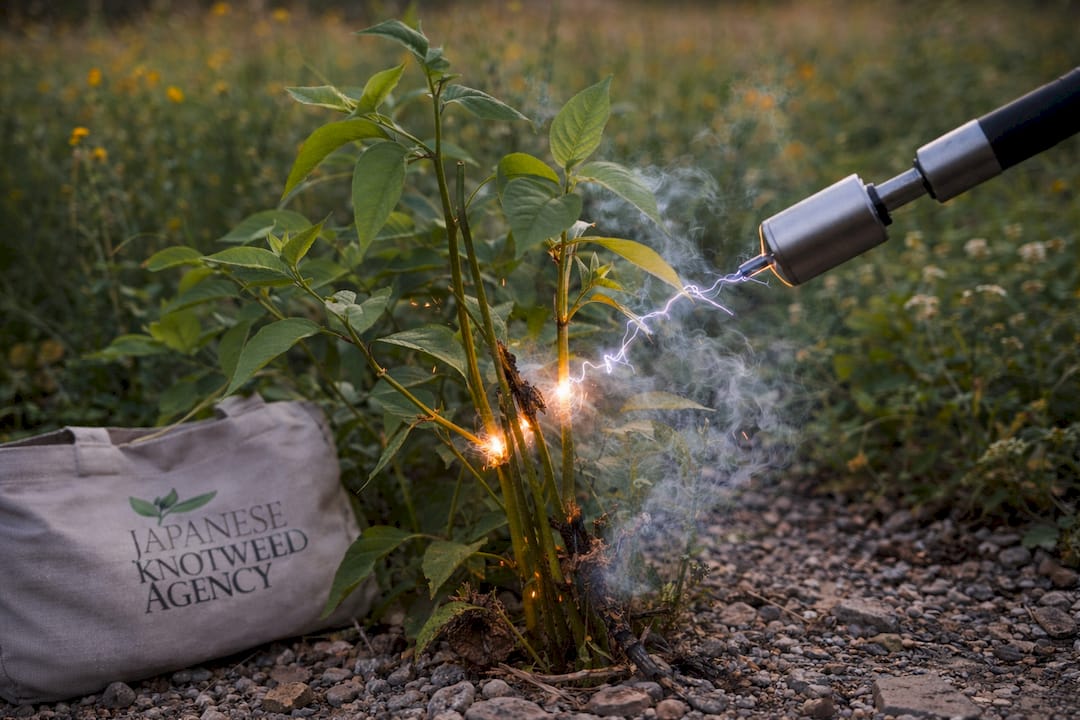
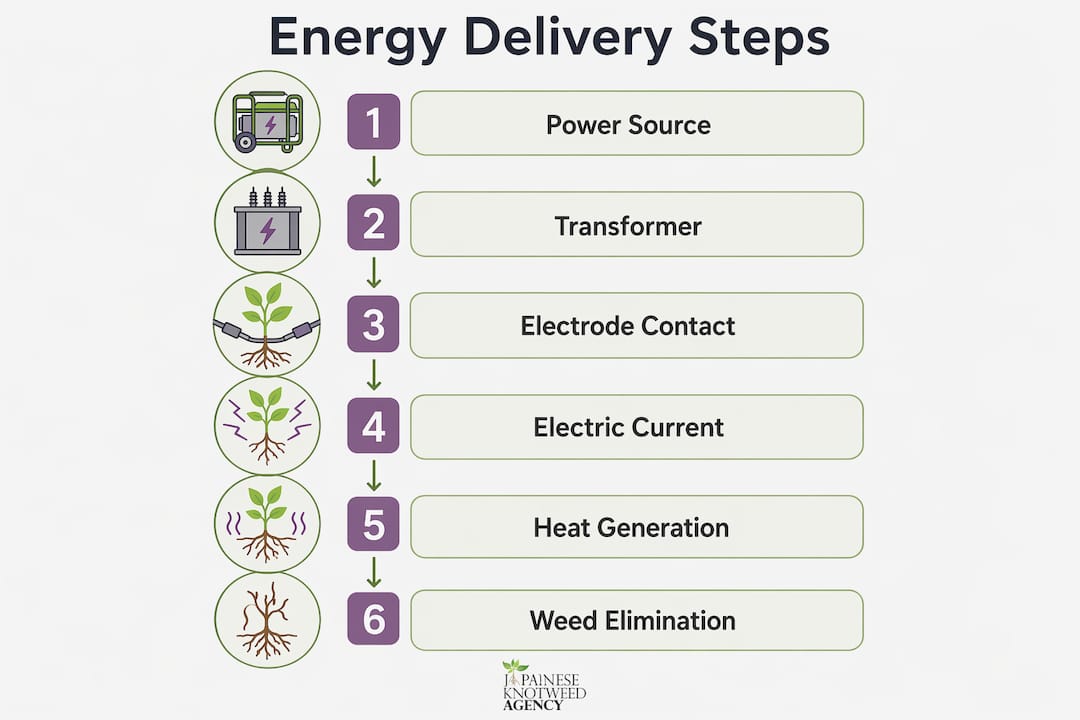
  • Chemical-free electro-thermal treatment: A certified non-chemical approach that delivers direct electrical energy up to 5,000 volts into the plant’s rhizome network, causing internal cell damage and depleting energy reserves without herbicide use.
  • Excavation: Physical removal of rhizome-bearing soil, suitable where development timescales are urgent. This is the most immediate solution but also the most disruptive.
  • Root barrier installation: A physical membrane installed to prevent rhizome migration, often used in combination with other methods.

Following knotweed removal best practices is essential to avoid inadvertently spreading the plant. The chemical-free treatment process is particularly relevant for properties near watercourses, organic gardens, or where residents prefer to avoid herbicide use.

Pro Tip: Always request a management plan with a written guarantee from your treatment contractor. Mortgage lenders increasingly require evidence of a guarantee-backed programme, and this documentation also protects your property’s long-term value during any future sale.

A thorough management guide confirms that early intervention consistently produces better outcomes than delayed action, both in terms of cost and treatment duration.

What most guides miss about invasive weed taxonomy

Most articles on this subject treat taxonomy as a preamble before getting to the “real” advice. We think that misses the point entirely.

For homeowners, understanding classification is not an academic exercise. It is a practical tool that prevents costly mistakes. When you know that most non-native plants in your garden carry no legal designation, you avoid unnecessary alarm and unnecessary expense. When you know that Japanese Knotweed is specifically listed under Schedule 9, you understand why professional intervention is not optional but legally necessary.

There is also a persistent myth worth addressing directly: Japanese Knotweed rarely causes structural damage in the way that popular coverage suggests. The primary risks are spread, legal compliance, and the impact on property values and mortgage eligibility, not the plant physically demolishing your foundations. Accurate taxonomy cuts through folklore and focuses your response on what actually matters.

Systematic surveys carried out by certified specialists are as important as knowing a plant’s Latin name. Science-led identification combined with expert partnership is what delivers reliable, long-term control.

Expert solutions: from identification to eradication

Accurate identification is only the beginning. What protects your property is a certified, science-led plan that meets legal standards and delivers measurable results.

https://japaneseknotweedagency.co.uk

At Japanese Knotweed Agency, we carry out professional property surveys for invasive weeds across England, Wales, and Ireland, providing the documented identification that mortgage lenders, solicitors, and local authorities require. Our chemical-free knotweed treatment delivers up to 5,000 volts directly into the rhizome network, causing internal cell damage without herbicide use. We also offer excavation works and root barrier installation for sites where speed or chemical-free credentials are a priority. If you are unsure what you are dealing with, our invasive plant survey guide is a practical starting point.

Frequently asked questions

What makes a plant ‘invasive’ in the UK and Ireland?

A plant is considered invasive if it is non-native, spreads aggressively, and causes ecological or economic harm, as defined by regional legislation. Not all non-natives are invasive, and both the UK and Ireland maintain specific legislative lists of species that carry legal duties.

How do I identify Japanese Knotweed using taxonomy?

Japanese Knotweed is scientifically classified as Reynoutria japonica, with distinctive heart-shaped leaves, hollow bamboo-like stems, and an extensive orange-coloured rhizome system underground. Its rhizome characteristics distinguish it reliably from common look-alikes such as bindweed or broad-leaved dock.

Homeowners must prevent spread, dispose of plant material as controlled waste, and disclose infestations during property sales. Legal requirements vary by region, with Schedule 9 applying in the UK and S.I. No. 477/2011 governing obligations in Ireland.

Is expert intervention necessary for controlling Japanese Knotweed?

Yes. PCA-certified contractors and RICS-standard surveys are required for mortgage compliance and legal protection, with treatment options ranging from multi-year herbicide programmes to certified chemical-free electro-thermal solutions.

Are all non-native plants harmful?

No. Only 10 to 15% of the UK’s approximately 2,000 non-native plant species are considered truly invasive or legally significant, meaning the majority of unfamiliar garden plants carry no legal obligation for homeowners.

Common garden invaders: identify, manage, protect your property


TL;DR:

  • Recognizing invasive plants early is crucial to protect property value and legal compliance.
  • Professional surveys and management plans are essential for effective control and legal peace of mind.
  • DIY treatment risks spreading the invader and failing to meet legal or mortgage requirements.

Invasive plants are quietly costing British and Irish homeowners thousands of pounds in devalued property, failed mortgage applications, and legal disputes. Many people discover a regulated species only when a surveyor flags it during a sale or a neighbour raises a formal complaint. Japanese Knotweed alone can reduce property value by 5 to 20% if left unmanaged, and it is far from the only threat in British and Irish gardens. This guide profiles the most common invaders, explains how to identify them with confidence, compares your management options honestly, and sets out exactly when professional support becomes not just advisable but legally necessary.

Table of Contents

Key Takeaways

Point Details
Regulated invaders Species like Japanese Knotweed and Giant Hogweed are subject to strict laws and can heavily impact property value.
Professional surveys required Mortgage lenders and insurers often need accredited invasive plant surveys and management plans before approving transactions.
DIY risks Attempting removal without expertise risks further spread, legal issues, and loss of guarantees.
Prevention first Routine garden inspections and avoiding regulated plantings are the most effective security.
Long-term solutions Lasting protection depends on professionally backed, multi-year site management strategies.

Criteria for identifying and prioritising common invaders

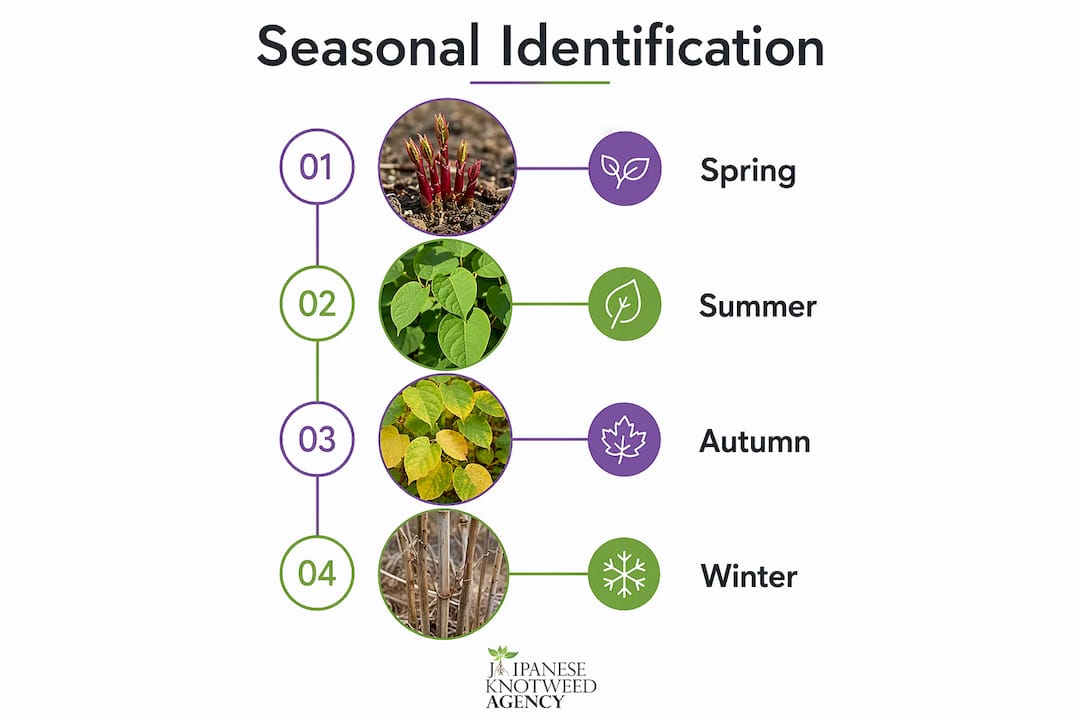
Recognising an invasive plant early is the single most effective way to protect your property. Visual indicators vary by season, so knowing what to look for throughout the year is essential. In spring and summer, watch for unusually rapid growth, dense canopy formation, and the suppression of surrounding native plants. In autumn and winter, identification becomes significantly harder because many species die back above ground while their root and rhizome networks remain fully active underground.

Several factors elevate a plant from a nuisance to a genuine high-risk threat:

  • Proximity to structures: Roots and rhizomes can undermine foundations, drainage systems, and hard standing.
  • Proximity to watercourses: Species near rivers or streams can spread rapidly downstream, triggering legal obligations.
  • Schedule 9 listing: Plants listed under Japanese Knotweed laws carry strict legal controls in England and Wales.
  • EU and national lists: Ireland and Northern Ireland operate equivalent regulatory frameworks.
  • Speed of spread: A plant doubling its footprint annually poses a far greater risk than a slow-growing species.

One of the most underestimated challenges is winter identification. Rhizomes extend 7m+ from visible growth, meaning a plant that appears absent above ground may be actively spreading below the surface. Dormant knotweed, in particular, is notoriously difficult to detect without professional equipment and trained eyes.

Pro Tip: Do not rely solely on visual checks in winter. If you suspect an invasive species, commission a survey in late spring or early summer when above-ground growth is at its most identifiable.

Self-identification carries real risk. Studies suggest that only 27% of DIY identification attempts are accurate. A PCA-accredited surveyor brings specialist knowledge, legal credibility, and documented evidence that satisfies mortgage lenders and insurers. The RHS invasive plant guidance provides a useful starting reference, but it does not replace a professional site assessment.

The common garden invaders every homeowner should know

Understanding how to spot risk factors sets you up to tackle these specific invaders. The following species appear most frequently in professional surveys across England, Wales, and Ireland, and each carries distinct identification features and legal implications.

Common invasive garden plants include Japanese Knotweed, Giant Hogweed, Himalayan Balsam, Giant Rhubarb, Cotoneaster, Montbretia, Water Fern, Three-cornered Garlic, and Hottentot Fig. Each requires a different management approach.

Plant Key identification features Legal status (England/Wales/Ireland) Preferred habitat Management difficulty
Japanese Knotweed (Fallopia japonica) Hollow canes, shovel-shaped leaves, cream flowers Schedule 9 / S.I. 477 Gardens, roadsides, riverbanks High
Giant Hogweed (Heracleum mantegazzianum) Enormous white flower umbels, toxic sap, 5m+ height Schedule 9 / S.I. 477 Riverbanks, waste ground Very high
Himalayan Balsam (Impatiens glandulifera) Pink-purple flowers, explosive seed pods Schedule 9 Riverbanks, damp areas Moderate
Giant Rhubarb (Gunnera tinctoria) Enormous leaves up to 2m, spiny stems Plants of national concern in Ireland Wetlands, coastal areas High
Cotoneaster Dense berry-laden shrub, suppresses native flora Schedule 9 (some species) Walls, cliffs, gardens Moderate

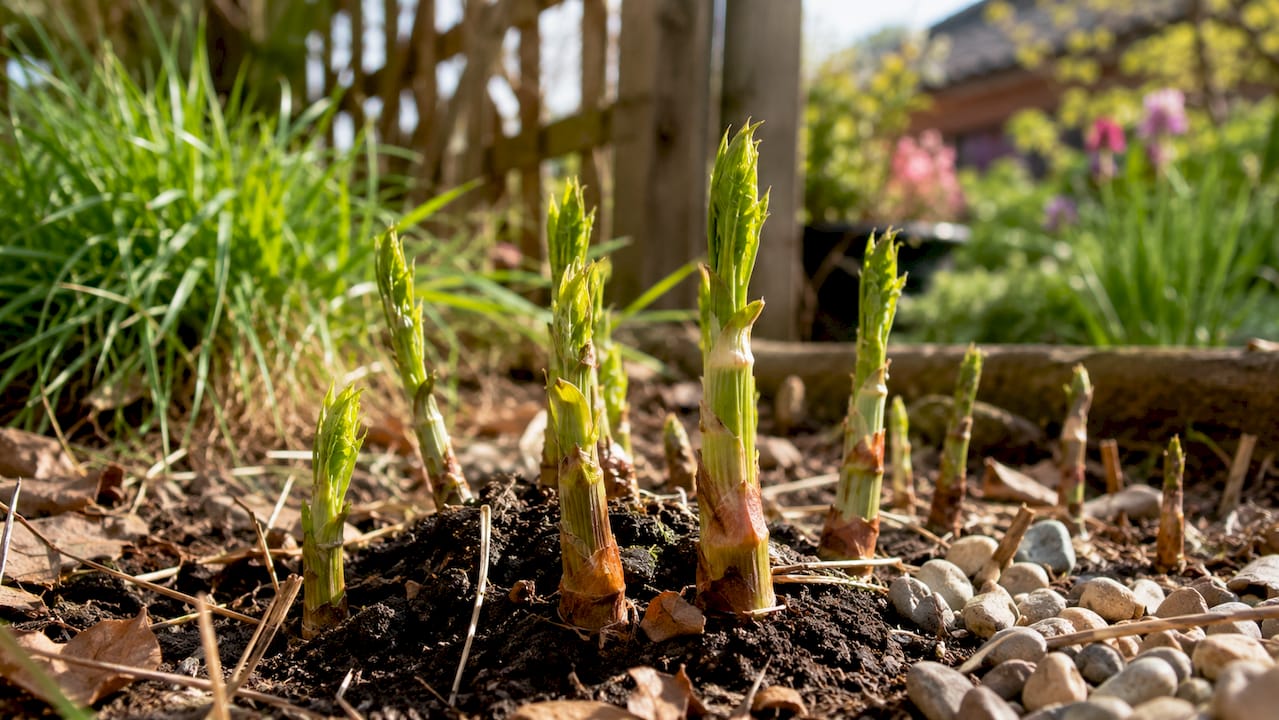
For Japanese Knotweed specifically, look for the distinctive zigzag stem pattern, bamboo-like hollow canes in late summer, and the characteristic shovel or heart-shaped leaf with a flat base. In spring, red and purple shoots emerge rapidly from the ground. These best practices for removal start with accurate identification.

Closeup of Japanese Knotweed stems and canes

Monitor your property boundaries and any areas adjacent to watercourses with particular attention. Invasive species spread most aggressively along water corridors, and a neighbour’s unmanaged infestation can become your legal problem faster than you might expect.

Comparison of treatment and management strategies

Knowing which plant you’re fighting, let’s compare your management options side-by-side. The right approach depends on the species, the size of the infestation, proximity to structures or water, and your legal obligations.

Method Suitability Time to control Approximate cost Ecological impact
Herbicide treatment Most species, open sites 3 to 5 years Low to moderate Moderate (chemical residue)
Excavation and disposal All species, urgent cases Weeks to months High Low if managed correctly
Root barrier installation Boundary containment Immediate containment Moderate Minimal
Thermo-electric treatment Japanese Knotweed, eco-sensitive sites Multiple seasons Moderate Very low
DIY manual removal Small, non-regulated patches only Variable Low Variable

The RHS control guidance favours non-chemical approaches wherever practical, and mortgage lenders increasingly prefer professionally insured management plans over DIY interventions. The non-chemical removal advantages are particularly significant for sites near water, where herbicide use is tightly regulated.

Key risks of DIY management:

  1. Fragment regrowth: Even a small piece of Japanese Knotweed rhizome can regenerate a full plant.
  2. Unintentional spreading: Moving contaminated soil without proper controls is a criminal offence.
  3. No legal protection: DIY treatment does not satisfy lender or insurer requirements.
  4. Misidentification: Treating the wrong plant wastes time and may allow the actual invader to spread unchecked.

For a detailed breakdown of when excavation is preferable to chemical treatment, the excavation vs chemical treatment comparison sets out the decision criteria clearly.

Pro Tip: For properties near watercourses or in ecologically sensitive areas, thermo-electric treatment is often the only viable professional option. It causes internal cell damage and depletes the rhizome’s energy reserves without introducing any chemical residue into the surrounding environment.

Choosing a management plan is not just practical. It is legal. Here is how the law affects your garden strategy.

Schedule 9 of the Wildlife and Countryside Act 1981 covers England, Wales, and Northern Ireland, making it an offence to plant or cause regulated species to grow in the wild. The Republic of Ireland operates under S.I. 477, Regulation 49, which carries equivalent prohibitions. Critically, it is not illegal to have Japanese Knotweed on your land, but you must prevent its spread.

Key legal obligations for homeowners:

  • Controlled waste: Knotweed and other regulated invasive material must be disposed of at a licensed facility. Fly-tipping contaminated soil is a serious criminal offence.
  • Neighbour liability: If your infestation spreads onto a neighbouring property, you may face a civil claim.
  • Property transactions: Most lenders demand PCA-accredited surveys before approving a mortgage on affected properties.
  • Insurance: Some insurers will not cover properties without a documented management plan in place.

The legal impact for homeowners extends beyond fines. Undisclosed invasive species at the point of sale can result in post-completion claims from buyers. The PCA legislation guide sets out the professional standards that accredited surveyors must meet.

If an infestation is spreading beyond your boundary or towards a watercourse, you have a duty to report it promptly to the Environment Agency or your local authority. Early reporting demonstrates responsible land management and can protect you from future enforcement action.

Prevention and long-term protection strategies

Legal and management strategies aside, keeping your property secure means proactive prevention at all times.

The most effective strategy is not planting regulated non-native species in the first place. Before purchasing any ornamental plant, verify it against the Schedule 9 list and the RHS Japanese Knotweed guidance. Several popular garden plants, including some Cotoneaster varieties, are regulated despite being widely sold.

A practical long-term protection plan includes:

  • Annual garden survey: Walk your boundaries in late spring when growth is most visible. Photograph anything unusual.
  • Watercourse monitoring: Check areas adjacent to streams or drainage channels at least twice yearly.
  • Neighbour communication: Early, friendly dialogue about a shared boundary issue prevents costly disputes later.
  • Reporting obligations: Contact the Environment Agency or local authority if you observe uncontrolled spread beyond your land.
  • Ongoing records: Dated photographs and written logs support any future legal defence or property transaction.

Chemical-free solutions are gaining significant traction as the preferred approach for long-term management, particularly on properties near water or in areas of ecological sensitivity. Mulching, manual removal of small non-regulated species, and thermo-electric treatment all offer effective control without the environmental drawbacks of herbicide programmes.

Pro Tip: Keep a dedicated folder, digital or physical, with all survey reports, treatment records, and correspondence relating to invasive plants on your property. This documentation is invaluable during any property transaction or insurance claim. The Irish invasive plant guides offer region-specific advice for homeowners in the Republic.

Why ‘quick fixes’ rarely solve garden invader problems

Before you act, consider why most shortcut strategies backfire and what experienced professionals have consistently observed.

The belief that a single season of treatment will eliminate Japanese Knotweed is one of the most persistent and costly misconceptions in property management. The rhizome network can extend several metres below ground and several metres laterally from any visible growth. Cutting back above-ground canes without addressing the root system simply redirects the plant’s energy into producing new shoots the following season.

The hidden financial costs compound quickly. Lenders may refuse mortgage applications, neighbours may pursue civil claims, and re-sale valuations can reflect the unresolved infestation for years. Only 27% of DIY identification attempts are accurate, which means many homeowners are treating the wrong plant entirely while the actual invader continues to spread.

Multi-year, professionally guaranteed management plans are not an upsell. They are the only framework that satisfies lenders, insurers, and legal obligations simultaneously. A current, professionally documented survey is the only reliable basis for any property transaction involving a suspected invasive species. Following established removal best practices from the outset saves considerably more than it costs.

Get expert support for your invasive plant challenge

If you have identified or suspect an invasive species on your property, professional support is not optional. It is the foundation of legal compliance, mortgage approval, and long-term peace of mind.

https://japaneseknotweedagency.co.uk

Japanese Knotweed Agency provides accredited property surveys across England, Wales, and Ireland, delivering site assessments, detailed mapping, and fully documented management strategies. Our pioneering thermo-electric treatment deploys up to 5,000 volts directly into the rhizome network, causing internal cell damage and depleting energy reserves without any chemical residue. For properties requiring containment, we also install root barriers and carry out professional excavation works. Explore our invasive species eradication plan or learn more about our chemical-free treatment process to take the right next step.

Frequently asked questions

Which garden plant invaders are most strictly regulated in England and Ireland?

Japanese Knotweed, Giant Hogweed, Himalayan Balsam, and Giant Rhubarb are heavily regulated under UK Schedule 9 and Irish S.I. 477, with strict controls on planting, spreading, and disposal.

Is it illegal to have Japanese Knotweed in my garden?

It is not illegal to possess Japanese Knotweed on your own land, but you must prevent its spread; planting it in the wild or disposing of it improperly is a criminal offence.

How can I tell if a plant is a regulated invader?

Look for rapid dense spreading, large root or rhizome systems, and cross-reference with RHS regulated plant lists and Schedule 9 to confirm the species and its legal status.

Do I need a professional survey to sell a house with Japanese Knotweed?

Yes. PCA-accredited surveys are required by most mortgage lenders before they will approve a sale or remortgage on a property affected by Japanese Knotweed.

What is the fastest guaranteed removal method for common garden invaders?

Excavation and disposal is the quickest option but carries the highest cost, while multi-year professional management plans offer long-term control backed by insurance and guarantees.