
入侵植物调查流程详解:日本金雀花科学识别与安全处理指南 2026

购房者在面对日本金雀花调查时常感困惑,不清楚具体流程和必要性。实际上,超过80%的抵押贷款机构要求提供正式调查报告才能审批贷款。本文将带您全面了解科学调查的五大步骤、无化学高压电处理技术,以及如何避免常见误区,确保您的购房和贷款流程顺利进行。

目录

关键要点

要点 详情
调查核心步骤 包含视觉识别、测量标注、地下检测、安全评估及报告编制五大环节
无化学处理优势 5000伏高压电技术安全高效,符合英国环保法规,无化学残留
常见误区风险 误判品种和地下根茎检测不足导致失败率近30%
贷款审批影响 调查报告质量直接决定贷款额度和审批速度
后续监控周期 处理后需持续监测3-5年确保根茎彻底清除

入侵植物调查流程详解

科学调查是确保日本金雀花有效治理的基础。整个流程包含五个核心步骤,每个环节都至关重要。

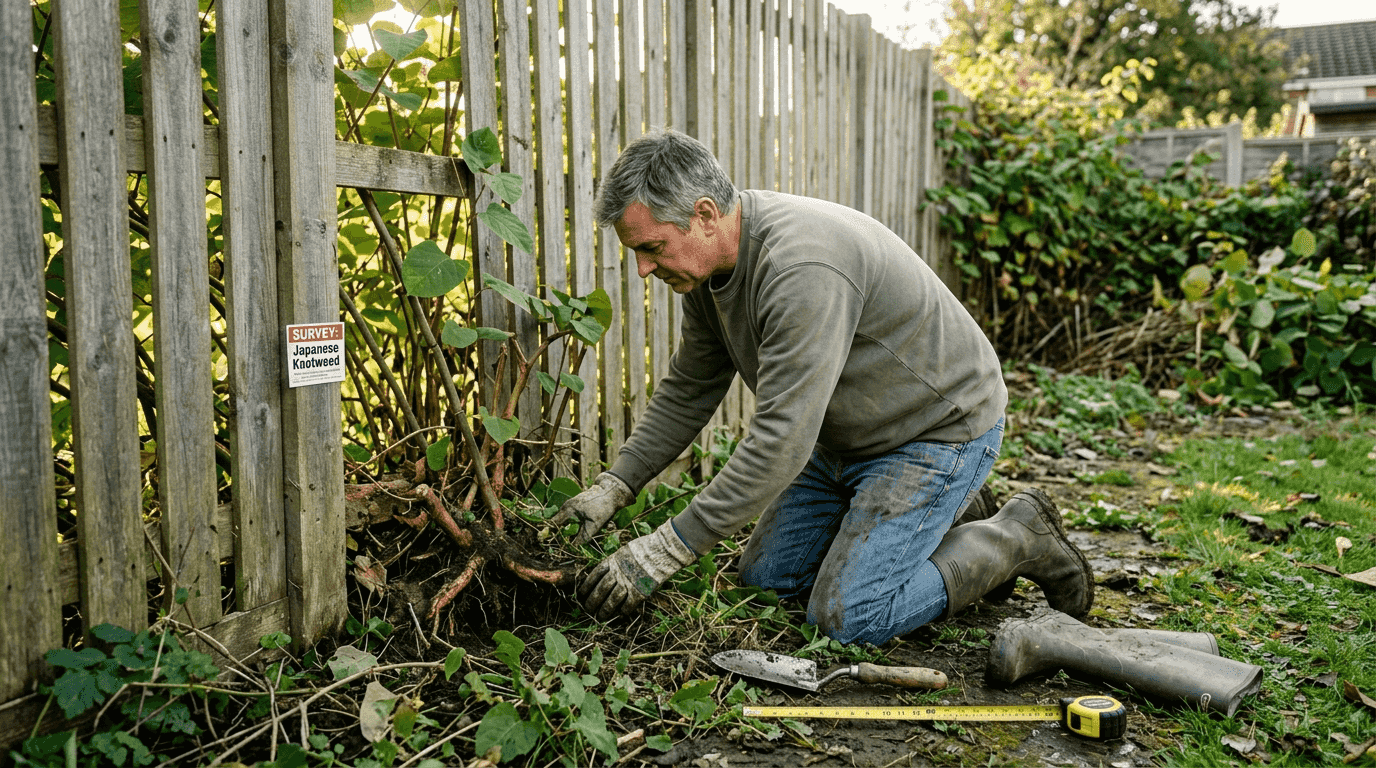
第一步是视觉识别阶段。调查人员通过观察植物的茎秆、叶片形态和生长特征,初步判断是否为日本金雀花。这一步骤看似简单,但需要丰富的实地经验,因为许多植物外观相似,容易造成误判。

第二步是测量标注工作。调查人员使用专业设备测量植物的分布范围、密度和高度,并在地图上精确标注位置。这些数据为后续处理方案提供关键依据。

第三步是地面与地下检测。这是整个流程中最复杂的环节。调查人员不仅要检查地表可见部分,更要使用探测设备检测地下根茎的深度和扩散范围。日本金雀花的根茎可深达3米,忽视深度检测会导致后期再生。

第四步是安全风险评估。调查团队评估植物对建筑基础、排水系统和周边生态的潜在威胁,确定风险等级。

第五步是编制详细报告。报告需包含所有检测数据、风险评估结果和推荐处理方案。完整的调查通常需要3-5个工作日完成。

准确识别是后续所有工作的关键。如果初期识别错误,整个处理计划都会失败。您可以参考入侵植物清除工作流程了解完整的治理体系。

调查前准备及必备工具

充分准备能显著提高调查效率和数据准确性。购房者和调查人员需要提前完成多项准备工作。

首先是文件准备。您需要收集土地使用权证明、地籍图、房产历史记录等文件。这些资料帮助调查人员了解地块的历史用途和可能的入侵植物记录。如果房产曾有过治理历史,必须提供相关报告。

其次是硬件设备配置。专业调查需要地面穿透雷达、深度探测仪、高清摄像设备和GPS定位系统。地面穿透雷达能探测3米深的根茎网络,这对评估治理难度至关重要。

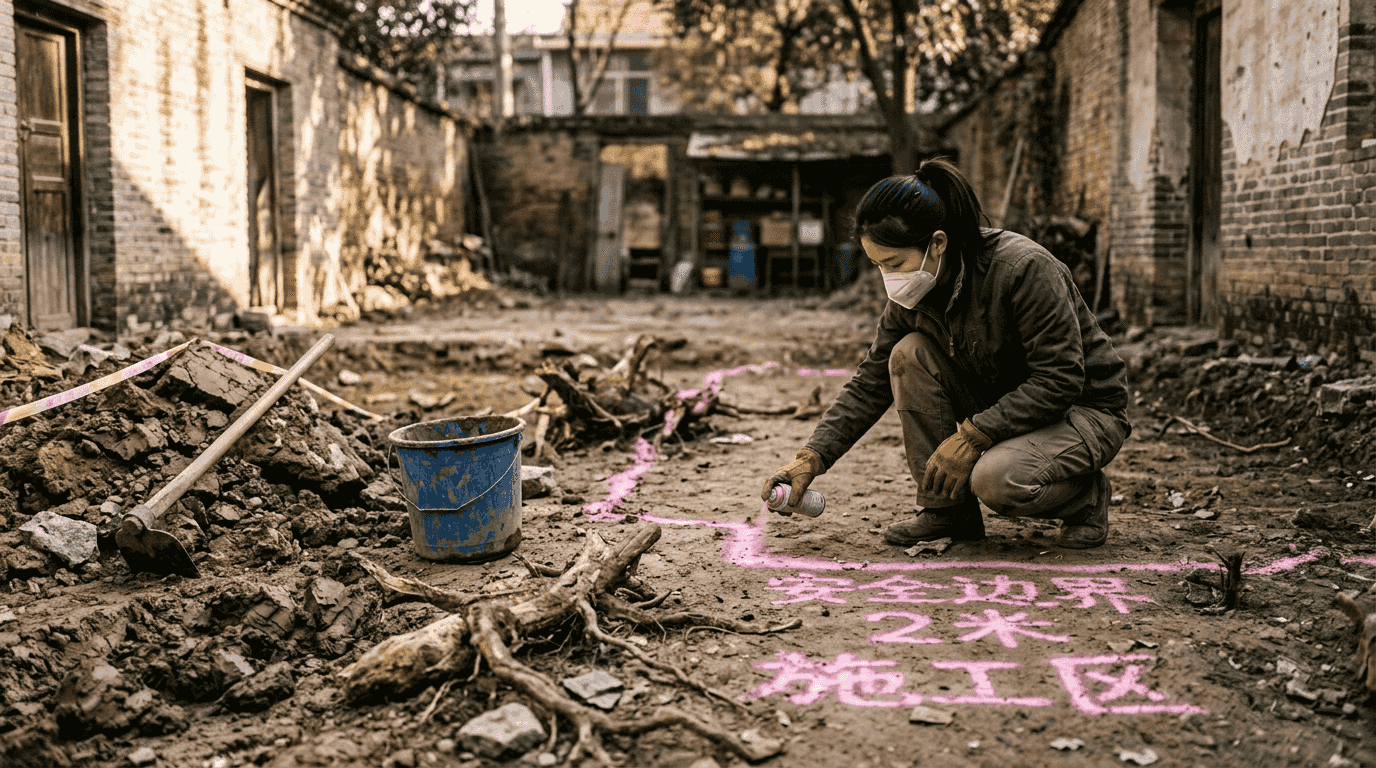
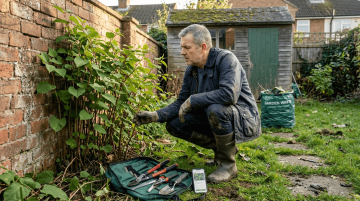
技术人员在户外操作地质雷达进行探测

安全措施同样不可忽视。调查现场可能存在地面不平、隐藏坑洞等风险。调查人员需配备防护服、手套、安全靴和急救包。如果涉及挖掘取样,还需准备挖掘工具和样本容器。

专业提示: 调查前务必通知邻居,特别是共享边界的情况。日本金雀花根茎可跨越地界,邻里配合能提供更完整的治理方案。

了解法规要求也是关键准备。英国环保法对入侵植物处理有严格规定,不当处理可能面临法律责任。您可以查阅入侵植物无化学防治方法入侵植物识别指南获取专业指导。

下表列出调查前必备清单:

类别 具体项目 重要性
文件资料 土地使用权证、地籍图、历史记录
检测设备 地面穿透雷达、深度探测仪、GPS
安全装备 防护服、手套、安全靴、急救包
取样工具 挖掘工具、样本容器、标记系统

专业无化学处理技术介绍

传统化学除草剂虽然有效,但存在环境污染和二次伤害风险。无化学处理技术正成为主流选择,特别是在住宅区应用。

Japanese Knotweed Agency采用的5000伏高压直流电技术通过直接向植物输送高压电能,破坏根茎细胞结构。电流导致细胞膜破裂,阻断养分和水分传输,最终使整个根茎网络失去活性。

这项技术的优势明显。它无需挖掘大面积土壤,减少了对现有景观的破坏。处理过程不使用任何化学物质,符合英国严格的环保法规。更重要的是,高压电能深入根茎网络,即使是深达3米的根系也能有效处理。

处理时间也大幅缩短。传统化学方法可能需要多年反复喷洒,而高压电技术通常只需2-4次处理即可达到显著效果。每次处理间隔6-8周,让根茎系统持续消耗能量而无法恢复。

专业提示: 无化学处理特别适合靠近水源、儿童活动区和有机种植区的地块。它消除了化学残留对土壤和地下水的潜在影响。

下表对比了不同处理方法:

处理方法 处理周期 环保性 成本 适用场景
高压电技术 6-12个月 极高 中等 住宅区、水源附近
化学喷洒 2-5年 较低 工业区、远离水源
完全挖掘 即时 中等 小面积、紧急情况
根障碍阻断 持续 中等 预防扩散

您可以访问无化学结缕草根除方案了解完整的治理流程和技术细节。

调查常见误区与解决策略

即使是经验丰富的调查人员也可能犯错。了解常见误区能帮助您避免治理失败。

误判植物种类是最严重的错误。日本金雀花常被误认为竹子、蓼属植物或其他快速生长的草本植物。这种错误导致使用错误的处理方法,浪费时间和资金。调查误区导致治理失败率达30%,这一数据令人警醒。

地下根茎检测不足是另一常见问题。许多调查只关注地表可见部分,忽视了根茎的实际深度和扩散范围。日本金雀花的根茎可深达3米,横向扩展可达7米。如果检测深度不足,处理后根茎很快再生,导致整个项目失败。

忽视现场安全风险也很常见。调查人员可能低估了植物对建筑基础的破坏程度,或未充分考虑挖掘作业的安全隐患。这不仅延误项目进度,还可能造成人身伤害。

报告不规范是影响贷款审批的关键因素。许多自行调查的报告缺乏必要的技术数据、风险评估或处理建议,无法满足贷款机构要求。

解决策略包括:

  • 委托具备专业资质的调查机构,确保识别准确性
  • 使用地面穿透雷达等先进设备进行深度检测
  • 制定详细的安全操作规程,配备完善的防护装备
  • 要求调查报告符合RICS标准,包含所有必要数据和评估

“专业调查的价值不仅在于发现问题,更在于提供可行的解决方案。一份合格的报告能为您节省数万英镑的后续治理成本。”

如果您担心调查遗漏风险,可以参考调查员遗漏调查风险了解如何识别不完整的调查。更多误区详情请访问入侵植物调查常见误区。

调查数据解读及对购房贷款的影响

调查报告不仅是技术文档,更是影响购房决策和贷款审批的关键文件。理解如何解读数据能帮助您做出明智选择。

贷款机构对入侵植物调查极为重视。在英国,超过80%的抵押贷款机构要求提供正式调查报告才会批准贷款申请。如果房产存在日本金雀花但未经专业调查和处理,多数贷款机构会直接拒绝申请。

报告质量直接影响贷款条件。一份详细、专业的调查报告能加快审批流程,甚至帮助您获得更优惠的利率。相反,不完整或不规范的报告会引发贷款机构的额外审查,延长审批时间,可能还会降低贷款额度。

房产估值也受调查结果影响。如果调查发现大面积入侵且未制定处理计划,房产估值可能下降10-15%。但如果提供了完整的治理方案和保证,估值影响可以降到最低。

选择调查机构时需关注以下几点:

  • 机构是否具备RICS认证或同等专业资质
  • 调查人员是否有至少5年的实地经验
  • 报告是否包含详细的风险评估和处理建议
  • 机构是否提供后续治理服务和质保

购房者应主动要求查看完整报告,特别关注风险等级评估和推荐处理方案。如果报告建议进行处理,务必获取详细的成本估算和时间规划。

您可以访问房产购置入侵植物调查指南获取更多关于贷款和估值影响的详细信息。

后续处理和根障碍技术

调查完成后,根据报告建议实施处理方案是确保彻底清除的关键。物理阻断和挖掘处理是两种主要方法。

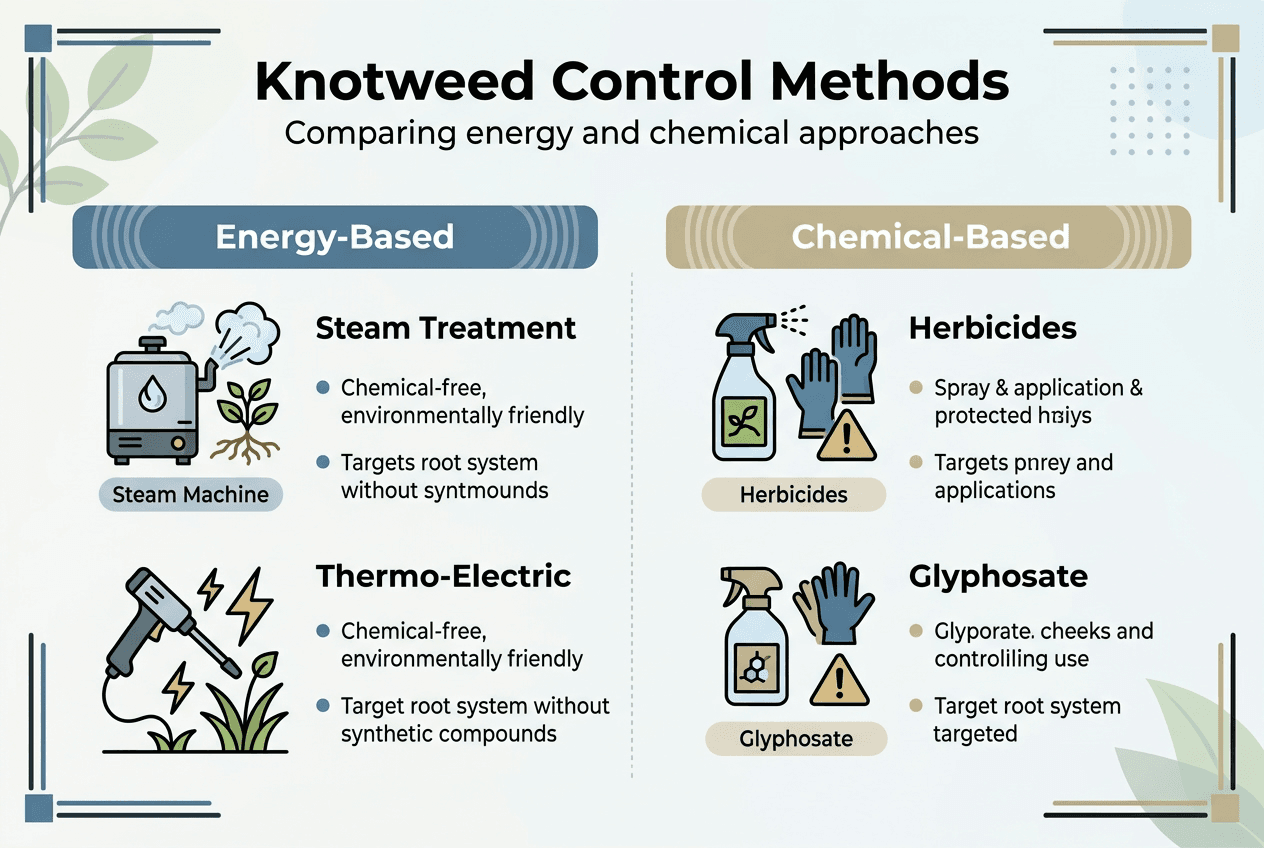
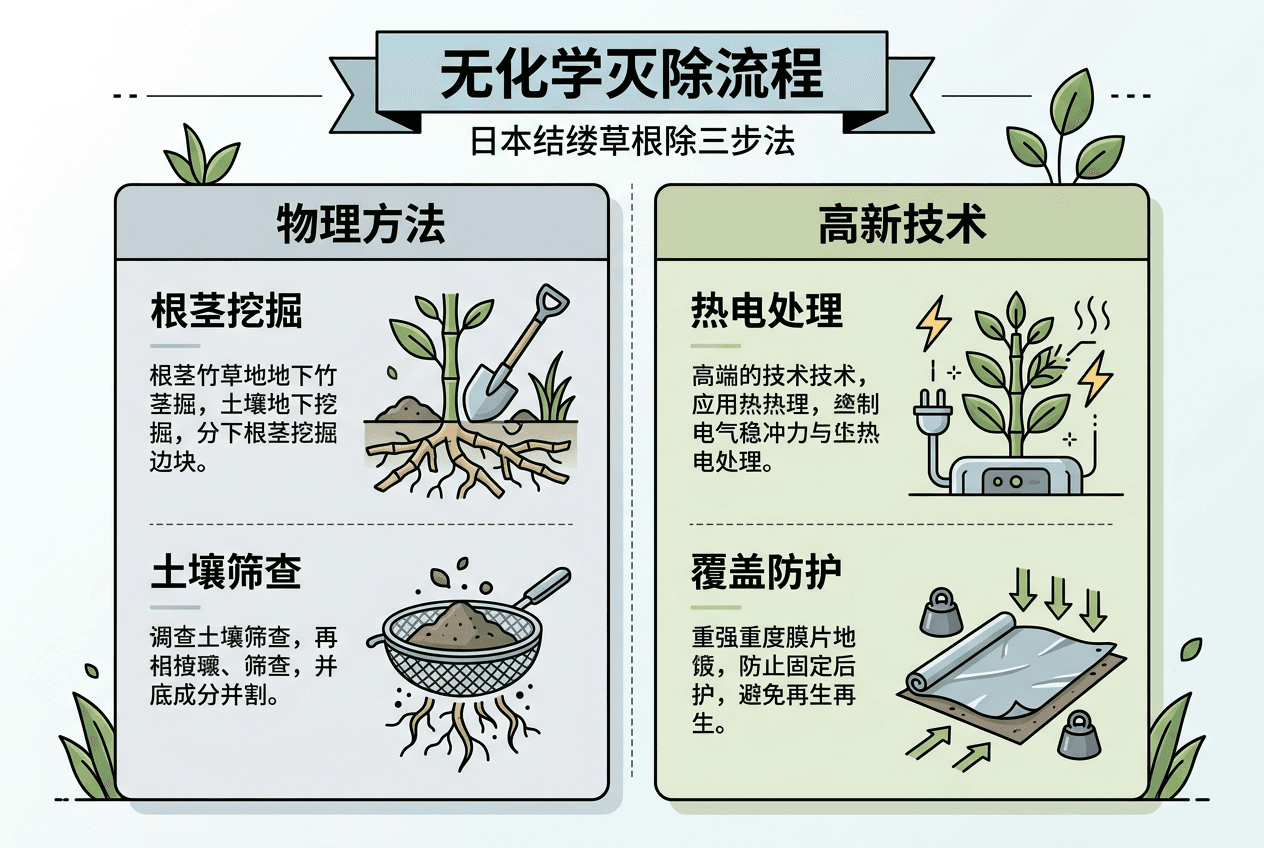
后处理方式对比一览图

根障碍技术通过安装物理屏障阻断根茎的横向扩展。这种方法特别适合保护建筑基础和防止入侵蔓延到邻近地块。

安装根障碍的步骤包括:

  1. 根据调查数据确定障碍的安装位置和深度,通常需深入地下至少2米
  2. 挖掘沟槽,宽度足以容纳高密度聚乙烯障碍板
  3. 安装障碍板,确保板材之间无缝连接,防止根茎穿透
  4. 回填土壤并压实,恢复地表景观
  5. 定期检查障碍完整性,及时修补任何破损

整个安装过程通常需要1-2周完成。根障碍的有效期可达20-25年,是长期防控的理想选择。

挖掘处理适用于需要彻底清除的情况。这种方法直接移除包含根茎的土壤,送至专业处理场所。挖掘深度必须覆盖整个根茎网络,通常需要3-5米深。

配合无化学物理方法能显著提高处理效果。例如,先使用高压电技术削弱根茎活性,再安装根障碍阻断扩展,最后进行局部挖掘清除残余根系。这种组合方案既高效又经济。

专业提示: 处理完成后必须妥善处理挖出的土壤。根据英国环保法,含有日本金雀花根茎的土壤属于控制性废弃物,必须运送至指定处理场所,不得随意倾倒。

您可以查阅结缕草根障碍安装指南获取详细的安装规范和注意事项。

期望结果与评估标准

治理成功的标准不仅是植物消失,更重要的是确保不再生。这需要长期监测和科学评估。

处理后的监测周期通常为3-5年。这个时间段内,您需要定期检查治理区域,观察是否有新芽出现。即使地表看不到植物,地下根茎仍可能保持休眠状态。

定期复查的频率建议如下:第一年每季度检查一次,第二年每半年检查一次,第三年及以后每年检查一次。每次检查都应记录详细数据,包括温度、湿度、土壤状况等环境因素。

评估治理成功的关键指标包括:

  • 连续两个生长季节无新芽出现
  • 根茎样本检测显示细胞完全失活
  • 土壤微生物活性恢复正常
  • 周边原生植物能够正常生长

治理成功率高度依赖科学方法和持续管理。单次处理很难彻底消除所有根茎,需要结合多种技术和长期监控。专业机构通常提供5-10年的质保期,确保治理效果。

如果监测期间发现再生迹象,必须立即采取补救措施。早期发现的小规模再生相对容易处理,延误则可能导致重新大规模治理。

持续管理还包括维护根障碍完整性、监测邻近地块状况、更新治理记录等工作。这些看似繁琐的任务实际上是保证长期成功的关键。

了解更多关于日本金雀花调查与处理专业服务

了解了调查流程和处理技术后,选择专业服务机构是确保成功的关键一步。Japanese Knotweed Agency提供全方位的入侵植物调查和无化学处理方案。

我们的团队在英格兰、威尔士和爱尔兰提供专业调查服务,帮助购房者满足贷款机构要求。每份报告都符合RICS标准,包含详细的风险评估和处理建议。我们的5000伏高压电技术已成功治理数千个案例,质保期长达10年。

https://japaneseknotweedagency.co.uk

无论您需要购房前的入侵植物调查,还是现有房产的治理方案,我们都能提供专业支持。访问无化学结缕草处理流程了解我们的技术细节,或查看日本金雀花常见问题获取更多答案。如果您正在考虑购房,安全购房入侵植物调查指南将为您提供全面的决策支持。

什么是日本金雀花?它为何属于入侵植物?

日本金雀花是一种生长迅速且扩散能力极强的入侵植物,原产于东亚。它能在短时间内形成密集的植物群落,破坏建筑基础、排水系统和本地生态环境。其根茎可深达3米,横向扩展达7米,即使微小的根茎碎片也能再生成完整植株。由于这种强大的入侵性和破坏力,日本金雀花在英国被列为重点管控的入侵物种,多地都有严格的治理要求。

购房时如何判断是否需要进行日本金雀花调查?

如果房产附近有类似竹子或快速生长的高大草本植物,或该地区有入侵植物历史记录,建议进行专业调查。特别是当您申请抵押贷款时,绝大多数贷款机构都会要求提供正式的调查报告才会审批。即使卖方声称没有入侵植物,独立的第三方调查仍然必要,因为识别需要专业知识和设备。一份专业报告不仅保护您的投资,也是顺利完成房产交易的必要条件。

无化学处理技术安全吗?对环境有何影响?

高压直流电技术完全符合英国严格的环保法规,无任何化学残留物。处理过程只影响目标植物,不会伤害周边原生植物或土壤微生物。这项技术特别适合靠近水源、儿童活动区和有机种植区的地块。与传统化学喷洒相比,它消除了地下水污染和土壤退化的风险。处理后的土壤可以立即用于种植其他植物,无需等待化学物质降解。这使其成为住宅区和生态敏感区域的首选方案。

调查报告对贷款审批有何具体影响?

调查报告是贷款机构评估房产风险和决定贷款条件的核心依据。一份详细、专业的报告能显著加快审批流程,帮助您获得更优惠的利率和更高的贷款额度。相反,如果报告显示存在未处理的入侵植物或缺乏完整的治理方案,贷款机构可能拒绝申请或大幅降低贷款额度。报告质量直接影响房产估值,进而决定您能获得的融资金额。选择具备专业资质的调查机构,确保报告符合RICS标准,是顺利获得贷款的关键。

推荐

Benefits of chemical free weed control for knotweed

Benefits of chemical free weed control for knotweed

Homeowners across England, Wales, and Ireland struggle to eradicate Japanese Knotweed safely without harming their families or the environment. Chemical free weed control offers an effective, eco-friendly alternative that protects local ecosystems whilst ensuring long-term eradication. This guide explores the key benefits, from health safety to cost savings, helping you choose the best approach for your property.

Table of Contents

Key takeaways

Point Details
Environmental protection Chemical free methods eliminate toxic residues, protecting soil, water, and native wildlife.
Family safety No exposure to harmful herbicides means safer treatment for children, pets, and residents.
Effective rhizome damage Energy pulse treatments damage up to 85% of knotweed rhizomes, preventing regrowth.
Cost efficiency Long-term costs are 20% lower over five years due to reduced retreatments and no pollution fines.
Regulatory compliance Chemical free approaches meet UK environmental regulations near water bodies and protected habitats.

How to choose the best weed control method for Japanese Knotweed

Selecting the right treatment requires evaluating several critical factors. Start by assessing eradication efficacy, as you need a method that targets deep rhizomes for long-term control rather than temporary surface clearance.

Environmental impact matters enormously. Chemical free weed control reduces pollution in soil and waterways, preserving local ecosystems. Health and safety should be a top priority, particularly if you have children or pets who use garden spaces regularly. Recent studies reveal 35% of UK homeowners report concerns about herbicide residues impacting their families during and after treatment.

Regulatory compliance becomes crucial near sensitive zones. UK environmental agencies restrict herbicide use adjacent to streams, lakes, and conservation areas. Chemical free methods face no such limitations.

Consider both upfront and ongoing costs. Whilst chemical herbicides appear cheaper initially, retreatment expenses and potential environmental penalties accumulate over time. Understanding Japanese Knotweed’s growth patterns helps you evaluate which approach delivers genuine value. Balance these criteria against your property’s specific features, proximity to water, and your environmental priorities.

Key decision factors:

  • Eradication efficacy and rhizome penetration depth
  • Environmental impact on soil, water, and local biodiversity
  • Health safety for residents, children, and pets
  • Compliance with UK environmental regulations
  • Long-term cost including retreatments and potential fines

Environmentally friendly: protect local ecosystems

Chemical free weed control preserves the delicate balance of local ecosystems by eliminating toxic residues entirely. Traditional herbicides leach into soil and groundwater, contaminating aquatic habitats and harming beneficial organisms for years after application.

Soil health improves dramatically without chemical interference. Microorganisms, earthworms, and mycorrhizal fungi thrive when herbicide residues vanish, enhancing nutrient cycling and supporting native plants. Natural removal methods protect these vital underground ecosystems.

Aquatic life benefits immediately. Herbicide runoff into streams and rivers causes devastating effects on fish, amphibians, and invertebrates. Chemical free approaches completely avoid this pollution pathway. Waterways near treated properties remain clean, supporting healthy aquatic ecosystems.

Biodiversity flourishes when you eliminate chemical treatments. Native pollinators, beneficial insects, and small mammals face no exposure risks. Gardens become havens for wildlife rather than chemical zones requiring caution signs.

Pro Tip: Schedule treatments during dry weather to maximise energy pulse penetration into rhizomes whilst avoiding any surface water movement that could disturb nearby habitats.

Environmental benefits:

  • Zero toxic residues in soil or groundwater
  • Protection for native plants and wildlife
  • Preservation of beneficial soil microorganisms
  • Safe for aquatic ecosystems and water quality
  • Enhanced long-term soil health and fertility

Safe for homeowners, pets, and families

Family safety drives many homeowners towards chemical free solutions. Unlike herbicide treatments requiring evacuation periods, chemical free methods allow normal property use immediately after application.

Children and pets roam freely without exposure risks. No toxic residues linger on surfaces or in soil where curious hands and paws explore. Parents gain peace of mind knowing their garden spaces remain safe play areas.

Odour and residue concerns disappear entirely. Chemical treatments often leave unpleasant smells and visible residues requiring cleaning. Energy pulse treatments produce none of these nuisances, maintaining comfortable living spaces.

Research confirms homeowner preferences align with safety priorities. Studies show chemical free weed control improves safety by eliminating herbicide exposure risks for homeowners and pets. Survey data indicates 75% of residents prefer chemical free approaches when effective alternatives exist.

“We chose chemical free treatment specifically because our two young children play in the garden daily. Knowing no harmful residues remain gives us complete peace of mind.”

Safety advantages:

  • No toxic chemical exposure during or after treatment
  • Immediate property use without waiting periods
  • Zero odour or visible residue concerns
  • Safe for children, pets, and vulnerable residents
  • No evacuation requirements during treatment phases

Effective against Japanese Knotweed rhizomes

Chemical free energy pulse treatments target the most challenging aspect of knotweed control: the extensive underground rhizome network. Direct energy delivery up to 5000 volts causes internal cell damage throughout the rhizome system.

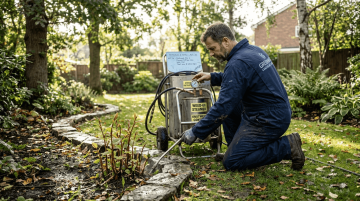
Technician using energy pulse tool on knotweed

This approach achieves remarkable penetration. Energy pulses damage up to 85% of rhizomes, depleting stored energy resources that fuel regrowth. Repeated treatments progressively weaken the plant’s regenerative capacity until complete eradication occurs.

The science behind energy pulse technology proves compelling. Electrical current disrupts cellular structures and metabolic processes within rhizomes, preventing nutrient transport and energy storage. Unlike herbicides requiring uptake through foliage, energy pulses work directly on underground tissues.

Combination approaches amplify effectiveness. Non-chemical controls paired with excavation or root barriers achieve up to 95% reduction in regrowth potential. This integrated strategy addresses both existing rhizomes and prevents future spread.

Validation comes from field studies and documented case histories across England, Wales, and Ireland. Properties treated with energy pulse technology show sustained eradication rates comparable to or exceeding chemical methods, without environmental compromise.

Effectiveness factors:

  • Energy pulses damage up to 85% of rhizome structures
  • Direct cellular disruption prevents regrowth
  • Repeated treatments progressively deplete energy reserves
  • Compatible with excavation and barrier installation
  • Validated through scientific studies and field results

Prevents herbicide resistance development

Herbicide resistance represents a growing threat to chemical weed control effectiveness. UK data shows herbicide-resistant weed populations increased by 34% since 2014, with Japanese Knotweed showing early signs of reduced herbicide susceptibility in some regions.

Resistance develops through repeated chemical exposure. Surviving plants pass genetic traits to offspring, creating populations requiring higher doses or different chemicals. This escalating cycle increases costs and environmental impact whilst reducing control success.

Chemical free methods completely sidestep resistance concerns. Physical damage through energy pulses cannot be adapted to or overcome through genetic changes. Knotweed cannot evolve cellular resistance to direct electrical disruption.

This advantage ensures reliable long-term control. Your eradication workflow remains effective indefinitely without requiring method changes or increased intensity. Future treatments maintain consistent efficacy without adaptation challenges.

Environmental benefits compound over time. Avoiding the resistance-driven chemical escalation cycle prevents pollution intensification and protects ecosystems from ever-increasing herbicide loads.

Resistance prevention benefits:

  • Physical damage cannot be genetically adapted to
  • Eliminates the resistance development cycle
  • Ensures consistent long-term treatment efficacy
  • Avoids chemical escalation and increasing doses
  • Protects future control options and effectiveness

Cost-effective over time

Initial investment in chemical free treatment typically exceeds herbicide costs, but long-term financial analysis reveals significant savings. Five-year comparisons show chemical free knotweed treatment costs average 20% lower due to reduced retreatment needs and avoided penalties.

Retreatment frequency drives cumulative costs. Herbicide applications often require annual or biannual repetition over many years. Chemical free energy pulse treatments need fewer sessions to achieve complete eradication, reducing both direct costs and property disturbance.

Environmental compliance costs vanish. Properties using herbicides near water bodies risk fines for regulation violations. Chemical free methods eliminate this financial exposure entirely. No remediation expenses arise from accidental pollution or residue cleanup.

Property value protection matters. Documented knotweed infestations reduce home values and complicate sales. Thorough eradication following best practices with verifiable chemical free methods can reassure buyers and preserve property worth.

Pro Tip: Request detailed treatment schedules and success guarantees upfront. Understanding the full programme timeline helps you accurately compare total costs against chemical alternatives.

Cost Factor Chemical Free Chemical Treatment
Initial treatment £2,500 – £4,000 £1,500 – £2,500
Annual retreatments 2-3 sessions over 2 years 3-5 sessions over 3-5 years
Total 5-year cost £4,000 – £6,000 £5,000 – £8,000
Environmental penalties risk Zero Up to £2,500
Property value impact Positive verification Ongoing concern

Regulatory compliance and use near sensitive areas

UK environmental regulations strictly limit herbicide use near water bodies, conservation zones, and protected habitats. Buffer zones typically extend 5 to 10 metres from streams, ponds, and lakes, restricting chemical applications in these critical areas.

Chemical free treatments face no such restrictions. Energy pulse technology, excavation, and root barriers comply fully with Environment Agency, Natural Resources Wales, and Northern Ireland Environment Agency guidelines. Properties adjacent to sensitive ecosystems can receive complete treatment without regulatory barriers.

Legal compliance protects homeowners from penalties. Herbicide violations near protected zones can result in fines up to £2,500 and enforcement actions. Chemical free approaches eliminate this risk entirely, providing peace of mind alongside effective control.

Environmental bodies actively support sustainable invasive species management. Natural England and equivalent agencies recommend non-chemical approaches when feasible, particularly in ecologically sensitive locations. Chemical free methods align with national biodiversity strategies and conservation objectives.

Residential proximity adds another layer. Properties near schools, care facilities, or public spaces benefit from chemical free treatments that avoid community exposure concerns and planning complications.

Regulatory compliance factors:

  • No buffer zone restrictions near water bodies
  • Full compliance with UK environmental agency regulations
  • Zero risk of violation fines or enforcement actions
  • Supported by conservation and environmental bodies
  • Safe for use adjacent to schools and public spaces

Complementary techniques: root barriers and excavation

Integrating physical methods maximises eradication success. Root barriers installed around infestation perimeters reduce rhizome spread by up to 90%, containing the problem whilst treatments work to eliminate existing growth.

Excavation combined with energy pulse treatment achieves superior results. Removing bulk rhizome mass followed by energy pulse application to remaining fragments produces up to 95% reduction in regrowth potential. This dual approach addresses both visible and hidden rhizome networks.

The comprehensive workflow follows a logical sequence. Initial property surveys map the full infestation extent. Energy pulse treatments then weaken rhizome systems over multiple sessions. Strategic excavation removes damaged rhizomes, and barriers prevent any residual spread. Ongoing monitoring verifies complete eradication.

Cost efficiency improves through integration. Addressing the entire problem systematically reduces total treatment duration and prevents expensive failures requiring restart. Properties achieve certified eradication faster than single-method approaches.

Integrated approach steps:

  1. Conduct thorough property survey to map infestation
  2. Apply initial energy pulse treatments to damage rhizomes
  3. Install root barriers around infestation perimeter
  4. Perform strategic excavation of weakened rhizome masses
  5. Apply follow-up energy pulse treatments to remaining fragments
  6. Monitor for regrowth and verify complete eradication
Method Combination Rhizome Reduction Timeline Best For
Energy pulse only 75-85% 18-24 months Small infestations, budget constraints
Energy pulse + barriers 85-90% 12-18 months Medium infestations, containment priority
Energy pulse + excavation + barriers 90-95% 9-15 months Large infestations, complete eradication

Importance of property surveys for targeted treatment

Accurate mapping forms the foundation of successful knotweed control. Professional surveys identify the full extent of rhizome spread, including hidden growth beneath hardscaping, structures, and neighbouring properties.

Survey precision directly impacts treatment success. Studies demonstrate that comprehensive invasive weed monitoring improves eradication success rates by up to 30% compared to visual assessment alone. Hidden rhizomes escape treatment without proper detection, leading to regrowth and programme failure.

Thermal imaging and ground-penetrating techniques reveal subsurface rhizome networks. These technologies map growth patterns extending 3 to 7 metres from visible shoots, identifying treatment zones requiring attention. Accurate boundaries prevent both under-treatment and unnecessary intervention in clean areas.

Cost optimisation follows from precise mapping. Targeted treatments focus resources where needed, avoiding wasteful application in rhizome-free zones. Property surveys enable efficient scheduling and resource allocation throughout multi-session programmes.

Ongoing monitoring verifies treatment effectiveness. Follow-up surveys document rhizome damage progression and confirm complete eradication. This verification provides essential documentation for property transactions and insurance purposes.

Survey benefits:

  • Identifies full extent of hidden rhizome networks
  • Improves eradication success rates by 30%
  • Enables cost-effective, targeted treatment planning
  • Provides verification documentation for property sales
  • Supports ongoing monitoring and control validation

Summary comparison and situational recommendations

Comprehensive evaluation reveals distinct advantages for chemical free approaches across most property scenarios. Understanding your specific situation guides the optimal choice.

Criterion Chemical Free Chemical Treatment
Eradication efficacy 85-95% with integrated approach 70-85% with resistance concerns
Family safety Excellent, no exposure risks Moderate, requires precautions
Environmental impact Minimal, no residues Significant pollution potential
5-year cost £4,000 – £6,000 £5,000 – £8,000+
Regulatory compliance Universal, no restrictions Limited near water and protected zones
Resistance concerns None, physical damage Growing resistance development
Treatment timeline 9-24 months 12-60 months

Chemical free methods excel for properties near water bodies, conservation areas, or residential zones with children and pets. The safety and environmental benefits justify any modest initial cost premium, particularly given superior long-term economics.

Chemical approaches remain viable only for remote properties with no sensitive area proximity and no family exposure concerns. Even then, resistance risks and retreatment frequency diminish long-term value.

For most homeowners, Japanese Knotweed removal best practices clearly favour chemical free solutions. The combination of safety, environmental protection, regulatory compliance, and cost efficiency creates compelling advantages across England, Wales, and Ireland.

Discover professional chemical free knotweed solutions for your home

Professional expertise transforms knotweed challenges into solved problems. Our specialists combine advanced energy pulse technology with comprehensive property surveys to deliver safe, effective eradication across England, Wales, and Ireland.

Every programme begins with detailed site assessment, mapping hidden rhizome networks and designing targeted treatment schedules. Our chemical free treatment process delivers up to 5000 volts directly to rhizomes, systematically depleting their regenerative capacity over multiple sessions.

https://japaneseknotweedagency.co.uk

Integrated solutions incorporate root barrier installation and strategic excavation when needed. Our property survey checklist ensures nothing escapes detection. Explore our comprehensive chemical free invasive plant solutions designed specifically for homeowners prioritising safety and environmental responsibility. Contact our team for personalised assessment and transparent programme proposals tailored to your property’s unique needs.

Frequently asked questions

What does chemical free weed control mean?

Chemical free weed control eliminates Japanese Knotweed using physical and biological methods instead of synthetic herbicides. Techniques include energy pulse treatments that damage rhizomes internally, root barrier installation to contain spread, and strategic excavation to remove compromised plant material.

Is chemical free treatment safe for children and pets?

Yes, chemical free treatments completely avoid toxic herbicides, eliminating health exposure risks for children and pets. Families can use garden spaces immediately after treatment sessions without waiting periods or precautionary restrictions.

How long does chemical free knotweed control take?

Chemical free eradication typically requires multiple treatment sessions over 9 to 24 months, depending on infestation severity. Repeated energy pulse applications progressively damage rhizomes, depleting their energy reserves until complete eradication occurs. Integrated approaches combining excavation and barriers can reduce timelines to 9 to 15 months.

Why are property surveys important for knotweed control?

Property surveys identify the full extent of rhizome spread, including hidden growth beneath structures and hardscaping. Accurate mapping improves treatment success rates by up to 30% by ensuring all rhizome zones receive appropriate attention and preventing regrowth from undetected areas.

Can chemical free methods be used near water bodies and protected habitats?

Yes, chemical free treatments fully comply with UK environmental regulations governing protected zones and sensitive areas. Unlike herbicides facing buffer zone restrictions near streams, lakes, and conservation sites, energy pulse technology and physical methods can be applied safely adjacent to any ecosystem without pollution concerns or regulatory limitations.

Invasive weed monitoring step by step: effective knotweed control

Japanese Knotweed can slash property values by up to 10% if left unmanaged, yet many homeowners struggle to monitor and control this invasive species effectively. Early detection paired with systematic quarterly checks prevents costly structural damage and legal complications. This guide walks you through each stage of monitoring and eradication, from initial identification through to legal clearance, using both chemical free and traditional methods tailored to your property’s needs.

Table of Contents

Key takeaways

Point Details
Identification and mapping Recognise knotweed’s seasonal traits and map above and below ground spread using GPS and photos for accurate treatment planning.
Treatment options Choose between thermo-electric non-chemical methods, root barriers, selective herbicides, or excavation based on infestation severity and legal requirements.
Quarterly monitoring Conduct surveys every three months during growing seasons to track shoot emergence, treatment efficacy, and detect regrowth early.
Common mistakes Avoid irregular monitoring, incomplete rhizome removal, and illegal disposal practices that cause up to 40% of treatment failures.
Realistic timelines Expect a minimum three year commitment with sustained treatments until zero new shoots appear across consecutive growing seasons.

Prerequisites and what you need before starting

Before tackling Japanese Knotweed, you need to recognise its distinctive features at different growth stages. Basic identification skills are essential for spotting early spring shoots and mature summer foliage. Understanding your legal obligations to comply with regulations prevents accidental spread and costly penalties.

Gather essential tools before your first site visit. You’ll need a GPS device or smartphone app to record precise locations, a camera for timestamped progress photos, a sturdy notebook for field observations, and protective gear including thick gloves and long sleeves. Property boundary maps help you track whether rhizomes extend beyond your land, which triggers additional legal duties.

Safety equipment protects you during monitoring and treatment phases. Wear boots with ankle support when walking through dense vegetation. Eye protection shields against contact with plant sap, which can irritate skin in some individuals. Keep a first aid kit nearby during site visits.

Pro Tip: Create a dedicated monitoring folder on your phone to store GPS coordinates, photos, and voice notes from each survey. This builds a chronological record that proves invaluable when assessing treatment progress or providing evidence to solicitors.

Essential monitoring toolkit

Item Purpose Notes
GPS device Record exact infestation coordinates Smartphone apps work well
Camera Document growth stages and treatment response Date stamp all images
Protective clothing Prevent skin contact with sap Long sleeves, gloves, boots
Notebook Log shoot counts and observations Weatherproof preferred
Boundary map Track spread towards property lines Ordnance Survey maps ideal

Check your understanding of knotweed laws thoroughly before starting any treatment. You must contain the plant within your property boundaries and use licensed waste carriers if disposal becomes necessary. Familiarise yourself with knotweed identification guidance from reputable sources to avoid confusing it with similar looking plants like Russian Vine or Dogwood.

Step 1: identification and mapping

Spring identification begins when reddish-purple shoots resembling asparagus emerge from March through May. These shoots grow rapidly, sometimes reaching 10 cm per day in optimal conditions. Within weeks, they develop into hollow bamboo like stems with distinctive purple flecks.

Summer foliage provides the clearest identification markers. Leaves grow in a zig-zag pattern along stems, each roughly 14 cm long with a flat base and pointed tip. Small creamy white flowers appear in late summer, forming drooping clusters. Winter die back leaves behind brittle brown canes that persist until spring.

Mapping requires recording both visible growth and estimating underground rhizome extent. Walk the entire property perimeter, marking each knotweed stand with GPS coordinates. Photograph from multiple angles, including close ups of leaves and stems. Rhizomes typically extend three metres beyond visible shoots but can reach seven metres in established infestations.

Using GPS and photos improves mapping accuracy by creating verifiable records of spread patterns over time. Plot each location on a site map, noting distances to buildings, boundaries, and drainage systems. This spatial data reveals whether rhizomes threaten foundations or cross property lines.

Initial risk assessment informs treatment urgency. Knotweed within seven metres of structures poses high risk, as rhizomes exploit cracks in concrete and tarmac. Proximity to watercourses increases spread potential through fragment transport. Dense stands covering more than 50 square metres typically require professional intervention.

Pro Tip: Mark each knotweed stand with a discrete physical marker like a small bamboo cane during your initial survey. This helps you relocate exact spots during quarterly checks, even when winter die back makes identification harder.

Growth stage identification guide

Season Appearance Key identifiers
Spring Reddish-purple shoots Asparagus like spears, rapid growth
Summer Green heart shaped leaves Zig-zag stem pattern, 14 cm leaves
Autumn Creamy white flowers Drooping clusters, seed production
Winter Brown dead canes Brittle hollow stems, dormant rhizomes

For detailed guidance on identifying and reporting infestations, review knotweed identification and reporting protocols. Learn to distinguish Japanese Knotweed from lookalikes by examining leaf arrangement, stem structure, and seasonal growth patterns using knotweed seasonal traits resources.

Step 2: treatment planning and execution

Non-chemical thermo-electric treatments offer an environmentally safe alternative to herbicides. Thermo-electric treatments delivering up to 5000 volts kill rhizomes by causing internal cell damage and depleting energy reserves. This method requires multiple applications over successive growing seasons but avoids chemical residues in soil.

Root barriers provide physical containment when complete removal proves impractical. High density polyethylene membranes installed vertically around infestation perimeters block rhizome spread. Barriers must extend at least two metres deep and project 15 cm above ground to prevent shoots jumping over. They work best for protecting specific assets like buildings or neighbouring properties.

Worker installing root barrier for knotweed control

Selective herbicide application demands strict compliance with timing and safety regulations. Glyphosate based products applied in late summer when plants translocate nutrients to rhizomes achieve best results. You must hold appropriate certification and follow label instructions precisely. Never spray near watercourses or during windy conditions.

Excavation removes both shoots and rhizomes but requires licensed disposal at designated facilities. Dig at least three metres beyond visible growth and two metres deep to capture the entire rhizome network. All excavated material must be tracked through waste transfer notes to prevent illegal dumping. Soil screening removes small rhizome fragments that could regenerate.

Professional treatments often combine multiple methods for comprehensive control. Specialists assess site conditions, select optimal techniques, and provide insurance backed guarantees. DIY approaches save money but demand consistent effort and technical knowledge.

Pro Tip: Schedule herbicide applications for dry weather with temperatures between 15 and 25 degrees Celsius. Rhizomes absorb chemicals most effectively when plants actively grow, typically from late July through September.

Treatment comparison

Method Duration Cost Environmental impact Effectiveness
Thermo-electric 3-5 years Medium Very low High with repeated treatments
Root barriers Immediate containment Medium-high Low Prevents spread, not eradication
Herbicides 2-4 years Low-medium Moderate High if timed correctly
Excavation Weeks High Moderate Very high if complete

Explore chemical free knotweed treatment options that eliminate herbicide concerns while delivering proven results. For physical containment strategies, consult knotweed root barrier guidance covering installation depth, material specifications, and maintenance requirements. Review knotweed treatment protocols from research institutions for evidence based best practices.

Step 3: ongoing monitoring and reporting

Quarterly monitoring during spring to autumn detects regrowth before it establishes. Schedule surveys in April, July, and October to capture key growth phases. April checks catch early shoots, July assessments measure peak biomass, and October visits evaluate treatment effectiveness before dormancy.

Track specific metrics at each survey to quantify progress. Count individual shoots within each marked stand, measure the tallest stem heights, and assess overall plant vigour using a simple scale (weak, moderate, vigorous). Note any new growth areas beyond previously mapped boundaries. Photograph from identical positions each visit to enable direct visual comparison.

Record data systematically in a monitoring log. Create a simple spreadsheet with columns for date, location coordinates, shoot count, maximum height, vigour rating, and treatment applied. Add a notes column for observations like flowering, leaf discolouration, or signs of stress. This structured approach reveals trends that might otherwise go unnoticed.

Early regrowth detection enables prompt retreatment before rhizomes recover fully. Single shoots appearing in previously treated areas indicate surviving rhizome fragments. Immediate spot treatment prevents these fragments from rebuilding energy reserves. Delays of even one growing season can reverse months of progress.

Rhizomes can survive dormant for over 20 years, making long term vigilance essential. Continue quarterly checks for at least two full growing seasons after the last shoot appears. Only then can you confidently claim eradication. Some insurance policies and legal clearances require five years of documented absence.

Pro Tip: Set phone reminders for each quarterly survey date to maintain consistency. Missing even one monitoring window can allow undetected regrowth to gain a foothold, potentially adding a year to your eradication timeline.

Monitoring schedule

  1. April survey: Document shoot emergence and count new growth points
  2. July survey: Measure peak biomass and assess treatment impact
  3. October survey: Evaluate pre-dormancy condition and plan next season’s approach
  4. Record all observations with GPS coordinates, photos, and written notes
  5. Compare data year over year to track eradication progress

Use the knotweed monitoring checklist to ensure you capture all critical data points during site visits. Refer to knotweed monitoring schedules that align with plant biology for optimal detection timing.

Step 4: common mistakes and troubleshooting

Irregular monitoring allows regrowth to accelerate unchecked between visits. Inconsistent monitoring and incomplete removal cause up to 40% of failures. Skipping quarterly surveys means you might miss the narrow treatment window when herbicides work most effectively. Small shoots detected early require minimal intervention, whereas established growth demands full scale retreatment.

Leaving rhizome fragments underground guarantees regeneration. Even pieces as small as 0.7 grams can produce new plants. Excavation must extend well beyond visible growth to capture the entire network. Incomplete removal often results from underestimating rhizome spread, which typically reaches three metres but can extend seven metres in mature stands.

Ignoring legal disposal requirements risks substantial fines and criminal prosecution. All knotweed material qualifies as controlled waste requiring licensed transport and disposal at authorised facilities. Composting at home or dumping in general waste spreads the infestation. Some homeowners face five figure penalties for improper disposal.

Underestimating regrowth resilience disrupts eradication timelines. Knotweed rhizomes store enormous energy reserves that fuel rapid recovery after treatment. A single missed application or poorly timed herbicide spray can allow the plant to rebuild strength. This resilience explains why most successful programmes span three to five years.

Respond to treatment failures by revising your approach rather than abandoning efforts. Consult specialists who can identify specific issues like incorrect herbicide timing, insufficient application rates, or overlooked rhizome pockets. Sometimes switching from chemical to non-chemical methods or vice versa breaks the cycle of repeated failure.

Pro Tip: If shoots reappear in the same location across consecutive years despite treatment, the underlying rhizome network likely extends further than mapped. Expand your treatment zone by two metres in all directions.

“Persistence separates successful knotweed eradication from endless struggle. The plant’s biology favours those who maintain consistent pressure year after year, while sporadic efforts merely prune what will inevitably regrow.”

Review knotweed removal best practices to avoid typical pitfalls. Learn from documented common treatment errors that derail eradication programmes.

Step 5: expected timelines and outcomes

Knotweed eradication requires a minimum three year commitment with repeated treatments and quarterly monitoring. Year one focuses on reducing visible biomass through aggressive treatment. Year two targets surviving rhizomes that produce weakened regrowth. Year three confirms eradication through absence of new shoots.

Infographic showing knotweed eradication timelines

Success manifests as progressive reduction in shoot counts and vigour. Expect 60 to 70% biomass reduction after year one, 85 to 95% by year two, and near total elimination by year three. Shoots that do appear grow weaker each season, with thinner stems and smaller leaves indicating depleted rhizome energy.

Complete eradication requires zero new shoots across two consecutive growing seasons. This absence confirms that rhizome fragments either died or exhausted their energy reserves. Some programmes extend monitoring to three or five years for absolute certainty, particularly when legal clearance or property sale depends on documented proof.

Legal clearance or specialist certification provides formal confirmation of successful treatment. Some mortgage lenders and insurers require a Japanese Knotweed Management Plan with insurance backed guarantees. These documents specify treatment methods, monitoring schedules, and remediation commitments if regrowth occurs. Professional firms typically provide 10 year guarantees.

Long term vigilance protects property values and prevents future complications. Annual site inspections cost little but provide early warning if dormant fragments reactivate. Maintaining clear site photos and treatment records simplifies any future property transactions. Buyers increasingly request knotweed surveys, so documented absence adds tangible value.

Consult the knotweed compliance guide for current legal requirements and certification processes that satisfy lenders and conveyancers.

Get expert help with invasive weed control

Professional assistance ensures Japanese Knotweed eradication proceeds safely, legally, and efficiently. Specialists bring proven treatment protocols, commercial grade equipment, and insurance backed guarantees that protect your property investment. Whether you choose chemical or chemical free approaches, expert guidance eliminates costly mistakes and accelerates results.

https://japaneseknotweedagency.co.uk

Japanese Knotweed Agency pioneers non-chemical treatments delivering up to 5000 volts directly to rhizome networks, causing permanent cellular damage without herbicide residues. We also install root barriers, manage excavation projects, and conduct comprehensive property surveys across England, Wales, and Ireland. Explore our step by step invasive weed management programmes tailored to homeowner needs. Learn how our chemical free knotweed treatment process eliminates invasive species sustainably. Visit our knotweed FAQ for answers to common questions.

Frequently asked questions

How do I identify Japanese Knotweed early in spring?

Look for reddish-purple shoots resembling asparagus spears emerging from March through May. These distinctive shoots grow rapidly and develop into hollow stems with purple flecks within weeks. Leaves emerge later with characteristic zig-zag patterns that confirm identification.

Homeowners must prevent spreading knotweed beyond property boundaries and comply with disposal regulations. You must contain infestations, use licensed waste carriers for removal, and report to authorities when required. Failure to meet these obligations can result in criminal prosecution and substantial fines.

How long does it take to fully eradicate Japanese Knotweed?

Eradication requires a minimum of three years with repeat treatments and quarterly monitoring until confirmed absence. Success means zero new shoots for at least two consecutive growing seasons. Some insurance backed guarantees extend monitoring to five years for complete confidence.

Can I treat Japanese Knotweed myself or do I need professionals?

DIY treatment is possible if you understand identification, legal requirements, and treatment timing. However, professional services provide insurance backed guarantees, specialised equipment, and proven protocols that typically achieve faster results. Consider your time commitment, risk tolerance, and proximity to structures when deciding.

What happens if Japanese Knotweed spreads to my neighbour’s property?

You can face legal action if knotweed from your property causes damage or devaluation to neighbouring land. Contact your neighbour immediately, document the extent of spread, and arrange professional treatment. Some cases require formal Management Plans and financial compensation for remediation costs.

为什么要根除入侵植物:保护房产价值与环境安全的科学指南

存在日本虎杖的房产价值平均降低20%-30%。许多房主误以为剪除地上部分即可根除,实则地下根茎才是真正隐患。入侵植物通过庞大根系破坏建筑结构,影响融资审批,引发法律风险。本文揭示入侵植物对房产和环境的真实威胁,介绍科学无害根除方法,帮助您避免常见误区,保护家园价值。

目录

关键要点

要点 详情
房产价值影响 入侵植物导致估价降低20%-30%,严重影响再融资审批和交易进程
科学根除关键 专业评估结合无害技术如高压电疗彻底破坏根茎,避免化学污染
法律合规要求 英国法规要求治理再生率低于5%,未达标可能面临诉讼赔偿
常见治理误区 仅剪除地上部分复发率超70%,需多周期处理配合持续监测
长期监测必要 定期跟踪和辅助技术如根障安装显著提升根除成功率

入侵植物对房产和环境的威胁

入侵植物指非本地原生且繁殖扩散能力极强的物种,严重威胁建筑安全和生态平衡。在英格兰和威尔士,日本虎杖是最具破坏力的入侵植物之一,其他常见种类包括大豕草、喜马拉雅凤仙花和巨型蓼。这些植物通过地下根茎和根系快速蔓延,根茎深度可达3米,横向延伸超过7米。

入侵植物对建筑结构造成严重破坏。根茎能穿透沥青路面、混凝土地基甚至墙体缝隙,导致地基开裂、排水系统损坏、墙体变形。日本虎杖的生长速度惊人,单季可长高3米,密集根系挤压土壤,影响建筑稳定性。更多关于威尔士入侵植物威胁的信息显示,未治理的入侵植物会在短期内造成数万英镑修复成本。

入侵植物对本地生态同样具有毁灭性影响。这些物种通过竞争阳光、水分和养分,快速排挤本地植物,破坏生物多样性。日本虎杖形成的密集群落阻碍其他植物生长,导致土壤侵蚀加剧,河岸稳定性下降。了解入侵植物调查对房产影响有助于房主及早识别风险。

入侵植物的扩散方式多样且隐蔽:

  • 根茎碎片通过土壤移动、建筑施工或园艺活动传播
  • 种子随水流、动物或人类活动远距离扩散
  • 地下根系网络在土壤中持续扩展,难以彻底清除
  • 即使微小根茎碎片也能在适宜条件下重新生长

为什么入侵植物对房主构成重大风险?

入侵植物对房产经济价值造成直接冲击。房屋有日本虎杖导致估价平均降低20%-30%,买家往往要求大幅降价或直接拒绝购买。贷款机构对存在入侵植物的房产格外谨慎,许多银行拒绝提供再融资服务,或要求提供完整治理证明及10年保险保障。这严重限制房主的财务灵活性。

未治理的入侵植物带来高额隐性成本。修复受损地基、墙体和排水系统的费用可达数万英镑,远超专业治理成本。治理不及时可能导致诉讼和保险费用超过治理成本,邻居因入侵植物扩散至其房产而提起诉讼的案例逐年增加。房主可能面临赔偿责任和法律纠纷。

风险类型 具体影响 潜在成本
房产估价 降低20%-30% £30,000-£50,000(基于中等房价)
融资困难 贷款申请被拒或要求额外保险 £5,000-£15,000(保险及治理证明)
结构修复 地基墙体损坏 £20,000-£60,000
法律诉讼 邻居索赔 £10,000-£40,000

保险公司对入侵植物问题高度敏感。许多保险公司将入侵植物列为除外责任,拒绝承保相关损失。即使承保,保费也会大幅上涨,续保难度增加。房主需要主动披露入侵植物情况,隐瞒可能导致保单无效。了解英国入侵植物法规影响有助于避免法律和保险陷阱。

入侵植物对房产交易的影响深远:

  • 买家要求卖家承担全部治理费用
  • 交易周期延长,增加不确定性
  • 法律尽职调查更加严格,披露要求更高
  • 未来转售时面临相同障碍

“入侵植物不仅是园艺问题,更是重大财务和法律风险。专业评估和及时治理是保护房产价值的唯一有效途径。” —— RICS(皇家特许测量师学会)

根除入侵植物的科学方法和技术优势

高压电疗技术代表入侵植物根除的重大突破。这种方法通过向根茎输送高达5000伏直流电能,破坏植物细胞内部结构,切断根系能量供应。与传统化学喷剂相比,电疗技术完全无化学残留,不污染土壤和水源,符合环保要求。每次处理后,根茎逐步枯萎,多次治疗可彻底消耗地下根系能量储备。

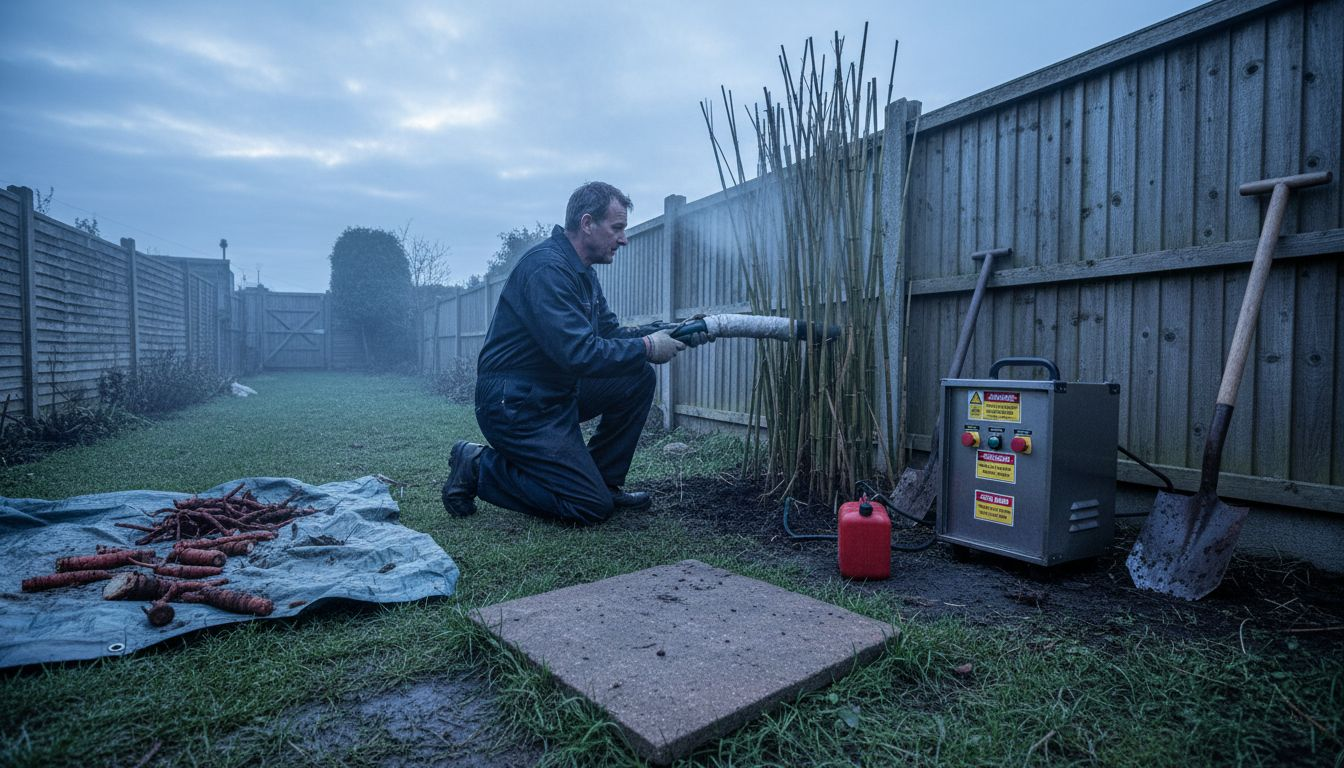
技术人员正在利用电探针检测植物根部的生长情况。

传统化学喷剂存在明显局限性。化学药剂需要数年才能渗透至深层根系,期间持续污染土壤,影响周边植物生长。部分根茎可能产生抗药性,导致复发率居高不下。化学残留对宠物和儿童构成健康风险,许多房主因此拒绝使用。相比之下,电疗技术精准高效,治疗周期更短。

根障安装是提升治理成功率的关键辅助技术。专业团队在治理区域周边安装高密度聚乙烯根障,深度通常达2米,阻断根系横向扩展。根障与电疗技术结合,形成物理隔离和能量耗竭的双重保障。这种综合方案显著降低复发风险,满足法律合规要求。

治理方法 环保性 治疗周期 复发率 土壤影响
高压电疗 完全无害 2-3年(多次处理) 低于5% 零污染
化学喷剂 有污染 3-5年 15%-25% 持续残留
挖掘清除 中等 即时但需处置 10%-20%(碎片残留) 土壤扰动大
覆盖隔离 无害 5年以上 30%-40% 无直接污染

科学治理流程包括多个关键步骤:

  1. 专业评估确定入侵植物种类、分布范围和根系深度
  2. 制定个性化治理方案,结合电疗、根障和挖掘技术
  3. 实施首次高压电疗处理,破坏主要根茎结构
  4. 间隔6-8周进行后续治疗,持续耗竭根系能量
  5. 安装根障阻断残余根系扩展
  6. 定期监测和补充处理,确保彻底根除

专业提示: 选择具备CHAS(承包商健康与安全评估计划)认证和PCA(物业保护协会)会员资格的治理机构,确保方案符合法律法规和行业标准。要求提供10年保险保障证明,保护长期投资安全。

多周期处理是成功根除的必要条件。单次治疗无法触及所有深层根系,需要通过连续处理逐步消耗根茎能量储备。专业团队根据植物生长周期调整治疗间隔,确保在根系活跃期施加最大压力。这种方法配合法律要求的低复发率标准,为房主提供可靠保障。了解安全防治入侵植物方法有助于选择最优方案。

入侵植物治理中的常见误区与真相

仅剪除地上部分是最普遍且危险的误区。许多房主认为清除可见植株即可解决问题,实则地下根茎才是真正威胁。剪除地上部分后,根茎在土壤中继续扩展,次年重新萌发。研究显示,这种方法的复发率超过70%,反而可能刺激根系更密集生长。剪除的植物碎片若处理不当,会在新位置扎根,扩大感染范围。

传统化学喷剂并非长效环保选项。虽然化学药剂能暂时抑制地上生长,但对深层根系作用有限。药剂需要数年持续使用才能见效,期间土壤持续受污染。部分根茎可能在药剂覆盖不到的深层区域存活,治疗停止后迅速复发。化学残留对土壤微生物和有益植物造成长期损害,影响土地后续使用。

一次治理无法彻底清除入侵植物。即使采用先进技术,根系网络复杂庞大,单次处理难以触及所有活性根茎。专业治理需要2-3年周期,包含多次评估、处理和监测。每次处理后,团队检查残余根系活性,调整后续方案。急于求成往往导致治疗不彻底,浪费前期投资。

常见误区总结:

  • 认为入侵植物只是园艺美观问题,忽视结构和法律风险
  • 相信DIY方法能节省成本,实则因复发导致更高支出
  • 以为一次性挖掘清除即可,忽略微小根茎碎片的再生能力
  • 误判治理成功标准,仅以地上部分消失为准
  • 忽视法律要求的5%以下再生率,面临合规风险

持续监测和多次补治是确保成功的关键。治理后的前3年需要定期检查,及早发现并处理任何复发迹象。专业团队使用红外成像和土壤探测技术,识别地下残余根系。即使地上部分完全消失,仍需保持警惕,因为休眠根茎可能在有利条件下复苏。

专业提示: 要求治理机构提供详细监测计划和复发处理承诺。优质服务商会在合同中明确后续监测频率、复发处理方式和保险保障条款。避免选择仅提供一次性处理的低价服务,长期成本往往更高。更多入侵植物管理技巧帮助您建立科学管理体系。

入侵植物根除的法律法规与治理责任

英国法律对入侵植物治理有严格要求。根据1981年野生动植物和乡村法案,故意种植或导致入侵植物扩散属于违法行为,可处以罚款甚至监禁。法规要求治理方案必须确保再生率低于5%,提供长期监测证明。这一标准保护房产交易安全,防止入侵植物在新业主手中复发。

未达标治理可能引发严重法律后果。邻居因您房产的入侵植物扩散至其土地而提起诉讼,您需承担治理费用和损失赔偿。贷款机构要求完整治理报告和保险证明,否则拒绝放贷。房产交易中,卖家必须如实披露入侵植物情况,隐瞒可能导致交易无效和法律诉讼。这些风险强调合规治理的重要性。

合规报告和物业披露是保障交易安全的基础。专业治理机构提供详细评估报告,记录入侵植物种类、分布、治理方案和预期效果。报告需符合RICS标准,包含治理时间表、方法描述和10年保险保障。买家和贷款机构依据这些文件评估风险,决定是否继续交易。透明披露降低法律风险,加快交易进程。

治理责任明确规定房主需主动管理:

  • 定期检查房产是否有入侵植物迹象
  • 发现入侵植物后立即采取治理措施
  • 防止入侵植物扩散至邻近房产
  • 在房产交易中如实披露入侵植物历史
  • 保留完整治理记录和保险证明

法律要求治理方案必须由具备资质的专业机构执行。治理团队需持有相关证书,使用符合环保标准的技术。治理完成后,机构提供保险支持的保障证书,承诺在保险期内处理任何复发。这些要求确保治理质量,保护房主和买家利益。了解英国入侵植物治理政策有助于全面掌握合规要求。

实际案例与根除时间成本分析

典型治理案例展示科学方案的实际效果。一位威尔士房主发现后院有日本虎杖,面积约50平方米。专业评估显示根系已扩展至地基附近,构成结构威胁。治理方案包括6次高压电疗处理,间隔8周,配合根障安装。整个周期历时30个月,总成本£8,500,包含评估、治疗、根障和10年保险。治理后房产顺利完成再融资,估价恢复至正常水平。

未治理导致的成本远超专业治理投入。伦敦一处房产因房主忽视入侵植物,3年内根系破坏排水系统和地基,修复费用达£45,000。邻居因入侵植物扩散提起诉讼,房主额外支付£18,000赔偿和法律费用。若当初采取专业治理,总成本不超过£12,000,节省超过£50,000。这一案例凸显及时治理的经济价值。

根除平均需3年周期,包含多个阶段:

  1. 初步评估和方案制定(1-2周)
  2. 首次高压电疗处理,破坏主要根茎(第1个月)
  3. 后续4-6次处理,间隔6-8周(第2-24个月)
  4. 根障安装和土壤修复(第12-18个月)
  5. 持续监测和补充处理(第24-36个月)
  6. 最终评估和保险证书发放(第36个月)
治理阶段 时间周期 预估成本 关键活动
评估规划 1-2周 £500-£1,000 现场调查、方案设计
主要治疗 6-18个月 £4,000-£8,000 多次电疗处理
辅助措施 12-18个月 £2,000-£4,000 根障安装、土壤修复
监测保障 24-36个月 £1,500-£3,000 定期检查、复发处理、保险
总计 30-36个月 £8,000-£16,000 完整治理周期

科学治理方案在时间和成本上更具优势。虽然周期较长,但通过系统化处理确保彻底根除,避免反复治疗的额外支出。高压电疗技术缩短治疗周期,减少现场干扰。根障安装提供长期保障,降低复发风险。综合成本低于传统方法,且符合法律合规要求。

外来植物的危害与治理成效一览图

定期监测对防止复发至关重要。治理完成后,专业团队每季度检查一次,持续3年。监测包括地上植株检查和红外成像探测,及早发现任何复发迹象。若发现残余根系活性,立即采取补充处理。这种主动管理确保治理效果持久,保护房主投资。查看入侵植物治理案例分析了解更多实际经验。

如何选择专业根除服务及后续预防

选择优质治理机构需要重点考察技术能力和资质认证。优先选择具备化学无害治理技术的服务商,如高压电疗系统。这类技术环保高效,符合2026年最新环保标准。检查机构是否持有PCA会员资格、CHAS认证和公共责任保险。这些资质证明机构遵循行业最佳实践,能够提供合规治理方案。

综合治理方案比单一技术更可靠。优质服务商结合评估、电疗、根障安装和长期监测,形成完整治理体系。首次评估应包含详细现场调查,使用探地雷达或土壤取样确定根系深度和分布。治理方案需明确处理次数、时间间隔和预期效果。根障安装应符合建筑规范,深度和材料选择基于具体情况。

长期监测计划确保治理成功无复发。要求服务商提供至少3年监测承诺,包含季度检查和年度评估。监测报告应详细记录每次检查结果,包括地上植株状态、土壤状况和根系活性。若发现复发迹象,服务商应免费提供补充处理。10年保险保障为房主提供额外安心,覆盖保险期内的任何治理费用。

选择服务商的关键标准:

  • 技术先进性,优先无化学方案
  • 资质认证齐全,包括PCA和CHAS
  • 提供详细评估报告和治理方案
  • 长期监测和复发处理承诺
  • 10年保险保障和合规证书
  • 透明定价,无隐藏费用
  • 良好客户评价和成功案例

专业提示: 要求至少3家服务商提供报价和方案,对比技术方法、时间周期和总成本。避免选择价格异常低廉的服务,可能采用劣质方法或缺乏长期支持。优质治理是长期投资,应优先考虑效果和保障,而非单纯追求低价。

咨询专业机构获取定制方案是明智选择。每处房产的入侵植物情况不同,标准化方案难以满足所有需求。专业团队通过现场评估,分析土壤类型、根系深度、周边环境和法律要求,制定个性化治理计划。定制方案更高效,避免过度治疗或遗漏关键区域。参考入侵植物评估指南根障安装指南深入了解专业服务标准。

选择专业入侵植物根除服务,保护您的家园

面对入侵植物威胁,选择科学无害的专业治理方案至关重要。我们的团队采用高达5000伏的高压电疗技术,直接破坏根茎细胞,彻底耗竭根系能量,完全不使用化学药剂。这种创新方法环保高效,符合2026年最严格环保标准,保护您的土壤和家人健康。

https://japaneseknotweedagency.co.uk

我们提供全面的无化学入侵植物解决方案,包括专业评估、多周期电疗处理、根障安装和长期监测。每项服务都由持证专家执行,确保符合法律要求的低于5%再生率标准。我们的入侵植物评估指南帮助您全面了解房产风险,为融资和交易提供可靠保障。通过根障安装指南了解如何构建长期防护体系。我们覆盖英格兰、威尔士和爱尔兰,为房主提供定制治理方案和10年保险保障。立即咨询,保护您的房产价值和环境安全。

常见问答

哪些植物被视为入侵植物?

英国常见入侵植物包括日本虎杖、大豕草、喜马拉雅凤仙花和巨型蓼。这些植物均为非本地物种,繁殖速度极快,破坏建筑结构和本地生态。日本虎杖是最具破坏力的种类,根系可深达3米,横向延伸超过7米,严重威胁地基和墙体安全。

治理入侵植物需多长时间?

专业治理通常需要2-3年周期,包含多次高压电疗处理和持续监测。首次处理后,团队每6-8周进行后续治疗,逐步耗竭根系能量。根障安装和土壤修复在治疗中期完成。治理后需3年监测期,确保无复发,满足法律要求的低于5%再生率标准。

如何判断治理是否成功?

治理成功的标准包括地上部分完全消失、土壤探测无活性根系、连续3年无复发迹象。专业机构使用红外成像和土壤取样技术,检测残余根系活性。最终评估需符合RICS标准,再生率低于5%。治理完成后,机构提供10年保险保障证书,承诺保险期内处理任何复发。

入侵植物治理失败的常见原因是什么?

治理失败主要因为方法不当、周期不足或监测缺失。仅剪除地上部分复发率超70%,化学喷剂对深层根系作用有限。单次处理无法触及所有活性根茎,需多次治疗配合长期监测。选择缺乏资质的服务商、忽视法律合规要求或急于求成都可能导致失败,浪费投资并延误治理时机。

有没有安全环保的治理方案?

高压电疗技术是目前最安全环保的治理方案。这种方法通过向根茎输送高达5000伏直流电能,破坏细胞结构,彻底耗竭根系能量,完全不使用化学药剂。电疗技术无土壤污染、无化学残留,对周边植物和土壤微生物无害。配合根障安装和多周期处理,确保彻底根除,符合2026年最新环保标准和法律要求。

推荐