Glyphosate Ban in Brighton and Hove

Council promises to be pesticide-free by 2022

In 2019 Brighton Council pledged to become a pesticide-free city by 2022 by banning use of the chemical glyphosate, also globally known by many in the industry as ‘Roundup’.

This three-year plan to phase out the use of the toxic weed killer in all the city’s parks, open spaces, pavements, verges and housing land.

The harmful effects of glyphosate 

But many experts, including Pesticide Action Network and the Soil Association, believe it is carcinogenic causes tumour’s & cancer’s in humans & exterminates environment and wildlife.

Cllr Anne Pissaridou, the new chair of the council’s Environment, Transport and Sustainability (ETS) committee, said: “Following advice from the Pesticide Action Network, officers are developing a three-year plan with a view to moving towards ending the use of these harmful chemical pesticides. 

We have already started to reduce the amounts of glyphosate used in city parks, housing land and public highways. However, we believe we can accelerate the reduction in use. 

I’m aware of the cross-party support and growing strength of feeling that residents would like the city to be pesticide free.”

City parks will be pesticide-free


A report will go to the next ETS committee in October, during which time no glyphosate will be used in the city’s parks while the impact is monitored and alternative solutions are trialled. 

On the public highway and housing land weed spraying will be reduced from 2 per year to one spray this year. 

Cllr Pissaridou, who has been the key driver in making a ban happen, added: “We will be limiting the use of glyphosate to lower footfall areas only and using other new technologies including hot foam, infra-red technology and other solutions to ensure only the minimum amount of pesticide required is used. 

This new technology promises to achieve up to an 80 per cent reduction in the amount of glyphosate used. 

Overall, we should achieve in excess of 95 per cent reduction in the use of glyphosate by the council this year as compared to last year.

In future years we will be aiming to eliminate the use of glyphosate by the council and working with partners and residents to replicate this across the city.”

VIDEO – “What is a chemical treatment for Japanese Knotweed?

Alternative non-chemical treatments are available.

Japanese Knotweed Agency is the first and currently only entity that offers a non-chemical Thermo-Electrical treatment against Japanese Knotweed. Delivering up to 5000 volts directly to the weed stalks and crowns, sends a massive destructive shock throughout the weed effectively boiling it in situ and it should decompose and leave no trace.

It may take several treatments as would chemical treatment, but with thermo-electrical treatment, the ground is left 100% safe and chemical free. Treatment does not affect the ground or land or other foliage next to the treated weed, nor does it affect insects or organisms in the soil that keep it healthy.

Japanese Knotweed Agency will now offer this service across England and Wales throughout 2023 and beyond.

Treatment of weeds such as Japanese Knotweed can now be done safely, and without the use of Glyphosates, protecting our environments and the health of children and adults and wildlife, and is a massive step forwards that has been needed for decades in line with Europe.


Read more about the Japanese Knotweed Agency and their Thermo-Electric eradication on our website: https://japaneseknotweedagency.co.uk/rootwave/thermo-electrical-treatment/

Or call us freephone 03335 777 888
FOLLOW US ON YOUTUBE


Glyphosate Ban in Balerno (Scotland)

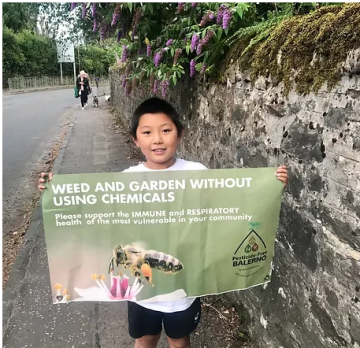
Residents of Balerno took matters in to their own hands when it came to a harmful chemical, Glyphosate, being used to eradicate invasive weeds in their community. What started with a single request against glyphosate being sprayed outside their house, resulted in 20 other houses making the same decision. With the whole street working together to unanimously manually remove weeds than to risk being exposed to Glyphosate.

According to the International Agency of Research for Cancer (IARC) Glyphosate is said to be carcinogenic causing cancers & tumours in humans. It is already banned in Europe & now many Councils are choosing against using Glyphosate in public places.

A recent senior research Doctor in the USA has also linked Glyphosate to the massive increase in autism in children.

Every community can become Pesticide Free ‘Wildlife Trust’

https://youtu.be/QB9NcSNEtxQ

This phenomenal community support has spurred other areas of Scotland to follow. A clear example of this was demonstrated by Jessica Windsor, who was inspired by the overwhelming success of the campaign ‘Pesticide free Balerno’ she too started a campaign against Pesticides usage in Edinburgh. The petition to ban Glyphosate in public areas in Edinburgh was put into action. She has since then created an awareness & education about the harmful effects of Glyphosate in in humans, animals & insects in the environment.

This phenomenal community support has spurred other areas of Scotland to follow. petition to stop Edinburgh spraying Glyphosate on our city’s streets has been the inspiration for a similar campaign in Balerno and fledgling movements in Portobello.


Jessica Windsor began the Pesticide Free Edinburgh campaign. She explained her view that pesticide use has multiple harmful effects on human and animal health causing environmental pollution.

A ground breaking new alternative non-chemical treatments are available.

Japanese Knotweed Agency is the first and currently only entity that offers a non-chemical Thermo-Electrical treatment against Japanese Knotweed. Delivering up to 5000 volts directly to the weed stalks and crowns, sends a massive destructive shock throughout the weed effectively boiling it in situ and it should decompose and leave no trace. It may take several treatments as would chemical treatment, but with thermo-electrical treatment, the ground is left 100% safe and chemical free. Treatment does not affect the ground or land or other foliage next to the treated weed.

Japanese Knotweed Agency will now offer this service across England and Wales throughout 2023 and beyond.

Treatment of weeds such as Japanese Knotweed can now be done safely, and without the use of Glyphosates, protecting our environments and the health of children and adults and wildlife, and is a massive step forwards that has been needed for decades in line with Europe.


Read more about the Japanese Knotweed Agency and their Thermo-Electric eradication on our website: https://japaneseknotweedagency.co.uk/rootwave/thermo-electrical-treatment/

Or call us freephone 03335 777 888

Follow us on YouTube


Glyphosate Ban in Hexham

Hexham Council calls for toxic weed killer to be banned

THE use of potentially toxic weed killer in streets, parks and cemeteries is “contributing to the death of humanity”, a councillor has claimed.

Hexham Town Council currently uses repellent containing Glyphosate, the chemical substance which has been linked to cancer, and can have an adverse effect on wildlife.

The council is set to phase out the use of the weed killer as it urgently seeks to find a safer alternative.

But at the council’s meeting on Monday, which took place via a live video conference, Coun. John Ord called for use of the product to be banned immediately.

He said: “By spraying this poison around the streets and public spaces you are not helping the public keep safe.

“There is evidence to show that you can get cancer from this. It should not be used in public spaces.

“We are in the middle of this huge extinction and in the end it will be humans. We are contributing to the death of humanity.”

The council agreed to back a proposal from Coun. Tom Gillanders, to phase out the use of the weed killer while searching for a more environmentally friendly replacement.

Chairing the meeting, Hexham’s mayor, Coun. Bob Hull said the council would have to work closely alongside other organisations to ensure a joined-up approach across to the town.

He added: “We accept the proposal and look to a phased withdrawal, working with Northumberland County Council and Karbon Homes.”

After the meeting, members of the campaign group Extinction Rebellion Tynedale urged swift action.

Nick Morphet, who ran as the Green Party candidate at last year’s General Election, said: “Non-chemical alternatives exist, and many councils have already found them to be effective.

“Should we be killing these plants at all? Wild plants and flowers are as beautiful and fascinating as they are essential to a healthy environment. Unless there is a good reason to control them, they should be cherished and allowed to thrive.”


MAKE YOURSELVES AWARE THAT ALTERNATIVES TO USING GLYPHOSATE ARE AVAILABLE IN MOST CIRUMSTANCES, EVEN AGAINST JAPANESE KNOTWEED

Japanese Knotweed Agency is the first and currently only entity that offers a non-chemical Thermo-Electrical treatment

against Japanese Knotweed.

Delivering up to 5000 volts directly to the weed stalks and crowns, sends a massive destructive shock throughout the weed effectively boiling it in situ and it should decompose and leave no trace. It may take several treatments as would chemical treatment, but with thermo-electrical treatment, the ground is left 100% safe and chemical free. Treatment does not affect the ground or land or other foliage next to the treated weed.

Japanese Knotweed Agency will now offer this service across England and Wales throughout 2023 and beyond.

Treatment of weeds such as Japanese Knotweed can now be done safely, and without the use of Glyphosates, protecting our environments and the health of children and adults and wildlife, and is a massive step forward that has been needed for decades in line with Europe.


Read more about the Japanese Knotweed Agency and their Thermo-Electric eradication on our website: https://japaneseknotweedagency.co.uk/rootwave/thermo-electrical-treatment/

Or call us freephone 03335 777 888


RELATED ARTICLES

https://www.hexham-courant.co.uk/news/18508605.calls-toxic-weed-killer-banned/

https://thebristolcable.org/2021/08/a-toxic-chemical-weedkiller-glyphosate-being-sprayed-bristol-despite-pledges-progress-is-being-made-city-council/

https://you.38degrees.org.uk/petitions/marvin-rees-deliver-your-promise-to-ban-glyphosate-in-bristol

https://www.bristol247.com/news-and-features/news/pressure-on-bristol-city-council-to-ban-toxic-weed-killer/

Colchester ends the use of glyphosate weedkillers

https://colchestergreenparty.co.uk/our-glyphosate-report/

https://www.gazette-news.co.uk/news/19999952.colchester-borough-homes-bans-use-harmful-weed-killer/

JAPANESE KNOTWEED AGENCY NATIONAL REGISTER – HAVE A SEARCH AND SEE IF JAPANESE KNOTWEED HAS BEEN REPORTED NEAR YOUR HOME

Further Information:

Pesticides are particularly harmful to bees, studies show.

https://www.theguardian.com/environment/2018/sep/24/monsanto-weedkiller-harms-bees-research-finds-

Vital soil organisms being harmed by pesticides

https://www.frontiersin.org/articles/10.3389/fenvs.2021.643847/full

Countries that have banned Glyphosate

https://japaneseknotweedagency.co.uk/category/glyphosate-ban-europe/

Alternative Weed control solutions

https://www.pan-uk.org/alternatives-to-herbicides-a-new-guide/

https://japaneseknotweedagency.co.uk/rootwave/thermo-electrical-treatment/

Glyphosate Ban in Guildford

Guildford votes to become a Pesticide Free Town 9 December 2021

Last night, a debate took place in Guildford’s council chambers triggered by our petition calling for Guildford to become a Pesticide Free Town. GEF is delighted to announce that following a speech by Helen Harris and Frances Rollin from our Biodiversity group as well as Nick Mole from Pesticide Action Network (PAN), Councillors voted unanimously to support the motion.

In taking this decision, Guildford joins over 60 other cities, towns and boroughs in the UK that are working to phase out their use of pesticides.

GEF looks forward to working with the Council and with PAN to put this great result into practice!

Find out why it’s so important we all stop using pesticides here: https://www.pan-uk.org/

As a GEF member, please support us by stopping using all pesticides in your garden or allotment, and encouraging your neighbours to do the same: https://www.wildlifetrusts.org/actions/how-make-your-garden-chemical-free-zone

Every year, our pavements, streets, parks, playgrounds and other open spaces in Guildford are sprayed with pesticides. In particular, glyphosate is used across the borough on a regular basis. Inevitably, we as Guildford residents come into contact with these pesticides, as do our children, pets and local wildlife.

Pesticides (including glyphosate) have been linked to an array of health problems, from neurological disorders such as Parkinson’s disease, cancers such as non-Hodgkin’s lymphoma to autism in children. Vulnerable groups such as children, pregnant women and the elderly are most at risk of being affected.

As well as damaging human health, pesticides harm urban biodiversity. Pesticides are key contributors to the dramatic reductions in insects such as bees and other pollinators. Glyphosate has been shown to affect bees’ ability to navigate, their sleep, larval development and immunity to deadly infections (1). Glyphosate also kills flowering plants that bees and other insects rely on. This reduction in pollinators has far-reaching consequences for both wildlife and people.

Pesticides contaminate our water supply and harm aquatic life. They also poison our soils and harm soil invertebrates such as worms.

Urban pesticide use is unnecessary. Many towns and cities around the world have banned them (3). Pesticides are banned in all green public spaces across the whole of France. Copenhagen and Seattle manage their public spaces without pesticides. Councils across the UK are showing it can be done too with over 60 councils now implementing programs to phase out their use. Locally, Waverley borough, Petersfield and Chichester have all committed to phase out pesticides whilst trialing alternatives.

Well tested, cost effective and safe non-chemical alternatives to pesticides exist and are already being used in other towns locally (4). Using alternatives, or simply leaving some weeds in place to flower (where they do not cause a hazard) would have a positive impact on biodiversity and human health in Guildford.

We are asking Guildford Borough Council to phase out the use of pesticides, including glyphosate, in Guildford.


MAKE YOURSELVES AWARE THAT ALTERNATIVES TO USING GLYPHOSATE ARE AVAILABLE IN MOST CIRUMSTANCES, EVEN AGAINST JAPANESE KNOTWEED


Japanese Knotweed Agency is the first and currently only entity that offers a non-chemical Thermo-Electrical treatment

against Japanese Knotweed.

Delivering up to 5000 volts directly to the weed stalks and crowns, sends a massive destructive shock throughout the weed effectively boiling it in situ and it should decompose and leave no trace. It may take several treatments as would chemical treatment, but with thermo-electrical treatment, the ground is left 100% safe and chemical free. Treatment does not affect the ground or land or other foliage next to the treated weed.

Japanese Knotweed Agency will now offer this service across England and Wales throughout 2023 and beyond.

Treatment of weeds such as Japanese Knotweed can now be done safely, and without the use of Glyphosates, protecting our environments and the health of children and adults and wildlife, and is a massive step forward that has been needed for decades in line with Europe.


Read more about the Japanese Knotweed Agency and their Thermo-Electric eradication on our website: https://japaneseknotweedagency.co.uk/rootwave/thermo-electrical-treatment/

Or call us freephone 03335 777 888
 

RELATED ARTICLES

https://thebristolcable.org/2021/08/a-toxic-chemical-weedkiller-glyphosate-being-sprayed-bristol-despite-pledges-progress-is-being-made-city-council/

https://you.38degrees.org.uk/petitions/marvin-rees-deliver-your-promise-to-ban-glyphosate-in-bristol

https://www.bristol247.com/news-and-features/news/pressure-on-bristol-city-council-to-ban-toxic-weed-killer/

Glyphosate Ban in Frome

https://www.frometowncouncil.gov.uk/ftc-bans-glyphosate-with-immediate-effect-following-fresh-approach-at-last-nights-council-meeting/

In July 2016 Frome Town Council Banned Glyphosate with immediate effect following fresh approach at last night meeting.

Frome Town Council has broken from tradition and banned the ‘top table’ & extended an invitation to attend a council meeting. They encouraged local residents to get involved in decision making alongside Cllrs each other and discussed the issues on the agenda. People shared their views – and collective decisions were made.

The topic for discussion was the ever more controversial use of the chemical pesticide called Glyphosate. Although this weed-killer commonly known as Roundup by many gardeners who regularly use it, there are suspected health risks associated with glyphosate. According to the International Agency of Research for Cancer (IARC) Glyphosate is said to be carcinogenic causing cancers & tumours in humans. It is already banned in Europe & now many Councils are choosing against using Glyphosate in public places. After a good discussion, it was decided that FTC will not use glyphosate in future, and agreed to talk to Mendip District Council & Somerset County Council about their use of glyphosate in Frome.

We also agreed to discuss with the allotment association and neighbouring parishes their use of glyphosate in future.

Feedback from the meeting was very positive, with most people preferring this informal approach.

MAKE YOURSELVES AWARE THAT ALTERNATIVES TO USING GLYPHOSATE ARE AVAILABLE IN MOST CIRUMSTANCES, EVEN AGAINST JAPANESE KNOTWEED

Japanese Knotweed Agency is the first and currently only entity that offers a non-chemical Thermo-Electrical treatment against Japanese Knotweed.

Delivering up to 5000 volts directly to the weed stalks and crowns, sends a massive destructive shock throughout the weed effectively boiling it in situ and it should decompose and leave no trace. It may take several treatments as would chemical treatment, but with thermo-electrical treatment, the ground is left 100% safe and chemical free. Treatment does not affect the ground or land or other foliage next to the treated weed.

Japanese Knotweed Agency will now offer this service across England and Wales throughout 2023 and beyond.

Treatment of weeds such as Japanese Knotweed can now be done safely, and without the use of Glyphosates, protecting our environments and the health of children and adults and wildlife, and is a massive step forward that has been needed for decades in line with Europe.


Read more about the Japanese Knotweed Agency and their Thermo-Electric eradication on our website: https://japaneseknotweedagency.co.uk/rootwave/thermo-electrical-treatment/

Or call us freephone 03335 777 888
 

RELATED ARTICLES

https://thebristolcable.org/2021/08/a-toxic-chemical-weedkiller-glyphosate-being-sprayed-bristol-despite-pledges-progress-is-being-made-city-council/

https://you.38degrees.org.uk/petitions/marvin-rees-deliver-your-promise-to-ban-glyphosate-in-bristol

https://www.bristol247.com/news-and-features/news/pressure-on-bristol-city-council-to-ban-toxic-weed-killer/

Glyphosate Ban in Croydon

Croydon Council to end the use of glyphosate in parks and green spaces (December 5th, 2018)

Croydon Council has given its citizens an early Christmas present by committing to end the use of the controversial weed killer glyphosate in all of it public parks and green spaces.

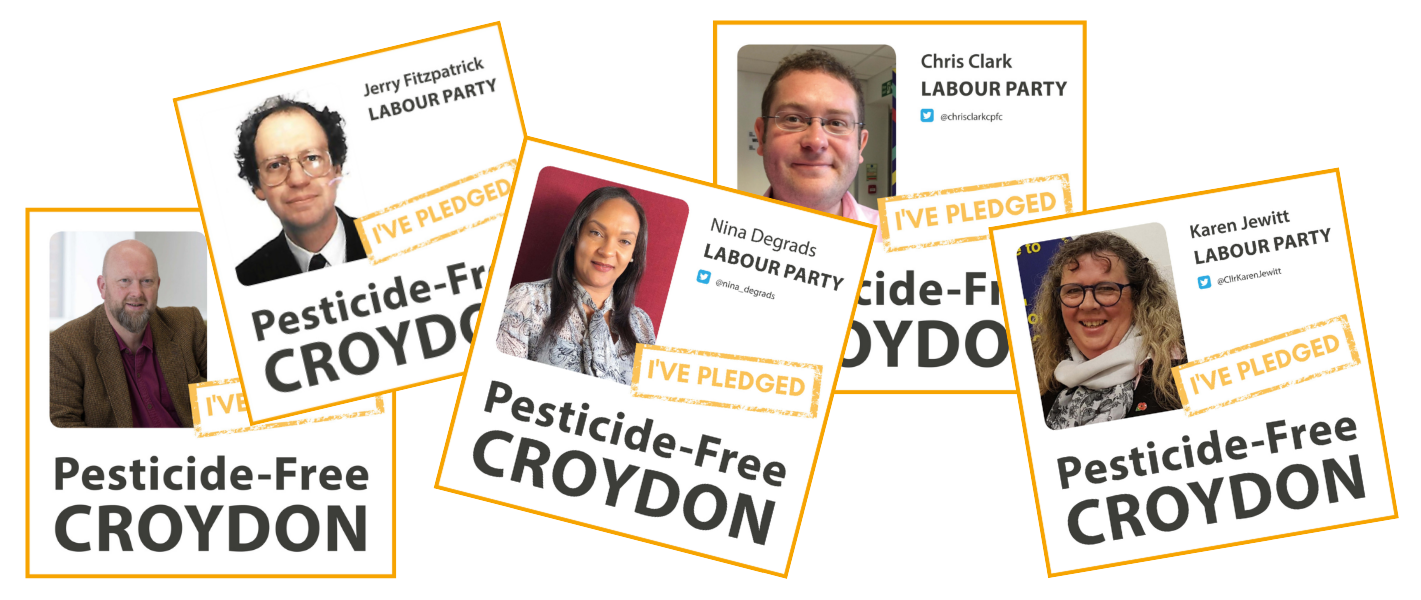
At a full council meeting on Tuesday 3rd December, in answer to a question from Councillor Nina Degrads, Councillor Stuart Collins announced that they will use the opportunity of taking the grounds maintenance contract back in-house to end the use of glyphosate as of February 2019. He also stated that they plan to train staff in new techniques and explore feasible non-chemical options. In perhaps the most heartening part of his statement, he said that this is something that Croydon Council is committed to delivering regardless of the cost.

This fantastic result has come as part of our ongoing Pesticide-Free London campaign which saw more than 400 candidates take the ‘Pesticide-Free London pledge‘ in the run up to city-wide local elections in May. The councillors in Croydon who took the pledge have lived up to their promise and helped to deliver this outcome.

Councillor Jeremy Fitzpatrick who took the Pesticide-Free London pledge said:

Croydon is home to nearly 400,000 people. It covers a huge geographic area stretching from its inner-city northern boundary with Lambeth to its leafy Surrey borders to the south. I am very proud that from February 2019 we have committed to end the use of glyphosate in our many parks and open spaces and adopt cleaner, greener non-chemical alternatives.

In the UK, Croydon now stands as the largest urban area with the highest population to commit to ending the use of glyphosate in its parks and green spaces.

Nick Mole, Policy Officer, PAN UK:

While this is incredibly welcome it is not the end of the process. It’s great that Croydon residents will soon be able to enjoy their green spaces without having to worry about toxic pesticides and PAN UK is keen to help the Council identify suitable non-chemical alternatives. However, there is also a need to end pesticide use in other public areas under council control, such as streets and housing estates. PAN UK would be delighted to work with Croydon Council over the coming months to help extend the glyphosate ban across the borough and work towards making Croydon truly pesticide-free.

Hammersmith & Fulham became the first London borough to go pesticide-free in 2016. In addition to Croydon, a number of other boroughs are considering introducing bans or significant restrictions on pesticide use as part of our Pesticide-Free London campaign.


MAKE YOURSELVES AWARE THAT ALTERNATIVES TO USING GLYPHOSATE ARE AVAILABLE IN MOST CIRUMSTANCES, EVEN AGAINST JAPANESE KNOTWEED

Japanese Knotweed Agency is the first and currently only entity that offers a non-chemical Thermo-Electrical treatment against Japanese Knotweed.

Delivering up to 5000 volts directly to the weed stalks and crowns, sends a massive destructive shock throughout the weed effectively boiling it in situ and it should decompose and leave no trace. It may take several treatments as would chemical treatment, but with thermo-electrical treatment, the ground is left 100% safe and chemical free. Treatment does not affect the ground or land or other foliage next to the treated weed.

Japanese Knotweed Agency will now offer this service across England and Wales throughout 2023 and beyond.

Treatment of weeds such as Japanese Knotweed can now be done safely, and without the use of Glyphosates, protecting our environments and the health of children and adults and wildlife, and is a massive step forward that has been needed for decades in line with Europe.


Read more about the Japanese Knotweed Agency and their Thermo-Electric eradication on our website: https://japaneseknotweedagency.co.uk/rootwave/thermo-electrical-treatment/

Or call us freephone 03335 777 888
 

RELATED ARTICLES

https://thebristolcable.org/2021/08/a-toxic-chemical-weedkiller-glyphosate-being-sprayed-bristol-despite-pledges-progress-is-being-made-city-council/

https://you.38degrees.org.uk/petitions/marvin-rees-deliver-your-promise-to-ban-glyphosate-in-bristol

https://www.bristol247.com/news-and-features/news/pressure-on-bristol-city-council-to-ban-toxic-weed-killer/

Colchester ends the use of glyphosate weedkillers – https://colchestergreenparty.co.uk/our-glyphosate-report/

https://www.gazette-news.co.uk/news/19999952.colchester-borough-homes-bans-use-harmful-weed-killer/

JAPANESE KNOTWEED AGENCY NATIONAL REGISTER
HAVE A SEARCH AND SEE IF JAPANESE KNOTWEED HAS BEEN REPORTED NEAR YOUR
HOME

Glyphosate Ban in Colchester

The use of glyphosate-based weedkillers in all general maintenance of our parks, open spaces and hedgerows will come to an end from 1 April 2021.

The use of herbicides has a significant impact on the environment by removing plants that are an important source of food for a variety of native insects. This move supports the commitments to protect our environment in the climate emergency declaration we agreed in 2019.

The use of glyphosate for routine weed management is now banned across all our parks and open spaces, play parks, around West Mersea beach huts, closed churchyards, as well as the highway verges we look after.

An exception will be made for the treatment of some invasive species such as Japanese Knotweed and Giant Hogweed, which are a serious threat to biodiversity. With these invasive species, the chemical is ‘safely’ injected into the plant, says the Council. Albeit, this was early in 2021 before the news that Japanese Knotweed can be dealt with by non-chemical means through Thermo-Electrical treatment and is available from the Japanese Knotweed Agency

Japanese Knotweed Agency would like to ask the Council to qualify how Glyphosate can be injected ‘safely’ into Japanese Knotweed? The extensive root system spreads far and wide, and injecting Glyphosate weed killer into Knotweed requires it to be injected in most stems, which then allows the Glyphosate to run through the weed and roots and ultimately end up far and wide within the soil and can stay there for years. Who knows the effects down the line, and when it rains, where does the Glyphosate travel to? Asks Alan Hoey, Managing Director of the Japanese Knotweed Agency.

These changes are being made to encourage greater biodiversity in our green spaces. Part of this work includes changes to the grass cutting regime in areas around Castle Park to create wildflower verges. These steps all benefit pollinators and other insects, which are hugely important to our eco-system, including the regulation of the natural environment and the food system.

Colchester’s Climate Emergency Response

  • July 2019 – Climate Emergency Declared
  • September 2019 – 57% less chewing gum on town centre streets
  • October 2019 – Joint top climate friendly area in East of England
  • October 2019 – Clean Air for Colchester survey with residents, schools and businesses
  • November 2019 – Commit to end the use of glyphosate weed killer
  • January 2020 – 40% reduction in carbon emissions
  • January 2020 – Climate Emergency Action Plan published
  • February 2020 – 10,000+ trees given out
  • February 2020 – Phasing out of plastics in Council operations
  • March 2020 – 4,486 trees planted in 19/20 for the Woodland Project
  • May 2020 – Received funding for 25 electric cargo bikes
  • June 2020 – Colchester Orbital maps produced
  • April 2021 – Stopped using glyphosate-based weed killers in general maintenance

MAKE YOURSELVES AWARE THAT ALTERNATIVES TO USING GLYPHOSATE ARE AVAILABLE IN MOST CIRUMSTANCES, EVEN AGAINST JAPANESE KNOTWEED

Japanese Knotweed Agency is the first and currently only entity that offers a non-chemical Thermo-Electrical treatment against Japanese Knotweed.

Delivering up to 5000 volts directly to the weed stalks and crowns, sends a massive destructive shock throughout the weed effectively boiling it in situ and it should decompose and leave no trace. It may take several treatments as would chemical treatment, but with thermo-electrical treatment, the ground is left 100% safe and chemical free. Treatment does not affect the ground or land or other foliage next to the treated weed.

Japanese Knotweed Agency will now offer this service across England and Wales throughout 2023 and beyond.

Treatment of weeds such as Japanese Knotweed can now be done safely, and without the use of Glyphosates, protecting our environments and the health of children and adults and wildlife, and is a massive step forward that has been needed for decades in line with Europe.


Read more about the Japanese Knotweed Agency and their Thermo-Electric eradication on our website: https://japaneseknotweedagency.co.uk/rootwave/thermo-electrical-treatment/

Or call us freephone 03335 777 888
 

RELATED ARTICLES

https://thebristolcable.org/2021/08/a-toxic-chemical-weedkiller-glyphosate-being-sprayed-bristol-despite-pledges-progress-is-being-made-city-council/

https://you.38degrees.org.uk/petitions/marvin-rees-deliver-your-promise-to-ban-glyphosate-in-bristol

https://www.bristol247.com/news-and-features/news/pressure-on-bristol-city-council-to-ban-toxic-weed-killer/

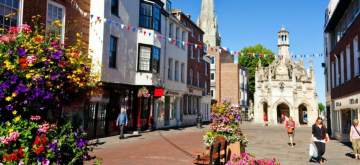
Glyphosate ban call for Chichester, West Sussex

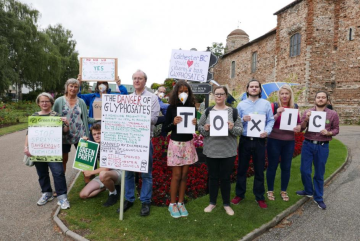
Chichester is another constituency that is highlighting the massive problem with the use of Glyphosate and wants to stop its use across the region. Chichester is a Roman cathedral city and the only city in West Sussex.

Preservation of wildlife, flora & fauna, trees & woodlands still remain of historic beauty which locals & many tourists appreciate. The use of harmful pesticides is creating a major impact on the environment. Alongside Councillors , the local residents of Chichester have shown their concerns for the future of the community as Glyphosate proves to not only harm the wildlife but is now considered carcinogenic & toxic to humans effectively causing cancers & tumours.

According to the International Agency of Research for Cancer (IARC) Glyphosate is said to be carcinogenic causing cancers & tumours in humans. It is already banned in Europe & now many Councils are choosing against using Glyphosate in public places. The World Health Organisation found that Glyphosate, which is found in most herbicides including the global renowned weedkiller RoundUp, is ‘probably carcinogenic to humans’

Minutes from the meeting relating to the use of Glyphosate are highlighted further down in this post in red.

Measure Number Three – Pesticide Free City

We note that:

(i) The Property Team has already terminated its using of Glyphosate based weedkillers and is experimenting with natural weedkillers.

(ii) We would like to congratulate the Property Manager on limiting the use of dangerous chemicals which could endanger the health of the City Council employees and the wider public.

(iii) We recommend to the Council that the Property Manager coordinates with his County and District Colleagues to reduce the use of pesticides in the city more widely.

(iv) We recommend the City Council joining the Pesticide Free Towns Network for a healthier environment for our citizens.

The Network of Pesticide Free Towns envisions a world where the use of pesticides is minimized and replaced with sustainable alternatives, hence, the health of citizens and the environment is safeguarded, biodiversity is enhanced and an improved quality of life is achieved.

To achieve this vision, we would encourage Chichester City Council to pledge to continue to adhere to appropriate policies and measures to ensure the following objective(s) are reached:

  • Ban the use of herbicides in public areas under city’s control

  • Ban the use of all pesticides in public areas under city’s control

  • Help to extend the ban of pesticides to private areas with public access and agricultural areas next to where citizens live

  • Step up and support the greening efforts towards local biodiversity enhancement already being championed by Transition Chichester under the direction of Mrs Mary Iden.

In order to put into effect, the pesticide free vision for the Chichester we would commit specifically to:

  • Develop and promote a campaign aimed at informing citizens about the transition to become pesticide-free, and the reasons for it; encourage citizens to actively support the transition by promoting the use of sustainable alternatives in private gardens and allotments

  • Communicate with and involve all stakeholders (County and District Council employees and sub-contractors, local farmers, etc).

  • Increase local biodiversity through municipal and citizen-driven activities

Alternative non-chemical treatments are available.

Japanese Knotweed Agency is the first and currently only entity that offers a non-chemical Thermo-Electrical treatment against Japanese Knotweed. Delivering up to 5000 volts directly to the weed stalks and crowns, sends a massive destructive shock throughout the weed effectively boiling it in situ and it should decompose and leave no trace. It may take several treatments as would chemical treatment, but with thermo-electrical treatment, the ground is left 100% safe and chemical free. Treatment does not affect the ground or land or other foliage next to the treated weed.

Japanese Knotweed Agency will now offer this service across England and Wales throughout 2023 and beyond.

Treatment of weeds such as Japanese Knotweed can now be done safely, and without the use of Glyphosates, protecting our environments and the health of children and adults and wildlife, and is a massive step forward that has been needed for decades in line with Europe.


Read more about the Japanese Knotweed Agency and their Thermo-Electric eradication on our website: https://japaneseknotweedagency.co.uk/rootwave/thermo-electrical-treatment/

Or call us freephone 03335 777 888
 

RELATED ARTICLES

https://thebristolcable.org/2021/08/a-toxic-chemical-weedkiller-glyphosate-being-sprayed-bristol-despite-pledges-progress-is-being-made-city-council/

https://you.38degrees.org.uk/petitions/marvin-rees-deliver-your-promise-to-ban-glyphosate-in-bristol

https://www.bristol247.com/news-and-features/news/pressure-on-bristol-city-council-to-ban-toxic-weed-killer/