Glyphosate Ban UK

Glyphosate Ban UK?

环保灭草步骤指南:家庭与社区实用手册


TL;DR:

  • 日本结缕草等入侵植物每年悄然侵占绿地,单靠割草或化学喷洒难以根除。本文提供科学环保的灭草全流程,助力家庭和社区实现长效管理。

日本结缕草(Japanese Knotweed)等入侵植物每年悄无声息地侵占花园和社区绿地,靠一次割草或化学喷洒根本无法解决问题。本文提供一套完整的环保灭草步骤指南,从工具准备到长效监测,帮助家庭园丁和社区负责人用科学、无公害的方法彻底控制入侵杂草,同时保护周边生态环境不受破坏。

目录

核心要点

要点 详情
识别杂草种类 准确辨别入侵植物类型是选择正确灭草方法的前提,避免无效操作。
分阶段物理清除 幼苗期人工拔除结合机械干预,能在不使用化学品的情况下破坏根系。
生态调控配合 覆盖作物竞争与生物天敌引入,是生态灭草方法的长效核心策略。
合规处置残体 拔除后的杂草必须带走处理,现场丢弃会导致根茎再生和种子扩散。
持续监测防复发 建立分区监测周期,重点区域每年至少巡查两次,是防止复发的关键。

环保灭草步骤指南的准备阶段

认识常见入侵杂草

在实施任何灭草行动之前,准确识别目标杂草至关重要。日本结缕草(Japanese Knotweed)是英国和爱尔兰最具破坏性的入侵植物之一,其地下根茎网络可深入土壤数米,即便地上部分被彻底割除,根系仍能在数周内重新萌发。除此之外,常见的入侵植物还包括葛藤(Kudzu)、加拿大一枝黄花(Solidago canadensis)和互花米草(Spartina alterniflora)。每一种植物的扩散方式和根系深度各不相同,因此区分杂草种类直接决定了后续所有步骤的方向。

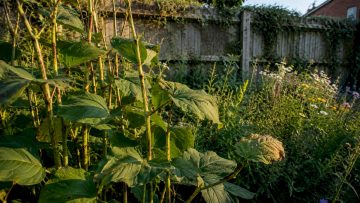
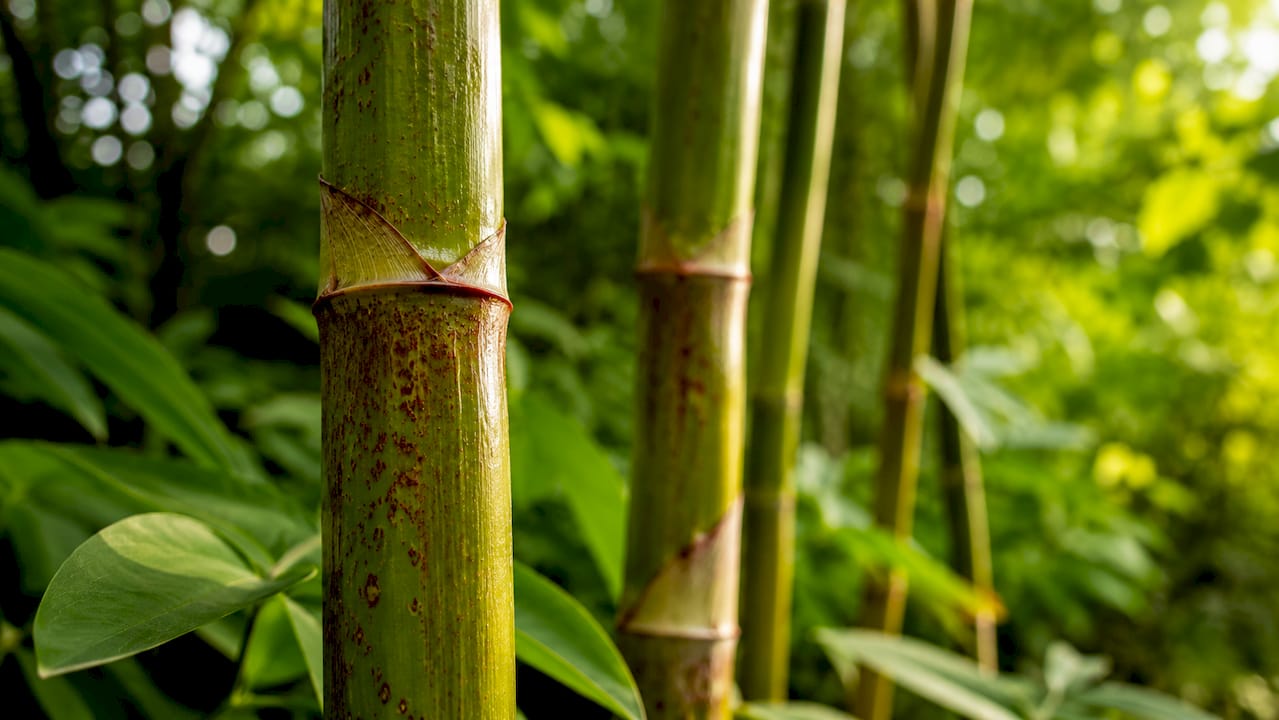
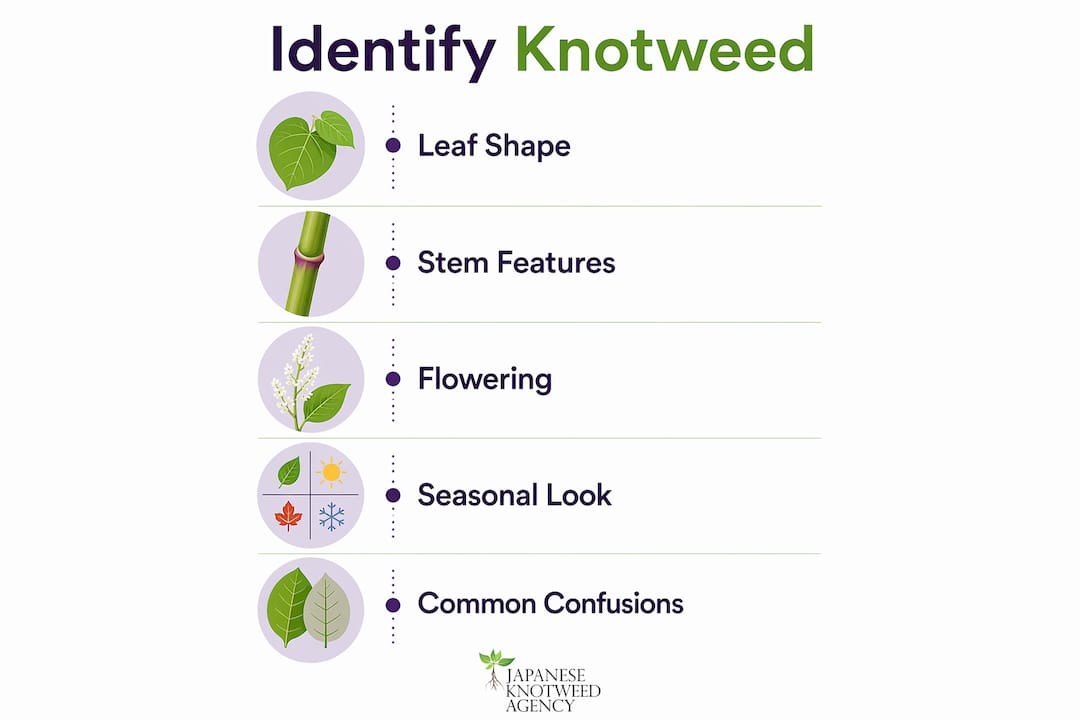
日本结缕草的识别特征十分明显:春季嫩芽呈紫红色,叶片成熟后为宽大心形,茎节中空且具有竹状外观,秋季会开出白色小花。一旦发现这些特征,应立即停止常规修剪,因为割断的茎节碎片落入土壤后同样具备再生能力。

必备的环保除草材料与工具

选择合适的工具和环保除草材料,是整个灭草过程的物质基础。以下是推荐清单:

  • 人工挖掘工具:铁锹、根部挖掘叉,用于松动土壤和完整挖出根系
  • 机械辅助工具:旋转锄头或小型旋耕机,用于中耕切断地下根茎
  • 遮蔽覆盖材料:厚重黑色防草布或多层硬纸板,用于阻断光合作用
  • 天然覆盖物:厚层木屑或稻草,辅助抑制杂草萌发
  • 个人防护装备:防刺手套、长袖衣物、密封垃圾袋用于装运残体

专业提示: 挖掘入侵植物前两天对土壤适度浇水,土壤松软状态下根系更容易被完整取出,土壤松软期拔除效果明显优于干硬土壤条件。

所有工具使用后需用清水彻底冲洗,尤其是在处理不同区域之间,防止通过工具携带根茎碎片和种子传播杂草。

分步执行:物理控制到生态调控

第一步:幼苗期优先人工清除

及时处理是控制入侵杂草蔓延的最有效前提。根据无化学药剂综合治理方案,分阶段拔除幼苗是整个流程中成本最低、效果最可靠的环节。春季嫩芽出现后的前三周是最佳清除窗口期,此时根系尚浅,人工操作即可完整取出。

  1. 用铁锹沿植株四周20厘米处深挖,确保切断所有横向根茎
  2. 缓慢向上提拉植株,避免根茎断裂残留土中
  3. 将整株植物连土放入密封垃圾袋,不得在现场抖落泥土
  4. 带种子的残体必须妥善带走处理,现场丢弃会导致种子二次扩散
  5. 处理完毕后立即检查周围土壤,用手指触探是否有遗留根茎碎片

第二步:机械干预破坏根系

人工清除之后,对土壤进行机械干预能进一步消耗地下根系的能量储备。旋耕机或中耕锄在土壤表层15至20厘米深度反复作业,切断根茎并将其暴露在空气中,使其失水干燥死亡。这一步骤每隔三至四周重复一次,持续整个生长季节效果最为显著。

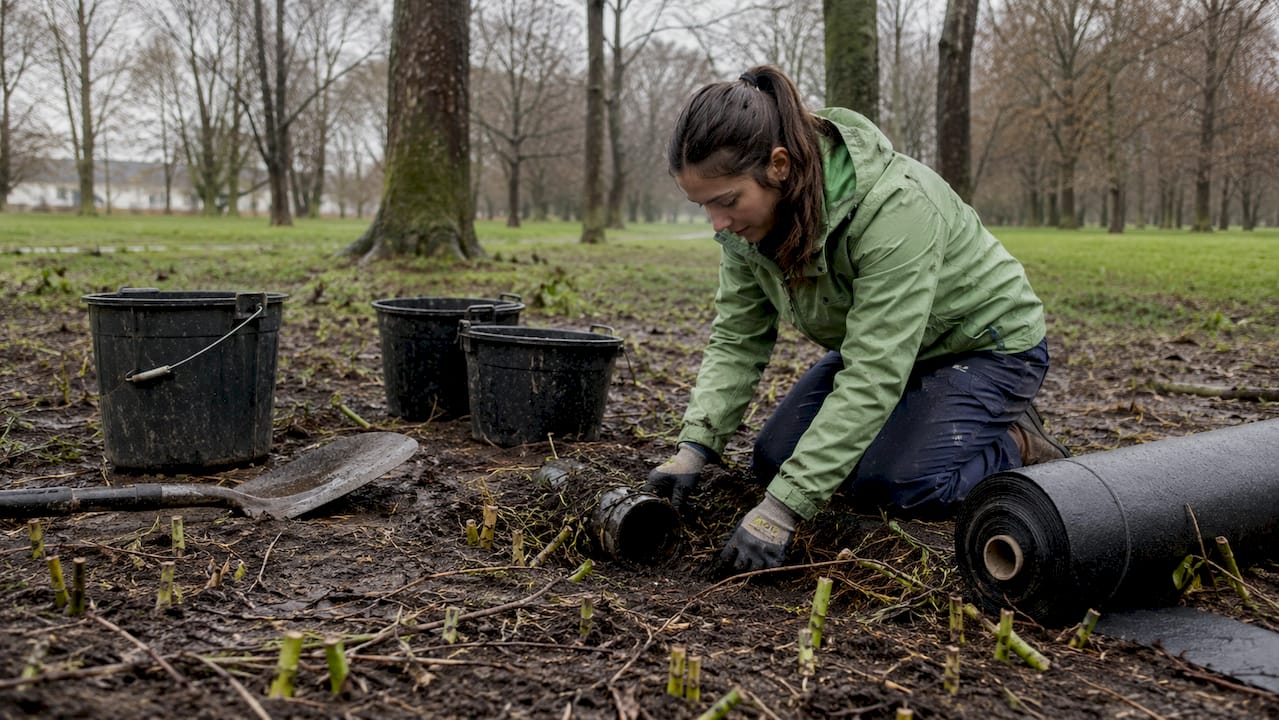
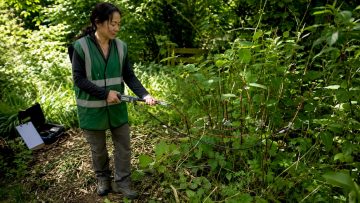
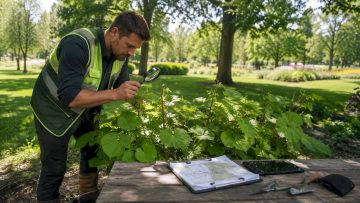
园林工人在小区草坪上操作耕地机进行松土作业。

上海崇明东滩的互花米草治理实践提供了一个值得借鉴的案例。研究人员采用刈割后水淹40厘米以上并保持半年的方法,通过持续阻断地下根系的氧气供应,最终实现彻底根除。这一逻辑同样适用于花园和社区绿地场景,即在机械切断根系后,配合覆盖遮光材料制造无光无氧的死亡环境。

第三步:生态调控与农艺管理

生物和生态调控方法是这套植物防治杂草指南的核心支柱,也是区别于传统化学除草的关键所在。具体措施包括:

  • 覆盖作物竞争:在清除区域播种黑麦草或三叶草等速生覆盖植物,与残余杂草竞争光照和营养
  • 深翻土壤:秋季深翻30厘米以上,将残余根茎翻至地表接受冻融交替,加速其死亡
  • 种子净化处理:对土壤表层进行热处理或覆盖厚层木屑(10厘米以上),降低土壤种子库活性
  • 天敌引入:在专业指导下,部分地区可引入对应天敌昆虫,但需评估本地生态风险

专业提示: 绿色覆膜与深翻土壤相结合的农艺管理措施,已被证明可减少杀虫剂用量30%以上,同时显著降低温室气体排放,实现除草与生态保育的双重目标。

常见误区与故障排查

即便按照步骤操作,许多家庭园丁和社区负责人仍会在执行中犯下可以避免的错误。了解这些误区,能帮助你大幅提高灭草成功率。

  • 误区一:割草等于灭草。地上部分被割除后,日本结缕草等入侵植物的根茎网络完好无损。每次割草反而可能刺激根系分泌更多能量储备,促进新芽萌发。正确做法是配合根系破坏措施。
  • 误区二:随手丢弃清除物。拔出的杂草含有大量存活根茎和种子,根部或种子再生是导致灭草失败的首要原因。所有清除物必须装袋密封后统一处置,绝不可堆放在花园角落。
  • 误区三:使用家用除草剂图省事。市售草甘膦类除草剂会渗入地下水,破坏土壤微生物群落,对周边植物、昆虫和小型哺乳动物造成不可逆的危害。环境保护合规治理要求社区绿地作业必须符合相关排放和污染标准。
  • 误区四:完成一次清除便停止观察。入侵杂草的复发周期往往短于预期,尤其在雨水丰沛的季节。

“灭草失败的根本原因不在于方法错误,而在于过早停止监测。一旦发现复发迹象,应在新芽长至10厘米之前立即介入,避免根系重新扩张。”

当你发现某块区域反复复发时,优先检查该区域是否存在未被完整清除的根茎碎片,而非简单重复之前的步骤。有时候调整挖掘深度或更换覆盖材料,就能解决顽固复发的问题。

效果评估与长效维护策略

建立分区监测体系

一次性清除只是整个过程的起点。全国范围内的互花米草防治实践已经清晰表明,长效管控阶段比清除阶段更考验执行力。对于家庭和社区场景,建议将绿地划分为重点监测区和一般监测区两个等级。

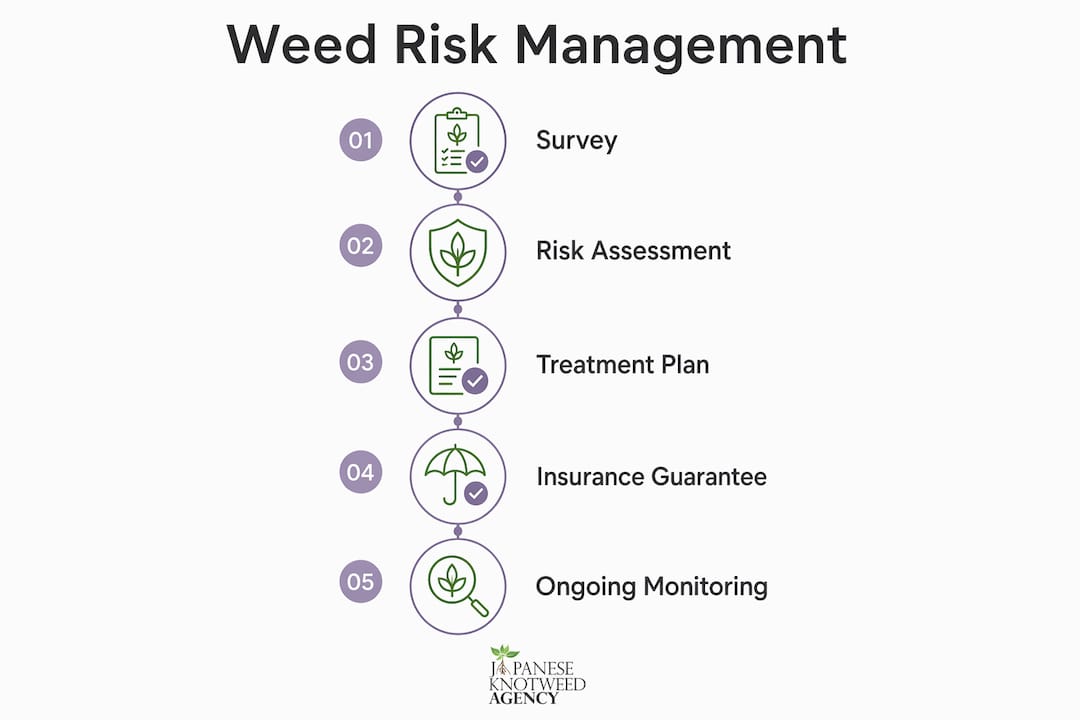
环保除草五步法流程一览

监测类型 区域特征 建议频率 记录方式
重点监测区 曾发现大量入侵植物、靠近水源或边界处 每年至少两次 拍照标记,建立档案
一般监测区 清除彻底且无复发记录的区域 每年一次 简单巡查记录
高扩散风险点 雨水花园、围栏角落、排水沟附近 每季度一次 标记坐标,定点追踪

根据相关监测方案,重点区至少监测2次的原则已被实践证明有效降低复发风险,这一标准同样适用于社区和家庭的无公害除草技巧管护体系。

生态修复与社区协作

清除完成后的区域不应留白太久。裸露土壤是新一轮杂草种子定植的理想温床。建议在清除后两周内种植本地原生植物,通过密集的植被竞争阻止入侵植物重新占据空间。

专业提示: 社区绿地的长效管控成败在很大程度上取决于责任分工是否明确。建议在社区层面指定专人负责各区域的定期巡查,并记录每次检查结果,形成可追溯的管护档案。

社区层面的协作不仅是分担工作量,更重要的是通过持续的集体行动,在入侵植物重新建立种群之前将其扼制。一个人独立管理一块花园相对容易,但跨越多个地块的入侵植物扩散,必须由邻里共同承担防控责任才能从根本上解决。

我对长效管控的真实看法

从事入侵植物管理多年,我见过太多家庭和社区在第一轮清除后放松警惕,最终功亏一篑。说实话,这是整个行业最让人沮丧的现象之一。大多数人对灭草的期待是:做一次,永久解决。但入侵植物的根系网络不是这么运作的。

我最真实的体会是:环保灭草是一个动态循环过程,不是单次事件。 每一轮监测、清除、复查和再清除,都在消耗地下根茎的能量储备。你需要的不是一次完美的清除,而是持续的、有节奏的干预。

我也见过不少社区负责人因为预算限制或人员不足,把所有资源压在第一次清除上,却没有为后续管护留出任何安排。这是一个代价高昂的决策错误。在我看来,把50%的资源用于清除,另外50%用于监测和维护,才是真正有效的分配逻辑。

更重要的是,环保灭草不只是消灭几株杂草,而是在恢复一块土地的生态功能。当你看到清除区域重新长出本地植物,看到授粉昆虫回归,这才是真正意义上的成功。这个目标值得你投入时间和耐心去坚持。

— Alan

专业服务助力高效管控

如果你面对的是日本结缕草(Japanese Knotweed)这类根系深度极强的入侵植物,仅靠家庭工具往往难以彻底解决问题。

https://japaneseknotweedagency.co.uk

Japaneseknotweedagency 是英国无化学药剂处理入侵植物领域的专业机构,通过直接向植物根茎网络输送高达5000伏特的热电能量,在不使用任何化学药剂的情况下造成细胞内部损伤并耗尽根系能量储备。Japaneseknotweedagency 提供的无化学药剂解决方案成功率高达95%,适用于英格兰、威尔士和爱尔兰各类家庭和社区项目。如需了解更多入侵杂草管理选项,可参考入侵杂草分步管理或联系专业团队进行现场调查评估。

常见问题解答

环保灭草需要多长时间才能见效?

效果时间因植物种类和根系深度而异。日本结缕草等根系型入侵植物通常需要持续处理两至三个生长季才能从根本上控制。结合物理清除和生态覆盖的综合方法,比单一手段见效更快。

日本结缕草的根茎断了一小段还能再生吗?

可以。日本结缕草根茎极小的碎片落入湿润土壤后即可再生,这也是为什么清除后的根茎碎片处置必须严格执行密封装袋而非随意丢弃。

普通家庭能独立完成环保灭草吗?

对于小面积轻度入侵,家庭园丁按照本指南的分步操作可以独立处理。但对于根系深度超过半米、面积较大或位于建筑基础附近的入侵植物,建议联系专业机构进行评估和处理。

覆盖防草布是否属于环保除草方法?

厚重的黑色防草布是被认可的无公害除草技巧,通过持续阻断光照抑制杂草生长。但需确保覆盖时间足够长(通常至少一个完整生长季),且覆盖边缘压实,否则效果有限。

清除后的区域应该种什么来防止杂草复发?

建议种植本地原生植物,因为它们与当地土壤和气候条件相适应,能快速建立密集植被。密集的原生植被是防止入侵植物重新定植的最有效生物屏障,同时还能恢复本地生物多样性。

推荐

Energy-based plant treatment process: a practical guide


TL;DR:

  • Invasive plant species like Japanese knotweed cause extensive property damage, requiring professional energy-based treatments rather than DIY methods. Accurate site surveys, careful preparation, and repeated treatments over multiple seasons are essential for successful eradication. Long-term monitoring and documentation ensure legal compliance and support property transactions, providing realistic expectations for homeowners and developers.

Invasive plant species like Japanese knotweed are responsible for significant property damage across England, Wales, and Ireland, and many homeowners reach for the kettle before they reach for the phone. The appeal of surface treatments like boiling water is understandable, but the energy-based plant treatment process used by professionals operates on an entirely different principle. This guide covers what energy-based treatments actually are, why preparation and site assessment matter before any application, how treatment is executed step by step, and what realistic post-treatment outcomes look like for homeowners and property developers.

Table of Contents

Key takeaways

Point Details
Surface heat fails against deep roots Boiling water loses heat within centimetres of soil, leaving rhizomes several metres down completely unaffected.
Professional energy delivery reaches the rhizome Controlled energy delivery up to 5000 volts targets internal cell structures and depletes the rhizome network directly.
Survey first, treat second A professional property survey is legally valuable and practically necessary before any treatment programme begins.
Multiple treatment seasons are expected Sustained eradication requires repeated treatments across seasons, not a single application.
Documentation protects your property Treatment records support mortgage applications, property sales, and legal compliance for invasive species management.

Understanding the energy-based plant treatment process

The core challenge with invasive plant eradication is not killing what you can see above ground. It is reaching what lies beneath it. Knotweed rhizomes extend approximately 3 metres deep and up to 7 metres laterally, forming a dense underground network that sustains the plant even after the visible stems are destroyed.

Boiling water is perhaps the most common DIY approach, and it fails almost every time it is tried. Heat cools rapidly in soil, losing meaningful temperature beyond a few centimetres of depth. Meanwhile, knotweed can grow 10 cm per day during the growing season, so surface treatments are outpaced before the plant shows any meaningful stress.

Professional energy-based treatment operates on a fundamentally different mechanism. Rather than applying surface heat, controlled electrical energy is delivered directly into the plant tissue and root zone. At Japaneseknotweedagency, this involves delivering up to 5000 volts onsite, causing internal cell damage and progressively depleting the energy reserves stored within the rhizome network. Each treatment reduces those reserves further, weakening the plant’s capacity to regenerate.

The table below illustrates why method selection matters so significantly.

Method Root zone penetration Typical outcome
Boiling water Less than 5 cm Regrowth within days
Manual cutting None Stimulates regrowth
Herbicide (multi-year) Moderate, via translocation Gradual decline over 3+ years
Professional energy-based treatment Deep, directly delivered Progressive depletion of rhizome energy reserves

Pro Tip: Do not confuse stem dieback with eradication. If the rhizome network retains energy, the plant will return regardless of what has been done above ground.

Preparation before treatment begins

Applying any treatment without proper preparation is the single most common reason eradication programmes fail or stall. Sustainable plant management requires accurate identification, thorough assessment, and a clear plan before energy or any other resource is committed.

The preparation phase covers several distinct areas.

Site survey and plant identification. Not every bamboo or broadleaf weed is Japanese knotweed, and misidentification leads to wasted treatment and continued spread. A professional invasive weed property survey will accurately identify species, map the extent of infestation, and document the findings for legal and mortgage purposes.

Legal and mortgage documentation. If you are selling a property or require mortgage approval, lenders frequently ask for evidence of a managed treatment programme. Documentation from a professional survey and treatment plan is far more persuasive to lenders than a homeowner’s verbal assurance.

Site access and preparation. Treatment equipment must reach the root zone, and physical obstacles such as patios, hardstanding, and dense undergrowth need to be considered in advance. Clear access corridors significantly improve treatment precision and safety.

Safety planning. Professional contractors implement controlled treatment zones and protective measures during high-voltage energy application to safeguard operatives, bystanders, and non-target plant species.

Preparation step Purpose
Professional survey Accurate identification, legal documentation, infestation mapping
Mortgage and legal review Confirms documentation requirements for property transactions
Site clearance Improves equipment access and treatment accuracy
Safety zone establishment Protects people, property, and surrounding ecology

Pro Tip: Book your survey before any treatment is attempted. Treating without a survey can compromise the legal standing of your documentation and, in some cases, disrupt the rhizome assessment needed for an accurate treatment plan.

Step-by-step execution of treatment

Execution of an energy-based plant treatment process follows a structured sequence. Deviating from this sequence, particularly by skipping monitoring steps, is the most reliable way to produce incomplete results.

Infographic shows five steps of plant treatment workflow

1. Initial site setup. Equipment is positioned and safety zones are established. Access routes are confirmed and any vegetation that would obstruct delivery is managed.

2. Energy delivery. Controlled electrical energy is applied directly to the plant and root zone. At Japaneseknotweedagency, up to 5000 volts are delivered onsite, creating internal cell disruption throughout the plant’s vascular system and into the rhizome.

Contractor applying energy-based plant treatment

3. Temperature and duration monitoring. Proper heat delivery to deep soil layers is not a matter of guesswork. Treatment time and energy intensity are monitored rigorously to confirm that the root zone receives sufficient exposure. Cutting treatment short to save time is the primary cause of regrowth.

4. Post-application inspection. Following each session, the treatment area is assessed for visible response in the above-ground growth, soil integrity, and any signs that the rhizome boundary is larger than initially mapped.

5. Documentation. Each treatment delivery is recorded with date, energy parameters, and observed response. This record becomes part of the eradication workflow documentation that supports property and legal requirements.

The table below summarises the treatment workflow.

Stage Action Key consideration
Setup Position equipment, establish safety zones Clear access confirmed
Energy delivery Apply up to 5000 volts to plant and root zone Duration and intensity monitored
Monitoring Record temperature and application parameters Incomplete delivery causes regrowth
Inspection Assess visible plant response and rhizome boundary Adjust treatment plan if spread confirmed
Documentation Log all treatment data Required for mortgage and legal compliance

Common pitfalls to avoid during execution:

  • Treating only the visible stem without targeting the root crown
  • Underestimating the lateral spread of the rhizome before beginning
  • Skipping monitoring because the above-ground plant appears dead
  • Failing to record treatment parameters for each session

Pro Tip: Advanced energy treatment systems must be matched to the specific biology of the target species. The energy delivery parameters appropriate for Japanese knotweed differ from those suited to other invasive species.

Post-treatment monitoring and realistic expectations

Eradication is rarely achieved in a single treatment season, and understanding this is not a limitation of the method. It is a reflection of how extensive knotweed rhizome networks are. Professional energy-based processes incorporate repeated treatments across multiple seasons, with each delivery further depleting the plant’s stored energy reserves until regeneration is no longer possible.

Signs that treatment is progressing effectively include:

  • Reduced stem vigour and height in subsequent growing seasons
  • Thinner cane growth and paler foliage compared to pre-treatment observations
  • Delayed spring emergence relative to untreated areas
  • No new rhizome spread beyond the original mapped boundary

Signs that a follow-up treatment is needed:

  • Regrowth to pre-treatment vigour within the same season
  • New shoots emerging outside the original treatment zone
  • No visible change in cane density after two consecutive treatments

Long-term monitoring and documentation are not optional extras. They are part of meeting the legal and mortgage compliance standards that lenders and surveyors expect. A homeowner who can present a multi-season treatment record, with consistent professional oversight, is in a far stronger position than one who simply reports the plant “appears gone.”

Treatment type Typical timeframe Expected result
DIY surface treatment Ongoing with no endpoint No meaningful eradication
Herbicide programme 3 to 5 years Gradual decline, chemical residue
Professional energy-based treatment 1 to 3 years with repeat sessions Progressive depletion and documented eradication

Long-term prevention should also include consideration of physical barriers. Root barriers installed during or after treatment can prevent rhizome re-encroachment from neighbouring land, which is a genuinely common cause of apparent treatment failure on boundary-adjacent properties.

My perspective on realistic outcomes

I have seen homeowners invest considerable time and money in approaches that feel logical but simply do not work against a plant like Japanese knotweed. The frustration is entirely understandable. What I find consistently, though, is that the gap between expectation and outcome usually comes down to one thing: underestimating the root system.

In my experience, the most damaging misconception is not that boiling water works. Most people learn that quickly. The more persistent problem is the belief that visible dieback means the job is done. I have seen properties where the above-ground plant looked completely cleared, and the rhizome network was fully intact three metres down, ready to regenerate the following spring.

What I have found actually works is a methodical approach: survey first, treat with professionally delivered energy, monitor closely, and repeat. The chemical-free treatment success rates achieved through this approach are not accidental. They are the product of rigorous process, not a single dramatic intervention.

My honest advice to homeowners and developers is to treat the survey as the starting point, not the formality. The survey tells you what you are actually dealing with, and that information shapes every subsequent decision. Without it, you are applying energy, time, and money to an unknown problem.

— Alan

Specialist chemical-free treatment from Japaneseknotweedagency

If you are dealing with Japanese knotweed or another invasive species on your property, Japaneseknotweedagency offers a fully documented, chemical-free eradication programme built around professional energy delivery. The team delivers up to 5000 volts directly onsite, targeting the rhizome network with each treatment to progressively deplete the plant’s energy reserves.

https://japaneseknotweedagency.co.uk

Whether you need a property survey before a sale, a structured eradication programme with full documentation, or root barrier installation to prevent re-encroachment, Japaneseknotweedagency covers the complete process. Surveys are carried out across England, Wales, and Ireland. The best first step is always a professional assessment. You can book a survey directly and receive a clear picture of what you are dealing with, what treatment is appropriate, and what the realistic timeline looks like. For answers to the most common questions, the knotweed FAQ is a useful starting point.

Frequently asked questions

Does boiling water kill Japanese knotweed?

No. Boiling water cools within centimetres of soil depth, leaving the rhizome network several metres below completely unaffected. The plant will regrow within days.

How many treatment sessions does energy-based eradication require?

Most infestations require repeated treatments across one to three years. Each session depletes the rhizome’s energy reserves further, with eradication confirmed through continued monitoring and documentation.

Is energy-based treatment safe for surrounding plants and soil?

Yes, when applied by trained professionals. Controlled treatment zones and protective measures are established before any energy delivery to safeguard non-target plant species and soil health.

Do I need a survey before treatment starts?

A professional invasive weed property survey is strongly advisable before any treatment. It provides accurate identification, maps the rhizome extent, and produces the documentation lenders and solicitors expect for mortgage and property sale purposes.

Will energy-based treatment affect my mortgage application?

A documented treatment programme from a professional contractor, including survey records and treatment logs, supports mortgage compliance and is typically what lenders require before approving applications on affected properties.

What is integrated weed management?


TL;DR:

  • Weed management is most effective when using integrated weed management (IWM), a multi-method, sustainable approach. IWM focuses on controlling weed density below damaging levels rather than complete eradication, combining biological, cultural, physical, and chemical controls. Proper identification, early intervention, and professional support are essential for long-term land health and environmental protection.

Weeds are not simply an aesthetic nuisance. Understanding what are weeds in practical terms means recognising them as highly competitive plants capable of establishing, spreading, and depleting resources far faster than most cultivated species. Unchecked weed pressure can reduce yields and plant health by 30 to 70 percent, yet the instinct for most homeowners and land managers is to reach for a herbicide and hope for the best. That approach rarely holds. Integrated weed management offers a more considered, multi-method strategy that addresses weed problems at their root rather than treating symptoms season after season.

Table of Contents

Key takeaways

Point Details
IWM is a multi-method approach It combines biological, cultural, physical, and chemical controls to manage weeds sustainably.
Eradication is not the goal IWM aims to keep weed density below damaging thresholds, not achieve total elimination.
Timing and identification matter Correct species identification and early intervention are the foundations of effective IWM planning.
Chemical use is a last resort Herbicides remain part of the toolkit but should be rotated and minimised to prevent resistance.
Professional support is available For invasive species such as Japanese Knotweed, specialist surveys and chemical-free treatments deliver reliable results.

The definition of integrated weed management

The definition of integrated weed management is a science-based, decision-making framework that combines multiple control methods to manage weed populations in a way that is economically sound, ecologically responsible, and practically sustainable. It draws directly from the broader principles of integrated pest management, applying that same layered philosophy specifically to weed control.

IWM combines biological, cultural, physical, and chemical tools to minimise economic, health, and environmental risks. No single method works in isolation. The power of the approach lies in how these combined weed control methods reinforce each other, reducing the pressure placed on any one tactic and slowing the development of resistance or weed species shifts.

Hierarchy infographic of IWM methods and tools

A defining feature of IWM is its goal. Rather than pursuing total eradication, the aim is to keep weed density below crop-damaging levels, prevent shifts toward harder-to-control species, and protect long-term productivity and environmental quality. This represents a fundamental shift in mindset for many property owners who are accustomed to treating weed problems as something to be eliminated rather than managed.

The approach also depends on a thorough understanding of weed biology and ecology. Correct identification of weed species and life cycle is the first step toward efficient management. Knowing whether you are dealing with an annual, biennial, or perennial species, and understanding how it reproduces, determines which control methods are most likely to succeed and when they should be applied.

“Integrated weed management is not a single action. It is a long-term commitment to monitoring, adapting, and combining methods intelligently across multiple growing seasons.”

IWM methods: what works and when

Understanding the main categories of IWM methods helps you match the right tool to the specific weed challenge you face. Each approach has genuine strengths, and each has limitations that make combining them so important.

Method How it works Best suited for Limitations
Biological Natural enemies, bioherbicides Large-scale land management Requires permits; limited homeowner access
Cultural Mulching, soil solarisation, rotation Gardens, managed land Requires planning and consistency
Mechanical/Physical Hand removal, root barriers Small infestations, boundary control Labour-intensive; regrowth risk if incomplete
Chemical Targeted herbicide application Established or resistant weeds Resistance risk; environmental impact

Biological controls include introducing natural predators or applying bioherbicides that target specific weed species. While these tools offer precision, biological weed control options need regulatory permits and are generally less accessible to homeowners. They are most relevant for large-scale land managers with the resources and regulatory support to deploy them safely.

Horticulturist applying biological weed control

Cultural controls are arguably the most underused category in domestic settings. Mulching suppresses germination by blocking light. Soil solarisation uses heat from the sun beneath clear polythene sheeting to kill weed seeds and pathogens in the top layer of soil. Adjusting irrigation to favour desirable plants over weeds is another practical tool. These methods require planning and consistency, but they reduce the weed seed bank gradually and without chemical input. You can explore practical non-chemical weed techniques in detail if you want to build these approaches into your management plan.

Mechanical and physical controls suit small to medium infestations. Manual removal is most effective when plants have not yet flowered. Any flowering material must be bagged immediately and removed from site to prevent seeding. Root barriers are a valuable physical option for invasive species with extensive underground rhizome systems, where surface removal alone is insufficient. For a broader perspective on garden-level control strategies, the pest control guidance from Sprout Lab offers useful context.

Chemical controls have a clear role but should not be the first response. Heavy reliance on a single herbicide leads to resistance and shifts in weed species composition over time. Rotating modes of action and integrating non-chemical suppression methods reduces this risk considerably.

Pro Tip: When timing herbicide applications, target weeds in their active growth phase before they set seed. A single plant allowed to seed can introduce thousands of viable seeds into the soil bank, undoing several seasons of management work.

Why IWM matters for land and environmental health

The environmental case for integrated weed management goes well beyond avoiding a few litres of herbicide. Sustained chemical use affects soil microbiology, surface water quality, and non-target species in ways that often take years to manifest. By reducing chemical reliance, IWM actively protects the broader ecosystem services that healthy land provides, including pollination, natural pest regulation, and soil structure.

Preserving agrobiodiversity is one of the less discussed benefits of this approach. When weed communities are managed through diverse methods rather than blanket chemical application, the overall plant and soil ecosystem remains more resilient. That resilience has direct practical value for homeowners managing gardens or meadow areas where native species, pollinators, and soil health are priorities.

The risk of herbicide resistance is a genuine long-term concern. Coordinated integration of various control tools prevents the rise of resistant weed biotypes that become significantly more costly and complex to manage over time. Once resistance establishes in a weed population, options narrow considerably.

For homeowners dealing with invasive species such as Japanese Knotweed, the environmental stakes are particularly high. Japanese Knotweed’s rhizome network can extend several metres in every direction underground, and surface-level treatment without addressing the root system simply delays the problem. Chemical-free and precision-based weed management approaches within IWM frameworks offer both ecological and practical advantages in these situations.

“Reducing chemical dependency in weed management is not idealism. It is sound land stewardship that produces measurably better outcomes for soil, water, and biodiversity over the long term.”

You can read more about how local authorities are approaching this through council chemical-free control strategies, which reflect the direction that responsible land management is heading.

Implementing IWM on your property

Putting integrated weed management into practice on a domestic or managed property does not require specialist equipment or a degree in ecology. It does require a structured, patient approach that you revisit and adapt across multiple seasons.

  1. Identify and map your weeds. Walk your property and record where weeds are growing, which species are present, and how dense the infestations are. Mapping weed distribution allows targeted treatments rather than uniform application, reducing both cost and chemical use significantly.

  2. Prioritise early intervention. Early weed pressure in sensitive planting areas can cause severe damage within 30 to 75 days of establishment. Acting before flowering and seeding reduces the burden on future management considerably.

  3. Combine methods deliberately. Use mulching and soil solarisation alongside manual removal. If chemical treatment is necessary, apply it selectively and rotate the active ingredient. Do not treat every weed the same way. Tailor your response to the biology of the species in front of you.

  4. Monitor consistently and adjust. IWM is a multi-year effort aimed at shifting the soil seed bank gradually rather than achieving immediate eradication. Set a seasonal schedule to walk the site, assess what has changed, and update your plan accordingly.

  5. Seek professional assessment for invasive species. Where Japanese Knotweed or other notifiable invasive plants are present, the complexity and legal implications of management increase significantly. A professional survey provides accurate species identification, infestation mapping, and a tailored treatment plan that is legally and environmentally defensible. For step-by-step invasive weed management guidance specific to residential properties, specialist resources can help you navigate the process correctly.

Pro Tip: Always comply with relevant legislation when managing invasive species. In England and Wales, Japanese Knotweed is listed under Schedule 9 of the Wildlife and Countryside Act 1981, meaning it is an offence to allow it to spread into the wild. Disposal must follow Environment Agency guidelines.

My perspective on IWM and realistic expectations

I have worked with property owners who are genuinely surprised to learn that what they thought was a solved weed problem is still very much alive underground. The seed bank and rhizome networks that weeds build up over years are stubborn, and they do not respond to a single treatment season.

What I have found is that most people underestimate how long genuine progress takes. IWM is not a product you buy. It is a process you commit to. The homeowners who see lasting results are the ones who approach it with that understanding, who map their infestations properly in year one, who monitor closely in year two, and who resist the temptation to declare victory too soon.

The chemical-free methods available today, including thermo-electric treatment for species like Japanese Knotweed, represent a genuine step forward. They allow sustained, targeted action without the resistance risks and environmental costs of herbicide-dependent approaches. When these tools are embedded within a broader IWM framework, the results are more durable and more defensible from both a property and environmental perspective.

My view is that IWM is not the harder option. It is the more honest one. It reflects what the science actually shows about how weed populations behave and what it genuinely takes to manage them well.

— Alan

How Japaneseknotweedagency supports your IWM plan

https://japaneseknotweedagency.co.uk

If your property has a suspected or confirmed Japanese Knotweed infestation, or if you are managing land with persistent invasive species, professional support can make a significant difference to both your outcomes and your legal position. Japaneseknotweedagency carries out thorough plant eradication surveys across England, Wales, and Ireland, providing precise identification, infestation mapping, and treatment planning grounded in IWM principles.

Their chemical-free thermo-electric treatment delivers up to 5,000 volts directly into the plant’s root system, causing internal cell damage and depleting the rhizome network with each treatment cycle. Combined with root barrier installation and excavation services where required, Japaneseknotweedagency provides an integrated, sustainable response that aligns with responsible land stewardship. Book a survey to take the first step.

FAQ

What is integrated weed management?

Integrated weed management is a science-based approach that combines biological, cultural, physical, and chemical control methods to manage weed populations sustainably. The goal is to keep weed density below damaging thresholds rather than achieve total eradication.

How does IWM differ from standard weed control?

Standard weed control typically relies on a single method, most often herbicides. IWM deliberately combines multiple methods across seasons to reduce resistance risks, protect environmental quality, and achieve more durable results.

Can homeowners apply integrated weed management?

Yes. Homeowners can apply IWM by identifying weed species, combining physical removal with mulching and targeted treatments, monitoring progress seasonally, and seeking professional support for invasive or legally regulated species.

Why is herbicide rotation important in IWM?

Relying on a single herbicide leads to resistance in weed populations over time. Rotating active ingredients and integrating non-chemical methods reduces this risk and maintains the effectiveness of chemical controls when they are genuinely needed.

When should I call a professional for weed management?

Professional support is advisable when invasive species such as Japanese Knotweed are present, when infestations are extensive, or when legal compliance is a concern. A professional survey provides accurate assessment and a legally sound treatment plan.

Rapid response weed management: what it really means


TL;DR:

  • Rapid response weed management involves proactive detection, layered control methods, and continuous monitoring to eradicate invasive species early. Early action significantly reduces costs and increases success, emphasizing the importance of professional surveys and integrated techniques like thermo-electric treatment. Rushing treatments without proper planning can worsen infestations, making expert guidance essential for effective long-term land health.

Many homeowners assume that rapid response weed management simply means pulling weeds out quickly before they spread. That assumption leads to costly mistakes. What is rapid response weed management, in practice, is a structured, proactive approach combining early detection, layered control methods, and consistent monitoring to stop invasive species before they become unmanageable. For homeowners and property managers dealing with species such as Japanese knotweed, which can push through tarmac and destabilise foundations, getting this right has direct consequences for property value, mortgage applications, and long-term land health.

Table of Contents

Key takeaways

Point Details
Early action is decisive Detecting and treating small infestations costs up to 95% less than managing established ones.
Integrated methods outperform single tactics Combining mechanical, cultural, and targeted treatment methods delivers far better results than any one approach alone.
Timing determines success Treating weeds after they flower or set seed risks spreading infestations and triggering regrowth from root fragments.
Professional surveys matter A specialist survey provides the baseline knowledge needed to build an effective rapid response plan for your property.
Chemical-free options exist Modern thermo-electric treatment and other precision techniques offer effective, environmentally responsible alternatives to herbicides.

What rapid response weed management actually involves

The concept is rooted in a strategy known as Early Detection and Rapid Response, or EDRR. Developed and formalised through programmes such as that run by the Oregon Department of Agriculture, EDRR focuses on identifying invasive plants while populations are still small enough to eradicate, rather than simply suppress.

The reasoning is economic as much as ecological. The invasion curve concept demonstrates that management costs rise sharply and eradication chances fall steeply as infestations grow. A small stand of knotweed detected early is a contained problem. Left unchecked through a single growing season, the same stand can spread through an extensive rhizome network, pushing into neighbouring land, drainage systems, and building structures.

Infestation stage Estimated control success Relative cost
1 to 5 plants detected 99 to 100% Very low
Established patch, 1 to 5 sq metres 70 to 90% Moderate
Full infestation, multiple areas 30 to 60% Very high
Widespread, rhizome-extensive growth Suppression only Extreme

Early detection in practice means regular visual inspections of your land, particularly in spring when new growth emerges. It means knowing which species to look for and understanding their typical growth patterns. For property managers overseeing multiple sites, a scheduled surveillance programme is far more cost-efficient than reactive treatment. Detecting 1 to 5 plants costs 90 to 95% less than managing a full infestation across the same area.

Pro Tip: Photograph any suspected invasive plants and note the GPS location using a smartphone. This creates a dated record that is invaluable for tracking spread and planning follow-up treatments.

Effective rapid weed control methods

Understanding the range of rapid weed control methods available is central to building a workable plan. No single method delivers lasting control. Integrated Weed Management, which layers prevention, mechanical, cultural, and targeted treatment approaches, consistently outperforms any one-dimensional strategy.

Here is how each method category functions in practice:

  • Mechanical and manual removal: Effective for small infestations in accessible areas. Manual weeding achieves 72 to 99% control in early-stage populations, though it is labour intensive and requires precise timing. Rhizome fragments left in soil will regrow, so thorough removal is non-negotiable.
  • Cultural controls: Promoting dense, healthy vegetation reduces the opportunity for invasive species to establish. Competitive plant growth acts as a natural barrier, depriving invasive plants of light and space. This approach supports long-term resilience without chemical inputs.
  • Shallow cultivation: Shallow cultivation before seed set can control up to 90% of annual and biennial weeds. However, cultivating too deeply or too late in the season risks exposing buried seed banks and worsening the problem.
  • Chemical controls: Herbicides such as glyphosate are licensed for certain invasive species in the UK and can be effective when applied correctly and at the right growth stage. That said, overuse of chemical herbicides causes environmental harm and risks resistance developing over time. Chemical control should be one component of a broader plan, not the default response.
  • Thermo-electric and precision treatment: Technology such as thermo-electric treatment delivers targeted energy directly to plant tissue and root systems, causing cell damage without the need for chemical inputs. This approach aligns with the growing demand for environmentally responsible weed management and is particularly relevant for sensitive sites near watercourses or protected habitats. You can read more about the evidence behind chemical-free treatment outcomes in residential and property contexts.

Pro Tip: Timing matters more than intensity. Treating invasive plants before they flower or set seed removes the risk of spreading propagules across your land during the removal process itself.

Common mistakes that undermine rapid response

Even property managers with the best intentions can undermine their own efforts through avoidable errors. Recognising these pitfalls is part of any weed control best practice framework.

  1. Treating visible growth while ignoring root systems. Japanese knotweed, for example, has a rhizome network that can extend up to three metres deep and seven metres horizontally. Removing the canes above ground without addressing the roots simply triggers regrowth. Root fragments cause regrowth if left behind, and disturbing the soil without proper extraction can spread the problem further.

  2. Acting after seed or spore dispersal. Pulling weeds after flowering risks scattering viable seed across the site and into surrounding areas. For species that spread vegetatively through root fragments, any disturbance post-establishment requires careful management to avoid making things worse.

  3. Assuming one treatment is enough. Persistent seed banks remain viable in soil for years. Consistent monitoring reduces re-infestation risk, but only if it is built into a long-term management plan rather than treated as optional follow-up.

  4. Excessive soil disturbance without a plan. Digging or cultivating without understanding the extent of a root system can fragment and redistribute rhizomes. This is particularly problematic with knotweed, where even a small fragment containing a node can regenerate into a new plant.

  5. Skipping a professional survey before acting. Without understanding what species are present, how far they have spread, and what the root structure looks like, any treatment is guesswork. A plant eradication survey provides the precise information needed to choose the right methods and sequence them correctly.

Building a rapid response plan for your property

Translating theory into practice requires a clear sequence of decisions. The following framework reflects how effective weed management techniques are structured in a property context, particularly where mortgage or legal risk is a concern.

Step one: Detection and identification. Inspect your land at the start of the growing season, typically March to April in the UK. Look for characteristic growth patterns, unusual plant density, or regrowth in previously cleared areas. If you are uncertain about identification, reporting Japanese knotweed to a qualified specialist is the correct first step.

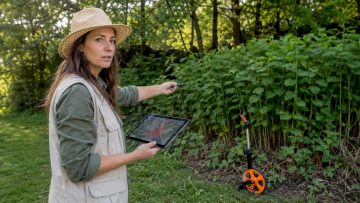
Woman photographing weeds on rural land survey

Step two: Commission a specialist survey. A professional survey maps the extent of any infestation, identifies the species present, and documents the rhizome network where relevant. This is the foundation of any management plan and is often required by mortgage lenders where invasive species are suspected.

Step three: Select and layer your treatment methods. Based on survey findings, choose a combination of methods appropriate to the species, site conditions, and environmental sensitivities. The table below outlines how different methods compare across key criteria.

Infographic showing four rapid weed control steps

Method Speed of result Environmental impact Best suited to
Manual removal Fast for small infestations Low Early-stage, accessible sites
Cultural controls Slow, long-term Very low Prevention and landscape restoration
Herbicide application Moderate Moderate to high Licensed species, non-sensitive sites
Thermo-electric treatment Progressive, multi-session Very low Sensitive sites, chemical-free requirements
Excavation Immediate Moderate (disruption) Severe infestations or development sites

Step four: Monitor and follow up. Rapid response is not a single event. The invasion curve demonstrates that sustained suppression requires repeated monitoring across multiple growing seasons. Schedule inspections in spring and late summer to identify any resurgence and respond before it escalates.

Legal and environmental considerations also apply. Allowing invasive species such as Japanese knotweed to spread to neighbouring land or a controlled watercourse can result in legal liability under the Wildlife and Countryside Act 1981. Understanding your obligations and engaging a qualified specialist protects both your property and the surrounding environment.

My perspective on what actually works

In my experience, the biggest misunderstanding about fast response weed solutions is the belief that speed alone is the objective. Property owners often contact specialists in a reactive state, having noticed knotweed growth metres from a boundary wall or received a mortgage condition flagging an invasive species survey. The urgency is real, but rushing the treatment without a plan is how small problems become expensive ones.

What I have seen work consistently is a layered approach that starts with a thorough survey and builds outward. The survey tells you what you are dealing with. The management plan tells you how to sequence your response. And the follow-up monitoring is what actually secures the result over time.

I would also push back on the assumption that chemical-free treatment is inherently slower or less effective. Thermo-electric treatment, in particular, has demonstrated progressive depletion of rhizome energy reserves across treatment cycles, without the regulatory constraints or environmental risks associated with herbicide use. For sites near water, in protected areas, or where there are concerns about chemical exposure, it is often the stronger choice. The role of a knotweed specialist is precisely to help you navigate these decisions with accuracy rather than assumption.

My consistent advice to homeowners is this: act before you can see the problem clearly. By the time a knotweed stand is visible and established, the window for low-cost eradication has already narrowed considerably.

— Alan

How Japaneseknotweedagency supports your response plan

If you are dealing with a suspected invasive weed infestation, or simply want to know the current status of your land before buying, selling, or developing a property, Japaneseknotweedagency offers the specialist support you need.

https://japaneseknotweedagency.co.uk

Japaneseknotweedagency carries out professional eradication surveys across England, Wales, and Ireland, providing property owners with accurate species identification, rhizome mapping, and a clear treatment pathway. Where chemical-free treatment is preferred or required, the agency’s thermo-electric treatment delivers up to 5,000 volts directly to the plant’s root network, depleting stored energy over successive sessions. The benefits of chemical-free control are particularly relevant for mortgage-sensitive properties and environmentally protected sites. Japaneseknotweedagency also provides root barrier installation and excavation services where the situation demands immediate physical intervention. To take the first step, book a survey and receive a clear, evidence-based assessment of your property.

FAQ

What is rapid response weed management?

Rapid response weed management is a proactive strategy that combines early detection, layered control methods, and ongoing monitoring to stop invasive weeds before they become established. It goes well beyond simply removing visible growth and requires a planned, sequential approach.

How quickly does weed management need to begin to be effective?

The sooner treatment begins, the greater the chance of full eradication. Detecting and treating 1 to 5 plants can cost 90 to 95% less than managing a full infestation, and success rates drop significantly as infestations grow.

Can I manage Japanese knotweed myself without chemicals?

Small, early-stage infestations may be partially addressed through careful manual removal, but Japanese knotweed’s extensive rhizome network makes DIY eradication highly unreliable. Thermo-electric treatment, carried out by specialists, offers an effective, chemical-free alternative with a documented success rate.

How often should I monitor my property for invasive weeds?

At minimum, inspect your land twice during the growing season, in early spring and late summer. If a known infestation has been treated, monitoring should continue across multiple growing seasons due to the persistence of seed banks and rhizome fragments.

Does invasive weed presence affect my mortgage?

Yes. Mortgage lenders frequently flag Japanese knotweed and other invasive species as material risks. A professional survey and a documented management or eradication plan are often required as conditions of lending, particularly when selling or purchasing a property with a known infestation.

Top 4 常见入侵植物根除对比 服务供应商 2026

入侵植物对住宅和土地造成法律风险、估值损失和生态破坏是物业管理中长期无法回避的问题。现有治理方法常常缺乏公开配方、操作细节或法律证明,导致采购方难以直接判断安全性和后续保障能力。本文比较不同供应商和产品在生物安全、工程保证与法律支持等方面的差异,帮助你根据具体场景选择最适合的入侵植物控制方案。

目录

Japanese Knotweed Agency

https://japaneseknotweedagency.co.uk

概览

供应商宣传其使用无化学品的热电技术,对入侵根系进行高温处理以实现根除,这一点在同类服务中最为显眼。机构同时提供根障安装、挖除和物业调查,覆盖英格兰、威尔士与爱尔兰。

该概览说明了一个可供选择的化学替代方案。若你优先考虑环境影响,这值得进一步评估。

核心服务

日本结缕草识别与现场评估是最先提供的服务项目。评估后可执行基于热电方法的根系处理,或安排根障的安装与土方挖除工程。

此外提供法律咨询与理赔支持,并维持一个全国性登记系统用于定位英格兰与威尔士的侵染点。服务链条从调查到法律支持一体化。采取下一步行动前,先预约现场评估。

关键差异点

最关键的区别在于其声称的专有热电根除技术,并且对清除工作提供10年质保,根障安装则有更长的保证承诺。该组合把物理性处理、长期保证与法律支持放在同一套服务里。

如果你需要一个能同时给出工程保证和法律文书支持的供应商,上述这一点很有吸引力。

优点

  • 专注于无化学品处理,适合对邻里环境或宠物安全有要求的住宅业主。此点对注重长期环境影响的房主尤其重要。

  • 对清除工作提供10年保证,为后续房产交易或保险理赔提供可引用的凭证。该保证适用于清除工程而非所有附加服务。

  • 包含法律支持与保险理赔协助,方便在房产纠纷或估值受影响时获取专家报告和书面意见。这对于买方尽职调查很实用。

  • 提供根障安装与挖除工程,并对根障承诺长期保障,适合需要结构性修复的场景。若你计划长期持有物业,这一项具备吸引力。

  • 在英国与爱尔兰有覆盖,便于需要跨地区评估或多处物业管理的专业人士调用服务网络。

这些优点使得项目不只是一次性清除,而是面向产权保护的整套解决方案。

缺点

  • 专项聚焦于日本结缕草及类似入侵种,不适合常规园林杂草的全面治理,若你的主要问题是多种普通杂草,这不是合适的廉价替代方案。

此限制意味着在预算有限且问题非侵入种时,应考虑更通用的服务提供者。

适合人群

面向英格兰、威尔士与爱尔兰的房主、购房者与房产专业人士,尤其是担心结缕草带来法律或估值问题的群体。若你偏好化学以外的处理方式且愿意为保证与法律支持付出更高成本,这家机构更符合需求。

建议在购房前将其列入现场调查候选名单。

独特价值主张

热电处理加上10年清除保证与法律支援构成其独到之处。与单纯喷洒除草剂的承包队不同,这套方案把根系破坏、工程保证与后续法律文件合并,为房产权保护提供可追溯的证据链。

如果你的目标是将结缕草问题转化为可证明的修复记录,这种服务模式改变了施工后的可追责性与理赔路径。

实际案例

一位房主在后花园发现大片结缕草,委托免费现场评估后选择热电根除与根障安装。工程完成并出具报告,房主随后在卖房时引用该报告减少了估值争议并获得了保险理赔支持。

这个案例展示了从发现、治理到法律证明的一体化流程。

定价

供应商资料列为信息说明性质,未公开标准化价格或套餐。通常此类现场密集型工程按项目定价,受侵染面积、挖掘范围与法律服务需求影响较大。

建议先申请现场评估以获得具体报价和工程范围说明。

网站: https://japaneseknotweedagency.co.uk

Invas BioSecurity

https://invasivespecies.ie

快速概览

Invas BioSecurity 的宣传资料称在入侵物种控制领域拥有超过20年经验,这点出现在他们面向政府和私人客户的项目简介中。

该公司同时强调土地和水体双线作业,提供从咨询到现场消毒和栖息地修复的一体化服务。

核心服务

  • 入侵植物与水生物种控制,覆盖 Japanese Knotweed、Himalayan Balsam、Giant Hogweed 与藻类。
  • 生物安全产品供应,包括厂商标注的病毒消毒剂及相关用品。
  • 环境咨询与监测,为项目设计长期管理与恢复方案。
  • 现场清洁与消毒服务,提供事故或施工后的污染控制。
  • 栖息地修复与长期管护计划,结合化学与物理方法。

差异化优势

该公司在资料中强调其基于科学的定制方案,面向需要长期控制和生态恢复的项目。该定位让它更适合需要监测数据与逐年管理计划的委托方。

面向政府机构的经验是另一项卖点。多年来参与过县级和跨境项目,这一点在他们的服务对象描述中可见。

优点

  • 深厚领域经验。多年项目记录让他们在水陆两类入侵物种应对上显得成熟,适合复杂场地。

  • 方案个性化。会把化学与物理措施、监测与修复组合成逐年执行的管理计划。

  • 成套生物安全能力。既能供货病毒消毒剂,又能做现场消毒与清洁,减少协调环节。

  • 面向公共部门。资料中提到为地方当局和国家机构服务,行政合作与合规处理经验明显。

  • 以预防为导向。项目设计常包含围堵与长期监控,降低复发概率。

缺点

  • 未公开定价。公开资料没有收费表,估价通常按项目定制,增加前期不确定性。

  • 方法细节有限。网站与简介对具体控制方法和成功率披露较少,外界难以评估疗效差异。

  • 大规模挖掘代价高。若采用挖掘清除,客户需承担较高成本与现场扰动风险。

何时不合适

当你需要透明的即时报价或固定包年服务时,Invas BioSecurity 不是最方便的选择。

如果项目高度依赖短期快速结果且无法接受长期跟踪或大规模土方作业带来的干扰,应考虑其他更标准化的服务供应商。

适合对象

适合寻求专业生态咨询与长期入侵物种管理的地方当局、土地所有者与环境机构。私人业主也适用,但预算需能覆盖定制化项目报价。

实际案例

供应商举例说明:一处地方当局委托 Invas BioSecurity 在河岸处控制 Japanese Knotweed,结合化学处理与栖息地修复,以防止侵蚀并恢复本地植物群落。

在类似河岸工程中,该团队还负责后期监测与再处理计划,减少复发风险。

定价

公开信息写明为信息性展示,未列出标准费率。通常按项目规模与方法复杂度报价,前期现场评估后给出估价单。

网站: https://invasivespecies.ie

Invasive Plant Control, Inc.

https://invasiveplantcontrol.com

概览要点

自1997年专注于入侵物种管理,Invasive Plant Control, Inc. 在其资料中称自己为美国私人领域的领先者之一,长年在生态修复现场提供机械、化学与生物方法的组合服务。 该公司同时举办会议并开发在线工具,适合需要项目化支持的组织。

联系他们前,先准备好项目范围与目标生态类型。

核心功能

  • 机械与化学方法:现场手工清除、重型机械作业与有针对性的化学处理相结合,按生态位调整操作节奏。
  • 生物防治:在可行情形下引入自然敌对者以压制入侵种群,配合长期监测计划。
  • 教育与资源:面向社区与专业人员的培训、指南与参考资料库。
  • 环境咨询:为修复项目提供方案设计、风险评估与监管沟通支持。
  • 在线工具开发:为机构级用户定制监测与管理辅助工具。

在初次咨询时,明确希望的交付物和监测周期。

关键差异化

该机构的核心卖点是专注单一领域并有多年现场经验。这种单一聚焦让其方法更具针对性,团队在不同生态系统中形成了可复制的现场流程。 该定位适合需要长期、现场驱动解决方案的机构采购。

如果你需要按项目计费的现场专家,这是合适的起点。

优点

  • 专业聚焦。对入侵植物管理的长期实践让团队能提出基于场景的处置方案,适合受保护区或大尺度修复工程。

  • 服务多样。现场治理、咨询与教育并行,便于把治理、监测与社区动员整合成一个项目包。

  • 社区与专业网络。通过会议与活动,他们能为项目匹配志愿者和地方合作伙伴,降低招募成本。

  • 有资料支撑。发布的指南和参考资料有助于项目方编写管理计划和合规文件。

  • 可开发在线工具。对于需要自定义监测仪表板或数据输入界面的机构,这是一个额外价值点。

这些优点对承担长期治理责任的机构尤其有用。

缺点

  • 非软件产品。它不是一个自助式SaaS平台,项目交付以现场作业和咨询为主,适合机构委托而非个人自助。

  • 价格不公开。公开报价缺失意味着采购前要投入更多时间获取定制报价和工作范围说明。

  • 可能的采购周期较长。大型现场工程通常需要预先勘察、环评与合同安排,时间开销不可忽视。

不适用情形

如果你是寻求按月订阅的在线管理工具或希望自行通过软件持续管理小规模物业,这家公司并不匹配。 他们的服务偏向项目化、现场执行与咨询,不适合需要即时自助平台或低成本DIY方案的个人房主。

小型物业主更适合查找本地承包商或社区培训资源。

适合谁

适合负责生态修复的机构、区域性土地管理部门与政府机构,以及需要把治理、监测和社区动员打包外包的大型保护区项目团队。 也适合那些希望把教育和志愿者动员纳入长期管理计划的项目负责人。

在接洽时,准备好项目背景资料和预期时间表。

实际应用示例

一个国家或区域级土地管理团队委托 Invasive Plant Control, Inc. 执行受保护自然区的大规模入侵植物清除与生态修复。 项目包含前期调查、机械清除、生物防治试点与两年监测协议。

建议先安排现场踏勘并要求分阶段工作书以便纳入预算审批。

网站: https://invasiveplantcontrol.com

Premise 200 SC

快速概览

该产品的营销材料称 Premise 200 SCBayer 与其 Envu 部门支持,且自称拥有超过50年环境科学经验。网站页面本身缺少具体配方与应用细节,更多呈现公司使命与适用领域。

该背景让采购方对品牌与研发力量有可引用的论据,但不提供独立的性能数据或价格信息。

核心特点

产品资料强调以科学为导向,适用于害虫防治、蚊虫管理、林业与草坪维护等多个场景。资料表明其被定位为环境健康与可持续实践的一部分,而非单点消费品。

文案列出的重点是企业级的研究支持和跨领域应用场景,具体的施用方法、安全数据表或认证记录在所提供页面上不可见。

差异化要素

Premise 200 SC 的卖点在于其所依托的企业背景。与小型供应商相比,它的市场定位更重视长期环境科学投入与合作网络,这在招标或政策审查时有参考价值。

不过这也是一个较窄的定位:品牌和研究背书明显,但网站未展示技术细节,购买前需要与厂方进一步沟通。

优点

  • 支持论据强:背靠 Bayer/Envu 的长期环境科学投入,为采购方提供可引用的品牌背景和研究声誉。

  • 适用面广:文案覆盖住宅、商业、工业与林地等多种使用场景,便于将该产品纳入综合治理计划。

  • 可对接专业服务:适合与商业害虫防治公司或景观维护团队配合使用,便于整合到现有IPM策略中。

  • 可用于可持续议题陈述:在要求环境责任的项目投标中,品牌承诺本身具备公关价值。

缺点

  • 关键信息缺失:网站内容缺少配方、施用浓度、环境风险评估和安全技术说明书,这妨碍现场评估和监管合规性判断。

  • 购买途径不明:页面未列出定价或经销渠道,需要直接联系厂方或授权经销商获取报价。

  • 证书与试验数据未公开:无法在页面上核实独立 efficacy 数据或区域适用的合规证明。

不适用的情况

若你的项目要求在投标文件中附上详细安全技术数据表、独立试验结果或即时可比价,Premise 200 SC 在当前网站信息下不适合直接作为唯一技术依据。

同样,如果你需要通过在线下单快速补货,该页面并未支持直接采购流程。

适用对象

适合商业害虫防治公司、林业与草坪维护承包商,以及需要将产品纳入综合害虫管理方案的地方政府部门或物业管理团队。

那些对品牌研究背景重视,而能接受与厂方沟通以获取技术资料的采购方,将从中获益。

实际应用场景

一家商业害虫防治公司在为大型商业园区制定年度防治计划时引用了该品牌的环境科学背景,作为投标文件中的一部分,并在中标后与厂方取得联系索取安全技术说明书和用量建议。

该案例显示品牌背书在公示和合规讨论中有用,但现场作业仍依赖后续的技术支持。

定价

页面标注为信息型内容,无公开定价或零售渠道。购买通常需要直接联系 Bayer 或其授权经销商以获取报价和订购条件。

网站: https://environmentalscience.bayer.com/pest-management/products/premise-200-sc

比较分析入侵植物控制服务

入侵植物的有效控制和根除需要选择合适的服务提供商与解决方案。以下是对本文中提到的几家主要供应商的比较分析,重点突出它们的不同特点及适用情境。

服务技术与覆盖范围

Japaneseknotweedagency.co.uk 的主打技术是其专有的无化学热电根除方法,同时提供全方位的法律支持和长期质保,适合希望保障后续产权的客户。然而,Invas BioSecurity 强调其在政府项目中积累的丰富经验,能够提供定制化的生态管理与栖息地修复方案,对需要大规模与长期项目实施的用户更有优势。对于特定生态系统的植物管理需求,Invasive Plant Control, Inc. 提供了长期监测和社区动员资源,特别适合与地方治理和教育项目结合。

定价透明度与简便性

在不同供应商的定价方面,Japaneseknotweedagency.co.uk 的定价基于现场评估后提供的定制报价,适合有特定且复杂需求的客户。而相比之下,Premise 200 SC 的信息缺乏透明度,其购买需要通过与厂商直接沟通的方式,可能对时间紧迫的采购方造成不便。

法律支持和后续管理

如果用户需要法律文书支持以解决因日本结缕草引发的估值争议,Japaneseknotweedagency.co.uk 提供的一站式支持体系是独特的选择。同时,为希望实现大规模生态恢复并降低长期植物复发风险的机构,Invas BioSecurity 的逐层防控与栖息地修复能力则更具吸引力。

最适合的选择

  • 强烈推荐Japaneseknotweedagency.co.uk:适合希望通过服务解决入侵植物问题并得到法律支持的房主和物业专业人士。
  • 如果需要处理多种入侵植物,并关注长期栖息地修复,Invas BioSecurity 是正确选择。
  • 在需要结合社区合作和教育项目的场景下,Invasive Plant Control, Inc. 是可选方案。
  • 对于具备大规模害虫综合治理需求的地方政府,Premise 200 SC 提供了适合的品牌保障。

我们的推荐

Japaneseknotweedagency.co.uk 凭借其专注的技术、法律支持和10年质保成为了推荐的第一选择。在关注环境影响、后续支持和结果可追责性的情况下,其服务展现出了极高的价值。但如果用户需要多区域长期规划管理,其他供应商可能提供更适合的方案。

常见入侵植物根除方案对比

以下比较表帮助您选择最适合需求的入侵植物治理方案,突出各自的关键特色以便决策。

产品名称 主要特点 适合场景 定价情况 显著限制
Japanese Knotweed Agency 无化学品热电技术 10年质保 社会覆盖广 追求环境友好的个人与机构 不公开 专注于日本结缕草 不适用普通杂草
Invas BioSecurity 科学驱动定制方案 强调长期控制与监测 地方当局与需全方位咨询及管护的项目 不公开 未公开成功率细节 对大规模挖掘项目成本较高
Invasive Plant Control 聚焦单一领域 提供教育与支持 生态修复机构与需要长期管理支持的客户 不公开 非软件服务 签约与评估流程时间较长
Premise 200 SC 品牌背景承载环境科研 综合虫害治理计划 不公开 缺乏效能与使用具体数据 需额外联系厂商获取信息

选择安全高效的日本结缕草根除方案

面对《Top 4 常见入侵植物根除对比 服务供应商 2026》中提到的环境风险与法律合规难题,Japaneseknotweedagency凭借独特的无化学品热电技术为您提供可靠解决方法。我们专注于通过高压电力破坏结缕草根系,不仅保护邻里和宠物安全,还能提供长达10年的工程保证。

https://japaneseknotweedagency.co.uk

点击访问Japaneseknotweedagency官方网站了解更多关于我们如何实现彻底根除和根障安装的专业服务。现在预约现场评估,获得针对您物业量身定制的治理方案。不要让入侵植物影响房产价值,立即采取行动,保障您的投资安全。

常见问题解答

日本结缕草处理的无化学品技术效果如何?

日本结缕草机构使用无化学品的热电技术来根除入侵植物。文章提到他们的热电方法被标注为有效且对环境影响小,因此如果你关注邻里环境与宠物安全,这将是一个适合的选择。
如需更多信息,建议进行现场评估以了解具体计划。

日本结缕草机构与Invas BioSecurity有什么不同之处?

Invas BioSecurity在入侵物种控制领域有超过20年的经验,尤其擅长长期生态恢复,而日本结缕草机构则专注于针对结缕草等个别入侵植物的根除和法律支持。
如果你的项目需要生态恢复和长期监测,Invas BioSecurity可能是一个更好的选择;反之,若你关注结缕草问题的法律及清除保修,选择日本结缕草机构会更为合适。

是否适合选择日本结缕草机构进行根障安装?

日本结缕草机构提供根障安装服务,并承诺对根障的长期保障,这适合需要结构性修复的物业。
如果你计划长期持有物业,这项服务将为你提供相应的保障,有助于提升物业的市场价值。

在预算有限的情况下,是否可以考虑日本结缕草机构?

日本结缕草机构的服务费用未有标准化报价,通常按项目定制,可能会影响预算安排。
如果你寻求经济实惠的解决方案,建议考虑更通用的入侵植物处理服务供应商。

日本结缕草机构的10年保障具体包括哪些内容?

日本结缕草机构对清除工作提供10年的保证,适用于根除工程而非所有附加服务。
这一保障为日后房产交易或保险理赔提供了凭证,有助于增强你的物业可信度。

推荐

Property survey checklist 2025: what buyers must know


TL;DR:

  • Buying a property or remortgaging in 2025 without a thorough survey risks expensive unseen defects and future costs. Selecting the appropriate survey level based on property age, condition, and risks ensures comprehensive inspection and stronger negotiation leverage. Utilizing detailed survey findings and specialist reports can significantly reduce post-purchase surprises and protect your investment.

Buying a property or remortgaging in 2025 without a thorough survey is one of the most expensive risks you can take. A well-structured property survey checklist 2025 does more than tick boxes. It protects your investment, reveals hidden defects before you exchange contracts, and gives you documented leverage in price negotiations. Many buyers still rely on a mortgage valuation alone, mistaking it for a genuine inspection, and pay dearly when structural problems surface after completion. This guide covers every stage of the survey process, from choosing the right level to understanding what surveyors actually check and how to act on their findings.

Table of Contents

Key takeaways

Point Details
Survey level matters Choose your survey based on property age and condition, not cost alone, to avoid serious oversights.
Mortgage valuations are not surveys Lenders’ valuations protect the bank, not you. Commission a separate survey for genuine buyer protection.
Condition ratings guide your response RICS traffic-light ratings help prioritise which defects need immediate action versus routine maintenance.
Specialist surveys fill the gaps Visual surveys cannot detect all risks. Japanese Knotweed, asbestos, and damp may require dedicated follow-on reports.
Survey findings support renegotiation Documented defects from a qualified surveyor give you credible grounds to reduce your offer or request repairs.

1. Essential criteria in your property survey checklist 2025

Before any survey takes place, the scope and level of inspection must reflect the specific characteristics of the property you are buying or remortgaging against. This is where most buyers go wrong. Selecting by price rather than complexity is one of the most common mistakes, and it routinely results in insufficient inspections on properties that genuinely needed more rigour.

Your 2025 property assessment list should begin with these criteria:

  • Property age and construction type. Modern homes built post-2000 with standard materials carry different risks than Victorian terraces or properties with non-traditional construction such as prefabricated concrete or timber frame.
  • Visible defects and alterations. Extensions, loft conversions, conservatories, and removed walls all affect structural integrity and require closer scrutiny than an unaltered property.
  • Purpose of the survey. A purchase survey needs to establish full condition. A remortgage survey may be narrower but should still address any visible concerns that could affect the lender’s security.
  • RICS survey levels. Three survey levels exist: Level 1 for newer builds, Level 2 for conventional homes, and Level 3 for older or substantially altered properties.
  • Specialist surveys. Where a surveyor flags concerns about damp, asbestos, subsidence, or invasive plants, commissioning specialist follow-on reports is not optional. It is prudent.
  • Technology in surveys. Reputable surveyors now use drones and thermal imaging cameras to inspect roof spaces, identify heat loss, and detect moisture behind walls without intrusive investigation.

Brief your surveyor before the appointment. Tell them about any areas of concern, known alterations, or specific risks such as proximity to watercourses where Japanese Knotweed is commonly found. A well-briefed surveyor conducts a more targeted inspection.

Pro Tip: Ask your surveyor directly whether they carry out invasive weed assessments as part of the inspection, or whether a specialist survey would be required separately. Do not assume it is included.

2. What a thorough home survey checklist covers

A professional survey is a visual and non-destructive inspection. Surveyors do not move furniture or drill into walls unless explicitly commissioned to do so as a separate service. Understanding this scope is critical because it defines what you will and will not learn from a standard report.

Structural components

The surveyor examines load-bearing walls, roofs, chimneys, foundations, floors, and ceilings. They look for signs of movement, cracking, sagging, or settlement that could indicate subsidence or structural compromise. Roof spaces are inspected where accessible, including rafters, purlins, and insulation levels.

Surveyor checking cracked foundation wall indoors

Services and utilities

Electrical wiring condition, boiler age and specification, plumbing systems, and drainage are all reviewed visually. It is worth noting that surveyors distinguish between checking and testing. Checking means visual observation only. Testing, such as electrical installation condition reports or CCTV drainage surveys, requires separate commissioning and additional fees.

Visible signs of common problems

Damp, condensation, rising moisture, rot in timber frames, and cracking in plasterwork all appear in the surveyor’s assessment. Each is rated using the RICS traffic-light condition rating system.

External features

Windows, doors, external render, gutters, downpipes, chimney stacks, fascias, and boundary walls are all assessed. Condition and age of double glazing units, signs of failed seals, and deteriorating pointing are recorded.

Garden and land assessment

This is where the property inspection guide 2025 diverges from older practice. In areas with Japanese Knotweed risks, a dedicated invasive plant survey is critical. Knotweed can push through tarmac, destabilise foundations, and directly affect mortgage lending decisions. A general surveyor may note a suspicion but rarely provides the specialist assessment that lenders and conveyancers require.

Pro Tip: If the property has a garden boundary near a railway embankment, riverbank, or brownfield land, treat Japanese Knotweed as a probable risk rather than a remote one and commission a specialist survey before you proceed.

The condition ratings used across all these elements follow RICS standards: Condition Rating 1 (green) means no repair needed, Rating 2 (amber) requires attention, and Rating 3 (red) signals a serious defect requiring urgent action.

Element inspected What surveyors assess Condition rating applied
Roof structure Rafters, tiles, flashing, chimney stacks 1, 2 or 3
Walls and foundations Cracks, movement, damp penetration 1, 2 or 3
Floors Deflection, rot in timbers, concrete condition 1, 2 or 3
Services Boiler age, wiring type, drainage visible condition 1, 2 or 3
Garden and grounds Boundary condition, invasive plants, drainage 1, 2 or 3

3. Comparing RICS Level 1, 2, and 3 surveys

Choosing the right level is the single most consequential decision in any real estate survey process. Getting it wrong at this stage means paying for a report that tells you far less than your property’s condition warrants.

Survey level Best suited to Typical cost Inspection depth
Level 1 (Condition Report) Modern homes, newer builds, straightforward properties £300 to £500 Visual overview, no advice on repairs
Level 2 (HomeBuyer Report) Conventional homes in reasonable condition £400 to £1,000 Detailed condition ratings, market valuation, rebuild cost
Level 3 (Building Survey) Older, altered, or complex properties £600 to £1,500 Comprehensive structural assessment, full repair advice

The Level 2 survey averages approximately £455 for a standard residential property and takes two to four hours on site. For most buyers purchasing a conventional semi-detached or terraced home built in the last 50 years, this level provides the balance of depth and cost that serves them well.

Older properties, listed buildings, or homes with alterations require a Level 3 survey. The additional expenditure is minor relative to the risk of missing structural issues that a Level 2 report would not examine in sufficient depth. A Victorian terrace with an extended rear addition, for example, could have compromised party walls, underpinned foundations, or unauthorised structural alterations that only a Level 3 investigation would capture.

The cost difference between Level 2 and Level 3 is minor relative to the potential cost of uncovered hidden defects. A Level 3 survey that costs £300 more than a Level 2 could identify £30,000 worth of structural remediation. That mathematics is straightforward.

Survey reports now integrate stronger commentary on energy efficiency, building safety, and climate risk, reflecting updated UK legislation. This makes the 2025 property evaluation criteria more far-reaching than surveys conducted even three years ago.

4. Using survey findings strategically

A survey report is not simply an information document. It is a negotiating instrument, a maintenance schedule, and a legal record. Here is how to use it effectively once you have it.

  1. Review Condition Rating 3 items immediately. These are serious defects requiring urgent action. Before proceeding to exchange, obtain specialist quotes for remediation and use those figures as the basis of a renegotiation with the vendor.
  2. Document all defects formally. Detailed survey findings support renegotiation. Submit a written request to the vendor’s solicitor citing the specific condition ratings and the cost estimates obtained.
  3. Commission follow-on specialist reports. Where the surveyor flags suspected damp, asbestos, or invasive plants, commissioning specialist reports following flags improves risk detection substantially and protects you legally post-completion.
  4. Stop relying on mortgage valuations. Mortgage valuations protect lenders, not buyers. They assess minimum lending security and will not detail structural defects or invasive plant risks.
  5. Plan your long-term maintenance. A Level 2 or Level 3 report effectively doubles as a prioritised maintenance schedule for the first five years of ownership. Use the amber-rated items to budget for work that will prevent them escalating to red.
  6. Act on invasive plant findings before exchange. If knotweed or other invasive species are identified, obtain a management plan and remediation costs from a specialist before you legally commit. You can read more about how surveys assess weed risks for homebuyers in detail.

Accurate survey level selection increases buyer leverage during price renegotiations and substantially reduces post-purchase surprises.

My perspective on using surveys effectively in 2025

I’ve seen buyers spend six months finding the right property and then make a £350 saving on their survey by selecting a Level 2 report for a 1920s terraced house with a rear extension, a converted loft, and no Building Regulations certificate for either. That is not a false economy. It is a genuine risk that no checklist can substitute for.

What I’ve learnt from working in invasive species assessment alongside wider property transactions is that specialist surveys are consistently underused. Buyers treat them as an optional add-on rather than a core part of due diligence. When Japanese Knotweed appears post-completion, the financial and legal consequences are significant. Lenders can withdraw mortgage offers on properties where knotweed is found without a compliant management plan in place. That is a binary outcome.

My view on survey cost is this: the relevant comparison is not between the Level 2 and Level 3 price. It is between the survey fee and the cost of what the survey might reveal. A £700 report that identifies £18,000 of required roof repairs before exchange is not an expense. It is precisely the kind of protection that the entire process should be built around.

Ask your surveyor specific questions. Ask them what they cannot see. Ask whether any elements they observed require specialist investigation. The best surveyors will tell you exactly where the limits of their visual inspection end.

— Alan

How Japaneseknotweedagency supports your property survey process

https://japaneseknotweedagency.co.uk

Japaneseknotweedagency provides specialist invasive plant surveys across England, Wales, and Ireland, giving homebuyers and homeowners the documented evidence they need before proceeding with property transactions. Where Japanese Knotweed or other invasive species are identified, the team delivers chemical-free knotweed solutions using thermo-electric treatment up to 5,000 volts, root barrier installation, and excavation works. Every survey report is prepared to a standard accepted by mortgage lenders and conveyancers. If your property survey has flagged invasive species concerns, or you want to manage that risk before it surfaces, book a professional survey with Japaneseknotweedagency today. For answers to common questions about knotweed and property, the Japaneseknotweedagency FAQ is a practical starting point.

FAQ

What is the difference between a survey and a mortgage valuation?

A mortgage valuation protects the lender’s security interest and does not provide a detailed assessment of property condition. A survey, commissioned independently by the buyer, identifies defects, condition ratings, and risks across the whole property.

Which RICS survey level do I need for an older property?

Older or altered properties generally require a Level 3 Building Survey, which provides the depth of structural assessment that Level 1 and Level 2 inspections do not cover.

Can a surveyor detect Japanese Knotweed?

A general RICS surveyor may note the visual presence of suspected knotweed but cannot provide the specialist assessment required by lenders. A dedicated invasive weed survey from a qualified specialist, such as those carried out by Japaneseknotweedagency, is required to satisfy mortgage conditions.

How long does a home survey take?

A Level 2 survey typically takes two to four hours on site, with the written report delivered within a few working days. A Level 3 survey on a larger or more complex property will take longer.

Can I use survey findings to renegotiate the purchase price?

Yes. Documented condition ratings and specialist cost estimates from a qualified surveyor provide credible grounds for requesting a price reduction or remediation works from the vendor before exchange.

What is holistic weed control for your garden?


TL;DR:

  • Holistic weed control uses cultural, mechanical, and biological methods to manage weeds sustainably without chemicals. It builds long-term garden resilience through practices like mulching, cover cropping, and timely weeding, fostering healthy soil and ecosystems. While slower than chemical options, it offers lasting results, especially for invasive weeds requiring professional intervention.

Most homeowners reach for a bottle of herbicide the moment weeds appear, assuming it is the fastest and most effective route to a tidy garden. What is holistic weed control, and why should it matter to you? Put simply, it is a science-grounded approach that manages weed populations using a combination of cultural, mechanical, and biological methods, reducing or eliminating the need for synthetic chemicals entirely. It treats your garden as a living system rather than a problem to be suppressed, and the results, when applied consistently, far outlast anything a single spray can deliver.

Table of Contents

Key takeaways

Point Details
Definition of holistic weed control It integrates multiple non-chemical methods to keep weed populations below damaging levels sustainably.
Mulching is highly effective A 3 to 4 inch layer of organic mulch can reduce weed emergence by up to 70%.
Multi-season commitment required Holistic methods build long-term resilience; they require monitoring and adjustment across growing seasons.
Soil health is foundational Addressing bare soil and compaction with cover crops shifts control from reactive to systemic.
Invasive species need professional input Resistant or invasive weeds such as Japanese knotweed require specialist surveys and chemical-free treatment.

What holistic weed control really means

Integrated weed management is a science-based process that aims to keep weed populations below harmful thresholds rather than pursuing total eradication. That distinction matters. The goal is not a sterile garden but a balanced one, where weeds do not dominate or reduce the productivity and health of your planting.

Holistic weed control draws on several interconnected principles:

  • Prevention: Stopping weeds before they establish by managing soil conditions, using certified weed-free compost, and avoiding unnecessary soil disturbance.
  • Monitoring: Regularly observing which weed species are present, at what density, and at which stage of their life cycle.
  • Cultural control: Dense planting, cover cropping, and crop rotation to reduce the opportunity for weeds to germinate and spread.
  • Mechanical control: Hand weeding, hoeing, and mowing at the right time and growth stage.
  • Biological methods: Using natural competitors and allelopathic plants to suppress weed growth without any chemical input.
  • Selective intervention: Reserving any chemical use strictly for situations where all other methods have proven insufficient.

This stands in direct contrast to the conventional approach, where synthetic herbicides are the first response rather than the last resort. That reliance has real consequences. Weeds reduce crop productivity by 34% on average, and widespread herbicide resistance now affects 273 weed species across 168 different herbicides. Holistic methods sidestep this resistance cycle entirely by targeting weed vulnerabilities at multiple points in their life cycle.

Pro Tip: When identifying weeds in your garden, note whether they are annual or perennial. Annuals are best tackled before they set seed; perennials require persistent removal of root systems across multiple seasons.

Practical organic weed strategies for your garden

Understanding the principles is one thing. Applying them in a residential garden requires specific, well-timed actions. The following integrated weed management practices are well suited to UK gardens and can be introduced gradually without disrupting your existing planting.

  1. Mulch generously and maintain it. A 3 to 4 inch layer of organic mulch, such as wood chip, bark, or composted straw, blocks the sunlight that weed seeds need to germinate. Mulching is the single most effective organic method for most vegetable and ornamental beds. Replenish it each spring and autumn as it breaks down into the soil.

  2. Plant densely with cover crops. Cover crops such as rye, clover, and buckwheat suppress weeds through shading and nutrient competition whilst improving soil fertility. In a garden context, low-growing ground cover plants serve the same function, occupying the space that weeds would otherwise colonise.

  3. Hoe at the right moment. Weeds are most vulnerable when they are at the white thread stage, just germinating beneath the surface. A sharp hoe used on a dry day severs those seedlings before they establish, and the sun desiccates them before they can re-root.

  4. Hand weed before plants set seed. A single nettle or dock plant can produce thousands of seeds. Removing plants before they flower breaks the seed bank cycle that makes weed pressure worse year on year.

  5. Consider soil solarisation for heavily infested beds. Covering bare soil with clear plastic sheeting during warm summer months raises soil temperature to 40 to 45°C, which kills up to 80 to 90% of weed seeds and soil pathogens without any chemical input. Leave the sheeting in place for four to six weeks for best results.

  6. Switch to drip irrigation where possible. Surface watering encourages weed germination across the entire bed. Drip irrigation reduces weed emergence by 15 to 35% by delivering water directly to plant roots rather than the open soil surface.

Pro Tip: Avoid tilling your soil unless absolutely necessary. Tilling brings dormant weed seeds to the surface, where light and warmth trigger germination. No-dig methods, combined with mulch layering, produce better long-term results and protect soil biology.

Managing expectations: holistic versus chemical methods

One of the most honest conversations to have about the benefits of holistic weed control is around timescale. Chemical herbicides produce visible results within days. Holistic methods build results over seasons. That difference requires a shift in how you think about success.

Factor Chemical herbicide approach Holistic weed control
Speed of visible results Days Weeks to months
Long-term effectiveness Declines with resistance Improves over time
Soil health impact Can degrade microbial life Actively improves soil
Environmental risk Herbicide residues, run-off risk Minimal to none
Cost over time Recurring product purchases Lower once practices are established
Suitability for invasive species May provide temporary suppression Requires specialist intervention

The challenges are real and worth acknowledging. Perennial weeds such as bindweed, ground elder, and horsetail have deep, regenerative root systems that demand persistent mechanical removal over multiple growing seasons. Most homeowners fail by treating weed control as a one-time event rather than a continuous management system.

There are also common mistakes that undermine otherwise good intentions. Landscape fabric is frequently used as a low-maintenance solution, but geotextiles break down and lose effectiveness over time, and they can interfere with soil biology. Thick organic mulch, replenished seasonally, consistently outperforms fabric both in weed suppression and soil health contribution.

The ecological gains are significant. Combined organic methods suppress weeds by up to 80 to 90% with no synthetic chemical use, building what researchers describe as self-regulating ecosystems. You are not just reducing weeds; you are creating conditions where your garden becomes progressively more resilient.

Infographic comparing holistic and chemical weed control

How to start holistic weed control in your garden

You do not need to overhaul your garden overnight. The most effective approach is to begin with a clear assessment and build your management practices methodically across the growing year.

  • Assess your current situation. Walk your garden and note which weed species are present, how established they are, and whether any show signs of rapid spread or deep root systems. Pay particular attention to anything resembling bamboo-like hollow stems or heart-shaped leaves, which may indicate Japanese knotweed or other invasive species requiring specialist assessment.

  • Test your soil. Weed pressure signals underlying soil health issues. Docks thrive in compacted, acidic soil; fat hen indicates nitrogen-rich, disturbed ground. Understanding your soil type and pH guides your cover crop choices and amendment strategy.

  • Plan a seasonal calendar. Spring is the time for mulch application and early hoeing. Summer is ideal for solarisation and dense planting. Autumn rewards cover crop sowing and organic matter addition. Winter involves clearing any remaining annual weeds before spring germination begins.

  • Choose appropriate mulches for UK conditions. Bark chip works well in borders and around shrubs. Composted wood chip suits vegetable beds. Straw mulch is cost-effective for larger kitchen gardens. All perform best when applied thickly and refreshed regularly.

  • Monitor consistently. Diversified strategies reduce weed density by 20 to 60% over three to five years, but only when applied with regular observation and adjustment. Keep a simple garden journal noting which methods work best in each area of your plot.

  • Seek professional advice for resistant or invasive species. Not every weed responds to standard chemical-free weed eradication practices. Invasive species, in particular, require specialist identification and treatment programmes that go well beyond standard garden management.

Pro Tip: The best time to hand weed is the day after rain, when soil is moist but not waterlogged. Roots release far more cleanly from damp soil, reducing the risk of leaving fragments behind that would regenerate.

My perspective on holistic weed control

Woman weeding in moist garden after rain

In my experience working with homeowners and surveyors across England, Wales, and Ireland, the same misunderstanding surfaces repeatedly. People equate speed with effectiveness. They see chemical herbicides as the professional choice and manual or ecological methods as the amateur alternative. That assumption is, frankly, the wrong way round.

What I have observed across years of working with difficult, persistent plant species is that chemical suppression rarely addresses root cause. Quite literally. A perennial weed cut back with herbicide at the surface still has an extensive root or rhizome network beneath the soil, often depleted but not destroyed. When conditions improve, it recovers.

Holistic methods, applied with consistency and knowledge, shift the balance at a systemic level. Dense planting, healthy soil biology, and well-timed mechanical removal collectively remove the conditions weeds depend on. The garden stops being a space that requires constant intervention and begins to self-regulate.

What I would also say to any homeowner is this: know your limits. Allelopathic crops like oilseed rape release natural compounds that inhibit weed germination, which is a fascinating and underused strategy. But when you are dealing with Japanese knotweed, giant hogweed, or Himalayan balsam, you are outside the territory of garden management and into the domain of specialist invasive species control. The ecological approach still applies; the methods and expertise required are substantially more advanced.

— Alan

Professional help for invasive weed challenges

https://japaneseknotweedagency.co.uk

Holistic weed control gives most gardens the tools they need to manage common weeds without reaching for chemicals. For invasive species, the stakes are considerably higher. Japanese knotweed, for example, can penetrate building foundations and carries serious implications for property surveys and mortgage lending. Early identification is the single most important step you can take.

Japaneseknotweedagency specialises in chemical-free treatment and eradication of Japanese knotweed and other invasive plant species across England, Wales, and Ireland. Using thermo-electric treatment delivering up to 5,000 volts directly to the rhizome network, the team causes internal cell damage and progressively depletes the plant’s energy reserves without a drop of herbicide. Root barrier installation and excavation works are also available where appropriate. If you have any concern about an unidentified or fast-spreading weed on your property, book a professional survey as your first step. You can also explore Japaneseknotweedagency’s chemical-free knotweed solutions with a 95% success rate.

FAQ

What is holistic weed control in simple terms?

Holistic weed control is the practice of managing weeds using a combination of cultural, mechanical, and biological methods rather than relying on synthetic herbicides. The goal is to keep weed populations below damaging thresholds whilst preserving soil health and ecological balance.

What are the main benefits of holistic weed control?

The benefits include improved long-term soil health, no herbicide residues, reduced weed resistance issues, and lower ongoing costs. Combined organic methods can suppress weeds by up to 80 to 90% when applied consistently across multiple seasons.

How long does holistic weed control take to work?

Results build progressively over one to three growing seasons. Unlike chemical herbicides, which act rapidly but may lose effectiveness over time, integrated weed management practices improve in effectiveness as soil health and planting density increase.

Can holistic methods control Japanese knotweed?

Standard garden-based holistic methods are not sufficient for Japanese knotweed, which requires specialist treatment due to its extensive rhizome network. Japaneseknotweedagency offers chemical-free thermo-electric treatment that targets the plant’s root system directly, without herbicide use.

Is mulching alone enough for effective weed control?

Mulching is highly effective as part of a broader programme, with a 3 to 4 inch mulch layer preventing germination in most beds. However, perennial weeds with deep root systems require mechanical removal alongside mulching for sustained control.

2026年侵入性物种法律解读:土地拥有者必读指南


TL;DR:

  • 随着法律法规的逐步完善,擅自引入和处理外来入侵物种将承担更严厉的法律责任。土地拥有者必须主动采取合规措施,及时记录证据,避免因不作为而承担赔偿责任和刑事风险。加强法律意识和执行标准,对于保护生态环境和自身权益至关重要。

许多土地拥有者至今仍以为,只要不主动扩散,院子里那几株"漂亮的外来植物"不会引发任何法律问题。这一认知在2026年已经彻底过时。随着《生物安全法》与《外来入侵物种管理办法》的深度衔接,以及刑法第344条之一司法解释的落地,侵入性物种法律解读已成为土地拥有者、环境保护者和法律从业人员的必修课题。本文系统梳理现行核心法规、典型案例与合规风险管理策略,帮助您真正读懂这套法律体系的实际约束力。

目录

核心要点

要点 详情
刑事责任门槛明确 非法引进、释放、丢弃外来入侵物种,情节严重者依刑法第344条之一追究刑事责任。
行政处罚上限提高 2026年新政规定,未经批准引进名录内物种最高罚款25万元人民币。
土地拥有者承担主动义务 发现入侵物种须采取合规清除措施,否则可能面临生态赔偿连带责任。
证据留存至关重要 合规操作的书面记录是责任划分争议中的关键抗辩材料。
清除须遵循技术规范 擅自采用不合规处理方式同样可能触发法律责任,专业方案更为稳妥。

侵入性物种法律解读:核心法规框架

《生物安全法》与《外来入侵物种管理办法》

中国目前规制外来入侵物种的法律体系以《生物安全法》为基础,辅以农业农村部、国家林业和草原局联合发布的《外来入侵物种管理办法》,形成从预防、监测到治理的全链条规制格局。《生物安全法》明确要求对外来物种实施风险评估,任何单位和个人未经批准不得擅自引进、释放或丢弃外来物种。

2026年新出台的《口岸重点管控外来物种名录》进一步强化了口岸管控力度。未经批准引进名录内物种将被没收,并处5万元以上25万元以下罚款,情节严重者移送司法机关追究刑事责任。这一处罚标准的提升,标志着侵入性物种法规的执行强度进入新阶段。

刑法第344条之一的适用

刑法第344条之一专门针对生物入侵行为设立罪名。情节严重者入刑,最高可判处七年有期徒刑。司法解释将"情节严重"界定为:造成较大生态破坏、多次实施违法行为、引进的物种已在野外扩散等情形。值得注意的是,该条款的规制对象不限于商业行为,个人饲养的"异宠"若被随意丢弃并在野外存活,同样可能触发刑事责任。

专业提示: 如果您计划从境外引进任何动植物品种用于科研或养殖,务必事先向农业农村部申请审批,保存完整的审批文件和检疫证明,这是规避法律风险的第一道防线。

2026年政策调整要点

法规层面 2025年以前 2026年新规
口岸管控名录 尚未正式建立专项名录 21类重点管控外来物种纳入名录
最高行政罚款 5万元以下 最高25万元人民币
刑事司法解释 原则性规定,适用标准模糊 明确情节严重认定标准,实务可操作性提升
生态赔偿机制 分散在各部门规章中 强调生态修复优先,第三方责任强化

典型案例与司法实践解析

全国首例非法引进外来物种案

2023年宣判的国内首例非法引进外来物种刑事案件,被告人从境外私自购入并释放了多种外来鱼类,导致当地水域生态系统受损。法院依照刑法第344条之一,结合司法解释的操作标准认定被告行为构成"情节严重",最终判处有期徒刑并处罚金。该案的标志性意义在于,司法机关首次将个人私自放生行为纳入刑事追责范畴。

有关部门正在查处非法向河湖等水体投放生物的行为

司法认定"非法"行为的关键依据

司法机关在判断某一行为是否构成"非法"时,主要考量以下几个维度:

  • 审批文件缺失:无论引进目的是科研、观赏还是养殖,未持有主管部门颁发的审批文件,即构成非法引进的基础要件。
  • 物种扩散程度:引进物种是否已在自然环境中建立种群,是判断危害程度的核心指标。扩散面积越大,入侵物种影响越严重,量刑也相应从重。
  • 主观过错认定:故意丢弃与过失遗漏在法律责任承担上存在明显差异。故意行为在刑事层面受到更严厉追究,过失行为则更多通过行政处罚和民事赔偿处理。
  • 屡次违法记录:有违法前科者,司法机关通常认定情节严重,适用加重处罚。

生态赔偿与责任划分的实务难点

生态赔偿核算在诉讼实践中长期缺乏统一标准。生态服务损害估价常凭经验,法院对鉴定意见的采信存在较大弹性空间,这为辩护方提供了一定的抗辩余地。另一方面,过度索赔会被法律否定,赔偿数额须以实际修复成本为依据,这也要求权利主张方提交充分、可量化的损失证明。

侵入性物种的法律责任与风险管理

责任类别与承担主体

入侵植物法律责任分为行政责任、民事责任和刑事责任三个层级,不同责任的触发条件和承担主体各有侧重。

  1. 行政责任:由违法行为人直接承担,包括罚款、没收违法所得及责令清除入侵物种等。土地拥有者若发现其土地上存在入侵物种而不作为,同样可能被认定为违反管理义务。
  2. 民事责任:适用于因入侵物种扩散导致他人财产受损或生态利益受损的情形。法律对外来物种的规定中明确了生态修复优先原则,无法修复的方才折算金钱赔偿。
  3. 刑事责任:仅针对情节严重的非法引进、释放或丢弃行为,自然人和单位均可成为追责对象。

轻微侵害与严重侵害的区分

轻微侵害通常指物种尚未在野外建立种群、影响范围有限,一般适用行政罚款处理。严重侵害则指扩散面积大、已对当地生物多样性造成明显损害,或存在故意多次违法情节,此时刑事追责的可能性大幅提升。在实际操作中,尽早向主管部门报告并配合清除,是压低违法情节认定级别的有效策略。

专业提示: 土地拥有者在发现疑似入侵物种时,建议立即拍照记录、GPS定位,并书面通知当地农业或林草主管部门。这一步骤看似简单,却是日后责任划分的关键证据,也是环境合规证据留存实务建议的核心要求之一。

常见法律误区

许多土地拥有者存在一个根深蒂固的误区:认为只要是"清除"入侵物种就不会有法律问题。事实上,若清除方式不当,例如将带有种子或根茎的植物体随意丢弃在公共绿地,反而可能触发新的传播责任。此外,部分地方法规对特定物种的清除作业有专项技术规范,违反规范作业同样可能承担行政责任。了解并遵守合规清除技术规范,是规避这一风险的根本路径。

法规对生态保护和土地使用的影响

生态红线区域的特殊管控

生态保护法律对自然保护区、湿地保护区等生态红线区域的入侵物种管控标准明显高于一般区域。在这些区域内,任何可能引入或扩散外来物种的活动均须经过专项环境影响评价,违规行为面临的处罚力度也更重。土地非法占用与入侵物种治理的交叉问题在这一领域尤为突出。耕地保护案件的大量审结表明,涉及生态红线的违法行为正受到行政与司法的双重高压。

生态保护红线与一般区域管控对比一览图

互花米草动态清零目标与法律驱动机制

我国已将2030年实现互花米草动态清零列为国家生态目标,配套建立了"天空地"一体化监测体系和多级预警机制。这一目标的实现高度依赖法律的强制驱动,包括对地方政府的问责机制、对滨海土地开发活动的严格限制,以及对不履行清除义务主体的行政追责。

对于从事滨海土地开发或管理的专业人士,理解这一政策背景并将其纳入项目环境合规评估,已是不可回避的义务。同时,专家建议构建"防御—管控—清除"体系,推动国内法规与国际贸易规则接轨,也预示着未来生物多样性保护法的修订方向。

行政与司法双重监管趋势

2026年施行的"违建必罚,拒执必究"司法新规,已将涉及土地和生态的违法行为纳入更严格的行政与司法联动追责框架。实际占有人若拒不配合行政机关的清除指令,将直接承担法律后果,多维度法律责任的同步追究已成为执法常态。

我对当前法律执行困境的观察

在我多年从事入侵植物治理的实践中,最令我深刻感受到的矛盾,不是法律条文本身的缺失,而是"最先一公里"与"最后一公里"之间巨大的执行落差。监测预警体系在技术层面已相当先进,但基层政策落地存在明显瓶颈,地方执法人员对"异宠"引进与科研引种的审批细则普遍把握不清,土地拥有者往往在不知情的情况下就陷入了法律灰色地带。

我见过许多土地拥有者因为在清除植物时缺乏书面记录,而在后续的责任追究中处于极为被动的境地。留存证据这件事,听起来繁琐,但它真的是您在法律层面自我保护的最低成本手段。我真心期待未来的法规修订能够给基层执法人员更清晰的操作指引,也希望生态赔偿核算能建立统一的技术标准,减少诉讼中的不确定性。法律与治理技术的协同,才是应对生物入侵威胁的正确方向。

— Alan

专业入侵植物治理与合规服务

如果您正在处理土地上的入侵植物问题,或需要为房产交易提供合规证明,Japaneseknotweedagency 提供不依赖任何化学品的专业治理方案。我们采用高达5000伏特的热电技术,直接破坏根茎网络的细胞组织,实现彻底根除而不污染周边土壤和水体。

https://japaneseknotweedagency.co.uk

我们还提供覆盖 England、Wales 和 Ireland 的专业入侵植物实地调查服务,帮助土地拥有者和法律从业人员获取具有法律效力的调查报告,作为合规证明或诉讼证据。如果您想深入了解入侵植物对房产价值的影响,或需要解答治理过程中的具体疑问,欢迎访问我们的常见问题解答页面获取更多专业信息。

常见问题解答

非法引进外来物种最高罚款是多少?

根据2026年新政,未经批准引进口岸重点管控物种最高可处25万元人民币罚款,情节严重者同时承担刑事责任。

土地拥有者发现入侵物种后有何法律义务?

土地拥有者有义务采取积极措施防止入侵物种扩散,建议立即记录现场并书面通知主管部门,配合实施合规清除,以免因不作为承担连带责任。

个人"放生"行为是否受法律追究?

受法律明确约束。刑法第344条之一将非法释放外来物种纳入刑事责任范畴,个人私自放生属于"丢弃"行为,若造成生态损害且情节严重,可追究刑事责任。

生态赔偿金额如何计算?

赔偿金额须以实际生态修复成本为依据。过度索赔会被法院否定,建议委托专业机构出具可量化的生态损失评估报告,作为诉讼或协商的核心依据。

合规清除入侵植物需要哪些准备?

需事先了解当地主管部门对目标物种的清除技术规范,选择经认可的专业服务机构,全程保存操作记录和清除证明文件,避免因方式不当引发新的法律责任。

推荐