
Over 60 percent of British homeowners are unaware that Japanese Knotweed can reduce property values and even complicate sales. This invasive plant has become a serious concern across the United Kingdom, threatening everything from garden borders to building foundations. Learning how to assess and address knotweed early not only safeguards your investment but also helps you avoid expensive repair bills and legal headaches.
Table of Contents
- Stage 1: Assess Property For Knotweed Presence
- Stage 2: Engage A Professional Knotweed Survey
- Stage 3: Select A Chemical Free Eradication Method
- Stage 4: Implement Root Barrier And Control Measures
- Stage 5: Monitor Effectiveness And Verify Eradication
Quick Summary
| Key Point | Explanation |
|---|---|
| 1. Identify Japanese Knotweed Early | Conduct a visual inspection during the growing season to spot distinctive shoots and leaves, preventing extensive damage. |
| 2. Engage Qualified Professionals | Select accredited surveyors for definitive identification and management strategy, ensuring accurate mapping and recommendations for treatment. |
| 3. Opt for Chemical-Free Eradication | Use innovative methods like thermo-electric treatment to eliminate knotweed sustainably while protecting the surrounding ecosystem. |
| 4. Implement Root Barriers Effectively | Install professional root barriers to prevent knotweed’s spread while maintaining soil integrity and preventing structural damage. |
| 5. Monitor the Treatment Results | Conduct thorough inspections over two to three years to confirm eradication, documenting any changes and ensuring ongoing vigilance. |
Stage 1: Assess property for knotweed presence
Identifying Japanese Knotweed early is crucial for preventing extensive property damage. This initial assessment stage will help you spot potential signs of this invasive plant before it becomes a costly problem.
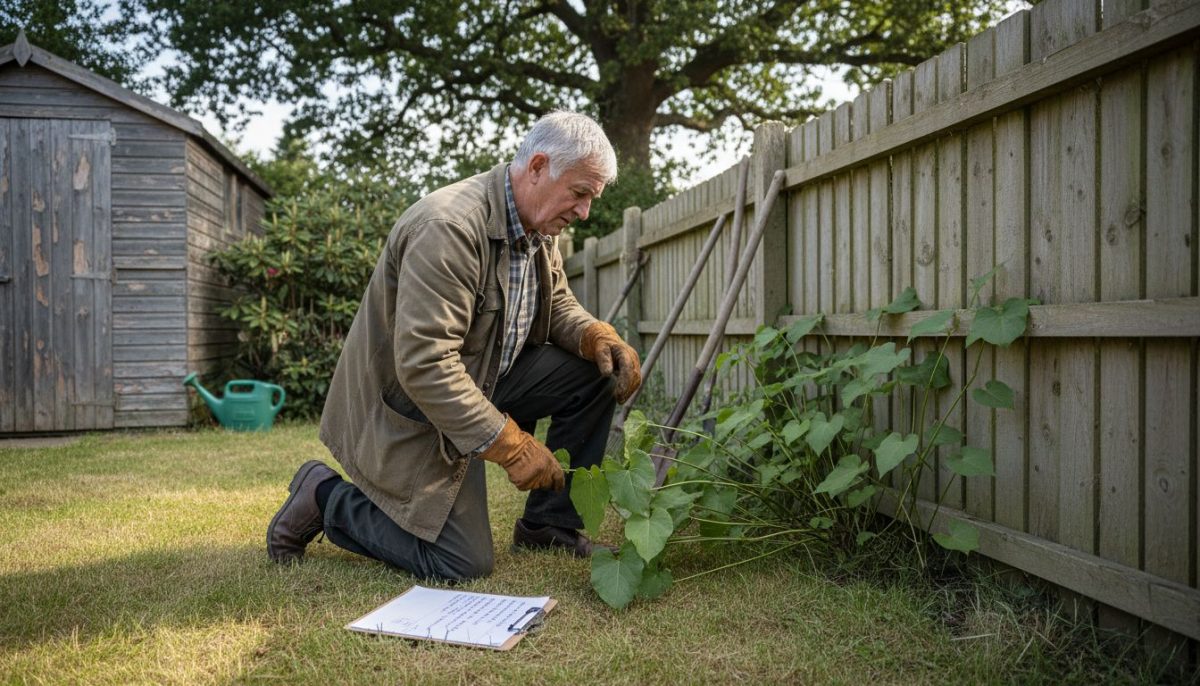
To effectively assess your property, start with a comprehensive visual inspection during the growing season. Look for distinctive characteristics such as fleshy red-tinged shoots emerging from the ground. These distinctive shoots typically appear in spring and can grow incredibly quickly. Japanese Knotweed has large heart or spade-shaped green leaves and produces clusters of cream flowers in late summer, making it relatively easy to identify with careful observation.
Property owners should pay special attention to areas near foundations, driveways, and garden borders where knotweed tends to emerge. The plant’s extensive root system can cause significant structural damage, so early detection is paramount. Professional surveys can provide definitive identification, but learning to recognize the telltale signs yourself offers an important first line of defence. When in doubt about a potential knotweed presence, photograph the suspected plant and consult a professional knotweed survey service for expert confirmation.
Warning: Never attempt to remove Japanese Knotweed without professional guidance, as improper removal can cause the plant to spread more aggressively.
If you suspect knotweed on your property, the next stage involves documenting its location and extent to prepare for targeted treatment.
Stage 2: Engage a professional knotweed survey
Engaging a professional knotweed survey represents a critical step in understanding and managing potential invasive plant risks on your property. This expert assessment will provide definitive evidence of knotweed presence and help you develop an appropriate management strategy.
When selecting a survey professional, look for experts who are qualified and accredited by recognised industry associations. Specifically, seek surveyors who are members of the Property Care Association (PCA), as they bring specialised expertise in identifying and assessing Japanese Knotweed. During the survey, these professionals will conduct a thorough site inspection, documenting the extent of knotweed growth, potential damage, and recommending targeted treatment approaches.
A comprehensive knotweed survey typically involves detailed visual examination, precise mapping of affected areas, and potential soil and root system analysis. The surveyor will provide a comprehensive report that not only confirms knotweed presence but also offers insights into potential spread and recommended mitigation strategies. Detailed survey reports can be crucial for property transactions, insurance claims, and developing an effective eradication plan.
Pro Tip: Always request a written survey report with photographic evidence and professional recommendations.
Once you have completed the professional survey, you will be equipped with expert insights to proceed with targeted knotweed management and treatment strategies.
Stage 3: Select a chemical free eradication method
Selecting a chemical-free eradication method for Japanese Knotweed is crucial for environmentally responsible and sustainable property management. Your goal is to eliminate the invasive plant while protecting the surrounding ecosystem and native plant life.
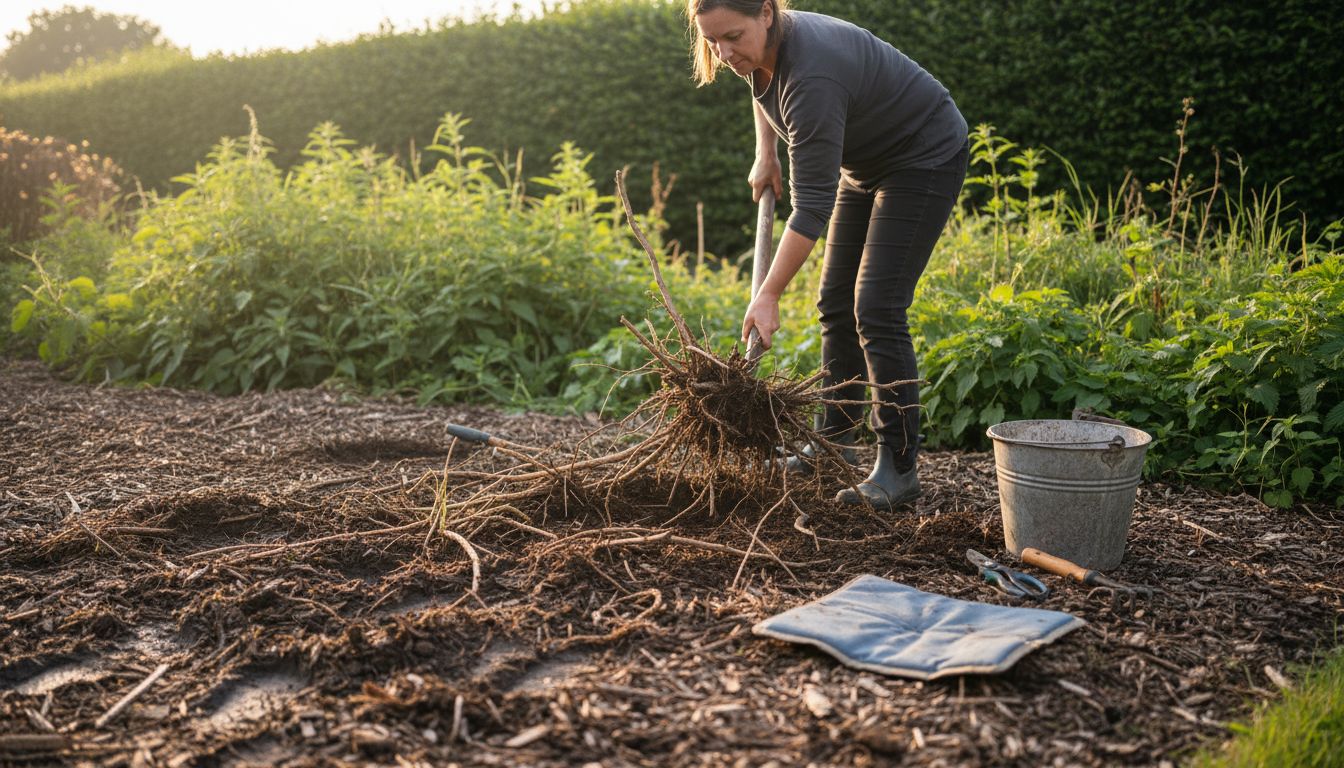
One innovative approach gaining recognition is thermo-electric treatment that destroys the plant’s cellular structure without using harmful chemicals. This method uses targeted electrical energy to disrupt the knotweed’s internal systems, effectively killing the plant while preserving soil health and surrounding vegetation. Another promising technique is the Roots Reset method, which offers a chemical-free approach allowing rapid natural regeneration and enables replanting within just five days of treatment.
When choosing a chemical-free eradication method, consider factors such as the extent of knotweed infestation, property size, proximity to other plants, and long-term environmental impact. Consult with professional knotweed specialists who can assess your specific situation and recommend the most suitable non-chemical approach tailored to your property’s unique characteristics.
Warning: Improper eradication techniques can cause knotweed to spread more aggressively, so always seek professional guidance.
After selecting and implementing your chosen chemical-free method, you will be ready to monitor and confirm the complete removal of Japanese Knotweed from your property.
Stage 4: Implement root barrier and control measures
Implementing robust root barrier and control measures is essential to prevent Japanese Knotweed from spreading and causing potential structural damage to your property. This strategic approach helps contain the invasive plant and protect your landscape from further contamination.
Root barriers provide a critical line of defence against knotweed’s aggressive underground network. Professional root barrier installations create physical obstacles that prevent rhizome migration and limit the plant’s potential to spread across your property. These barriers are typically constructed from high-density polyethylene materials designed to withstand root penetration and can be installed vertically or horizontally depending on the specific landscape requirements and extent of knotweed infestation.
When implementing root control measures, precision is key. The barrier must extend sufficiently deep into the ground to intercept the extensive root system, typically ranging from 2 to 3 metres. Professional installation ensures a seamless barrier that prevents root growth while maintaining proper drainage and soil integrity. Combining root barriers with targeted eradication methods creates a comprehensive approach to managing Japanese Knotweed and minimising potential property damage.
Warning: Incorrect installation can compromise the barrier’s effectiveness, potentially allowing knotweed to circumvent your control measures.
After implementing root barriers, continue monitoring the area to ensure long-term containment and prevent any potential regrowth of this persistent invasive species.
Stage 5: Monitor effectiveness and verify eradication
Monitoring the effectiveness of your Japanese Knotweed treatment is crucial to ensure complete eradication and prevent potential regrowth. This final stage requires consistent vigilance and systematic assessment of the treated area.
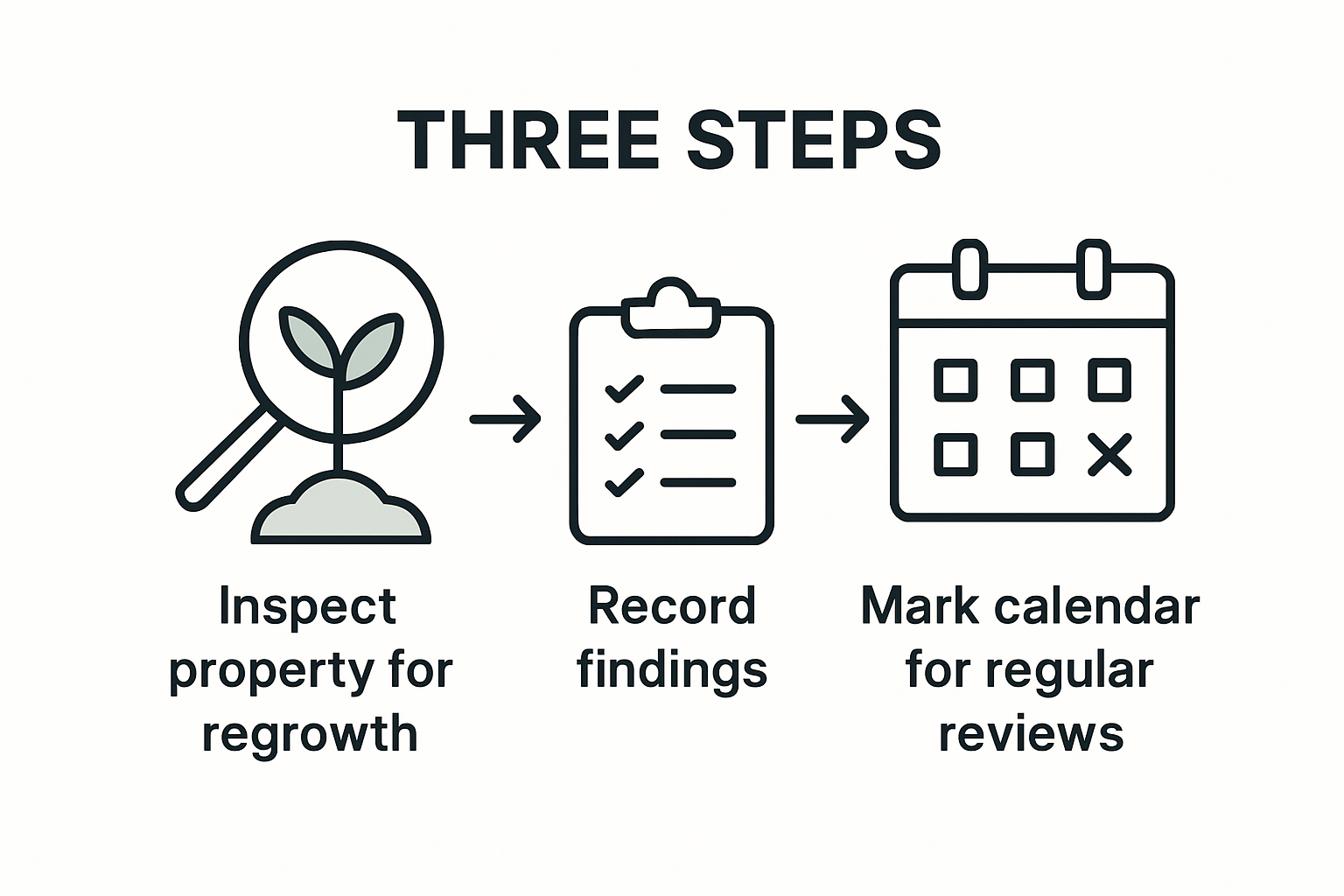
Property owners must conduct thorough inspections over two to three years to confirm successful knotweed elimination. During this monitoring period, carefully examine the entire treated area for any signs of new shoots, unusual plant growth, or potential rhizome resurgence. Keep detailed photographic records of the site, documenting any changes or potential regrowth. Fenland District Council emphasises that property owners bear full responsibility for controlling and preventing knotweed spread, which means maintaining vigilant observation even after initial treatment.
Create a structured monitoring plan that includes seasonal inspections during the growing season from spring through autumn. Look for characteristic knotweed indicators such as red tinged shoots, distinctive heart-shaped leaves, or any unusual ground disturbance that might suggest underground root activity. Professional follow-up surveys can provide additional expertise and confirm complete eradication, giving you peace of mind about your property’s treatment.
Warning: Never dispose of knotweed materials through composting or regular garden waste, as even small fragments can potentially regenerate.
Successful monitoring ensures your property remains knotweed-free and protects your landscape from future invasive plant challenges.
Protect Your Property with Proven Chemical-Free Solutions
Japanese Knotweed poses a serious threat to your property, causing structural damage and relentless regrowth if not managed carefully. If you are concerned about early detection and natural eradication methods like thermo-electric treatment or need expert assistance installing robust root barriers, do not let knotweed take control of your land. Japanese Knotweed Agency specialises in safe, chemical-free treatments that deliver direct energy to destroy invasive plants without harming your soil or native vegetation.
Take control of your property today with professional surveys and eco-friendly eradication methods designed specifically for long-term success. Visit Japanese Knotweed Agency to book a thorough property survey and explore sustainable root barrier installations that prevent future spread. Safeguard your home and garden with expert help now before the knotweed problem grows out of control.
Frequently Asked Questions
How can I identify Japanese Knotweed on my property?
Identifying Japanese Knotweed involves a visual inspection for distinct features such as fleshy red-tinged shoots that emerge in spring, large heart or spade-shaped leaves, and cream flower clusters in late summer. Conduct a thorough inspection of areas near foundations, driveways, and garden borders to spot these signs early.
What steps should I take if I suspect Knotweed is present?
If you suspect Knotweed on your property, document its location and extent before seeking professional help. Take clear photographs of the suspected plant, and consult a knotweed survey service to confirm its presence and plan the next steps.
What natural eradication methods can I use for Knotweed?
Chemical-free eradication methods include thermo-electric treatment, which disrupts the plant’s cellular structure, and the Roots Reset method, allowing for rapid natural regeneration. Research these methods and consult a professional before selecting the best approach for your property’s specific needs.
How do I implement root barrier measures against Knotweed?
To implement root barriers, engage professionals to install high-density polyethylene materials designed to block Knotweed’s rhizomes from spreading. Ensure the barrier extends 2 to 3 metres deep into the ground for effectiveness, helping to contain the invasive plant.
How often should I monitor for Knotweed regrowth?
Monitoring for Knotweed regrowth should occur regularly over a period of two to three years after treatment. Conduct thorough seasonal inspections during the growing season and maintain detailed photographic records to track any changes and confirm eradication.
What are the risks of improper Knotweed removal?
Improper removal of Knotweed can lead to its aggressive spread across your property, complicating future management efforts. Always seek professional guidance to ensure removal techniques are effective and do not exacerbate the problem.
Recommended
- How to Prevent Knotweed Spread Naturally in 2025
- 7 Key Reasons to Remove Japanese Knotweed Naturally
- How to Prevent Knotweed Regrowth Naturally: Step-by-Step
- Knotweed Eradication Workflow: Effective Chemical-Free Solutions
- Organic Pest Control Methods for Safe Pest Management
- 7 Essential Insights into What are Anti-Parasitic Herbs – Mahoney inter