Unwanted plants creeping into your garden or beneath your home’s foundations can quickly turn an exciting renovation into a real worry. For homeowners across England and Wales, Japanese Knotweed brings not just stress but also the potential for significant legal and financial trouble. This guide makes sense of invasive species laws, highlights safe, chemical-free options for tackling the problem, and explains how professional surveys protect your property, whether you are buying, selling, or remodelling.
Table of Contents
- Defining Invasive Species in the UK
- Legislation Governing Knotweed and Weeds
- Non-Chemical Control Methods Explained
- Property Surveys During Transactions
- Homeowner Legal Risks and Liabilities
Key Takeaways
| Point | Details |
|---|---|
| Invasive Species Definition | Invasive species in the UK are non-native organisms that negatively impact local ecosystems, with over 3,000 recorded species. |
| Legal Responsibilities | Property owners must adhere to strict legislation regarding invasive species management, particularly Japanese Knotweed, to avoid financial penalties. |
| Non-Chemical Control Methods | Sustainable, non-chemical strategies for controlling invasive species are encouraged, focusing on methods like hand-pulling and mechanical removal. |
| Property Surveys Importance | Professional invasive species surveys are crucial for property transactions, ensuring informed decisions and legal compliance for buyers and sellers. |
Defining Invasive Species in the UK
Invasive species represent a significant ecological challenge in the United Kingdom, characterised by non-native organisms that cause substantial damage to native ecosystems. Non-native species information reveals that over 3,000 non-native species have been recorded in Britain, with approximately 2,000 successfully establishing populations.
These invasive organisms are distinguished by several key characteristics that set them apart from native species. The primary defining features include:
- Ability to spread rapidly without natural predators
- Capacity to disrupt existing ecological balances
- Potential to cause economic and environmental harm
- Introduction outside their original geographical range
The ecological impact of these species can be profound. They often outcompete native wildlife, alter habitat structures, and create significant challenges for conservation efforts. Invasive species threats demonstrate how these organisms can fundamentally transform local environments by depleting resources and disrupting established biological interactions.

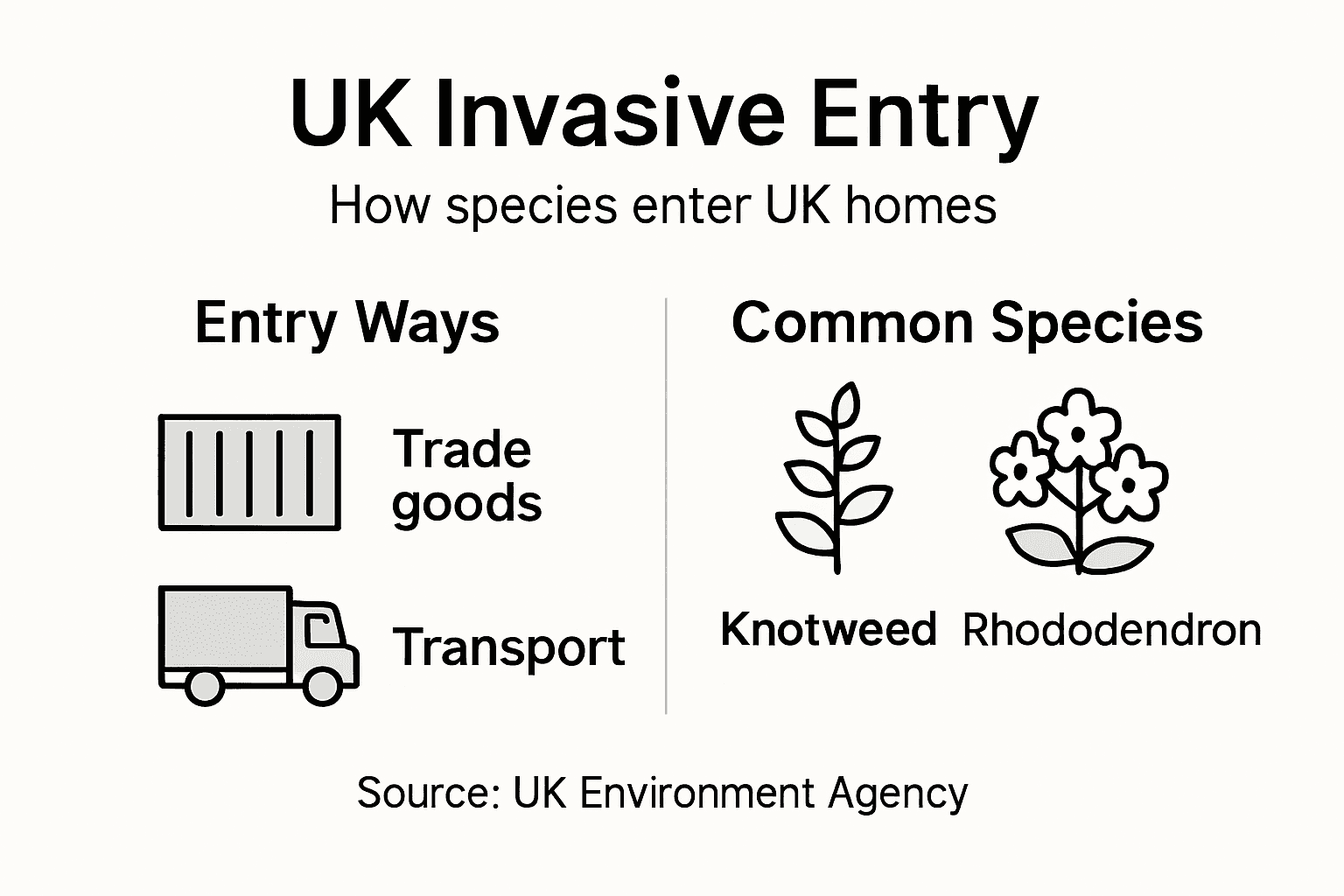
Most invasive species enter the United Kingdom through unintentional human activities such as international trade, transportation, and horticultural exchanges. Japanese Knotweed, for instance, represents a prime example of an invasive plant that has caused extensive property damage and ecological disruption across British landscapes.
Pro tip: Property owners should conduct regular ecological surveys to identify potential invasive species early and prevent long-term environmental and structural damage.
Legislation Governing Knotweed and Weeds
The legal framework surrounding invasive plant species in the United Kingdom is comprehensive and stringent, designed to protect both environmental and property interests. Japanese knotweed regulations impose strict obligations on property owners and land managers to prevent the spread of potentially destructive plant species.
Key legislative mechanisms governing invasive weeds include:
- The Weeds Act 1959, which empowers authorities to control injurious plant species
- Environmental Protection Act provisions for waste disposal
- Property damage prevention statutes
- Specific regulations targeting Japanese Knotweed spread
Under current UK legislation, property owners have significant legal responsibilities. Weeds control legislation mandates that landowners must take active steps to prevent the spread of harmful plant species. Failure to manage invasive plants like Japanese Knotweed can result in substantial financial penalties, potential legal action, and even criminal prosecution.
The regulatory approach emphasises prevention and proactive management. Authorities can serve notices requiring land occupiers to control injurious weeds, with potential enforcement actions for non-compliance. These laws are particularly crucial in urban and residential areas where invasive species can cause structural damage and significant environmental disruption.
Pro tip: Consult a professional invasive species surveyor to understand your specific legal obligations and potential risks before purchasing or developing property.
Non-Chemical Control Methods Explained
Invasive species management strategies in the United Kingdom increasingly emphasise non-chemical approaches that protect both environmental integrity and property interests. These methods focus on sustainable, targeted interventions that minimise ecological disruption while effectively controlling invasive plant populations.
Key non-chemical control techniques include:
- Hand-pulling for young plant populations
- Mechanical cutting and repeated mowing
- Root system excavation
- Targeted biological control methods
- Physical barriers and root containment
- Habitat management strategies
Mechanical removal remains one of the most direct non-chemical interventions. Non-chemical invasive control methods involve precision techniques such as careful excavation, which removes entire root networks to prevent regrowth. This approach is particularly effective for species like Japanese Knotweed, where comprehensive root system removal can significantly reduce future reinfestation risks.
Biological control represents an advanced non-chemical strategy, involving the introduction of natural predators or competing species that can naturally suppress invasive plant populations. These methods require extensive ecological research and carefully controlled implementation to ensure they do not create additional environmental imbalances.
Pro tip: Consult ecological experts before implementing biological control methods to ensure targeted and safe intervention strategies.
Here is a comparison of common non-chemical and chemical invasive plant control methods for UK property owners:
| Method Type | Example Approach | Main Advantages | Considerations |
|---|---|---|---|
| Non-chemical | Mechanical excavation | Environmentally friendly | Labour-intensive, may require experts |
| Non-chemical | Biological control | Sustainable, targets invaders | Needs monitoring for side effects |
| Chemical | Herbicide application | Fast and effective | Risk of ecological harm, regulations |
| Chemical | Soil sterilisation | Can fully eradicate | High cost, may affect all plant life |
Property Surveys During Transactions
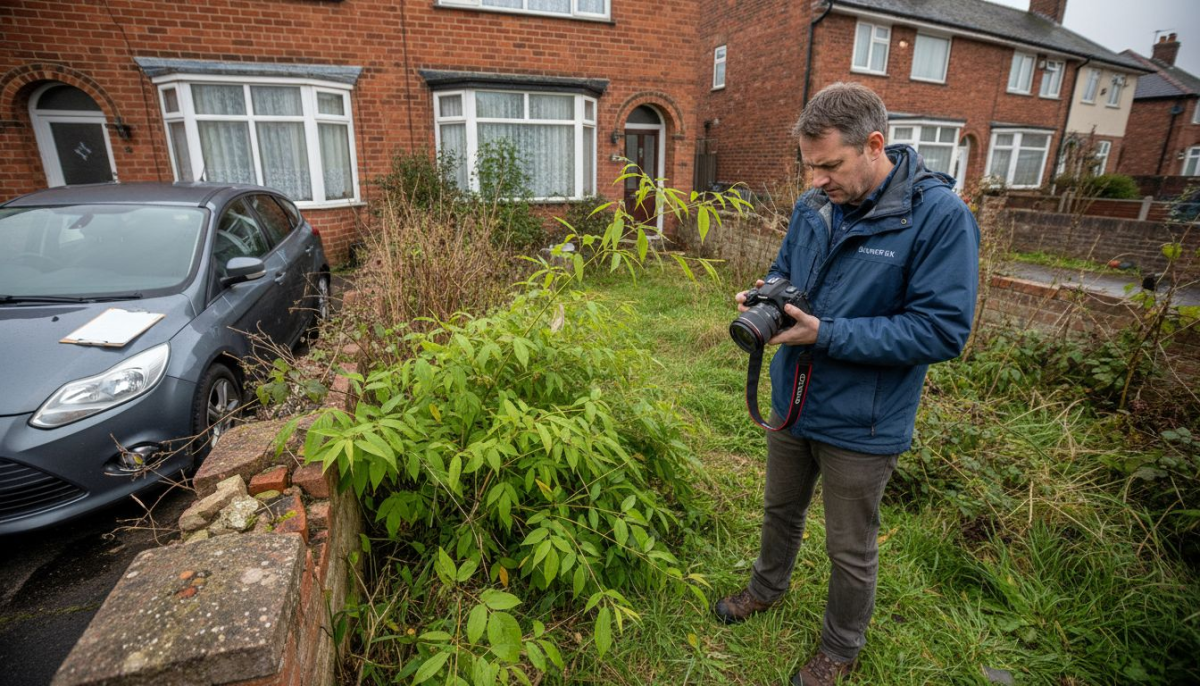
Knotweed property survey workflow plays a critical role in protecting property buyers from potential invasive species risks during real estate transactions. Professional surveys help identify hidden threats that could significantly impact property value and structural integrity, particularly when Japanese Knotweed is present.
Key considerations during property invasive species surveys include:
- Comprehensive site inspection by trained professionals
- Detailed mapping of potential invasive plant locations
- Assessment of historical plant growth and spread
- Evaluation of potential structural damage risks
- Documentation of findings for mortgage and legal purposes
- Recommendations for remediation strategies
Mortgage lenders increasingly require definitive evidence of invasive species status before approving property transactions. Most financial institutions demand a professional survey that not only identifies the presence of Japanese Knotweed but also provides a comprehensive treatment plan. These professional assessments protect both the buyer’s investment and the lender’s financial interests.
Survey reports typically include precise geographical documentation, photographic evidence, and expert recommendations for management or eradication. The goal is to provide transparent, actionable information that enables informed decision-making during property transactions, preventing potential future legal and financial complications.
Pro tip: Always request a copy of the full invasive species survey report and have an independent expert review the findings before completing any property transaction.
Homeowner Legal Risks and Liabilities
Legal implications of invasive species create significant potential risks for UK property owners. The legal landscape surrounding invasive plant species is complex, with homeowners potentially facing substantial financial and legal consequences for improper management or non-disclosure.
Key legal risks for homeowners include:
- Potential property value reduction
- Mandatory disclosure requirements during property sales
- Financial liability for neighbouring property damage
- Potential legal prosecution for species spread
- Mortgage lending restrictions
- Compulsory remediation costs
The legal framework surrounding invasive species is particularly stringent for Japanese Knotweed. Property owners can be held legally responsible for allowing the plant to spread, even inadvertently. This means potential civil claims from neighbours, significant remediation expenses, and potential criminal prosecution for persistent non-compliance.
To clarify responsibilities, here is a summary of legal liabilities UK property owners face regarding invasive plant species:
| Area of Liability | Description | Potential Consequence |
|---|---|---|
| Disclosure during sale | Duty to reveal invasive species presence | Sale delays or legal action |
| Spread to neighbours | Responsibility for preventing encroachment | Civil claims for damages |
| Compliance with regulations | Must follow relevant weed laws | Fines or prosecution for breaches |
| Remediation obligations | Required to treat affected land | Remediation costs and restrictions |
Mortgage lenders have become increasingly cautious about properties with invasive species. Many financial institutions now require comprehensive treatment plans and professional surveys before approving loans. Failure to address invasive plant issues can result in mortgage applications being rejected, severely limiting a homeowner’s ability to sell or refinance their property.
Pro tip: Document every step of invasive species management and retain professional survey reports to protect yourself legally and financially.
Protect Your UK Home From Invasive Species Today
Invasive species like Japanese Knotweed present serious challenges that can affect your property’s value, legal standing, and long-term safety. The article highlights the complex legal requirements and risks tied to improper invasive species management. If you are facing worries about compliance, preventing spread, or simply want to protect your investment with proven, chemical free solutions then expert help is essential.
At Japanese Knotweed Agency, we specialise in innovative treatments that deliver up to 5000 volts of direct energy onsite to damage invasive roots and prevent regrowth. Alongside root barrier installations and excavation, our thorough property surveys across England, Wales and Ireland identify hidden infestations early — crucial to avoid costly legal liabilities. We understand the importance of safe effective control methods without risking ecological harm referenced in the article.

Don’t wait until Japanese Knotweed or other invasive species jeopardise your home or property sale. Visit our treatment and eradication services page to learn how we help UK home owners comply with regulations confidently. Arrange a comprehensive property survey today to gain peace of mind and protect your valuable asset now.
Frequently Asked Questions
What are invasive species and why are they a concern for homeowners?
Invasive species are non-native organisms that can cause significant ecological and economic damage. They can outcompete native wildlife, disrupt ecosystems, and lead to property damage, making them a major concern for homeowners.
How can I identify if my property has invasive species, such as Japanese Knotweed?
Professional surveys are recommended for a comprehensive assessment of your property. Trained specialists can inspect the land for signs of invasive species and provide documentation that may be crucial for property transactions.
What legal responsibilities do homeowners have regarding invasive species?
Homeowners must actively manage any invasive species on their property. This includes preventing their spread, disclosing their presence during property sales, and complying with relevant regulations to avoid potential fines and legal actions.
What non-chemical methods are effective for controlling invasive plant species?
Effective non-chemical methods include mechanical removal, hand-pulling, repeated mowing, and habitat management strategies. It is crucial to consult ecological experts for safe and targeted interventions.