


Spotting a cluster of unusual plants near your prospective property can spark genuine worry about hidden environmental risks. For buyers in England and Wales, questions about Japanese Knotweed and the need for reliable, chemical-free eradication strategies have become central to informed decision-making. This guide highlights the reality behind professional weed surveys, common misconceptions, and practical steps for managing invasive species, giving you clarity and confidence as you move forward.
Table of Contents
- Defining Weed Surveys And Common Misconceptions
- Types Of Invasive Weed Surveys Explained
- Core Steps In The Survey Process
- Legal Duties When Invasive Plants Are Found
- Comparing Chemical-Free And Traditional Control Methods
Key Takeaways
| Point | Details |
|---|---|
| Importance of Weed Surveys | Weed surveys are essential for identifying invasive species that can cause ecological and structural damage, particularly critical during property transactions. |
| Common Misconceptions | Many buyers incorrectly assume all non-native plants are harmful and that weed surveys are unnecessary, underestimating professional assessments. |
| Legal Responsibilities | Property owners must understand their legal obligations regarding invasive species, including identification, reporting, and controlled removal processes. |
| Control Methods Comparison | There is a growing recognition of chemical-free control methods, which provide sustainable alternatives to traditional herbicide applications. |
Defining Weed Surveys and Common Misconceptions
Weed surveys represent specialised ecological assessments designed to identify and evaluate invasive plant species within property boundaries. These professional examinations play a crucial role in property transactions, particularly when potential buyers need comprehensive understanding of environmental risks associated with specific land areas.
The primary purpose of a weed survey involves systematically identifying and documenting non-native plant species that could potentially cause significant ecological or structural damage. Invasive species monitoring techniques help distinguish between harmless non-native plants and genuinely problematic invasive species.
Common misconceptions about weed surveys often stem from limited ecological understanding. Many property buyers mistakenly believe that:
- All non-native plants are automatically destructive
- Weed surveys are unnecessary for most property transactions
- Invasive species can be easily removed without professional intervention
- Visual identification is sufficient for understanding ecological risks
Professional weed surveys go far beyond simple plant identification. They provide comprehensive assessments that include:
- Detailed plant species documentation
- Risk evaluation for potential structural damage
- Recommendations for management and potential eradication
- Mapping of invasive plant distribution
Japanese Knotweed represents a particularly challenging invasive species that demands expert survey techniques. This plant can cause significant structural damage, penetrating concrete and compromising building foundations, making thorough professional surveys critically important.
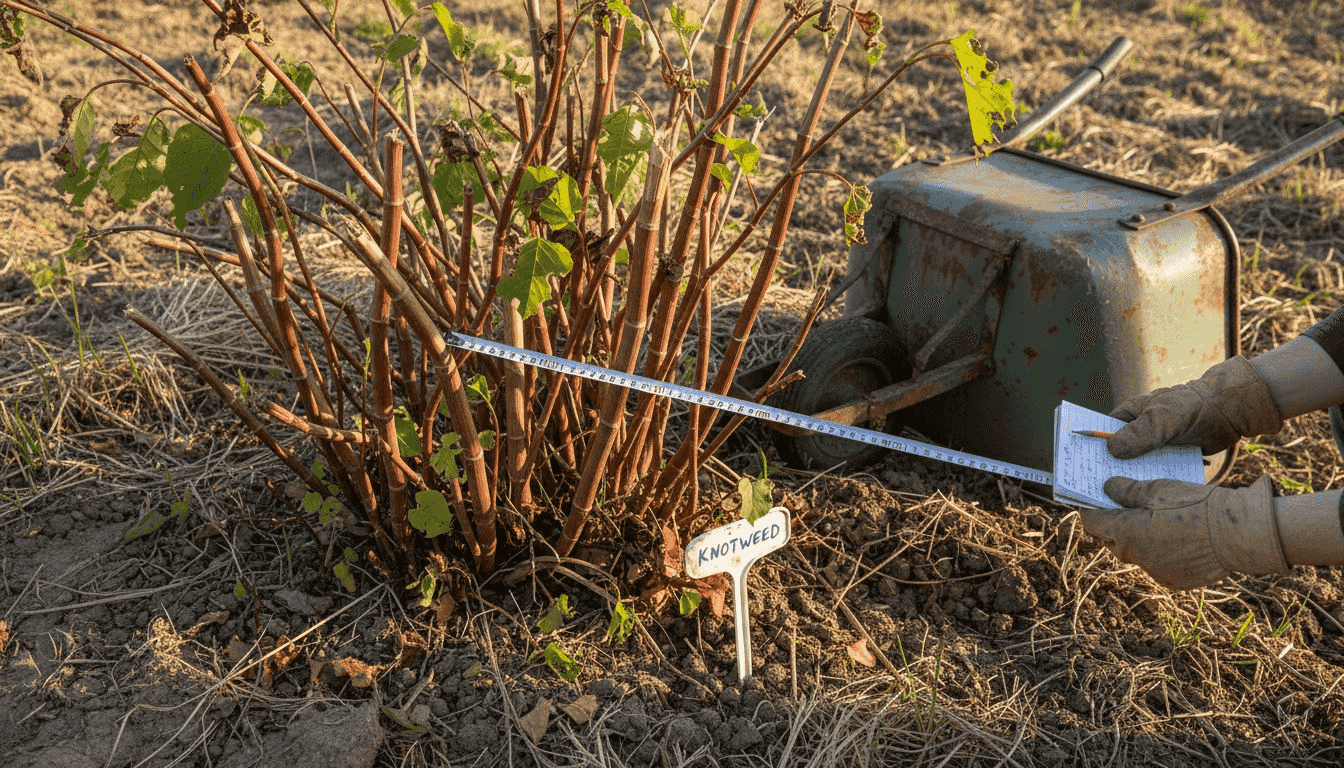
Pro tip: Always request a comprehensive written report from professional surveyors detailing specific invasive plant species, their potential risks, and recommended mitigation strategies.
Types of Invasive Weed Surveys Explained
Invasive weed surveys are sophisticated ecological assessments designed to identify and manage potentially destructive plant species across different environments. These professional investigations range from preliminary visual inspections to comprehensive scientific evaluations that map out potential ecological risks and structural threats.
Systematic survey methods help professionals categorise different types of invasive weed surveys based on their specific objectives and methodological approaches. These survey types can be broadly classified into several distinct categories:
- Desktop Surveys: Initial research using existing ecological databases and land registry information
- Visual Reconnaissance Surveys: On-site preliminary inspections identifying potential invasive plant species
- Detailed Botanical Surveys: Comprehensive scientific assessments involving precise species identification
- Geospatial Mapping Surveys: Advanced techniques documenting precise invasive plant distribution
- Risk Impact Surveys: Evaluating potential ecological and structural damage potential
Professional invasive weed surveys typically involve multiple strategic approaches:
- Initial site research and historical land use analysis
- Comprehensive ground-level visual inspections
- Sample collection and laboratory species verification
- Detailed mapping and risk assessment
- Recommendations for management and potential eradication
Understanding the nuanced differences between survey types is crucial for property buyers and land managers. Professional Surveyors employ specialised techniques that go beyond simple plant identification, providing comprehensive environmental risk assessments that can prevent potential structural and ecological complications.
Here’s a concise summary comparing the main types of invasive weed surveys:
| Survey Type | Typical Method | Level of Detail | Primary Purpose |
|---|---|---|---|
| Desktop Survey | Database research | Low to moderate | Preliminary site risk evaluation |
| Visual Reconnaissance | On-site inspection | Moderate | Initial invasive plant detection |
| Detailed Botanical | Scientific identification | High | Species confirmation and analysis |
| Geospatial Mapping | GPS mapping tools | Very high | Spatial distribution and mapping |
| Risk Impact Survey | Ecological assessment | High | Evaluating structural and ecological threats |
Pro tip: Request a detailed written survey report that includes photographic evidence, precise species identification, and potential risk mitigation strategies to ensure comprehensive environmental protection.
Core Steps in the Survey Process
Invasive weed surveys represent a systematic approach to identifying and managing potential ecological threats within specific land areas. These professional investigations require meticulous planning and execution to ensure comprehensive and accurate environmental assessment.
Comprehensive survey protocols outline a structured methodology that professionals follow to guarantee thorough and reliable invasive plant species detection. The core survey process typically involves several critical stages that work together to provide a complete ecological evaluation.
The fundamental steps in conducting an effective invasive weed survey include:
- Pre-Survey Research: Gathering historical land use information and ecological background
- Site Preparation: Identifying survey boundaries and potential access challenges
- Field Reconnaissance: Conducting initial visual inspections and mapping potential areas of concern
- Detailed Species Identification: Collecting samples and performing scientific verification
- Risk Assessment: Evaluating potential ecological and structural impact
A typical professional invasive weed survey follows these systematic stages:
- Initial desktop research and preliminary site analysis
- Scheduling appropriate survey timing based on seasonal vegetation patterns
- Deploying trained ecological specialists with specialised identification equipment
- Collecting and documenting precise botanical samples
- Laboratory verification and species confirmation
- Comprehensive risk mapping and impact assessment
- Generating detailed written survey reports
Professional surveys require more than simple plant identification – they provide a comprehensive environmental risk assessment that can prevent significant future complications.
Professional surveyors utilise advanced techniques that combine scientific methodology with detailed environmental expertise. Specialised Equipment such as GPS mapping tools, high-resolution cameras, and botanical identification kits play a crucial role in ensuring survey accuracy and comprehensiveness.
Pro tip: Request multiple photographic documentations and precise GPS coordinates with your survey report to ensure comprehensive and legally defensible environmental evidence.
Legal Duties When Invasive Plants Are Found
Navigating the complex landscape of legal responsibilities surrounding invasive plant species requires a thorough understanding of statutory obligations and potential consequences for property owners and land managers. The presence of certain invasive plants can trigger significant legal requirements that extend far beyond simple botanical management.
Invasive species legal frameworks mandate specific actions and responsibilities for property owners, environmental agencies, and local authorities. These regulations are designed to prevent the spread of destructive plant species and mitigate potential ecological and structural damage.
Legal duties for property owners and managers typically encompass several critical areas:
- Identification and Reporting: Mandatory disclosure of known invasive plant presence
- Prevention of Spread: Legal obligation to prevent plant migration to neighbouring properties
- Controlled Removal: Compliance with regulated removal and disposal procedures
- Documentation: Maintaining comprehensive records of survey and treatment activities
- Risk Mitigation: Implementing approved management strategies
Specific legal obligations include:
- Immediate notification of relevant authorities upon invasive species discovery
- Obtaining necessary permits for controlled plant removal
- Implementing approved treatment methodologies
- Preventing unintentional plant dispersal during removal processes
- Ensuring professional and environmentally compliant disposal
Failure to address invasive plant infestations can result in substantial financial penalties and potential legal action against property owners.
The Wildlife and Countryside Act 1981 provides the primary legislative framework for managing invasive non-native species in the United Kingdom. This legislation establishes clear guidelines for preventing the spread of potentially destructive plant species and outlines specific offences related to their introduction and proliferation.
Pro tip: Consult a professional ecological surveyor immediately upon discovering potential invasive plants to ensure full legal compliance and develop a comprehensive management strategy.
Comparing Chemical-Free and Traditional Control Methods
Addressing invasive plant species requires a nuanced understanding of control methods that balance effectiveness, environmental impact, and long-term sustainability. Property owners and land managers increasingly seek alternatives to traditional chemical-based approaches that minimise ecological disruption and potential health risks.
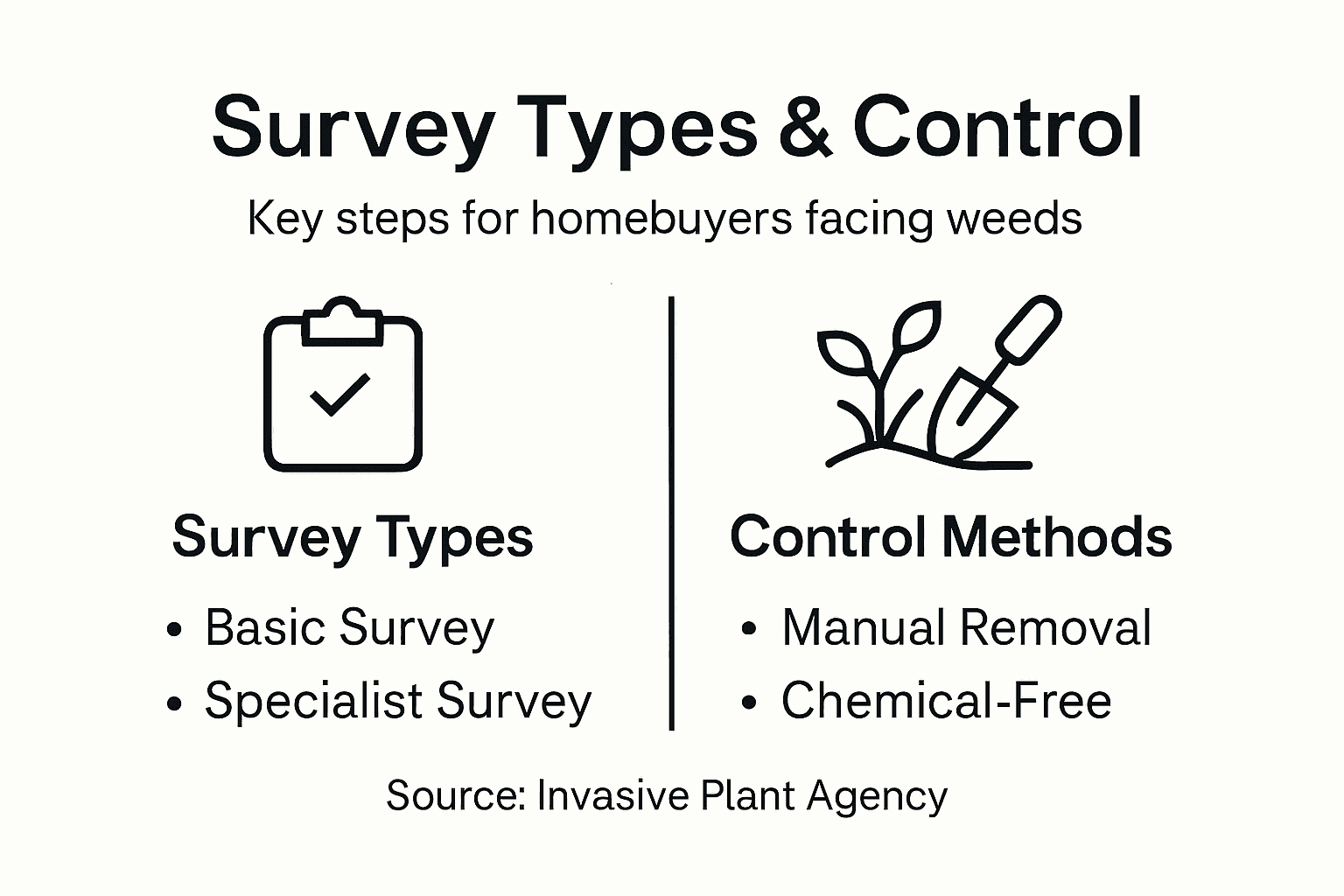
Non-chemical weed control strategies offer innovative solutions that challenge conventional herbicide-dependent management techniques. These approaches focus on holistic environmental protection while effectively managing invasive plant populations.
Traditional chemical and modern chemical-free control methods differ significantly across several key dimensions:
-
Chemical Herbicides:
- Rapid initial plant elimination
- Potential environmental contamination
- Lower labour-intensive application
- Potential long-term ecosystem disruption
-
Chemical-Free Methods:
- Environmentally sustainable approaches
- Minimal ecosystem interference
- Higher initial labour requirements
- Gradual but comprehensive plant management
The primary control methodologies include:
- Thermal treatment techniques
- Mechanical removal strategies
- Biological control mechanisms
- Physical barrier implementations
- Integrated management approaches
Effective invasive plant management requires a comprehensive strategy that adapts to specific ecological contexts and plant species characteristics.
Modern Integrated Weed Management approaches combine multiple techniques, recognising that no single method provides a universal solution. Professional surveyors increasingly recommend multi-faceted strategies that leverage both technological innovations and ecological understanding.
To help property owners choose the best management strategy, here’s a comparison of chemical-free and traditional weed control methods:
| Control Approach | Environmental Impact | Labour Requirements | Long-term Outcome |
|---|---|---|---|
| Chemical Herbicides | Potential contamination | Lower (quick application) | Possible ecosystem disruption |
| Chemical-Free | Sustainable, minimal harm | Higher (manual efforts) | Improved ecological health |
| Integrated Management | Balanced, adaptive | Variable | Lasting invasive species control |
Pro tip: Consult ecological specialists to develop a tailored, site-specific invasive plant management plan that considers your unique environmental conditions and control objectives.
Protect Your Property with Expert Invasive Weed Surveys and Chemical-Free Solutions
Buying a home can be daunting when invasive plants like Japanese Knotweed threaten your investment and the safety of your property. This article highlights how professional invasive weed surveys provide essential identification and risk assessment, helping you avoid costly structural damage and legal complications. Understanding the importance of detailed botanical surveys and risk impact evaluations can empower you to make informed decisions and take control of your property’s future.

Take the next step with Japanese Knotweed Agency, leaders in chemical-free invasive weed treatment and eradication across England, Wales, and Ireland. Our cutting-edge electrotherapy method safely disrupts Japanese Knotweed at the root level while preserving the local environment. We also provide comprehensive property surveys that cover all invasive species, giving you the peace of mind you deserve. Contact us today to secure a detailed survey and start protecting your home with expert root barriers and eco-friendly eradication strategies.
Frequently Asked Questions
What is the purpose of a weed survey for homebuyers?
A weed survey identifies and evaluates invasive plant species that could pose ecological or structural risks to a property, helping buyers understand potential environmental concerns before making a purchase.
How do invasive weed surveys differ from standard property inspections?
Invasive weed surveys focus specifically on identifying non-native plant species and assessing their potential impact, whereas standard property inspections cover general property condition and safety aspects.
Why are professional weed surveys necessary?
Professional weed surveys provide detailed documentation, risk evaluations, and management recommendations that go beyond visual identification, ensuring thorough understanding and strategies for dealing with invasive plants.
What types of invasive weed surveys are commonly conducted?
Common types of invasive weed surveys include desktop surveys, visual reconnaissance surveys, detailed botanical surveys, geospatial mapping surveys, and risk impact surveys, each serving a specific purpose in assessing invasive species presence.