

TL;DR:
- Protecting drinking water involves preventing contamination and reducing waste at the source. Households can save water by fixing leaks, upgrading fixtures, and adopting conservation habits to minimize removal from water sources. Community efforts and ecological protections further support water quality by preserving natural filters and reducing pollutant runoff.
Protecting drinking water is defined as the set of actions taken to prevent contamination, reduce waste, and preserve the quality of water at its source before it reaches the tap. Whether you rely on a mains supply or a private well, the threats to water quality are real and preventable. Leaking toilets waste 200 gallons daily, and chemical pollutants like PFAS can enter groundwater through everyday household and agricultural activity. The most effective ways to protect drinking water combine household conservation, proper well maintenance, filtration, and community-level ecological action.
1. How can household water conservation protect drinking water?
Household water conservation reduces the volume of water drawn from reservoirs, aquifers, and treatment plants. Less demand on these sources means less risk of over-extraction and contamination from increased treatment chemicals.
The most impactful starting point is fixing leaks. Leaking toilets are the largest source of hidden household water waste, often going unnoticed for months. A minor faucet drip can waste 300 gallons a year. That is water drawn from the same sources communities depend on for drinking.
Upgrading fixtures delivers measurable results. Replacing older inefficient fixtures with WaterSense-labelled products can save around 13,000 gallons annually per family. Older toilets use between 3.5 and 7 gallons per flush, whereas modern low-flow models use as little as 0.6 gallons. That difference adds up significantly over a year.
Daily habits also matter. Turning off the tap while brushing teeth, running full loads in the dishwasher and washing machine, and taking shorter showers all reduce strain on water treatment infrastructure. Each litre saved is a litre that does not need to be extracted, treated, and pumped.
- Fix leaking toilets and taps immediately
- Install WaterSense-labelled shower heads and taps
- Run dishwashers and washing machines only when full
- Turn off taps when not actively in use
- Replace old toilets with low-flow models
Pro Tip: Perform a meter-based leak test by shutting off all fixtures in the home and watching whether the water meter continues to move. If it does, you have a hidden leak. This meter test method is the most reliable way to catch leaks that visual checks miss.
2. What are essential well maintenance practices to prevent contamination?
Private well owners carry direct responsibility for the safety of their drinking water. Unlike mains supply users, they have no water company performing daily quality checks. Proper well construction and upkeep are the primary defence against contamination.
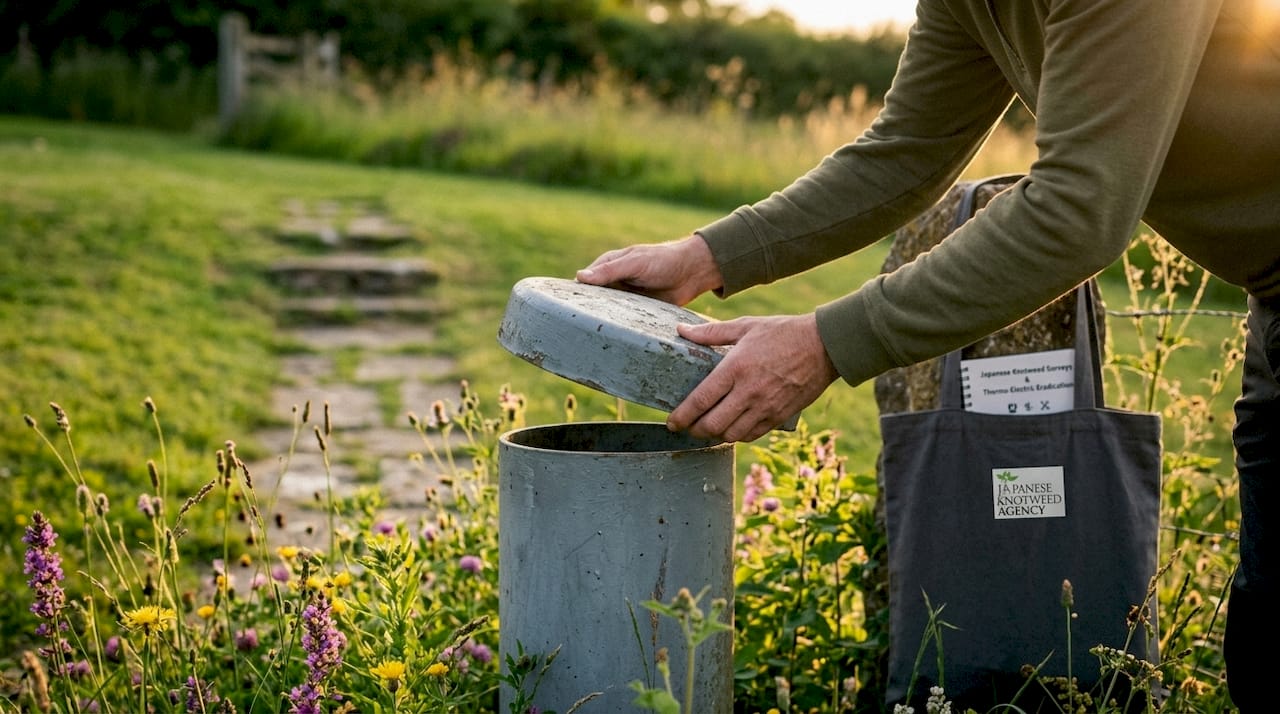
Private well owners should maintain a 100-foot wellhead protection zone around the well, keeping pesticides, fertilisers, and fuel storage well away from this perimeter. The well casing must extend at least 12 inches above finished ground level to prevent surface water pooling at the opening. Land around the well should slope away at a gradient of at least 10% to direct run-off away from the casing.
The annular space around the casing is a commonly overlooked contamination pathway. Without a proper surface seal, surface water carrying bacteria and pesticides can enter the groundwater within minutes of heavy rainfall. Sealing this space correctly is one of the most protective steps a well owner can take.
Pro Tip: Inspect the well cap after every significant rainfall. A loose or cracked cap allows debris, insects, and surface water to enter directly. Replace any cap that does not fit tightly.
| Feature | Recommended standard |
|---|---|
| Wellhead protection zone | Minimum 100 feet from potential pollutant sources |
| Casing height above ground | At least 12 inches above finished ground level |
| Land slope away from casing | Minimum 10% gradient |
| Annular space seal | Fully grouted to prevent surface water entry |
| Well cap condition | Tight-fitting, intact, inspected after rainfall |
3. Which filtration methods effectively reduce drinking water contaminants?
Filtration is a critical layer of protection, particularly for households concerned about chemical contaminants such as PFAS (per- and polyfluoroalkyl substances). Choosing the right filter depends on the specific contaminants present in your water supply.
Reverse osmosis is the most effective home filtration method for PFAS removal. Activated carbon filters reduce PFAS to variable degrees depending on the type and quality of the filter. Pitcher and refrigerator filters offer convenience but typically provide lower contaminant removal than whole-home or under-sink systems.
Testing your water before selecting a filter is the correct sequence. A certified laboratory test identifies which contaminants are present, allowing you to match the filter to the actual risk. The PFAS risk reduction guide for homeowners from Japaneseknotweedagency covers this process in detail for UK households.
Reducing PFAS exposure also extends beyond drinking water. Vacuuming with a HEPA filter and wet-dusting surfaces reduces household dust that can carry these chemicals. Avoiding non-stick cookware and PFAS-treated food packaging further limits overall exposure.
| Filter type | PFAS removal | Best suited for |
|---|---|---|
| Reverse osmosis | High | Under-sink or whole-home use |
| Activated carbon | Variable | General contaminant reduction |
| Pitcher filter | Low to moderate | Convenience, low-risk areas |
| Whole-home system | High (with RO stage) | Comprehensive household protection |
4. How do ecological and community actions support water source protection?
Individual household actions protect the water entering your home. Community and ecological actions protect the water before it ever reaches the treatment plant or your well.
Natural ecosystems like forests act as natural filters, improving raw water quality and reducing pollutant loads in source water. Healthy watersheds lower turbidity and reduce the volume of treatment chemicals needed downstream. Protecting woodland and riparian vegetation near reservoirs and rivers is one of the highest-value actions a community can take.
Sustainable landscape practices such as applying 2–3 inches of mulch and watering deeply but infrequently reduce evaporation and conserve groundwater. Drought-tolerant planting reduces the volume of water drawn from aquifers during dry periods. These practices also reduce run-off that carries fertilisers and pesticides into watercourses.
Community engagement amplifies individual effort. Storm drain stencilling and watershed education, as recommended by the US EPA, raise awareness and reduce the volume of pollutants entering drainage systems. Organising local clean-up events near rivers, streams, and reservoirs removes physical contaminants before they enter the water cycle.
- Protect and restore woodland near water sources
- Participate in community watershed clean-up events
- Use drought-tolerant plants to reduce garden water demand
- Apply mulch to reduce evaporation and run-off
- Support storm drain stencilling programmes in your area
- Avoid using pesticides or fertilisers near watercourses
- Report illegal dumping near rivers or reservoirs to the local authority
Invasive plant species compound these risks significantly. Plants like Japanese Knotweed destabilise riverbanks, increase erosion, and introduce conditions that accelerate run-off into water sources. Managing invasive plants near water is a direct contribution to protecting water quality at the source.
Key takeaways
Protecting drinking water requires action at every level, from fixing a leaking toilet at home to preserving the woodland that filters a reservoir.
| Point | Details |
|---|---|
| Fix household leaks first | A leaking toilet wastes 200 gallons daily and is the most common hidden source of water loss. |
| Maintain wellhead protection zones | Keep a 100-foot clear zone and seal the annular space to block rapid contaminant entry. |
| Match filtration to your water test | Reverse osmosis removes PFAS most effectively; test before selecting a filter type. |
| Protect natural ecosystems | Forests and healthy watersheds reduce pollutant loads before water reaches treatment plants. |
| Engage your community | Storm drain stencilling and local clean-ups reduce pollution at source and cost nothing. |
What I have learned working at the intersection of ecology and water protection
The most consistent gap I see is not a lack of knowledge. People know leaks waste water and that chemicals pollute rivers. The gap is between knowing and acting, particularly on the things that are invisible.
A silent toilet leak is the perfect example. It wastes more water than most people use consciously in a week, yet it produces no sound and no visible sign. The meter-based leak test takes five minutes. Most households have never done it. That single action, done once a year, would save more water than any number of shorter showers.
The same principle applies to well maintenance. The annular space around a well casing is invisible once the well is installed. Most well owners never think about it. Yet it is the fastest pathway for surface contamination to reach drinking water. A proper grouting seal costs relatively little compared to the cost of contaminated water remediation.
What I find genuinely encouraging is the ecological side of this picture. Source water protection through multi-barrier approaches reduces dependence on expensive downstream treatment. Every tree preserved near a reservoir, every invasive plant removed from a riverbank, every community clean-up event contributes to water that requires less chemical treatment before it reaches the tap. That is a direct public health and financial benefit. Prevention is always cheaper than remediation, and in water protection, that principle holds without exception.
— Alan
How Japaneseknotweedagency supports cleaner water sources
Invasive species like Japanese Knotweed are a direct threat to water quality. Their extensive root systems destabilise riverbanks, accelerate erosion, and increase the volume of sediment and run-off entering watercourses. Chemical treatment of these plants near water carries its own contamination risks.
Japaneseknotweedagency delivers chemical-free knotweed eradication using thermo-electric treatment up to 5,000 volts, removing the risk of herbicide leaching into nearby water sources. The agency also carries out property surveys across England, Wales, and Ireland to identify invasive weed risks before they reach watercourses. Book a survey to assess whether invasive species on or near your property are placing your local water sources at risk.
FAQ
How do I test my home water for PFAS contamination?
Send a sample to a certified laboratory for analysis. Once you have results, select a filtration system matched to the contaminants identified, with reverse osmosis being the most effective option for PFAS.
What is the fastest way to detect a household water leak?
Shut off all fixtures and observe whether the water meter continues to move. Any movement indicates a hidden leak that requires investigation.
How far should a wellhead protection zone extend?
The recommended minimum is 100 feet from any potential pollutant source, including fuel storage, septic systems, and pesticide application areas.
Can invasive plants affect drinking water quality?
Yes. Plants like Japanese Knotweed destabilise riverbanks and increase erosion-driven run-off into watercourses, raising sediment and pollutant loads in source water.
What community actions most effectively protect water sources?
Storm drain stencilling, watershed clean-up events, and protecting riparian woodland are among the most effective community-level actions for reducing pollutant entry into source water.