

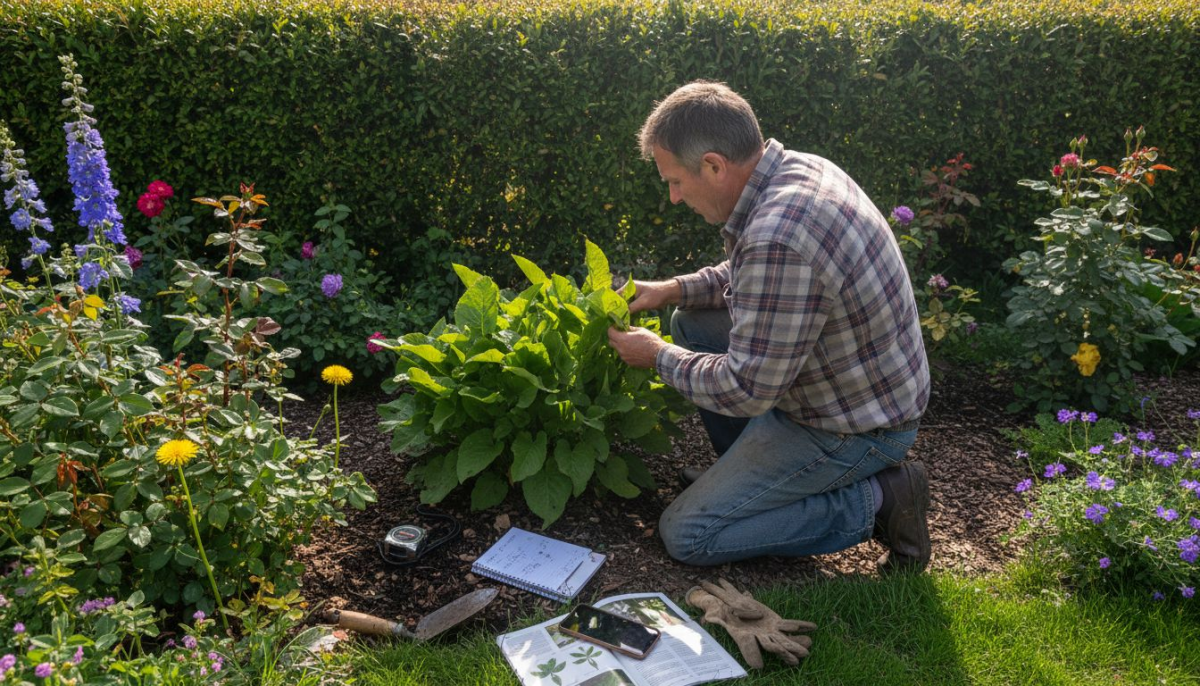
Discovering a suspicious plant in your garden just as a property survey or mortgage assessment is looming can be unsettling. For homeowners across England and Wales, differentiating everyday garden weeds from aggressive invaders like Japanese Knotweed means more than just curb appeal—it can affect your property’s value and future plans. By adopting a systematic, chemical-free approach to early detection and documentation, you set the stage for faster intervention, peace of mind, and robust evidence if professionals need to step in.
Table of Contents
- Step 1: Prepare For A Targeted Weed Inspection
- Step 2: Identify Common Invasive Weed Species
- Step 3: Spot Physical Signs Of Weed Infestation
- Step 4: Verify Chemical-Free Detection Methods
- Step 5: Document Findings For Property Assessments
Quick Summary
| Key Point | Explanation |
|---|---|
| 1. Prepare for an inspection | Understand invasive species in your area before checking your garden to avoid missing serious threats. |
| 2. Identify invasive weeds carefully | Learn to recognise key characteristics of common invasive plants like Japanese Knotweed to differentiate them from harmless weeds. |
| 3. Monitor physical signs of infestation | Regularly inspect for patterns of growth and damage indicating widespread root systems, which signal urgent action is needed. |
| 4. Use chemical-free detection methods | Employ non-chemical techniques for early assessment, such as hand examination and root observation to determine infestation levels. |
| 5. Document everything for assessments | Keep detailed records of findings and actions taken to support professional evaluations, particularly during property transactions. |
Step 1: Prepare for a targeted weed inspection
Before you walk through your garden looking for invasive weeds, take time to understand what you’re actually searching for. This preparation phase is crucial because many homeowners mistake common garden weeds for invasive species, or worse, overlook the serious threats lurking in their soil. Getting prepared means learning the signs, knowing the timing, and having a systematic approach ready before you start your inspection.
Start by researching which invasive species are most prevalent in your area. If you’re in England or Wales, Japanese Knotweed is likely your primary concern, but hogweed, giant hogweed, and Himalayan balsam are equally problematic. Effective weed control requires understanding weed emergence patterns and life cycles so you know exactly when to look and what growth stage signals an established problem. Different invasive plants emerge at different times throughout the year, and catching them at the right moment makes identification far easier. Visit your garden regularly during spring and summer months when growth is most visible. Create a simple notebook or digital record where you document any suspicious plants you discover, noting their location, size, and appearance. This record becomes invaluable later, especially if you need to call in professionals for a formal survey or treatment.
Alongside seasonal observation, prepare your inspection kit. Gather a camera or smartphone for close-up photos, a measuring tape, gloves, and sturdy shoes suitable for walking wet grass. Take note of moisture levels in different garden areas since many invasive species thrive in damp conditions. Early detection and targeted preparation enable rapid reporting and more effective intervention strategies, as highlighted in recent UK horticultural research focused on strengthening plant pest and disease detection across the country. Understanding your garden layout also matters – note where water collects, which areas receive shade versus full sun, and whether any previous weed problems occurred in specific spots. These conditions influence where invasive species establish themselves.
Professional Tip If you suspect Japanese Knotweed or another serious invasive species on your property, document everything with photos and measurements before contacting a specialist, as this information significantly accelerates the survey process and helps professionals plan the most appropriate treatment approach for your situation.
Step 2: Identify common invasive weed species
Now that you’re prepared to inspect your garden, the next challenge is actually recognising which weeds matter most. Many gardeners struggle here because invasive species can resemble common garden plants at first glance, and some only reveal their true nature as they mature. Learning to spot the key characteristics of problematic invasive plants transforms you from someone who pulls random weeds into someone who targets the real threats to your property and the environment.
Start with the species most likely to cause you problems. Japanese Knotweed is the heavyweight champion of invasive plants in the UK, identifiable by its distinctive reddish stems, heart-shaped leaves, and the way it grows in dense clusters that can reach two metres tall. Look for small white flowers in late summer. Hogweed and giant hogweed share similar umbrella-shaped flower heads but differ in size and leaf texture. Giant hogweed can cause severe skin burns when touched in sunlight, so exercise extreme caution. Himalayan balsam produces pretty pink flowers but spreads aggressively through seeds, whilst Japanese rose spreads via creeping rhizomes much like Knotweed. Understanding common weed identification techniques helps you distinguish these invasive varieties from harmless garden plants. Many of these species emerge at specific times, so cross-reference what you’re seeing with the season. Spring emergence looks different from summer growth, and recognising these patterns accelerates identification significantly.
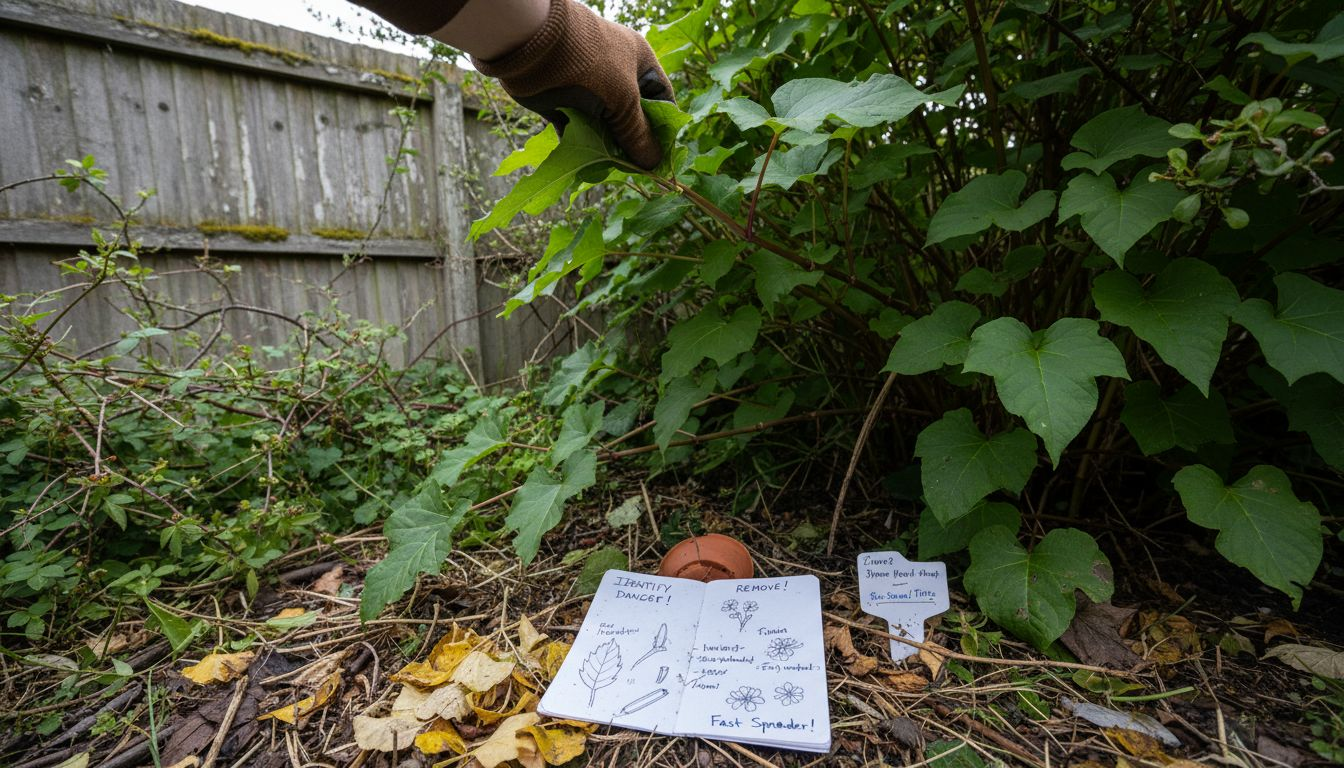
When examining a suspicious plant, document specific features in your notebook. Record leaf shape, colour, stem texture, flower appearance if present, and overall growth pattern. Note whether it spreads via seeds or underground root systems, as this affects urgency. Plants spreading through rhizomes like Knotweed require professional intervention far more urgently than seed-spreading species. Photograph the plant from multiple angles and close-ups of leaves and stems. If you’re uncertain about identification after your inspection, these detailed records and photographs prove invaluable when seeking professional assessment. Property surveys increasingly require precise identification data, particularly when invasive species might affect mortgage valuations or conveyancing.
Professional Tip Take photos during different seasons if possible, as invasive species display distinctive characteristics at various growth stages that make identification more reliable than relying on a single sighting.
Here’s a comparison of notable invasive weed species commonly encountered in UK gardens:
| Weed Species | Key Identification Feature | Health Risk | Peak Emergence Time |
|---|---|---|---|
| Japanese Knotweed | Reddish stem, heart-shaped leaf | Structural damage risk | Spring to late summer |
| Giant Hogweed | Very large, umbrella flowers | Severe skin burns | Late spring and summer |
| Himalayan Balsam | Pink flowers, explosive seeds | Rapid garden take-over | Early to mid summer |
| Japanese Rose | Creeping rhizomes, rose flowers | Spread underground | Spring to summer |
Step 3: Spot physical signs of weed infestation
Identifying invasive weeds goes beyond just recognising the plants themselves. Physical signs of infestation tell you how established a problem has become and how urgently you need to act. These visible indicators range from subtle changes in your garden’s appearance to obvious damage that affects your property’s structure and value. Learning to read these signs transforms inspection from guesswork into a systematic assessment that guides your next steps.
Start by examining plant density and coverage patterns. Invasive species rarely grow in isolation. They spread outward in clusters or patches, and as they establish themselves, they create increasingly dense mats that crowd out native plants. Japanese Knotweed creates particularly distinctive patterns, forming impenetrable thickets that can reach two metres in height by mid-summer. Look at the ground surface too. Are there visible gaps where vegetation has died back? Dying foliage beneath dense growth indicates stress from competition or the invasive plant’s allelopathic effects, where it releases chemicals that inhibit neighbouring plants. Check for physical damage indicators such as stressed or damaged crops, as neighbouring plants struggling to survive often display yellowing leaves, stunted growth, or wilting despite adequate water and sunlight. These distress signals rarely occur naturally in a healthy garden and usually point to aggressive invasive competition.
Examine your garden’s hard surfaces as well. Weeds pushing through cracks in patios, driveways, and paths signal serious problems below ground. If a weed has enough vigour to shatter concrete or tarmac, its root system has likely spread far beyond what’s visible. Knotweed rhizomes can penetrate asphalt and concrete, creating uneven surfaces and expensive structural damage. Look for seed heads and flowering stages on weeds, as mature plants producing seeds represent an urgent problem requiring immediate attention before they spread further. Count visible emergence points in your garden. Multiple shoots appearing in different areas usually indicate one extensive underground root system rather than separate plants, which means the problem is larger than it initially appears. Document everything with measurements and photographs, paying particular attention to the outer boundaries of the infestation.
Professional Tip Regular monitoring every two to three weeks during the growing season helps you catch physical changes early, making the difference between managing a small problem and facing large-scale excavation or chemical-free treatment later.
Step 4: Verify chemical-free detection methods
Now that you’ve spotted potential invasive weeds, the next step involves confirming your findings using methods that don’t rely on chemicals. Chemical-free detection is not only safer for your garden, your family, and the environment, but it’s also more practical for initial assessment work. These natural approaches help you establish exactly what you’re dealing with before deciding whether professional intervention is necessary.
Begin with physical inspection techniques that have proven effective in UK gardening and agriculture. Hand examination allows you to closely observe plant structure, feel leaf texture, and assess root depth without any chemical involvement. Carefully dig around suspected plants to expose root systems. Invasive species like Knotweed display distinctive thick, white rhizomes that feel different from ordinary fibrous roots. Gentle hoeing or scraping away soil from the plant base reveals root type and spread patterns. These tactile methods tell you whether you’re looking at a shallow rooted plant or something with deep underground networks that require specialist treatment. Non-chemical control methods including hand weeding and physical removal remain fundamental tools for understanding weed biology and establishing the scope of infestation. You can also employ simple smothering tests by covering small sections with opaque material for several weeks. If the plant dies back completely, you’re dealing with a species that responds well to oxygen deprivation. If it continues growing through barriers, you’re likely facing a more aggressive invasive species requiring professional assessment.
Document your chemical-free findings systematically. Record which detection methods revealed what information about each plant. Note whether the weed regrew after physical removal, indicating a persistent root system. Track seasonal changes without using any chemicals to suppress growth, allowing you to observe natural patterns. Integrated management approaches emphasise cultural and mechanical controls combined with identification knowledge to determine the best course of action. If your chemical-free investigations reveal extensive root systems, multiple emergence points, or rapid regrowth after removal, you’ve gathered evidence supporting the case for professional survey and treatment. This information becomes invaluable when contacting specialists, as you’ve already established the problem’s scale and nature without chemicals.
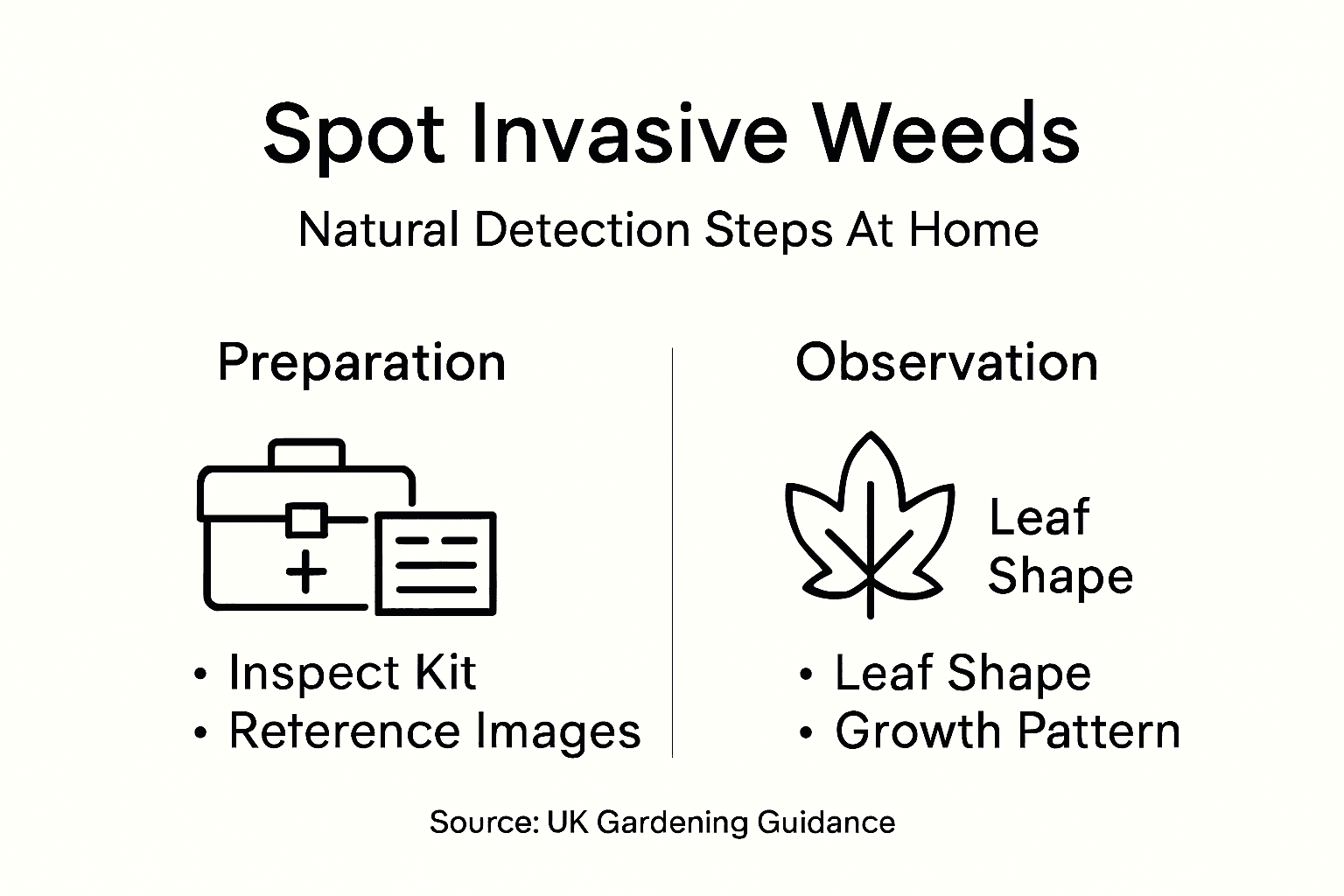
Professional Tip Keep detailed records of your chemical-free detection work, including photographs, sketches of root systems, and notes on plant behaviour over time, as this documentation significantly accelerates professional assessment and helps specialists recommend the most effective treatment approach.
Step 5: Document findings for property assessments
Proper documentation of your weed inspection findings is essential when you’re selling your property, applying for a mortgage, or dealing with insurance matters. Lenders and surveyors increasingly require detailed records of any invasive species present, and your documentation becomes the foundation for professional assessments and treatment plans. Creating a comprehensive record now protects your interests and accelerates the process when you need formal evaluations.
Start by establishing a systematic recording approach for all your observations. Create a document or spreadsheet that captures essential information about each invasive weed discovery. Record the date of observation, the specific location within your property using room or garden section descriptions, GPS coordinates if possible, and precise measurements of affected areas. Document plant identification with clear photographs from multiple angles, including close-ups of leaves, stems, and root systems where visible. Describe growth patterns, density, and any visible damage to surrounding structures or plants. Note the condition of hard surfaces like patios and driveways, recording cracks, displacement, or damage caused by plant growth. Systematic documentation of observations, dates, locations, and actions taken ensures you have clear evidence of when problems emerged and how they’ve progressed. This chronological record proves invaluable should disputes arise during property transactions.
Organise your findings in a format that communicates clearly to professionals. Group information by location rather than by weed type, making it easy for specialists to understand spatial relationships. Include a simple sketch or marked photograph showing where infestations occur across your property. Note any previous removal attempts, what methods you used, and how the plant responded. This context helps surveyors understand whether you’re dealing with new growth or a persistent infestation. Document your chemical-free inspection methods and findings, demonstrating thorough diligence in your assessment. When you contact specialists for surveys or treatment planning, provide this organised documentation upfront. Clear communication of findings and recommendations through structured reporting ensures professionals quickly grasp your situation and can develop targeted solutions. Your detailed records become part of the property’s history, which mortgage lenders, surveyors, and future buyers will expect to review.
Professional Tip Create a single digital folder containing all inspection photos, measurements, sketches, and notes, organised by date, as this comprehensive package significantly speeds up professional survey appointments and helps specialists provide accurate treatment recommendations.
To assist with documenting your weed inspection findings, use the following key categories:
| Documentation Category | Importance | Example Entry |
|---|---|---|
| Observation Date | Tracks progression over time | 12 June 2024 |
| Location Description | Pinpoints affected zone | Rear garden, near shed |
| Plant Identification Data | Supports later expert assessment | Photo of stem/leaf included |
| Treatment History | Shows what actions have been tried | Hand-pulled, regrew quickly |
Protect Your Garden With Expert Chemical-Free Invasive Weed Solutions
Spotting invasive weeds naturally in your garden is the crucial first step to protecting your home and environment from costly damage and unwanted spread. As the article highlights, recognising species like Japanese Knotweed, giant hogweed, or Himalayan balsam early can save you from structural harm and difficult eradication efforts later. With their extensive rhizome networks and aggressive growth patterns, these plants demand targeted, professional treatment to restore your garden safely and effectively.
At Japanese Knotweed Agency, we specialise in chemical-free treatment that delivers direct energy to dismantle invasive plants like Japanese Knotweed. Our advanced technology penetrates deep into root systems without harmful chemicals, ensuring long-lasting eradication while preserving your garden’s health. Alongside professional surveys and expert root barrier installations, we provide comprehensive solutions designed around your garden’s unique challenges and infestation level.

Don’t let invasive weeds take over your property. Act now to safeguard your garden with trusted experts who understand the nuances of natural identification and offer effective, safe removal. Visit Japanese Knotweed Agency to book a survey or consultation and take the first step towards a weed-free future. Learn more about our chemical-free control methods and schedule your professional assessment today.
Frequently Asked Questions
How can I naturally spot invasive weeds in my garden?
To naturally spot invasive weeds, regularly inspect your garden for unusual plant shapes and growth patterns. Document your findings in a notebook, noting the appearance and location of any suspicious plants you encounter.
What signs indicate I have an invasive weed problem?
Key signs of an invasive weed problem include dense patches of plants, visible damage to surrounding flora, and plants pushing through cracks in hard surfaces. Make a note of any areas experiencing significant plant crowding or signs of wilting vegetation to assess the severity of the infestation.
How do I distinguish between invasive weeds and common garden plants?
To distinguish invasive weeds from common garden plants, observe key characteristics such as leaf shape, stem texture, and flowering patterns. Keep a guide or list of common invasive species in your area to help identify the differences accurately.
What should I do if I suspect I have Japanese Knotweed?
If you suspect Japanese Knotweed, document everything about the plant’s size and appearance with photos and measurements. Reach out to a professional for an assessment as documentation helps them formulate a targeted treatment plan.
How often should I inspect my garden for invasive weeds?
Inspect your garden for invasive weeds every two to three weeks during the growing season. Regular monitoring allows you to catch potential problems early, making intervention more manageable before the weeds establish themselves.
What are the best non-chemical methods for detecting invasive weeds?
The best non-chemical methods for detecting invasive weeds include hand examination, root assessment, and smothering tests. Try gently scraping soil from plant bases to reveal root types and noting any regrowth after physical removal to determine the plant’s aggressiveness.
Recommended
- 7 Key Signs of Invasive Plants Every Homeowner Should Know
- How to Manage Invasive Plants Naturally for Homeowners
- Complete Guide to Invasive Plant Identification UK
- Invasive Plants on Council Land: Effective Control
- How to Pick the Right Plants for Your Location – Luxury Apartments for Rent in Boca Raton | Premium Boca Raton Apartments | Aapartments Boca Raton
- Composting Kitchen Scraps for Rich Organic Soil at Home – naturessoulshop