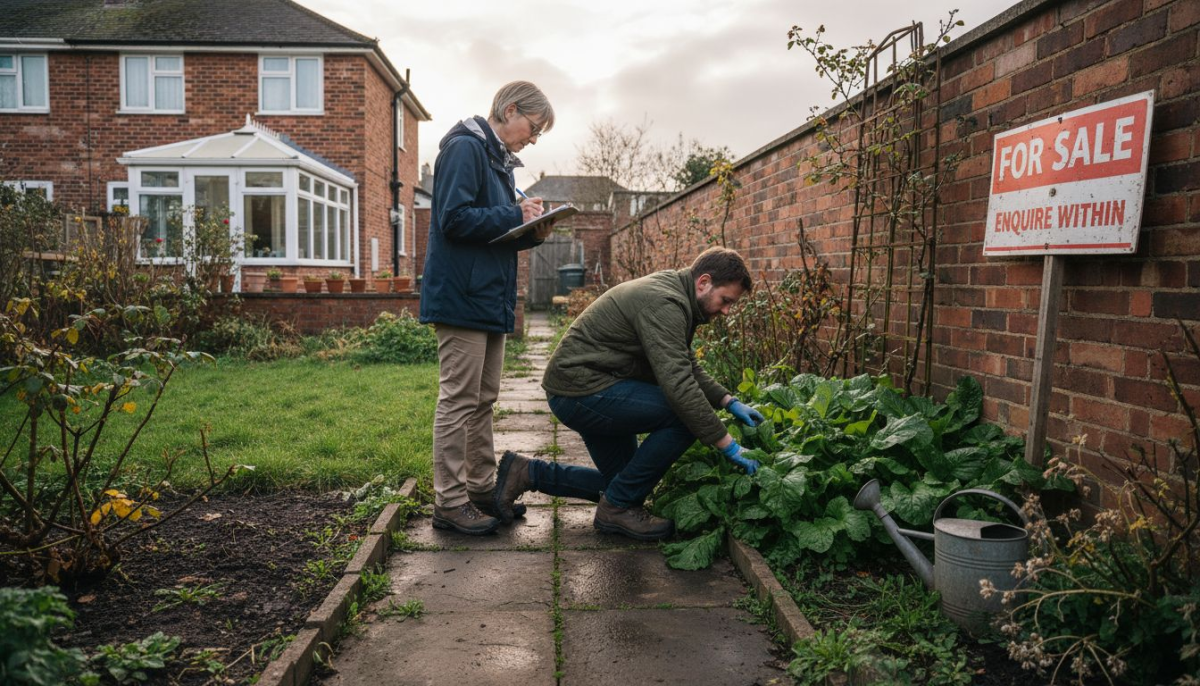
Spotting invasive weeds on a potential property in England or Wales can feel overwhelming, especially when some species are easy to overlook during a viewing. Missing these hidden threats could mean facing expensive removal bills, legal headaches, and even trouble selling or mortgaging your home later. Knowing what to look for and how to handle the risks puts you in control from the very start.
This guide brings together the most important steps for recognising and dealing with invasive plant species before buying a property. You will discover clear checks, expert-approved approaches, and practical tips for protecting your investment and staying on the right side of the law. Learn how simple actions now can save you major stress and expense down the line.
Table of Contents
- 1. Know The Common Invasive Weeds To Spot
- 2. Understand The Risks Of Japanese Knotweed
- 3. Check Property Survey Reports Thoroughly
- 4. Request A Specialist Invasive Weed Survey
- 5. Review Chemical-Free Eradication Options
- 6. Look For Root Barrier And Excavation Services
- 7. Secure A Guarantee For Permanent Eradication
Quick Summary
| Takeaway | Explanation |
|---|---|
| 1. Identify Invasive Weeds | Recognising invasive species like Japanese Knotweed can save you thousands in remediation costs. |
| 2. Conduct Professional Surveys | Always request a professional survey to identify potential invasive plants and mitigate risks before purchasing. |
| 3. Review Survey Reports Carefully | Scrutinise property survey reports for invasive species to avoid hidden ecological issues. |
| 4. Consider Non-Chemical Solutions | Explore chemical-free eradication methods for sustainable management of invasive weeds. |
| 5. Obtain Guarantee for Treatment | Ensure you secure comprehensive eradication guarantees to protect against future invasive species regrowth. |
1. Know the Common Invasive Weeds to Spot
When purchasing a property in England or Wales, understanding invasive plant species is crucial for protecting your investment and complying with legal requirements. Common invasive weed species pose significant risks to property value, ecological balance, and potential legal complications.
The United Kingdom has strict regulations surrounding invasive plant species, with 36 specific plants banned from being planted or allowed to grow in the wild. Property buyers must be vigilant and recognise these potentially problematic plants before making a purchase.
Key invasive weeds to identify include:
- Japanese Knotweed: Most notorious invasive species with extreme growth potential
- Giant Hogweed: Dangerous plant causing skin burns and severe allergic reactions
- Himalayan Balsam: Rapidly spreading plant that damages native ecosystems
- Floating Pennywort: Aquatic weed that can quickly overtake water systems
Identifying these invasive species early can save thousands in potential removal and property remediation costs.
Detecting these plants requires careful observation during property viewings. Look for unusual growth patterns, distinctive leaf structures, and rapid spread across gardens or surrounding landscapes. Professional surveys can provide comprehensive identification and assessment.
Expert tip: Always request a professional invasive plant survey before finalising any property purchase to protect your investment and avoid potential legal complications.
2. Understand the Risks of Japanese Knotweed
Japanese knotweed represents one of the most problematic invasive plant species in the United Kingdom, presenting significant challenges for property owners and potential buyers. Risks of untreated knotweed can dramatically impact property values and structural integrity.
This aggressive plant species possesses extraordinary growth capabilities, with rhizome networks that can penetrate building foundations, walls, and drainage systems. Its ability to spread rapidly through tiny root fragments makes it particularly dangerous for property investments.
Key risks associated with Japanese knotweed include:
- Structural damage to buildings and infrastructure
- Potential reduction in property market value
- Legal complications from uncontrolled growth
- Expensive professional removal requirements
- Challenges with mortgage lending and property sales
The presence of Japanese knotweed can reduce property values by up to 10% and potentially make a property unmortgageable.
Landowners have a legal responsibility to prevent knotweed spread beyond their property boundaries. Prosecution can occur if the plant is allowed to proliferate unchecked, making professional identification and management critical.
Expert tip: Always commission a professional Japanese knotweed survey before purchasing a property to understand potential risks and treatment requirements.
3. Check Property Survey Reports Thoroughly
Property survey reports are your critical defence against hidden ecological risks that could compromise your property investment. Knotweed property survey strategies can mean the difference between a sound purchase and a potential financial nightmare.
When reviewing property survey reports, potential buyers must be extraordinarily vigilant about potential invasive plant presence. Standard property surveys often overlook specific ecological risks, particularly those related to invasive species like Japanese knotweed.
Key elements to scrutinise in property survey reports include:
- Specific invasive plant identification sections
- Detailed botanical survey notes
- Recommendations for further ecological assessment
- Historical land use information
- Photographic evidence of potential plant infestations
A comprehensive survey can save you thousands in potential remediation and property damage costs.
Mortgage lenders increasingly require detailed invasive species assessments, making thorough survey report examination not just prudent but potentially mandatory. Professional surveyors specialising in ecological assessments provide the most comprehensive insights into potential plant-related property risks.
Expert tip: Request a specialised ecological survey that specifically investigates invasive plant species if the standard property survey appears incomplete or vague.
4. Request a Specialist Invasive Weed Survey
Invasive weeds represent a significant hidden risk when purchasing property, potentially causing substantial damage and financial complications. Invasive plant survey strategies can protect your investment and provide crucial ecological insights.
A specialist invasive weed survey goes far beyond standard property inspections, delivering comprehensive botanical and ecological assessments that generic surveys frequently overlook. These targeted investigations identify potential plant risks that could compromise your property’s structural integrity and market value.
Key reasons to request a specialist survey include:
- Detailed botanical identification
- Comprehensive risk assessment
- Mortgage lending requirements
- Legal compliance documentation
- Potential cost avoidance for future remediation
A specialist survey can save you thousands in potential property damage and legal complications.
Professional surveyors use advanced techniques to detect invasive plant species, including ground-penetrating radar and systematic botanical investigations. Their expertise helps identify subtle signs of plant infestations that untrained eyes might completely miss.
Expert tip: Always engage a certified ecological surveyor with specific expertise in invasive plant species, particularly those experienced in identifying Japanese knotweed and other problematic vegetation.
5. Review Chemical-Free Eradication Options
Environmentally conscious property buyers increasingly seek sustainable approaches to managing invasive plant species. Chemical-free treatment methods offer safer alternatives to traditional herbicide-based solutions.
Chemical-free eradication represents a holistic approach to managing invasive weeds that protects both environmental and human health. These methods focus on mechanical removal, natural barriers, and targeted ecological interventions rather than relying on potentially harmful chemical treatments.
Effective non-chemical eradication options include:
- Hand pulling for smaller infestations
- Root barrier installations
- Physical excavation techniques
- Targeted thermal treatment
- Controlled smothering methods
Non-chemical approaches prioritise long-term ecological balance over short-term plant elimination.
Each eradication method requires careful assessment of the specific invasive species, site conditions, and potential environmental impact. Professional ecological consultants can help design targeted strategies that minimise disruption and prevent plant regrowth.
Expert tip: Combine multiple non-chemical techniques and maintain persistent monitoring to ensure complete and sustainable invasive weed management.
6. Look for Root Barrier and Excavation Services
Property buyers must understand the critical role of specialised root management services in protecting their investment from invasive plant species. Root barrier installation techniques represent a sophisticated approach to containing potentially destructive plant growth.
Root barrier and excavation services provide comprehensive protection against invasive weeds like Japanese knotweed, which can cause significant structural damage to buildings and infrastructure. These professional interventions create physical containment and prevent further plant spread.
Key considerations for root barrier and excavation services include:
- Detailed site assessment
- Professional rhizome mapping
- Specialised membrane installation
- Controlled soil removal techniques
- Long-term management strategies
Proper root barrier installation can prevent costly future property damage and potential legal complications.
Professional services utilise advanced techniques such as vertical and horizontal membrane installations to create robust ecological barriers. These methods not only contain existing plant growth but also prevent potential future reinfestation.
Expert tip: Request comprehensive documentation and guarantees from root barrier specialists to ensure complete protection and compliance with environmental regulations.
7. Secure a Guarantee for Permanent Eradication
When dealing with invasive plant species, property buyers must prioritise obtaining robust professional guarantees that ensure complete long-term eradication. Insurance-backed guarantees provide critical financial and legal protection against potential plant regrowth.
A comprehensive eradication guarantee protects your property investment by offering structured management and legal recourse should invasive species reappear after professional treatment. These guarantees represent more than simple paperwork they are your financial safeguard against potential ecological and structural risks.
Key elements of a robust eradication guarantee include:
- Detailed treatment documentation
- Ongoing monitoring provisions
- Clear regrowth response protocols
- Financial compensation mechanisms
- Legal compliance certification
A quality guarantee transforms invasive weed management from a risk into a managed, predictable process.
Professional treatment providers typically offer multi-year guarantees that cover potential plant resurgence, ensuring property owners have comprehensive protection against unexpected ecological challenges.
Expert tip: Always request a comprehensive written guarantee that explicitly outlines treatment methods, monitoring frequency, and specific financial protections against potential reinfestation.
Below is a summary table highlighting key topics, strategies, and considerations discussed in the article about identifying, managing, and mitigating risks associated with invasive weed species when purchasing properties in England and Wales.
| Topic | Key Points | Benefits |
|---|---|---|
| Common Invasive Weeds | Japanese Knotweed, Giant Hogweed, Himalayan Balsam, and Floating Pennywort can severely impact property value, ecology, and legal compliance. | Early identification can save costs in removal and property remediation. |
| Evaluating Japanese Knotweed Risks | Japanese Knotweed can cause structural damage, reduce property value, limit mortgage options, and necessitate expensive removal. | Prevention of property devaluation and structural issues. |
| Reviewing Property Surveys | Inspect surveys for invasive plant identification, ecological assessments, and past land usage. Professional surveys are essential for accurate detection. | Increases confidence in property investment decisions and compliance with lending requirements. |
| Specialised Plant Surveys | Conduct detailed ecological and botanical surveys to assess property for invasive species. | Enhanced detection and management of potential risks to protect investment and comply with regulations. |
| Environmentally Friendly Eradication | Chemical-free removal methods including hand pulling, root barriers, and thermal treatments offer sustainable alternatives to herbicides. | Minimises environmental impact and promotes lasting ecological solutions. |
| Root Barrier and Excavation Services | Installation of specialised root barriers and controlled excavation to prevent invasive plant spread and protect infrastructure. | Ensures physical containment, elimination of infestations, and legal compliance. |
| Secure Professional Guarantees | Obtain guarantees from treatment providers for long-term eradication, including documentation and monitoring provisions. | Financial and legal assurance against future regrowth incidents. |
Protect Your Property Investment from Invasive Weeds with Expert Solutions
The challenges of identifying and managing invasive weeds like Japanese Knotweed can feel overwhelming when buying a property. From hidden root damage to costly remediation, the risks are real and can severely impact your property’s value and legal standing. Japanese Knotweed Agency specialises in chemical free treatment methods that deliver powerful eradication without harming the environment. Our targeted energy-based technology attacks invasive plant rhizomes directly onsite, ensuring permanent elimination.
Don’t let invasive weeds jeopardise your property purchase. Benefit from our professional invasive weed surveys, expert root barrier installation and excavation services, and receive comprehensive support across England, Wales, and Ireland. Visit Japanese Knotweed Agency now to secure a guaranteed solution and protect your investment for the long term.
Frequently Asked Questions
What are the common invasive weeds I should look for when buying property?
Identifying invasive weeds like Japanese Knotweed, Giant Hogweed, Himalayan Balsam, and Floating Pennywort is crucial during property viewings. Watch for unusual growth patterns and distinctive leaf structures to spot these potentially problematic plants.
How can I effectively check property survey reports for invasive weed issues?
When reviewing property survey reports, look for sections that specifically identify invasive plants and detailed botanical notes. Pay attention to recommendations for further ecological assessments to ensure a thorough understanding of any risks.
Should I hire a specialist for an invasive weed survey?
Yes, engaging a specialist for an invasive weed survey can provide a detailed botanical and ecological assessment beyond standard property inspections. Request this survey to ensure you fully understand any potential plant risks that could affect your investment.
What are my options for eradication of invasive weeds without chemicals?
Consider non-chemical eradication methods such as hand pulling, root barrier installations, or controlled smothering. Evaluate these options based on the specific invasive species and site conditions to ensure effective management.
How can I secure a guarantee for eradication of invasive weeds?
To obtain a robust guarantee for eradication, request comprehensive documentation outlining treatment methods, ongoing monitoring, and response protocols for any potential regrowth. Ensure the guarantee offers clear financial protections for any future ecological challenges.
Why is it important to understand the risks of Japanese Knotweed?
Japanese Knotweed poses serious structural risks to properties and can significantly decrease market value. Understanding these risks helps you make informed decisions before purchasing a property.