

TL;DR:
- Invasive weeds like Japanese Knotweed threaten water quality, erosion, and native wildlife in the UK.
- Early detection and repeated manual removal are effective chemical-free strategies for control.
- Professional support and community efforts are crucial for managing large or persistent infestations.
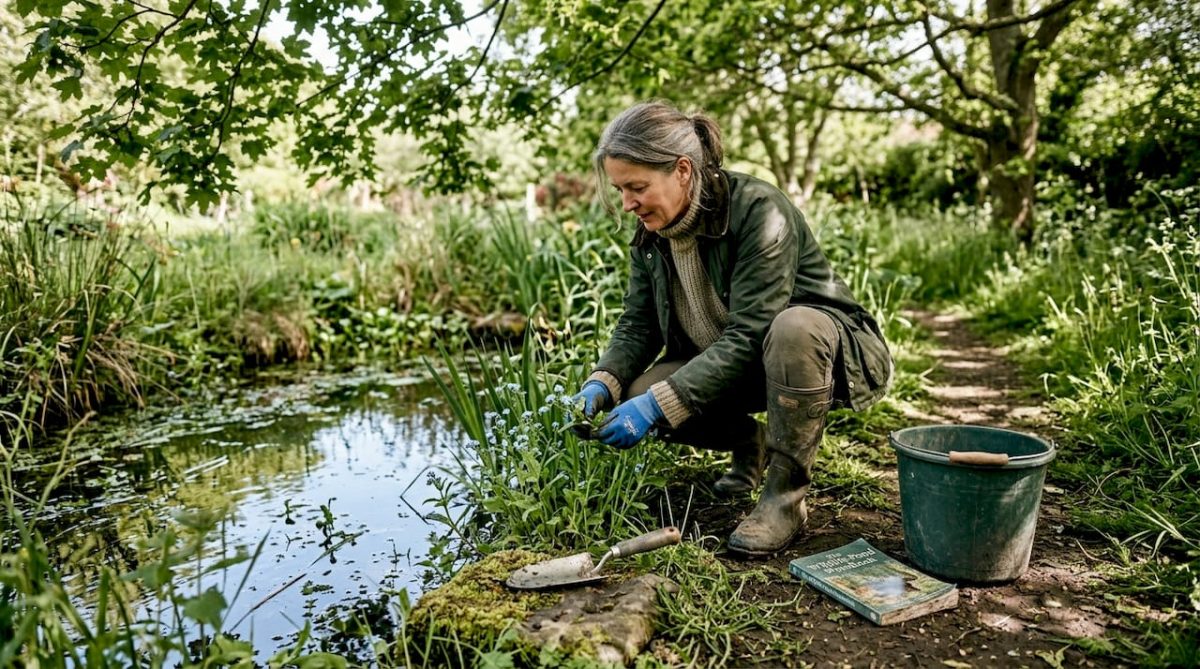
Invasive weeds are quietly advancing through riverbanks, pond margins, and drainage channels across England, Wales, and Ireland, threatening water quality, accelerating bank erosion, and displacing native wildlife. A single Japanese Knotweed stand can push through tarmac and concrete; near water, the consequences are far more serious. Homeowners often assume this is a countryside problem, but urban streams, garden ponds, and estate ditches are just as vulnerable. The reassuring reality is that you do not need herbicides or harmful chemicals to protect your water source. With the right knowledge and a structured approach, effective, eco-friendly eradication is within reach for any motivated homeowner.
Table of Contents
- Why invasive weeds threaten your water sources
- How to assess weed risk and spot early signs
- What you need: Tools, materials, and preparation
- Step-by-step: Remove weeds and protect your water source
- Aftercare and ongoing protection: Keep your water clean
- A fresh perspective: What most guides miss about weed risk
- Get expert help and advanced chemical-free solutions
- Frequently asked questions
Key Takeaways
| Point | Details |
|---|---|
| Early detection matters | Spotting and tackling weeds before they spread makes treatment simpler and cheaper. |
| Manual methods work best | Hands-on removal and ongoing monitoring offer safe, effective weed control without chemicals. |
| Preparation ensures safety | Using the right tools and PPE prevents harm to you and your water source. |
| Community involvement helps | Reporting findings and working together increases success in protecting water. |
Why invasive weeds threaten your water sources
The scale and speed at which invasive weeds colonise British water margins is striking. Japanese Knotweed can grow up to 10 centimetres per day in peak season, and Himalayan Balsam can produce up to 800 seeds per plant, dispersing readily along watercourses. These are not slow-moving threats. They are active, aggressive, and capable of fundamentally altering how your local waterway functions.
The practical harms are wide-ranging and serious:
- Water quality: Dense weed growth depletes oxygen in still water and decomposes to form harmful organic matter, affecting fish and aquatic invertebrates.
- Flooding risk: Thick root systems and dense stems obstruct water flow through channels and culverts, raising flood risk for adjacent properties. Protecting water infrastructure becomes far more difficult once an infestation is established.
- Bank destabilisation: Invasive species replace deep-rooted native plants, leaving banks friable and prone to collapse.
- Biodiversity loss: Native marginal plants, insects, and breeding birds are outcompeted and displaced, reducing local ecological value.
- Legal and insurance implications: If invasive weeds spread from your property to neighbouring land or waterways, you may face legal liability. Mortgage lenders and insurers increasingly scrutinise weed risks for homeowners, and unchecked infestations can affect property valuations and sale prospects.
This is not purely a rural concern. Urban water features, estate ponds, and even garden streams are vulnerable. As confirmed by managing invasive plants near water, invasive weeds like Japanese Knotweed disrupt local hydrology, out-compete native species, and can accelerate bank erosion. The longer action is delayed, the harder and more expensive the remedy becomes.
Now that you understand what’s at stake, it is time to check for weed threats around your own property.
How to assess weed risk and spot early signs
A thorough visual inspection is your first line of defence. Carry it out in late spring and again in early autumn, when invasive species are most identifiable by their growth habits and foliage.
Follow this inspection sequence:
- Walk the full perimeter of any water feature, stream, or drainage ditch on your land.
- Check banks and outflow pipes for unusual growth, particularly thick bamboo-like stems or broad, shovel-shaped leaves.
- Examine still water edges for floating mats of vegetation that may indicate invasive aquatic species.
- Inspect ditches and culverts for blockages caused by dense-rooted growth.
- Photograph any suspect plants and record location, date, and approximate spread.
Knowing which plants to look for makes all the difference:
| Plant | Key features | Season visible |
|---|---|---|
| Japanese Knotweed | Bamboo-like stems, cream flowers, shovel-shaped leaves | Spring to autumn |
| Himalayan Balsam | Pink-purple flowers, hollow stems, rapid waterside spread | Summer to early autumn |
| Giant Hogweed | Enormous umbrella flower heads, can reach 5 metres, toxic sap | Late spring to summer |
As noted in a weed risk assessment, early intervention is critical to prevent dense infestations, which are more costly to manage. The advice is clear: do not wait until growth becomes overwhelming before acting.
For a structured approach to identifying threats at your property, the weed assessment for UK homes resource provides detailed guidance. If you suspect Giant Hogweed, exercise particular caution; its sap causes severe photochemical burns. Good drain maintenance basics are also worth reviewing alongside your weed inspections, as blocked drains often accompany invasive root spread.
Pro Tip: Keep a yearly log with photographs and GPS coordinates of any suspected invasive plants. Report confirmed sightings to your local authority or the GB Non-Native Species Secretariat to assist with regional monitoring.
Once you have confirmed a risk, gathering the right resources and preparing properly will affect your success.
What you need: Tools, materials, and preparation
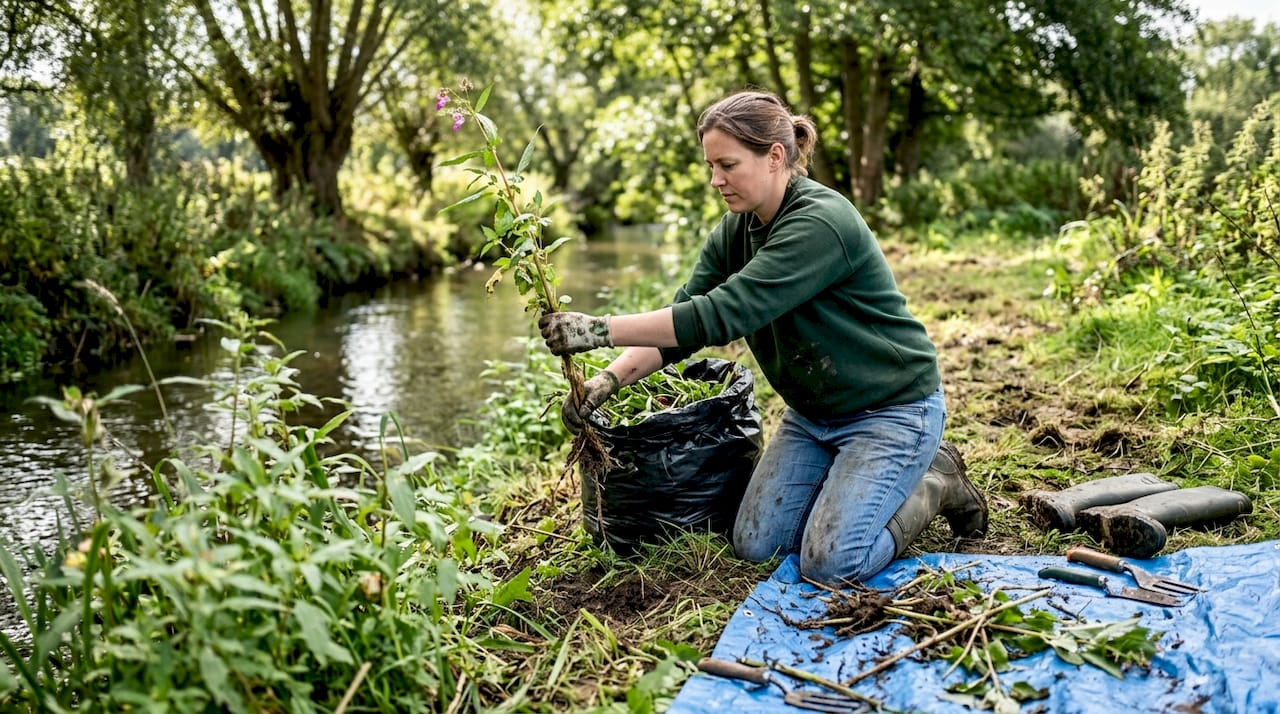
Working near water demands particular care. The goal is to remove invasive growth with minimal disturbance to the bank structure and aquatic life. The correct tools and PPE minimise disturbance to banks and aquatic life during weed removal, so investing in proper equipment is not optional.
Here is a comparison of basic versus advanced kit:
| Category | Basic kit | Advanced kit |
|---|---|---|
| Digging | Hand trowel, fork | Long-handled mattock, root puller |
| Cutting | Secateurs | Heavy-duty loppers, reciprocating saw |
| Containment | Bin bags | Heavy-gauge tarpaulin, sealed disposal bags |
| Safety | Gloves, Wellington boots | Chemical-resistant gloves, goggles, waterproof overtrousers |
| Monitoring | Notebook | GPS device, dated photographic log |
Essential safety items to assemble before starting:
- Thick gloves: Invasive plants like Giant Hogweed require chemical-resistant protection.
- Waterproof boots: Ankle support is critical on unstable banks.
- Eye protection: Particularly important when cutting stems that can spring back unexpectedly.
- Tarpaulin: Spread beneath work areas to catch all stem and rhizome fragments.
Pro Tip: Always place a tarpaulin between your work area and the water’s edge. Even small fragments of Japanese Knotweed rhizome can regenerate if they enter a watercourse, spreading the infestation further downstream.
Safety notice: Do not attempt heavy physical removal near unstable or undercut banks without professional advice. Bank collapse is a genuine risk and can result in serious injury. If you have any doubt about the structural integrity of the bank, contact a specialist before proceeding. Guidance on land drain installation advice can also help you assess whether drainage issues are contributing to bank instability.
For complex situations, the role of agencies in weed control outlines how professional support can be deployed safely and effectively.
With everything assembled, you are ready to tackle the weeds step by step.
Step-by-step: Remove weeds and protect your water source
Manual removal, repeated over several seasons, remains the safest and most effective chemical-free method for UK homeowners. Consistency is far more important than intensity. A single thorough clearance followed by neglect will always produce poor results.
Follow this process:
- Isolate the work area. Lay tarpaulins and clearly define the zone to prevent debris entering the water.
- Cut stems to ground level. Remove above-ground growth first; bag it immediately and seal the bags.
- Excavate the rhizome network. Dig carefully around root crowns to remove as much of the root system as possible. For Japanese Knotweed, rhizomes can extend 3 metres deep and 7 metres laterally.
- Check the soil thoroughly. Even a fragment the size of a fingernail can regenerate; sieve disturbed soil where practical.
- Dispose of material responsibly. All invasive plant material is classified as controlled waste in the UK. It must be taken to a licensed facility; never compost it on site.
- Monitor for regrowth. Revisit the site every four to six weeks through the growing season. Regrowth should be removed promptly.
Common pitfalls and how to avoid them:
| Pitfall | Recommended action |
|---|---|
| Leaving stem fragments near water | Always use a tarpaulin; bag all material before moving |
| Treating removal as a one-off task | Schedule at least three removal cycles per season |
| Ignoring rhizome depth | Excavate to at least 1 metre; consider professional excavation for severe cases |
| Working during nesting season | Postpone to avoid disturbing ground-nesting birds |
Pro Tip: Schedule your main removal work between September and March, outside of the bird nesting season, to comply with wildlife protection legislation and reduce ecological disturbance.
For properties with extensive infestations, review the top methods for weed control to identify whether professional intervention is the more practical option. Surface water drainage safety is worth reviewing too, as weed removal can temporarily alter local drainage patterns.
After removing weeds, your final task is ongoing vigilance.
Aftercare and ongoing protection: Keep your water clean
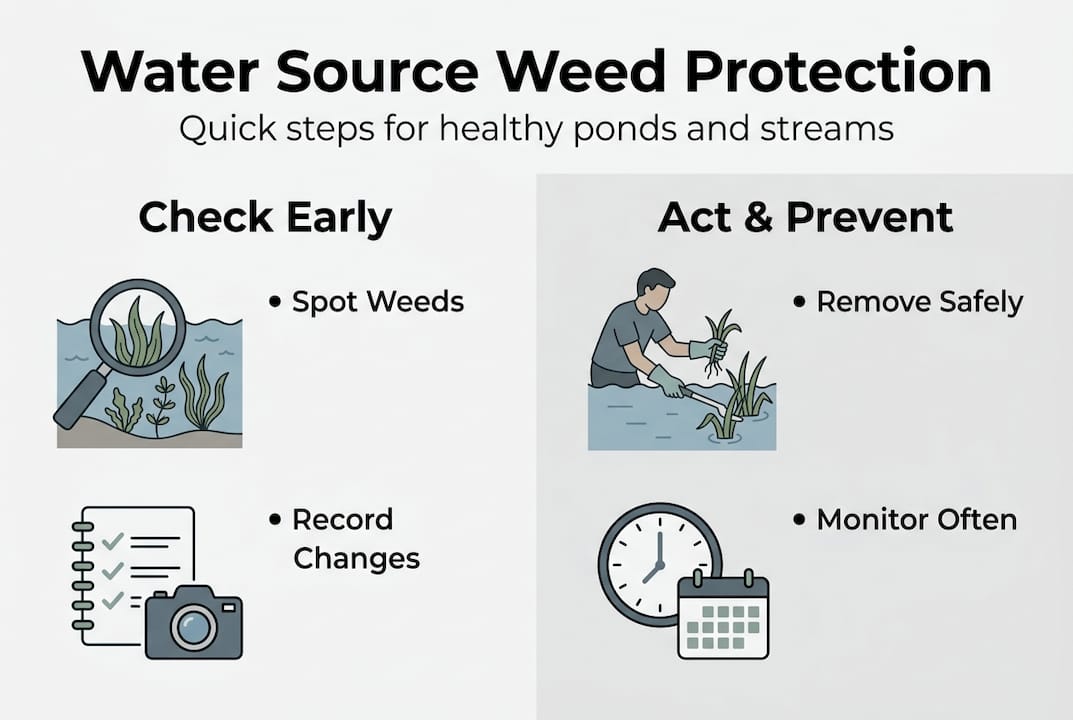
Removing an infestation is a significant achievement, but the work does not stop there. Continual monitoring and replanting with native vegetation helps prevent the return of invasive species, restoring bank stability and ecological function simultaneously.
Build these practices into your routine:
- Carry out seasonal inspections in spring and autumn, recording any new growth in your log.
- Plant native marginal species such as yellow flag iris, water mint, and marsh marigold. These occupy the ecological niche that invasive weeds exploit and support pollinators and aquatic life.
- Maintain clear drainage channels to prevent standing water that creates ideal conditions for species like Himalayan Balsam.
- Engage your neighbours. Weed seeds and rhizome fragments travel via watercourses, so an unmanaged infestation upstream will undo your efforts downstream.
- Contact your local Environment Agency office if you discover a large-scale infestation affecting a main watercourse; they have statutory powers and resources to assist.
Keep track of your progress using a simple takeaways log:
| Action | Frequency | Outcome to monitor |
|---|---|---|
| Visual inspection | Every season | New growth, bank changes |
| Native replanting | Autumn and spring | Coverage, plant establishment |
| Drainage check | After heavy rainfall | Blockages, waterlogging |
| Community coordination | Annually | Upstream and downstream status |
Staying informed about changes in legislation is equally important. The regulation updates on invasive weeds page outlines which species are increasingly coming under legal controls, ensuring your management programme remains compliant. For ongoing support with drainage maintenance for protection, specialist advice can help safeguard your property against flood risk linked to weed-obstructed channels.
Having implemented and maintained these steps, you can now consider the wider lessons.
A fresh perspective: What most guides miss about weed risk
Most guides treat invasive weed management as a technical problem: identify, remove, repeat. But the deeper issue is one of ongoing commitment and collective responsibility. We see homeowners who invest weeks in careful removal, only to find regrowth appearing from a neighbouring property the following season. Chemical-free action is not a weakness; it is a sustainable, long-term strategy that actually works when applied consistently and community-wide.
The most common mistake is treating weed management as a single event rather than an evolving programme. This mirrors how the eco solutions by agencies approach works: structured, regular, and adaptive. Recording and reporting sightings matters not just for your own property but for your entire neighbourhood and the wider watercourse network. A well-documented infestation history also strengthens your position legally and with insurers. Weed management is environmental leadership, and it starts with you.
Get expert help and advanced chemical-free solutions
When infestations extend beyond what manual removal can address, specialist intervention makes all the difference. Japanese Knotweed Agency has pioneered chemical-free treatment across England, Wales, and Ireland, deploying up to 5,000 volts of direct energy onsite to cause internal cell damage and deplete the rhizome network’s energy reserves without a single drop of herbicide.

From initial property surveys and weed risk assessments through to root barrier installation and full excavation works, we support homeowners at every stage of the process. For those facing persistent or large-scale infestations, the UK invasive species eradication guide is an essential resource, and our weed control FAQs provide direct answers to the questions homeowners ask most.
Frequently asked questions
What are the main invasive weeds found near UK water sources?
Japanese Knotweed, Himalayan Balsam, and Giant Hogweed are the most common threats to water sources across England, Wales, and Ireland, each posing distinct risks to waterway health and bank stability.
Is it possible to protect water sources without using chemicals?
Yes. Repeated manual removal, physical root barriers, and strategic replanting with native species can achieve durable, long-term control without the use of herbicides or other chemical treatments.
How often should water sources be checked for invasive weeds?
You should inspect banks and water margins at least seasonally; as early detection remains the most effective and cost-efficient approach to weed control, spring and autumn inspections are the minimum recommended frequency.
Who can help if the infestation is too difficult to manage?
Specialist agencies, local authorities, and ecology-focused businesses can assess the extent of the infestation and provide targeted, chemical-free eradication support tailored to your property and water source.