Selling a property in England or Wales with Japanese Knotweed can feel overwhelming when mortgage lenders demand proof of effective treatment. The pressure to find a solution that avoids soil contamination and delays is real for many UK homeowners. Electricity-based weed eradication provides a chemical-free alternative that tackles even stubborn invasive species, offering formal treatment plans and lender-accepted documentation for smoother property transactions.
Table of Contents
- Electricity-Based Weed Eradication Explained
- Thermo-Electric Treatment Types and Mechanisms
- Effectiveness Compared to Chemical Methods
- Safety, Legal Duties and Compliance in the UK
- Common Pitfalls and Choosing the Right Plan
Key Takeaways
| Point | Details |
|---|---|
| Chemical-Free Method | Electricity-based weed eradication offers a safe and eco-friendly alternative to traditional herbicides, causing no chemical residues. |
| Effective for Invasive Species | Trials show this method is particularly effective against persistent invaders, such as Japanese Knotweed, aiding in property value protection. |
| Timely Results | Electrical treatments provide rapid results, often visible within hours or days, facilitating quick resolution for property sales. |
| Compliance and Documentation | Ensure treatment is performed by certified operators and properly documented to meet lender requirements during property transactions. |
Electricity-Based Weed Eradication Explained
Electricity-based weed eradication represents a chemical-free alternative that’s gaining momentum across the UK. This method uses high-voltage electrical current to damage plant cells, effectively killing weeds without herbicides or intensive labour.
The technology works by delivering electrical pulses through contact electrodes directly to the plant. Electric weed control causes rapid cell damage that suppresses growth or kills the weed entirely. The process is quick and causes minimal disruption to the surrounding soil.
How the Technology Works
Electrical weed eradication typically uses high-voltage, short-duration pulses delivered via insulated lances or contact equipment. The voltage ranges from 750 volts up to 5000 volts, depending on the application and weed type.
When electrical current reaches the plant, it causes internal cell damage and depletes energy resources, particularly within the rhizome network of invasive species like Japanese Knotweed. This approach targets the plant’s root system effectively, preventing regrowth.
Key characteristics of the method:
- Delivers electrical shock through direct plant contact
- Causes immediate cell disruption and energy depletion
- Works on perennial and annual weeds
- Minimal soil disturbance compared to excavation
- Requires no chemical residue management
Electrical weed control offers a genuine alternative for homeowners seeking chemical-free solutions, particularly when tackling invasive species during property transactions.
Why It Matters for UK Homeowners
Many UK homeowners face challenges when selling properties affected by invasive weeds. Mortgage lenders increasingly require formal treatment surveys and management plans before approving property purchases where invasive species are present.
Traditional chemical treatments raise concerns about soil contamination and environmental impact. Electricity-based methods provide a proven, eco-friendly option that addresses these concerns whilst delivering results.
UK trials, including work at Oxford Botanic Garden, continue to demonstrate the effectiveness of this approach against stubborn invasive species. The method has shown particular promise for Japanese Knotweed and other perennial invaders that resist conventional treatments.
Treatment and Root Barrier Solutions
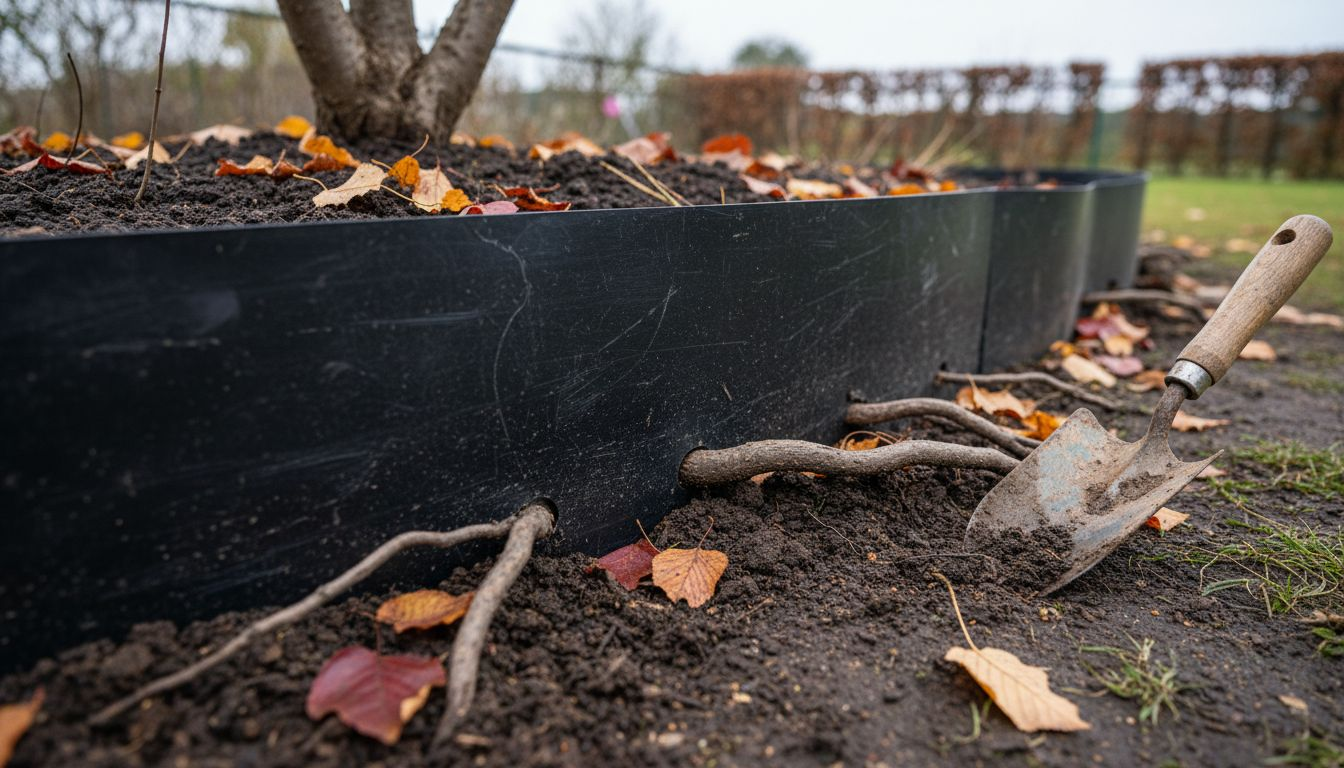
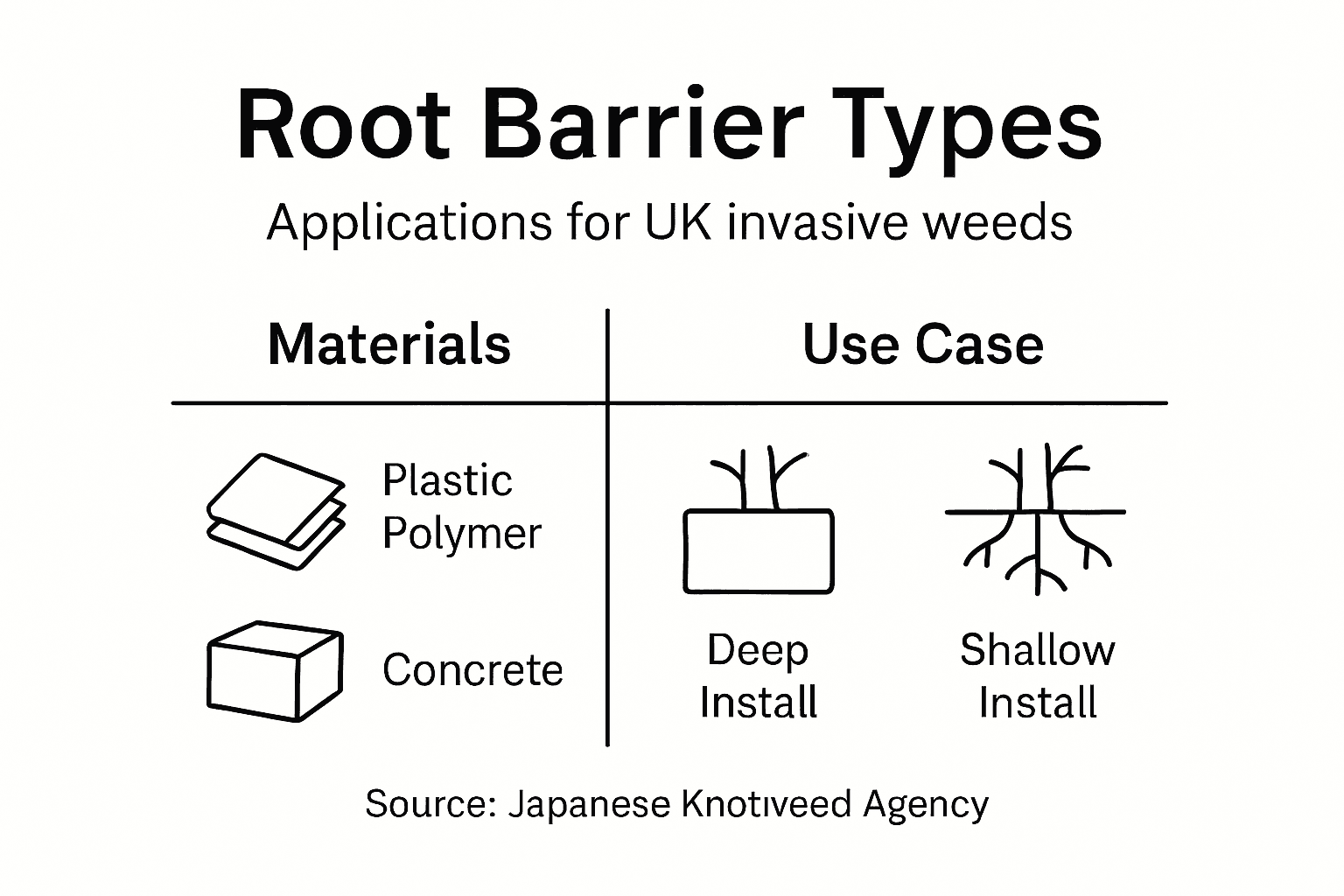
Electricity-based eradication works best as part of a comprehensive strategy. Many properties benefit from combining electrical treatment with root barrier installation to prevent future spread.
A complete approach includes:
- Initial property survey to assess infestation extent
- Electrical treatment cycles targeting the root system
- Root barrier installation where needed
- Ongoing monitoring to confirm eradication
- Documentation for mortgage lender requirements
This combination ensures both immediate eradication and long-term protection for your property.
Pro tip: Schedule a formal survey before listing your property if you suspect invasive weeds; having a documented treatment plan ready significantly streamlines the mortgage approval process and protects your sale timeline.
Thermo-Electric Treatment Types and Mechanisms
Thermo-electric treatment combines heat and electrical current to eliminate weeds at the cellular level. When high-voltage electricity passes through a plant, the plant’s natural resistance creates internal heat that boils cells and destroys the plant’s structure from within.
This dual mechanism—electrical current plus thermal damage—makes thermo-electric treatment particularly effective against invasive species with deep root systems. Unlike surface treatments, the energy penetrates directly to where it matters most: the rhizome network of persistent weeds.
How Internal Cell Damage Works
Electric weeders generate heat internally that boils plant cells and damages structural integrity. The plant’s own cellular fluids become a conductor, allowing the electrical current to travel through the entire organism, including roots buried deep underground.
Treatment effectiveness varies based on several factors that determine how well the electrical current travels through the plant. Understanding these variables helps explain why some treatments succeed whilst others require multiple applications.
Factors affecting treatment success:
- Plant size and maturity level
- Water content within the plant tissue
- Soil moisture and conductivity
- Root depth and extent
- Species-specific resistance patterns
Emerging and younger weeds respond more readily to thermo-electric treatment than mature, established specimens with extensive root networks.
Equipment Types and Application Methods
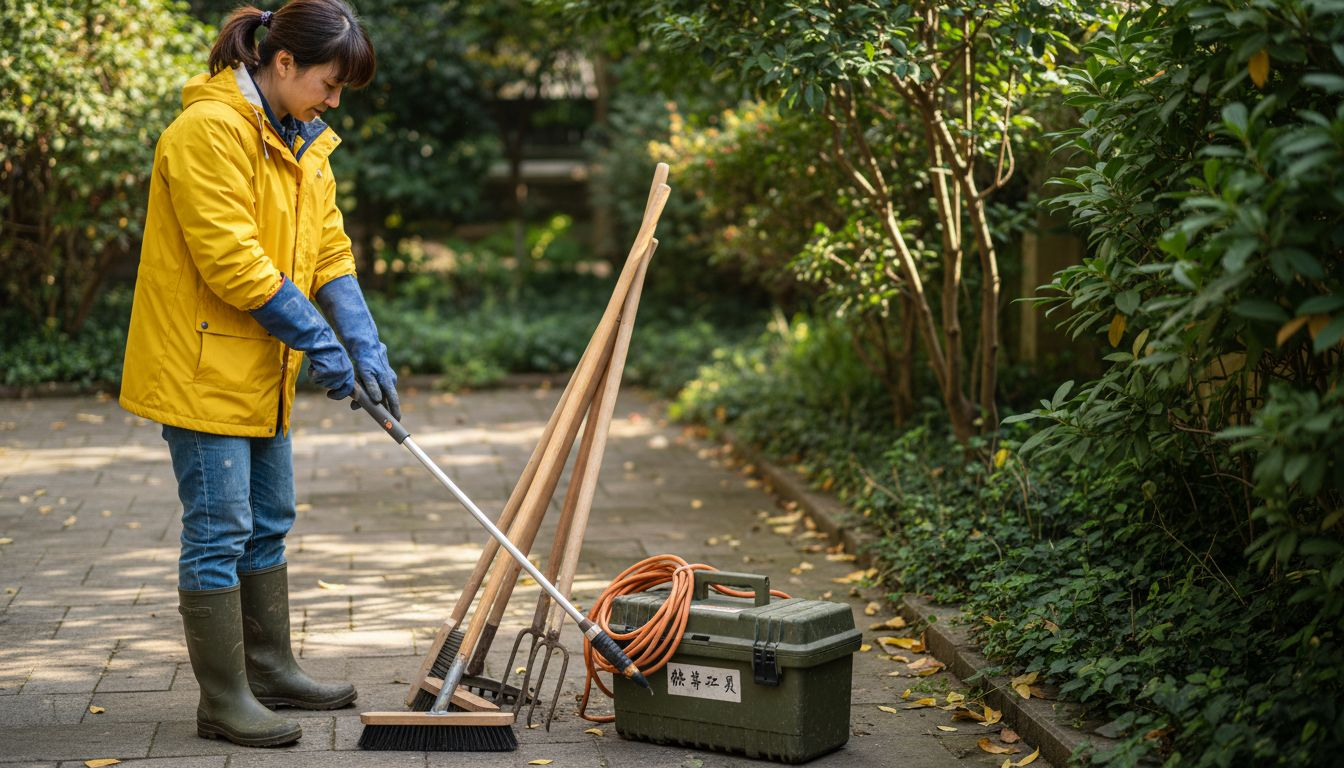
Different treatment scenarios require different equipment configurations. Pedestrian-operated devices work well for smaller infestations and residential properties, whilst tractor-mounted systems cover larger areas more efficiently.
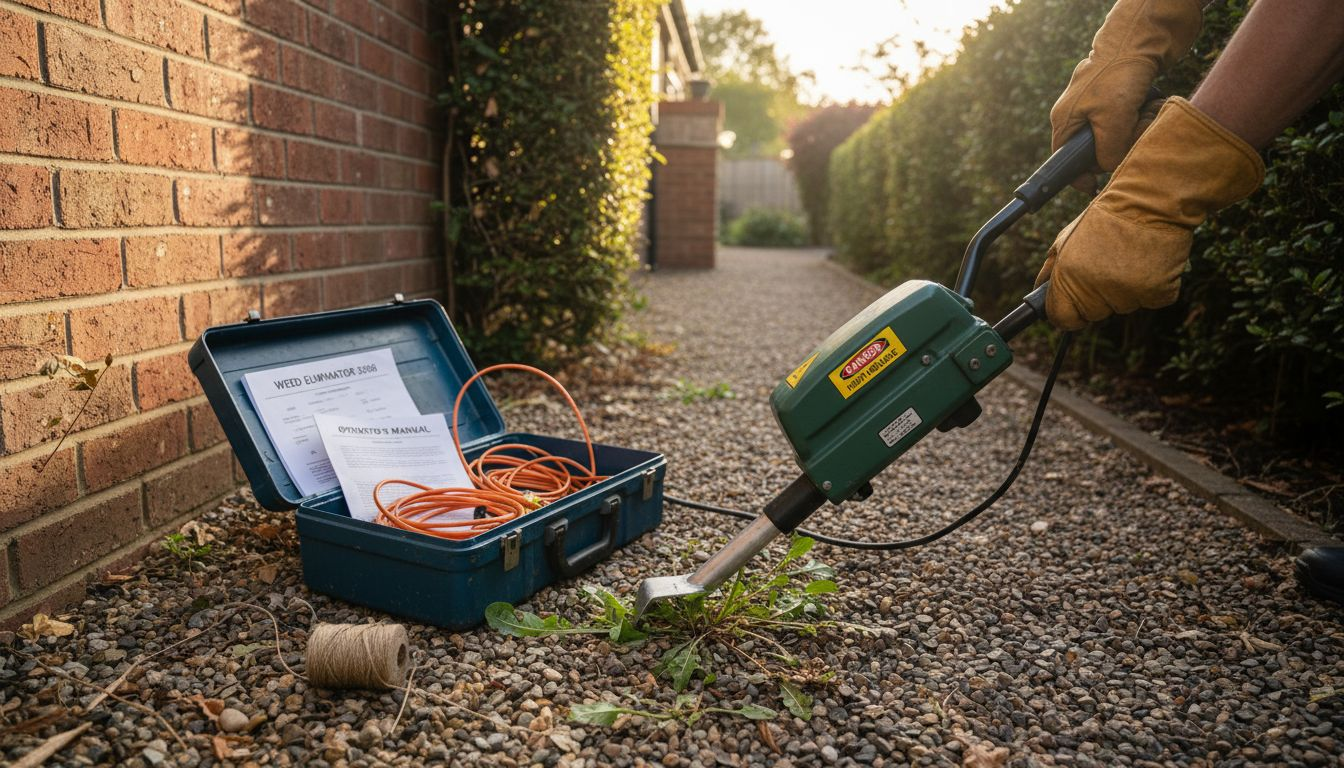
All equipment requires proper operator training for safe and effective use. High-voltage electricity demands respect and careful handling to protect both the operator and surrounding property.
Common equipment types:
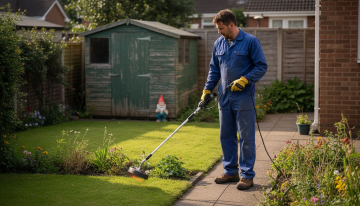
- Hand-held lance applicators for targeted spot treatment
- Pedestrian push units for garden and small-scale use
- Tractor-mounted delivery systems for extensive areas
- Backpack-style units for difficult terrain access
Each system delivers electrical current via contact electrodes that complete a circuit through the plant. The shortest electrical path through the root system ensures systemic plant death, preventing regrowth from any remaining root fragment.
Why Thermo-Electric Outperforms Chemical Methods
Chemical herbicides require uptake through the plant’s vascular system and take weeks to show results. Thermo-electric treatment causes immediate cellular destruction, with visible plant collapse within hours or days.
For properties in England and Wales where Japanese Knotweed or other invasive species threaten property value, this speed matters significantly. Mortgage lenders want documented proof of eradication before completing transactions, and thermo-electric treatment provides that proof quickly.
Pro tip: Request a survey from specialists experienced with thermo-electric equipment; they can assess your specific infestation and recommend whether treatment requires one application or multiple cycles spaced over time.
Effectiveness Compared to Chemical Methods
Electricity-based weed eradication matches or exceeds the effectiveness of traditional chemical herbicides. Studies published in Weed Science journal demonstrate that electric control achieves comparable results without the environmental and health drawbacks that accompany chemical treatments.
The key difference lies not in what works, but in how it works. Chemical herbicides require weeks to show results and depend on weather conditions. Electricity-based methods deliver immediate cellular destruction whilst avoiding the complications that come with chemical applications.
Matching Herbicide Effectiveness
Electric weed control proves similarly effective to conventional herbicides and mechanical methods, with no damage to crops. Research confirms that electrical treatment successfully eliminates persistent weeds whilst maintaining soil and plant health in surrounding areas.
This equivalence matters for UK homeowners facing property transactions. Mortgage lenders care about results, not methodology. When electrical treatment delivers the same weed elimination as chemicals, lenders accept documented electrical treatment as satisfactory proof of eradication.
Here’s a concise comparison of electricity-based weed eradication and chemical herbicide methods:
| Aspect | Electricity-Based Treatment | Chemical Herbicides |
|---|---|---|
| Speed of Results | Visible within hours or days | Takes several weeks |
| Environmental Impact | No chemical residues, minimal soil disturbance | Risk of soil and water contamination |
| Effect on Non-Target Plants | Low, highly targeted action | Higher, potential for drift |
| Risk of Herbicide Resistance | None, weeds do not develop immunity | Yes, resistance develops over time |
| Health Risk to Operators | Very low, no chemical exposure | Moderate, chemical exposure risk |
| Acceptance by Lenders | Widely accepted for property sales | Widely accepted if documented |
Key advantages over chemical methods:
- No chemical residues left in soil or water
- No rain-fast waiting periods required
- No drift restrictions affecting neighbouring properties
- No herbicide-resistant weed populations develop
- Minimal environmental impact on non-target plants
Electrical treatment eliminates the herbicide resistance problem entirely, since repeated applications don’t allow weeds to develop immunity like they do with chemical treatments.
Environmental and Health Benefits
Chemical herbicides pose genuine risks that electrical methods avoid completely. Worker exposure to chemicals decreases significantly with electrical treatment, and soil contamination becomes irrelevant when no chemicals enter the ground.
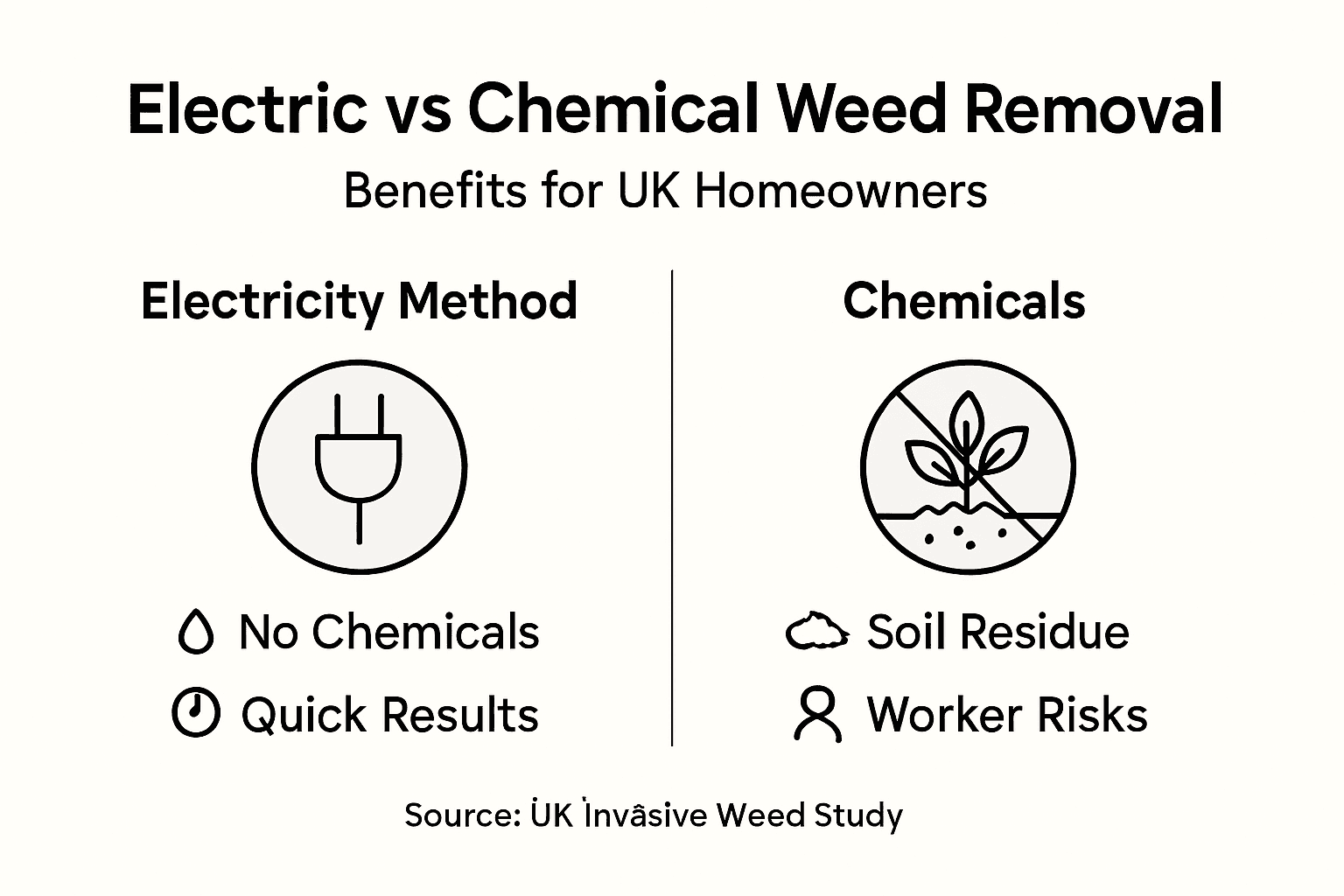
Water systems remain unaffected by electrical treatment. Herbicide runoff—a persistent problem in wet seasons—simply does not occur. For properties near water sources, this advantage proves particularly valuable.
Health and environmental considerations:
- No chemical exposure for operators or residents
- No water system contamination or pollutant runoff
- No health risks from chemical residues on treated land
- No need to manage chemical disposal requirements
- No long-term soil degradation from repeated applications
These factors make electrical treatment especially appealing during property sales in England and Wales, where environmental concerns increasingly influence mortgage lending decisions.
Managing the Trade-offs
Electrical treatment does carry one significant consideration: fire hazard in dry conditions. Dried plant residues can present fire risk, requiring careful management and planning around weather patterns and fire risk seasons.
This limitation proves manageable through proper timing and site preparation. Spring and autumn applications, combined with adequate moisture management, minimise risk. Professional treatment specialists understand these seasonal considerations and schedule work accordingly.
For UK properties, this single consideration pales against the comprehensive advantages electrical treatment offers over chemical methods.
Pro tip: Ask your treatment specialist about timing recommendations for your specific region; scheduling electrical treatment during naturally moister periods reduces fire risk whilst maintaining full effectiveness.
Safety, Legal Duties and Compliance in the UK
Electrical weed eradication in the UK operates within a clear regulatory framework designed to protect users, the public, and the environment. Understanding these legal requirements ensures your treatment complies with UK law and protects your property interests during sales or refinancing.
Unlike chemical treatments, electrical methods fall under strict electrical safety regulations rather than pesticide legislation. This distinction matters for compliance, training, and documentation requirements.
Operator Certification and Training Requirements
Certified operator training ensures safe operation and legal compliance when using high-voltage electrical equipment. The UK mandates formal certification for anyone operating electrical weed control systems, particularly in public areas or near sensitive zones.
Training covers equipment operation, electrical hazard recognition, risk assessment procedures, and emergency response protocols. This certification protects both the operator and anyone on or near the treated property.
Mandatory training components include:
- High-voltage equipment safety principles
- Electrical hazard recognition and risk mitigation
- Fire risk assessment and prevention
- Public safety protocols and documentation
- Environmental impact awareness
Professional operators hold current certification demonstrating competence with electrical equipment, a key point mortgage lenders verify when reviewing treatment documentation.
Equipment Safety Standards and Certification
Electrical weed control equipment must meet CE certification standards to operate legally in the UK. Equipment like the Kersten and Zasso systems carry this certification, confirming they meet stringent safety requirements.
CE certification verifies that equipment protects users and third parties from electrical shocks, fire hazards, and other risks. When selecting a treatment provider, confirm their equipment carries current CE certification.
Safety standards cover:
- Electrical insulation and shock protection
- Fire hazard mitigation in dry conditions
- Equipment reliability and maintenance requirements
- User interface safety and emergency shut-off mechanisms
- Environmental safety during operation
Legal Duties for Property Owners
UK regulations require property owners and treatment providers to ensure electrical weed control applications do not endanger public safety or wildlife. This means conducting proper risk assessments before treatment and maintaining detailed treatment records.
Your legal obligations include ensuring the treatment method aligns with environmental policies and does not breach local regulations. For properties undergoing sale, legal requirements for invasive species treatment include documenting the treatment method and contractor qualifications for mortgage lender submission.
Key compliance duties:
- Conduct risk assessments before treatment begins
- Use only certified, trained operators
- Maintain comprehensive treatment records
- Ensure public access restrictions during application
- Document environmental impact monitoring
- Provide proof of compliance to lenders if selling
These records become essential when lenders request evidence of proper invasive species management during property transactions.
For homeowners, these are the key stages and responsibilities for compliant invasive weed management:
| Stage | Main Action | Homeowner Responsibility |
|---|---|---|
| Initial Survey | Assess extent of infestation | Arrange certified surveyor visit |
| Treatment | Electrical treatment cycles or chemical application | Contract qualified provider, ensure records |
| Root Barrier | Install where necessary | Approve installation if advised |
| Monitoring | Regular site inspections | Allow access for follow-ups |
| Lender Documentation | Provide complete treatment records | Submit paperwork for mortgage approval |
Pro tip: Request written certification of operator training and equipment CE certification before any treatment begins; this documentation directly supports mortgage lender requirements and protects your legal position.
Common Pitfalls and Choosing the Right Plan
Selecting the wrong weed eradication approach can derail property sales, delay mortgage approval, and waste thousands of pounds on ineffective treatments. UK homeowners facing Japanese Knotweed or other invasive species often make critical mistakes that complicate their transaction timelines.
Understanding common pitfalls helps you avoid costly delays and choose a treatment plan that satisfies mortgage lender requirements from day one.
Mistakes That Delay Property Sales
The most common error is treating invasive weeds without professional documentation. Mortgage lenders don’t simply accept “the weeds are gone”—they require formal surveys, detailed treatment plans, and evidence from certified specialists.
Many homeowners attempt DIY electrical treatment or hire unqualified contractors, then discover their lender won’t accept the work. This discovery late in the conveyancing process can collapse sales or trigger renegotiation of the purchase price.
Frequent mistakes include:
- Starting treatment without a formal pre-treatment survey
- Using non-certified operators or uncertified equipment
- Failing to document treatment cycles and monitoring
- Choosing speed over thoroughness in treatment planning
- Not understanding lender-specific requirements for your region
Mortgage lenders increasingly request evidence of professional surveys and treatment plans before advancing funds; skipping these steps almost guarantees transaction delays.
Electrical Treatment Misconceptions
Many homeowners mistakenly believe one electrical treatment session eliminates all invasive weeds permanently. Japanese Knotweed and similar species often require multiple treatment cycles spread over months to fully deplete the extensive rhizome network.
A comprehensive treatment plan accounts for seasonal factors, weather patterns, and the specific species’ growth cycle. Professional treatment providers understand these variables and build realistic timelines into their proposals.
Common misconceptions:
- Single treatments guarantee permanent eradication
- All electrical treatment equipment performs identically
- Treatment cost indicates treatment quality
- Visible weed death proves root system elimination
- Treatment is necessary only on the visible infestation area
Choosing a Qualified Treatment Provider
Not all electrical weed control services carry the same credentials. Certified operators with proper training distinguish professional providers from unqualified alternatives. Request proof of CE-certified equipment, operator training documentation, and previous client references.
For property transactions, your treatment provider must understand mortgage lender requirements and provide documentation in formats lenders request. This specialised knowledge matters as much as technical treatment expertise.
Evaluate providers based on:
- Operator certifications and training records
- Equipment CE certification status
- Experience with property transaction requirements
- Formal survey and documentation procedures
- Regional expertise and local knowledge
- Written guarantees or warranties on treatment outcomes
Japanese Knotweed Agency offers comprehensive surveys across England and Wales, combining professional assessment with treatment planning tailored to lender requirements from the outset.
Building Your Treatment Timeline
Successful invasive species eradication requires realistic scheduling. Begin your survey at least three to four months before your intended property sale date. This timeline allows sufficient treatment cycles, monitoring periods, and documentation gathering.
Your treatment plan should account for seasonal factors affecting plant dormancy, moisture levels, and treatment effectiveness. Spring or autumn applications often prove more effective than summer treatments on drought-stressed plants.
Pro tip: Schedule your professional survey before listing your property; armed with a formal treatment plan and timeline, you can confidently market the property and accelerate the sales process once an offer arrives.
Discover Safe, Chemical-Free Electricity Weed Eradication for Your UK Home
The challenge of eradicating invasive weeds like Japanese Knotweed without harmful chemicals is real and pressing for many UK homeowners. The article highlights critical concerns such as achieving thorough root system destruction, avoiding soil contamination, and meeting mortgage lender requirements through certified and documented treatment plans. If you seek a proven, eco-friendly solution delivering high-voltage electrical pulses that cause internal cell damage and permanently deplete weed energy resources, you are not alone.
Japanese Knotweed Agency specialises in exactly this chemical-free method. We provide comprehensive property surveys across England, Wales and Ireland to assess infestations accurately. Our advanced electrical treatment applies up to 5000 volts on site, combined with root barrier installations and excavation when required. Our certified professionals ensure all work meets strict UK safety and compliance standards for smooth property sales and peace of mind.
Take control of your property’s future today with a treatment plan tailored to eliminate invasive weeds safely, swiftly and reliably.

Secure your home from invasive plants now by arranging your formal survey and treatment consultation. Visit Japanese Knotweed Agency to start the process and discover how our chemical-free solutions can protect your sale timeline and property value. Learn more about our electrical weed eradication services and ensure compliance with mortgage lender expectations.
Frequently Asked Questions
What is electricity-based weed eradication?
Electricity-based weed eradication is a chemical-free method that uses high-voltage electrical current to damage plant cells, effectively killing weeds without herbicides.
How does electrical weed control work?
This method delivers high-voltage electrical pulses through contact electrodes directly to the plant, causing rapid cell damage and energy depletion, especially targeting the root systems of invasive species.
Is electricity-based weed eradication safe for the environment?
Yes, this method poses minimal environmental impact as it does not leave chemical residues in the soil or water, making it an eco-friendly alternative to traditional herbicides.
How effective is electrical treatment compared to chemical methods?
Electrical treatment matches or exceeds the effectiveness of chemical herbicides, providing visible results within hours or days, while avoiding the health and environmental drawbacks associated with chemicals.