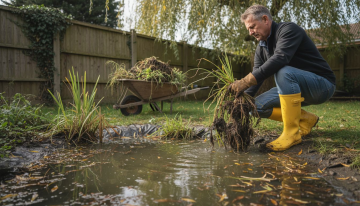
Invasive Weed Treatments – Chemical Vs. Eco Methods

Japanese Knotweed affects thousands of British homes every year, creating major stress for property transactions. The impact goes far beyond simple nuisance, with invasive plants causing legal headaches and adding unexpected costs. Japanese Knotweed costs the United Kingdom around £247 million annually. This guide breaks down common myths about invasive weed treatments and explains how chemical-free approaches and formal treatment plans can help homeowners in England, Wales, and Ireland protect their investments with confidence.

Table of Contents

Key Takeaways

Point Details
Invasive Weeds Are A Major Challenge Invasive species like Japanese Knotweed damage properties and ecosystems, necessitating expert management strategies.
Professional Help Is Crucial Always consult specialists for treatment to avoid further spreading and legal issues associated with invasives.
Consider Eco-Friendly Methods Chemical-free treatments minimise environmental impact and can effectively manage invasive species while preserving ecosystems.
Understand Legal Responsibilities Property owners must follow strict regulations surrounding invasive plant management to avoid financial penalties and legal disputes.

Defining invasive weed treatments and common myths

Invasive weeds represent a complex environmental challenge across the United Kingdom, with Japanese Knotweed being particularly notorious. These aggressive plant species spread rapidly, causing significant damage to properties, landscapes, and ecosystems. Invasive plants like Japanese Knotweed can penetrate concrete foundations, disrupt building structures, and create substantial legal complications during property transactions.

Contrary to popular belief, invasive plant myths persist about treatment methods. Many property owners mistakenly assume simple home remedies like boiling water, bleach, or fire can eliminate these resilient plants. However, these approaches rarely succeed and often risk further spreading the invasive species. Hemlock water dropwort and Japanese Knotweed demonstrate remarkable survival capabilities, with rhizome networks capable of regenerating from tiny root fragments.

Understanding invasive weed treatments requires recognising their unique biological characteristics. Professional treatment methods range from targeted chemical interventions to advanced ecological approaches like thermo-electric eradication. Homeowners must recognise that successful management demands specialist knowledge, precise identification, and strategic intervention techniques that address the entire root network.

Expert Recommendation: Always consult professional invasive plant specialists before attempting any treatment, as improper management can potentially spread the infestation and incur significant legal and property damage risks.

Chemical-based vs chemical-free eradication approaches

Invasive weed management presents property owners with two primary approaches: traditional chemical treatments and innovative chemical-free solutions. Chemical methods have long been the standard approach, involving synthetic herbicides designed to eliminate unwanted vegetation. However, alternative weed control techniques are gaining significant traction due to environmental and health concerns associated with chemical interventions.

Traditional chemical treatments typically involve systemic herbicides like glyphosate, which penetrate plant tissues and disrupt critical growth mechanisms. These methods can be rapid and seemingly effective, but they pose substantial risks to surrounding ecosystems, non-target plant species, and potentially human health. In contrast, chemical-free approaches focus on sustainable, environmentally conscious techniques such as mechanical removal, thermal treatments, and targeted biological interventions.

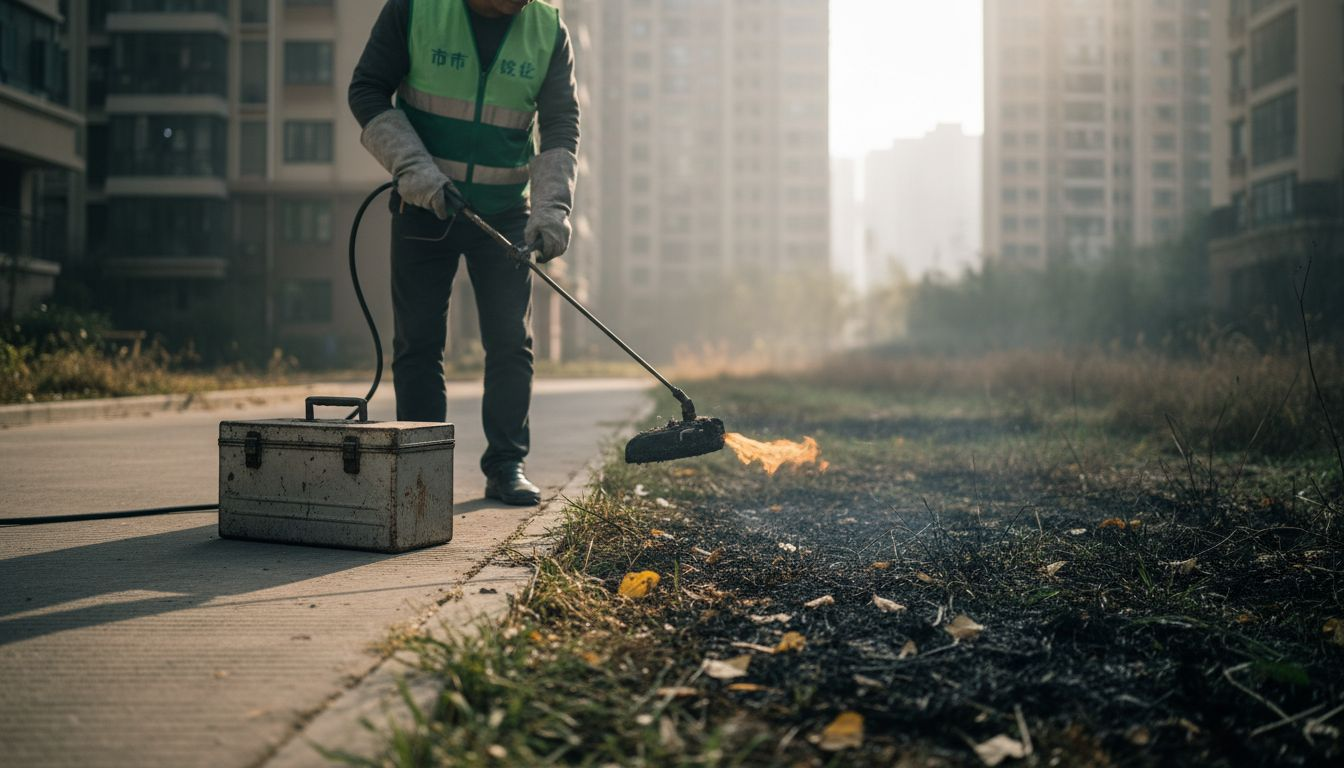
Non-chemical eradication methods offer several compelling advantages. Non-chemical weed management strategies like repeated cutting, physical barriers, and targeted thermal treatments provide environmentally responsible alternatives. These techniques minimise ecological disruption, protect biodiversity, and reduce potential long-term health risks associated with chemical herbicides. Specialised approaches like thermo-electric treatment can effectively target invasive species while maintaining environmental integrity.

Pro Tip: Consult professional invasive species specialists who can assess your specific situation and recommend the most appropriate and environmentally responsible eradication strategy.

Here is a comparison of the main invasive weed eradication approaches:

Approach Type Key Technique Environmental Impact Suitability
Chemical-based Systemic herbicides Can harm non-target species and ecosystems Rapid, often for severe infestations
Chemical-free Thermal/mechanical removal Minimal adverse impact, eco-friendly Sensitive environments, long-term control
Biological Targeted natural predators Supports natural balance, selective Early-stage or localised infestations

How eco-friendly treatments work on Japanese Knotweed

Japanese Knotweed represents one of the most challenging invasive plant species in the United Kingdom, requiring innovative and sustainable management techniques. Chemical-free control methods have emerged as groundbreaking solutions that address the complex biological resilience of this persistent plant. These advanced techniques focus on penetrating the extensive rhizome network without introducing harmful chemical substances into the environment.

Thermo-electric treatment stands out as a particularly promising eco-friendly approach. This method involves delivering precise electrical energy directly into the plant’s root system, causing internal cell damage and systematically depleting the plant’s energy resources. Unlike traditional herbicide treatments, this technique can target the plant’s entire underground network, significantly reducing the potential for regrowth and minimising environmental contamination.

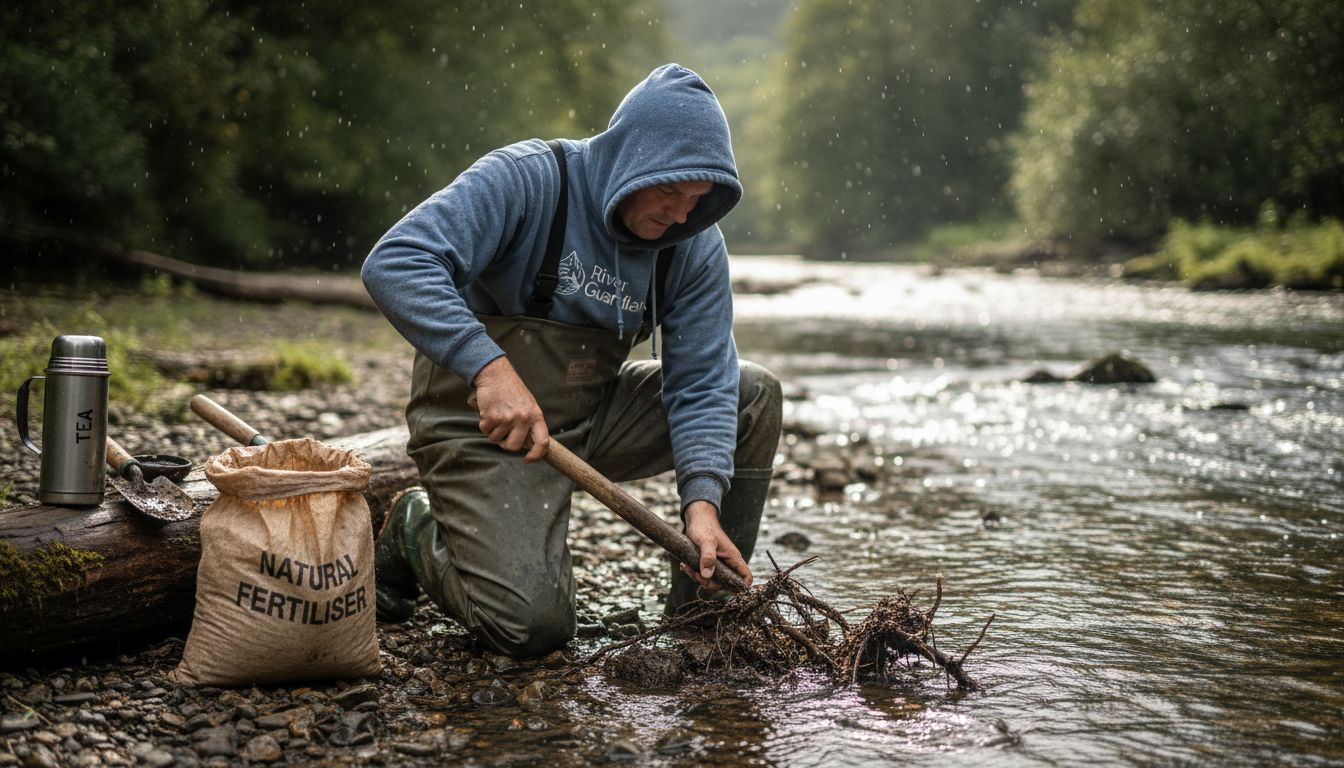
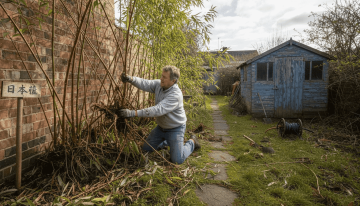
Specialist using eco treatment device

Pioneering chemical-free eradication strategies demonstrate remarkable potential for managing invasive species in ecologically sensitive areas. These methods typically combine multiple approaches such as targeted thermal treatments, mechanical removal, and biological interventions. The key advantage lies in their ability to address Japanese Knotweed comprehensively while preserving surrounding ecosystem integrity, making them increasingly attractive to environmental conservation professionals and property managers.

Pro Tip: Always engage professional invasive species specialists who can design a tailored, scientifically-backed treatment plan specific to your property’s unique Japanese Knotweed infestation.

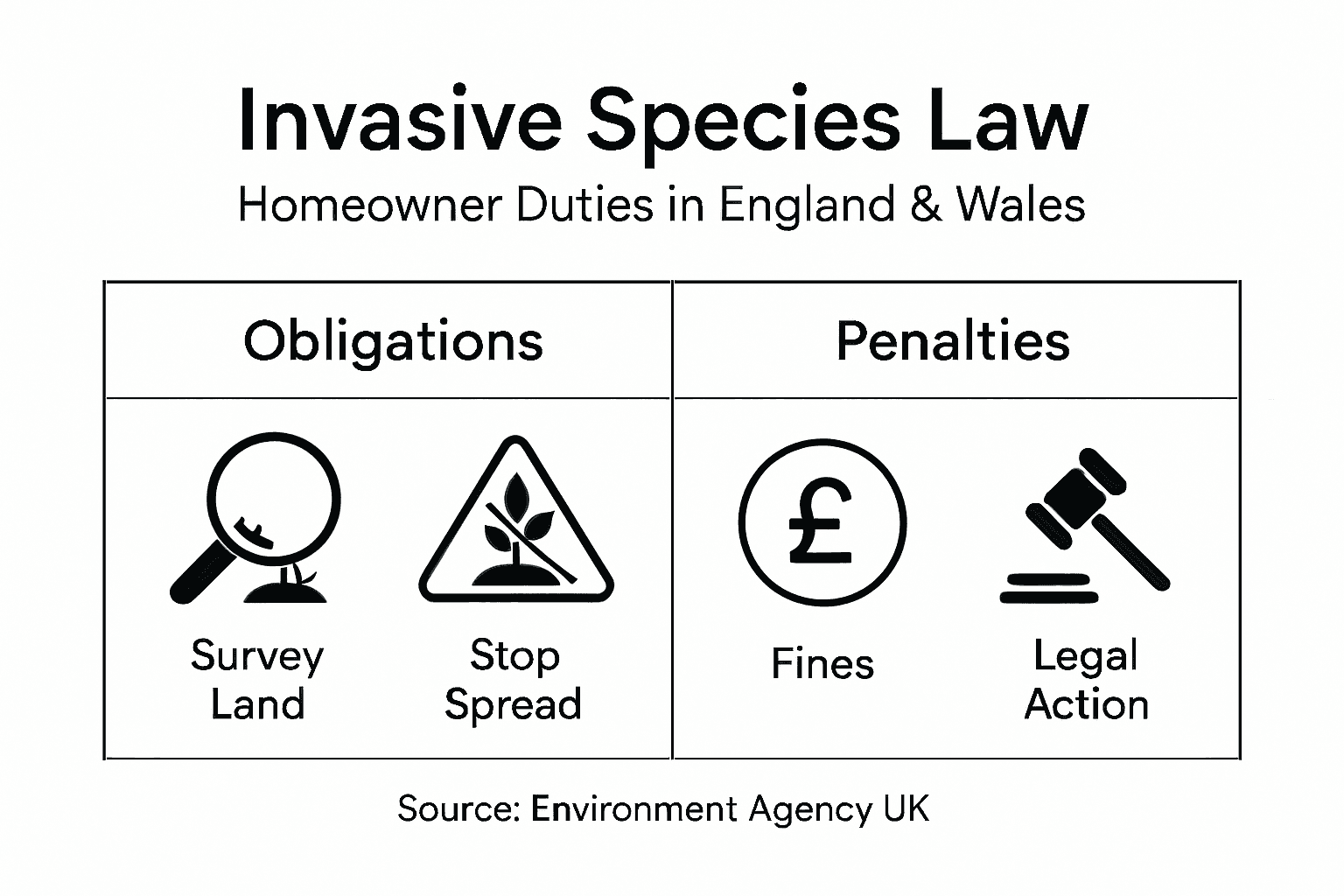
Invasive plant management in the United Kingdom involves complex legal frameworks designed to protect native ecosystems and prevent environmental damage. Invasive non-native species regulations impose strict controls on activities involving problematic plant species, including Japanese Knotweed. These legal provisions fundamentally restrict landowners and occupiers from actions that could potentially spread invasive vegetation across different properties.

The Wildlife and Countryside Act 1981 serves as the cornerstone of legislative protection, establishing comprehensive guidelines for managing non-native species. Property owners face significant legal obligations, including preventing the spread of invasive plants and ensuring responsible management of known infestations. Failure to address invasive species like Japanese Knotweed can result in substantial financial penalties, potential legal disputes with neighbouring properties, and complications during property transactions.

Legal requirements extend beyond simple removal, encompassing documentation, treatment plans, and comprehensive risk management. Mortgage lenders and property surveyors increasingly demand professional assessments and documented treatment strategies for properties with invasive plant presence. This regulatory approach aims to protect property values, maintain ecological balance, and prevent uncontrolled spread of potentially destructive plant species across urban and rural landscapes in the United Kingdom and Ireland.

Pro Tip: Always obtain professional documentation and comprehensive treatment plans when dealing with invasive species to ensure legal compliance and protect your property investment.

Risks, costs, and mistakes in choosing a treatment plan

Managing invasive plant species like Japanese Knotweed demands strategic planning and expert understanding, as incorrect treatment approaches can lead to substantial economic and environmental consequences. The financial implications are significant, with Japanese Knotweed costing the United Kingdom approximately £247 million annually through property damage, reduced land values, and complex eradication processes.

Common mistakes in treatment selection include underestimating the complex biological characteristics of invasive plants, implementing generic solutions instead of tailored approaches, and neglecting comprehensive long-term monitoring strategies. Property owners frequently make critical errors such as attempting DIY removal methods, failing to document treatment processes, or choosing inexperienced contractors who lack specialised knowledge in invasive species management.

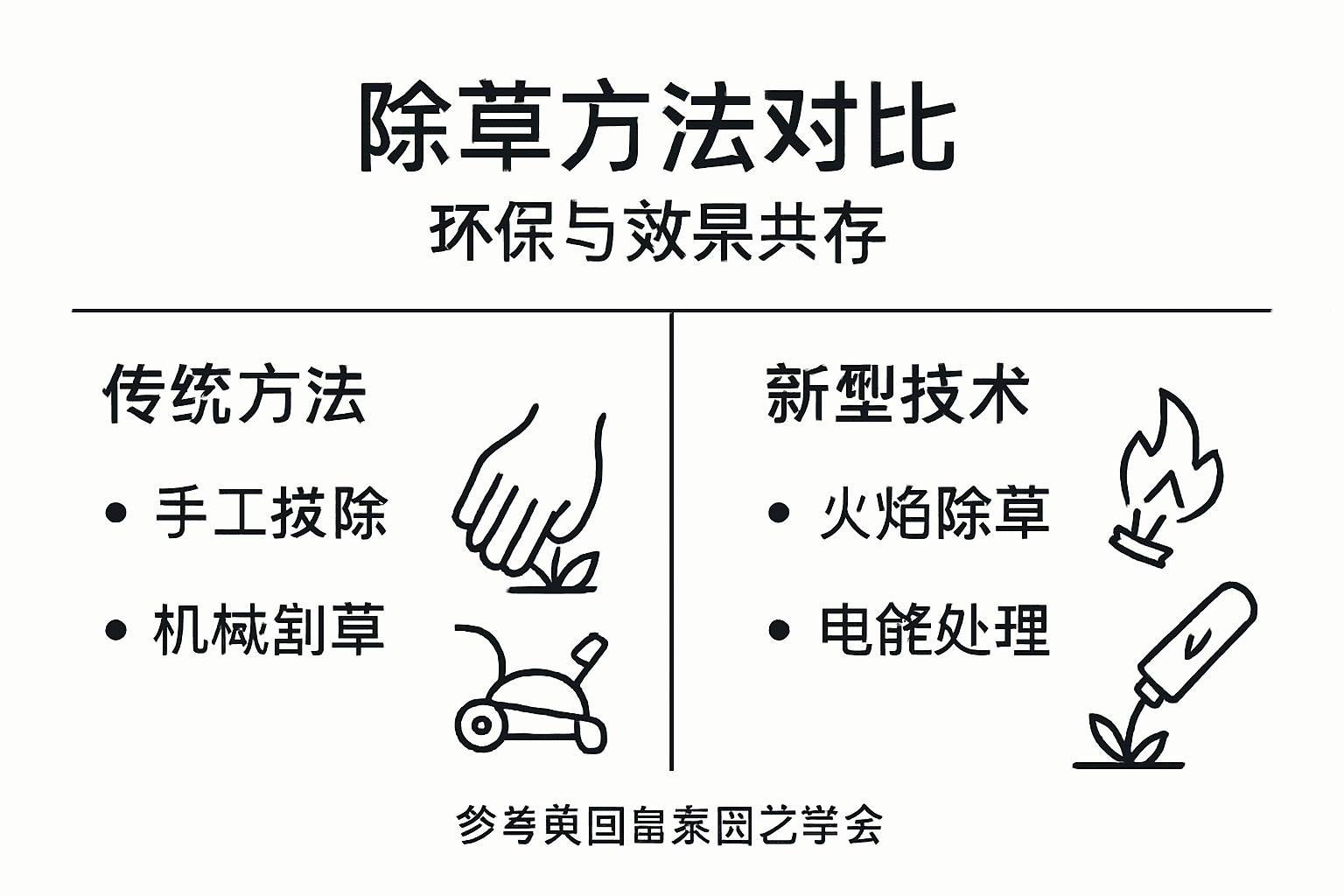
Infographic comparing weed treatment methods

The risks extend beyond immediate financial considerations, encompassing potential legal disputes, mortgage complications, and significant environmental disruption. Ineffective treatment plans can accelerate plant spread, cause irreparable ecosystem damage, and potentially trigger substantial penalties under environmental protection regulations. Professional assessment becomes crucial, requiring detailed surveys, scientifically validated treatment methodologies, and ongoing management plans that address the specific characteristics of the invasive species present.

This summary outlines common risks in choosing invasive plant treatment plans:

Risk Factor Example Consequence Prevention
DIY or unqualified removal Accelerated plant spread, legal penalties Use certified specialists
Inadequate documentation Mortgage refusal, disputes Maintain thorough treatment records
Short-term focus Recurrence of weeds, increased costs Implement ongoing monitoring

Pro Tip: Invest in professional, comprehensive surveys and treatment plans that provide documented evidence of effective management to protect your property’s value and legal standing.

Discover Effective Chemical-Free Solutions for Invasive Weed Challenges

The article highlights the ongoing battle between chemical-based and eco-friendly invasive weed treatments, focusing on the difficulties of managing resilient species such as Japanese Knotweed. If you are concerned about environmental impact, long-term control, or legal compliance when addressing invasive plants, trust expert methods that prioritise precision and sustainability. Avoid common pitfalls like ineffective DIY treatments that can worsen infestations or complicate property matters.

Japanese Knotweed Agency leads the way in chemical-free eradication by delivering targeted energy treatments of up to 5000 volts that disrupt the underground rhizome network with each application. Alongside root barrier installations and professional excavation, they offer comprehensive property surveys across England, Wales and Ireland to ensure your property’s invasive weed issues are fully understood and responsibly managed.

Explore our innovative treatment solutions and see how eco-friendly approaches can protect your investment and the environment.

https://japaneseknotweedagency.co.uk

Take control of your invasive weed problem now. Visit Japanese Knotweed Agency to book a survey or consultation and secure a tailored, legally compliant treatment plan designed for lasting success.

Frequently Asked Questions

What are the differences between chemical-based and eco-friendly invasive weed treatments?

Chemical-based treatments typically involve synthetic herbicides that can rapidly eliminate weeds but may harm non-target species and ecosystems. Eco-friendly methods focus on sustainable techniques, such as mechanical removal and thermal treatments, which have minimal environmental impact and promote long-term control.

How effective are eco-friendly treatments for Japanese Knotweed?

Eco-friendly treatments like thermo-electric eradication are highly effective against Japanese Knotweed, targeting the extensive root systems without chemicals. These methods can significantly reduce regrowth potential while preserving the surrounding ecosystem.

Property owners are legally obligated to manage invasive weeds responsibly, which includes preventing the spread of plants like Japanese Knotweed and documenting treatment strategies. Failure to comply may lead to financial penalties and complications during property transactions.

What common mistakes should be avoided when treating invasive weeds?

Common mistakes include underestimating the complexity of invasive plants, opting for generic solutions rather than tailored plans, and neglecting proper documentation. Using unqualified contractors can also lead to ineffective treatment, increased costs, and legal repercussions.

Invasive Plants on Council Land: Effective Control

Over £1.9 billion is spent every year tackling invasive species across Great Britain, yet many council teams still struggle to manage disruptive plants like Japanese Knotweed without chemicals. For British local authority environmental officers, the challenge is finding solutions that protect public spaces and biodiversity while avoiding harmful treatments. This guide explores practical definitions, identification tips, legal obligations, and proven chemical-free methods so you can take eco-friendly action on council land.

Table of Contents

Key Takeaways

Point Details
Recognition of Invasive Species Councils must identify invasive plant species early to implement effective management strategies and prevent their spread.
Legal Responsibilities Local authorities are legally obligated to manage invasive plants, including preventing their reproduction and spread.
Non-Chemical Control Methods Implementing non-chemical eradication strategies, like mechanical removal and Integrated Pest Management, reduces environmental disruption.
Consequences of Inaction Failing to manage invasive plants can lead to significant biodiversity loss and economic costs, highlighting the need for proactive measures.

Defining Invasive Plants on Council Land

Invasive plants represent a significant ecological challenge for local authorities, particularly those managing public spaces and council land. These are non-native plant species that have been introduced outside their natural habitat and demonstrate aggressive spreading characteristics that can fundamentally disrupt local ecosystems. Invasive non-native plants are specifically defined as species that naturalise rapidly, outcompeting native vegetation through extraordinary reproductive capabilities.

The critical distinguishing features of invasive plants include their ability to propagate quickly, lack natural predators or control mechanisms in the new environment, and potential to cause substantial environmental damage. These plants can fundamentally alter habitat structures, reduce biodiversity, and create significant management challenges for council environmental teams. Some invasive species can modify soil conditions, alter water flow patterns, and compromise the survival of indigenous plant populations.

Council land managers must understand that invasiveness is not solely determined by a plant’s origin, but by its behavioural characteristics in a specific ecosystem. Injurious plant management requires comprehensive recognition of how these species interact with local environments. Plants become problematic when they demonstrate rapid spread, aggressive root systems, and capabilities to colonise areas rapidly, effectively displacing native species and disrupting established ecological balance.

Pro tip: Conduct regular site surveys to identify potential invasive plant species early, enabling more cost-effective and environmentally sensitive management strategies before extensive spread occurs.

Common Species and Key Identification Features

Local councils encounter several highly problematic invasive plant species that require immediate recognition and management. Invasive plant species in the United Kingdom predominantly include Japanese Knotweed, Himalayan Balsam, Giant Hogweed, and Floating Pennywort, each presenting unique identification challenges for environmental management teams.

Japanese Knotweed stands out as particularly notorious, characterised by distinctive purple-speckled bamboo-like stems and heart-shaped leaves. This aggressive species can grow up to 10 centimetres per day, penetrating concrete foundations and causing substantial structural damage. Himalayan Balsam features delicate pink, slipper-shaped flowers and can rapidly colonise riverbanks and damp locations, outcompeting native riverside vegetation through its explosive seed dispersal mechanism.

Japanese Knotweed stems on urban council land

Gardener identification efforts have also highlighted additional problematic species like Mexican fleabane and Himalayan honeysuckle. These plants often possess rapid growth patterns, extensive root systems, and remarkable reproductive capabilities that enable them to spread quickly across council landscapes. Giant Hogweed presents significant risks, with its substantial height reaching up to 5 metres and phototoxic sap that can cause severe skin burns, making professional identification crucial for public safety.

Pro tip: Photograph suspected invasive plant specimens and consult local botanical experts or council environmental teams for precise identification before attempting any removal strategies.

Here is a summary of high-impact invasive plant species and their primary threats:

Species Key Threats Common Locations
Japanese Knotweed Structural damage, rapid spread Roadsides, urban spaces
Himalayan Balsam Biodiversity loss, riverbank erosion Waterways, damp areas
Giant Hogweed Skin burns, outcompetes natives Woodland edges, riverbanks
Floating Pennywort Water flow obstruction, habitat change Ponds, slow rivers
Mexican fleabane Space competition, fast growth Parks, council gardens
Himalayan honeysuckle Displaces shrubs, dense thickets Hedgerows, parkland

Local authorities face significant legal responsibilities when managing invasive plant species on public and council-owned land. Invasive non-native plant regulations in the United Kingdom impose strict legal frameworks that councils must navigate carefully. The Wildlife and Countryside Act 1981 establishes comprehensive guidelines preventing the deliberate or negligent spread of invasive plant species, making council environmental teams directly accountable for comprehensive management strategies.

Under current legislation, councils are legally obligated to prevent invasive plants from reproducing or spreading to neighbouring properties or wild environments. This includes implementing proactive control measures, documenting invasive plant occurrences, and developing strategic removal plans. While there is no explicit statutory duty requiring immediate eradication, councils can face potential legal challenges if they fail to demonstrate responsible management and containment of known invasive plant populations.

Municipal invasive plant management typically involves a combination of chemical treatments, mechanical removal, and coordinated approaches with adjacent landowners. Councils must maintain detailed records of identification, treatment methods, and ongoing monitoring efforts. Special attention must be given to high-risk species like Japanese Knotweed, which can cause substantial environmental and structural damage if left uncontrolled. Potential legal consequences include enforcement actions, substantial remediation costs, and potential liability for damage caused by unchecked invasive plant spread.

Pro tip: Develop a comprehensive invasive plant management protocol that includes regular site surveys, documented treatment plans, and clear communication strategies with neighbouring landowners to ensure legal compliance.

Non-Chemical Eradication Methods and Innovations

Council environmental teams are increasingly adopting sophisticated non-chemical weed control techniques that minimise environmental disruption while effectively managing invasive plant populations. Mechanical removal strategies represent a cornerstone of these innovative approaches, encompassing methods such as precise hand-pulling, systematic cutting, targeted smothering, and strategic repeated trimming to progressively reduce plant biomass and reproductive capabilities.

Integrated Pest Management (IPM) provides a comprehensive framework for sustainable invasive plant control, emphasising proactive prevention and minimal chemical intervention. Sustainable invasive plant management involves implementing resistant plant varieties, practising careful crop rotation, maintaining strict site sanitation protocols, and conducting regular comprehensive monitoring. These approaches enable councils to develop nuanced, environmentally sensitive strategies that address invasive species without relying on potentially harmful chemical treatments.

Advanced non-chemical techniques now include thermal treatment methods, physical root barrier installations, and targeted energy intervention strategies. These innovative approaches focus on disrupting plant energy systems, preventing regeneration, and comprehensively eliminating invasive plant networks without introducing potentially harmful chemical agents. Successful implementation requires precise timing, typically targeting early spring and summer periods when plant metabolic activities are most vulnerable, and maintaining persistent, systematic removal efforts across multiple growing seasons.

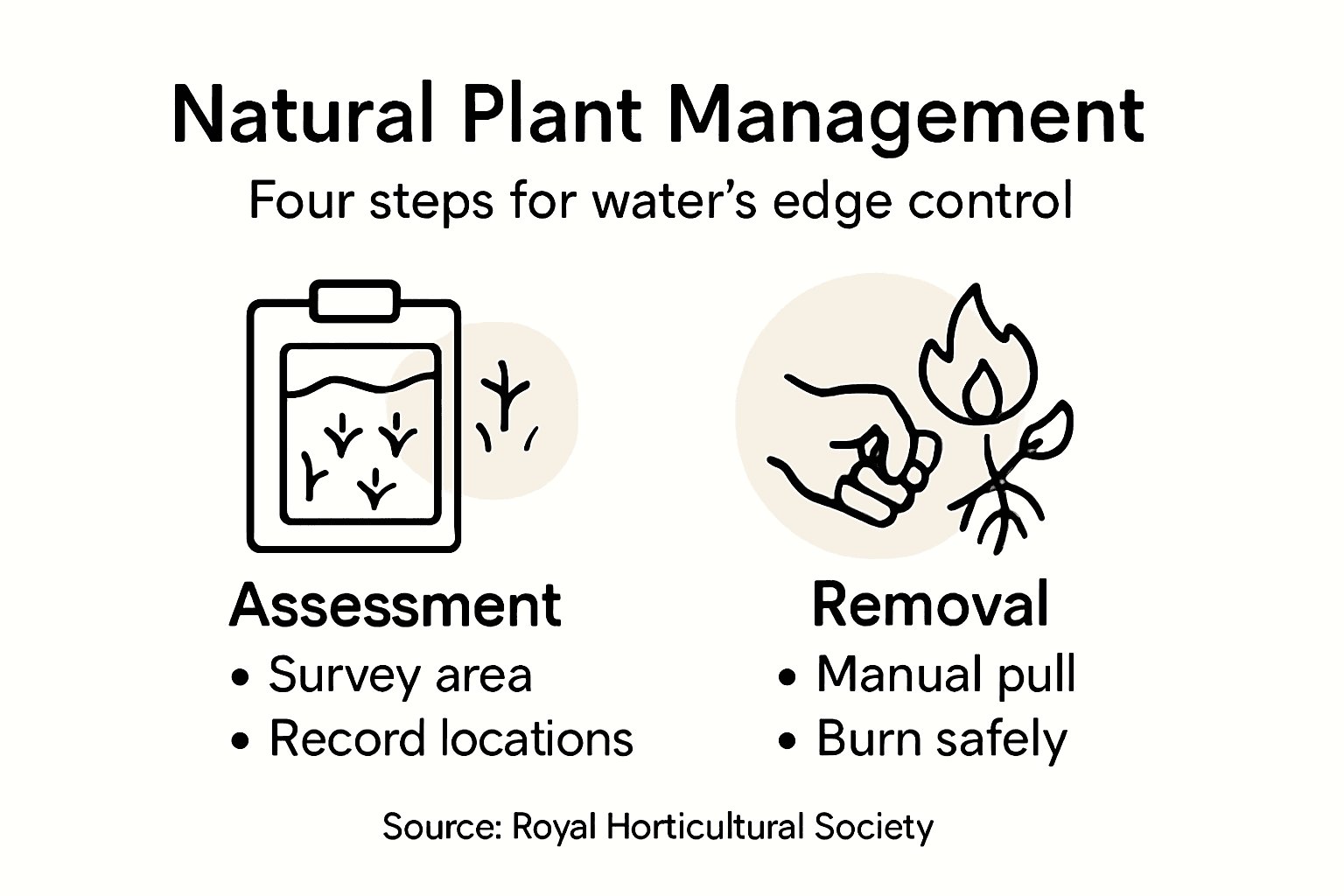
Infographic showing non-chemical control methods

Pro tip: Document each non-chemical intervention meticulously, recording treatment dates, methods used, and observable plant response to develop increasingly refined management strategies over time.

The following table compares non-chemical and chemical eradication strategies for council land:

Control Approach Environmental Impact Management Complexity Typical Cost
Mechanical Removal Low impact, preserves diversity Labour-intensive, needs repeat action Moderate
Chemical Treatments Risk of soil/water contamination Fast, needs trained operatives High
Integrated Pest Management (IPM) Balances prevention and minimal disruption Requires planning and regular monitoring Variable
Thermal Methods No chemicals, energy usage Specialist equipment needed Moderate to high

Risks of Inaction and Best Practice Compliance

Invasive species management represents a critical environmental protection strategy with substantial ecological and economic implications. Councils failing to address invasive plant populations risk exponential biodiversity loss, with economic costs that have quadrupled since 1970. These non-native species systematically outcompete indigenous flora, disrupt natural ecosystems, and create cascading environmental challenges that extend far beyond initial site contamination.

Great Britain’s Invasive Non-Native Species Strategy highlights the staggering national economic impact, estimating that unchecked invasive plant spread costs nearly £1.9 billion annually. Beyond financial considerations, inaction undermines critical environmental targets and compromises climate emergency response capabilities. Invasive plants threaten native wildlife by spreading diseases, degrading habitat structures, and fundamentally altering ecosystem dynamics through aggressive colonisation strategies.

Comprehensive best practice compliance requires a multifaceted approach involving coordinated prevention, early detection, systematic control, continuous monitoring, and proactive public awareness initiatives. Council environmental teams must develop robust intervention protocols that prioritise rapid identification, implement targeted removal strategies, and maintain meticulous documentation of invasive plant management efforts. This approach not only mitigates immediate ecological risks but also establishes long-term sustainable management frameworks that protect native biodiversity and preserve ecosystem integrity.

Pro tip: Develop a standardised invasive plant tracking system that records species distribution, treatment interventions, and ecological recovery metrics to enable data-driven management strategies.

Take Control of Invasive Plants on Council Land Today

Managing invasive species like Japanese Knotweed and Giant Hogweed on council land demands expertise, persistence, and environmentally sensitive solutions. If you are struggling with rapid spread, difficult removal, or legal compliance challenges discussed in the article, you are not alone. These species threaten biodiversity and cause costly damage, requiring an approach that goes beyond traditional chemical treatments.

https://japaneseknotweedagency.co.uk

Japanese Knotweed Agency specialises in pioneering chemical free treatments that deliver targeted high-voltage energy directly into the rhizome network. This proven method weakens invasive plants internally without harming surrounding ecosystems. We also provide property surveys, root barrier installations, and excavation works across England, Wales, and Ireland — addressing key concerns raised in the article about early detection and integrated management strategies. Act now to protect your council land with a service built on innovation and compliance. Find out how our expert team can support your invasive plant challenges by visiting Japanese Knotweed Agency. For detailed information on eradication methods see Non-chemical eradication methods, and to schedule a survey or treatment, contact us today.

Frequently Asked Questions

What are invasive plants, and why are they a problem on council land?

Invasive plants are non-native species that spread aggressively, disrupting local ecosystems. They can outcompete native plants, reduce biodiversity, and cause significant environmental damage, creating management challenges for councils.

How can councils identify invasive plant species?

Councils can identify invasive species by their unique characteristics, such as rapid growth, extensive root systems, and distinctive features like flowers or leaves. Consulting local botanical experts and conducting regular site surveys can aid in precise identification.

What non-chemical methods exist for controlling invasive plants?

Non-chemical methods include mechanical removal, targeted smothering, and Integrated Pest Management (IPM). These strategies emphasise minimal disruption to the environment while effectively managing invasive populations through proactive prevention and monitoring.

Councils are legally obligated to prevent the spread of invasive plants on public land. This includes implementing control measures, documenting occurrences, and developing management strategies to avoid potential legal challenges and environmental damage.

7 Key Signs of Invasive Plants Every Homeowner Should Know

Most British homeowners are surprised to learn that invasive plants such as Japanese Knotweed can grow faster than nearly any native species. These rapid expansion patterns hold serious risks for gardens and property foundations across England and Wales. Spotting the warning signs early can help prevent costly damage and protect your investment. This guide uncovers the most common clues of invasive plant activity and practical steps for identifying threats to your British property.

Table of Contents

Quick Summary

Key Message Explanation
1. Monitor for Rapid Growth Look for plants that double in size within weeks, especially during spring or summer. These could be invasive species.
2. Identify Dense Thickets Watch for uniform clusters of plants that eliminate other species. This indicates aggressive invasive growth, threatening local biodiversity.
3. Recognise Unique Features Pay attention to distinctive leaves or stems. Unique botanical characteristics can help identify invasive species before they spread.
4. Check for Underground Rhizomes Uncover hidden networks below soil that can regenerate plants quickly. Signs include unexpected regrowth or disturbed soil.
5. Document Unseasonal Growth Keep a garden journal to track unusual growth patterns. This can signal the presence of invasive plants disrupting seasonal cycles.

1. Unusual Rapid Growth Patterns in Your Garden

Invasive plants are nature’s unexpected garden gatekeepers, capable of transforming your landscape with astonishingly swift growth. Understanding these rapid proliferation patterns can help you identify potential ecological threats before they become unmanageable.

Some invasive species demonstrate extraordinary growth rates that can overwhelm native vegetation. For instance, floating pennywort can grow up to 20 centimetres per day, quickly dominating water courses and disrupting local ecosystems. In garden environments, plants like Japanese knotweed and Himalayan balsam exhibit similarly aggressive expansion strategies.

Recognising rapid growth involves observing unusual vegetation characteristics. These invasive plants often produce multiple stems from a single root system, creating dense clusters that crowd out other plant species. Their growth can be so aggressive that they push through hard surfaces like concrete, tarmac, and building foundations.

Homeowners should watch for vegetation that seems to double in size within weeks, especially during spring and summer growing seasons. Unusual growth patterns might include stems emerging from unexpected locations, such as cracks in pavements or between building foundations.

Warning Signs of Rapid Growth:

  • Stems growing more than 10 centimetres per week
  • Plants spreading beyond their original planting area
  • Multiple new shoots emerging from seemingly barren ground
  • Vegetation outcompeting surrounding native plants

Expert Tip: Take monthly photographs of suspicious plant areas to track and document unusual growth patterns, which can help professionals identify potential invasive species.

2. Dense Thickets Crowding Out Native Plants

Invasive plant species possess an extraordinary ability to transform landscapes by creating impenetrable green fortresses that systematically eliminate native vegetation. These dense thickets represent more than just a visual disruption they pose a significant ecological threat to local biodiversity.

Invasive non-native plants form extensive dense stands that effectively monopolise crucial environmental resources. Species like rhododendron and Japanese knotweed are particularly aggressive, creating thick barriers that block sunlight, consume water, and deplete soil nutrients needed by native plants.

The consequences of these invasive thickets extend beyond simple garden aesthetics. They fundamentally alter habitat structures, reducing food sources and shelter for local wildlife. Native insects, birds, and small mammals depend on specific plant ecosystems that these invasive species systematically destroy.

Warning Signs of Dense Invasive Thickets:

  • Rapid expansion of uniform plant clusters
  • Complete elimination of surrounding plant diversity
  • Thick vegetation preventing other plants from growing
  • Uniform green walls replacing mixed plant landscapes

Impact Zones to Monitor:

  • Garden borders
  • Woodland edges
  • Hedge lines
  • Uncultivated garden areas

Expert Tip: Regularly survey your garden edges and boundaries, removing any uniform plant clusters that appear unusually dense or rapidly expanding.

3. Distinctive Leaves or Stem Features

Not all plants are created equal, and invasive species often announce their presence through unique botanical characteristics that set them apart from native vegetation. Understanding these distinctive leaf and stem features can be your first line of defence in identifying potential ecological intruders.

Invasive plants exhibit extraordinary physical traits that make them stand out in garden landscapes. Some species have remarkably distinctive characteristics that act as visual warning signs for homeowners and gardening enthusiasts.

Take the floating pennywort as a prime example. This invasive aquatic plant features waxy, multi-lobed leaves approximately 7 centimetres across, with distinctive crinkled edges and a heart-shaped form. Its narrow, fleshy stems provide another clear identifying marker that separates it from native water plants.

Distinctive Physical Characteristics to Watch:

  • Unusually large or umbrella-shaped leaves
  • Hollow or unusually thick stems
  • Waxy or glossy leaf surfaces
  • Bright or unusual flower configurations
  • Leaves with atypical colour or texture

Common Invasive Plant Identifying Features:

  • Giant hogweed: Massive umbrella-like leaf structures
  • Himalayan balsam: Bright pink flowers
  • Japanese knotweed: Bamboo-like hollow stems
  • Floating pennywort: Heart-shaped, waxy leaves

Expert Tip: Photograph suspicious plant features and consult local botanical experts or environmental agencies for precise identification before attempting removal.

4. Rhizome or Underground Stem Discovery

Beneath the surface of your garden lies a hidden world of botanical resilience where invasive plants wage their most strategic battle. Underground stems and rhizomes represent the secret weapon of many aggressive plant species, allowing them to spread and regenerate with remarkable tenacity.

Invasive species spread through complex underground networks that can regenerate entire plant systems from tiny fragments. Japanese knotweed exemplifies this extraordinary capability, with an extensive rhizome network that can penetrate deeply into soil and rapidly recolonise areas even after apparent removal.

These underground stem systems are more than simple root structures. They represent sophisticated survival mechanisms that enable invasive plants to persist and proliferate despite surface level disruptions. A single centimetre of rhizome can potentially generate an entirely new plant cluster, making complete eradication challenging.

Underground Invasion Warning Signs:

  • Unexpected plant regrowth after cutting
  • Soil appearing disturbed or uneven
  • Shoots emerging from previously cleared areas
  • Unusual root networks when digging

Rhizome Characteristics to Recognise:

  • Thick, white or orange coloured stems
  • Fragile and easily breakable texture
  • Nodes with potential for new growth
  • Extensive horizontal spread

Expert Tip: When removing invasive plants, ensure complete rhizome extraction by digging at least one metre beyond visible plant boundaries and disposing of soil at specialised waste facilities.

5. Damage to Hard Surfaces and Garden Structures

Your garden’s infrastructure can become a silent battleground where invasive plants wage war against concrete, paving, and foundational structures. Some plant species possess extraordinary abilities to transform seemingly impenetrable surfaces into vulnerable territories.

Invasive plants can cause significant structural damage through their remarkably persistent growth mechanisms. Japanese knotweed stands as the most notorious offender, capable of penetrating tiny cracks in walls, driveways, and foundations with astonishing precision and force.

These botanical invaders do not merely sit passively. Their underground rhizome networks can exert tremendous pressure, expanding through microscopic openings and gradually widening structural vulnerabilities. A single plant can compromise drainage systems, create foundation instability, and generate repair costs running into thousands of pounds.

Structural Damage Warning Signs:

  • Cracks appearing in concrete surfaces
  • Uneven paving or driveways
  • Walls showing unexpected fissures
  • Drainage systems becoming misaligned
  • Sudden ground movement around structures

High Risk Areas to Inspect:

  • Property foundations
  • Garden walls
  • Patio and driveway edges
  • Underground pipe networks
  • Retaining wall structures

Expert Tip: Conduct annual visual inspections of garden structures and immediately investigate any unexplained ground movement or surface disruption that might indicate invasive plant encroachment.

6. Sudden Spread Despite Regular Maintenance

Gardeners beware: some invasive plant species possess an extraordinary ability to circumvent even the most diligent maintenance routines. Your carefully tended garden can transform into an ecological battleground without warning, as these botanical opportunists exploit every possible avenue for expansion.

Invasive non-native plants can proliferate rapidly despite consistent gardening efforts. Species like Himalayan balsam and rhododendron demonstrate remarkable reproductive strategies that allow them to outcompete native vegetation with startling efficiency.

What makes these plants particularly challenging is their capacity to spread through multiple mechanisms. They can reproduce through seeds, underground rhizomes, and even tiny plant fragments, meaning a single overlooked segment can regenerate an entire plant population. Traditional weeding methods often prove inadequate against such resilient botanical invaders.

Rapid Spread Warning Indicators:

  • Unexpected plant clusters appearing between planned maintenance cycles
  • Plants emerging in areas previously cleared
  • Dramatic increase in vegetation density
  • Plants spreading beyond original planting boundaries
  • Reduction of native plant populations

Potential Spread Pathways:

  • Wind dispersal of seeds
  • Animal transportation of plant fragments
  • Underground rhizome networks
  • Root system interconnections
  • Soil contamination

Expert Tip: Photograph your garden monthly and maintain a detailed log of plant locations to track unexpected vegetation changes and identify invasive spread patterns early.

7. Unseasonal Greening or Flowering

Nature follows predictable rhythms, but invasive plants play by their own rules. When your garden suddenly erupts with greenery or blossoms at unexpected times, it might be signalling the presence of an ecological interloper.

Unseasonal plant growth indicates potential invasive species that defy traditional botanical patterns. These botanical rebels can green up earlier or later than native plants, disrupting the delicate ecological balance of your garden environment.

Invasive species often demonstrate remarkable adaptability by breaking conventional seasonal growth cycles. While native British plants typically follow specific seasonal patterns, these botanical invaders can emerge, green, or flower at times that seem completely out of sync with local environmental cues.

Unseasonal Growth Red Flags:

  • Green shoots appearing during winter months
  • Flowering outside traditional seasonal windows
  • Vegetation remaining green when native plants have died back
  • Rapid growth during atypical periods
  • Plants showing vigorous life when surrounding vegetation is dormant

Seasonal Pattern Disruption Indicators:

  • Extended green periods
  • Early spring emergence
  • Late autumn persistence
  • Flowering at unusual times
  • Consistent vegetation density

Expert Tip: Maintain a garden journal documenting plant growth patterns to quickly identify and track unusual botanical behaviours that might signal invasive species presence.

Below is a comprehensive table summarising the key strategies, phenomena, and warnings highlighted in the article “Unusual Rapid Growth Patterns and Other Signs of Invasive Plants in Gardens.”

Section Key Details Tips and Recommendations
Rapid Growth Patterns Invasive plants may grow at extraordinary rates, dominating ecosystems. Document plant areas monthly to monitor growth and identify issues early.
Dense Vegetation Certain species form thick clusters that outcompete native plants, monopolising resources. Survey garden edges regularly and manage dense clusters to prevent ecological imbalance.
Distinctive Features Invasive plants may have unique leaves or stems, such as hollow stems or waxy leaf surfaces. Photograph unusual plant characteristics and consult experts for accurate identification prior to removal.
Rhizome and Underground Stems Plants with underground networks, like rhizomes, enable quick regrowth and spread. Remove invaded soil comprehensively to inhibit plant regeneration.
Structural Damage Persistent plants may cause damage to hard surfaces, pipes, and foundations. Regularly inspect structural areas of the garden for unexplained cracks or movement.
Resistance to Maintenance Frequent maintenance cannot deter invasive plant proliferation due to their effective reproductive methods. Maintain comprehensive gardening logs to track changes and adapt care strategies accordingly.
Unseasonal Growth Patterns Some invasive species grow or thrive outside typical seasons, disrupting native plant cycles. Record vegetation patterns through seasons to understand and address anomalies effectively.

This table summarises approaches to recognise and mitigate the ecological and infrastructural impacts caused by invasive plants in gardens.

Protect Your Property from Invasive Plants with Expert Solutions

Dealing with invasive species like Japanese Knotweed and other aggressive plants requires swift, effective action to prevent damage to your garden and property. This article highlights critical warning signs such as rapid growth, underground rhizome networks, and hard surface damage. These challenges demand specialised treatment beyond regular gardening to safeguard your home environment and native biodiversity.

https://japaneseknotweedagency.co.uk

Japanese Knotweed Agency offers pioneering chemical free eradication methods that deliver powerful energy treatments targeting invasive plants at their root causing internal cell destruction within the extensive rhizome systems. We also provide expert root barrier installations and excavation works to protect your property from further structural damage. Avoid costly repairs and maintain healthy surroundings by arranging a professional property survey for invasive weeds. Act now to secure your garden’s future with proven solutions from trusted experts. Learn more about our services at Japanese Knotweed Agency and stop invasive plants before they take control.

Frequently Asked Questions

How can I identify unusual rapid growth patterns in my garden?

To identify unusual rapid growth patterns, look for plants that seem to double in size within weeks, particularly during spring and summer. Observe for stems growing more than 10 centimetres per week or new shoots emerging unexpectedly from hard surfaces.

What are the warning signs of dense thickets crowding out native plants?

Warning signs include rapid expansion of uniform plant clusters and the complete elimination of surrounding plant diversity. Regularly check garden borders and woodland edges for thick vegetation that prevents other plants from growing.

What distinctive leaves or stem features should I look for in invasive plants?

Look for unusually large or glossy leaves, hollow or thick stems, and atypical flower configurations. Photographs of suspicious features can help you consult with experts for identification before any removal actions.

How do I spot rhizomes or underground stems of invasive plants?

To spot rhizomes, check for unexpected plant regrowth after cutting and look for shoots emerging from cleared areas. Dig carefully in your garden to examine root structures, ensuring to check at least one metre beyond visible plant boundaries.

What signs indicate damage to hard surfaces and garden structures caused by invasive plants?

Signs of damage include cracks in concrete surfaces, uneven paving, or fissures in walls. Conduct annual visual inspections of these areas to identify potential invasive encroachment early and prevent further structural issues.

How can I monitor for sudden spread of invasive plants despite regular maintenance?

Keep a log of plant locations and take monthly photographs to track unexpected vegetation changes. If you notice plant clusters appearing between maintenance cycles or an increase in density, investigate promptly for potential invasive species.

7 Essential Steps in a List of Invasive Plant Surveys

Most British homeowners are surprised to learn that invasive plants like Japanese Knotweed devalue thousands of properties across England and Wales every year. If you are planning to sell or remortgage, ignoring this threat can create legal and financial headaches. This guide shows how British homeowners can take practical, chemical-free steps to identify and eradicate unwelcome invaders, protect their investment, and meet buyers’ expectations without risking the environment.

Table of Contents

Quick Summary

Key Insight Explanation
1. Identify Invasive Plants Learn to recognise local invasive plants to prevent their spread and protect native ecosystems.
2. Assess Infestation Extent Create a detailed map of your property to document and understand invasive plant growth areas.
3. Use Accurate Mapping Methods Employ precise mapping techniques to document plant locations for effective management and tracking.
4. Address Legal Risks Before Buying/Selling Request professional surveys to ensure compliance and avoid financial complications related to invasive plants.
5. Plan for Long-Term Monitoring Schedule follow-up visits to regularly assess and manage invasive plant growth effectively over time.

1. Identify Common Invasive Plants in Your Area

Identifying invasive plants in your local environment is a crucial first step in preventing their spread and protecting native ecosystems. In the United Kingdom, numerous non-native species can rapidly overtake landscapes and cause significant ecological disruption.

Understanding these plants requires keen observation and knowledge of their distinctive characteristics. Common invasive species in the UK include Japanese knotweed, Himalayan balsam, giant hogweed, and rhododendron ponticum. Each of these plants demonstrates remarkable adaptability and aggressive growth patterns that threaten local biodiversity.

To effectively identify invasive plants, homeowners and gardeners should learn key visual markers. Japanese knotweed, for instance, features bamboo-like stems with distinctive zigzag growth patterns and heart-shaped leaves. Its underground rhizome network can extend several metres, making complete eradication challenging.

Gardeners play a critical role in early detection. By reporting potentially invasive garden plants, they contribute valuable data to researchers tracking emerging ecological threats. Simple actions like photographing unusual plant growth and consulting local botanical experts can significantly support invasive species management.

Top Tip: Create a photographic reference guide of local invasive plants to help you quickly identify potential ecological intruders in your garden or neighbourhood.

2. Assess the Extent of Plant Infestation on Your Property

Understanding the full scope of invasive plant infestation on your property is critical for effective management and ecological preservation. A thorough assessment helps homeowners develop targeted strategies to control and eliminate these problematic botanical invaders.

Invasive plants can spread rapidly, often creating complex networks of growth that extend well beyond visible surface areas. Safety guidance for plant surveys emphasises the importance of comprehensive site investigations that consider both visible and hidden plant propagation.

Begin by creating a detailed map of your property, documenting areas where unusual plant growth appears. Look for tell-tale signs like dense patches of non native vegetation, unusual growth patterns, or areas where native plant species seem to be declining. Pay special attention to boundary areas, neglected corners, and regions with minimal maintenance.

Careful measurement and documentation are essential. Note the approximate square meterage of infested zones, track growth rates, and photograph key areas for future reference. This systematic approach allows for precise monitoring and helps professionals develop targeted eradication strategies.

Clever Tip: Use a grid system when mapping your property to ensure no potential infestation zones are accidentally overlooked during your survey.

3. Record Locations Using Accurate Mapping Methods

Precise location mapping represents a critical component of invasive plant management, transforming random observations into strategic ecological intelligence. Documenting the precise geographical spread of problematic vegetation enables targeted intervention and comprehensive tracking.

Non-native species mapping tools provide systematic approaches for recording plant infestations with scientific accuracy. Effective mapping involves more than simple notation it requires methodical documentation of spatial characteristics, growth patterns, and potential expansion zones.

Start by creating a detailed property map using digital tools or traditional graph paper. Mark each identified invasive plant location with specific coordinates, noting the approximate square meterage of the affected area. Include additional context such as proximity to water sources, terrain characteristics, and neighbouring vegetation types.

Utilise smartphone applications or GPS devices to capture precise location data. These technologies allow for centimetre level accuracy, ensuring your records provide comprehensive insights for professional ecological assessments. Consistent documentation helps track changes over time and supports potential management or eradication strategies.

Expert Tip: Take multiple photographs from different angles when marking invasive plant locations to create a visual reference library that complements your mapping efforts.

4. Evaluate Potential Risks for Your Home Transaction

Invasive plant species represent significant potential complications for property transactions, potentially affecting legal compliance, mortgage approvals, and overall property value. Understanding these risks is crucial for homeowners and prospective buyers navigating the property market.

Invasive weed property risks can create substantial legal and financial challenges during home sales. Mortgage lenders frequently require comprehensive surveys to confirm the absence of problematic plant species like Japanese knotweed, which can compromise structural integrity and require expensive remediation.

Legal regulations in England and Wales impose strict responsibilities on property owners regarding invasive plant management. Failure to disclose or address known invasive plant infestations can result in potential legal disputes, reduced property values, and challenges securing mortgage financing. Some lenders may refuse lending or require extensive treatment plans before approving property transactions.

Homeowners should commission professional invasive plant surveys prior to listing their property. These assessments provide detailed documentation demonstrating proactive management, potentially mitigating potential transaction complications and reassuring potential buyers about the property’s ecological status.

Expert Tip: Request a comprehensive invasive plant survey report before marketing your property to identify and address potential risks that could complicate your home sale.

5. Choose the Best Chemical-Free Eradication Solution

Selecting an appropriate chemical-free eradication solution requires careful consideration of the specific invasive plant species and your property’s unique environmental conditions. Modern ecological management emphasises sustainable approaches that minimise environmental disruption.

Integrated control strategies prioritise environmentally sensitive methods that target invasive plants without causing collateral damage to surrounding ecosystems. This approach involves understanding the plant’s growth patterns, root systems, and potential regeneration capabilities.

Mechanical removal techniques such as repeated cutting, excavation, and root barrier installation can effectively manage invasive plant populations. These methods require precision and consistent application to prevent regrowth. For instance, Japanese knotweed demands comprehensive root network removal to prevent potential regeneration from tiny root fragments.

Consider site specific factors including soil composition, proximity to water sources, and surrounding vegetation when selecting your eradication strategy. Professional surveys can provide detailed insights into the most appropriate chemical-free treatment methods tailored to your specific landscape and invasive plant challenges.

Expert Tip: Document and photograph your invasive plant removal process to track progress and identify any potential regrowth areas that might require additional targeted interventions.

Effective documentation of invasive plant survey findings is essential for navigating property transactions, mortgage approvals, and legal compliance. Comprehensive records protect both property owners and potential buyers by providing transparent evidence of ecological conditions.

Biodiversity recording strategies require meticulous attention to detail and standardised reporting formats. Mortgage lenders and legal professionals increasingly demand robust documentation that demonstrates proactive management of potential environmental risks.

Your survey documentation should include precise location mapping, species identification, extent of infestation, recommended treatment strategies, and photographic evidence. Utilise official templates like the PA7 management plan to ensure your records meet regulatory standards and provide clear insights into the property’s ecological status.

Include specific measurements of affected areas, growth patterns, and potential spread risks. Note the proximity to structures, water sources, and neighbouring properties. Accurate, comprehensive documentation can significantly expedite property transactions and demonstrate responsible land management.

Expert Tip: Create a digital archive of your survey documents with multiple backup copies to ensure you can provide immediate evidence of invasive plant management if required by lenders or legal professionals.

7. Plan Follow-Up Visits for Long-Term Plant Control

Successful invasive plant management requires strategic, consistent monitoring beyond initial treatment. Implementing a comprehensive follow-up plan ensures complete eradication and prevents potential regrowth of problematic plant species.

Plant health surveillance strategies emphasise the critical nature of repeated site inspections. Invasive plants like Japanese knotweed possess remarkable regenerative capabilities, making periodic professional assessments essential for maintaining long-term ecological control.

Develop a structured monitoring schedule that includes multiple site visits over several years. These follow-up inspections should systematically document any emerging plant growth, assess treatment effectiveness, and identify potential recolonisation risks. Professional surveyors recommend creating a multi-year management plan that tracks vegetation changes and adapts intervention strategies accordingly.

Document each follow-up visit with detailed photographs, precise location mapping, and comprehensive notes on plant conditions. This records maintenance provides crucial evidence for property transactions, demonstrating proactive ecological management and potential compliance with mortgage lending requirements.

Expert Tip: Schedule follow-up surveys at different seasonal intervals to capture potential plant regeneration cycles and ensure comprehensive monitoring of treatment effectiveness.

This table summarises the key concepts about identifying and managing invasive plants in your local area, as discussed in the article.

Topic Summary Key Insights
Identifying Invasive Plants Investigate local plant species to determine invasiveness, observing distinctive features such as growth patterns and characteristics. Helps in preventing the spread and maintaining local ecosystems.
Assessing Infestation Map your property to identify and document areas of infestation spread. Enables precise monitoring and development of effective management strategies.
Utilising Mapping Tools Employ digital or manual tools for precise mapping and documentation of invasive plant locations. Facilitates targeted intervention and comprehensive tracking for long-term results.
Managing Homeownership Risks Assess and address infestation risks when buying or selling property, incorporating professional surveys and compliance with regulations. Minimises financial and legal complications while enhancing property value.
Implementing Eradication Strategies Use chemical-free methods tailored to the specific invasive species and site conditions for sustainable ecological management. Reduces environmental impact and promotes harmony within local habitats.
Recording and Documentation Generate detailed reports and maintain organised records of surveys, treatments, and outcomes. Provides transparency for stakeholders and supports legal and financial processes.
Planning Follow-Up Visits Schedule and document systematic follow-up inspections to monitor plant conditions and treatment efficacy. Ensures comprehensive control and effective prevention of regrowth.

Take Control of Invasive Plant Threats with Expert Chemical-Free Solutions

Dealing with invasive plants such as Japanese knotweed can feel overwhelming when faced with the complexities of accurate surveys, risk evaluation for property transactions, and environmentally safe eradication methods. The detailed steps in the article highlight challenges like precise mapping, ongoing monitoring and legal documentation — all pivotal for protecting your home and investment.

https://japaneseknotweedagency.co.uk

At Japanese Knotweed Agency, we specialise in chemical-free treatment that targets the invasive rhizome networks with powerful, safe energy delivery — eliminating regrowth risks without harming the surrounding environment. Our comprehensive property surveys across England, Wales, and Ireland provide the detailed information you need to navigate mortgage concerns and legal obligations with confidence. Don’t wait for costly surprises: start your journey to eradication and long-term control today by visiting Japanese Knotweed Agency. Take the first step now for a safer, greener future.

Frequently Asked Questions

What are the first steps to identify invasive plants on my property?

Identifying invasive plants begins with observing and recognising their distinctive features. Take time to learn about common invasive species in your area and create a photographic reference guide to assist in quick identification.

How can I assess the extent of invasive plant infestation on my property?

Assess the extent of infestation by surveying your property thoroughly and mapping areas of unusual plant growth. Document the size of infested zones and track growth rates in order to establish targeted management strategies.

What methods can I use for accurately documenting survey findings?

Accurately document your survey findings by creating detailed records that include precise location mapping and photographs. Ensure your documentation is organised and covers all key aspects of the infestation, including species identification and recommended treatment plans.

How should I plan follow-up visits for invasive plant control?

Plan regular follow-up visits to monitor treated areas and assess for potential regrowth of invasive plants. Schedule inspections over several years to ensure comprehensive management and document any changes in plant conditions to adapt your strategies as needed.

Why is it important to address invasive plants before selling my property?

Addressing invasive plants is crucial as they can affect property value and complicate transactions. Before listing your property, conduct a professional invasive plant survey to document your management efforts and reassure potential buyers about the property’s ecological status.