
Why Remove Invasive Species – Safeguarding UK Homes

Most british homeowners are surprised to learn that invasive species like Japanese Knotweed account for about 60 percent of plant and animal extinctions worldwide. This growing threat can quietly lower property values and disrupt family health, especially across England, Wales, and Ireland. Discover what actually makes some species so destructive, why common myths lead to costly mistakes, and how chemical-free eradication can protect both your investment and wellbeing.

Table of Contents

Key Takeaways

Point Details
Invasive Non-Native Species (INNS) pose significant ecological threats INNS can disrupt local biodiversity, lacking natural predators, and are implicated in around 60% of global extinctions.
Japanese Knotweed is a primary concern for homeowners This invasive plant can cause substantial structural damage, making removal extremely challenging and property devaluation likely.
Legal responsibilities for homeowners are strict Homeowners must manage invasive species to prevent their spread, or face significant fines and legal repercussions.
Chemical-free eradication methods are essential Sustainable, targeted approaches to managing invasive species can effectively mitigate their impact without harming local ecosystems.

Defining Invasive Species and Common Myths

Invasive non-native species represent a significant ecological challenge in the United Kingdom. These organisms are introduced beyond their natural habitats through human activities, often arriving deliberately or accidentally. According to research from Plantlife, these species can range from seemingly harmless to highly destructive ecosystem disruptors.

While not all non-native species become problematic, invasive non-native species (INNS) possess unique characteristics that enable them to thrive uncontrollably. Scientific evidence from the RSPB suggests these organisms typically lack natural predators in their new environments, allowing them to outcompete native species rapidly. This unchecked growth can lead to significant biodiversity threats, with INNS being implicated in approximately 60% of plant and animal extinctions worldwide.

Common myths surrounding invasive species often minimise their potential impact. Many people mistakenly believe that non-native species are harmless or will naturally balance within existing ecosystems. However, research demonstrates that certain invasive organisms can fundamentally alter habitat structures, spread diseases, and cause substantial economic damage. Japanese Knotweed, for instance, represents a prime example of an invasive species capable of pushing through concrete and compromising building foundations.

Pro tip: Always consult professional ecological surveyors when you suspect invasive species presence on your property to prevent potential long-term environmental and structural damage.

Major Invasive Plants Threatening UK Homes

Invasive plant species pose significant challenges for UK homeowners, with several aggressive plant varieties capable of causing substantial property damage and ecological disruption. The most notorious invasive plants in the United Kingdom include Japanese Knotweed, Himalayan Balsam, Giant Hogweed, and Water Primrose, each presenting unique risks to residential environments.

Japanese Knotweed remains the most notorious invasive species, capable of growing through concrete foundations, damaging building structures, and causing significant property devaluation. Its underground rhizome network can extend up to three metres deep and seven metres horizontally, making eradication extremely challenging. Invasive plant research from community conservation groups highlights how these plants can rapidly colonise areas, suppressing native vegetation and altering local ecosystems.

Other problematic invasive plants include Giant Hogweed, which presents serious health risks due to its phototoxic sap that can cause severe skin burns, and Himalayan Balsam, known for its rapid seed dispersal and ability to dominate riverbank environments. These plants not only threaten residential landscapes but can also compromise local biodiversity, water management systems, and create significant maintenance challenges for property owners.

Here is a summary of major invasive plant threats to residential properties in the UK:

Plant Species Main Risks Typical Habitats Removal Difficulty
Japanese Knotweed Structural damage, rapid spread Foundations, gardens Extremely high
Giant Hogweed Severe skin burns, riverbank instability Riverbanks, open land Moderate
Himalayan Balsam Biodiversity loss, rapid colonisation Woodlands, riverbanks Moderate
Water Primrose Waterway obstruction, ecosystem disruption Ponds, slow rivers Very high

Pro tip: Conduct annual property surveys and immediately consult professional ecological experts if you suspect any invasive plant species on your land to prevent potential long-term structural and environmental damage.

How Invasive Species Damage Property and Health

Invasive species present substantial risks to property and human health across the United Kingdom, with potentially devastating economic and physiological consequences. These non-native organisms can cause structural damage, compromise building foundations, and create significant environmental hazards that extend far beyond simple aesthetic concerns.

Structural Damage represents the most immediate threat to residential properties. Invasive plant species like Japanese Knotweed can penetrate concrete foundations, compromise building structures, and destabilise ground conditions. Research from woodland conservation experts indicates these species can significantly increase flood risks by clogging waterways and undermining riverbank stability, potentially rendering entire properties vulnerable to environmental damage.

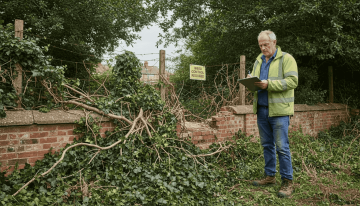
Surveyor documenting plant damage to garden wall

Health risks from invasive species are equally alarming. Certain invasive plants like Giant Hogweed produce phototoxic sap capable of causing severe skin burns and allergic reactions. Some invasive animal species can also transmit diseases, creating additional health complications for residents. The economic impact is substantial, with estimated annual costs to Great Britain approaching £1.9 billion, reflecting both direct damages and extensive control efforts required to manage these aggressive non-native species.

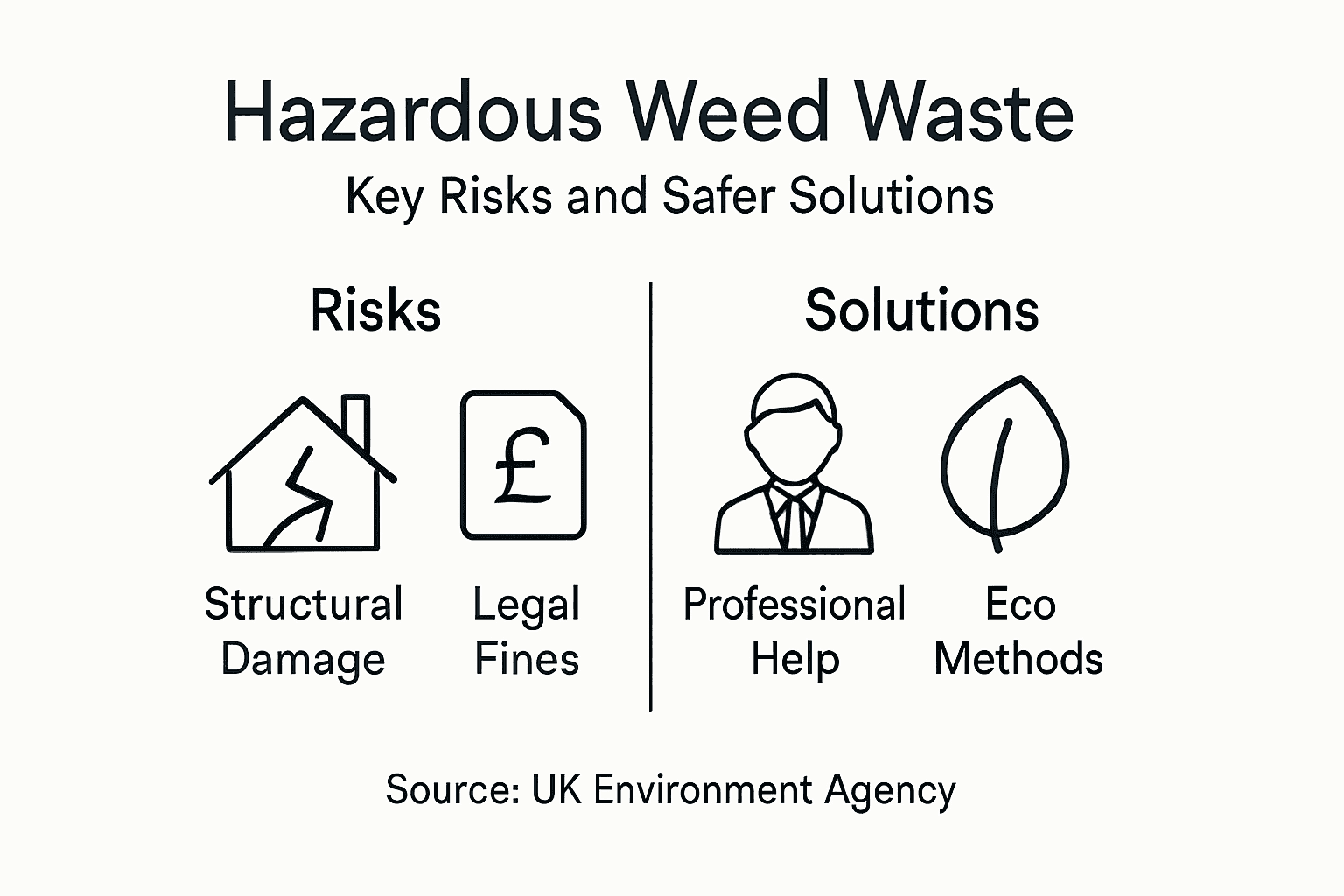
Infographic summarising risks of invasive species

Pro tip: Arrange professional ecological surveys annually to identify potential invasive species early, preventing extensive property damage and mitigating significant health risks.

The Invasive Species (Enforcement and Permitting) Order 2019 establishes critical legal obligations for UK homeowners regarding invasive species management. Homeowners are legally required to prevent the spread of non-native invasive organisms from their property, with potential consequences including substantial fines and potential legal prosecution for non-compliance.

Legal Obligations extend beyond simple property maintenance. Under current UK legislation, property owners must take proactive steps to identify, control, and prevent the spread of invasive species. Scottish environmental regulations specifically prohibit releasing or allowing invasive species to escape into surrounding environments, making homeowners directly responsible for implementing comprehensive biosecurity measures.

The legal framework surrounding invasive species is particularly stringent for high-risk plants like Japanese Knotweed. Homeowners can be held liable for damages caused by invasive species spreading from their property to neighbouring lands, potentially facing significant financial and legal repercussions. Species Control Orders can be issued by local authorities, compelling property owners to take immediate and effective action to manage and eradicate invasive plant populations.

Pro tip: Maintain detailed documentation of any invasive species management efforts and professional surveys to demonstrate proactive compliance with legal requirements.

Chemical-Free Eradication and Best Practices

Chemical-free eradication methods represent a sophisticated approach to managing invasive species while minimising environmental disruption. These techniques focus on sustainable, targeted interventions that eliminate invasive organisms without relying on broad-spectrum chemical treatments that can harm surrounding ecosystems.

Precision Removal Techniques are critical in chemical-free eradication strategies. Methods such as manual extraction, biological control agents, and targeted energy treatments can effectively manage invasive plant populations. The approach requires comprehensive understanding of each species’ lifecycle, growth patterns, and specific vulnerabilities. UK biosecurity best practices emphasise the importance of careful planning, community engagement, and ongoing monitoring to prevent reinvasion and restore native habitat structures.

Thermo-electric treatment stands out as an innovative chemical-free solution for invasive species like Japanese Knotweed. By delivering direct energy to target plants, this method causes internal cell damage and depletes energy resources within the extensive rhizome network. Unlike traditional chemical treatments, this approach provides a precise, environmentally responsible mechanism for complete plant eradication without introducing harmful substances into the surrounding ecosystem.

The following table compares chemical-based and chemical-free eradication methods for invasive species control:

Method Type Environmental Impact Effectiveness Typical Use Cases
Chemical-Based High pollution risk Reliable Large infestations, urgent removal
Chemical-Free Minimal disruption Targeted Sensitive areas, sustainable management
Thermo-Electric No chemical residue Very precise Japanese Knotweed, urban sites

Pro tip: Develop a comprehensive site-specific management plan that combines multiple removal techniques, ensuring a holistic and sustainable approach to invasive species control.

Protect Your Home From Invasive Species With Expert Chemical-Free Solutions

Invasive species like Japanese Knotweed pose serious risks to your property and health, from structural damage to costly legal consequences. The article clearly highlights how unchecked growth can cause significant property devaluation and health hazards through sap toxicity or flooding. If you are worried about these threats or want to stay ahead with early detection, professional help is essential.

Japanese Knotweed Agency specialises in pioneering chemical-free treatment methods using powerful direct energy up to 5000 volts, precisely targeting the invasive plants’ rhizomes without harming your surrounding environment. We also offer root barrier installations and excavation works that align perfectly with the article’s emphasis on sustainable and effective eradication strategies. To safeguard your home confidently, arrange a detailed property survey for invasive weeds covering England, Wales, and Ireland.

https://japaneseknotweedagency.co.uk

Don’t wait until invasive species cause irreversible damage or legal issues. Act now to protect your home with our expert support at Japanese Knotweed Agency. Book your property survey today and start your journey towards a safe, invasive-free environment.

Frequently Asked Questions

What are invasive species and why are they a problem?

Invasive species are non-native organisms introduced to new environments, often through human activity. They can disrupt ecosystems, outcompete native species, and cause significant ecological and economic damage.

What is the impact of invasive plants on property values?

Invasive plants like Japanese Knotweed can cause structural damage to buildings, leading to reduced property values. These plants can penetrate concrete foundations, making eradication difficult and costly.

How can homeowners identify invasive species in their gardens?

Homeowners can identify invasive species by looking for certain characteristics such as aggressive growth, rapid seed dispersal, and the ability to outcompete native plants. Consulting local ecological experts is also recommended for accurate identification.

Homeowners are legally required to prevent the spread of invasive species from their properties. This includes taking proactive measures to manage and eradicate invasive species to avoid potential legal repercussions and fines.

Invasive Plant Species UK: What Homeowners Face

Most british homeowners are surprised to learn that invasive plants like Japanese Knotweed cost the United Kingdom over £166 million every year in management and property devaluation. This problem goes far beyond garden aesthetics—it threatens home values and complicates mortgage approvals across England and Wales. Whether you plan to buy, sell, or remortgage, discovering Japanese Knotweed demands urgent attention. Explore how chemical-free eradication and expert surveys can protect your property and give you peace of mind.

Table of Contents

Key Takeaways

Point Details
Invasive Plant Threats Invasive non-native species in the UK pose significant ecological challenges, disrupting native ecosystems and biodiversity.
Legal Responsibilities Homeowners must adhere to strict regulations regarding invasive species management, including identification, containment, and eradication.
Economic Impact Invasive plants can severely affect property value and mortgage prospects, necessitating professional surveys and management strategies.
Chemical-Free Strategies Non-chemical control methods are effective for managing invasive species, requiring ongoing commitment and a holistic approach to ecosystem management.

Defining Invasive Plant Species in the UK

Invasive non-native plant species represent a significant ecological challenge for the United Kingdom. These plants are organisms introduced beyond their natural geographical range through human activity, characterised by their ability to spread rapidly and aggressively, outcompeting native species in complex ecosystems. Unlike naturalised plants that integrate harmoniously, invasive species disrupt established environmental balances.

The core characteristics of invasive plant species include extraordinary reproductive capabilities, limited natural predators, and exceptional adaptability. They typically demonstrate rapid growth patterns, prolific seed dispersal mechanisms, and the capacity to thrive in diverse environmental conditions. These plants pose substantial risks by displacing indigenous flora and fundamentally altering habitat structures, creating profound ecological consequences.

In the United Kingdom, specific legislative frameworks govern the management of invasive plant species. Certain plants like Japanese Knotweed, Himalayan Balsam, and Giant Hogweed are legally classified as controlled species due to their potential for environmental and infrastructural damage. Property owners and land managers must understand their legal responsibilities regarding identification, containment, and potential eradication of these problematic botanical invaders.

Expert Recommendation: Conduct regular botanical surveys of your property to identify potential invasive species early, preventing extensive ecological and structural damage.

Major Types and Identifying Features

Invasive plant species in the United Kingdom encompass a diverse range of botanical categories, including trees, shrubs, climbers, bamboos, and herbaceous perennials. These garden invaders share critical characteristics that enable their aggressive spread across diverse ecological environments. Trees like cherry laurel and false acacia, shrubs such as Japanese rose, and climbers including Russian vine demonstrate remarkable adaptability and resilience.

The United Kingdom has systematically identified and catalogued potential invasive species, with an extensive watchlist currently comprising 145 non-native organisms that pose significant ecological risks. These species represent a complex spectrum of botanical threats, ranging from aquatic plants to terrestrial invaders. Common identifying features include extraordinarily rapid reproduction rates, sophisticated seed dispersal mechanisms, and the ability to thrive in multiple environmental conditions.

Particularly notorious invasive plants demand specific identification strategies. Japanese Knotweed, for instance, exhibits distinctive bamboo-like stems with zigzag growth patterns and large, heart-shaped green leaves. Himalayan Balsam produces pink or purple flowers and can grow up to two metres tall, while Giant Hogweed presents massive umbrella-shaped flower clusters and can cause severe skin irritation upon contact. Recognising these distinctive characteristics is crucial for early intervention and preventing widespread ecological disruption.

Here is a summary comparing key invasive plant species in the UK and their major identifying traits:

Plant Species Distinctive Features Potential Risks
Japanese Knotweed Bamboo-like stems, heart-shaped leaves Causes structural damage, spreads rapidly
Himalayan Balsam Pink/purple flowers, up to 2m tall Outcompetes native plants, chokes waterways
Giant Hogweed Umbrella-shaped flowers, tall stems Severe skin irritation, toxic sap
Cherry Laurel Glossy leaves, dense growth Reduces native biodiversity

Professional Warning: Photograph and document any suspected invasive plant specimens before attempting removal, as some species require specialised handling techniques.

Spread, Impact, and Why It Matters

Invasive plant species represent a critical ecological challenge that spreads through multiple interconnected pathways, including global trade, unintentional transportation, and climate change adaptability. Human activities inadvertently facilitate their migration, enabling these botanical invaders to establish footholds in new environments with remarkable speed and resilience. Seeds, plant fragments, and root systems can travel through soil, water, and transportation networks, circumventing traditional ecological barriers.

The environmental consequences of invasive plant proliferation extend far beyond simple botanical competition, fundamentally disrupting ecosystem dynamics. These species systematically undermine native biodiversity by outcompeting indigenous plants, altering habitat structures, and compromising food web integrity. Wetland environments are particularly vulnerable, with invasive plants choking waterways, reducing oxygen levels, and transforming critical ecological niches that support numerous native species.

Japanese Knotweed damaging home patio

Economic implications of invasive plant species are equally profound. The financial burden of management, eradication, and ecological restoration has quadrupled in recent decades, placing significant strain on environmental conservation budgets. Agricultural sectors face substantial challenges, with invasive plants reducing crop yields, damaging infrastructure, and introducing complex biosecurity risks. Moreover, certain invasive species pose direct health risks, causing allergic reactions, skin irritations, and potential respiratory complications for humans and wildlife alike.

Professional Strategy: Develop a comprehensive monitoring programme for your property, documenting and reporting any suspected invasive plant species to local ecological management authorities.

Homeowners across the United Kingdom face increasingly stringent legal responsibilities regarding invasive plant species management, with comprehensive legislative frameworks designed to prevent ecological disruption. The Wildlife and Countryside Act 1981 establishes clear guidelines that mandate proactive prevention and control of non-native invasive plants, imposing significant penalties for non-compliance. These regulations extend beyond mere garden maintenance, requiring property owners to implement robust biosecurity measures that prevent the spread of potentially harmful botanical species.

Specific legal obligations encompass multiple dimensions of property management. Homeowners are prohibited from intentionally planting known invasive species, allowing their uncontrolled growth, or inadvertently facilitating their dispersal through improper disposal practices. For particularly aggressive species like Japanese Knotweed, legal requirements become even more rigorous, with potential liability extending to environmental damage and neighbouring property impacts. Property transactions now routinely include invasive species surveys, and mortgage lenders increasingly demand comprehensive documentation of plant management strategies.

Enforcement mechanisms have become progressively more sophisticated, with local authorities empowered to issue enforcement notices, demand remediation plans, and levy substantial financial penalties for non-compliance. Homeowners may be required to fund professional eradication services, implement comprehensive monitoring programmes, and provide detailed documentation of their invasive species management efforts. These legal frameworks reflect a broader environmental protection strategy, recognising that individual property management plays a crucial role in maintaining broader ecological integrity.

Professional Warning: Maintain detailed written records of any invasive plant management activities, including professional survey reports, treatment plans, and photographic evidence to protect yourself against potential legal challenges.

Chemical-Free Control and Eradication Methods

Innovative non-chemical approaches to invasive plant management represent a sophisticated strategy for ecological restoration and species control, offering sustainable alternatives to traditional herbicide treatments. These methods prioritise environmental integrity by focusing on mechanical removal, targeted intervention, and comprehensive ecosystem management. Techniques such as manual extraction, strategic cutting, and systematic seedling removal enable homeowners to effectively combat invasive plant proliferation while minimising collateral damage to surrounding native vegetation.

Infographic with non-chemical invasive plant methods

Mechanical control strategies demand persistent and methodical implementation. For species like Japanese Knotweed, this involves repeated cutting to deplete underground rhizome networks, preventing photosynthesis and exhausting plant energy reserves. Root barriers can be strategically installed to contain potential spread, while precise excavation techniques remove extensive root systems without chemical intervention. Integrated management approaches combine multiple techniques, including habitat restoration, continuous monitoring, and implementing strict biosecurity protocols to prevent reintroduction.

Successful chemical-free eradication requires a holistic understanding of plant biology and ecosystem dynamics. Homeowners must commit to long-term management programmes, recognising that invasive species control is not a single-event intervention but a sustained ecological process. Timing interventions to coincide with specific growth stages, documenting progress, and adapting strategies based on observed plant responses are crucial elements of effective non-chemical control methods. Community engagement and collaborative approaches can further enhance the effectiveness of invasive plant management strategies.

This comparison outlines the advantages and challenges of chemical-free invasive plant control methods:

Method Advantages Challenges
Manual Extraction No chemical residues, eco-friendly Labour-intensive, repeated effort needed
Root Barriers Prevents spread underground Installation can be disruptive
Strategic Cutting Reduces plant energy reserves Must be performed regularly
Integrated Approach Holistic, long-term effectiveness Requires ongoing monitoring

Professional Strategy: Develop a comprehensive monitoring calendar that tracks invasive plant growth cycles and documents each intervention to refine your eradication approach.

Mortgage, Survey, and Property Risks Explained

Invasive plant species, particularly Japanese Knotweed, can significantly compromise property value and mortgage prospects, presenting complex financial and legal challenges for homeowners and potential buyers. Mortgage lenders have become increasingly stringent in their assessment of properties affected by invasive plant species, often requiring comprehensive surveys and detailed mitigation strategies before approving lending. The presence of Japanese Knotweed can trigger extensive due diligence processes that may delay or potentially derail property transactions.

Professional property surveys have evolved to become crucial risk management tools in identifying and documenting invasive plant infestations. Specialised knotweed surveys provide essential certification that can determine mortgage approval and property insurability. These comprehensive assessments evaluate the extent of plant invasion, potential structural damage, and recommended treatment protocols. Mortgage providers typically require a professional survey report that includes a detailed treatment plan and potential root barrier installation to mitigate ongoing risks.

The financial implications of invasive plant species extend beyond immediate property value. Potential repair costs, legal liabilities, and potential diminution of property value can run into tens of thousands of pounds. Lenders may reduce lending amounts, increase interest rates, or entirely withdraw mortgage offers for properties with confirmed invasive plant infestations. Property owners must proactively manage these risks through early detection, professional surveys, and comprehensive eradication strategies to maintain their property’s market value and financial viability.

Professional Strategy: Obtain a professional invasive plant survey before purchasing a property and ensure a comprehensive treatment plan is in place to protect your investment.

Take Control of Invasive Plant Challenges on Your Property Today

The presence of invasive plant species such as Japanese Knotweed, Himalayan Balsam, and Giant Hogweed can pose serious threats to your property’s value and ecological health. If you are concerned about spreading, structural damage, or legal liabilities outlined in the article, acting promptly is crucial. Japanese Knotweed Agency specialises in chemical free, highly effective eradication methods that directly target invasive rhizome networks, protecting your land without harmful herbicides. We also provide expert root barrier installation and excavation services tailored to stop further spread.

https://japaneseknotweedagency.co.uk

Do not let invasive plants compromise your property or peace of mind. Book a professional survey with Japanese Knotweed Agency to identify risks early. Benefit from proven control approaches and protect your investment with ongoing monitoring and bespoke eradication plans. Your next step to secure a safer, legally compliant, and invasive-free property starts with a visit to our website. Find out more about our comprehensive property surveys for invasive weeds across England, Wales and Ireland to stay one step ahead.

Frequently Asked Questions

What are invasive plant species?

Invasive plant species are non-native organisms introduced outside their natural range by human activities, known for their aggressive growth and ability to outcompete native plants, disrupting ecological balance.

How can I identify invasive plant species on my property?

Key identifying features include rapid reproduction rates, distinct growth patterns, and specific physical characteristics, such as the bamboo-like stems of Japanese Knotweed and the tall, umbrella-shaped flowers of Giant Hogweed.

Homeowners must manage invasive species on their property by preventing their spread, ensuring proper disposal, and implementing eradication measures if necessary, with legal penalties for non-compliance under the Wildlife and Countryside Act 1981.

What are some effective chemical-free methods to control invasive plants?

Effective non-chemical methods include manual extraction, strategic cutting, and the installation of root barriers to prevent the spread of invasive species, focusing on long-term management and ecosystem health.

Knotweed Property Survey Workflow for UK Homebuyers

Dealing with Japanese Knotweed is a serious concern for british homeowners and buyers because this invasive species can slash property values by up to 10 percent. If you are buying or remortgaging, understanding and documenting every detail during property surveys is vital. This guide helps you tackle knotweed issues step by step, focusing on chemical-free solutions that protect your investment and satisfy lenders.

Table of Contents

Quick Summary

Key Point Explanation
1. Gather Comprehensive Records Collect essential documents like land registry and historical surveys to understand knotweed history.
2. Perform Detailed Site Inspections Conduct thorough inspections with trained surveyors to identify knotweed presence and risks.
3. Assess Structural Impact Evaluate the potential damage knotweed could cause to property infrastructure and document findings.
4. Explore Chemical-Free Treatments Investigate non-chemical methods for knotweed eradication with experts to protect the environment.
5. Compile a Detailed Report Create a comprehensive report to meet buyer and lender requirements, detailing findings and management plans.

Step 1: Prepare key property details and historic records

When dealing with a potential Japanese Knotweed situation, gathering comprehensive property records becomes your first strategic move. Think of this stage as building a detailed evidence trail that will help mortgage lenders, surveyors, and potential buyers understand the complete history of your property’s potential invasive plant challenges.

Start by collecting all relevant property documentation including land registry documents, historic property surveys, architectural plans, and any previous environmental assessments. Your local council might hold valuable historical information about land use and potential knotweed presence. Key documents to gather include property search records from the Land Registry, which can reveal previous land ownership and potential environmental issues. Request copies of building control records, old aerial photographs, and any neighbourhood development plans that might indicate previous landscaping or ground disturbances where knotweed could have been introduced.

While compiling these records, create a chronological folder that includes every piece of documentation. This organised approach will prove invaluable during property surveys and potential legal discussions about knotweed presence. Take time to annotate documents with dates and relevant observations that might help experts understand the potential timeline of any invasive plant growth.

The following table summarises the main types of property documents useful for Japanese Knotweed investigations:

Document Type Key Purpose Where to Obtain
Land Registry Records Confirm ownership and environmental history Government database
Historical Surveys Reveal prior landscaping and plant issues Council archives
Building Control Files Evidence of building works and disturbances Local authority
Aerial Photographs Identify past site changes and potential risks Photographic archives
Neighbourhood Plans Indicate landscaping trends and ground use Council planning office

Infographic detailing knotweed survey stages

Expert Advice: Create digital backups of all physical documents and store them in a secure cloud storage system to ensure you never lose critical property information.

Step 2: Conduct thorough onsite inspection for knotweed presence

Onsite inspections form the critical cornerstone of identifying potential Japanese Knotweed risks in any property transaction. Your goal during this stage is to thoroughly examine the entire property landscape for any signs of this invasive plant species that could compromise structural integrity or future property value.

Surveyors trained in invasive species identification conduct precise site assessments that go far beyond casual visual scanning. These experts methodically investigate every section of the property including garden areas, boundary lines, driveways, and potential hidden zones where knotweed might establish itself. Pay special attention to areas with previous ground disturbance, landscaping changes, or locations with historical moisture retention. Look for distinctive characteristics such as bamboo-like stems, distinctive red shoots emerging in spring, heart-shaped leaves, and distinctive zigzag growth patterns that are hallmarks of Japanese Knotweed.

During the inspection, document everything meticulously. Take high-resolution photographs from multiple angles, capture GPS coordinates of any potential growth areas, and create a comprehensive written record of your findings. This documentation will be crucial for future treatment plans, mortgage applications, and potential legal discussions regarding the property’s condition.

Surveyor documenting knotweed in UK garden

Expert Advice: Always bring a measuring tape and notebook during onsite inspections to record precise growth dimensions and specific location details of any suspected knotweed presence.

Step 3: Assess extent and infrastructure impacts of infestation

Understanding the full scope of a Japanese Knotweed infestation requires a comprehensive evaluation of its potential damage to property infrastructure and surrounding landscape. This critical step goes beyond simple visual identification and delves into the potential long term structural risks posed by this invasive plant.

Surveyors trained in infrastructure damage assessment conduct meticulous investigations that examine the plant’s root system and its proximity to critical structural elements. Their expert analysis considers how knotweed can penetrate foundations, compromise wall structures, and disrupt drainage systems. Pay particular attention to underground root networks that can extend several metres from the visible plant growth. These roots possess remarkable strength and can exert significant pressure on building foundations, concrete surfaces, and underground pipework.

Careful documentation becomes paramount during this assessment. Create detailed maps marking the exact location of knotweed growth, measure the distance between the plant and critical infrastructure, and note any signs of existing structural damage. Photographic evidence should include close-up shots of root systems, growth patterns, and any visible impact on surrounding structures. This comprehensive documentation will be crucial for future treatment plans, insurance claims, and potential property negotiations.

Expert Advice: Request a professional root mapping survey to precisely understand the underground spread and potential structural risks of Japanese Knotweed before making any property investment decisions.

Step 4: Verify chemical-free treatment feasibility and options

Navigating the landscape of Japanese Knotweed treatment requires a strategic approach that balances environmental responsibility with effective eradication techniques. Your primary objective is to explore alternative treatment methods that eliminate the invasive plant without relying on traditional chemical interventions.

Verification of chemical-free treatment strategies involves a comprehensive assessment of site conditions, infestation characteristics, and potential non chemical approaches. Professional experts will evaluate factors such as root system complexity, proximity to critical infrastructure, and environmental constraints to determine the most appropriate treatment method. Options might include thermal treatment techniques, root barrier installations, or targeted excavation approaches that minimise environmental disruption and provide long term eradication.

Consult with specialised invasive plant management professionals who can provide a detailed treatment plan tailored to your specific property conditions. They will conduct precise measurements, assess root network spread, and recommend the most effective chemical-free solution that meets mortgage lender requirements and environmental regulations. Documentation of the proposed treatment plan becomes crucial for securing property transactions and demonstrating proactive management of the knotweed infestation.

Here is a comparison of common chemical-free knotweed treatment methods and their suitability in different property scenarios:

Treatment Method Best Applied When Impact on Environment
Thermal Eradication Roots accessible, small infestations Minimal soil disruption
Root Barrier Installation Near structural elements, future risk zones Prevents underground spread
Targeted Excavation Large or deep-root infestations Soil removal needed

Expert Advice: Request a comprehensive written treatment proposal that explicitly outlines the chemical-free methodology, expected timelines, and guarantee of complete plant eradication.

Step 5: Confirm survey findings for buyer and lender requirements

The final stage of your Japanese Knotweed investigation involves synthesising all collected evidence into a comprehensive report that meets the stringent requirements of potential property buyers and mortgage lenders. Your goal is to create a transparent, detailed document that clearly communicates the extent of any knotweed presence and proposed management strategies.

Carefully compile all documentation from previous survey stages including photographic evidence, root mapping data, precise measurements, and treatment recommendations. Each mortgage lender has specific criteria for accepting Japanese Knotweed survey reports, so ensure your documentation addresses key areas such as current infestation status, potential structural risks, proposed eradication methods, and long term management plans. Include professional assessments that demonstrate a clear understanding of the plant’s impact and a structured approach to complete removal.

Work closely with your surveying professional to review the final report, ensuring all technical details are accurately presented and all potential concerns are comprehensively addressed. Request a formal written statement that can be directly submitted to mortgage providers, outlining the survey findings, treatment methodology, and confirmation of the property’s potential for successful knotweed management. This documentation becomes your critical tool for negotiating property transactions and securing lending approvals.

Expert Advice: Request an official survey report that includes a guarantee of treatment effectiveness and potential reinspection timelines to provide maximum reassurance to potential lenders and buyers.

Secure Your Property Investment with Expert Japanese Knotweed Solutions

Navigating the detailed knotweed property survey workflow can be overwhelming, especially when you face challenges like thorough onsite inspections, root system assessments, and the need for chemical-free treatment verification. The risks to your investment and future home value are real when invasive species threaten property infrastructure.

https://japaneseknotweedagency.co.uk

At Japanese Knotweed Agency, we specialise in chemical-free eradication methods that are both environmentally responsible and highly effective. From delivering up to 5000 volts directly to the rhizome network to expert root barrier installation and excavation, our approach ensures long-lasting results. We also provide comprehensive property surveys across England, Wales, and Ireland, supplying the crucial documentation lenders and buyers require to make confident decisions.

Take control of your Japanese Knotweed concerns today. Access our expert property survey services to get a detailed assessment tailored to your needs. Protect your property value and facilitate smooth transactions by partnering with industry pioneers in knotweed management. Visit Japanese Knotweed Agency now to book your survey or consultation.

Frequently Asked Questions

What documents should I prepare before a Knotweed property survey?

Gather key property details, including land registry records, historic property surveys, and any previous environmental assessments. Collect this documentation to provide a complete picture of your property’s potential knotweed challenges.

How can I conduct an effective onsite inspection for Japanese Knotweed?

Inspect the entire property landscape meticulously, focusing on garden areas and boundary lines. Document any signs of knotweed using high-resolution photographs and precise GPS coordinates to support future treatment plans.

What is the best method for assessing the impact of knotweed on my property’s infrastructure?

Engage a professional surveyor to evaluate the root system’s proximity to structural elements. This assessment helps you understand the potential structural risks and necessary remedial actions.

How do I verify the feasibility of chemical-free treatment options for knotweed?

Consult with specialised invasive plant management professionals to assess your property’s conditions and infestation specifics. They will recommend suitable non-chemical solutions based on provided measurements and site conditions.

What should be included in the final survey report for potential buyers and lenders?

Your final report must encapsulate all collected evidence, including infestation status, structural risks, and proposed management strategies. Ensure it addresses the specific requirements of mortgage lenders to facilitate transaction approvals.

How can I ensure the effectiveness of knotweed treatment and management?

Request a comprehensive written treatment proposal that outlines the methodology, estimated timelines, and guarantees of eradication. This documentation reassures lenders and buyers of your proactive approach to managing the knotweed issue.

7 Key Invasive Weed Property Risks Homebuyers Must Know

Most British homebuyers are shocked to learn that invasive weeds like Japanese Knotweed can slash property values by up to 15 percent. For those purchasing in England and Wales, these fast-spreading plants threaten both investments and structural safety. Awareness of this quiet risk matters as lenders, insurers, and legal obligations make early weed detection essential. Discover practical, chemical-free solutions for protecting your future home and avoiding expensive surprises before completing your sale.

Table of Contents

Quick Summary

Takeaway Explanation
1. Conduct Invasive Species Surveys Always request a professional invasive species survey before finalising a property purchase to identify potential risks and avoid costly issues later.
2. Understand Legal Responsibilities Sellers must disclose invasive species like Japanese Knotweed or face legal consequences; ensuring compliance protects against fines and property devaluation.
3. Recognise Early Signs of Invasive Weeds Learn to identify distinctive features of invasive plants, like Japanese Knotweed, to enable early detection and prevent structural damage.
4. Assess Potential Structural Risks Understand that rhizomes can cause hidden structural damage by penetrating foundations; proactive ground surveys can prevent severe financial repercussions.
5. Explore Chemical-Free Solutions Consider sustainable, chemical-free treatment options for invasive weeds, such as physical removal and barriers, to ensure environmentally friendly management.

1. Understanding Invasive Weeds and Property Value Impact

Invasive weeds represent a hidden threat that can dramatically impact property values and structural integrity. These non native plant species can silently undermine your property investment, causing significant financial and ecological challenges.

When considering property purchases, understanding the potential risks of invasive weeds becomes crucial. Invasive species are non native organisms that cause substantial ecological and economic harm, capable of transforming landscapes and reducing property values by potentially 15% or more.

The most concerning aspect for homebuyers is how these aggressive plants can spread rapidly, outcompeting native vegetation and damaging infrastructure. Japanese Knotweed, for instance, can push through concrete foundations, causing structural damage that mortgage lenders view as a serious risk.

Economic impacts extend beyond immediate property damage. Invasive weeds can reduce land usability, create expensive removal requirements, and potentially trigger legal complications during property transactions. Some species can spread quickly across neighbouring properties, creating complex and costly management scenarios.

Homebuyers must conduct thorough property surveys and understand the specific invasive weed risks in their target region. Professional ecological assessments can identify potential threats before they become expensive problems.

Expert Recommendation: Always request a comprehensive invasive species survey before finalising any property purchase to protect your investment and avoid potential future restoration costs.

Navigating the legal landscape of invasive weeds requires more than just good intentions. Homeowners and property sellers face significant legal obligations when managing potentially destructive plant species like Japanese Knotweed.

Specific UK laws mandate that property owners prevent the spread of invasive plants, with potential consequences extending far beyond simple environmental concerns. The Wildlife and Countryside Act 1981 establishes clear legal frameworks that make it an offense to allow certain invasive species to proliferate unchecked.

Under current legislation, sellers must disclose the presence of Japanese Knotweed during property transactions. Failing to do so can result in legal challenges, potential financial penalties, and even criminal prosecution. Mortgage lenders frequently require comprehensive surveys to confirm the absence or proper management of such invasive species.

Legal responsibilities are not just about eradication but also about responsible management. Property owners must take reasonable steps to control and prevent the spread of invasive plants. This includes implementing appropriate treatment strategies, preventing migration to neighbouring properties, and ensuring proper disposal of contaminated soil.

The potential legal ramifications can be substantial. Private nuisance claims, expensive remediation costs, and reduced property values are significant risks for homeowners who ignore their legal obligations regarding invasive plant species.

Expert Recommendation: Obtain a professional invasive species survey before purchasing or selling a property to understand and mitigate potential legal risks.

3. Spotting Early Signs of Japanese Knotweed

Identifying Japanese Knotweed early can save homeowners substantial financial and structural headaches. Understanding the distinctive characteristics of this invasive plant is crucial for protecting your property investment.

Japanese Knotweed presents unique visual markers that distinguish it from other garden plants, making early detection possible for vigilant property owners. The plant exhibits distinctive features including bamboo-like stems with reddish-purple speckles and heart-shaped leaves arranged in a distinctive zig-zag pattern.

Key early detection signs include pinkish-red shoots emerging in spring, characteristically growing rapidly and reaching up to 3 metres in height. The stems are hollow, segmented, and resemble bamboo, with a mottled green and purple colouration that becomes more pronounced as the plant matures.

During late summer, the plant produces clusters of small creamy-white flowers, another critical identification marker. Beneath the surface, the plant develops extensive underground rhizome networks that can penetrate foundations, driveways, and underground infrastructure, causing significant potential damage.

Homeowners should conduct regular visual inspections, particularly during spring and summer when the plant is most visible. Pay special attention to garden borders, unused land, and areas near existing structures where Japanese Knotweed tends to proliferate.

Expert Recommendation: If you suspect Japanese Knotweed, photograph the plant and consult a professional invasive species specialist immediately to prevent potential property damage.

4. Structural Damage Risks Associated with Rhizomes

Rhizomes represent a silent yet devastating threat to property infrastructure, capable of causing extensive and expensive damage that often goes unnoticed until significant structural harm has occurred.

Invasive plant rhizomes can aggressively spread underground, undermining foundations and disrupting soil stability, creating potentially catastrophic consequences for homeowners. These underground root networks possess remarkable capabilities to penetrate and destroy seemingly impenetrable surfaces.

The most concerning aspect of rhizome systems is their ability to grow through concrete, tarmac, and building foundations with remarkable persistence. Unlike traditional root systems, rhizomes can extend several metres horizontally and vertically, creating complex networks that destabilise ground structures and compromise building integrity.

Property owners should understand that rhizome damage often occurs gradually, making early detection crucial. These underground systems can create microscopic cracks that progressively widen, potentially leading to significant structural compromises that may require extensive and costly remediation.

Mortgage lenders and property surveyors increasingly recognise the potential risks associated with invasive rhizome systems, often requiring comprehensive assessments to identify potential underground threats before approving property transactions.

Expert Recommendation: Conduct professional ground surveys that specifically assess potential rhizome networks before purchasing a property to prevent unexpected structural damage and financial complications.

5. Hidden Costs of Neglecting Invasive Weeds

Neglecting invasive weeds can unleash a cascade of financial consequences far beyond initial appearances. Homeowners often underestimate the potential economic impact of seemingly innocuous plant species.

Invasive species create complex and multifaceted economic challenges that extend well beyond immediate removal expenses, potentially reducing property values and incurring substantial long term management costs.

The hidden expenses associated with invasive weeds manifest through multiple channels. These include decreased property market value, potential structural damage requiring extensive repairs, legal compliance costs, and potential mortgage restrictions that can substantially impact financial planning.

Mortgage lenders increasingly require comprehensive invasive species surveys, with confirmed infestations potentially reducing property valuation by up to 15%. Professional treatment and removal can cost thousands of pounds, while untreated infestations might render a property virtually unsellable.

Additional financial risks include potential legal disputes with neighbours, environmental mitigation expenses, and reduced land usability. Insurance providers may also increase premiums or refuse coverage for properties with known invasive plant infestations.

Expert Recommendation: Invest in professional invasive species assessment before purchasing a property to avoid exponentially higher remediation costs in the future.

6. Chemical-Free Treatment Solutions for Homebuyers

Homeowners seeking environmentally responsible invasive weed management now have sophisticated alternatives to traditional chemical treatments. Modern approaches prioritise sustainable and health conscious solutions that protect both property and ecosystem.

Non-chemical weed control methods offer comprehensive strategies for managing invasive plant species without relying on potentially harmful synthetic herbicides. These techniques focus on long term prevention and ecological balance.

Effective chemical-free approaches include targeted physical removal, strategic barriers, and precision thermal treatments. Advanced techniques like direct energy application can destroy plant cellular structures without introducing toxic chemicals into the surrounding environment.

Homeowners should consider integrated management strategies that combine multiple non chemical techniques. This might include mechanical cutting, root barrier installations, systematic monitoring, and targeted energy treatments that disrupt plant growth at the cellular level.

Professional surveys can help identify the most appropriate chemical-free intervention for specific invasive weed species, taking into account the unique characteristics of the property and surrounding landscape.

Expert Recommendation: Consult specialised ecological management professionals who can design a tailored chemical-free treatment plan specific to your property’s invasive weed challenges.

7. Importance of Professional Property Surveys

Professional property surveys represent a critical safeguard for homebuyers navigating the complex landscape of potential invasive weed risks. These comprehensive assessments provide an essential layer of protection against unexpected ecological and financial challenges.

Expert surveys deliver precise identification and comprehensive risk evaluation for invasive species, ensuring potential property purchasers have accurate information before making significant investment decisions. These specialised assessments go far beyond standard property inspections.

Mortgage lenders increasingly require detailed invasive species surveys as a prerequisite for loan approval. Professional surveys can reveal hidden risks such as Japanese Knotweed infestations that might remain undetected by untrained eyes, potentially saving homebuyers thousands in potential remediation costs.

Qualified surveyors use advanced techniques to map and assess invasive plant risks, including ground penetrating technology, comprehensive site analysis, and detailed reporting that highlights potential structural and ecological threats. Their expertise provides a critical shield against unexpected property complications.

By investing in professional surveys, homebuyers gain not just a comprehensive understanding of potential risks but also legal documentation that can be crucial during property transactions and future dispute resolution.

Expert Recommendation: Always commission a specialised invasive species survey from accredited professionals before finalising any property purchase to protect your investment and avoid potential future complications.

The following table summarises the critical insights regarding invasive weeds and their impact on property ownership, as discussed in the article.

Aspect Details
Definition and Risks Invasive weeds are non-native plants that can negatively affect property value, ecological balance, and structural integrity.
Impact on Property Can reduce property value by 15% or more; some species like Japanese Knotweed cause structural damage.
Legal Responsibilities Property owners must prevent the spread of invasive plants per UK laws, risking financial and legal consequences otherwise.
Identification of Japanese Knotweed Exhibits unique features: bamboo-like reddish-purple stems, zig-zag leaves, and white summer flowers.
Structural Risks of Rhizomes Underground growth can crack and destabilise foundations, leading to expensive repairs.
Economic Consequences Neglecting invasive weeds can lead to reduced property values, mortgage restrictions, remediation costs, and liability disputes.
Non-Chemical Treatments Employ physical removal, barriers, and thermal treatments as environmentally safe options.
Professional Surveys Essential for identifying risks and ensuring informed transactions, often required by mortgage lenders.

Protect Your Property Investment from Invasive Weed Risks Today

Understanding the hidden dangers of invasive weeds like Japanese Knotweed is crucial for any homebuyer. The article highlights the serious risks these plants pose, from structural damage caused by underground rhizomes to costly legal responsibilities and reduced property values. If you want to avoid unexpected financial burdens and protect your home, it is essential to act early with professional support.

Japanese Knotweed Agency specialises in chemical free treatment solutions that stop invasive weeds without harmful chemicals. Our innovative direct energy treatment disrupts invasive plant cells deep within their rhizome networks, ensuring effective eradication. Combined with root barrier installations and expert property surveys, we help you manage these risks responsibly and sustainably. Learn more about our services at Japanese Knotweed Agency.

https://japaneseknotweedagency.co.uk

Don’t let invasive weeds threaten your property value or peace of mind. Get a tailored invasive species survey and a proven chemical free treatment plan now. Visit Japanese Knotweed Agency to secure your investment and ensure compliance with legal requirements before you buy or sell your property.

Frequently Asked Questions

What are the main property risks associated with invasive weeds for homebuyers?

Invasive weeds can significantly impact property values, structural integrity, and land usability. Homebuyers should conduct thorough property surveys to identify these risks early and prevent potential financial losses.

How can I identify Japanese Knotweed on a property before purchasing?

Look for distinctive features such as bamboo-like stems, heart-shaped leaves, and pinkish-red shoots during spring. Regularly inspect garden borders and unused land, particularly during the growing season, to catch any signs early.

Homeowners must take measures to prevent the spread of invasive weeds like Japanese Knotweed and disclose their presence during property transactions. Ensure that you have a proper management plan in place to avoid legal complications and potential fines.

What steps should I take if I discover invasive weeds on my property?

Immediately seek professional advice to evaluate the situation and develop an appropriate removal or management plan. Taking prompt action can help mitigate damage and avoid expensive treatment costs later.

How can professional property surveys help mitigate invasive weed risks?

Professional property surveys provide comprehensive assessments that identify potential invasive species and their impact. Commission a specialised survey before purchasing any property to ensure you are fully informed about any ecological risks.

What are the potential hidden costs of ignoring invasive weeds?

Neglecting invasive weeds can lead to decreased property values, structural damage, and legal disputes. Factor in the potential cost of treatment and management to your budget to avoid future financial strain.