How to clear a weed check for remortgage: 5 key steps


TL;DR:

  • Lender requirements for Japanese Knotweed vary, often needing a survey and insurance-backed guarantee.
  • Proactive weed checks during May to September can prevent costly delays and support remortgage success.
  • Clear documentation and specialist surveys are vital for lender approval and managing property value impact.

How to clear a weed check for remortgage: 5 key steps

Imagine your remortgage application stalling weeks before completion because a surveyor flagged Japanese Knotweed on your boundary. It happens more often than homeowners expect, and the consequences range from lender retention to outright refusal. Invasive weeds, particularly Japanese Knotweed, are among the most consequential property issues a lender can encounter, yet many homeowners approach the remortgage process without giving them a second thought. This guide walks you through every stage of clearing a weed check, from understanding what your lender actually demands to presenting a compliant outcome that protects your property value and keeps your remortgage on track.

Table of Contents

Key Takeaways

Point Details
Check lender policy first Lender requirements for weed checks and remediation vary, so confirm before starting your remortgage application.
Optimal timing for surveys Schedule your weed survey between May and September for the best chance of accurate detection.
Always use qualified surveyors Choose RICS-compliant professionals familiar with Japanese Knotweed to ensure accurate results and compliance.
Prepare documentation in advance Gather past survey reports and property details early to speed up the remortgage process and avoid delays.
Remediation may be required If invasive weeds are found, robust remediation and insurance-backed guarantees may be needed for lender approval.

Understand lender requirements for weed checks

Having set the stage for the importance of weed checks, let’s examine lender requirements so you can prepare effectively. The first and most important thing to understand is that mortgage lenders do not share a single, uniform policy on Japanese Knotweed or invasive weeds. Their attitudes range from cautious acceptance to outright refusal, and knowing which camp your chosen lender falls into before you commission any survey is essential.

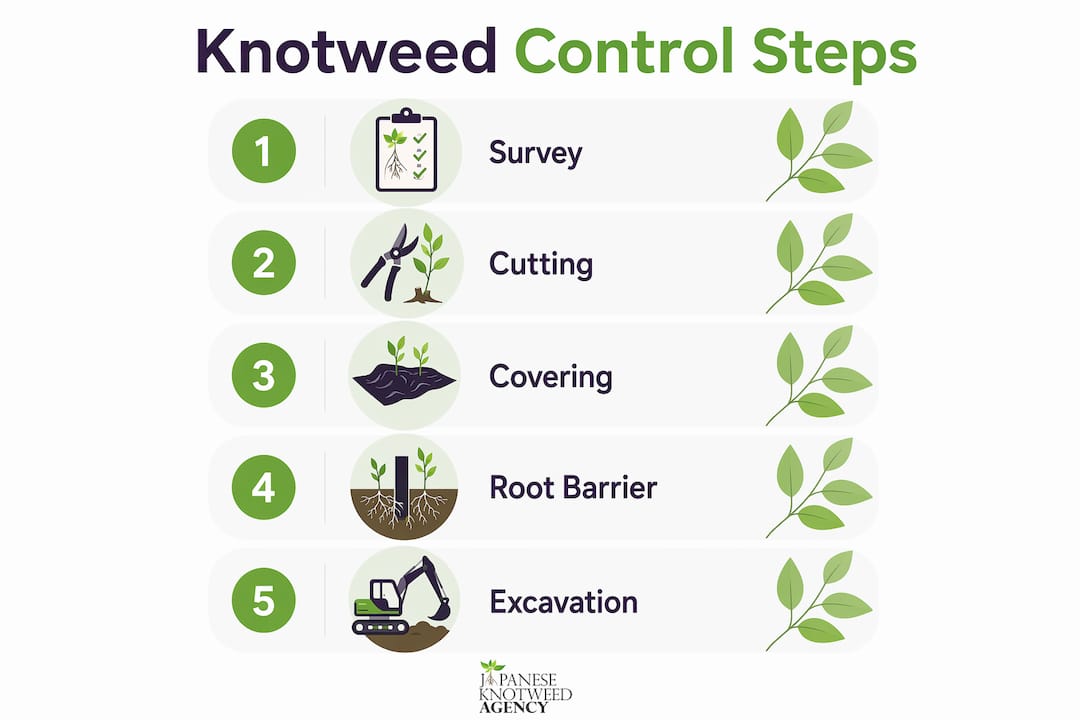
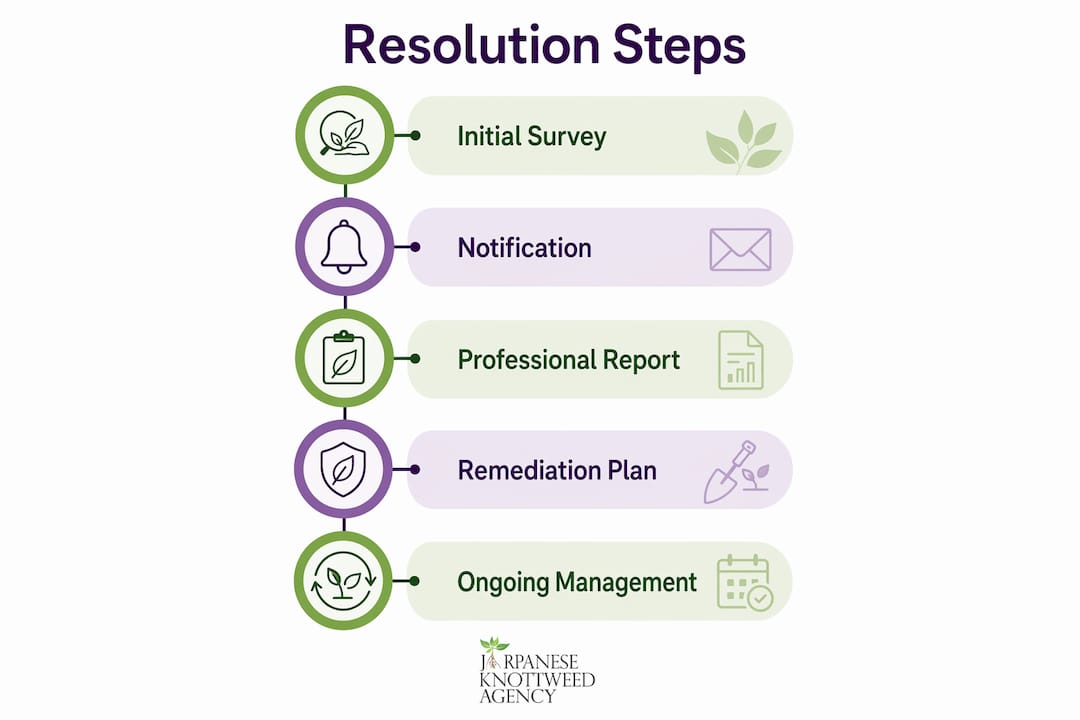
Infographic outlining weed check steps for remortgage

As lender policies vary considerably, some major high street lenders such as Nationwide and Lloyds take strict positions, applying retentions or refusing to lend entirely where knotweed is identified without a fully documented remediation plan. Barclays, by contrast, is known to accept lending where an insurance-backed guarantee (IBG) is in place. Specialist lenders and bridging finance providers are often the most flexible option for complex cases where remediation is ongoing.

An IBG is a formal guarantee, typically lasting between 5 and 10 years, issued by an approved invasive weed specialist confirming that a treatment or management plan is active and insured. Many mainstream lenders will not proceed without one. Understanding knotweed mortgage checks before you apply can prevent significant delays.

Here is a comparison of typical lender approaches:

Lender type Stance on knotweed What they typically require
Strict high street lenders Refusal or significant retention Full remediation plan and completed IBG
Flexible high street lenders Acceptance with conditions Active IBG from qualified specialist
Specialist lenders Case-by-case assessment Remediation plan, surveyor report, IBG
Bridging finance providers Generally flexible Risk assessment and exit strategy

Key requirements you should establish before applying include:

  • Weed survey report: a formal document produced by a qualified surveyor confirming the presence or absence of invasive species
  • Insurance-backed guarantee: mandatory for many lenders where knotweed is confirmed
  • Remediation plan: a documented strategy for treatment, typically spanning several years
  • Lender-specific documentation thresholds: some lenders require RICS-compliant surveys; others accept specialist assessments

Speaking with a remortgage solicitor early in the process is also advisable, as solicitors can clarify what documentation will be required during conveyancing. Reviewing knotweed mortgage issues in advance ensures you are not blindsided by conditions once your application is in progress. Taking this step before commissioning a survey means you commission exactly the right type of report, from the right type of specialist, to satisfy your specific lender.

Preparing for a successful property weed survey

Once you understand lender requirements, preparing your property and paperwork for a weed check is the next step. Thorough preparation significantly reduces the risk of a delayed or inconclusive survey outcome, which can cost weeks of remortgage time and, in some cases, the offer itself.

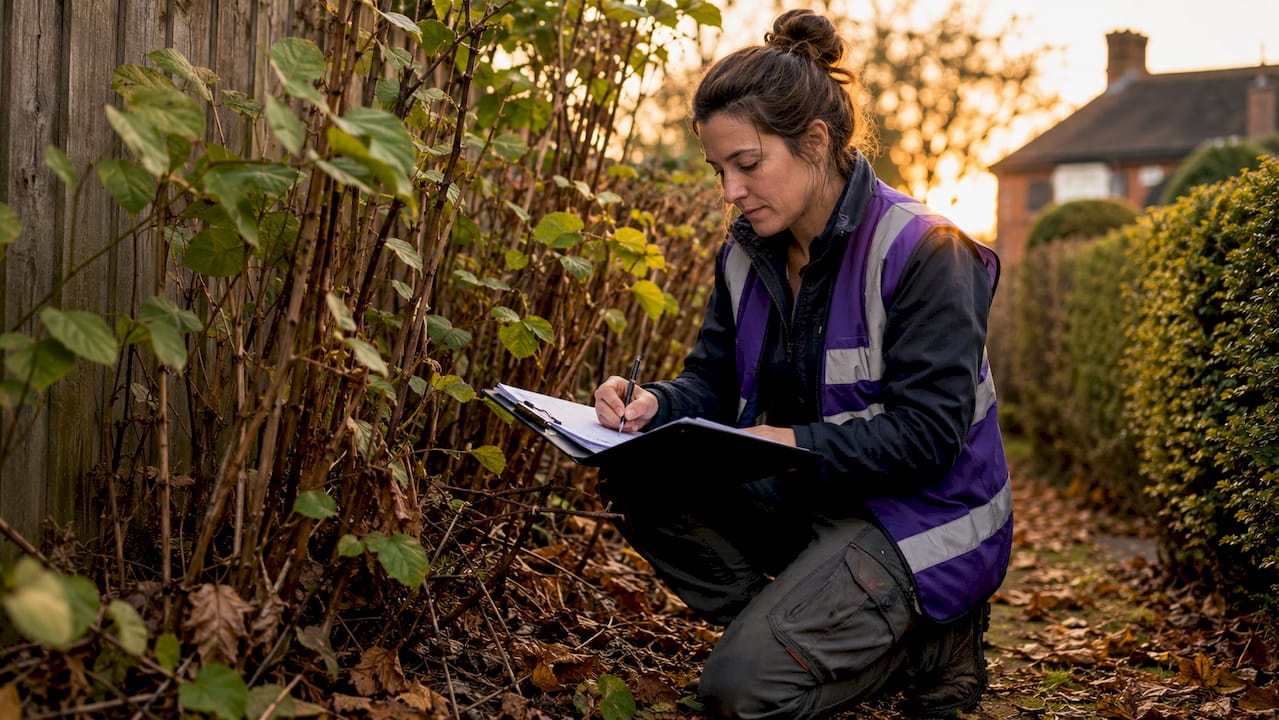
Surveyor preparing for property weed check

Start by gathering any previous survey documentation held for the property. If a weed survey was carried out during your original purchase, that report will give the incoming surveyor a baseline and may accelerate the assessment process. Prior treatment records, contractor invoices, and any IBG documents already in existence should all be organised and made available before the visit.

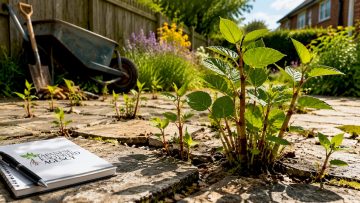
Timing matters considerably. As proactive surveys before application can prevent costly delays, booking within the optimal growing season from May to September is strongly recommended. Japanese Knotweed is most visually identifiable during this period, when its distinctive hollow bamboo-like canes, shield-shaped leaves, and small white flowers are visible. Attempting a survey outside this window risks an inconclusive result, which many lenders will not accept.

The table below summarises the key preparation steps and their importance:

Preparation step Why it matters
Collate previous survey reports Provides baseline data and historical context
Organise treatment and IBG records Demonstrates proactive management to lender
Schedule survey in May to September Maximises detection accuracy and visual confirmation
Select RICS-compliant surveyor with weed expertise Ensures lender-acceptable documentation
Clear site access prior to survey Prevents delays on the day and missed assessment areas

When selecting a surveyor, prioritise specialists who are experienced with invasive plant identification alongside RICS compliance. A generalist building surveyor may not possess the specific botanical knowledge to accurately identify early-stage knotweed or distinguish it from similar-looking species such as Russian Vine or Bindweed. Understanding knotweed property value impact is also useful context, as surveyors will factor proximity to structures, spread, and treatment history into their valuation notes.

Before the survey day, walk your own boundaries and garden areas. Note any areas of dense vegetation, recent disturbance, or soil movement, as these can be indicators of rhizome activity beneath the surface. Japanese Knotweed rhizomes can extend up to 3 metres deep and 7 metres laterally, meaning visible surface growth is often just a fraction of the plant’s full extent.

Consulting a conveyancing timeline guide can also help you position the survey correctly within your overall remortgage timetable, ensuring the report is ready when lenders need it without unnecessary waiting periods.

Pro Tip: Book your weed survey at least 6 to 8 weeks before you intend to submit your remortgage application. This leaves sufficient time to address any findings, commission further specialist assessments if required, and obtain documentation without creating pressure on your completion date.

Step-by-step: conducting your weed check

You have prepared your documents and scheduled the right time; here is how the weed check is performed step by step.

  1. Initial site walkthrough: The surveyor carries out a structured perimeter and garden inspection, examining boundaries, outbuildings, paved areas, and any land adjacent to or bordering the property. They assess soil disturbance, raised paving, and cracked structures that may indicate rhizome pressure from below.
  2. Identification of invasive species signs: Surveyors look for tell-tale growth patterns, including the distinctive reddish-purple shoots in early spring, the dense bamboo-like cane clusters in summer, and dried hollow canes in autumn and winter. They also check for species such as Giant Hogweed, Himalayan Balsam, and Rhododendron ponticum, all of which are controlled under the Wildlife and Countryside Act 1981.
  3. Photographic and mapping evidence: Confirmed or suspected invasive species are photographed and plotted onto a site plan. This mapping process is critical for lender reporting, as it demonstrates the precise location of any infestation in relation to the property’s structures, boundary, and neighbouring land.
  4. RICS protocol documentation: The surveyor completes formal documentation in line with RICS guidance, categorising the infestation, if present, using the recognised 4-point Management Plan category system, ranging from Category 4 (low risk, remote from structures) through to Category 1 (immediate structural threat).
  5. Report preparation and issue: A formal written report is produced, typically within 5 to 10 working days, detailing findings, risk assessment, and recommended remediation actions where applicable.

As May to September remains the optimal detection window, scheduling outside this period may produce an inconclusive report. Surveyors working in winter often note “not assessed” against certain areas, which can be problematic for lender compliance.

Common mistakes to avoid:

  • Failing to clear vegetation or debris from boundary areas before the surveyor arrives
  • Booking the survey in late autumn or winter when growth is not visible
  • Using a surveyor without specialist invasive plant identification training
  • Not disclosing previous knotweed history to the surveyor before the assessment

Thorough preparation before a weed survey is not a formality. It is the single most effective action you can take to ensure a clean, conclusive, and lender-acceptable outcome.

Reviewing the weed survey process in detail before your appointment will help you understand what surveyors expect and how findings are recorded. You can also consult a weed survey checklist to ensure nothing is overlooked before the visit. Being aware of potential property red flags associated with invasive weeds also helps you contextualise the surveyor’s findings within the broader conveyancing picture.

Pro Tip: Ask the surveyor to note any boundary areas they could not fully assess due to access issues. Lenders prefer transparent reports that acknowledge limitations over reports that appear to miss areas without explanation.

Interpreting results and ensuring lender approval

After the survey, interpreting the results clearly and knowing your next steps is critical for remortgage success. Survey reports can be dense documents, and understanding exactly what the findings mean for your application requires both technical and practical knowledge.

If the survey returns a clear result confirming no invasive weeds are present, your surveyor will issue a clean report. This document should be submitted directly to your lender or mortgage broker alongside your remortgage application. Most lenders will accept this without further conditions relating to invasive species.

Where Japanese Knotweed or another invasive species is identified, the report will classify the infestation by category and recommend a course of action. The key outcomes and corresponding steps are:

  • Category 4 infestation (remote, low risk): Some lenders may still proceed with a management plan in place, even without a full IBG, though this is lender-dependent
  • Category 3 infestation (within 7 metres of a structure): Most lenders will require an active management plan and an IBG before proceeding
  • Category 2 or 1 infestation (close proximity to structures or causing damage): Lenders will typically require full remediation, ongoing treatment, and a long-term IBG of at least 5 years
  • Inconclusive report: If the survey was conducted outside the growing season, lenders may request a follow-up assessment

Remediation options available to homeowners include:

  • Thermo-electric treatment: A chemical-free method that delivers direct electrical energy into the rhizome network, depleting the plant’s internal energy reserves across multiple treatment sessions
  • Root barrier installation: Physical barriers inserted into the soil to contain and prevent lateral rhizome spread
  • Excavation: Full removal of contaminated soil and rhizome material, typically used where speed is essential or infestation is severe
  • Herbicide treatment: A conventional chemical approach, though increasingly being replaced by eco-friendly alternatives

As lender policies vary considerably between strict approaches and those accepting an IBG, specialist lenders may be the most appropriate route for properties where remediation is underway but not yet complete. Understanding how to manage knotweed impact on your property value helps you frame the remediation investment not just as a lender requirement, but as a genuine long-term protection of your asset.

Presenting the outcome to your lender should always be done with a clear, organised summary: the survey report, the remediation specialist’s credentials, the IBG certificate where applicable, and a treatment timeline. Lenders respond well to evidence of proactive management and documented progress.

Scenario Lender likely response Required documentation
No knotweed found Proceed without weed-related conditions Clean survey report
Knotweed found, Category 4 May proceed with management plan Survey report and management plan
Knotweed found, Category 2 or 3 Retention or conditions applied IBG, remediation plan, specialist report
Knotweed found, Category 1 Possible refusal pending full remediation All of the above plus treatment progress evidence

The overlooked value of proactive weed checks

Now that you know the technical steps, consider why timing and proactive strategies are so often overlooked and why this oversight is genuinely costly. Most homeowners treat the weed survey as a box to tick once a lender requests it. That reactive approach is where the real expense begins.

The cost of a delayed remortgage, whether through a failed survey, a re-survey outside the growing season, or a scramble to secure an IBG under time pressure, can run to thousands in lost rate advantages, extended conveyancing fees, and bridging costs. Acting before the lender asks is not cautious; it is strategically sound.

There is also the question of knotweed industry impact on property values more broadly. Properties with unmanaged knotweed are valued lower, sell more slowly, and carry higher perceived risk. A proactive survey carried out during the May to September window, well ahead of a remortgage application, gives you time to respond to any findings without the pressure of a live application. It also gives you the opportunity to select a treatment method that aligns with your environmental values, rather than defaulting to the fastest or cheapest option under lender-imposed urgency. Proactive weed checks are not just procedural; they are a measurable investment in remortgage readiness.

Get expert support for your remortgage weed check

With your remortgage process prepared, here is where you can get specialist help for compliant weed checks.

https://japaneseknotweedagency.co.uk

Japanese Knotweed Agency delivers professional property surveys for invasive weeds across England, Wales, and Ireland, combining specialist plant identification expertise with formal documentation that meets lender requirements. As pioneers of chemical-free thermo-electric treatment, we also support homeowners through remediation, root barrier installation, and excavation works where required. Whether you are at the early preparation stage or already responding to a survey finding, our team can provide the expert guidance your remortgage demands. Explore our Japanese knotweed FAQ for answers to common lender queries, or review our weed survey process guide to understand exactly what to expect from a professional assessment.

Frequently asked questions

Do all lenders require a Japanese Knotweed survey for remortgaging?

No, not all lenders require one, but many have strict policies and may demand a survey report or an insurance-backed guarantee if knotweed is identified or suspected. Lender policies vary significantly, so confirming requirements with your specific lender before applying is always advisable.

When is the best time to have a weed check before remortgaging?

The growing season from May to September is optimal, as Japanese Knotweed is most visually identifiable during active growth and surveyors can produce conclusive, lender-acceptable reports during this window.

What happens if Japanese Knotweed is found during the survey?

Remediation and an insurance-backed guarantee are typically required before a lender will approve the remortgage. Lenders may demand IBG and documented treatment plans, and the urgency of action depends on the infestation category assigned in the survey report.

Can I use a specialist lender if standard lenders refuse my remortgage?

Yes, specialist lenders and bridging finance providers are often more flexible and can support remortgages where Japanese Knotweed remediation is active but incomplete, provided robust documentation is in place.

Council obligations for invasive plants: legal duties & solutions


TL;DR:

  • Legal duties require landowners and councils to actively manage Japanese Knotweed to avoid penalties.
  • Proactive, sustainable eradication methods like thermo-electric treatment and root barriers are effective alternatives to chemicals.
  • Early action and documented management plans help maintain compliance and protect ecological and property interests.

Many homeowners and councils assume that invasive plants like Japanese Knotweed are simply a nuisance to manage at their own pace. That assumption carries serious legal risk. Across England, Wales, and Ireland, specific legislation places binding duties on both private landowners and local authorities, with penalties for non-compliance that can affect property transactions, public liability, and even criminal records. This guide clarifies exactly what the law requires, what councils must do in practice, which chemical-free eradication methods are most effective, and how to weigh sustainable options against conventional chemical approaches. Understanding your obligations now is far less costly than responding to enforcement action later.

Table of Contents

Key Takeaways

Point Details
Legal duties apply Homeowners and councils have binding legal obligations to control and prevent the spread of invasive plants like Japanese Knotweed.
Councils focus on public land Councils prioritise monitoring and eradicating invasives on their own property and notify private owners if action is needed.
Chemical-free solutions available Mechanical, organic, and integrated methods offer effective, eco-friendly control for most scenarios—especially in sensitive areas.
Compliance prevents penalties Proactive action avoids legal fines, enforcement, and reputational risks for both individuals and authorities.
Sustainability is the future Adopting chemical-free and integrated approaches now prepares for likely restrictions and builds public trust.

The legal framework surrounding invasive plants in Britain and Ireland is more prescriptive than most people realise. Japanese Knotweed, in particular, sits at the centre of several overlapping pieces of legislation that affect what you can and cannot do with it on your property.

Under the Wildlife and Countryside Act 1981, it is a criminal offence to plant Japanese Knotweed or cause it to grow in the wild in England and Wales. The phrase ‘cause to grow’ is significant: it extends liability beyond deliberate planting to negligent spread, meaning if Knotweed migrates from your land onto neighbouring property or a public space, you may be held responsible. The knotweed legal obligations that apply to you will depend on your location and the extent of any infestation.

The Environmental Protection Act 1990 classifies Japanese Knotweed as controlled waste. This means any soil or plant material contaminated with Knotweed must be disposed of by a licensed waste carrier, and fly-tipping such material is a prosecutable offence. ‘Controlled waste’ is a legal term meaning the material requires formal management throughout its disposal chain, from removal to final destination.

In Ireland, laws on invasive plants are equally firm. Regulation 49(2) of S.I. No. 477/2011 makes it an offence to plant, disperse, or allow the spread of invasive species, including Japanese Knotweed. ‘Dispersal’ here covers physical movement of plant fragments, contaminated soil, or water carrying rhizome material. A rhizome is the underground stem network through which Knotweed regenerates; even a fragment as small as 0.7 grams can establish a new colony.

As the RHS invasive plant guidance confirms, homeowners are legally obligated to prevent Japanese Knotweed from spreading across England, Wales, and Ireland.

Key legal definitions you need to know:

  • Cause to grow: Liability extends to negligent or accidental spread, not just deliberate planting
  • Controlled waste: Knotweed-contaminated material requiring licensed disposal
  • Dispersal: Movement of plant fragments, soil, or water containing rhizome material
  • Enforcement notice: A formal instruction from a council or authority requiring remediation within a set timeframe

Failing to act on a confirmed Japanese Knotweed infestation is not a passive position. It is an active legal risk that compounds over time as the plant continues to spread.

Penalties for non-compliance include fines of up to £5,000 in magistrates’ courts, potential civil liability for damage to neighbouring properties, and complications with mortgage lenders who view untreated infestations as a material risk.

What councils must do: enforcement and public land duties

Once legal obligations are understood at a personal level, it becomes equally important to know what your local council is required to do and how they are likely to respond if Knotweed is identified near your property.

Council staff reviewing legal documents together

Councils across England, Wales, and Ireland have a direct duty to manage invasive plants on public land. This includes highways, parks, riverbanks, and other council-owned or managed spaces. Where infestations are identified, councils are expected to undertake annual treatment programmes where site conditions allow. Offaly County Council in Ireland, for example, has managed Knotweed on public land since 2014, treating sites annually where practical and notifying private owners when spread onto adjacent land is identified.

Council responsibilities typically follow a structured process:

  • Site identification and monitoring: Regular surveys of public land to detect invasive plant colonies
  • Direct eradication treatment: Application of approved control methods on council-managed land
  • Private owner notification: Written notification if Knotweed on public land is spreading towards private property, or vice versa
  • Enforcement escalation: Formal notices issued if private landowners fail to act on confirmed spread
  • Public awareness: Guidance issued to local communities on identification and reporting

Below is an overview of typical council escalation steps following invasive plant discovery:

Stage Council action Typical timeframe
Discovery Site survey and identification Within 4 weeks
Notification Letter to affected private owners Within 8 weeks
Monitoring Follow-up site visits Every 3 to 6 months
Enforcement Formal notice issued if no action 3 to 12 months
Legal proceedings Court referral for persistent non-compliance Variable

If you receive a council notification about Knotweed, the way you respond matters enormously. Understanding how to manage knotweed in public spaces can inform your dialogue with the council and demonstrate good faith.

Pro Tip: If a council contacts you about Japanese Knotweed on your property, respond in writing within 14 days. Acknowledge receipt, request a site meeting, and ask for the council’s own treatment plan if the plant originated on their land. Documented, proactive engagement significantly reduces the likelihood of enforcement escalation.

You can also report knotweed issues to your local authority directly, which establishes a record and may prompt council action on adjacent public land.

Chemical-free eradication: viable options for councils and homeowners

With legal obligations and council procedures understood, the practical question becomes: what are the most effective eradication methods, particularly for those seeking to avoid chemical herbicides?

Sustainable eradication methods have advanced considerably in recent years, giving both councils and homeowners a credible set of alternatives to glyphosate-based treatments. The key chemical-free eradication options include:

  1. Mechanical excavation: Physical removal of the rhizome network to a depth of up to 3 metres. Effective for discrete infestations where ground conditions allow deep digging. All excavated material must be disposed of as controlled waste.
  2. Root barrier installation: Heavy-duty geomembrane barriers installed vertically in the ground to prevent rhizome spread. Particularly effective for protecting buildings and infrastructure from encroachment.
  3. Thermo-electric treatment: Direct delivery of electrical energy up to 5,000 volts into the plant material onsite, causing internal cell damage and depleting the energy reserves held within the rhizome network. Effective across multiple treatment cycles without chemical residues.
  4. Soil sifting: Screening of contaminated soil to physically separate and remove rhizome fragments before reuse or disposal.
  5. Organic compost smothering: The KNOT project in Ireland demonstrated success using bespoke organic compost applied to suppress Knotweed regrowth, offering a low-impact option for larger, lower-risk sites.

The chemical-free eradication workflow you choose should reflect the specific site conditions, proximity to watercourses, and the scale of infestation. Thermo-electric treatment is particularly well suited to sites where chemical application is restricted or where repeat access is feasible.

Pro Tip: Before committing to excavation, commission a full site survey to map the rhizome extent. Excavating without knowing the spread can mobilise rhizome fragments and worsen the infestation. Understanding why non-chemical methods are increasingly preferred also helps you make the case to planning authorities or mortgage lenders.

Chemical-free versus chemical control: risks, benefits and compliance

A balanced assessment of control methods requires an honest look at what glyphosate offers versus what it costs, ecologically and legally.

Factor Glyphosate treatment Chemical-free methods
Effectiveness Proven over multiple seasons Equally effective with correct method choice
Environmental impact Soil and water contamination risk Minimal residual impact
Watercourse use Restricted; specialist licence required Suitable in most riparian settings
Labour intensity Lower per season Higher initially
Regulatory trend Increasing restrictions Growing acceptance and preference
Compliance risk Rising as bans expand Low and improving

Glyphosate remains a legally available tool in 2026, but its use near watercourses already requires a specialist licence from the Environment Agency in England. Many councils have voluntarily restricted or eliminated its use on public land in response to public health concerns and growing evidence of ecological impact. The organic compost treatment case from Ireland illustrates that chemical-free approaches can match herbicide results in the right conditions, particularly where spread is moderate and site access is reliable.

Key considerations when choosing between approaches:

  • Proximity to water: Chemical application near rivers, streams, or drainage ditches requires additional licences and carries pollution risk
  • Ecological sensitivity: Sites with protected species or habitats require chemical-free solutions to satisfy planning and environmental conditions
  • Property transactions: Many mortgage lenders now require a management plan; chemical-free programmes with documented progress are increasingly accepted
  • Long-term cost: Chemical treatment often requires five or more annual cycles; mechanical or thermo-electric approaches may resolve infestations faster with fewer repeat visits

The chemical-free control benefits extend beyond immediate compliance. Sustainable methods protect biodiversity, preserve soil structure, and position both councils and homeowners favourably as regulatory pressure on herbicide use continues to increase. Reviewing removal best practices before any programme begins ensures you select the most appropriate method from the outset.

Infographic outlining duties for invasive plant control

Why proactive, sustainable council action matters more now than ever

There is a temptation, particularly in cash-constrained public bodies, to do the legal minimum: treat what you must, notify where required, and respond to enforcement triggers rather than prevent them. In our experience, this approach consistently costs more and achieves less than early, integrated action.

Waiting for a formal enforcement trigger means the infestation has already expanded, neighbouring landowners may have grounds for civil action, and the remediation bill has grown significantly. Beyond cost, there is reputational risk. Councils that manage invasive species proactively build community trust; those that respond only under legal pressure tend to face greater scrutiny in public planning and environmental consultations.

The shift towards chemical restrictions is not a distant possibility. It is already reshaping procurement decisions across local government. Councils and homeowners who invest now in long-term sustainability through thermo-electric treatment programmes, root barrier strategies, and documented management plans are building compliance resilience. Genuine environmental leadership means moving beyond box-ticking. It means adopting methods that will remain legally viable, ecologically sound, and publicly defensible for years to come.

Get expert help with council or homeowner invasive plant obligations

Whether you are a homeowner who has just discovered Japanese Knotweed on your property or a council officer managing a complex public land programme, acting quickly and with the right guidance is essential.

https://japaneseknotweedagency.co.uk

Japanese Knotweed Agency offers chemical-free solutions with a 95% success rate, including thermo-electric treatment, root barrier installation, and full excavation works. We survey properties across England, Wales, and Ireland and provide management plans that satisfy mortgage lenders and planning authorities alike. For councils managing invasive plants on council land, we provide scalable treatment programmes tailored to public land requirements. If you have questions before taking action, our frequently asked questions resource is a practical starting point.

Frequently asked questions

Are councils required to remove Japanese Knotweed from private land?

Councils are obligated to control Knotweed on public land but typically notify or enforce action for private landowners rather than remove it themselves, as confirmed by council Knotweed duties across Ireland and the UK.

What penalties can homeowners face for ignoring invasive plants?

Homeowners may face fines or formal enforcement if they allow Japanese Knotweed or other invasive species to spread beyond their property or dispose of them illegally, as UK and Irish law makes spreading an offence.

Which chemical-free options control invasive plants most effectively?

Mechanical excavation, root barriers, and thermo-electric treatment are the most effective chemical-free approaches, as detailed in sustainable eradication guidance, particularly for sensitive or watercourse-adjacent sites.

Is using glyphosate for Knotweed control likely to be banned soon?

Many councils already restrict glyphosate use due to health and environmental concerns, and organic compost research from Ireland shows chemical-free methods are increasingly viable and preferred for sensitive locations.

How invasive plants affect drainage: risks & solutions


TL;DR:

  • Invasive plants like Japanese knotweed destabilize soil and increase erosion, raising flood risks.
  • Proximity to watercourses and underground drains heightens the impact of invasive species on drainage.
  • Chemical-free removal, native planting, and site-specific surveys effectively restore drainage stability.

Not all greenery is good for your ground. Many homeowners assume that any plant cover stabilises soil and aids water absorption, but certain invasive species do the precise opposite. Japanese knotweed, Himalayan balsam, and similar invaders can quietly destabilise the very soil structure that keeps drainage functioning correctly, often without any visible warning until serious damage has occurred. This article sets out the real, evidence-based risks these plants pose to drainage systems and surrounding land, and explains how chemical-free solutions tailored for homeowners in England, Wales, and Ireland can protect your property before problems escalate.

Table of Contents

Key Takeaways

Point Details
Invasives weaken drainage Invasive plants like Japanese knotweed destabilise soil and riverbanks, heightening flood and erosion risk.
Site matters most The greatest drainage danger occurs where invasives grow near pipes, drains, or watercourses.
Native plants help Choosing the right native plants can actively improve stormwater soakage and protect your drains.
Go chemical-free safely Effective chemical-free methods, such as deep excavation and root barriers, need careful installation and planning.

How invasive plants destabilise drainage and riverbanks

Not every plant root is built the same way. Native species typically develop root systems that bind soil particles together, create stable channels for rainwater infiltration, and support surrounding ground structure over decades. Invasive species, particularly Japanese knotweed, behave very differently. Their root systems, known as rhizomes, are aggressive and wide-reaching, disrupting existing soil structure rather than reinforcing it.

This distinction matters enormously when your land is near a watercourse, a drainage channel, or sits on a slope. When invasive species colonise riverbanks or saturated ground, they do not simply replace native vegetation. They fundamentally alter the mechanics of the soil itself. Invasive non-native plants reduce riverbank stability, lowering shear strength and increasing erosion and sediment delivery downstream. Reduced shear strength means the bank simply cannot hold together as effectively under pressure from water or rainfall.

“Invasive species colonising riverbanks measurably reduce soil shear strength, accelerating erosion and increasing sediment loads downstream—posing significant risk to property and water management infrastructure.”

The consequences of that sediment movement are not limited to one property. Silt displaced from one eroding bank can settle downstream, raising the bed of a watercourse and reducing its ability to carry water quickly during heavy rainfall. This increases drainage maintenance and property flooding risk across a wider area. You should consider reporting Japanese knotweed promptly if you identify it near any watercourse or drainage feature on or near your land.

Native vs. invasive plant impacts on drainage and soil stability

Factor Native plants Invasive plants (e.g. knotweed)
Soil binding Strong, gradual root development Disrupted by aggressive rhizome spread
Water infiltration Improved, steady soakage Reduced, uneven surface runoff
Riverbank stability Maintained over time Reduced shear strength, erosion risk
Sediment delivery Low Significantly increased downstream
Biodiversity Supported Displaced, reducing ecological resilience

Key risks to be aware of include:

  • Dense knotweed stands can destabilise riverbanks during winter die-back, leaving bare soil vulnerable to erosion
  • Himalayan balsam dies back entirely each autumn, exposing colonised banks to torrential rainfall on unprotected soil
  • Increased sediment loads in local watercourses can raise flood risk for neighbouring properties, not just your own
  • Ground destabilised by invasive roots becomes less effective at absorbing sudden heavy rainfall events

Where homeowners face the highest drainage risks

Understanding the broader ecosystem risks is just the start. Next, let’s zoom into your property and see where the real vulnerabilities lie.

Not every knotweed infestation poses an equal drainage risk. Drainage impacts are most severe when an infestation is physically close to underground services, drains, or dense riverbank stands. Distance and soil type both influence how quickly damage can develop, which is why a professional site survey is essential before assuming the scale of risk.

Scenario comparison: knotweed location vs. drainage risk

Location of infestation Primary risk Urgency
Adjacent to underground drains or pipes Root infiltration, blockage, displacement High
Along garden perimeter near hardscaping Surface water redirection, cracking Moderate to high
On or adjacent to a watercourse Bank erosion, downstream sedimentation High
In open garden away from services Limited drainage impact currently Lower but monitor closely

Common warning signs homeowners should watch for:

  1. Drains that empty noticeably more slowly than usual, particularly after moderate rainfall
  2. Visible garden erosion at lawn edges or boundaries, especially close to existing plant growth
  3. Surface water pooling in areas that previously drained well
  4. Inspection chamber lids that are difficult to lift or show signs of distortion around the surround
  5. Cracks appearing in paving, patios, or hardstanding near established knotweed growth

A critical point that many homeowners overlook is that surface water management involves the full landscape, not just your plot boundary. Sediment and altered water flow patterns originating on neighbouring or upstream land can return to affect your drainage directly. You cannot manage your risk in isolation.

Considering root barrier installation at the earliest opportunity significantly reduces the chance of rhizome spread reaching vulnerable drainage infrastructure.

Pro Tip: Simply cutting back visible knotweed growth without addressing the rhizome network beneath will not reduce drainage risk. The underground system remains fully active and continues to expand even when above-ground growth appears to have been controlled. Any effective management plan must account for the full extent of underground spread.

How native plant choices improve drainage performance

While it is crucial to spot the risks, the right planting choices can give your drainage a natural boost.

Removing invasive species creates an opportunity. Rather than leaving ground bare, which itself increases erosion risk, replacing invasives with appropriately chosen native species actively improves drainage performance over time. Native plants have evolved alongside local soils, rainfall patterns, and ecosystems, which means their root structures genuinely support water movement through the ground.

Native plants stabilise soil and increase soakage, with well-established native planting schemes typically draining fully within 48 hours after a rain event. That 48-hour window is significant: it is the standard used in many sustainable drainage system (SuDS) assessments across the UK and Ireland.

Planting natives to aid soil drainage

Native plant drainage benefits vs. invasive plant impacts

Infographic comparing native and invasive drainage

Attribute Native species Invasive species
Soil soakage Improved, root channels aid infiltration Disrupted, rhizomes compact soil locally
Post-rain drainage speed Typically within 48 hours Slower, increased surface runoff
Erosion control Strong, sustained Seasonal gaps (e.g. balsam die-back)
Long-term maintenance Lower once established Ongoing intervention required

Native species to consider for gardens in England, Wales, and Ireland include:

  • Yellow flag iris (Iris pseudacorus): excellent for damp ground and watercourse margins
  • Common sedge (Carex nigra): robust in wet soils, strong root binding properties
  • Meadowsweet (Filipendula ulmaria): thrives in moist ground, supports pollinator biodiversity alongside drainage function
  • Purple loosestrife (Lythrum salicaria): effective on waterlogged or periodically flooded margins
  • Native grasses including Molinia caerulea (purple moor grass): deep roots improve infiltration on heavier soils

One challenge worth acknowledging: establishing native planting on ground previously dominated by Japanese knotweed requires patience. The soil may be disturbed and nutrient dynamics altered. Professional guidance on soil preparation and species selection after knotweed removal will accelerate successful re-establishment and maximise drainage benefit.

Chemical-free invasive plant management: what really works

Once you know what to plant, knowing how to safely remove and contain invasives, without chemicals, makes all the difference.

Chemical treatment has long been the default recommendation for Japanese knotweed, but it introduces its own complications near watercourses, drainage features, and properties with children, pets, or environmental sensitivity. Chemical-free methods are not only viable but, when executed with precision, deliver lasting results without ecological side effects.

Chemical-free control options for knotweed include deep excavation, root barrier installation, and direct energy or thermal treatment, each requiring professional precision to comply with legal obligations and deliver lasting outcomes.

The recommended steps for homeowners are:

  1. Arrange a professional property survey to map the full extent of the infestation and identify proximity to drainage infrastructure, watercourses, and underground services
  2. Plan the management approach based on survey findings: excavation for contained, accessible infestations; root barriers for boundary or infrastructure protection; energy treatment for ongoing depletion of the rhizome network
  3. Install root barriers along vulnerable boundaries before any excavation to prevent rhizome migration during works
  4. Undertake excavation for knotweed removal using specialist equipment to remove rhizome material to adequate depth, typically two to three metres in established infestations
  5. Dispose of excavated material lawfully: knotweed is classified as controlled waste in the UK, and improper disposal carries legal penalties. Ensure your contractor operates under appropriate waste carrier licences

Key considerations when comparing methods:

  • Excavation: high upfront cost, fastest result, requires knotweed excavation preparation and controlled waste disposal
  • Root barriers: cost-effective for containment, essential near infrastructure, requires correct specification and depth to be effective
  • Thermo-electric energy treatment: delivers up to 5,000 volts directly to the plant, causing internal cell damage and depleting rhizome energy reserves across multiple treatment cycles

Pro Tip: Never attempt to dispose of knotweed cuttings or rhizome material in household waste or compost. Even small fragments can regenerate and spread the infestation. Always engage a licensed waste carrier and confirm disposal is at a permitted facility.

Why most drainage risk guides underplay invasive plants (and what to really watch for)

Most mainstream drainage risk guides focus on the visible: blocked gullies, failing gutters, or cracked pipes. Invasive plant risk rarely features prominently, and when it does, the advice typically defaults to herbicide application without addressing the underlying structural and hydrological consequences.

In our experience, this is precisely where homeowners are left exposed. Chemical treatment of knotweed, even when effective, does not undo riverbank destabilisation, does not restore soil shear strength, and does not address displaced drainage patterns. The plant may die, but the erosion risk it created can persist for years unless active restoration follows.

True drainage safety from invasive plant risk requires three things working together: a site-specific survey that maps both plant extent and proximity to drainage features, a management plan that combines effective root barrier planning with excavation or energy treatment where needed, and a restoration strategy that reintroduces appropriate native planting. Generic checklists from insurers or local authorities simply cannot substitute for professional, site-specific assessment. If your property sits near a watercourse, or if you have already seen drainage changes you cannot readily explain, that is the moment to commission a proper survey, not after the next flood event.

How we help you reclaim safe, chemical-free drainage

If you are ready to move beyond DIY and ensure lasting drainage security, here is how our experts can help.

At Japanese Knotweed Agency, we bring together professional property surveying, root barrier installation, excavation works, and our pioneering thermo-electric energy treatment, all without chemical intervention. We carry out invasive weed surveys across England, Wales, and Ireland, giving you a precise picture of your risk before any work begins.

https://japaneseknotweedagency.co.uk

Our chemical-free knotweed solutions have achieved a 95% success rate across residential and commercial sites. Whether you need a thorough property survey service for invasive plants or a full management programme, our team is ready to deliver the drainage-safe, legally compliant outcome your property deserves. Get in touch today to arrange your survey.

Frequently asked questions

Can Japanese knotweed damage drains and pipes directly?

Root systems can infiltrate weak points in drains and inspection chambers, causing blockages and pipe displacement over time. Drainage risk is highest when an infestation is in close proximity to underground services or dense riverbank stands.

What are the signs of drainage problems linked to invasive plants?

Look for unexplained surface water pooling, garden erosion at boundaries, or slow and blocked drains, particularly where knotweed or similar plants are present nearby. Invasive plants reduce riverbank stability, increasing erosion and sediment delivery that can disrupt drainage across a wide area.

Which chemical-free method works best against invasive plants near drains?

Deep excavation combined with root barriers is generally most effective for containing and removing established infestations, while thermo-electric energy treatment provides a proven chemical-free alternative for ongoing rhizome depletion.

Does replacing invasive plants with native species improve drainage?

Yes. Native plants stabilise soil and improve soakage, actively reducing runoff and supporting stormwater management, all of which benefit local drainage performance over time.

Protecting water sources from invasive weeds: A homeowner’s guide


TL;DR:

  • Invasive weeds like Japanese Knotweed threaten water quality, erosion, and native wildlife in the UK.
  • Early detection and repeated manual removal are effective chemical-free strategies for control.
  • Professional support and community efforts are crucial for managing large or persistent infestations.

Invasive weeds are quietly advancing through riverbanks, pond margins, and drainage channels across England, Wales, and Ireland, threatening water quality, accelerating bank erosion, and displacing native wildlife. A single Japanese Knotweed stand can push through tarmac and concrete; near water, the consequences are far more serious. Homeowners often assume this is a countryside problem, but urban streams, garden ponds, and estate ditches are just as vulnerable. The reassuring reality is that you do not need herbicides or harmful chemicals to protect your water source. With the right knowledge and a structured approach, effective, eco-friendly eradication is within reach for any motivated homeowner.

Table of Contents

Key Takeaways

Point Details
Early detection matters Spotting and tackling weeds before they spread makes treatment simpler and cheaper.
Manual methods work best Hands-on removal and ongoing monitoring offer safe, effective weed control without chemicals.
Preparation ensures safety Using the right tools and PPE prevents harm to you and your water source.
Community involvement helps Reporting findings and working together increases success in protecting water.

Why invasive weeds threaten your water sources

The scale and speed at which invasive weeds colonise British water margins is striking. Japanese Knotweed can grow up to 10 centimetres per day in peak season, and Himalayan Balsam can produce up to 800 seeds per plant, dispersing readily along watercourses. These are not slow-moving threats. They are active, aggressive, and capable of fundamentally altering how your local waterway functions.

The practical harms are wide-ranging and serious:

  • Water quality: Dense weed growth depletes oxygen in still water and decomposes to form harmful organic matter, affecting fish and aquatic invertebrates.
  • Flooding risk: Thick root systems and dense stems obstruct water flow through channels and culverts, raising flood risk for adjacent properties. Protecting water infrastructure becomes far more difficult once an infestation is established.
  • Bank destabilisation: Invasive species replace deep-rooted native plants, leaving banks friable and prone to collapse.
  • Biodiversity loss: Native marginal plants, insects, and breeding birds are outcompeted and displaced, reducing local ecological value.
  • Legal and insurance implications: If invasive weeds spread from your property to neighbouring land or waterways, you may face legal liability. Mortgage lenders and insurers increasingly scrutinise weed risks for homeowners, and unchecked infestations can affect property valuations and sale prospects.

This is not purely a rural concern. Urban water features, estate ponds, and even garden streams are vulnerable. As confirmed by managing invasive plants near water, invasive weeds like Japanese Knotweed disrupt local hydrology, out-compete native species, and can accelerate bank erosion. The longer action is delayed, the harder and more expensive the remedy becomes.

Now that you understand what’s at stake, it is time to check for weed threats around your own property.

How to assess weed risk and spot early signs

A thorough visual inspection is your first line of defence. Carry it out in late spring and again in early autumn, when invasive species are most identifiable by their growth habits and foliage.

Follow this inspection sequence:

  1. Walk the full perimeter of any water feature, stream, or drainage ditch on your land.
  2. Check banks and outflow pipes for unusual growth, particularly thick bamboo-like stems or broad, shovel-shaped leaves.
  3. Examine still water edges for floating mats of vegetation that may indicate invasive aquatic species.
  4. Inspect ditches and culverts for blockages caused by dense-rooted growth.
  5. Photograph any suspect plants and record location, date, and approximate spread.

Knowing which plants to look for makes all the difference:

Plant Key features Season visible
Japanese Knotweed Bamboo-like stems, cream flowers, shovel-shaped leaves Spring to autumn
Himalayan Balsam Pink-purple flowers, hollow stems, rapid waterside spread Summer to early autumn
Giant Hogweed Enormous umbrella flower heads, can reach 5 metres, toxic sap Late spring to summer

As noted in a weed risk assessment, early intervention is critical to prevent dense infestations, which are more costly to manage. The advice is clear: do not wait until growth becomes overwhelming before acting.

For a structured approach to identifying threats at your property, the weed assessment for UK homes resource provides detailed guidance. If you suspect Giant Hogweed, exercise particular caution; its sap causes severe photochemical burns. Good drain maintenance basics are also worth reviewing alongside your weed inspections, as blocked drains often accompany invasive root spread.

Pro Tip: Keep a yearly log with photographs and GPS coordinates of any suspected invasive plants. Report confirmed sightings to your local authority or the GB Non-Native Species Secretariat to assist with regional monitoring.

Once you have confirmed a risk, gathering the right resources and preparing properly will affect your success.

What you need: Tools, materials, and preparation

Working near water demands particular care. The goal is to remove invasive growth with minimal disturbance to the bank structure and aquatic life. The correct tools and PPE minimise disturbance to banks and aquatic life during weed removal, so investing in proper equipment is not optional.

Woman removing invasive weeds by stream bank

Here is a comparison of basic versus advanced kit:

Category Basic kit Advanced kit
Digging Hand trowel, fork Long-handled mattock, root puller
Cutting Secateurs Heavy-duty loppers, reciprocating saw
Containment Bin bags Heavy-gauge tarpaulin, sealed disposal bags
Safety Gloves, Wellington boots Chemical-resistant gloves, goggles, waterproof overtrousers
Monitoring Notebook GPS device, dated photographic log

Essential safety items to assemble before starting:

  • Thick gloves: Invasive plants like Giant Hogweed require chemical-resistant protection.
  • Waterproof boots: Ankle support is critical on unstable banks.
  • Eye protection: Particularly important when cutting stems that can spring back unexpectedly.
  • Tarpaulin: Spread beneath work areas to catch all stem and rhizome fragments.

Pro Tip: Always place a tarpaulin between your work area and the water’s edge. Even small fragments of Japanese Knotweed rhizome can regenerate if they enter a watercourse, spreading the infestation further downstream.

Safety notice: Do not attempt heavy physical removal near unstable or undercut banks without professional advice. Bank collapse is a genuine risk and can result in serious injury. If you have any doubt about the structural integrity of the bank, contact a specialist before proceeding. Guidance on land drain installation advice can also help you assess whether drainage issues are contributing to bank instability.

For complex situations, the role of agencies in weed control outlines how professional support can be deployed safely and effectively.

With everything assembled, you are ready to tackle the weeds step by step.

Step-by-step: Remove weeds and protect your water source

Manual removal, repeated over several seasons, remains the safest and most effective chemical-free method for UK homeowners. Consistency is far more important than intensity. A single thorough clearance followed by neglect will always produce poor results.

Follow this process:

  1. Isolate the work area. Lay tarpaulins and clearly define the zone to prevent debris entering the water.
  2. Cut stems to ground level. Remove above-ground growth first; bag it immediately and seal the bags.
  3. Excavate the rhizome network. Dig carefully around root crowns to remove as much of the root system as possible. For Japanese Knotweed, rhizomes can extend 3 metres deep and 7 metres laterally.
  4. Check the soil thoroughly. Even a fragment the size of a fingernail can regenerate; sieve disturbed soil where practical.
  5. Dispose of material responsibly. All invasive plant material is classified as controlled waste in the UK. It must be taken to a licensed facility; never compost it on site.
  6. Monitor for regrowth. Revisit the site every four to six weeks through the growing season. Regrowth should be removed promptly.

Common pitfalls and how to avoid them:

Pitfall Recommended action
Leaving stem fragments near water Always use a tarpaulin; bag all material before moving
Treating removal as a one-off task Schedule at least three removal cycles per season
Ignoring rhizome depth Excavate to at least 1 metre; consider professional excavation for severe cases
Working during nesting season Postpone to avoid disturbing ground-nesting birds

Pro Tip: Schedule your main removal work between September and March, outside of the bird nesting season, to comply with wildlife protection legislation and reduce ecological disturbance.

For properties with extensive infestations, review the top methods for weed control to identify whether professional intervention is the more practical option. Surface water drainage safety is worth reviewing too, as weed removal can temporarily alter local drainage patterns.

After removing weeds, your final task is ongoing vigilance.

Aftercare and ongoing protection: Keep your water clean

Removing an infestation is a significant achievement, but the work does not stop there. Continual monitoring and replanting with native vegetation helps prevent the return of invasive species, restoring bank stability and ecological function simultaneously.

Build these practices into your routine:

  • Carry out seasonal inspections in spring and autumn, recording any new growth in your log.
  • Plant native marginal species such as yellow flag iris, water mint, and marsh marigold. These occupy the ecological niche that invasive weeds exploit and support pollinators and aquatic life.
  • Maintain clear drainage channels to prevent standing water that creates ideal conditions for species like Himalayan Balsam.
  • Engage your neighbours. Weed seeds and rhizome fragments travel via watercourses, so an unmanaged infestation upstream will undo your efforts downstream.
  • Contact your local Environment Agency office if you discover a large-scale infestation affecting a main watercourse; they have statutory powers and resources to assist.

Keep track of your progress using a simple takeaways log:

Action Frequency Outcome to monitor
Visual inspection Every season New growth, bank changes
Native replanting Autumn and spring Coverage, plant establishment
Drainage check After heavy rainfall Blockages, waterlogging
Community coordination Annually Upstream and downstream status

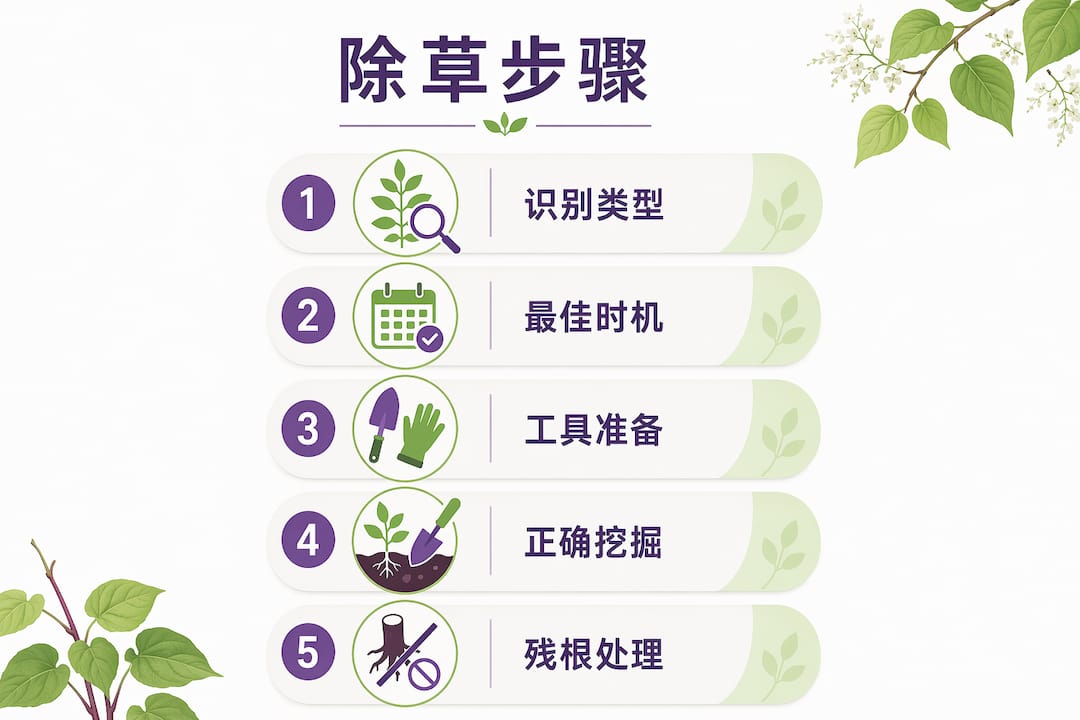
Infographic on steps to protect water sources from weeds

Staying informed about changes in legislation is equally important. The regulation updates on invasive weeds page outlines which species are increasingly coming under legal controls, ensuring your management programme remains compliant. For ongoing support with drainage maintenance for protection, specialist advice can help safeguard your property against flood risk linked to weed-obstructed channels.

Having implemented and maintained these steps, you can now consider the wider lessons.

A fresh perspective: What most guides miss about weed risk

Most guides treat invasive weed management as a technical problem: identify, remove, repeat. But the deeper issue is one of ongoing commitment and collective responsibility. We see homeowners who invest weeks in careful removal, only to find regrowth appearing from a neighbouring property the following season. Chemical-free action is not a weakness; it is a sustainable, long-term strategy that actually works when applied consistently and community-wide.

The most common mistake is treating weed management as a single event rather than an evolving programme. This mirrors how the eco solutions by agencies approach works: structured, regular, and adaptive. Recording and reporting sightings matters not just for your own property but for your entire neighbourhood and the wider watercourse network. A well-documented infestation history also strengthens your position legally and with insurers. Weed management is environmental leadership, and it starts with you.

Get expert help and advanced chemical-free solutions

When infestations extend beyond what manual removal can address, specialist intervention makes all the difference. Japanese Knotweed Agency has pioneered chemical-free treatment across England, Wales, and Ireland, deploying up to 5,000 volts of direct energy onsite to cause internal cell damage and deplete the rhizome network’s energy reserves without a single drop of herbicide.

https://japaneseknotweedagency.co.uk

From initial property surveys and weed risk assessments through to root barrier installation and full excavation works, we support homeowners at every stage of the process. For those facing persistent or large-scale infestations, the UK invasive species eradication guide is an essential resource, and our weed control FAQs provide direct answers to the questions homeowners ask most.

Frequently asked questions

What are the main invasive weeds found near UK water sources?

Japanese Knotweed, Himalayan Balsam, and Giant Hogweed are the most common threats to water sources across England, Wales, and Ireland, each posing distinct risks to waterway health and bank stability.

Is it possible to protect water sources without using chemicals?

Yes. Repeated manual removal, physical root barriers, and strategic replanting with native species can achieve durable, long-term control without the use of herbicides or other chemical treatments.

How often should water sources be checked for invasive weeds?

You should inspect banks and water margins at least seasonally; as early detection remains the most effective and cost-efficient approach to weed control, spring and autumn inspections are the minimum recommended frequency.

Who can help if the infestation is too difficult to manage?

Specialist agencies, local authorities, and ecology-focused businesses can assess the extent of the infestation and provide targeted, chemical-free eradication support tailored to your property and water source.