Selling or buying a home in England or Wales can become unexpectedly stressful when Japanese Knotweed appears on the survey. The real challenge lies beneath the surface, where the plant’s extensive rhizomes quietly threaten both property transactions and long-term value. This guide reveals why root systems and their management are crucial, and it explains how chemical-free eradication methods can protect your investment without compromising the surrounding environment.
Table of Contents
- Root Systems And Plant Removal Defined
- Japanese Knotweed Rhizomes: Threats And Complexity
- Chemical-Free Eradication Methods Explained
- Legal And Survey Requirements In The UK
- Property Risk, Barriers, And Common Errors
Key Takeaways
| Point | Details |
|---|---|
| Understanding Root Systems | Root systems, especially from invasive plants like Japanese Knotweed, extend far beyond visible areas, and incomplete removal poses significant property risks. |
| Importance of Complete Plant Removal | True plant removal involves eliminating the entire root structure to prevent regrowth, requiring systematic treatment and monitoring. |
| Legal Obligations | Landowners must disclose Japanese Knotweed presence and manage it according to UK law to avoid liability and potential legal action. |
| Choosing Chemical-Free Solutions | Chemical-free eradication methods are preferred by mortgage lenders and offer more sustainable outcomes for property health and value. |
Root Systems and Plant Removal Defined
Understanding what root systems are and how plant removal works is fundamental to protecting your property’s value. When a property contains invasive plants like Japanese Knotweed, the extensive underground network of roots becomes the core issue that affects structural integrity and financial worth.
What Are Root Systems?
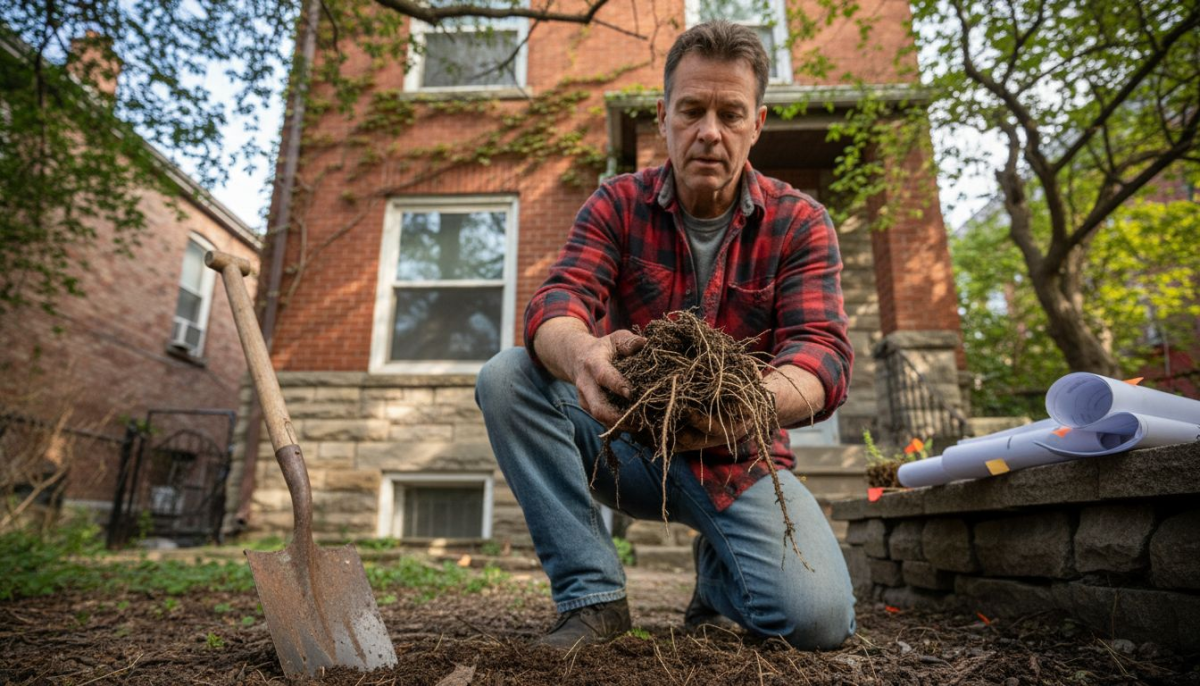
Root systems are the underground network of roots that anchor plants and absorb water and nutrients from soil. Unlike what many homeowners assume, these systems are far more extensive than the visible plant above ground.
Japanese Knotweed roots, called rhizomes, spread horizontally through soil and can extend up to 7 metres away from the visible plant. They’re remarkably resilient and regenerate from even tiny fragments left behind during incomplete removal.
The research on tree root protection areas demonstrates that roots occupy designated zones calculated using British Standard 5837:2012. These protective circles around plants help explain why root systems demand careful, strategic management.
Key characteristics of invasive plant root systems:
- Extend far deeper and wider than the visible plant suggests
- Regenerate from small fragments if not completely removed
- Penetrate through concrete, tarmac, and building foundations
- Disrupt soil structure and cause subsidence or heave
- Require systematic treatment, not just cutting back vegetation
Rhizomes are the hidden threat. A single fragment can establish an entirely new colony, making thorough root management critical for property protection.
What Does Plant Removal Actually Mean?
Plant removal encompasses far more than cutting down visible vegetation. True removal means eliminating the entire root system to prevent regrowth and future damage.
When dealing with Japanese Knotweed, simply removing the stems leaves the dangerous rhizome network intact underground. This is why the condition of properties with unmanaged Japanese Knotweed continues deteriorating even after surface clearance.
Effective plant removal involves three stages:
- Assessment of the full extent of root systems
- Treatment of rhizomes to prevent regeneration
- Monitoring to confirm complete eradication
For invasive species, chemical-free invasive plant solutions use advanced techniques like thermo-electric treatment, which delivers targeted energy directly to rhizomes. This approach damages internal cells without harming surrounding soil or affecting property foundations.
The difference between cutting and removal is substantial for property value. Incomplete removal suggests future problems, which concerns mortgage lenders and future buyers significantly.
Why Root Systems Matter for Your Property Value
Tree roots and subsidence risk show that root activity directly impacts building stability. Roots can remove moisture from soil or cause expansion, triggering foundation movement that structural surveys flag as serious defects.
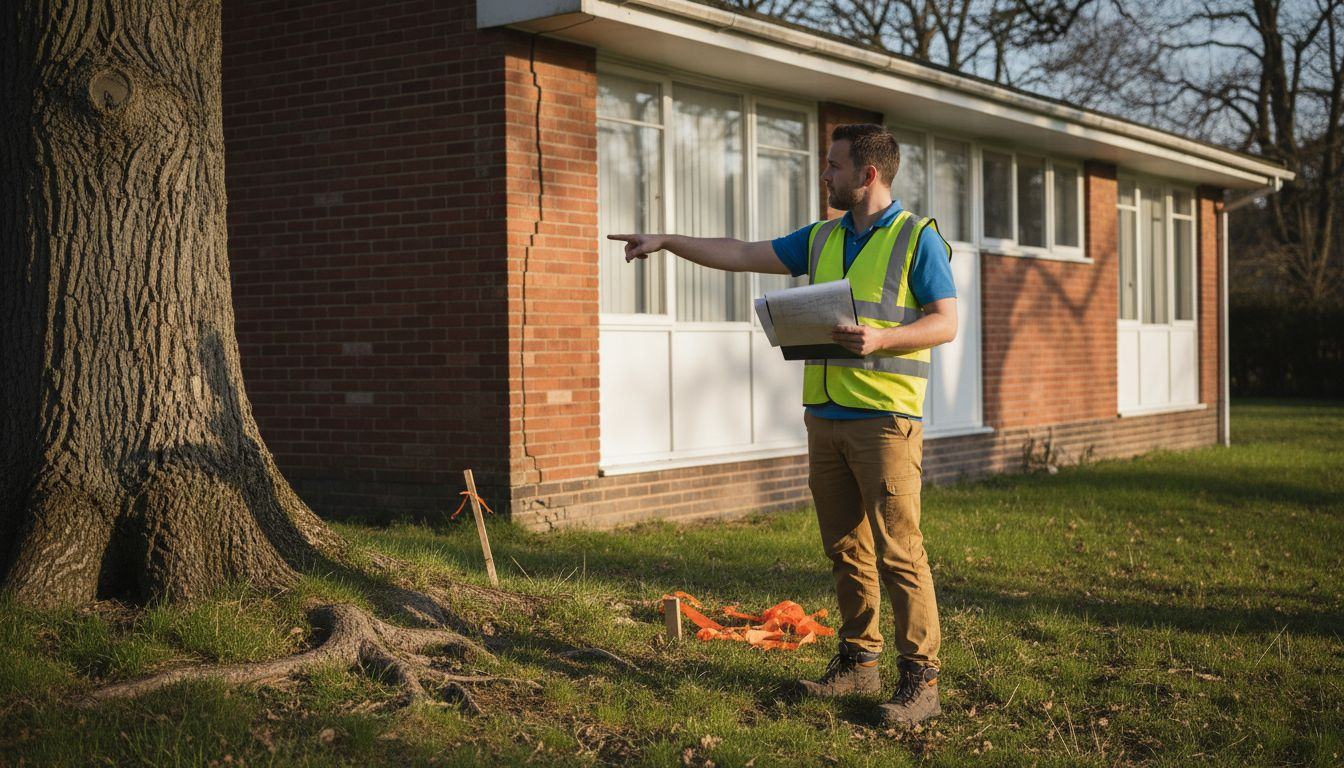
When Japanese Knotweed is present, lenders typically won’t approve mortgages without evidence of complete root eradication and a treatment plan. This directly suppresses your property’s marketability and value.
Properties with known invasive plant issues see valuations drop by 5-10% or higher, depending on infestation severity and location. Buyers also face insurance complications and future treatment costs.
Pro tip: Get a professional survey completed before listing your property; it identifies root issues early and demonstrates due diligence to potential buyers and their lenders.
Japanese Knotweed Rhizomes: Threats and Complexity
Japanese Knotweed’s real danger lies underground. The rhizome network is what makes this plant so persistent and difficult to eradicate, and understanding this complexity is essential when assessing property risk and treatment costs.
What Makes Rhizomes So Problematic?
Rhizomes are horizontal underground stems that act as the plant’s primary storage and regeneration system. Unlike roots that simply absorb water, rhizomes actively spread and generate new shoots across large areas of soil.
Extensive rhizome networks can extend several metres in diameter and depth beneath your property. A single fragment left behind during removal can restart the entire infestation, which is why incomplete treatments fail repeatedly.
Key threats from Japanese Knotweed rhizomes:
- Regenerate from fragments smaller than a fingernail
- Extend 3-7 metres horizontally from visible plants
- Penetrate concrete, tarmac, and building cavities
- Survive freezing, cutting, herbicides, and burning
- Create structural damage through persistence rather than force
A piece of rhizome the size of a grain of rice can establish an entirely new colony within weeks, which is why “killing the plant above ground” never solves the problem.
The Complexity of Treatment and Eradication
Treating Japanese Knotweed rhizomes requires more than standard horticultural practices. The plant’s biological resilience means conventional cutting or even chemical spraying often fails because these methods don’t reach the deep, extensive underground network.
Why rhizomes resist typical removal attempts:
- Physical removal leaves buried fragments behind that regrow
- Herbicides penetrate only shallow soil layers where rhizomes exist deeply
- The plant’s energy reserves in rhizomes allow rapid recovery after damage
- Fragmentation during digging spreads infestation to new areas
- Weather, soil conditions, and seasonal growth complicate treatment timing
This is where chemical-free treatment solutions become valuable. Thermo-electric treatment delivers energy directly into the rhizome network, damaging internal cell structures without leaving dangerous fragments scattered through soil.
Perception Versus Actual Structural Risk
Whilst Japanese Knotweed rhizomes are genuinely problematic to eradicate, research reveals an important distinction: the actual structural damage risk from knotweed is often less severe than public perception suggests.
The plant rarely causes significant damage to robust, well-built structures. It poses greater threat to weak foundations, poorly maintained properties, or buildings already experiencing settlement issues.
However, the perception problem is real and costly. Mortgage lenders typically require surveys and treatment plans before lending on properties with known knotweed infestations. This requirement reflects regulatory caution rather than proven structural danger in most cases.
The true impact on property value comes from three factors:
- Difficulty in obtaining mortgage finance
- Insurance complications and exclusions
- Time required for treatment and monitoring
- Buyer anxiety regardless of actual risk level
Pro tip: Document your rhizome extent through professional survey and treatment planning early—this reduces buyer concerns and mortgage lender hesitation more effectively than attempting self-treatment, which typically fails and worsens the property’s marketability.
Chemical-Free Eradication Methods Explained
Chemical herbicides like glyphosate have dominated knotweed treatment for decades, but they’re increasingly restricted and face environmental concerns. Chemical-free methods now offer effective alternatives that protect soil health, wildlife, and property value simultaneously.
Why Move Away from Chemical Treatments?
Traditional herbicide approaches carry significant drawbacks that affect both properties and the environment. Glyphosate and similar chemicals require repeated applications over years, contaminate groundwater, and harm beneficial soil microorganisms essential for plant recovery.
Chemical-free methods address these concerns directly:
- No soil contamination or residual toxins
- Faster eradication timelines (months versus years)
- Safe for neighbouring plants and wildlife
- No regulatory restrictions or licensing requirements
- Better long-term property value outcomes
Mortgage lenders increasingly prefer chemical-free solutions because they demonstrate responsible property management and sustainability commitment.
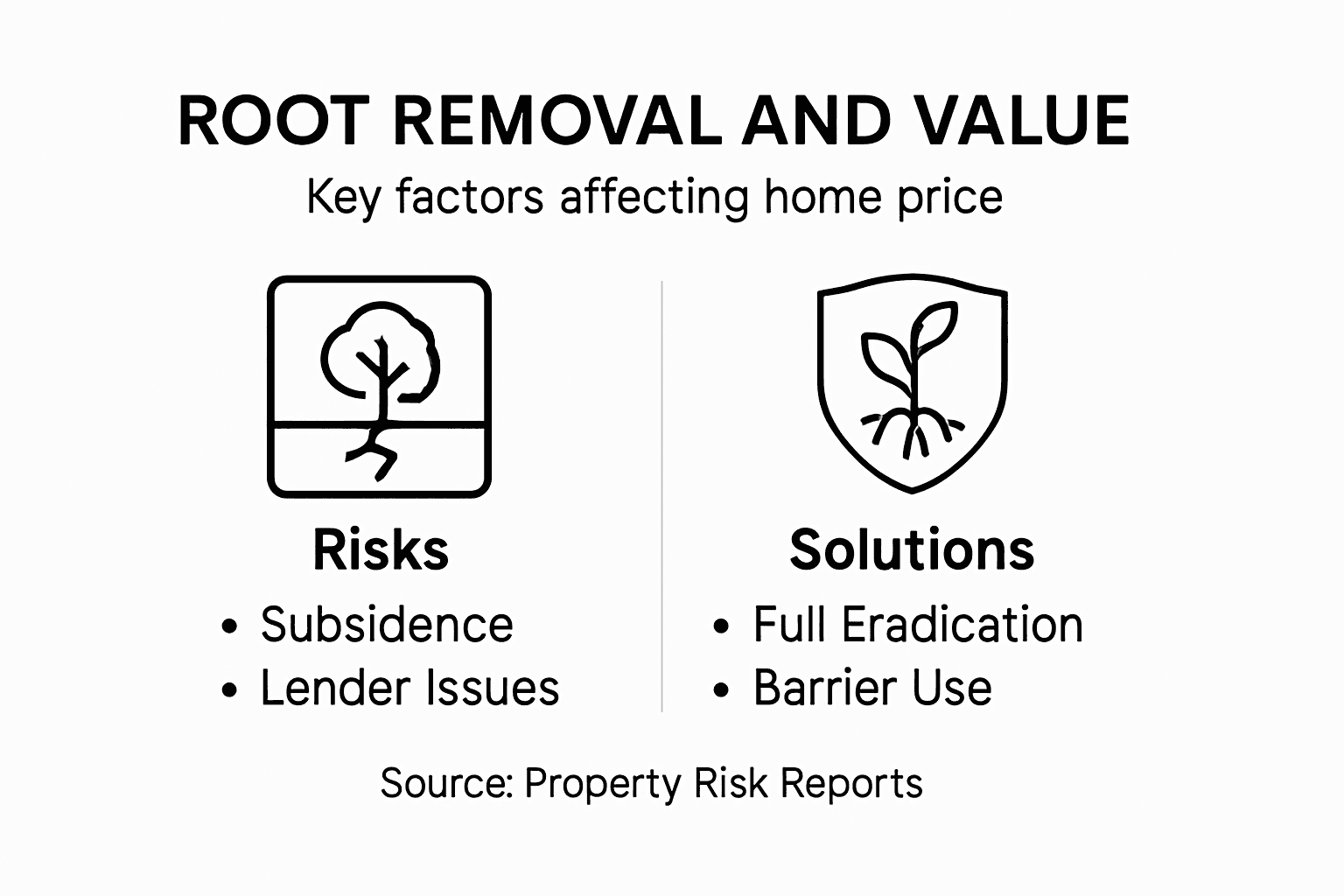
Thermo-Electric Treatment Technology
Thermo-electric eradication is a breakthrough technology that destroys Japanese Knotweed using high-voltage electricity instead of chemicals. The method delivers up to 5,000 volts directly into the rhizome network, causing internal cellular damage without any chemical residue.
How it works:
- Electrodes are positioned around infected areas
- Electrical current penetrates deep into rhizomes
- Plant cells experience internal structural failure
- Energy reserves within rhizomes become depleted
- Multiple treatments over months ensure complete eradication
Thermo-electric treatment damages plant cells from inside out, preventing regeneration from fragments whilst leaving soil structure completely intact and safe for future planting.
This approach requires professional deployment because improper electrode placement reduces effectiveness. Treatments are typically spaced weeks apart to ensure thorough rhizome destruction throughout all growth stages.
Physical Soil Manipulation Methods
Physical soil manipulation techniques like Roots Reset offer another chemical-free pathway. This method mechanically removes and disrupts rhizome networks through controlled soil handling, promoting rapid natural recovery without pesticides.
Key advantages of physical methods:
- Eradication within 12 months (versus 5+ years with chemicals)
- Native plants can be replanted within days
- Zero chemical contamination
- Immediate biodiversity recovery
- Lower long-term environmental impact
However, physical methods work best for smaller infestations or standalone properties. Larger underground networks require multiple approaches combined with ongoing monitoring.
The following table compares common Japanese Knotweed eradication methods and highlights their respective pros and cons:
| Method | Typical Duration | Environmental Impact | Suitability for Property Sales |
|---|---|---|---|
| Chemical herbicides | 3-5 years | Groundwater contamination risk | Increasingly discouraged by lenders |
| Thermo-electric treatment | 3-12 months | No soil contamination | Favoured due to eco-friendliness |
| Physical soil manipulation | Up to 12 months | No chemical residue | Suitable for small to medium infestations |
| Combined approaches | 6-24 months | Minimises drawbacks | Most effective for property transactions |
Combining Methods for Maximum Effectiveness
The most successful eradication strategies combine multiple chemical-free techniques. Best practices for weed eradication recommend integrating thermo-electric treatment with soil barriers and regular monitoring to eliminate all regeneration pathways.
A comprehensive approach typically involves:
- Initial assessment and rhizome mapping
- Thermo-electric or physical treatment phases
- Root barrier installation to prevent spread
- Monthly monitoring for 12-24 months
- Site restoration with native plants
Pro tip: Request a detailed eradication plan before treatment begins—it should specify treatment timelines, monitoring schedules, and post-eradication planting recovery, which you’ll need for mortgage applications and property sales.
Legal and Survey Requirements in the UK
Japanese Knotweed isn’t just a gardening problem—it’s a legal responsibility. UK law imposes strict duties on property owners to prevent spread, disclose presence, and maintain treatment documentation. Understanding these requirements protects you legally and financially when buying, selling, or managing a property.
Your Legal Obligations as a Landowner
UK law holds landowners accountable for Japanese Knotweed on their property. Landowner responsibilities under the Wildlife and Countryside Act 1981 and Environmental Protection Act 1990 require you to prevent spread to neighbouring properties and manage disposal responsibly.
You cannot simply ignore knotweed or allow it to spread. Recent court cases have held property owners liable for damages caused to adjacent land and structures. The Anti-social Behaviour, Crime and Policing Act 2014 adds further enforcement powers, allowing local authorities to issue compliance notices.
Key legal duties:
- Prevent spread to neighbouring properties
- Disclose presence when selling property
- Maintain treatment plans and monitoring records
- Dispose of contaminated soil responsibly
- Cooperate with professional surveyors and lenders
Ignoring Japanese Knotweed isn’t just negligent—it’s illegal. Courts have awarded damages to neighbours, and local authorities can enforce compliance through formal notices.
Property Survey Requirements
When selling a property, disclosing Japanese Knotweed is mandatory. Conveyancers require evidence that knotweed has been identified, assessed, and managed properly. This typically means commissioning a professional invasive species survey before listing.
A thorough survey should identify:
- Exact location and extent of infestation
- Proximity to boundaries and neighbouring properties
- Risk assessment for structural damage
- Current treatment status or eradication history
- Recommendations for ongoing management
Surveys typically cost £300-£800 depending on property size and infestation severity. However, this investment protects you legally and prevents sale delays caused by buyer concerns or lender hesitation.
Mortgage Lender Requirements
Mortgage lenders take Japanese Knotweed seriously. Most major lenders require documented evidence of treatment plans or containment before approving loans on affected properties.
Lenders typically demand:
- Professional survey confirming presence or absence
- Detailed eradication or management plan
- Evidence of treatment commencement or completion
- Monitoring schedule for ongoing assessment
- Confirmation that treatment is chemical-free (increasingly preferred)
Without lender approval, your buyer cannot secure financing, which effectively blocks the sale. This is why addressing knotweed before listing is strategically essential.
Documentation and Conveyancing
Keep meticulous records of all knotweed-related work. Your conveyancer will request copies of surveys, treatment plans, invoices, and monitoring reports throughout the property transaction process.
Essential documentation includes:
- Initial survey reports with photographic evidence
- Treatment proposals and contracts
- Monthly or quarterly monitoring records
- Eradication completion certificates (if applicable)
- Post-treatment planting restoration plans
Good documentation demonstrates due diligence and reduces buyer hesitation significantly.
Here is a summary of key legal documents required when selling a property affected by Japanese Knotweed:
| Document Type | Purpose | Required By |
|---|---|---|
| Professional knotweed survey | Confirms presence and assesses extent | Mortgage lenders, buyers |
| Treatment plan and contract | Outlines eradication process and schedule | Conveyancers, lenders |
| Monitoring and progress records | Demonstrates ongoing management efforts | Conveyancers, insurers |
| Completion/eradication certificate | Proves success of treatment | Buyers, lenders |
| Disposal certification | Proves legal waste handling | Environmental authorities |
Pro tip: Obtain your professional survey and start treatment at least 6-12 months before listing—this demonstrates commitment to eradication and reduces buyer concerns and lender objections substantially.
Property Risk, Barriers, and Common Errors
Many property owners make costly mistakes managing Japanese Knotweed, from DIY removal attempts to poor documentation. Understanding common errors and how to avoid them protects both your property value and legal standing during transactions.
Understanding Actual Property Risk Versus Perceived Risk
The market has historically overestimated Japanese Knotweed’s structural threat. Previous lending policies based on the seven-metre rule led to automatic mortgage refusals regardless of actual building condition or infestation severity.
Recent guidance encourages valuers to assess real structural impact rather than applying blanket restrictions. This shift reduces unnecessary barriers for property transactions and helps buyers and sellers avoid inflated treatment costs based on proximity alone.
However, perception still matters. Even small infestations trigger buyer anxiety and lender scrutiny, which is why professional documentation becomes essential.
Actual risk factors include:
- Building age and foundation condition
- Proximity to rhizome networks
- Presence of cracks or settlement issues
- Soil type and drainage characteristics
- History of previous knotweed treatment
Modern risk assessment focuses on structural reality, not arbitrary distance rules. This protects property value whilst acknowledging genuine concerns about persistent infestations.
Critical Errors That Worsen the Problem
Well-intentioned DIY attempts often backfire spectacularly. Common mistakes include cutting, trimming, or digging which fragments rhizomes and spreads infestation to new areas of your property or neighbouring land.
Incorrect soil disposal creates additional problems. Disposing of contaminated soil as general waste violates the Environmental Protection Act 1990 and can result in enforcement action or fines from local authorities.
Major errors to avoid:
- Cutting back visible growth (spreads underground fragments)
- Digging without professional guidance (creates new infestations)
- Burning contaminated vegetation on-site (illegal disposal)
- Failing to notify insurers or mortgage lenders (voids coverage)
- Attempting chemical treatment without professional expertise
Each error compounds the problem and delays sale completion, reducing property value further.
Root Barriers: Prevention and Containment
Root barrier installation prevents spread to neighbouring properties and limits underground expansion. Professional barriers use specialist materials to create physical obstacles that stop rhizome penetration.
Barriers work best alongside active treatment rather than as standalone solutions. They demonstrate responsible management to neighbours and lenders, which improves your legal position significantly.
Barrier benefits:
- Prevent spread to adjacent properties
- Contain infestation to specific areas
- Reduce neighbour disputes and liability claims
- Support mortgage lender approval
- Lower long-term management costs
Notification and Documentation
Failure to notify insurers and mortgage lenders creates serious financial consequences. If damage occurs and knotweed was undisclosed, claims may be rejected entirely, leaving you liable for repairs.
Require professional documentation:
- Survey reports with photographs and maps
- Treatment plans with timelines
- Monthly monitoring records
- Legal compliance certificates
- Barrier installation proof
Pro tip: Contact your insurer and mortgage lender immediately upon discovering knotweed—proactive notification demonstrates good faith and protects your coverage, whilst delaying disclosure risks claim rejection and transaction failure.
Protect Your Property Value with Expert Root System Removal
The article reveals how invasive root systems like Japanese Knotweed rhizomes can silently damage your property and dramatically reduce its market value. The hidden underground network demands thorough treatment rather than simple cutting or surface clearance because even tiny fragments cause regrowth. Understanding this challenge is the first step to avoid costly delays in property sales and mortgage approval issues caused by incomplete removal.
Japanese Knotweed Agency specialises in chemical-free treatment that targets those resilient rhizome networks directly using advanced thermo-electric technology delivering up to 5000 volts to destroy roots safely and effectively. We also provide expert root barrier installations and excavation works to contain and eradicate infestations fully. Alongside, our comprehensive invasive plant surveys across England, Wales and Ireland help you meet legal and lender requirements with confidence.
Take control of your property’s future today. Discover how our pioneering solutions can protect your investment from hidden root damage. Visit Japanese Knotweed Agency to request your survey or to learn more about our chemical-free treatment options. Get the professional help you need to restore and safeguard your property value without compromise.
Frequently Asked Questions
What are root systems, and why are they important for plant removal?
Root systems are the underground networks that anchor plants and absorb nutrients. They are crucial in plant removal, especially for invasive species like Japanese Knotweed, as incomplete removal can lead to regrowth and structural damage to properties.
How does the presence of Japanese Knotweed affect property value?
The presence of Japanese Knotweed can lead to a 5-10% drop in property value. Mortgage lenders typically require proof of complete root eradication, making it essential to manage the infestation properly to maintain property marketability and value.
What is the difference between cutting plants back and complete plant removal?
Cutting back plants only removes visible growth but leaves the root system intact. Complete plant removal involves eliminating the entire root structure to prevent regrowth, which is essential for properties affected by invasive species like Japanese Knotweed.
What are chemical-free methods for eradicating Japanese Knotweed?
Chemical-free methods include thermo-electric treatment, which uses high-voltage electricity to damage the plant’s rhizomes, and physical soil manipulation techniques that disrupt the rhizome network without using harmful chemicals, thus protecting the environment and nearby plants.
Recommended
- Japanese Knotweed and its impact on property values
- The Impact of Japanese Knotweed on Property Value and How to Effectively Manage It
- Dangerous’ garden plants which can decrease property value by up to 15%
- 7 Key Invasive Weed Property Risks Homebuyers Must Know
- Inground vs Above Ground Pools: Impact on Home Value
- Renovation Cleanup | Junk Direct
- Root Rot Explained: How It Impacts Indoor Plants – Lushy Gardens