

TL;DR:
- Japanese Knotweed’s underground rhizomes can extend up to 7 meters horizontally and cause unseen damage.
- Untreated rhizome damage can lead to structural issues, legal liabilities, and mortgage refusals.
- Professional, chemical-free treatments are highly effective and recommended over DIY methods for long-term resolution.
Beneath your garden, Japanese Knotweed may already be causing damage you cannot see. The rhizome network, the plant’s underground root system, is where the real threat lies. It can push through concrete, undermine foundations, and create legal and financial consequences that catch homeowners completely off guard. What makes this particularly serious is that rhizomes regenerate from tiny fragments, meaning even a small disturbance during garden work can spread the problem further. This guide sets out exactly what to look for, what is at stake, and which treatment options are proven to work.
Table of Contents
- How to spot signs of Japanese Knotweed rhizome damage
- The hidden risks: how rhizome damage impacts your home
- Chemical-free solutions and professional treatment options
- Comparing rhizome damage treatment methods
- Why professional expertise matters more than ever
- Get help for rhizome damage: expert solutions for homeowners
- Frequently asked questions
Key Takeaways
| Point | Details |
|---|---|
| Hidden damage signs | Rhizome damage often hides below ground, causing cracks and unexpected regrowth. |
| Legal and financial risk | Untreated rhizome damage can prevent sales and expose you to legal penalties. |
| Professional treatment works best | Chemical-free solutions and certified contractors offer safer, more effective eradication. |
| DIY risks spreading | Attempting removal yourself increases the risk of regenerating and legal consequences. |
How to spot signs of Japanese Knotweed rhizome damage
Identifying rhizome damage early is one of the most important steps a homeowner can take. The difficulty is that most of the damage occurs underground, well out of sight, and by the time visible symptoms appear at surface level, the rhizome network may already be extensive.
The most common surface-level signs of rhizome damage include:
- Cracks in paving slabs or patios that appear without obvious cause
- Distorted or buckled tarmac on driveways or paths
- Unexplained subsidence in garden borders or lawns
- Regrowth of shoots appearing in unexpected locations, sometimes metres from the main plant
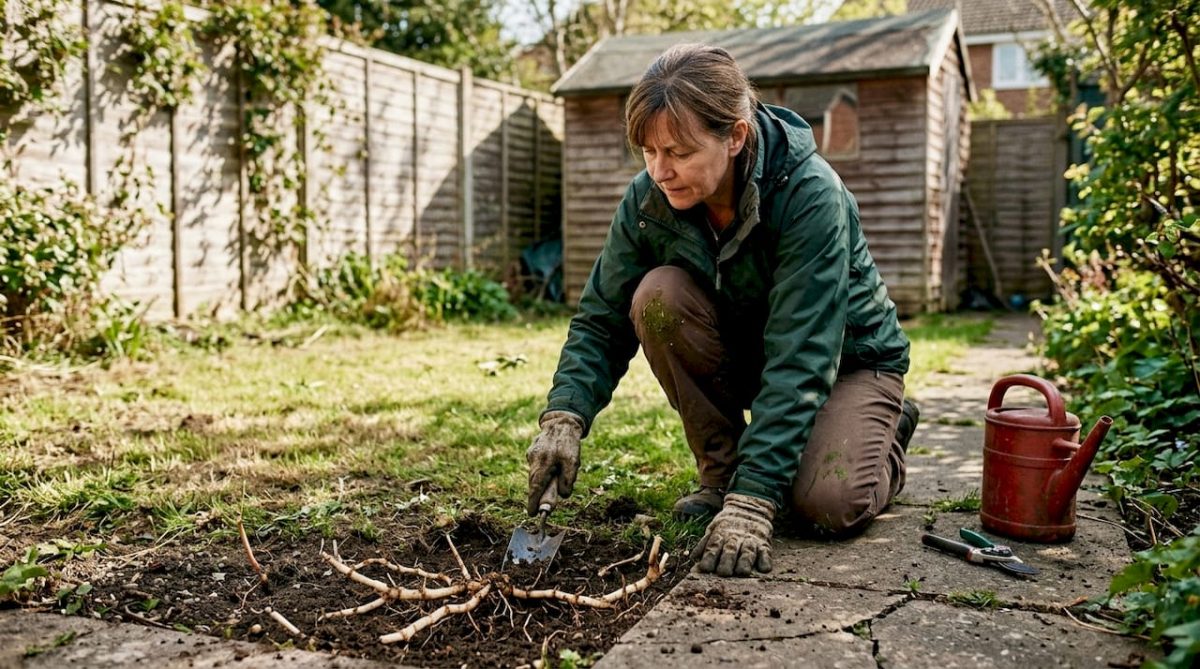
- Orange-tinted, woody underground stems uncovered during digging or excavation
That last point is particularly telling. If you disturb soil during landscaping and find thick, dark brown stems with a vivid orange interior, you are almost certainly looking at Japanese Knotweed rhizomes. This is not a plant you want to keep digging around, as fragmentation accelerates the problem.
Key fact: Rhizomes extend up to 7m horizontally and between 1.5 and 2.5 metres deep. They can regenerate from fragments as small as 1cm or 0.7g in weight.
The spread potential is significant. A rhizome network that started from a single plant can extend well beyond your property boundary without any visible sign above ground. This is why reporting Japanese Knotweed promptly is so important, both for your own protection and for neighbouring properties.
Pro Tip: If you suspect rhizome activity, do not attempt to dig or rotovate the area. Every fragment you disturb has the potential to establish a new plant. Mark the area clearly and contact a specialist before any ground works proceed.
Regrowth appearing in spring in locations where no plant was previously visible is a strong indicator that the rhizome network has spread laterally. New shoots can emerge from dormant rhizome sections that have been undisturbed for years, particularly following nearby construction or soil movement.
The hidden risks: how rhizome damage impacts your home
Once you have identified potential rhizome damage, understanding what is at stake will help you act decisively. The consequences of leaving Japanese Knotweed untreated extend well beyond the garden.
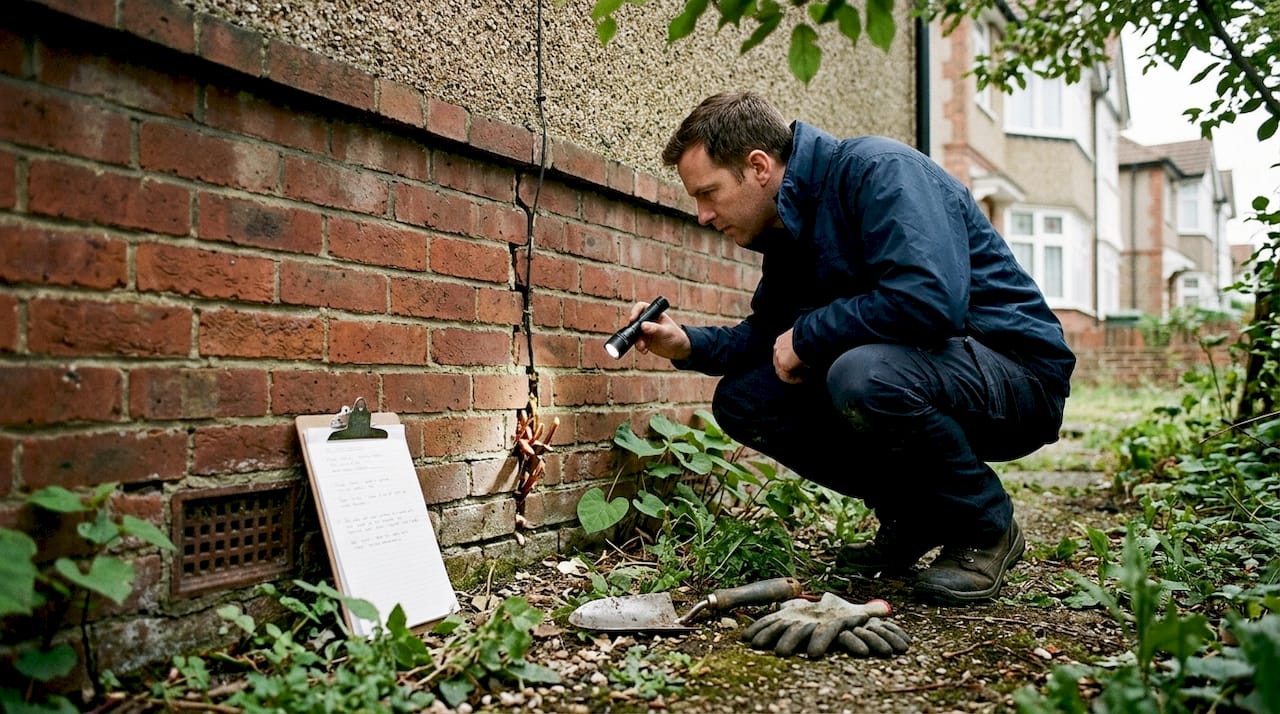
Financial and mortgage implications are among the most immediate concerns. Mortgage lenders may refuse loans on properties where Japanese Knotweed is present within 7 metres of a habitable structure or 3 metres of a boundary. This can make a property effectively unsellable until the issue is professionally treated and documented.
Your Japanese Knotweed legal obligations as a homeowner are clear and carry real consequences:
- Spreading rhizomes is a legal offence under the Wildlife and Countryside Act 1981
- Property sale forms (TA6) require you to declare the presence of Japanese Knotweed
- Soil containing rhizome material is classified as controlled waste and must be disposed of by a licensed contractor
- Failure to manage the plant where it causes a nuisance to neighbours can result in enforcement action
“Allowing Japanese Knotweed to spread to neighbouring land, even unintentionally, can expose you to civil liability and enforcement notices.”
Insurance is another area of concern. Some home insurance policies do not cover damage caused by Japanese Knotweed, particularly where the presence of the plant was known and untreated. Undisclosed rhizome damage discovered during a property survey can invalidate claims and create disputes during conveyancing.
Pro Tip: Before listing your property for sale, commission a professional invasive weed survey. A documented treatment plan or management guarantee can significantly reassure mortgage lenders and buyers alike.
Understanding the full scope of UK laws on Japanese Knotweed is not optional for homeowners who suspect rhizome activity. The legal framework is designed to prevent spread, and ignorance of it is not a defence.
Chemical-free solutions and professional treatment options
With the risks clearly understood, the next priority is choosing a treatment approach that is both effective and appropriate for your property. At Japanese Knotweed Agency, we have developed and refined chemical-free methods that address the rhizome network directly, without the environmental and regulatory complications associated with herbicide use.
The three primary professional treatment options are:
- Thermo-electric treatment: We deliver direct energy at up to 5,000 volts into the rhizome network, causing internal cell damage and progressively depleting the plant’s energy reserves with each treatment. This method is precise, non-toxic, and highly effective on established infestations.
- Root barrier installation: Physical membranes are installed to prevent further lateral spread of rhizomes, protecting foundations, drainage systems, and boundary structures from ongoing damage.
- Mechanical excavation: Targeted removal of rhizome-bearing soil, following strict removal best practices to ensure all material is handled as controlled waste and disposed of correctly.
According to our knotweed eradication workflow, chemical-free methods achieve up to 95% effectiveness and are particularly well-suited to sensitive sites such as schools, riverbanks, and heritage properties where herbicide use is restricted or prohibited.
The risks of attempting DIY treatment are considerable. Disturbing rhizomes without specialist knowledge spreads fragments, potentially extending the infestation and creating new legal liability. Insurance cover may also be invalidated if unlicensed work is carried out. Root excavation effectiveness depends entirely on correct identification of the full rhizome extent, which requires professional survey equipment and experience.
Pro Tip: Always request an insurance-backed guarantee from your treatment contractor. This protects your position with mortgage lenders and provides documented evidence of professional management for future property sales.
For properties where excavation is the preferred route, chemical-free excavation carried out by accredited specialists ensures that all rhizome material is correctly identified, removed, and disposed of under controlled waste regulations.
Comparing rhizome damage treatment methods
Choosing the right treatment depends on your property type, the severity of the infestation, and any site-specific restrictions. The table below provides a practical comparison to support your decision.
| Treatment method | Effectiveness | Disruption level | Best suited for |
|---|---|---|---|
| Thermo-electric treatment | Up to 95% | Low | Established infestations, sensitive sites |
| Root barrier installation | High (preventative) | Moderate | Boundary protection, foundations |
| Mechanical excavation | High (immediate) | High | Severe infestations, pre-development |
| Herbicide treatment | Variable | Low | Open land, non-sensitive sites |
Key considerations when weighing your options:
- Sensitive sites such as watercourses, schools, and listed buildings require chemical-free approaches by law or best practice guidance
- Guarantee and insurance backing is only reliably available through PCA-accredited contractors
- Excavation delivers the fastest visible results but generates controlled waste that must be managed correctly
- Thermo-electric treatment requires multiple visits but causes minimal surface disruption and no chemical residue
Chemical-free alternatives offer up to 95% effectiveness, making them a credible and often preferable choice for residential properties where long-term environmental impact matters. You can find further background on the plant’s biology and spread at the Japanese Knotweed information resource published by the Royal Horticultural Society.
For homeowners focused on long-term management, understanding how to prevent knotweed regrowth after initial treatment is equally important. Regrowth monitoring and follow-up visits are standard components of any professionally managed programme.
Why professional expertise matters more than ever
There is a pattern we see repeatedly: a homeowner notices regrowth, decides to dig it out over a weekend, and inadvertently spreads rhizome fragments across a wider area of their garden. By the time a specialist is called, the infestation has grown in both scale and complexity, and the cost of resolution has increased substantially.
DIY removal risks spreading fragments and constitutes a legal offence if material reaches neighbouring land. This is not a technicality. It is a genuine risk that has resulted in civil disputes and enforcement action for homeowners across England and Wales.
Professional surveys are not simply a formality. They establish the true extent of the rhizome network before any treatment begins, which is the only reliable basis for an effective plan. Attempting treatment without a survey is like addressing a structural problem without understanding where the damage lies.
We also see cases where dormant Knotweed signs are missed entirely during winter months, leading homeowners to believe the problem has resolved itself. It has not. The rhizome network remains fully active underground regardless of what is visible at surface level. Certified contractors with insurance-backed guarantees provide the only dependable route to long-term resolution.
Get help for rhizome damage: expert solutions for homeowners
If you suspect Japanese Knotweed rhizome damage on your property, acting promptly is the single most important step you can take.

At Japanese Knotweed Agency, we offer professional property surveys across England, Wales, and Ireland, followed by tailored treatment plans using our proven chemical-free methods. Our chemical-free treatment process is designed to address rhizome damage at its source, with insurance-backed guarantees that protect your position with lenders and buyers. Explore our full range of chemical-free solutions for homeowners and take the first step towards resolving the problem with confidence and expert support behind you.
Frequently asked questions
How deep do Japanese Knotweed rhizomes grow?
Rhizomes extend up to 7 metres horizontally and commonly reach between 1.5 and 2.5 metres below ground, making surface-only treatment ineffective without professional assessment.
Can you remove rhizome damage yourself?
DIY removal risks spreading fragments, which is a legal offence if material reaches neighbouring land; always engage PCA-accredited specialists to carry out surveys and treatment safely.
What happens if you ignore rhizome damage?
Unchecked rhizome damage can cause structural harm to buildings and drainage systems, trigger mortgage refusals and legal consequences, and must be declared on property sale forms under TA6 requirements.
Are chemical-free treatments effective against rhizome damage?
Yes, professionally delivered chemical-free methods achieve up to 95% effectiveness and are suitable for sensitive sites where herbicide use is restricted or not appropriate.