

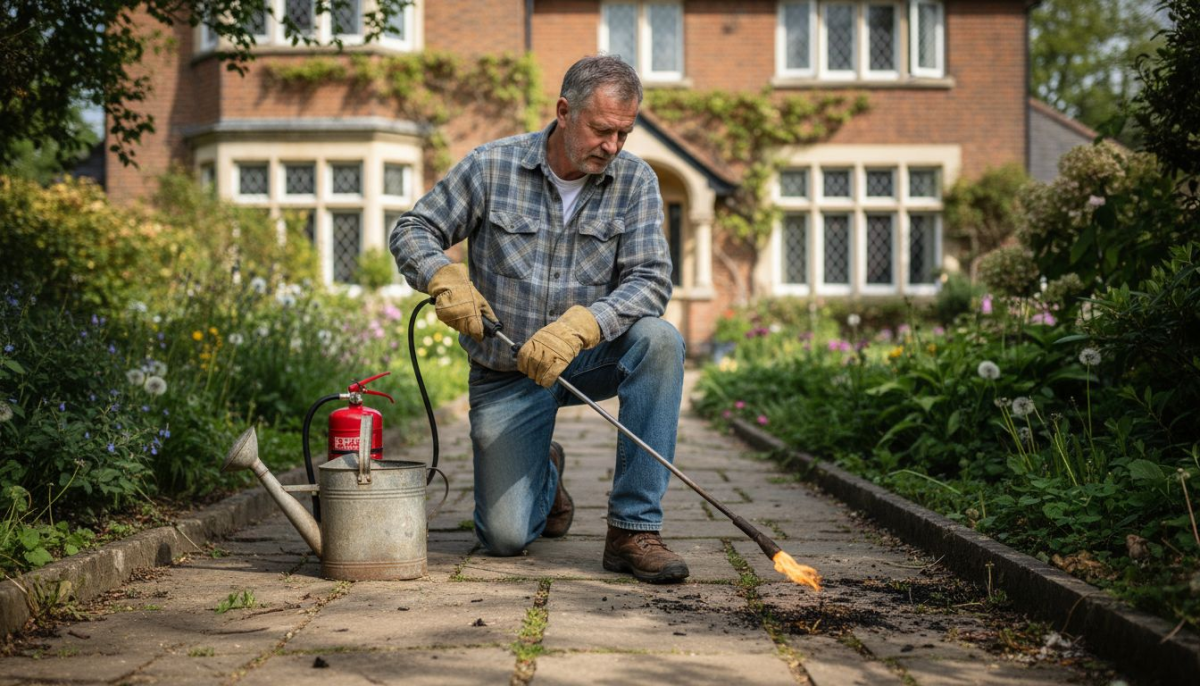
Finding a sustainable solution for Japanese Knotweed feels urgent when property transactions are at stake in England or Wales. Many homeowners worry about how invasive species can affect both garden health and legal requirements. Chemical-free methods like thermal weed control are proving increasingly popular for those who want safer, environmentally conscious solutions without compromising on formal eradication. Learn how these innovative techniques can protect your property, boost buyer confidence, and support ecological balance.
Table of Contents
- What Is Thermal Weed Control?
- How Thermal Methods Target Japanese Knotweed
- Thermal Weed Control Variations Explained
- Costs, Practicalities, and Effectiveness
- Legal Responsibilities and Safety Requirements
- Comparing Thermal Weed Control to Alternatives
Key Takeaways
| Point | Details |
|---|---|
| Thermal Weed Control | Utilises targeted heat application for chemical-free weed management, reducing environmental impact. |
| Japanese Knotweed Strategy | High-voltage electrical currents effectively combat resilient Japanese knotweed without chemicals. |
| Cost Considerations | Initial investment may be higher, but long-term savings and environmental benefits justify thermal methods. |
| Legal Responsibilities | Property owners must ensure compliance with regulations and safety guidelines when implementing thermal methods. |
What Is Thermal Weed Control?
Thermal weed control represents an innovative, chemical-free approach to managing unwanted vegetation in gardens and landscapes. This non-invasive method utilises targeted heat application to eliminate weeds without relying on traditional chemical herbicides. Non-chemical weed management techniques have gained significant popularity among environmentally conscious homeowners seeking safer alternatives for plant control.
The fundamental principle behind thermal weed control involves using intense heat to damage plant tissues and disrupt growth mechanisms. Unlike traditional chemical treatments, this method physically destroys weeds by causing cellular breakdown, effectively preventing further proliferation. Heat application targets the plant’s critical structures, ensuring comprehensive elimination from root systems through precise thermal energy delivery.
Thermal weed control approaches can be categorised into several distinct methods:
- Direct flame treatment: Using propane torches to apply concentrated heat
- Hot water application: Pouring scalding water directly onto weed structures
- Steam treatment: Utilising high-temperature steam for targeted weed destruction
- Electric thermal systems: Delivering precise electrical energy to interrupt plant growth
Integrated weed management perspectives recognise thermal techniques as part of a broader sustainable approach. Thermal methods within ecosystem management focus on reducing herbicide dependence while maintaining effective vegetation control.
Pro tip: Always wear protective equipment and follow safety guidelines when applying thermal weed control techniques to prevent accidental burns or property damage.
How Thermal Methods Target Japanese Knotweed
Thermal methods have emerged as a revolutionary approach to combating the notoriously resilient Japanese knotweed, offering a targeted and environmentally friendly alternative to traditional chemical treatments. Thermo-electric eradication techniques represent a cutting-edge solution that precisely attacks the plant’s critical biological systems, ensuring comprehensive elimination.
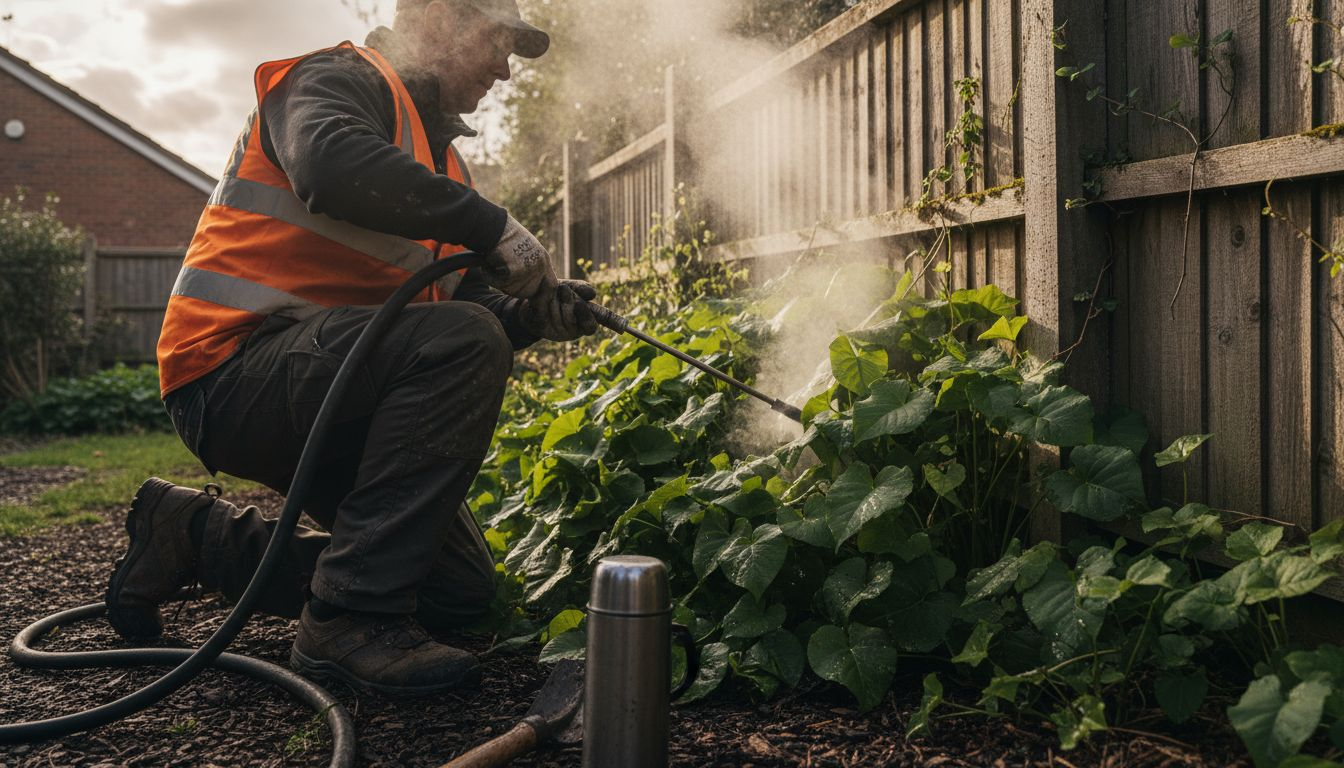
The core mechanism of thermal treatment involves delivering high-voltage electrical currents directly into the plant’s structure. This innovative approach causes internal cellular damage by essentially boiling the plant from within, systematically destroying its energy reserves and preventing regeneration. Unlike chemical herbicides, this method ensures minimal environmental impact while targeting the plant’s most vulnerable biological pathways.
Key strategies for thermal Japanese knotweed control include:
- High-voltage electrical pulse treatment: Delivers precise energy to disrupt plant cellular structures
- Repeated heat application: Ensures complete destruction of root networks
- Targeted thermal intervention: Minimises damage to surrounding vegetation
- Continuous monitoring: Tracks plant elimination progress
Chemical-free knotweed management techniques are gaining significant traction, with trials demonstrating promising results in completely eradicating this invasive species. The approach not only eliminates the current infestation but also promotes faster natural regeneration of native plant species in the treated area.
Pro tip: Always consult professional invasive plant specialists before attempting thermal treatment, as Japanese knotweed requires precise and expert intervention to ensure complete eradication.
Thermal Weed Control Variations Explained
Non-chemical weed management techniques encompass a diverse range of thermal approaches, each designed to address specific weed challenges in gardens, driveways, and landscaped areas. These innovative methods represent a sophisticated alternative to traditional chemical herbicides, offering environmentally conscious homeowners multiple strategies for vegetation control.
Thermal weed control variations can be categorised into several distinctive techniques, each with unique operational characteristics. The core principles behind these methods involve applying targeted heat to disrupt plant cellular structures, preventing regrowth and eliminating unwanted vegetation through precise thermal intervention.
Key thermal weed control methods include:
- Flame weeding: Using propane torches to deliver direct heat
- Steam treatment: Applying high-temperature steam for precise plant destruction
- Hot foam application: Covering weeds with heated botanical suppressants
- Thermo-electric targeting: Delivering electrical pulses to disrupt plant systems
- Soil heating: Raising ground temperatures to prevent weed germination
Integrated Weed Management strategies emphasise selecting thermal techniques based on specific environmental conditions, weed species, and site requirements. This approach ensures minimal ecological disruption while maintaining effective vegetation control.
Here is a summary comparing common thermal weed control techniques:
| Technique | Application Method | Best Use Case | Environmental Impact |
|---|---|---|---|
| Flame weeding | Propane torch direct heat | Large paved areas | Low, if managed safely |
| Steam treatment | High-temp steam nozzle | Ornamental beds | Minimal residue left |
| Hot water application | Pouring boiled water | Narrow cracks/edges | No chemical residues |
| Hot foam application | Heated botanical foam spray | Sensitive plant zones | Biodegradable ingredients |
| Thermo-electric systems | Electrical pulse to weeds | Invasive species removal | Negligible, targeted effect |
| Soil heating | Cover to heat soil surface | Preventing regrowth | Temporary microbe effect |
Pro tip: Consult professional weed control specialists to determine the most appropriate thermal method for your specific landscape and vegetation challenges.
Costs, Practicalities, and Effectiveness
Non-chemical weed control methods present a complex financial landscape that extends beyond initial investment considerations. Thermal techniques require careful evaluation of upfront expenses, ongoing maintenance costs, and long-term environmental benefits, challenging traditional perceptions of weed management economics.
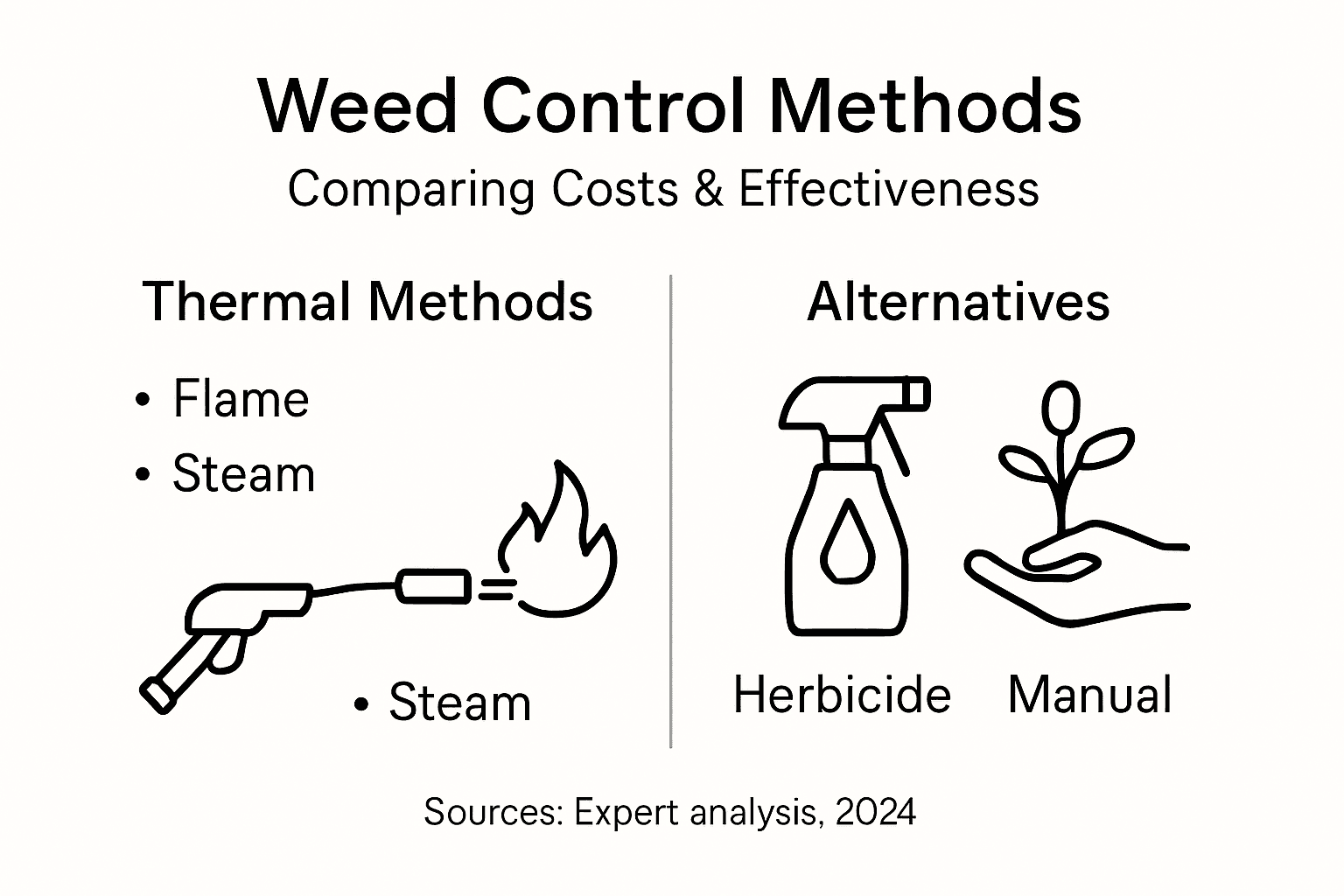
The financial dynamics of thermal weed control are multifaceted, involving several critical cost components. While initial equipment and implementation expenses may be higher compared to chemical treatments, the reduced environmental impact and potential long-term savings create a compelling economic argument for these innovative approaches.
Key cost considerations for thermal weed control include:
- Equipment investment: Initial purchase of thermal treatment tools
- Operational expenses: Fuel, electricity, and maintenance costs
- Labour requirements: Time and skilled personnel needed for application
- Repeat treatment frequencies: Number of interventions required for complete weed elimination
- Site-specific adaptation: Customisation needs for different landscape conditions
Economic evaluation frameworks recommend comprehensive analysis that accounts for direct financial impacts and indirect benefits such as environmental sustainability and reduced health risks. This holistic approach ensures a more nuanced understanding of thermal weed control’s true economic value.
Pro tip: Request detailed cost-benefit analyses from professional thermal weed control specialists to understand the specific financial implications for your unique landscape requirements.
Legal Responsibilities and Safety Requirements
Land occupier weed control regulations establish clear legal frameworks for managing invasive vegetation across the United Kingdom. These legislative guidelines mandate specific responsibilities for property owners, ensuring comprehensive and systematic approaches to preventing weed proliferation and potential environmental damage.
The legal landscape surrounding thermal weed control involves multiple regulatory considerations. Landowners must navigate complex requirements that balance environmental protection, public safety, and effective vegetation management strategies. Understanding these legal obligations is crucial for implementing thermal control methods responsibly and compliantly.
Key legal and safety considerations include:
- Land occupier responsibilities: Legal duty to prevent weed spread
- Risk assessment requirements: Comprehensive safety evaluations before treatment
- Equipment safety standards: Compliance with electrical and thermal device regulations
- Operator training: Mandatory safety instruction for thermal treatment personnel
- Environmental protection protocols: Minimising potential ecosystem disruption
Workplace safety regulations emphasise the importance of comprehensive risk management and operator protection. These guidelines ensure that thermal weed control methods prioritise human safety while delivering effective vegetation management solutions.
Pro tip: Consult local environmental health authorities and obtain professional certification before implementing large-scale thermal weed control treatments.
Comparing Thermal Weed Control to Alternatives
Non-chemical weed management strategies represent a sophisticated approach to vegetation control, offering environmentally conscious alternatives to traditional herbicide applications. These methods prioritise ecological balance and human safety while addressing persistent weed challenges across diverse landscape environments.
The comparative landscape of weed control technologies reveals distinct advantages and limitations for each approach. Chemical herbicides provide rapid results but carry significant environmental risks, while mechanical methods demand extensive labour and may offer inconsistent effectiveness. Thermal techniques emerge as a nuanced solution, balancing precision targeting with minimal ecological disruption.
Comparative characteristics of weed control methods include:
- Chemical herbicides:
- Rapid weed elimination
- High environmental contamination risks
- Potential health hazards
- Mechanical removal:
- Labour-intensive
- Limited effectiveness against deep-rooted species
- Potential soil disruption
- Thermal control:
- Targeted precision
- Minimal environmental impact
- Reduced long-term regeneration potential
Sustainable weed management alternatives emphasise holistic approaches that integrate multiple strategies, recognising that no single method provides a comprehensive solution for all landscape challenges.
This table outlines key differences between chemical, mechanical, and thermal weed control methods:
| Method | Speed of Results | Environmental Risk | Long-term Effectiveness |
|---|---|---|---|
| Chemical herbicides | Fast | High | Regrowth often occurs |
| Mechanical removal | Slow | Low | Labour-intensive, temporary |
| Thermal weed control | Moderate | Low | Reduces regrowth significantly |
Pro tip: Consult ecological experts to develop a tailored, multi-method approach that addresses your specific weed management requirements.
Discover Effective Chemical-Free Solutions for Thermal Weed Control
Managing invasive weeds like Japanese knotweed requires precision, expertise and safe methods that protect your property and the environment. This article highlights the power of thermal weed control techniques, including high-voltage electrical pulse treatments that target and eradicate weeds at the cellular level without harmful chemicals. If you want to overcome the persistent challenge of Japanese knotweed with guaranteed safety and lasting results, expert intervention is essential.

At Japanese Knotweed Agency, we specialise in chemical-free treatment using direct energy applications of up to 5000 volts. Our advanced onsite technology causes irreversible internal cell damage and depletes the weed’s energy reserves to stop regrowth from even the largest rhizome networks. We also provide root barrier installation and excavation services tailored to your property’s unique needs. Protect your home and garden with proven, eco-friendly methods available across England, Wales and Ireland.
Take control of invasive weed problems today and experience the benefits of sustainable, thermal eradication. Visit our website to book a comprehensive property survey or consult with our specialists and secure a safe, effective treatment plan now.
Frequently Asked Questions
What is thermal weed control?
Thermal weed control is a chemical-free method that uses targeted heat application to eliminate weeds. This approach physically damages plant tissues and disrupts their growth mechanisms without relying on traditional chemical herbicides.
How does thermal weed control work on invasive plants like Japanese knotweed?
Thermal methods, such as high-voltage electrical pulse treatment, target the critical biological systems of Japanese knotweed. By delivering intense heat or electrical energy, this method cause internal cellular damage, preventing the plant from regenerating.
What are the different types of thermal weed control methods?
There are several thermal weed control methods, including direct flame treatment, hot water application, steam treatment, electric thermal systems, and hot foam application. Each method applies targeted heat to disrupt plant growth and eliminate unwanted vegetation.
What should I consider before using thermal weed control methods?
Before using thermal weed control, consider equipment investment, operational expenses, labour requirements, and the need for repeat treatments. It’s also essential to ensure compliance with legal responsibilities and follow safety guidelines to protect yourself and your environment.
Recommended
- Blog masonry – Japanese Knot Weed
- Evolution of Weed Control Methods for UK Homes
- 7 Top Weed Control Methods Every UK Homeowner Should Know
- Blog – Japanese Knot Weed
- 7 Practical Pool Landscaping Ideas for Central Florida Homes
- Safety Protocols in Managed Homes: Risk Reduction and Peace – Guestly Homes
- 7 Essential Arts and Crafts Home Maintenance Checklist Tips –