

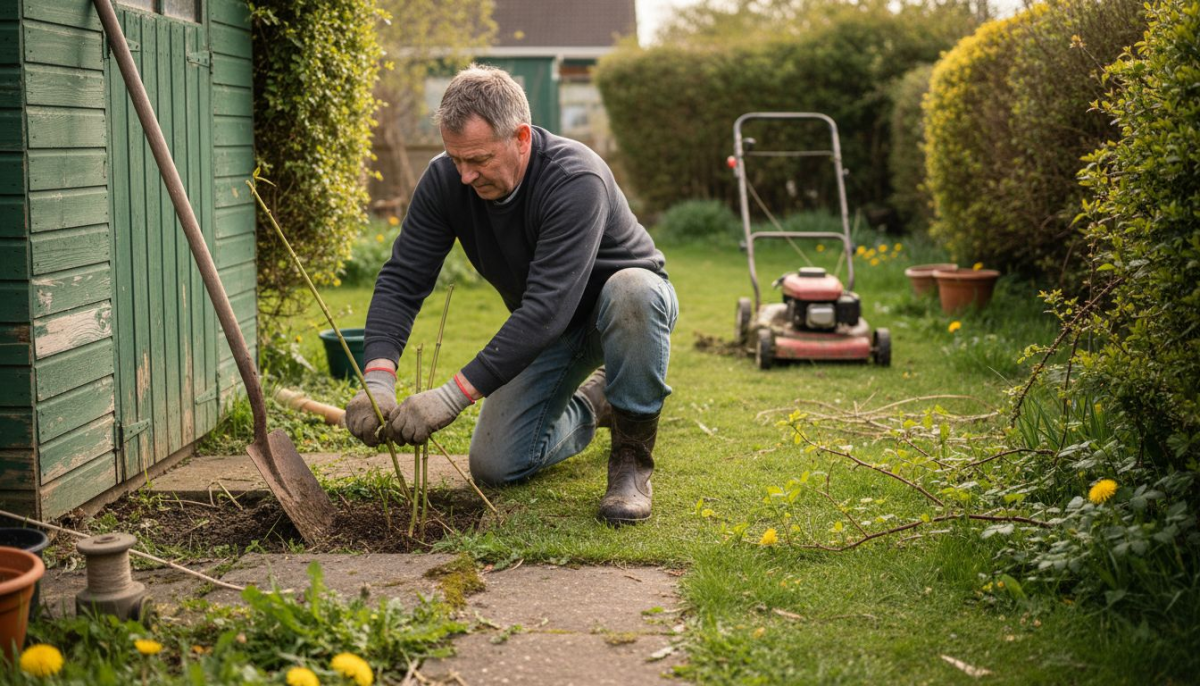
Discovering unwelcome plants overrunning your British garden can quickly turn a relaxing hobby into a source of stress. Invasive weeds like Japanese knotweed and couch grass don’t just spoil the appearance of your outdoor space—they can damage structures, reduce property values, and threaten local wildlife. Knowing how to spot these invaders early and manage them effectively is key to protecting your investment and the ecosystem around you.
This guide reveals practical steps and expert insights to help you identify, control, and remove the most troublesome invasive species. You will learn how to spot early signs, what risks to watch out for, and the best non-chemical and long-term solutions. Get ready to take confident action using proven methods that keep your garden safe and thriving.
Table of Contents
- Identify Common Invasive Weeds in British Gardens
- Understand the Risks of Japanese Knotweed
- Recognise Early Signs of Infestation
- Explore Chemical-Free Eradication Methods
- Install Root Barriers for Lasting Protection
- Consider Excavation for Severe Cases
- Arrange Property Surveys Before Buying or Remortgaging
Quick Summary
| Takeaway | Explanation |
|---|---|
| 1. Identify invasive weeds early | Recognising common invasive weeds like Japanese knotweed prevents their establishment and protects your garden. |
| 2. Conduct professional property surveys | Surveys help identify invasive species before purchasing, saving potential costs on future damages. |
| 3. Use non-chemical eradication methods | Employ eco-friendly techniques like manual removal and thermal treatments to manage invasive weeds without chemicals. |
| 4. Install root barriers effectively | Root barriers protect your garden and infrastructure from aggressive invasive plants by preventing root spread. |
| 5. Engage professionals for severe infestations | Professional excavation ensures complete removal of invasive species, preventing regrowth and environmental spread. |
1. Identify Common Invasive Weeds in British Gardens
Understanding the invasive weeds lurking in your British garden is crucial for maintaining a healthy landscape. From spreading rapidly to outcompeting native plants, these unwelcome botanical invaders can quickly transform a beautiful garden into a challenging ecosystem.
The Royal Horticultural Society highlights several common invasive weeds that homeowners should watch for, including:
- Green alkanet
- Couch grass
- Ground elder
- Bindweed
- Japanese knotweed
- Oxalis
- Lesser celandine
Each of these plants has unique characteristics that make them particularly problematic. Invasive plant identification requires understanding their distinctive growth patterns, leaf structures, and regeneration methods.
Japanese knotweed, for instance, can be particularly aggressive. This plant can push through concrete and grow up to 10 centimetres per day, making it one of the most destructive invasive species in the United Kingdom. Its bamboo-like stems and heart-shaped leaves make it distinct from other garden plants.
To effectively manage these weeds, gardeners should:
- Learn to recognise each plant’s unique characteristics
- Monitor garden borders and edges carefully
- Remove weeds before they establish deep root systems
- Use targeted removal techniques appropriate to each species
Expert tip: Always photograph and document suspicious plants before attempting removal, as some invasive species require specialised treatment strategies.
2. Understand the Risks of Japanese Knotweed
Japanese knotweed represents one of the most destructive invasive plant species in the United Kingdom, capable of causing extensive damage to properties and landscapes. Its rapid growth and aggressive root system can compromise building foundations, infrastructure, and significantly reduce property values.
The ecological and economic risks of Japanese knotweed are profound and multifaceted:
- Ability to penetrate concrete and building foundations
- Rapid spread through underground rhizome networks
- Displacement of native plant species
- Potential reduction in property market value
- Significant costs for professional removal
Risks of untreated knotweed can be devastating for homeowners. The plant’s underground rhizome system can extend up to three metres deep and seven metres horizontally, making eradication extremely challenging.
Government agencies classify Japanese knotweed as a controlled waste, which means its removal requires specialised legal and environmental protocols. Professional intervention is crucial to prevent further spread and potential legal complications.
Environmental impacts extend beyond property damage. Japanese knotweed threatens biodiversity by outcompeting native flora, causing soil erosion and potentially increasing flood risks along watercourses.
Japanese knotweed does not just damage property – it can fundamentally undermine your entire landscape ecosystem.
Expert tip: Always obtain a professional survey and treatment plan before purchasing a property with potential knotweed infestation to avoid significant future expenses.
3. Recognise Early Signs of Infestation
Detecting invasive weeds early can save homeowners significant time, money, and garden ecosystem damage. Recognising the subtle yet distinctive characteristics of these botanical intruders is crucial for preventing widespread infestation.
Early warning signs of invasive weed presence include:
- Unusual plant growth patterns
- Rapid spreading beyond normal garden boundaries
- Thick, dense foliage displacing native plants
- Unusual root systems penetrating structures
- Distinctive flowering characteristics
Invasive plant identification requires careful observation of plant behaviour and growth habits. Japanese knotweed, for instance, demonstrates remarkably aggressive expansion capabilities.
Specific indicators vary by species. Japanese knotweed presents bamboo-like stems with distinctive zigzag growth patterns. Himalayan balsam produces bright pink flowers and spreads seeds explosively. Ground elder creates dense leaf carpets that quickly overwhelm garden spaces.
Vigilant gardeners catch invasive species before they establish complex root networks.
Maintaining regular garden inspections allows early intervention. Photograph suspicious plant growth and consult professional ecologists if uncertain about potential invasive species.
Expert tip: Conduct quarterly garden surveys during growing seasons to catch potential invasive weed infestations before they become established ecosystem threats.
4. Explore Chemical-Free Eradication Methods
Chemical-free weed eradication represents an environmentally responsible approach to managing invasive plant species in British gardens. By adopting sustainable techniques, homeowners can effectively control unwanted vegetation without harming local ecosystems.
Effective non-chemical weed management strategies include:
- Manual removal and root extraction
- Repeated cutting and trimming
- Smothering techniques with landscape fabrics
- Installing physical root barriers
- Targeted thermal treatment methods
Non-chemical weed control techniques require patience and consistent effort. Late winter and early spring provide optimal periods for implementing preventative measures.
Manual removal works best for smaller infestations. For persistent perennial weeds, repeated cutting disrupts the plant’s energy reserves and gradually weakens the root system. Implementing landscape fabrics can effectively smother existing vegetation by blocking sunlight and preventing photosynthesis.
Sustainable weed management protects both your garden ecosystem and local wildlife populations.
Thermal treatments using targeted energy delivery can also provide chemical-free alternatives for more challenging invasive species. These methods cause internal cell damage without introducing harmful chemicals into the environment.
Expert tip: Combine multiple non-chemical techniques and maintain consistent intervention to maximise effectiveness in controlling invasive plant species.
5. Install Root Barriers for Lasting Protection
Root barriers represent a critical defence mechanism against invasive plant species in British landscapes. These specialised membranes provide a strategic solution for preventing underground root migration and protecting valuable infrastructure.
Key benefits of professional root barriers include:
- Preventing lateral root spread
- Protecting building foundations
- Controlling invasive species growth
- Preserving underground services
- Long-term infrastructure defence
Root barrier technologies have evolved significantly in recent years. Modern barriers are typically constructed from high-density polyethylene (HDPE) with specialist coatings designed to resist root penetration.
Professional installation involves creating vertical or horizontal containment zones around potential risk areas. These barriers are engineered to withstand natural environmental challenges including soil acids, bacterial interactions, and fungal pressures.
A strategically installed root barrier can save thousands in potential structural repair costs.
Most root barrier systems offer approximately 25-year protection periods when installed correctly. The membrane’s puncture-resistant design ensures comprehensive protection against aggressive root networks from species like Japanese knotweed.
Expert tip: Consult professional surveyors to assess your specific site conditions before selecting and installing root barrier systems to ensure maximum effectiveness.
6. Consider Excavation for Severe Cases
Excavation represents the most comprehensive approach to managing extremely aggressive invasive plant infestations that cannot be controlled through alternative methods. When root barriers and non-chemical techniques prove insufficient, complete removal becomes the most effective long-term solution.
Critical considerations for excavation include:
- Complete root system removal
- Preventing potential regrowth
- Ensuring legal waste disposal
- Minimising environmental disruption
- Comprehensive site restoration
The excavation process involves carefully removing contaminated soil and plant materials to a specified depth typically ranging between 1.5 to 3 metres. This method ensures total elimination of underground rhizome networks that could potentially regenerate.
Professional excavation eliminates the risk of future invasive plant resurgence.
Specialised equipment and techniques are essential to prevent accidental root fragment dispersal during removal. Contaminated materials must be transported and disposed of at licensed waste management facilities to prevent potential environmental spread.
Professional ecological contractors will typically:
- Conduct comprehensive site assessments
- Design targeted excavation strategies
- Implement strict biosecurity protocols
- Verify complete root system removal
- Restore and rehabilitate the excavated area
Expert tip: Always engage certified invasive plant specialists who can provide comprehensive documentation and guarantee complete eradication through professional excavation techniques.
7. Arrange Property Surveys Before Buying or Remortgaging
Purchasing a property in the United Kingdom requires thorough due diligence, particularly when it comes to identifying potential invasive plant risks that could significantly impact property value and structural integrity.
Critical survey considerations include:
- Identifying existing invasive species
- Assessing potential spread risks
- Understanding legal implications
- Determining treatment requirements
- Protecting property investment
Invasive species surveys provide comprehensive assessments that protect homebuyers from unexpected ecological and financial challenges. These professional evaluations examine properties for problematic non-native plants such as Japanese knotweed, Himalayan balsam, and giant hogweed.
Mortgage lenders increasingly require detailed invasive plant surveys before approving loans. A comprehensive survey can reveal hidden risks that might otherwise go unnoticed during standard property inspections.
A professional survey today prevents expensive problems tomorrow.
Typical survey processes involve:
- Site visual assessment
- Detailed botanical identification
- Risk level determination
- Comprehensive written report
- Recommended mitigation strategies
Expert tip: Request a survey from a certified ecological consultant who specialises in invasive species and can provide legally recognised documentation for mortgage and insurance purposes.
Below is a comprehensive table summarising the key information about dealing with invasive weed species as discussed in the article. The table covers identification, risks, management strategies, and preventative measures to ensure sustainable garden and landscape maintenance.
| Topic | Details | Recommendations |
|---|---|---|
| Identifying invasive weeds | Common species include Japanese knotweed, green alkanet, bindweed, and others. | Regularly inspect your garden and consult resources for proper plant identification. |
| Understanding risks | Species like Japanese knotweed can damage infrastructure and reduce property value. | Professional intervention may be needed for severe infestations. |
| Early detection | Monitor for rapid plant growth, abnormal root systems, or displacement of native plants. | Capture evidence and consult experts if unsure. |
| Non-chemical removal | Methods include manual extraction, smothering, and root barriers. | Patience and consistency are key. Combine methods for greater effectiveness. |
| Excavation techniques | For severe infestations, complete removal involving root system extraction is crucial. | Engage certified experts and follow legal protocols for waste handling. |
| Property surveys | Essential before property transactions to detect hidden risks associated with invasive plants. | Obtain official surveys from certified invasive plant surveyors. |
Take Control of Invasive Weeds with Expert Solutions
Dealing with invasive weeds like Japanese Knotweed in your garden can be overwhelming and costly. The aggressive root systems and rapid spread described in the article highlight the urgent need for effective, chemical-free eradication methods and long-term protection such as root barriers. If you are struggling to manage infestations or want to protect your property investment, expert help is essential.

At Japanese Knotweed Agency, we specialise in pioneering chemical-free treatments that deliver high-voltage energy directly to invasive plants, destroying their root networks safely and efficiently. Alongside our advanced eradication technology, we provide professional root barrier installations and thorough property surveys for invasive weeds across England, Wales and Ireland. Act now to safeguard your garden and home from destructive invasive species before they cause irreversible damage. Visit our website to arrange a survey or treatment and take the first step towards a healthier, weed-free landscape.
Frequently Asked Questions
How can I identify common invasive weeds in my garden?
To identify common invasive weeds, look for distinctive growth patterns and leaf structures unique to each species. Regularly inspect your garden and photograph suspicious plants, focusing on rapid growth and spreading behaviour.
What are the most effective methods for removing Japanese knotweed?
The most effective methods for removing Japanese knotweed include manual removal combined with targeted cutting and professional excavation when necessary. Start by removing visible growth and consult specialists if the infestation is severe, aiming for thorough root system eradication within a couple of weeks.
How can I prevent invasive weeds from spreading in my garden?
To prevent invasive weeds from spreading, maintain regular garden checks and implement physical barriers such as landscape fabrics. Act promptly to remove weeds before they establish, reducing potential spread by at least 30% in the initial growing season.
What are some chemical-free techniques for managing invasive weeds?
Effective chemical-free techniques include manual removal, repeated cutting, and smothering existing vegetation with fabric. Apply these methods consistently, especially in early spring, to weaken their root systems over time.
Why should I arrange a property survey before buying a home?
Arranging a property survey can reveal any potential invasive weed issues that may affect your investment and property value. Conduct these assessments early in the buying process to identify risks and avoid unexpected costs in the future.
How do root barriers help in controlling invasive weeds?
Root barriers help control invasive weeds by preventing lateral root spread, ultimately protecting your garden and infrastructure. Install these barriers strategically around risk areas, aiming for long-term protection lasting around 25 years when executed correctly.