Buying or remortgaging a home in England, Wales, or Ireland becomes even more stressful when the threat of Japanese Knotweed enters the picture. The discovery of this notorious plant can halt property sales, trigger legal headaches, and reduce the value of your biggest investment. Understanding how to achieve chemical-free eradication and why invasive weed mapping is essential protects your property and meets strict legal requirements, giving you peace of mind for the future.
Table of Contents
- What Is Invasive Weed Mapping?
- Major Invasive Species Surveyed in the UK
- How Weed Mapping Supports Property Sales
- Legal Obligations for Homeowners and Buyers
- Chemical-Free Solutions for Weed Management
Key Takeaways
| Point | Details |
|---|---|
| Invasive Weed Mapping is Essential | This technique helps monitor invasive plant spread, enabling strategic intervention for ecosystem protection. |
| Major Invasive Species Threaten Property | Species like Japanese Knotweed and Giant Hogweed can cause structural damage and reduce property values significantly. |
| Legal Obligations Exist for Property Owners | Homeowners must manage invasive species to avoid penalties and must disclose infestations during property transactions. |
| Chemical-Free Management is Preferred | Employing mechanical and thermal methods provides effective weed control while safeguarding the environment from chemical harm. |
What Is Invasive Weed Mapping?
Invasive weed mapping is a sophisticated ecological management technique designed to precisely track and monitor the spread of invasive plant species across landscapes. Identifying weed locations enables property owners, environmental professionals, and local authorities to develop targeted intervention strategies that protect natural ecosystems and property values.
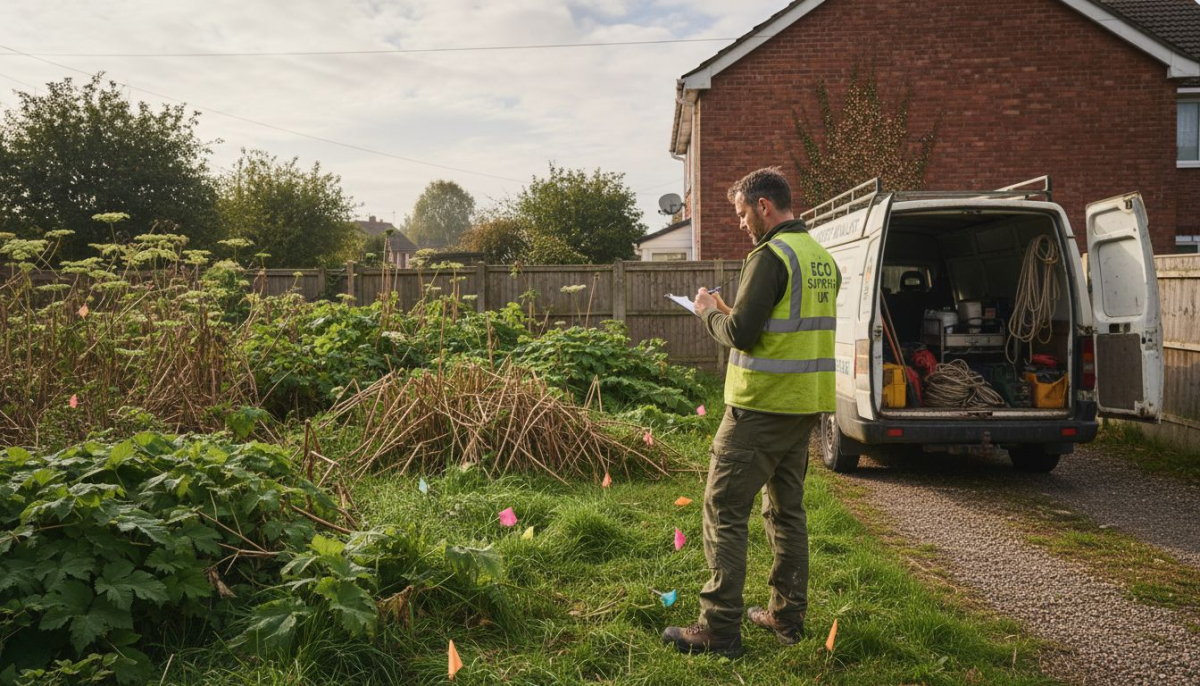
The process involves systematically documenting the geographical distribution of invasive plant populations using advanced technologies like GPS devices, drone surveys, and specialised mapping software. These detailed spatial records help professionals understand migration patterns, assess potential risks, and implement precise control measures. By creating comprehensive visual representations of invasive weed territories, experts can develop strategic approaches that minimise environmental and economic disruption.
In the United Kingdom, invasive weed mapping plays a critical role in national environmental protection strategies. The Great Britain Invasive Non-Native Species Strategy outlines comprehensive surveillance protocols that support early detection and rapid response mechanisms. These mapping initiatives are particularly crucial for managing aggressive species like Japanese Knotweed, which can cause significant structural damage and dramatically reduce property values if left unchecked.
Top tip: When purchasing property, always request a professional invasive weed survey to identify potential risks and prevent future costly remediation efforts.
Major Invasive Species Surveyed in the UK
The United Kingdom faces significant challenges from numerous invasive plant species that threaten native ecosystems, property infrastructure, and agricultural landscapes. Invasive non-native plant species represent a critical environmental and economic concern, with authorities identifying 36 distinct species of special regulatory importance across England and Wales.
Among the most problematic invasive species are Japanese Knotweed, Giant Hogweed, and Himalayan Balsam. Japanese Knotweed stands out as particularly destructive, capable of penetrating concrete foundations, undermining building structures, and causing substantial property damage. Its extensive rhizome network can spread rapidly, making complete eradication challenging and expensive. Giant Hogweed poses significant health risks, with its toxic sap causing severe skin burns and potential long-term sensitivity to sunlight.
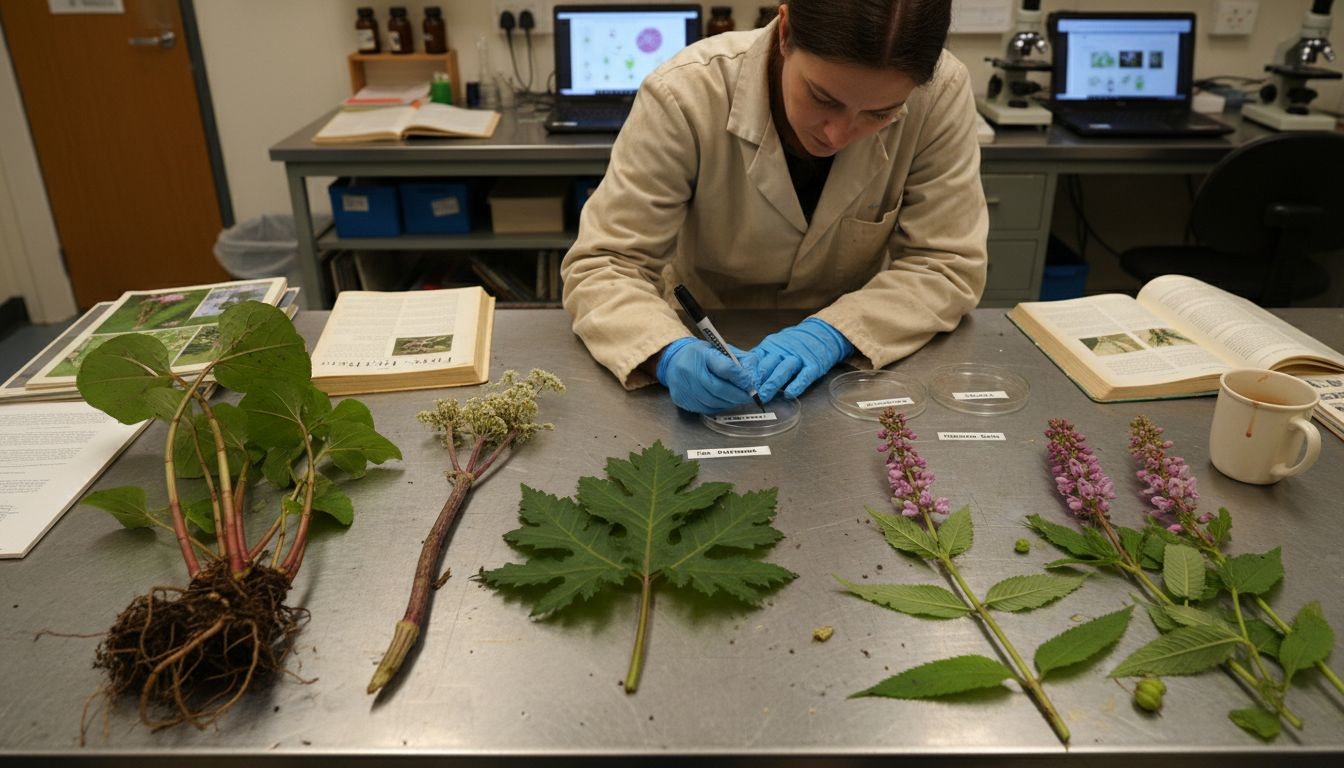
Each invasive species presents unique challenges for property owners and environmental managers. Himalayan Balsam, for instance, spreads quickly along riverbanks and can destabilise soil structures, increasing erosion risks. These plants not only compromise ecological balance but can also dramatically reduce property values, making professional identification and management crucial for homeowners and land managers across the United Kingdom.
The following table summarises the impacts of major invasive plant species surveyed in the UK:
| Invasive Species | Key Threat | Environmental Impact | Property Risk |
|---|---|---|---|
| Japanese Knotweed | Structural damage | Displaces native vegetation | Reduces property value |
| Giant Hogweed | Toxic to humans | Alters riverbank ecosystems | Causes health concerns |
| Himalayan Balsam | Aggressive spread | Increases soil erosion risk | Undermines landscaping |
Pro tip: Request a comprehensive invasive species survey before purchasing property to identify potential ecological and structural risks that could impact your investment.
How Weed Mapping Supports Property Sales
Weed mapping has become an essential tool in modern property transactions, providing critical insights that directly impact real estate valuations and sales processes. Property sales with Japanese Knotweed require comprehensive documentation that can make or break a potential transaction, highlighting the importance of precise invasive species identification.
Mortgage lenders and property surveyors increasingly rely on detailed weed mapping reports to assess potential risks and structural vulnerabilities. A thorough mapping investigation reveals the extent of invasive species presence, their proximity to building foundations, and potential future spread patterns. This information becomes crucial during property valuations, as the presence of aggressive invasive plants like Japanese Knotweed can significantly reduce market value and complicate sale negotiations.
The strategic value of weed mapping extends beyond immediate sales concerns. Potential buyers can use these detailed surveys to negotiate purchase prices, request remediation plans, or even withdraw from transactions where invasive species risks are substantial. Insurance companies and mortgage providers now routinely request comprehensive weed mapping documentation, transforming these surveys from optional assessments to mandatory elements of property transactions.
Pro tip: Always obtain a professional invasive species survey before listing your property to understand potential valuation impacts and prepare comprehensive mitigation strategies.
Legal Obligations for Homeowners and Buyers
Homeowners and property buyers in the United Kingdom face significant legal responsibilities regarding invasive plant species management. Wildlife and Countryside Act regulations explicitly outline mandatory requirements for preventing the spread of invasive weeds, placing critical legal obligations on property owners and potential purchasers.
Under current environmental legislation, property owners are legally required to manage and control invasive species on their land. This includes preventing the spread of regulated plants like Japanese Knotweed, Giant Hogweed, and Himalayan Balsam. Failure to take appropriate action can result in substantial financial penalties, potential legal proceedings, and significant implications for property transactions. Mortgage lenders and insurance companies increasingly demand comprehensive documentation demonstrating proactive management of invasive plant species.
The legal framework surrounding invasive species management extends beyond simple property ownership. Sellers must disclose known invasive plant infestations during property transactions, while buyers have a responsibility to conduct thorough environmental surveys. Professional surveyors and legal experts recommend comprehensive invasive species assessments as a critical step in property due diligence, ensuring compliance with environmental regulations and protecting long-term property investments.
Pro tip: Consult with a legal professional specialising in environmental property law to understand your specific obligations regarding invasive species management before purchasing or selling property.
Chemical-Free Solutions for Weed Management
Invasive weed management has evolved significantly, with modern approaches prioritising environmentally sustainable strategies that eliminate harmful chemical interventions. Integrated Weed Management techniques represent a revolutionary approach to controlling aggressive plant species without relying on traditional herbicidal treatments.
The cornerstone of chemical-free weed management involves multiple complementary strategies. Mechanical removal techniques, such as targeted excavation and root barrier installations, provide direct intervention for invasive species like Japanese Knotweed. Thermal treatment methods, which deliver precise electrical energy directly into plant networks, can effectively disrupt root systems without introducing toxic chemicals into the environment. These approaches not only eliminate invasive plants but also prevent potential soil and groundwater contamination associated with traditional chemical treatments.
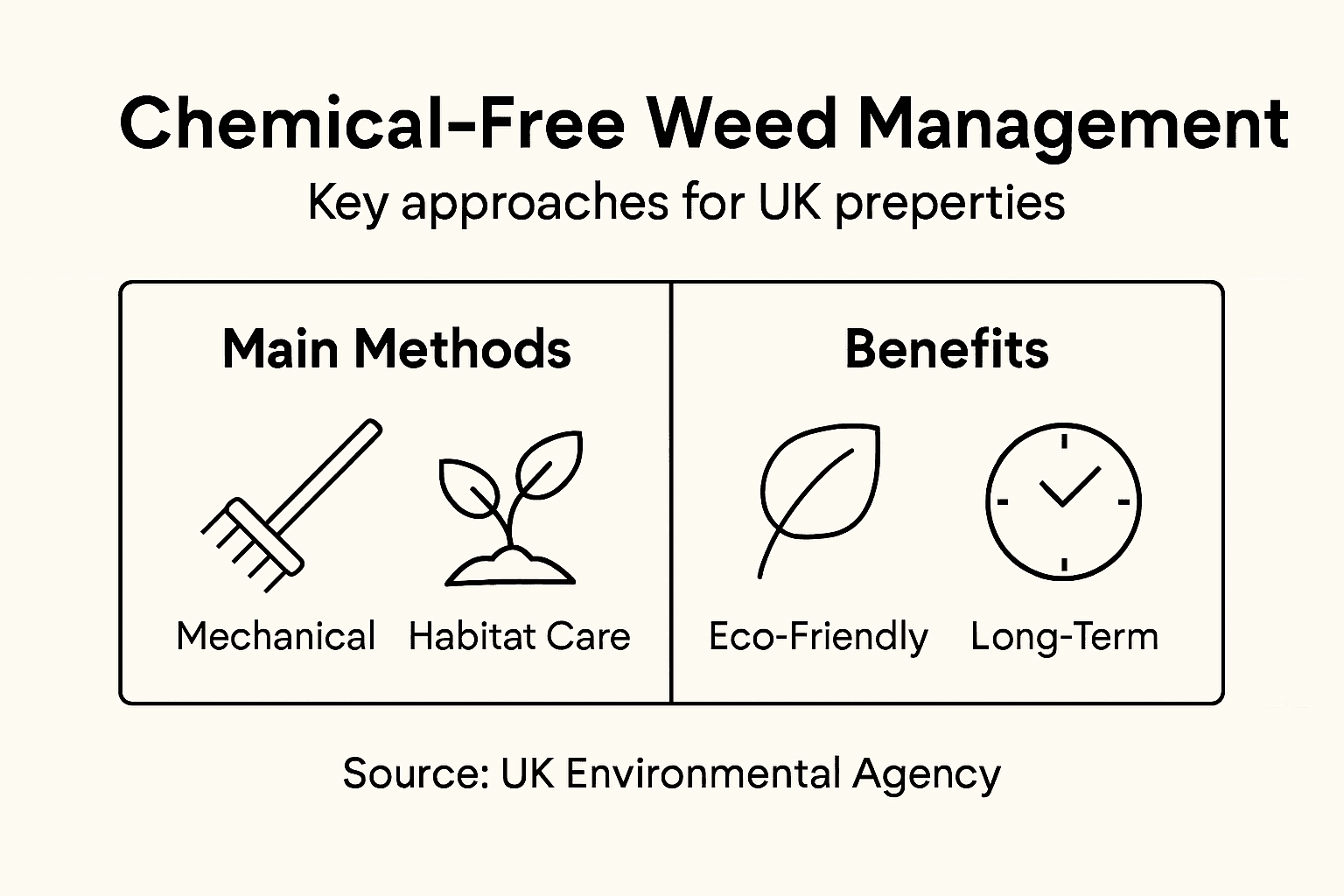
Successful chemical-free weed management requires a comprehensive and holistic approach. This includes detailed site assessments, understanding specific plant migration patterns, and implementing preventative measures that discourage future invasive species growth. Techniques like habitat modification, strategic landscaping, and ongoing monitoring can significantly reduce the potential for reinfestation, providing long-term sustainable solutions that protect property values and ecological systems.
Below is a comparison of chemical-free weed management techniques and their benefits:
| Method | Main Approach | Environmental Benefit | Long-Term Effectiveness |
|---|---|---|---|
| Mechanical Removal | Excavation and barriers | Prevents soil contamination | Highly effective for targeted areas |
| Thermal Treatment | Electrical disruption | Avoids use of herbicides | Controls root systems without chemicals |
| Habitat Modification | Landscaping changes | Discourages regrowth | Supports ongoing site resilience |
Pro tip: Engage professional ecological specialists who can develop tailored, chemical-free management plans specific to your property’s unique environmental conditions.
Take Control of Invasive Weeds to Protect Your Property Value
Invasive weed mapping reveals the hidden threats posed by species like Japanese Knotweed, Giant Hogweed, and Himalayan Balsam. These plants not only damage your land and structures but also risk lowering your property’s worth. Understanding their spread with detailed surveys is essential to prevent costly future problems. The challenge lies in effectively managing these invasive species without harming the environment or risking future reinfestation.
Japanese Knotweed Agency specialises in chemical-free treatments that use powerful direct energy to disrupt the rhizome network safely and efficiently. Alongside expert property surveys across England, Wales and Ireland, we offer targeted solutions including root barrier installations and excavation work. Our approach combines precision with sustainability, so you can confidently protect your investment and comply with environmental regulations.
Discover how our invasive weed survey services can pinpoint risks on your property Learn more about our chemical-free treatment options to eradicate invasive plants safely.
Request a professional survey today to safeguard your property’s future before invasive species jeopardise your peace of mind.

Frequently Asked Questions
What is invasive weed mapping?
Invasive weed mapping is a technique used to track and monitor the spread of invasive plant species. It involves documenting the geographical distribution of these species using technologies like GPS and drone surveys to develop targeted intervention strategies.
Why is invasive weed mapping important for property value?
Invasive weed mapping is crucial as the presence of invasive species can significantly reduce property values. By identifying and managing invasive plants, property owners can protect their investment and mitigate potential structural risks and ecological damage.
How can homeowners manage invasive weeds without chemicals?
Homeowners can manage invasive weeds using chemical-free methods such as mechanical removal, thermal treatment, and habitat modification. These approaches focus on sustainable practices that avoid environmental harm while effectively controlling invasive plant growth.
Are there legal obligations regarding invasive weeds for property owners?
Yes, property owners have legal responsibilities to manage and prevent the spread of invasive weeds on their land. Failure to comply can lead to financial penalties and complications in property transactions.