

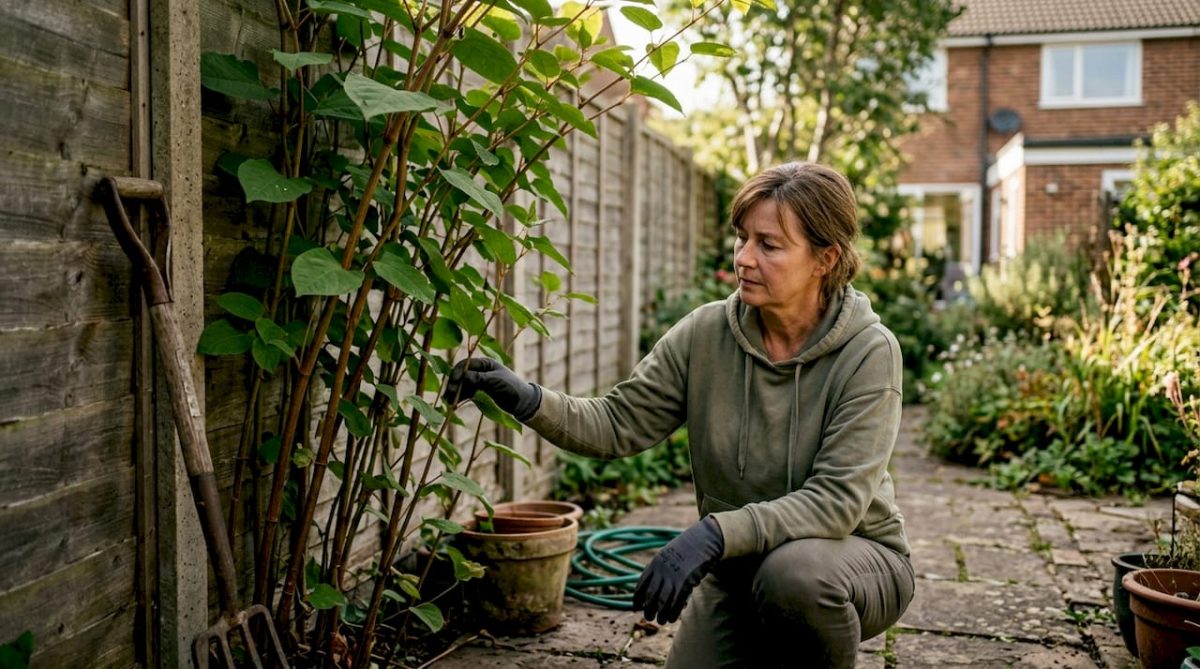
Japanese knotweed is one of the most persistent invasive plants in Britain, capable of regrowing from rhizome fragments as small as 1cm. Many homeowners assume it only invades derelict sites or neglected land, yet well-maintained gardens across England, Wales, and Ireland face the same threat. This guide explains the biological and environmental factors that make knotweed so successful in domestic settings and outlines practical, chemical-free approaches to eradication and property protection.
Table of Contents
- How knotweed took root in UK gardens
- Knotweed’s underground advantage: the power of rhizomes
- Why knotweed grows so fast and crowds out your plants
- Knotweed’s resilience: soil, climate, and lack of predators
- How knotweed really threatens your home and garden
- Chemical-free eradication: what actually works
- Why property surveys are crucial for knotweed control
- Find expert help and effective knotweed solutions
- Frequently asked questions
Key Takeaways
| Point | Details |
|---|---|
| Rhizome resilience | Knotweed’s underground stems can regrow from tiny fragments, making it extremely persistent. |
| Rapid spread | Shoots can grow up to 20 centimetres daily, quickly overtaking garden spaces. |
| Environmental toughness | Knotweed thrives in most UK soils and climates and faces no natural garden predators. |
| Myth versus reality | It is more likely to damage biodiversity and property value than solid foundations. |
| Professional approach | PCA-accredited, chemical-free methods are safest and most effective for lasting control. |
How knotweed took root in UK gardens
Japanese knotweed arrived in Britain during the Victorian era as an ornamental curiosity. Gardeners prized its rapid growth and attractive foliage, unaware of the ecological consequences. Introduced as an ornamental plant in the 1800s, knotweed quickly escaped cultivation and established itself across the country. Britain’s mild, wet climate and diverse soil types provided ideal conditions for the plant to flourish.
The absence of natural predators gave knotweed an overwhelming advantage. In its native Japan, insects and fungi keep populations in check. In the UK, knotweed lacks natural predators, allowing it to spread unchecked and outcompete native species. This disruption to garden biodiversity continues today, with knotweed displacing wildflowers, shrubs, and grasses that support pollinators and other wildlife.
Key factors in knotweed’s UK establishment include:
- Mild, wet climate suited to rapid growth
- Wide tolerance of soil types and pH levels
- Complete absence of natural predators or diseases
- Victorian-era introduction for ornamental purposes
“Japanese knotweed’s success in the UK is a textbook example of what happens when a plant escapes its ecological context. Without the checks and balances of its native habitat, it becomes a dominant force.”
Understanding your legal obligations of knotweed is essential for homeowners. Seeking expert knotweed advice early can prevent costly mistakes and legal complications.
Knotweed’s underground advantage: the power of rhizomes
The true strength of Japanese knotweed lies beneath the soil surface. Its rhizome network forms a dense, interconnected system that can extend 3m deep and 7m laterally. These underground stems store energy and nutrients, allowing the plant to survive harsh winters and regenerate year after year.
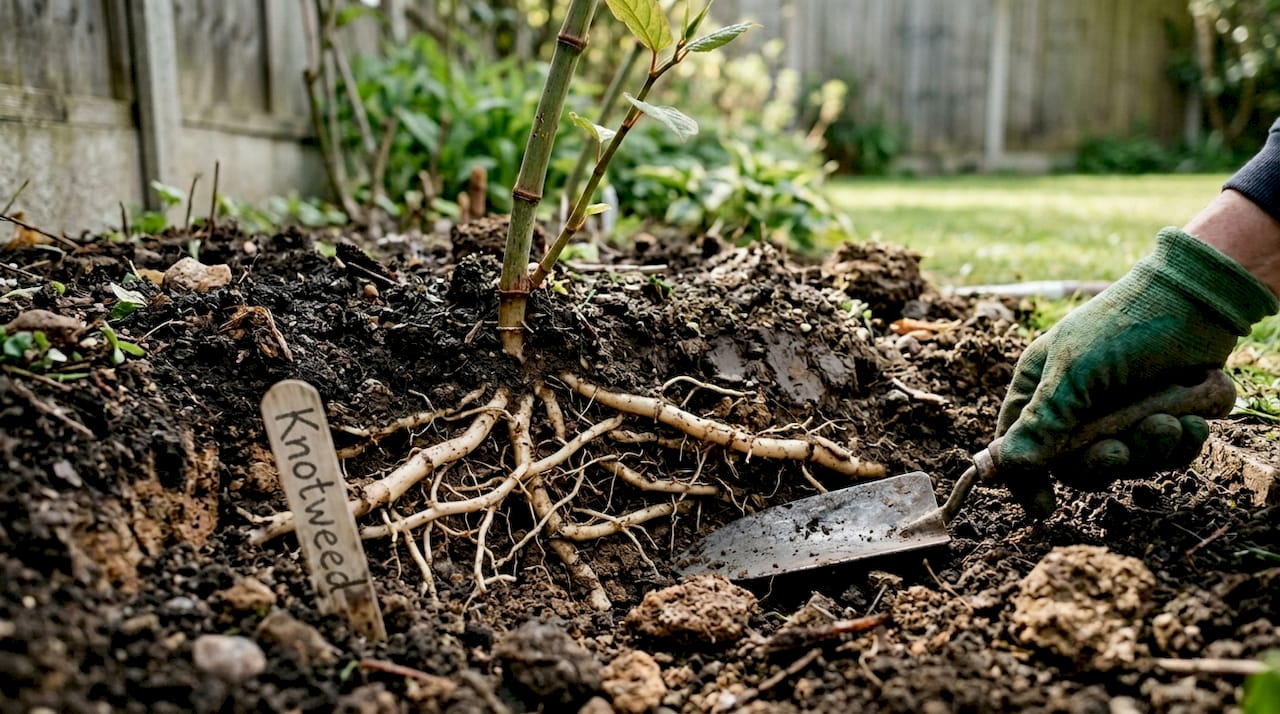
Rhizomes possess remarkable regenerative capacity. A single fragment measuring just one centimetre can develop into a full plant, making eradication extremely challenging. This characteristic explains why DIY removal attempts often fail. Digging up visible growth without addressing the entire rhizome network simply spreads the problem, as soil disturbance scatters viable fragments across a wider area.
Rhizomes can remain dormant for decades, then reactivate when conditions improve. This dormancy complicates treatment timelines and requires sustained monitoring even after visible growth disappears. Excavation projects that disturb contaminated soil risk unintentionally spreading knotweed to new locations, which is why professional expertise is critical.
| Rhizome characteristic | Impact on eradication |
|---|---|
| 3m depth penetration | Requires deep treatment or excavation |
| 7m lateral spread | Affects neighbouring properties |
| 1cm fragment viability | High risk of accidental spread |
| Decades-long dormancy | Long-term monitoring essential |
Pro Tip: Never attempt to dig out knotweed yourself. Even small rhizome fragments left in the soil will regenerate, and you may inadvertently spread the infestation to clean areas of your garden or neighbouring properties.
The rhizome network’s extent often surprises homeowners. What appears as a small patch above ground may conceal a vast underground system. This hidden threat affects knotweed and property damage assessments and creates knotweed mortgage problems during property transactions.
Why knotweed grows so fast and crowds out your plants
Above ground, Japanese knotweed demonstrates equally impressive growth rates. During peak growing season, shoots can grow 4-20cm per day, forming dense thickets that smother lawns, borders, and ornamental plantings. This rapid vertical growth allows knotweed to quickly dominate garden spaces and block sunlight from reaching other plants.
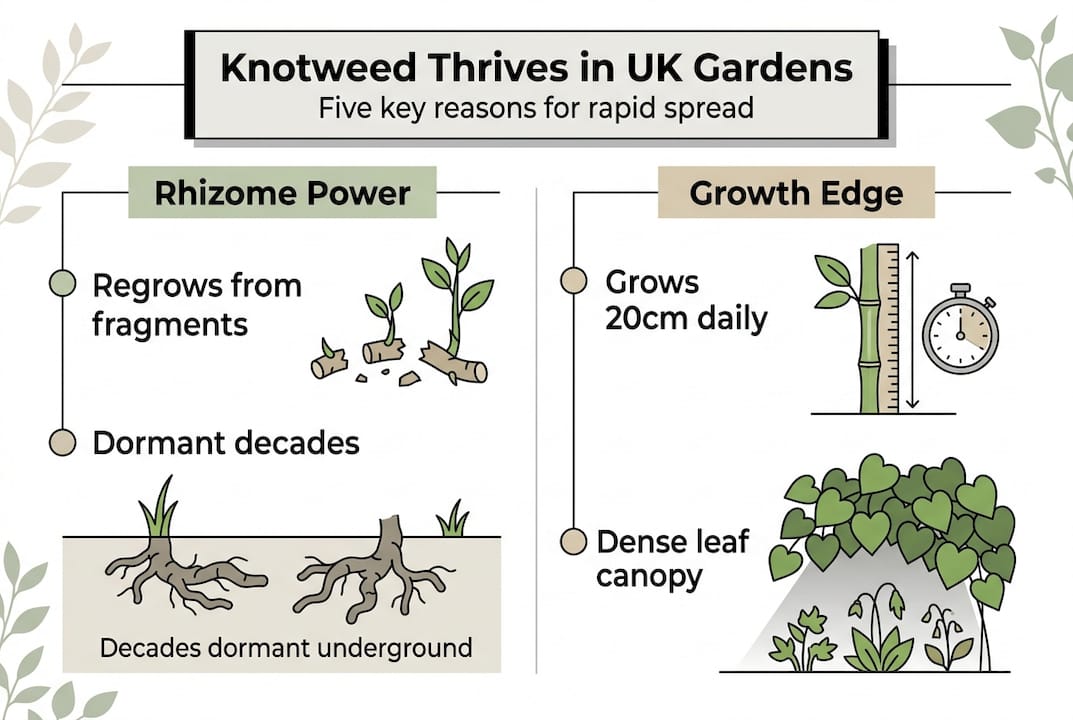
The plant’s dense canopy creates deep shade that starves garden plants of light. Native wildflowers, grasses, and shrubs cannot compete for this essential resource. Knotweed’s extensive root system also monopolises water and soil nutrients, further disadvantaging neighbouring vegetation. The result is a monoculture that offers little value to pollinators, birds, or beneficial insects.
Biodiversity loss represents one of knotweed’s most significant impacts on domestic gardens. Where knotweed establishes, plant diversity plummets. This simplification of the garden ecosystem reduces habitat quality for wildlife and diminishes the aesthetic and ecological value of outdoor spaces.
| Growth metric | Knotweed | Typical garden plants |
|---|---|---|
| Daily growth rate | 4-20cm | 0.5-2cm |
| Canopy density | Very dense | Moderate to sparse |
| Light penetration | Minimal | Good |
| Nutrient uptake | Aggressive | Moderate |
Statistic: Japanese knotweed can grow up to 20cm in a single day during optimal conditions, allowing it to overtake garden borders in just weeks.
The impact on property values extends beyond the garden itself. Lenders view knotweed as a significant risk factor, and managing value risks requires professional intervention and documentation.
Knotweed’s resilience: soil, climate, and lack of predators
Japanese knotweed thrives across Britain because it tolerates an extraordinary range of environmental conditions. The plant grows successfully in clay, sand, loam, and even nutrient-poor soils. It flourishes in full sun and partial shade, and tolerates drought conditions that would stress many garden plants.
This environmental flexibility makes virtually every UK garden vulnerable to knotweed establishment. Coastal properties, urban gardens, rural estates, and suburban plots all provide suitable habitat. The plant’s tolerance of pollution and disturbed ground means it colonises brownfield sites, roadside verges, and railway embankments with equal ease.
The absence of natural enemies remains knotweed’s greatest advantage in the UK. No native insects feed on it, no fungi attack it, and no grazing animals find it palatable. This ecological isolation allows knotweed populations to expand without the natural regulation that occurs in Japan.
Environmental factors favouring knotweed:
- Tolerance of pH 3.5 to 8.5 (acidic to alkaline soils)
- Growth in waterlogged and well-drained conditions
- Survival in temperatures from freezing to 35°C
- Resistance to air pollution and salt spray
- Ability to colonise disturbed and compacted soils
Pro Tip: Knotweed often appears first along boundaries, near water features, or in areas where soil has been disturbed. Regular inspection of these vulnerable zones helps catch infestations early, when treatment is most effective and least costly.
Homeowners must understand knotweed and UK law to avoid legal liability. Allowing knotweed to spread from your property can result in prosecution and civil claims from neighbours.
How knotweed really threatens your home and garden
Popular media often portrays Japanese knotweed as a plant that demolishes house foundations and renders properties worthless. This narrative, whilst attention-grabbing, misrepresents the actual risks. Knotweed rarely damages sound, modern foundations. The major risk is to biodiversity and property values, with affected properties experiencing value reductions of 5-20%.
The genuine threats knotweed poses include:
- Severe reduction in garden biodiversity and wildlife habitat
- Property value depreciation of 5-20% in affected homes
- Mortgage application rejections without management plans
- Legal liability if knotweed spreads to neighbouring land
- Treatment costs ranging from £2,000 to £20,000 depending on severity
Mortgage lenders treat knotweed as a significant risk factor. Most require a professional management plan and evidence of ongoing treatment before approving loans. This requirement reflects lenders’ concerns about property values and the potential for future complications, not structural damage fears.
“The knotweed crisis is primarily one of perception and property value, not structural engineering. Sound foundations resist knotweed pressure, but the plant’s presence creates financial and legal complications that affect marketability and mortgage availability.”
Garden biodiversity suffers most from knotweed establishment. Native plants that support pollinators, birds, and beneficial insects disappear beneath dense knotweed growth. This ecological simplification reduces your garden’s environmental value and diminishes the pleasure of outdoor spaces.
Understanding property value threats and addressing mortgage issues with knotweed requires professional guidance and documented treatment programmes.
Chemical-free eradication: what actually works
UK homeowners increasingly seek chemical-free alternatives to traditional herbicide treatments. Professional-grade thermo-electric methods deliver 5000V to destroy cells, achieving eradication within one to two years. This approach causes internal cell damage and depletes energy reserves in the rhizome network without introducing chemicals into the soil.
Mechanical removal remains an option for small, contained infestations, but carries significant risks for DIY attempts. Professional excavation removes contaminated soil to licensed disposal facilities, eliminating the rhizome network entirely. However, this method proves costly and impractical for large infestations or sites with limited access.
Root barriers prevent lateral rhizome spread, protecting structures and neighbouring properties. These engineered membranes require expert installation to ensure proper depth and continuity. When correctly installed, barriers contain existing infestations whilst treatment progresses, preventing further expansion.
PCA-accredited professionals ensure treatments comply with UK regulations and industry standards. Accreditation demonstrates technical competence, insurance coverage, and adherence to best practices. Working with accredited specialists protects homeowners from ineffective treatments and potential legal complications.
Effective chemical-free methods:
- Thermo-electric treatment: Delivers high-voltage energy to destroy rhizome cells, achieving eradication in 1-2 years
- Professional excavation: Removes entire rhizome network and contaminated soil to licensed facilities
- Root barrier installation: Contains spread whilst treatment progresses, protecting structures and boundaries
- Integrated monitoring: Combines treatment with regular inspections to confirm eradication and prevent regrowth
Pro Tip: Chemical-free eradication requires patience and professional expertise. Thermo-electric treatment typically needs multiple sessions over 12-24 months, but eliminates concerns about herbicide residues in soil and groundwater.
Explore chemical-free knotweed control options and learn how to install root barriers. Understanding the step-by-step chemical-free process helps homeowners make informed decisions.
Why property surveys are crucial for knotweed control
Mortgage lenders typically demand management plans and professional surveys before approving loans on properties with knotweed. These surveys identify infestations, map affected areas, assess spread risk, and provide legal-compliant documentation. Property surveys by PCA-qualified experts cost from £260 upwards, depending on property size and infestation complexity.
Accredited surveys include detailed site mapping, photographic evidence, risk assessment, and treatment recommendations. This documentation satisfies lender requirements and provides a baseline for monitoring treatment progress. Surveys also identify potential spread to neighbouring properties, helping homeowners address legal obligations proactively.
Professional surveys deliver several critical benefits:
- Accurate identification and mapping of knotweed extent
- Risk assessment for structures, boundaries, and neighbouring land
- Legal-compliant documentation for mortgage applications
- Treatment recommendations tailored to site conditions
- Baseline data for monitoring eradication progress
| Survey component | Purpose | Typical cost |
|---|---|---|
| Site inspection | Identify and map infestation | £260-£400 |
| Risk assessment | Evaluate threats to property | Included |
| Management plan | Treatment recommendations | £150-£300 |
| Monitoring visits | Confirm eradication progress | £100-£200 per visit |
Choosing PCA-accredited professionals ensures surveys meet industry standards and lender requirements. Accreditation provides assurance of technical competence, professional indemnity insurance, and adherence to best practices. This credibility proves essential when negotiating property transactions or addressing neighbour disputes.
Homeowners purchasing properties should commission weed survey for property buyers before exchange. Access specialist knotweed survey advice to understand what surveys should include and how to interpret results.
Find expert help and effective knotweed solutions
Japanese Knotweed Agency pioneered chemical-free eradication methods in the UK, delivering thermo-electric treatment that destroys rhizome networks without herbicides. Our PCA-accredited surveys provide the documentation lenders require, whilst our treatment programmes offer guaranteed eradication within defined timescales. We serve homeowners across England, Wales, and Ireland with proven, sustainable solutions.

Our chemical-free options combine innovation with environmental responsibility. We also provide step-by-step knotweed management guidance and maintain a comprehensive full FAQ on knotweed addressing common homeowner concerns. Professional advice and tailored eradication plans represent the next step towards confident, chemical-free knotweed control.
Frequently asked questions
Can Japanese knotweed grow back after removal?
Yes, even 1cm rhizome fragments left in soil can regenerate into full plants, which is why professional eradication with guaranteed monitoring is essential for permanent removal.
How long does it take to eradicate knotweed using chemical-free methods?
Thermo-electric treatment typically achieves complete eradication in 1-2 years for UK gardens, with multiple treatment sessions required to deplete rhizome energy reserves fully.
Will knotweed always destroy house foundations?
No, the real threat is biodiversity loss and property value reduction of 5-20%, not structural collapse. Sound foundations resist knotweed pressure effectively.
What should I look for in a knotweed property survey?
Choose PCA-accredited surveys that include detailed site mapping, photographic evidence, risk assessment, and a compliant management plan satisfying lender requirements.