2026日本结缕草防控策略:英国无化学方案影响房产

面对房产购买或再抵押时,许多业主最头疼的事情之一,是如何在不使用化学药品的前提下有效防控结缕草这种极具竞争力的入侵草种。英国生态研究显示,结缕草凭借其极快的繁殖速度和强大根系扩散能力,正逐步威胁英格兰、威尔士和爱尔兰的本地草地环境。本文将帮助您识别风险,了解无化学防控对房产安全和生态保护的重要意义。

目录

关键要点

关键点 详细信息
结缕草的生态威胁 结缕草对英国生态系统构成严重威胁,可能导致生物多样性减少和生态结构改变。
变种识别的重要性 准确识别结缕草的不同变种是制定针对性防控策略的关键。
无化学防控方法 采用机械拔除、热力灭除等无化学方法,可有效控制结缕草生长。
法律责任意识 房产交易中,需如实披露结缕草情况,以避免法律纠纷和经济损失。

结缕草定义与英国生态威胁

结缕草(Cynodon dactylon)是一种极具侵略性的入侵草种,在英国生态系统中构成了显著威胁。这种暖季型C4草种以其惊人的生长速率和强大的竞争能力,正逐渐改变本地植物生态平衡。

根据植物研究数据,结缕草具有以下关键生态特征:

  • 极快的繁殖速度
  • 强大的根系网络扩散能力
  • 显著的生长竞争优势
  • 能迅速占据并改变原生草地生态环境

英国入侵草种生态研究表明,结缕草通过其独特的生长机制,能够快速在新环境中建立种群。其C4光合作用机制使其在温和气候中具有显著竞争优势,能够显著抑制本地冷季草种的生长。

这种入侵草种对英国生态系统的威胁主要体现在以下几个方面:生物多样性减少、本地植物种群遭到挤压、生态系统结构被改变。科学家们警告,如不及时控制,结缕草可能会造成不可逆的生态损害。

专业建议: 房主和土地管理者应及时进行专业的草种入侵风险评估,防止结缕草对私人土地和周边生态环境造成长期破坏。

结缕草变种及辨识误区

结缕草(Cynodon dactylon)存在多个复杂的变种,这使得其识别变得极具挑战性。不同变种之间的细微差异常常导致专业人士和普通观察者的误判,进而影响后续的防治策略。

入侵物种变种识别指南揭示了结缕草变种的复杂性,主要包括以下几个关键变种:

  • var. dactylon:最常见的原始变种
  • var. densus:密集生长型变种
  • var. genuinus:典型形态变种
  • var. africanus:非洲地区特有变种

辨识结缕草变种需要关注以下特征细节:

  1. 叶片形态和宽度
  2. 穗状花序的长度和排列
  3. 根系分布和扩散特征
  4. 生长环境适应性

这些变种间的识别误区主要源于其惊人的形态相似性。普通观察者很容易将结缕草误认为其他常见草种,尤其是在生长初期阶段。

科学研究表明,准确识别变种对于制定针对性的防治方案至关重要。不同变种可能具有不同的生长特性和生态适应能力,这直接影响后续的防控策略。

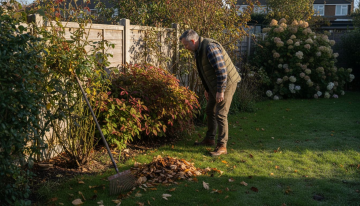
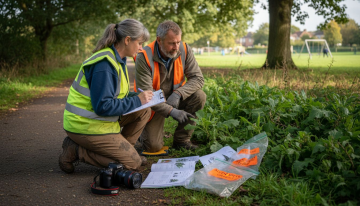
植物学家在乡村田野中细致辨认各种草类,探索它们的不同特性与分类。

专业建议: 建议寻求专业植物学家的鉴定,或使用专业识别工具和参考图谱,以准确区分结缕草的不同变种。

以下表格对比了结缕草不同变种在关键辨识特征上的具体差异:

变种 叶片宽度特征 穗状花序长度 根系扩散能力
var. dactylon 中宽,柔软 5-10厘米 中强
var. densus 较宽,排列密集 3-6厘米 极强
var. genuinus 常规宽度,绿色鲜明 6-12厘米 中等
var. africanus 较窄,质地坚韧 6-8厘米 强,适应力强

无化学防控方法详解及原理

针对结缕草的无化学防控方法是一个综合性的生态管理策略,旨在通过物理和生态手段有效抑制其生长和扩散。这种方法不仅环保,而且能够长期有效地控制入侵草种的蔓延。

系统性非化学防控策略研究揭示了多种创新的防控技术,主要包括:

  • 机械拔除:彻底清除地上和地下根系
  • 热力灭除:利用高温破坏草种细胞结构
  • 根障阻隔:安装物理屏障阻断根系扩散
  • 生物拮抗:引入抑制性作物和天敌生物

无化学防控的核心原理包括:

  1. 阻断营养来源
  2. 破坏生长环境
  3. 限制根系扩散
  4. 降低繁殖能力

通过综合运用这些技术,可以显著减少对环境的化学污染,同时有效控制结缕草的生长和蔓延。每种方法都有其独特的作用机制,需要根据具体环境和草种生长特征灵活选择。

科学研究表明,长期和系统的生态管理是控制结缕草最有效的策略。专业人士建议采用多种方法联合使用,以达到最佳防控效果。

下表总结了结缕草主要防控方法的适用场景及核心优势:

方法类型 适用场景 环境影响 核心优势
机械拔除 小面积集中爆发 快速清除显著见效
热力/热电灭除 深层根系和顽固草种 极低 破坏力强,无残留毒性
根障阻隔 新绿地或边界管理 无负生态影响 长效阻断根系扩展
生物拮抗 农田及生态恢复场地 促进生态平衡 持续抑制、绿色环保

专业建议: 在选择无化学防控方法时,建议先进行详细的现场调查,根据具体环境条件制定个性化的综合防治方案。

热电灭除、根障及挖掘流程

结缕草根系防控是一个复杂且系统的过程,需要精准的技术和专业的操作。面对这种顽固的入侵植物,仅依靠单一方法是远远不够的,必须采用综合性的根系管理策略。

根系管理技术研究揭示了根系防控的关键流程:

  • 热电处理:高温电击破坏根系细胞结构
  • 根障安装:物理屏障阻断根系扩散
  • 精确挖掘:彻底清除地下根系网络
  • 生态修复:重建被破坏区域的植被环境

根系防控的具体操作步骤:

  1. 前期勘察:详细测绘根系分布范围
  2. 热电处理:使用专业设备定点电击
  3. 根障安装:选择合适的防根屏障材料
  4. 精确挖掘:分层、分区域清除根系
  5. 生态修复:重新种植适应性植被

热电灭除技术的核心在于利用高压电流精准破坏结缕草的根系细胞,阻断其生长和再生能力。这种方法不仅环保,而且能够在不使用化学药品的情况下有效控制入侵草种。

专业研究强调,根系防控是一个动态和持续的过程,需要定期监测和及时干预,以确保彻底根除结缕草的生存空间。

专业建议: 建议聘请专业的入侵植物防控团队,使用先进的热电和根障技术,确保根系防控的精准性和长期有效性。

房产交易相关法律与责任

在英国房产交易中,入侵植物(尤其是结缕草)的法律责任是一个极其复杂且关键的法律议题。房产所有者必须全面了解其在植物防控方面的法律义务,以避免可能的法律纠纷和经济损失。

野生动物与乡村法案明确规定了房产所有者在入侵植物管理方面的核心法律责任:

  • 披露义务:在房产交易过程中必须如实披露结缕草情况
  • 防控责任:主动采取措施控制和限制入侵植物蔓延
  • 赔偿风险:未履行法定义务可能面临法律诉讼
  • 价值影响:入侵植物可能显著降低房产市场价值

房产交易中的具体法律风险包括:

  1. 未披露入侵植物将构成欺诈
  2. 可能导致房产交易被撤销
  3. 需承担邻近房产的潜在损害赔偿
  4. 面临严重的经济赔偿风险

法律专家强调,房主不仅要关注当前的植物状况,还要评估潜在的蔓延风险。一旦发现结缕草,必须立即采取专业的防控措施,并在房产交易中完整披露相关信息。

司法实践表明,房产买卖中对入侵植物的态度已经从传统的隐瞒转向主动管理和透明披露。这种转变意味着房主需要更加负责任和主动地应对植物入侵问题。

专业建议: 在房产交易前,建议聘请专业的环境调查机构进行详细的植被调查,全面评估结缕草风险,并获取正式的检测报告。

风险、成本及常见处理误区

结缕草防控是一个复杂的系统工程,不仅需要专业知识,还涉及极其严峻的经济和生态风险。不正确的处理方式不仅无法根本解决问题,反而可能造成更严重的环境和经济损失。

入侵植物防控研究揭示了结缕草防控的主要风险和常见误区:

  • 风险评估不足:忽视土壤深层根茎分布
  • 经济成本高昂:非化学防控投入巨大
  • 处理不彻底:易导致草种反弹生长
  • 方法单一:缺乏综合治理策略

结缕草防控的典型误区:

  1. 低估根系复杂性
  2. 忽略季节性生长变异
  3. 仅依赖单一防控方法
  4. 未进行专业风险评估
  5. 缺乏持续性管理

专业研究表明,结缕草防控成本可能高达数千英镑,且处理不当将导致更严重的经济损失。房主需要全面评估风险,采取系统性的综合防控策略,而不是临时或片面的应对措施。

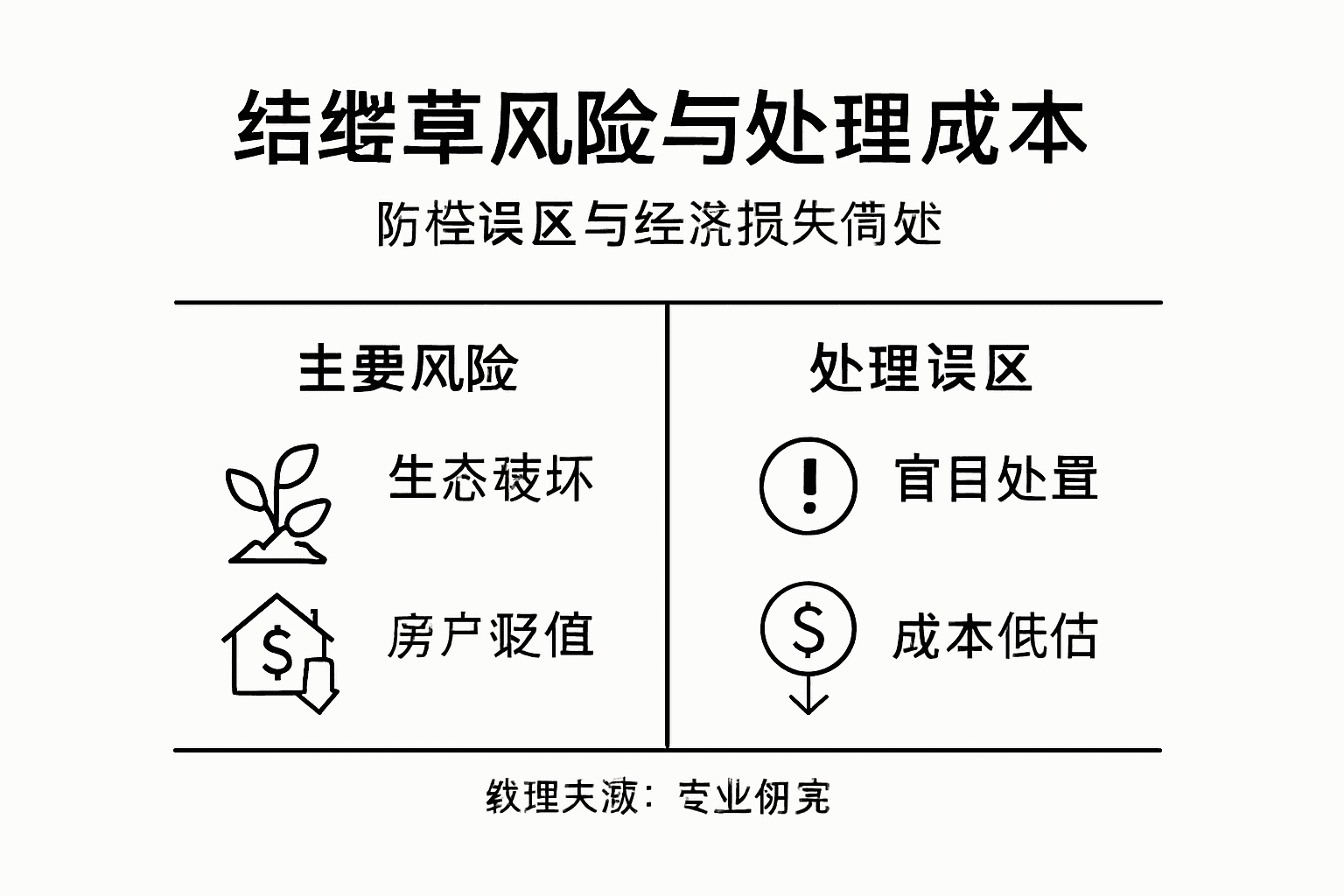
结缕草种植风险及防控投入一览图

经济学分析显示,早期专业干预比后期大规模修复更具成本效益。及时且全面的防控不仅能降低直接经济损失,还能避免潜在的法律风险和房产贬值。

专业建议: 在进行结缕草防控时,务必聘请专业团队进行全面评估,制定个性化的综合防控方案,避免盲目和片面的处理。

结缕草防控的最佳无化学解决方案就在这里

结缕草作为一种极具侵略性的入侵草种,其根系扩散能力和生长速度给英国房产业主带来了极大挑战。文章中强调的无化学根系防控方法和热电灭除技术正是当前控制结缕草的关键所在。面对结缕草对房产价值和生态环境的双重威胁,及时专业的防控措施刻不容缓。

Japanese Knotweed Agency 专注于无化学草种侵害控制,采用高达5000伏特的定点热电处理,有效破坏结缕草根系细胞,切断其能量供给,最大限度阻止草种复生。我们还提供专业的根障安装和精确挖掘服务,确保从根源上抑制结缕草扩散。同时,针对房产交易中的入侵植物法律风险,我们为您提供全面的植被检测和专业报告,保障您的财产安全。

了解更多防控技术

深入房产植被调查服务

https://japaneseknotweedagency.co.uk

立即行动,避免结缕草对您的房产价值和生态环境造成无法挽回的损害。访问Japanese Knotweed Agency官网获取专业咨询和定制防控方案,迈出保障未来的第一步。

常见问题

结缕草是什么?

结缕草(Cynodon dactylon)是一种入侵性强的草种,在生态系统中可以显著影响本地植物的生长。

为什么需要无化学防控策略?

无化学防控策略环保,不会对生态环境造成长期损害,能够有效控制入侵植物的蔓延。

结缕草的主要变种有哪些,如何辨识?

结缕草的主要变种包括var. dactylon、var. densus、var. genuinus和var. africanus。辨识时需关注叶片形态、花序长度和根系分布等特征。

如何评估结缕草对房产交易的影响?

房产所有者应如实披露结缕草情况,未披露可能面临法律责任,且入侵植物可能降低房产的市场价值。

推荐

7种实用防治入侵植物方法清单,安全无化学药物

你是否发现自家花园或社区绿地里,越来越多陌生的植物开始疯长,却不知道该如何应对?这些入侵植物不仅会影响原有生态,还可能带来严重的经济损失。据英国非本地物种信息门户的数据,已有超过三千种外来植物在英国被记录,并且许多品种极具扩散力,给自然环境和房产安全带来了挑战。

想要有效管理这些问题,你需要掌握科学的识别、防控和根除方法。通过学习具体的操作步骤,你将能主动保护自己的生活空间,避免入侵植物造成的持续困扰和额外花销。

接下来,你会发现一系列切实可行的技巧和专业建议,帮你从识别到彻底防治每一步都有清晰指引。现在就开始行动,提升你对入侵植物管理的信心和实操能力。

目录

快速总结

关键建议 说明
1. 识别常见入侵植物 了解日本葛藤、大黄、鬼针草等植物的特征,以便及时识别和处理。
2. 定期监测入侵情况 建立巡查计划,记录入侵植物的分布,以便及早采取措施控制其蔓延。
3. 采用物理根除法 完全挖除入侵植物及其根系,防止其再生,务必定期检查清除效果。
4. 安装植物根障系统 选择合适的材料和深度以阻止入侵植物的根系扩散,减少其再生风险。
5. 选择专业治理机构 确认机构资质和成功案例,以获得专业的入侵植物清除服务。

1. 认识常见入侵植物及危害

入侵植物是对英国生态系统构成严重威胁的外来物种。根据英国非本地物种研究门户的数据,这些植物不仅破坏原生生态环境,还会造成巨大的经济损失。

入侵植物具有以下关键特征:

  • 快速繁殖:能以极高速度蔓延并占领新区域
  • 强大竞争力:排挤本地植物物种
  • 难以控制:传统方法难以有效根除

这些植物对生态系统造成的破坏主要体现在以下几个方面:

  1. 减少本地生物多样性
  2. 改变土壤生态结构
  3. 破坏原生植被平衡
  4. 影响野生动物栖息环境

王氏学院的研究表明,入侵植物是全球生物多样性的重大威胁。它们通过竞争、改变栖息地、传播疾病等方式对生态系统造成深远影响。

对于英国房主而言,了解这些入侵植物至关重要。常见的入侵植物包括日本葛藤、大黄、鬼针草等,它们不仅影响环境,还可能降低房产价值。

专业建议定期检查您的房产和周边环境,及早发现并控制入侵植物的蔓延。

2. 物理根除法的操作步骤

物理根除是一种直接且环保的入侵植物清除方法。根据自然历史博物馆的调查方法,这种技术需要精确和专业的操作。

物理根除的主要步骤包括:

  1. 确认入侵植物种类和分布范围
  2. 选择适当的清除工具(如铲子、锄头)
  3. 完全挖出植物根系
  4. 彻底清理受感染区域
  5. 安全处理植物残骸

物理根除的关键在于:

  • 完全根除:必须连根拔起
  • 及时处理:防止再生和扩散
  • 持续监测:确保根本清除

入侵植物清除不是一次性工作,而是需要长期持续的过程。

非本地物种信息门户强调了重复清除的重要性。多次彻底清除可以耗尽植物的能量储备,最终杜绝其再生。

清除过程中需注意以下几点:

  • 穿戴防护手套
  • 使用专业工具
  • 仔细处理植物残骸
  • 避免植物碎片散播

专业建议清除后的区域要彻底检查和监测至少两个生长季,防止入侵植物死灰复燃。

3. 安装植物根障系统

植物根障系统是防治入侵植物蔓延的高效技术。根据英国政府可持续排水系统国家标准,这种技术对控制入侵植物具有重要意义。

安装植物根障的核心步骤如下:

  1. 评估入侵植物分布范围
  2. 选择合适的根障材料
  3. 确定根障深度和宽度
  4. 仔细施工并密封边缘
  5. 定期检查和维护

根障系统的关键优势:

  • 物理阻隔:彻底阻止根系扩散
  • 长期防护:减少再生风险
  • 环保无污染:不使用化学药品

根障系统不仅是技术手段,更是生态保护的重要方式。

利物浦约翰摩尔大学的研究表明,创新的根系管理技术可以有效控制侵略性植物的蔓延。

安装根障时需要注意:

  • 选择专业防渗材料
  • 确保安装深度足够
  • 密封所有可能的薄弱点
  • 定期检查系统完整性

专业建议安装根障前务必进行专业土壤和植被调查,以确定最佳防护策略。

4. 高压电能处理技术介绍

高压电能处理是一种创新的入侵植物非化学根除方法。曼彻斯特大学高压实验室的研究为这一技术提供了重要的科学基础。

高压电能处理的核心工作原理包括:

  1. 直接对植物根系施加高压电流
  2. 破坏植物细胞内部结构
  3. 耗尽植物能量储备
  4. 阻断营养传导系统
  5. 实现彻底根除

这种技术的显著优势:

  • 无化学污染:完全环保
  • 精准targeting:仅作用于目标植物
  • 长期有效:阻断植物再生能力

高压电能是一种革命性的生态治理技术。

卡迪夫大学高压工程研究中心的研究表明,电能处理具有极高的植物根除潜力。

使用高压电能处理技术需要注意:

  • 选择专业设备
  • 确保操作安全
  • 遵守技术规范
  • 评估处理效果

专业建议在使用高压电能处理技术前务必进行专业培训和风险评估。

5. 定期监测与检测入侵情况

入侵植物的及时发现对于有效控制至关重要。自然历史博物馆提供的调查方法为入侵植物监测提供了专业指导。

有效监测入侵植物的步骤:

  1. 建立定期巡查计划
  2. 识别常见入侵植物特征
  3. 记录发现位置和生长状态
  4. 拍摄详细影像记录
  5. 及时报告异常情况

监测的关键优势:

  • 早期预警:阻止入侵植物扩散
  • 准确追踪:掌握入侵动态
  • 有效控制:降低根除难度

持续监测是预防入侵植物蔓延的第一道防线。

英国非本地物种信息平台强调公民科学在入侵物种监测中的重要作用。

监测过程中需要关注的重点:

  • 选择合适的观察时间和季节
  • 使用专业识别工具
  • 保持记录详细且系统
  • 与专业机构保持沟通

专业建议建议购置专业放大镜和记录本,随时记录入侵植物生长细节。

6. 安全挖掘及土壤处理方法

入侵植物根系挖掘是防治的关键环节。雷丁大学安全操作规范为我们提供了专业的土壤挖掘指导。

安全挖掘的基本步骤:

  1. 进行详细的风险评估
  2. 选择合适的挖掘工具
  3. 确定安全作业区域
  4. 穿戴必要的防护装备
  5. 仔细控制挖掘深度

安全挖掘的关键原则:

  • 最小化土壤扰动
  • 防止根系碎片传播
  • 彻底清理污染区域
  • 避免交叉污染

专业和谨慎的土壤处理是有效控制入侵植物的根本保障。

根据可持续排水系统国家标准,土壤处理需要特别注意:

  • 控制土壤移动范围
  • 使用专业清洁设备
  • 规范处理被污染土壤
  • 记录处理过程

专业建议挖掘后的土壤应在指定的专业处理场所进行无害化处理。

7. 选择专业机构进行调查与治理

专业机构对入侵植物的调查和治理至关重要。英国非本地物种信息门户强调了生态专业咨询的重要性。

选择专业机构的关键步骤:

  1. 验证机构资质证书
  2. 查看过往成功案例
  3. 了解处理方法和技术
  4. 评估服务费用
  5. 确认后续跟踪服务

专业机构的核心优势:

  • 专业诊断:精准识别入侵植物
  • 系统治理:全面解决问题
  • 合规保障:符合法律规范
  • 长期防护:提供持续监测

专业机构是入侵植物防治的可靠保障。

根据英国政府栖息地法规评估指南,专业生态评估对于受保护区域尤其重要。

选择机构时需要关注:

  • 查看行业认证
  • 评估技术实力
  • 比较服务方案
  • 了解处理流程

专业建议建议索取并仔细对比至少三家机构的详细服务方案和报价。

以下是对文章中讨论的入侵植物主题的全面总结,以表格方式展示了主要内容、行动建议与关键要点。

主题 关键要点 主要建议与效果
入侵植物定义及危害 入侵植物是一种外来物种,对英国生态系统构成威胁,减损生物多样性,破坏生态系统平衡 建议定期监测和采取治理措施防止蔓延
物理根除法 通过挖掘和清理根系来消除入侵植物 提供了一种环保无化学的方法,同时需要持续监测
安装植物根障 利用特定材料物理屏蔽植物根系扩展的技术 有效阻止入侵植物扩散,长期保护环境
高压电能处理技术 以高压电流摧毁植物根系细胞和能量储存 环保且精准,避免化学污染
定期监测与检测 建立巡查计划、记录生长状态,并报告异常情况 提供早期发现入侵植物扩散风险的保障
安全挖掘及土壤处理 采用专业工具和方法挖掘及处理被污染的土壤 避免根系传播及环境污染,确保生态安全
专业机构治理 聘请持有资质的机构进行调查和治理 提供全面的治理方案及后续监测服务

专业无化学药物防治 入侵植物的安全方案

面对文章中提到的入侵植物如日本葛藤等快速蔓延且根系难以清除的难题,许多房主担忧化学药物带来的环境污染和残留风险。本篇文章强调了物理根除、高压电能处理和根障系统等环保无害的防治方法。针对这些关键痛点,我们的团队提供创新的高压电能技术,能直接作用于植物根系,彻底破坏细胞结构并阻断再生,完全摆脱化学药剂的依赖。同时,我们专业安装根障系统和开展准确的挖掘作业,确保从根源上封堵入侵植物的扩散。

https://japaneseknotweedagency.co.uk

立即选择Japanese Knotweed Agency的无化学解决方案,保护您的财产和环境安全。我们覆盖英格兰威尔士及爱尔兰,提供全面的【入侵植物调查与治理】服务。不要等待入侵植物肆虐,现在就访问我们的官方网站,预约专家现场评估,开启环保高效的治理之旅。

常见问题解答

什么是入侵植物,它们对生态系统有什么影响?

入侵植物是对生态系统构成威胁的外来物种,它们通过快速繁殖和竞争排挤本地植物,导致生物多样性减少。了解这些植物的特征可以帮助您更好地进行防治。

如何进行物理根除以清除入侵植物?

物理根除需要彻底挖出入侵植物的根系,并确保清理受感染区域。建议使用铲子或锄头,务必连根拔起,避免让植物再生。

安装根障系统有什么步骤和注意事项?

安装根障系统的步骤包括评估入侵植物分布范围、选择合适的根障材料以及仔细施工密封边缘。确保根障深度足够,可以有效阻止根系扩散。

高压电能处理技术的工作原理是什么?

高压电能处理通过向植物根系施加高压电流,破坏植物细胞结构和营养传导系统,从而实现无化学污染的根除。进行电能处理时,确保使用专业设备并遵守安全规范。

如何定期监测入侵植物的生长情况?

定期监测应包括建立巡视计划、识别入侵植物特征及记录生长状态。可以每月检查一次,确保及时发现并控制入侵状况,防止其蔓延。

选择专业机构进行治理时要考虑哪些因素?

选择专业机构时,应验证其资质、查看过往成功案例并评估服务费用。建议至少对比三家机构,在了解其处理方法后作出决定。

推荐

Role of Agencies in Weed Control: Eco Solutions

Trying to keep your property free from Japanese Knotweed can feel daunting when traditional treatments pose risks to your garden and the wider environment. More homeowners across England and Wales are looking for solutions that offer lasting control without compromising local biodiversity. By focusing on chemical-free weed eradication methods, you can protect both your property and surrounding habitats, all while staying within legal guidelines and embracing eco-friendly strategies.

Table of Contents

Key Takeaways

Point Details
Role of Weed Control Agencies Weed control agencies are vital for managing invasive plant species; they develop strategies for identification, prevention, and control.
Sustainable Weed Management Chemical-free methods and integrated management approaches are effective in controlling invasives while preserving ecological balance.
Legal Responsibilities Property owners must comply with regulations regarding invasive plant management to avoid legal and financial repercussions.
Homeowner Engagement Homeowners should invest in professional surveys and comprehensive management plans to mitigate risks associated with invasive plants.

Defining the Role of Weed Control Agencies

Weed control agencies play a critical role in managing invasive plant species across public and private landscapes. These professional organisations develop comprehensive strategies to identify, prevent, and mitigate the spread of harmful vegetation that can damage infrastructure, disrupt ecosystems, and create significant environmental challenges.

Under the framework established by the Environmental Protection Act, weed control agencies have specific statutory responsibilities to manage vegetation effectively. Their core functions encompass several key areas:

  • Mapping and identifying invasive plant populations
  • Developing targeted removal strategies
  • Implementing sustainable management protocols
  • Conducting environmental impact assessments
  • Providing expert guidance to local authorities and landowners

These agencies utilise advanced techniques that go beyond traditional chemical treatments. Integrated Weed Management approaches now emphasise ecological balance, considering factors like biodiversity, environmental preservation, and long-term sustainability. By adopting holistic strategies, they aim to control invasive species while minimising ecological disruption.

Local councils and environmental departments collaborate closely with these specialised agencies to create systematic approaches for weed management. Their work involves complex planning, including risk assessment, treatment selection, and ongoing monitoring to ensure effective vegetation control.

Pro tip: Always request a comprehensive survey and management plan from professional weed control agencies before initiating any large-scale vegetation removal project.

Understanding Chemical-Free Weed Eradication

Chemical-free weed eradication represents a sustainable approach to managing invasive plant species while minimising environmental impact. By moving away from traditional chemical treatments, landowners and environmental professionals can effectively control vegetation through innovative and ecologically responsible methods.

The Royal Horticultural Society recommends several non-chemical control techniques that offer environmentally friendly alternatives to traditional herbicides. These methods include:

  • Manual hand removal of weeds
  • Precise trimming and cutting techniques
  • Installing physical barriers to prevent weed growth
  • Smothering techniques using organic materials
  • Targeted hoeing in garden and landscaped areas

Integrated Weed Management strategies emphasise a holistic approach to vegetation control. These comprehensive methods combine multiple techniques to suppress weed growth without relying on chemical interventions. By understanding plant lifecycles, growth patterns, and ecological interactions, professionals can develop targeted approaches that minimise environmental disruption.

Thermal and biological control methods are emerging as powerful alternatives in chemical-free weed eradication. Techniques such as targeted heat application, strategic ground cover management, and introducing natural predators can effectively reduce invasive plant populations while maintaining ecological balance. These approaches require careful planning and expert knowledge to ensure long-term success.

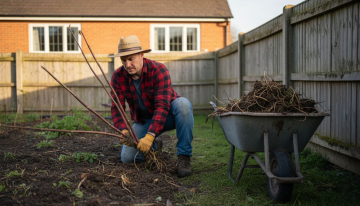
Specialist showing non-chemical weed removal

The table below contrasts traditional chemical weed control with modern integrated and chemical-free approaches:

Approach Environmental Impact Long-Term Effectiveness Required Expertise
Chemical Control High ecological risk Often requires repeat use Basic application skills
Integrated Management Low, preserves biodiversity Supports ecosystem health Advanced planning needed
Chemical-Free Methods Minimal, eco-friendly Promotes sustainable control Specialist advice advised

Pro tip: Consult with professional ecological experts who specialise in chemical-free weed management to develop a tailored, sustainable vegetation control strategy for your specific landscape conditions.

Legal responsibilities surrounding invasive plant management have become increasingly complex and critical for environmental preservation in the United Kingdom. Property owners, land managers, and environmental agencies must navigate a sophisticated framework of regulations designed to prevent the spread of harmful non-native species.

Great Britain’s Invasive Non-Native Species Strategy establishes comprehensive guidelines for managing and controlling potentially destructive vegetation. The key legal duties encompass several crucial areas:

  • Preventing introduction of invasive species
  • Detecting and reporting potential invasive plant populations
  • Implementing immediate control measures
  • Developing long-term management strategies
  • Collaborating with local and national environmental authorities

Statutory Obligations under legislation like the Wildlife and Countryside Act mandate strict protocols for managing invasive plants. Agencies are empowered to take decisive action, including issuing Species Control Agreements that require specific interventions to mitigate ecological risks. These legal mechanisms ensure a proactive approach to preventing environmental damage caused by aggressive plant species.

Infographic on weed control agency eco tasks

Local authorities and environmental protection agencies play a critical role in enforcing these regulations. They are responsible for monitoring, investigating, and taking enforcement actions against individuals or organisations failing to comply with invasive species control requirements. The legal framework provides clear guidelines for remediation, potential penalties, and the broader ecological management process.

Pro tip: Maintain detailed documentation of any invasive plant management actions and consult with legal experts specialising in environmental regulations to ensure full compliance with current legislation.

Eco-Friendly Solutions and Their Effectiveness

Environmental consciousness has transformed weed control strategies, pushing professionals towards sustainable and innovative approaches that protect both landscapes and ecosystems. Modern ecological management demands solutions that effectively control invasive plants while minimising environmental disruption.

Integrated Weed Management techniques represent a comprehensive approach to vegetation control, combining multiple environmentally responsible methods. These strategies focus on minimising chemical interventions and maximising ecological balance:

  • Manual hand removal techniques
  • Thermal treatment methods
  • Biological control strategies
  • Physical barrier installations
  • Strategic ground cover management

Mechanical Intervention remains one of the most direct and environmentally sound approaches to weed control. Techniques such as precise cutting, systematic removal, and targeted ground disturbance can significantly reduce invasive plant populations without introducing harmful chemical substances. Professional agencies utilise specialised equipment designed to extract plant systems comprehensively, ensuring minimal ecosystem disruption.

Thermal and biological control methods are emerging as powerful alternatives in eco-friendly weed management. Targeted heat application can destroy plant cellular structures, while introducing natural predators provides a long-term, self-regulating approach to population control. These methods require extensive ecological knowledge and careful implementation to ensure effectiveness and maintain local biodiversity.

Pro tip: Consult ecological experts who can develop a tailored, multi-strategy approach specific to your landscape’s unique environmental conditions and invasive plant challenges.

Risks, Costs, and Homeowner Responsibilities

Managing invasive plant species involves complex financial and legal considerations that extend far beyond simple garden maintenance. Homeowners must understand the potential risks and financial implications associated with weed control to protect their property and comply with environmental regulations.

Integrated Weed Management guidelines highlight the critical responsibilities homeowners face in preventing invasive plant spread. The key financial and legal risks include:

  • Potential property value depreciation
  • Legal liability for neighbouring property damage
  • Significant remediation and treatment costs
  • Potential enforcement actions by local authorities
  • Long-term ecological and environmental impacts

Regulatory Compliance represents a crucial aspect of homeowner responsibilities. Failure to manage invasive plant species can result in substantial financial penalties and legal challenges. Professional agencies recommend comprehensive monitoring, immediate intervention, and documented management strategies to mitigate potential risks and demonstrate proactive ecological stewardship.

The financial implications of invasive plant management can be substantial. Professional treatment, potential property repairs, and ongoing monitoring can create significant expenses. Homeowners must balance immediate intervention costs with the potential long-term financial risks of uncontrolled invasive plant growth, which can compromise structural integrity and reduce property value.

Here is a summary of key homeowner responsibilities and their associated risks:

Responsibility Associated Risk Potential Cost Level
Regular weed monitoring Missed early infestations Low (prevention)
Immediate intervention Unchecked weed spread Medium (remediation)
Compliance with legal duties Regulatory fines, legal action High (penalties/litigation)
Documenting management actions Inability to prove compliance Variable (legal defense)

Pro tip: Invest in professional surveys and develop a comprehensive management plan to address invasive plant risks before they escalate into more costly environmental and legal challenges.

Take Control of Invasive Weeds with Expert Chemical-Free Solutions

The challenges outlined in the article show how crucial effective and eco-friendly management of invasive plants is for protecting your property and the environment. You may be concerned about the risks, costs, and legal duties involved in weed control, especially with aggressive species like Japanese Knotweed. Japanese Knotweed Agency specialises in chemical-free treatment methods that align perfectly with the integrated weed management and non-chemical strategies discussed. Our pioneering direct energy treatment disables invasive rhizome networks safely and sustainably, avoiding the harmful effects of traditional chemicals.

https://japaneseknotweedagency.co.uk

Do not let invasive species threaten your property value or expose you to legal risks. Act now and benefit from a thorough survey, expert advice, and specialist eradication services available across England, Wales, and Ireland. Visit Japanese Knotweed Agency to learn more about our cutting-edge treatments and related services such as root barrier installs and excavation works. Take the first step towards long-term, eco-friendly weed control by exploring our property surveys and comprehensive management plans tailored to your needs.

Frequently Asked Questions

What are the primary responsibilities of weed control agencies?

Weed control agencies are responsible for mapping invasive plant populations, developing removal strategies, conducting environmental impact assessments, and providing guidance to local authorities and landowners.

How do integrated weed management approaches differ from traditional chemical methods?

Integrated weed management focuses on ecological balance and uses a combination of manual, thermal, and biological techniques rather than solely relying on chemical herbicides, emphasising long-term sustainability.

What are some eco-friendly methods for weed eradication?

Eco-friendly methods include manual hand removal, thermal treatment, biological control strategies, and installing physical barriers to prevent weed growth.

Homeowners must prevent the introduction of invasive species, report any infestations, implement control measures, and ensure compliance with local environmental regulations to avoid legal penalties.

7 Steps for a Property Survey Checklist on Invasive Weeds

Finding unexpected weeds in your garden can quickly turn into a bigger worry when you realise they might threaten your property’s value and even your legal standing. Many invasive plants spread with ease, and just one small root fragment left behind can lead to difficult and costly problems. Recognising these risks early can save you time, money, and stress.

You will discover practical ways to spot warning signs and protect your property from further harm. Each step is backed by real guidance so you can act confidently and avoid being caught out by aggressive species like Japanese Knotweed.

Get ready to learn clear strategies that put you in control. These practical checks and expert tips could make all the difference for your home and your peace of mind.

Table of Contents

Quick Summary

Takeaway Explanation
1. Invasive weeds harm property value. They can cause structural damage and legal troubles, potentially costing homeowners thousands in remediation.
2. Conduct regular property inspections. Regular checks help identify invasive weeds early, preventing severe damage and financial loss.
3. Understand legal responsibilities. Property owners must manage invasive plants to avoid legal penalties and protect their assets.
4. Collaborate with neighbours on assessment. Assessing neighbouring properties helps prevent the spread of invasive plants and supports responsible management.
5. Use non-chemical control methods. Explore sustainable alternatives to chemical treatments for managing invasive species while preserving local ecosystems.

1. Understand Why Invasive Weeds Are a Property Risk

Invasive weeds represent a significant hidden threat to property value and structural integrity that many homeowners overlook. These non-native plant species can cause extensive damage and create legal complications that potentially cost thousands in remediation and property devaluation.

The risks of invasive weeds extend far beyond aesthetic concerns. Invasive species cause serious economic damage to properties across the United Kingdom, with annual economic impacts estimated at approximately £1.7 billion.

Key risks of invasive weeds include:

  • Structural damage to foundations and building infrastructure
  • Potential legal liability for spread to neighbouring properties
  • Significant reduction in property market value
  • Costly professional removal and treatment requirements
  • Environmental disruption to local ecosystems

Property owners must understand that under current UK regulations, they are legally responsible for preventing the spread of invasive species from their land. Failure to manage these plants could result in prosecution and substantial financial penalties.

Some of the most problematic invasive weeds in the UK include Japanese Knotweed, Giant Hogweed, and Himalayan Balsam. These plants can grow rapidly, penetrate concrete structures, and cause significant structural damage if left unchecked.

Invasive weeds are not just a gardening problem – they are a serious property management issue that can dramatically impact your most significant financial asset.

Expert recommendation: Conduct regular property surveys to detect and address invasive weed infestations before they become unmanageable and financially devastating.

2. Check Common Signs of Japanese Knotweed Growth

Identifying Japanese knotweed early can save homeowners significant financial and structural headaches. Recognising the distinctive characteristics of this invasive plant is crucial for preventing potential property damage.

Japanese knotweed has several unique visual indicators that distinguish it from other garden plants. Clear identification signs help prevent spread and minimise potential property risks.

Key identification characteristics include:

  • Red or purple shoots emerging in early spring
  • Bamboo-like hollow stems with distinctive purple speckles
  • Shovel-shaped green leaves with alternating growth patterns
  • Creamy-white flower clusters appearing in late summer
  • Dense stands growing up to 3 metres tall

The plant’s remarkable regenerative capacity means that even tiny root fragments can trigger new growth. A fragment as small as 0.7 grams can potentially regrow into a full plant, making precise identification critically important.

Japanese knotweed is not just a plant – it’s a potential threat to your property’s structural integrity and market value.

Property owners should conduct regular visual inspections, especially during spring and summer when the plant’s distinctive characteristics are most visible. Taking photographs and seeking professional confirmation can help prevent misidentification.

Expert recommendation: If you suspect Japanese knotweed, photograph the plant and consult a professional invasive species specialist immediately to prevent potential spread and property damage.

3. Inspect Garden Boundaries and Hidden Spots

Invasive weeds are masters of concealment, often establishing themselves in the least expected areas of your property. Understanding where to look is crucial for early detection and preventing potentially devastating ecological and structural damage.

Gardeners must carefully investigate vulnerable areas where invasive species commonly establish their foothold.

Key areas to thoroughly examine include:

  • Garden fence lines and boundaries
  • Gaps between fencing panels
  • Underneath decking and patios
  • Around water features or drainage areas
  • Shaded corners of the garden
  • Areas with recently disturbed soil
  • Waste ground or neglected garden sections

Specific inspection techniques involve more than a casual glance. You need to get close to ground level and look carefully in areas that receive less regular maintenance. Pay special attention to spots with moisture and limited sunlight, as these create ideal conditions for invasive plant species.

Invasive weeds are opportunistic colonisers that can spread rapidly if left unchecked.

Professional surveyors recommend conducting these detailed inspections at least twice per year – ideally during early spring and late summer when plant growth is most active. Documenting your findings through photographs can help track potential changes and provide evidence if professional intervention becomes necessary.

Expert recommendation: Use a systematic approach when investigating garden boundaries, moving methodically and documenting any suspicious plant growth with clear, dated photographs.

4. Assess Neighbouring Properties for Weed Spread

Invasive weeds do not respect property boundaries and can easily migrate from one garden to another through underground root systems or wind-dispersed seeds. Understanding how these plants spread is crucial for comprehensive property management and legal compliance.

Biosecurity plans require thorough neighbouring property assessments to prevent potential ecological contamination.

Key aspects of neighbouring property assessment include:

  • Observe adjacent garden landscapes
  • Look for signs of invasive plant growth
  • Check fence lines and shared boundary areas
  • Communicate with neighbours about potential risks
  • Document any visible invasive plant presence
  • Request historical landscaping information
  • Consider professional survey assistance

UK legal implications are significant. Property owners can be held legally responsible for allowing invasive species to spread beyond their boundaries, whether deliberately or accidentally. This means proactive monitoring is not just recommended but potentially mandatory.

Invasive weeds do not recognise property lines and can migrate silently and rapidly between neighbouring spaces.

Professional surveyors suggest creating a collaborative approach with neighbours. Sharing information about potential invasive plant risks can help prevent widespread ecological damage and potential legal disputes.

Expert recommendation: Approach neighbouring property assessments diplomatically, offering to share information and resources to collectively manage potential invasive species risks.

5. Look for Past Treatment Evidence or Root Barriers

Discovering previous invasive weed management strategies is crucial for understanding the long-term ecological history of a property. Past treatment evidence provides critical insights into potential ongoing risks and the effectiveness of previous intervention attempts.

Treatment documentation helps assess invasive plant management and potential future risks.

Key aspects to investigate include:

  • Chemical treatment records
  • Professional survey certificates
  • Root barrier installation documentation
  • Historical landscaping maintenance reports
  • Evidence of cutting or excavation works
  • Professional treatment provider details
  • Photographic documentation of previous interventions

Root barrier technologies represent a sophisticated approach to preventing invasive plant spread. These physical membranes are strategically installed to block underground rhizome networks from expanding beyond designated boundaries.

Not all treatment methods are equally effective; professional documentation provides the most reliable evidence of successful intervention.

Property buyers and owners should request comprehensive documentation from previous landowners. These records can reveal the extent of past invasive plant challenges and demonstrate proactive management strategies.

Some treatment methods require specific follow-up protocols. Chemical treatments might need multiple applications, while physical root barriers demand precise installation techniques to ensure complete containment.

Expert recommendation: Always request and carefully review historical treatment documentation before purchasing a property with known invasive plant histories.

6. Evaluate Options for Chemical-Free Weed Control

Chemical-free weed control represents an environmentally responsible approach to managing invasive plant species without risking ecosystem health or human exposure to harmful substances. Innovative non-chemical techniques offer sustainable alternatives that protect both property and surrounding biodiversity.

Non-chemical control methods require strategic approaches to effectively manage invasive species.

Key non-chemical weed control strategies include:

  • Manual pulling and root extraction
  • Mechanical cutting and mowing
  • Thermal treatment techniques
  • Encouraging native plant competition
  • Targeted landscape design
  • Physical root barrier installation
  • Biological control methods

Mechanical intervention techniques focus on physically removing invasive plants without chemical treatments. These methods require precision and repeated applications to prevent regrowth and ensure complete eradication.

Chemical-free weed control is not just an environmental choice but a long-term sustainable management strategy.

Different invasive species demand specific non-chemical approaches. Understanding the particular characteristics of the target plant helps select the most effective intervention method. Some techniques work better for surface-level weeds while others target deep-rooted invasive species.

Expert recommendation: Combine multiple non-chemical strategies and be patient with the process, as mechanical and ecological interventions often require consistent and persistent effort.

7. Prepare Next Steps if Invasive Weeds Are Found

Discovering invasive weeds on your property can feel overwhelming, but swift and strategic action is crucial to prevent potential ecological and legal complications. Landowners have specific responsibilities when managing these persistent plant species.

Prompt intervention prevents potential legal issues and minimises environmental damage.

Critical next steps include:

  • Document the invasive plant species
  • Take clear photographs for identification
  • Measure the extent of the infestation
  • Contact professional invasive species specialists
  • Discuss treatment and eradication options
  • Understand legal obligations and potential consequences
  • Develop a comprehensive management plan

Legal implications are significant for property owners. Failure to control invasive species can result in prosecution under the Anti-Social Behaviour Act and potential financial penalties.

Invasive weeds do not simply disappear; they require systematic and professional intervention.

Professional surveyors recommend a comprehensive approach that combines immediate containment with long-term management strategies. This might involve specialised treatment techniques, root barrier installation, or complete excavation depending on the specific invasive plant species.

Expert recommendation: Never attempt to manage invasive plants without professional guidance, as improper handling can inadvertently spread the infestation and increase potential legal risks.

Below is a comprehensive table summarising the key strategies, risks, and approaches for managing invasive weeds discussed in the article.

Aspect Details Recommendations
Invasive Weeds as Property Risks Non-native plants causing structural damage, legal liability, and property devaluation. Conduct regular inspections and adhere to legal regulations to prevent spread.
Identifying Japanese Knotweed Recognisable by red shoots, bamboo-like stems, green leaves, creamy flowers, and regeneration risks. Detect early and confirm identification through professional assessment.
Inspection Areas Common hiding spots include garden boundaries, decking spaces, water features, and shaded corners. Perform detailed, methodical inspections twice yearly.
Neighbourhood Assessments Invasive plants may migrate; collaboration with neighbours is crucial. Address spread diplomatically through shared monitoring efforts.
Historical Evidence Root barrier documentation and past treatments inform management strategies. Request and evaluate historical treatment records when purchasing property.
Chemical-Free Control Environmentally responsible control methods such as manual removal and native plant competition. Implement non-chemical strategies with consistent application.
Response to Infestation Accurate documentation, professional consultation, and development of a management plan. Avoid attempting eradication without specialist guidance.

Take Control of Invasive Weeds with Expert Help

Invasive weeds like Japanese Knotweed pose a serious threat to your property’s value and structural integrity as detailed in the survey checklist. The challenges of early identification, boundary inspections and legal responsibility are complex but can be managed effectively with professional support. Our chemical-free treatment uses targeted energy pulses to eradicate invasive plants without harming your environment while root barrier installations prevent regrowth and spread.

https://japaneseknotweedagency.co.uk

Don’t wait until invasive weeds cause costly damage or legal issues. Trust the pioneers at Japanese Knotweed Agency to carry out thorough property surveys and deliver safe, proven eradication across England, Wales and Ireland. Act now to protect your investment by learning more about our chemical-free treatment solutions and root barrier installations. Your property deserves expert protection from invasive weed risks.

Frequently Asked Questions

What should I inspect during a property survey for invasive weeds?

To effectively survey your property for invasive weeds, thoroughly examine areas such as garden boundaries, gaps in fencing, and spots with moist soil. Conduct inspections at least twice per year, documenting any suspicious growth for further action.

How can I identify Japanese Knotweed when conducting a property survey?

Look for unique characteristics of Japanese Knotweed, such as red or purple shoots, bamboo-like stems, and shovel-shaped leaves. Take photographs of any suspected plants to compare and confirm their identity with professional advice.

What steps should I take if I find invasive weeds on my property?

If you discover invasive weeds, document the species with clear photographs and measure the infestation’s extent. Immediately contact a professional invasive species specialist to discuss eradication options and develop a management plan.

How often should I conduct inspections for invasive weeds?

You should conduct property inspections for invasive weeds at least twice a year, ideally in early spring and late summer. Regular checks enable you to address potential issues promptly before they escalate.

As a property owner, you are legally responsible for preventing the spread of invasive species from your land. Familiarise yourself with potential legal implications, including possible financial penalties for non-compliance with management regulations.

What are effective non-chemical methods for controlling invasive weeds?

Non-chemical control methods include manual pulling, mechanical cutting, and thermal treatments. Combining these approaches may yield better results, so consider implementing multiple strategies and be patient with the long-term management process.