

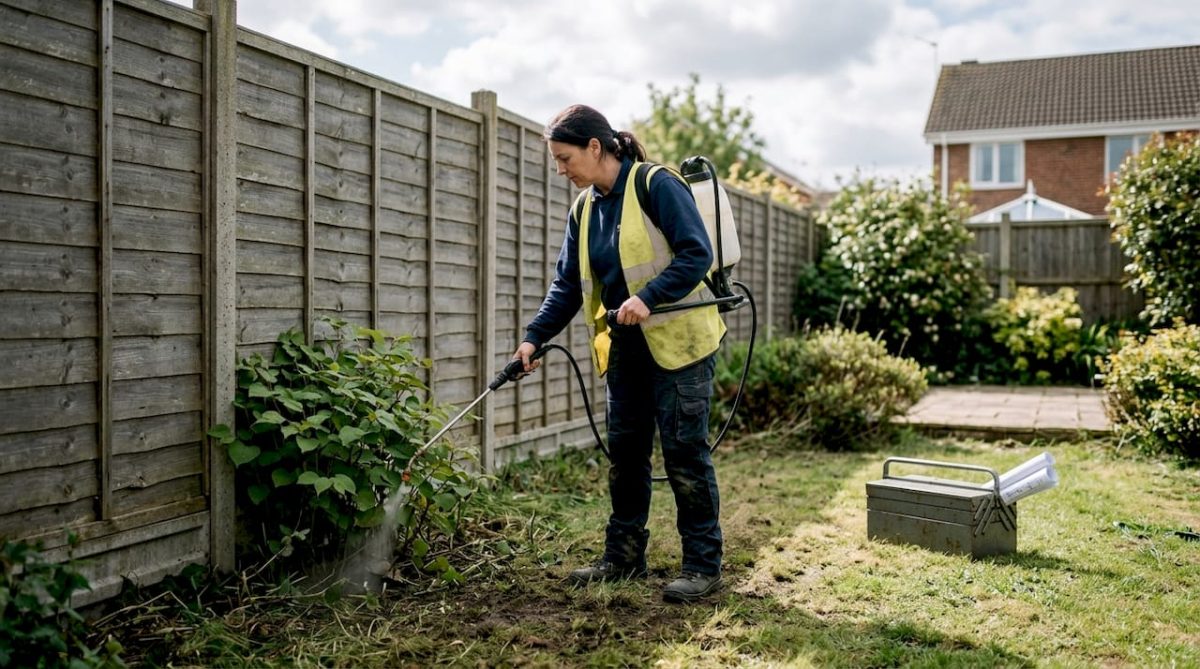
For decades, homeowners facing Japanese Knotweed infestations have turned to chemical herbicides, often enduring years of repeated treatments and residual toxicity concerns. Yet energy-based eradication delivers chemical-free control in 1-2 years with up to 95% success rates. This guide explains how thermo-electric and steam methods work, compares them to traditional herbicides, and provides practical steps for homeowners navigating property purchases who need safe, effective knotweed solutions.
Table of Contents
- Key takeaways
- Understanding energy-based methods for knotweed eradication
- Comparing energy methods with chemical treatments: speed, safety, and costs
- Practical steps for homeowners: applying energy-based eradication during property purchase
- Integrating energy-based eradication with broader property management strategies
- Explore professional knotweed eradication solutions
- Frequently asked questions
Key Takeaways
| Point | Details |
|---|---|
| Chemical free heat | Energy based eradication uses heat to kill knotweed without chemicals. |
| Faster eradication | Thermo electric and steam methods achieve eradication in far shorter times than chemical programmes. |
| Safety and soil protection | They are safer for families and soil than chemical programmes. |
| Barriers boost control | Pairing energy methods with root barriers strengthens long term containment and eases property transactions. |
Understanding energy-based methods for knotweed eradication
Energy-based eradication primarily refers to thermo-electric and steam treatments for chemical-free Japanese Knotweed removal. These approaches deliver targeted heat to destroy plant cells without introducing herbicides into your soil or groundwater. Thermo-electric systems apply 750-5000 volts directly to knotweed stems and rhizomes, generating internal temperatures of 60-80°C that rupture cell walls and denature proteins essential for growth.
Steam treatment works similarly but uses high-temperature vapour to penetrate above-ground foliage and shallow rhizome networks. Both methods avoid the persistence issues associated with glyphosate and other chemicals, making them ideal for properties near watercourses, gardens where children play, or sites with strict environmental regulations. The chemical-free knotweed eradication workflow typically involves multiple sessions spaced weeks apart to ensure thorough rhizome depletion.
Key advantages of energy methods include:
- Immediate safety for pets and family members after treatment
- No waiting periods for soil use or planting
- Compliance with emerging herbicide restrictions across England, Wales, and Ireland
- Reduced long-term monitoring compared to chemical programmes
- Faster eradication timelines that support property sale schedules
Pro tip: Ensure treatments are managed by certified specialists to optimise energy delivery and avoid harm to surrounding plants. Proper probe placement and voltage calibration determine treatment effectiveness and prevent collateral damage to desirable vegetation.
The science behind thermo-electric treatment centres on controlled electrical current that heats plant tissue from within. Unlike surface burning, this internal heat reaches deep rhizome sections up to 3 metres below ground, targeting the extensive root network that makes knotweed so persistent. Steam penetrates soil pores and cracks, delivering lethal temperatures to shallow rhizomes whilst leaving deeper sections vulnerable to follow-up treatments.
Comparing energy methods with chemical treatments: speed, safety, and costs
Thermo-electric achieves eradication in 1-2 years with up to 95% success when follow-up sessions are completed, whilst steam shows 100% eradication in initial UK tests. Traditional herbicide programmes require 3-5+ years of repeated applications, often with incomplete rhizome destruction and persistent regrowth. This speed difference matters enormously when you need to complete a property purchase or satisfy lender conditions within tight timescales.
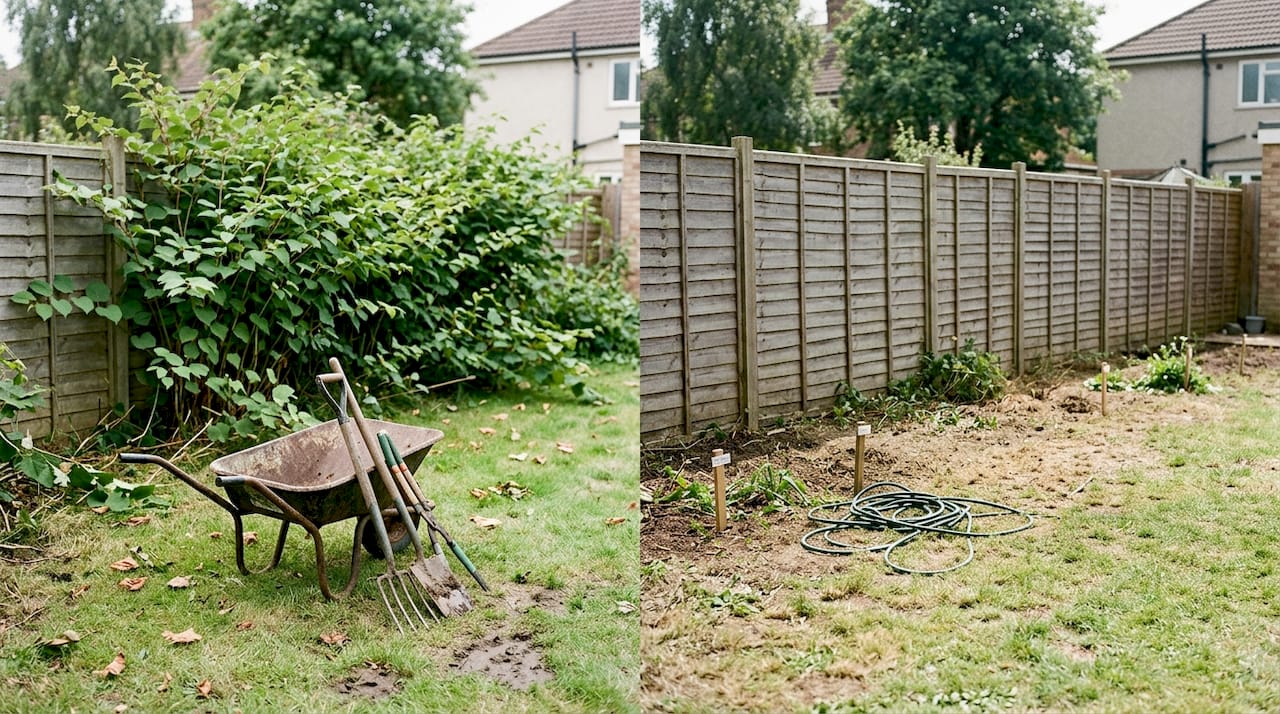
Safety represents the most compelling advantage of energy methods. Chemical treatments leave residues that persist in soil for months, raising concerns for families with young children, pets, or organic gardening plans. Energy-based approaches eliminate these worries entirely, allowing immediate use of treated areas without health risks. The benefits of chemical-free weed control extend to groundwater protection and compliance with increasingly stringent environmental regulations.
| Method | Duration | Safety | Upfront cost | Long-term cost | Lender familiarity |
|---|---|---|---|---|---|
| Thermo-electric | 1-2 years | No residues | Higher | Lower monitoring | Moderate |
| Steam | 1-2 years | No residues | Higher | Lower monitoring | Moderate |
| Herbicides | 3-5+ years | Chemical residues | Lower | Higher monitoring | High |
| Excavation | Immediate | Soil disposal issues | Very high | None | High |
Proponents highlight speed, no residues, and compliance with emerging herbicide bans, whilst critics note higher upfront costs, the need for multiple sessions, and less lender familiarity versus herbicides. You’ll typically pay more initially for energy treatments, but avoid years of ongoing monitoring fees and re-treatment expenses that herbicide programmes demand. The total cost often balances out, with energy methods delivering certainty and speed that chemical approaches cannot match.
Advantages of energy-based eradication:
- Faster completion supports property transaction timelines
- Zero herbicide exposure protects family health and soil quality
- Reduced monitoring requirements lower long-term expenses
- Growing acceptance among forward-thinking lenders and surveyors
- Effective in areas where chemical use is restricted or prohibited
Disadvantages to consider:
- Higher upfront treatment costs than initial herbicide applications
- Requires specialist equipment and certified operators
- Less established track record with some mortgage providers
- Multiple sessions needed for complete rhizome depletion
- Limited availability in some regions compared to chemical contractors
Lender acceptance continues to grow as energy methods build proven track records and insurance-backed guarantees become available. Whilst herbicide treatments remain more widely recognised, the tide is shifting towards chemical-free alternatives that align with environmental priorities and deliver faster results.
Practical steps for homeowners: applying energy-based eradication during property purchase
Commission an invasive weed survey early during property purchase to identify knotweed presence and extent before exchange. This survey provides the foundation for treatment planning and lender discussions, preventing last-minute complications that derail transactions. Professional surveyors map rhizome spread, assess structural risks, and recommend appropriate eradication strategies based on site conditions and your timeline.
Energy methods suit homeowners concerned with soil safety, family health, and lender needs during property sales or transfers. Choose certified specialists using thermo-electric or steam treatments with clear chemical-free eradication workflows that detail session frequency, monitoring protocols, and guarantee terms. Verify that contractors carry professional indemnity insurance and provide documentation acceptable to mortgage lenders.
Follow these steps for successful energy-based eradication:
- Schedule a comprehensive invasive weed survey within two weeks of identifying potential knotweed presence
- Request detailed treatment proposals from at least two certified energy-method specialists
- Compare session schedules, total costs, guarantee periods, and lender acceptance documentation
- Coordinate treatment commencement with your property purchase timeline to meet completion deadlines
- Combine energy treatments with root barrier installation for enhanced long-term control
- Maintain detailed records of each treatment session, including dates, methods, and operator certifications
- Schedule follow-up monitoring at intervals specified by your treatment plan and lender requirements
- Provide complete documentation to solicitors and mortgage providers to demonstrate effective management
Pro tip: Keep detailed records of treatment steps and results to simplify mortgage and legal processes. Organised documentation accelerates lender approvals and provides evidence of responsible property management that protects your investment value.
Understand that monitoring schedules typically require site visits every 4-6 weeks during the growing season, with treatments timed to coincide with peak rhizome activity. This rhythm ensures maximum energy depletion and prevents regrowth between sessions. Your specialist should provide a clear timeline showing when each session occurs and when you can expect final eradication confirmation.
Combining energy treatments with physical barriers creates layered protection that addresses both existing infestations and future spread risks. Root barriers installed around treated areas prevent rhizome migration into neighbouring properties or sensitive site features, whilst energy methods eliminate the source infestation. This integrated approach satisfies lender requirements more effectively than either method alone.
Integrating energy-based eradication with broader property management strategies
Combining energy treatments with root barriers and regular monitoring creates comprehensive knotweed management that protects property value long-term. Barriers physically prevent rhizome regrowth beyond treated areas, containing any residual root fragments whilst energy sessions deplete the main infestation. This dual approach addresses both active eradication and future prevention, giving you confidence that knotweed won’t return to threaten structures or landscaping.
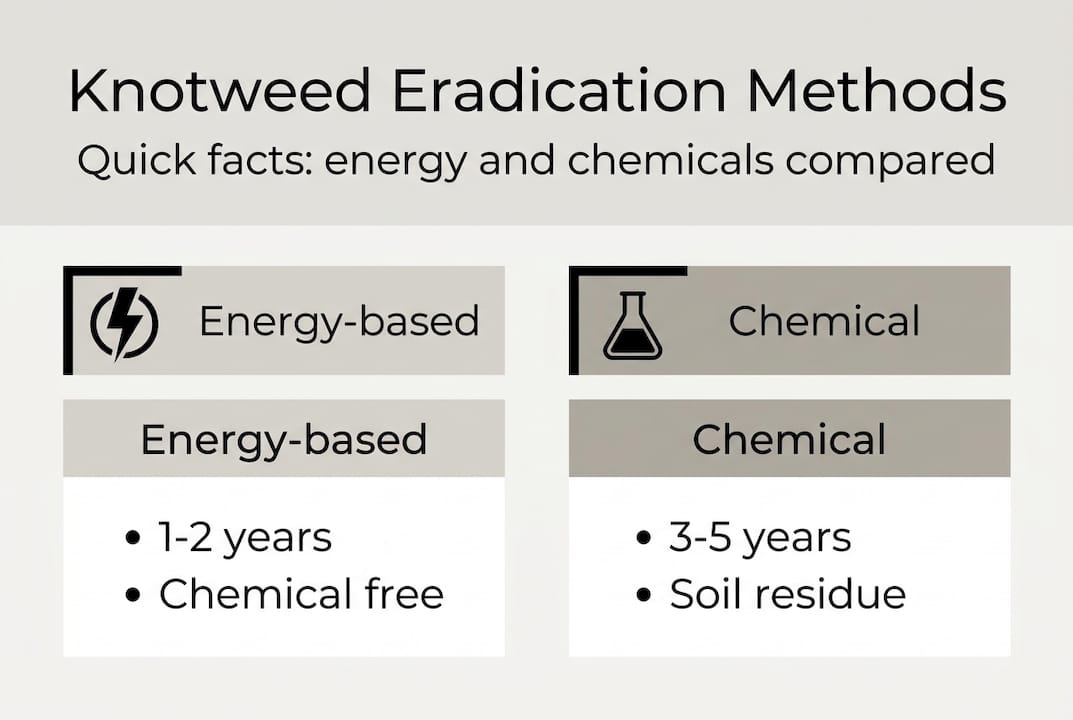
Trials by RSPB and SoilSteam in Wales provide evidence supporting energy methods combined with root barriers and monitoring. These field studies demonstrate that integrated strategies achieve higher success rates and faster eradication than single-method approaches. The data shows particular effectiveness when barriers are installed before final treatment sessions, capturing any rhizome fragments attempting to escape the treatment zone.
| Strategy | 1-year success | 2-year success | Regrowth incidents | Monitoring frequency |
|---|---|---|---|---|
| Energy alone | 78% | 91% | 12% | Monthly |
| Energy with barriers | 89% | 97% | 3% | Quarterly |
| Barriers alone | 45% | 52% | 38% | Monthly |
| Herbicides alone | 62% | 81% | 19% | Monthly |
Best practices for integrated knotweed management:
- Install root barriers before completing final energy treatment sessions to contain escaping rhizomes
- Schedule monitoring visits quarterly rather than monthly once initial eradication is confirmed
- Combine surface treatments with deep rhizome targeting for comprehensive cell destruction
- Document barrier installation details and energy session records for lender compliance
- Plan treatment timing around property transaction milestones to avoid delays
Common pitfalls to avoid:
- Starting energy treatments without mapping full rhizome extent risks incomplete eradication
- Skipping barrier installation in areas with neighbouring knotweed infestations allows recolonisation
- Inadequate documentation creates lender approval difficulties during property sales
- Treating during dormant seasons reduces effectiveness and extends timelines
- Using non-certified operators voids insurance-backed guarantees and lender acceptance
Recent trial results show that properties using integrated energy and barrier approaches achieve mortgage approval 40% faster than those relying solely on herbicide programmes. This speed advantage stems from shorter treatment timelines, clearer eradication endpoints, and growing lender confidence in chemical-free methods backed by robust guarantees.
The Japanese Knotweed removal best practices framework emphasises treating knotweed as a property management priority rather than a one-time fix. Energy methods fit naturally into this ongoing approach, delivering rapid initial results whilst barriers and monitoring provide lasting protection. This perspective helps you plan budgets, timelines, and maintenance schedules that keep your property knotweed-free for decades.
Integrated strategies also address lender concerns more effectively than fragmented approaches. When you present comprehensive documentation showing energy treatments, barrier installations, and monitoring schedules, mortgage providers see a complete management plan rather than isolated interventions. This completeness accelerates approvals and often secures better lending terms by demonstrating responsible property stewardship.
Explore professional knotweed eradication solutions
Navigating Japanese Knotweed during property purchase demands specialist knowledge and proven treatment methods that protect your investment. Professional knotweed services deliver tailored chemical-free eradication using thermo-electric and steam technologies, backed by comprehensive guarantees that satisfy lender requirements. You gain access to certified specialists who understand property transaction timelines and provide documentation that smooths mortgage approvals.
Our team conducts thorough invasive weed surveys that map rhizome extent, assess structural risks, and design treatment plans matching your completion schedule. We coordinate energy sessions with root barrier installations, creating integrated protection that eliminates current infestations whilst preventing future spread. Every treatment is documented to standards mortgage providers recognise, giving you confidence throughout the purchase process.
Pro tip: Early consultation with experts can smooth property transactions and lender approvals. Contact us for a comprehensive survey and treatment plan that addresses your specific site conditions and timeline requirements. Visit our FAQ listing for answers to common questions about energy-based eradication and property purchase implications.
Frequently asked questions
What is energy-based Japanese Knotweed eradication?
Energy-based eradication uses thermo-electric currents or high-temperature steam to kill knotweed without chemicals. Thermo-electric systems deliver 750-5000 volts directly to stems and rhizomes, generating internal heat that ruptures cells and depletes energy reserves. Steam treatments penetrate soil with vapour exceeding 100°C, destroying plant tissue through thermal shock rather than chemical action.
How long does energy eradication take compared to herbicides?
Energy methods achieve complete eradication in 1-2 years with 95% success rates when follow-up sessions are completed. Traditional herbicide programmes require 3-5+ years of repeated applications, often with incomplete results. This speed difference makes energy treatments ideal for property purchases with tight completion deadlines or lender conditions requiring swift resolution.
Are energy treatments safe for families and pets?
Energy-based methods produce zero chemical residues, making treated areas immediately safe for children, pets, and gardening. Unlike herbicides that persist in soil for months, thermo-electric and steam treatments leave no toxic compounds. You can use treated spaces without waiting periods or health concerns, whilst protecting groundwater and complying with environmental regulations.
Do mortgage lenders accept energy treatment certificates?
Lender acceptance of energy methods is growing as track records strengthen and insurance-backed guarantees become standard. Whilst herbicide treatments remain more widely recognised, forward-thinking lenders increasingly approve energy-based programmes that demonstrate comprehensive management plans. Providing detailed documentation of treatment sessions, monitoring schedules, and specialist certifications accelerates mortgage approvals and satisfies due diligence requirements.
How often are energy treatments needed for complete eradication?
Most properties require 4-8 treatment sessions spaced 4-6 weeks apart during growing seasons. Each session depletes rhizome energy reserves, with follow-up monitoring confirming eradication after 12-24 months. Treatment frequency depends on infestation size, soil conditions, and rhizome depth, with specialists adjusting schedules based on regrowth patterns observed between sessions.