Selling or remortgaging a home in England or Wales comes with unexpected challenges when Japanese Knotweed is present. For many homeowners, the worry is not just ecological but financial, as invasive species like this can disrupt property value and complicate transactions. Understanding how invasive non-native species impact ecosystems and affect legal obligations will help you find safer, chemical-free solutions that protect both your investment and local wildlife.
Table of Contents
- Defining Invasive Species In The UK Context
- Types And Pathways Of Invasion Locally
- Impacts On Native Wildlife And Ecosystems
- Legal Obligations And Property Risks For Homeowners
- Chemical-Free Solutions And Responsible Eradication
Key Takeaways
| Point | Details |
|---|---|
| Invasive Species Threat | Invasive species are a top five global driver of biodiversity loss, causing significant ecological and economic harm in the UK. |
| Pathways of Introduction | Non-native species enter the UK through various channels, such as recreational boating and horticultural trade, necessitating targeted prevention strategies. |
| Ecosystem Impacts | Invasive species can disrupt native wildlife and ecosystems, leading to habitat alteration, food web changes, and potential loss of biodiversity. |
| Legal Responsibilities | Homeowners must disclose invasive species presence and are legally required to prevent their spread, with financial and legal risks associated with non-compliance. |
Defining Invasive Species in the UK Context
Invasive species represent a significant ecological challenge within the United Kingdom, threatening native biodiversity and ecosystem stability. These non-native organisms, deliberately or accidentally introduced outside their natural geographic range, can cause substantial environmental damage through various mechanisms. Invasive non-native species impact are now recognized as one of the top five global drivers of biodiversity loss.
The scientific definition encompasses several critical characteristics that distinguish these problematic species. Invasive species typically demonstrate the following key traits:
- Ability to establish and reproduce rapidly in new environments
- Capacity to spread across diverse habitats
- Potential to cause significant ecological or economic harm
- Limited natural predators or control mechanisms in the introduced ecosystem
Scientific classifications from the Joint Nature Conservation Committee (JNCC) highlight that these species operate through complex mechanisms such as direct competition, predation, parasitism, and disease transmission. Ecological disruption becomes their primary impact, fundamentally altering native species interactions and ecosystem dynamics.
The UK has developed robust strategies to monitor and manage these ecological threats. The primary mechanisms involve comprehensive tracking, prevention, and targeted eradication programmes. Invasive species tracking mechanisms have been established to monitor their presence across terrestrial, freshwater, and marine environments since 1500, providing critical data for conservation efforts.
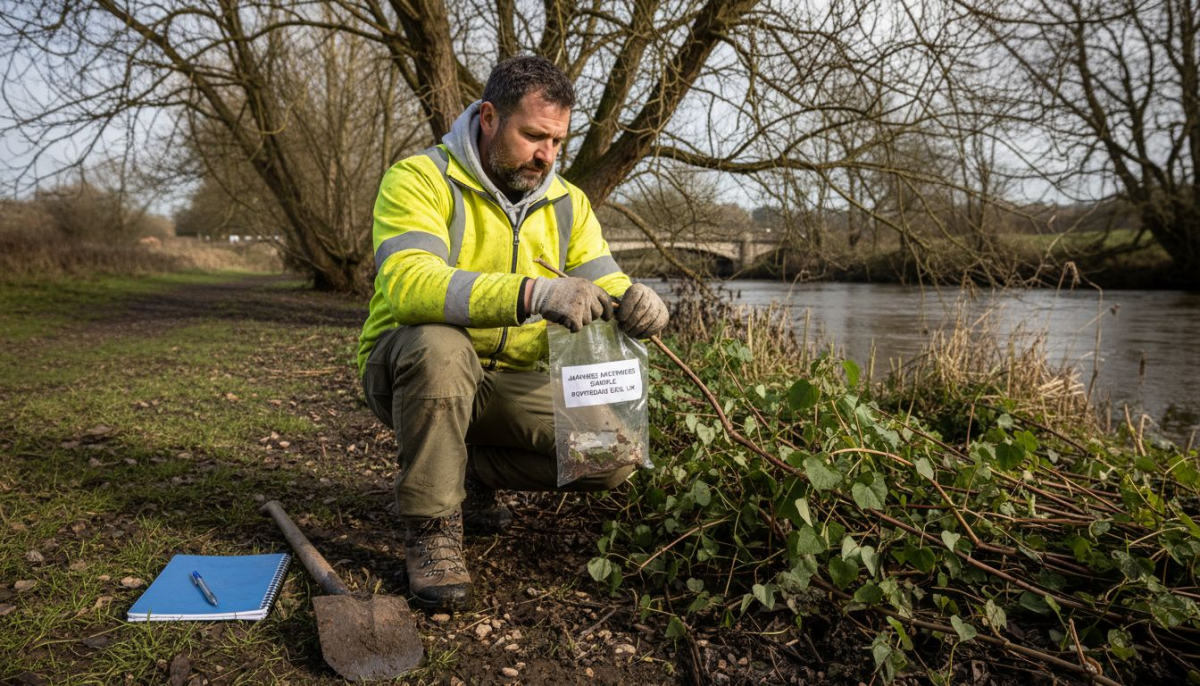
Pro tip: Property owners and land managers should conduct regular ecological surveys to identify potential invasive species early and prevent their spread.
Types and Pathways of Invasion Locally
Invasive species enter the United Kingdom through multiple complex pathways, each presenting unique challenges for ecological management and prevention. Priority invasion pathways have been identified by government authorities, highlighting the critical mechanisms through which non-native species proliferate across British landscapes.
The primary invasion pathways include:
- Recreational Boating: Transporting species between water ecosystems
- Angling Activities: Introducing foreign aquatic organisms
- Horticultural Trade: Inadvertently spreading plant species
- Zoos and Aquaria: Potential escape or release of non-native specimens
- Pet Trade: Deliberate or accidental release of exotic animals
These pathways represent complex networks of human-mediated species transportation, often occurring through unintentional means. Biological hitchhiking occurs when organisms attach themselves to transport vehicles, cargo, or recreational equipment, enabling rapid and unexpected dispersal across geographic boundaries.
Invasive species tracking reveals that these introductions happen through multiple mechanisms, including accidental transport via international trade, deliberate introduction for economic or recreational purposes, and natural migration patterns from neighbouring European populations. Understanding these diverse invasion routes is crucial for developing targeted prevention strategies.
Here is a summary of major invasion pathways and practical prevention tactics:
| Invasion Pathway | Typical Example | Key Prevention Tactic |
|---|---|---|
| Recreational Boating | Species on hulls or gear | Clean and dry equipment after use |
| Angling Activities | Transfer of aquatic life | Use local bait and disinfect nets |
| Horticultural Trade | Trade in ornamental plants | Source plants from reputable nurseries |
| Zoos and Aquaria | Escape of exotic animals | Secure enclosures and educate staff |
| Pet Trade | Release of exotic pets | Public awareness and proper containment |
Pro tip: Always clean recreational equipment like boats and fishing gear between uses to prevent unintentional species transfer across different ecosystems.
Impacts on Native Wildlife and Ecosystems
Threats to native wildlife represent a critical ecological challenge across the United Kingdom, with invasive species causing profound disruptions to delicate ecosystem balances. These non-native organisms fundamentally alter habitat structures, food webs, and competitive interactions, presenting significant risks to indigenous flora and fauna.
The primary ecological impacts include:
- Direct predation on native species
- Competition for critical habitat resources
- Disruption of established pollination networks
- Transmission of novel diseases
- Fundamental transformation of ecosystem dynamics
Invasive species create complex cascading effects that extend far beyond initial introduction. Ecosystem destabilisation occurs through multiple mechanisms, with some non-native organisms capable of dramatically reducing native species populations or completely eliminating local biodiversity.
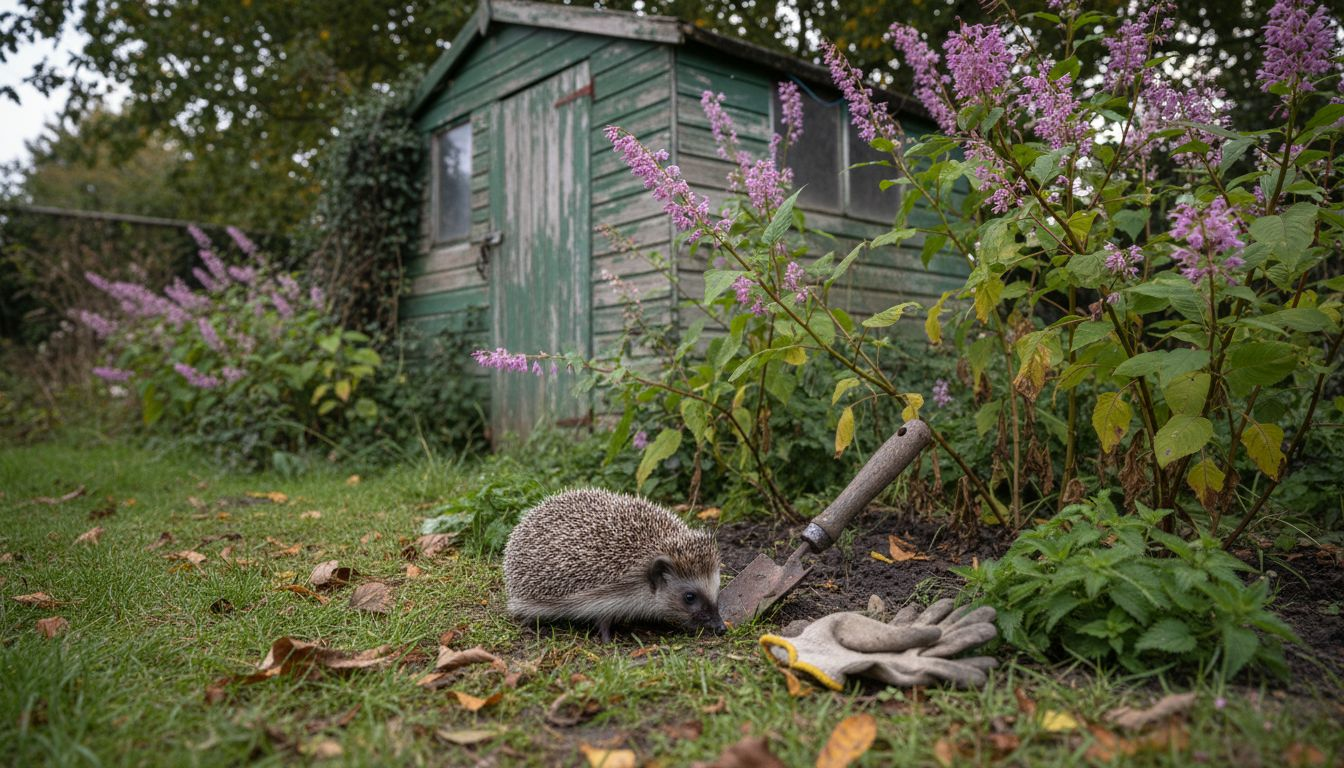
Invasive species ecosystem disruption reveals substantial economic consequences, with estimated annual costs approaching £2 billion in the United Kingdom. These financial implications stem from ecosystem management, agricultural productivity losses, and required conservation interventions.
Pro tip: Report unusual non-native species observations to local ecological monitoring centres to support comprehensive invasive species tracking and management efforts.
Legal Obligations and Property Risks for Homeowners
Property disclosure requirements create significant legal responsibilities for homeowners dealing with invasive species in the United Kingdom. These obligations extend beyond simple awareness, demanding proactive management and transparent reporting during property transactions.
Key legal considerations for property owners include:
- Mandatory disclosure of invasive species on TA6 Property Information Form
- Legal prohibition against spreading invasive non-native species
- Potential financial penalties for non-compliance
- Responsibility to prevent species spread to neighbouring properties
- Potential mortgage and property value implications
Invasive species management represents a critical legal duty for landowners. Failure to address infestations can result in substantial financial penalties, legal action, and significant reductions in property marketability.
Invasive species legal regulations under the Wildlife and Countryside Act 1981 explicitly outline homeowner responsibilities. Violations can lead to prosecution, with potential fines and legal consequences for deliberately or negligently allowing invasive species to spread across property boundaries.
To clarify legal obligations, compare core homeowner responsibilities and related risks:
| Legal Duty | Risk of Non-Compliance | Impact on Property Value |
|---|---|---|
| Report invasive species presence | Potential prosecution | Can reduce sale prospects |
| Prevent species spread | Fines for negligence | May harm neighbour relations |
| Disclose species in contracts | Invalid property transaction | Mortgage difficulties |
Pro tip: Conduct regular property surveys and maintain comprehensive documentation of any invasive species management efforts to protect your legal interests and property value.
Chemical-Free Solutions and Responsible Eradication
Innovative invasive species management requires a strategic approach that prioritises ecological preservation while effectively controlling harmful non-native organisms. Chemical-free solutions have emerged as a critical methodology for addressing invasive species without causing additional environmental damage.
Key strategies for responsible eradication include:
- Mechanical removal techniques
- Targeted biological control methods
- Root barrier installation
- Precision thermal treatment
- Natural habitat restoration approaches
Thermo-electric treatment represents a cutting-edge approach to invasive species management, delivering targeted energy directly to plant root systems. This method disrupts cellular structures without introducing chemical compounds, offering an environmentally sensitive alternative to traditional eradication techniques.
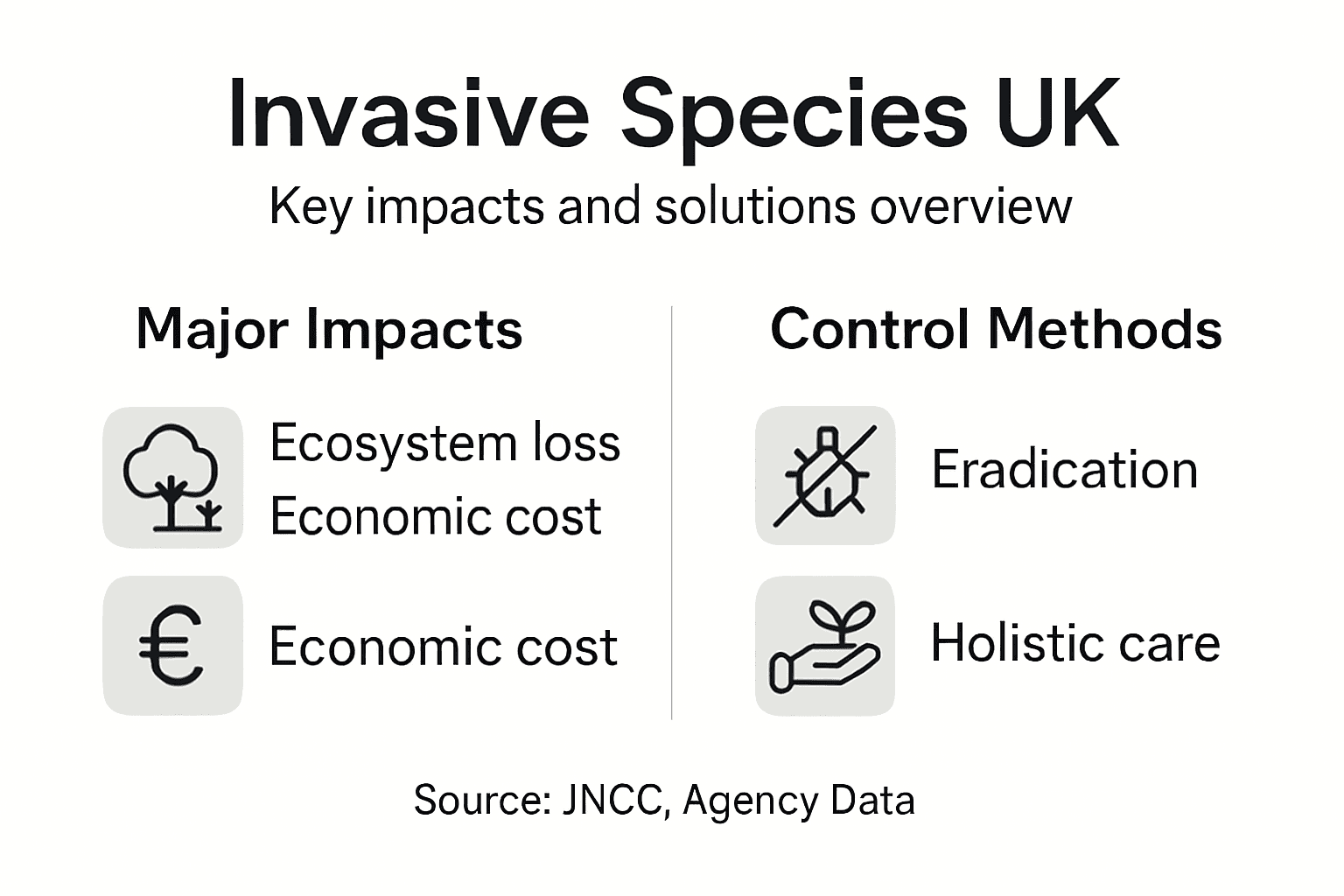
Homeowners and land managers must adopt holistic approaches that balance immediate intervention with long-term ecosystem preservation. Non-native species control strategies emphasise prevention, early detection, and integrated management techniques that minimise ecological disruption.
Pro tip: Consult professional ecological specialists before initiating any invasive species removal to ensure targeted, environmentally responsible intervention.
Take Control of Invasive Species Threats Affecting Your Property
The article highlights the serious challenges invasive species pose to UK biodiversity and the crucial need for proactive, chemical-free solutions. If you are a property owner or land manager concerned about the impact of species like Japanese Knotweed, it is vital to act early to protect your land and legal interests. Key pain points such as preventing species spread, complying with legal obligations, and avoiding costly property damage are all addressed through specialist management techniques.
At Japanese Knotweed Agency, we offer pioneering chemical-free treatments that use high voltage energy to safely and effectively eradicate invasive plants without harming the environment. Our services include thorough property surveys to identify infestations early and root barrier installations that prevent further spread—a perfect match for the early detection and prevention strategies emphasized in the article. Visit our site now to discover how our responsible eradication methods can protect your property and support UK biodiversity. Take the first step toward safeguarding your land and your investment today.
Frequently Asked Questions
What are invasive species and how do they impact biodiversity?
Invasive species are non-native organisms that, once introduced to a new environment, can cause significant ecological and economic harm. They threaten native biodiversity by disrupting ecosystems, competing for resources, and introducing diseases.
How do invasive species spread in new environments?
Invasive species can spread through various pathways, including recreational boating, angling activities, horticultural trade, zoos, aquaria, and the pet trade. These mechanisms facilitate unintended transportation, allowing species to proliferate in new habitats.
What are some common effects of invasive species on native wildlife?
Invasive species can directly prey on native species, compete for critical resources, disrupt pollination networks, and transmit diseases, ultimately leading to decreased populations and loss of biodiversity.
What legal obligations do homeowners have regarding invasive species?
Homeowners are required to disclose the presence of invasive species on property information forms, prevent their spread, and comply with regulations. Failure to do so can result in financial penalties and negatively impact property value.