Most British homeowners never expect a persistent plant to threaten their property’s value before a major sale or remortgage. Japanese Knotweed is responsible for nearly £2 billion in annual economic losses across the United Kingdom, making chemical-free eradication a growing priority for those navigating the property market in England and Wales. This guide breaks through the confusion around invasive species myths and reveals how smart management protects both your home and future financial decisions.
Table of Contents
- What Are Invasive Species And Myths
- Major UK Invasive Plants Affecting Homes
- How Invasive Species Damage Property And Health
- Legal Duties For Homeowners Managing Invasive Species
- Chemical-Free Eradication And Best Practice
- Financial Risks And Property Value Impacts
Key Takeaways
| Point | Details |
|---|---|
| Invasive Species Definition | Invasive species are non-native organisms introduced into new ecosystems, posing significant environmental and economic risks in the UK. Their rapid reproduction and aggressive spread disrupt local biodiversity and cost the economy nearly £2 billion annually. |
| Legal Responsibilities | Homeowners are required by the Wildlife and Countryside Act 1981 to actively manage and prevent the spread of invasive species on their properties to avoid legal consequences and potential fines. |
| Property and Health Risks | Invasive species can cause extensive structural damage to buildings and pose direct health risks, such as severe skin burns from Giant Hogweed, making vigilance essential for property owners. |
| Financial Implications | The presence of invasive species can reduce property values significantly, complicating sales and leading to higher insurance costs, which reinforces the need for professional surveys and management strategies. |
What Are Invasive Species And Myths
Invasive non-native species represent a significant ecological challenge in the United Kingdom, presenting complex environmental risks that extend far beyond simple plant or animal migration. Invasive species are non-native organisms deliberately or accidentally introduced into new ecosystems, capable of causing substantial economic and environmental damage.
These organisms typically share several critical characteristics that distinguish them from standard non-native species. They reproduce rapidly, spread aggressively across landscapes, and demonstrate remarkable adaptability in new environments. In the United Kingdom, approximately 10-15% of introduced species transform into invasive threats, costing the national economy nearly £2 billion annually. Their impact ranges from disrupting native biodiversity to damaging agricultural infrastructure and threatening local ecological balance.
Common myths about invasive species often misrepresent their true nature and potential consequences. Many people mistakenly believe that invasive species are merely foreign plants or animals that naturally migrate. However, UK legislation clearly defines these organisms as non-native species with significant potential to cause environmental harm. The Wildlife and Countryside Act 1981 provides strict guidelines about managing, transporting, and controlling such species, emphasising legal compliance and proactive prevention strategies.
Expert Tip: Always consult local ecological authorities before attempting to manage or remove suspected invasive species to ensure proper handling and legal compliance.
Major UK Invasive Plants Affecting Homes
The United Kingdom faces significant challenges from several highly destructive invasive plant species that pose serious risks to residential properties and local ecosystems. Invasive plant species in the UK represent a critical environmental concern, with certain plants demonstrating extraordinary ability to damage building structures, undermine foundations, and disrupt native wildlife habitats.
Four primary invasive plant species stand out as particularly problematic for homeowners across England and Wales. Japanese Knotweed leads this list, notorious for its extraordinary capacity to penetrate concrete, compromise building foundations, and spread rapidly through underground rhizome networks. Giant Hogweed presents additional dangers, with its toxic sap capable of causing severe skin burns and potential long-term health complications. Himalayan Balsam aggressively colonises riverbanks and woodland areas, outcompeting native plant species and destabilising local ecological balances. Floating Pennywort represents another significant threat, particularly in aquatic environments, where it can quickly choke water systems and destroy native aquatic vegetation.
These invasive plants share remarkable characteristics that make them particularly challenging to manage. Destructive plant species typically reproduce extraordinarily quickly, possess extensive root systems, and demonstrate remarkable resilience against traditional removal methods. Their ability to spread through minute root fragments means that even small sections of plant material can regenerate entire populations, making comprehensive removal strategies essential for effective management.
Here is a summary of the most destructive invasive plants affecting UK homes:
| Plant Name | Unique Threat | Typical Habitat | Most Notable Impact |
|---|---|---|---|
| Japanese Knotweed | Penetrates concrete | Gardens, building sites | Undermines property foundations |
| Giant Hogweed | Toxic sap, severe burns | Riverbanks, wasteland | Serious health hazards |
| Himalayan Balsam | Rapid riverbank spread | Waterways, woodlands | Displaces native flora |
| Floating Pennywort | Chokes water systems | Ponds, streams | Increases flood risk |
Expert Tip: Conduct annual property inspections focusing on potential invasive plant growth, and immediately contact professional ecological management services if you suspect any unusual plant species on your property.
How Invasive Species Damage Property And Health
Invasive species pose significant risks to both property infrastructure and human health, creating complex challenges for homeowners across the United Kingdom. These non-native organisms can cause extensive damage through multiple mechanisms, attacking buildings, landscapes, and human wellbeing simultaneously.
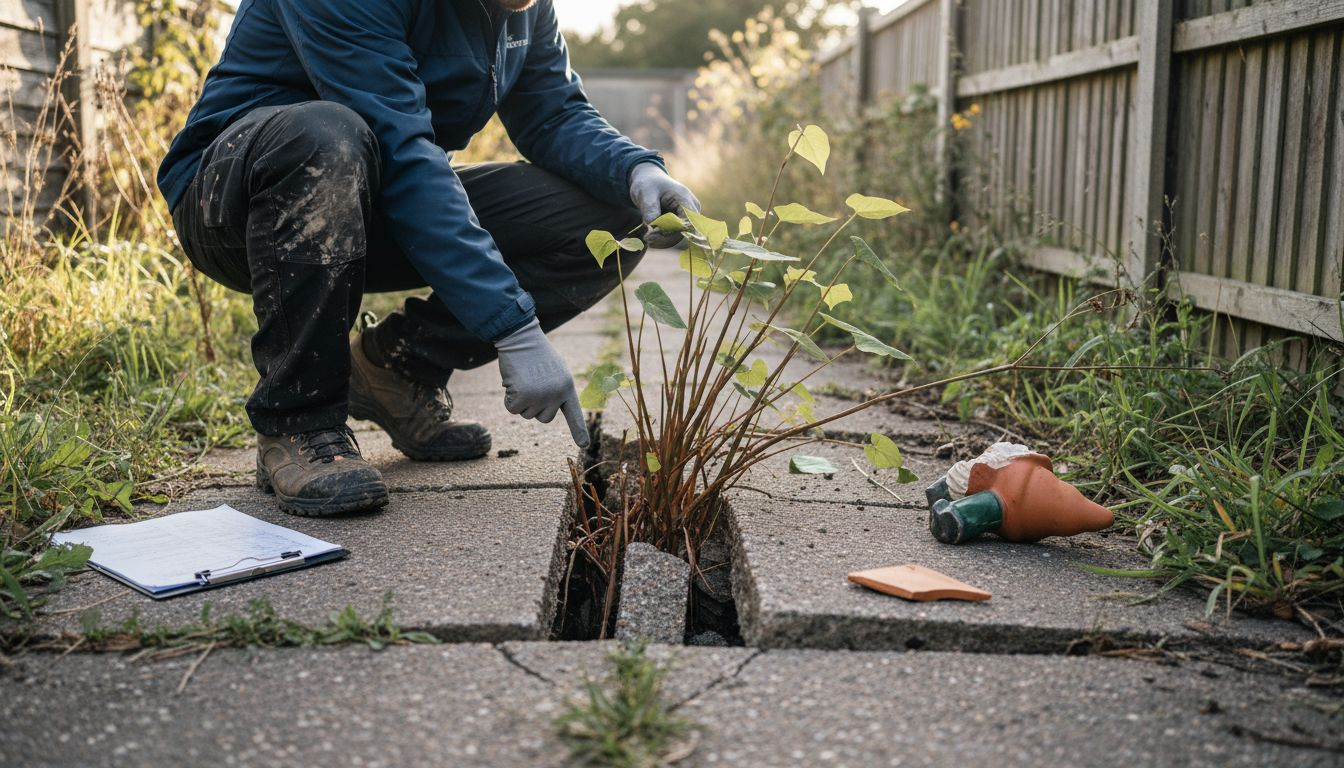
Structural damage represents the most immediate threat to property owners. Japanese Knotweed, in particular, demonstrates extraordinary capacity to penetrate concrete foundations, undermine building structures, and destabilise ground integrity. Its aggressive underground rhizome network can expand rapidly, creating micro-fractures in building foundations, drainage systems, and underground infrastructure. Similarly, invasive water plants like Floating Pennywort can choke waterways, increasing flood risks and compromising drainage systems, which ultimately threatens residential property foundations and landscape stability.
Non-native species threaten human health through direct and indirect mechanisms. Giant Hogweed exemplifies direct health risks, with its toxic sap capable of causing severe skin burns and potentially long-lasting allergic reactions. Beyond physical harm, these invasive species create secondary health challenges by attracting vermin, disrupting local ecosystems, and reducing overall environmental quality. The complex interactions between invasive plants and local biodiversity can increase respiratory risks, provoke allergic responses, and compromise natural habitat balances that traditionally protect human health.
Expert Tip: Conduct comprehensive property surveys annually and maintain a vigilant approach to identifying unusual plant growth, consulting professional ecological management services at the first sign of potential invasive species.
Legal Duties For Homeowners managing invasive species
Legal responsibilities for managing invasive species are comprehensive and stringent, placing significant obligations on homeowners across England and Wales. The Wildlife and Countryside Act 1981 establishes clear legal frameworks that require property owners to actively prevent the spread and proliferation of non-native invasive plant and animal species.
Homeowners must understand their specific legal obligations, which include preventing listed invasive species from growing, spreading, or being deliberately released into natural environments. Prohibited Actions encompass planting, cultivating, or allowing invasive species to establish themselves on private property. This means proactively identifying and managing species like Japanese Knotweed, Himalayan Balsam, and Giant Hogweed. Failure to control these species can result in substantial legal consequences, including potential prosecution, significant fines, and mandatory remediation costs.
Homeowner compliance requirements extend beyond simple plant management. Property owners are legally responsible for preventing listed species from escaping their property, breeding, or causing environmental damage. This includes strict regulations about transporting, selling, or keeping certain invasive species. Professional ecological surveys and expert management may be necessary to demonstrate due diligence and avoid potential legal challenges, particularly when selling or transferring property where invasive species have been identified.
Expert Tip: Maintain comprehensive documentation of any invasive species management efforts, including professional survey reports and treatment records, to protect yourself from potential legal complications.
Chemical-Free Eradication And Best Practice
Biosecurity protocols for invasive species management represent a sophisticated approach to controlling non-native plant populations without relying on chemical interventions. These strategies focus on prevention, early detection, and targeted physical removal techniques that minimise environmental disruption and long-term ecological impact.
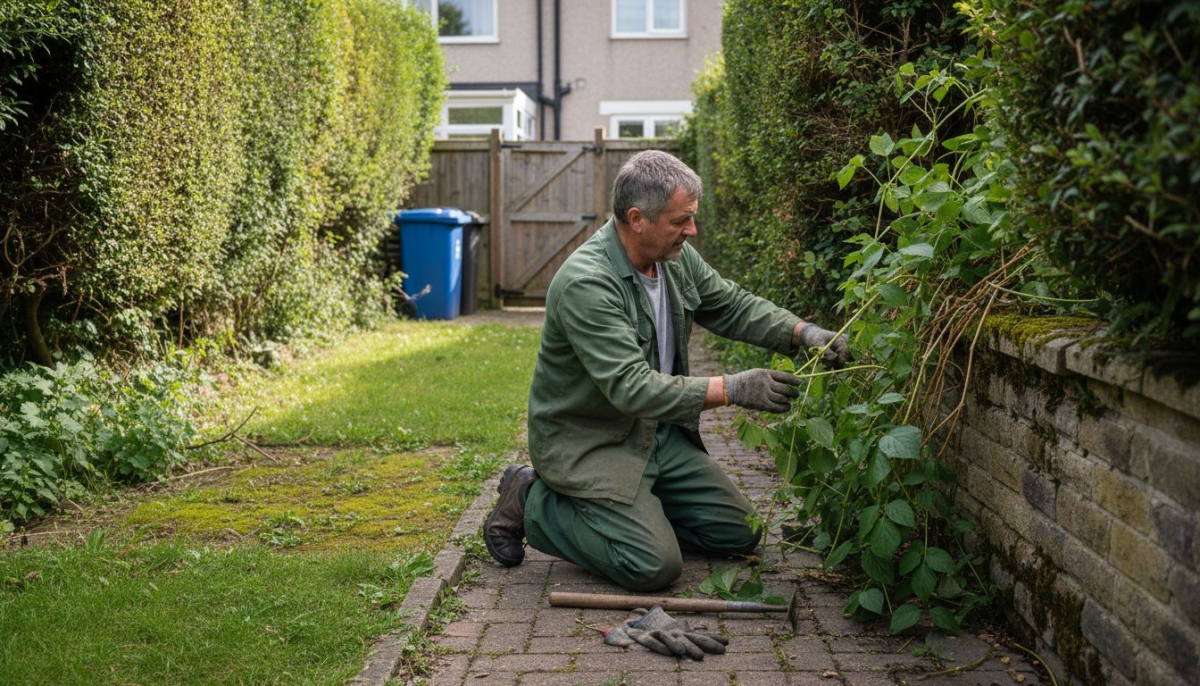
The most effective chemical-free eradication methods involve comprehensive habitat management and precise mechanical interventions. This approach requires systematic monitoring, understanding plant growth patterns, and implementing targeted removal strategies. Physical removal techniques must be meticulously executed to prevent root fragment regeneration, particularly with aggressive species like Japanese Knotweed. Professionals often employ specialised equipment and technical approaches that deliver targeted energy directly to plant systems, disrupting their internal cellular structures without chemical agents.
Non-chemical control methods demand careful consideration of disposal regulations and long-term ecosystem management. Successful eradication involves not just removing existing plant populations but creating environmental conditions that prevent future reinvasion. This requires understanding local biodiversity, soil conditions, and potential recolonisation pathways. Integrated pest management strategies prioritise ecological balance, using mechanical interventions supplemented by continuous monitoring and adaptive management techniques.
Expert Tip: Document every stage of your invasive species management process, including initial survey, removal method, and follow-up monitoring, to ensure comprehensive and legally compliant eradication.
Financial Risks And Property Value Impacts
Invasive species create significant financial challenges for property owners, extending far beyond simple removal costs. The economic consequences can be devastating, potentially reducing property values by substantial margins and creating complex legal and financial complications that persist long after initial discovery.
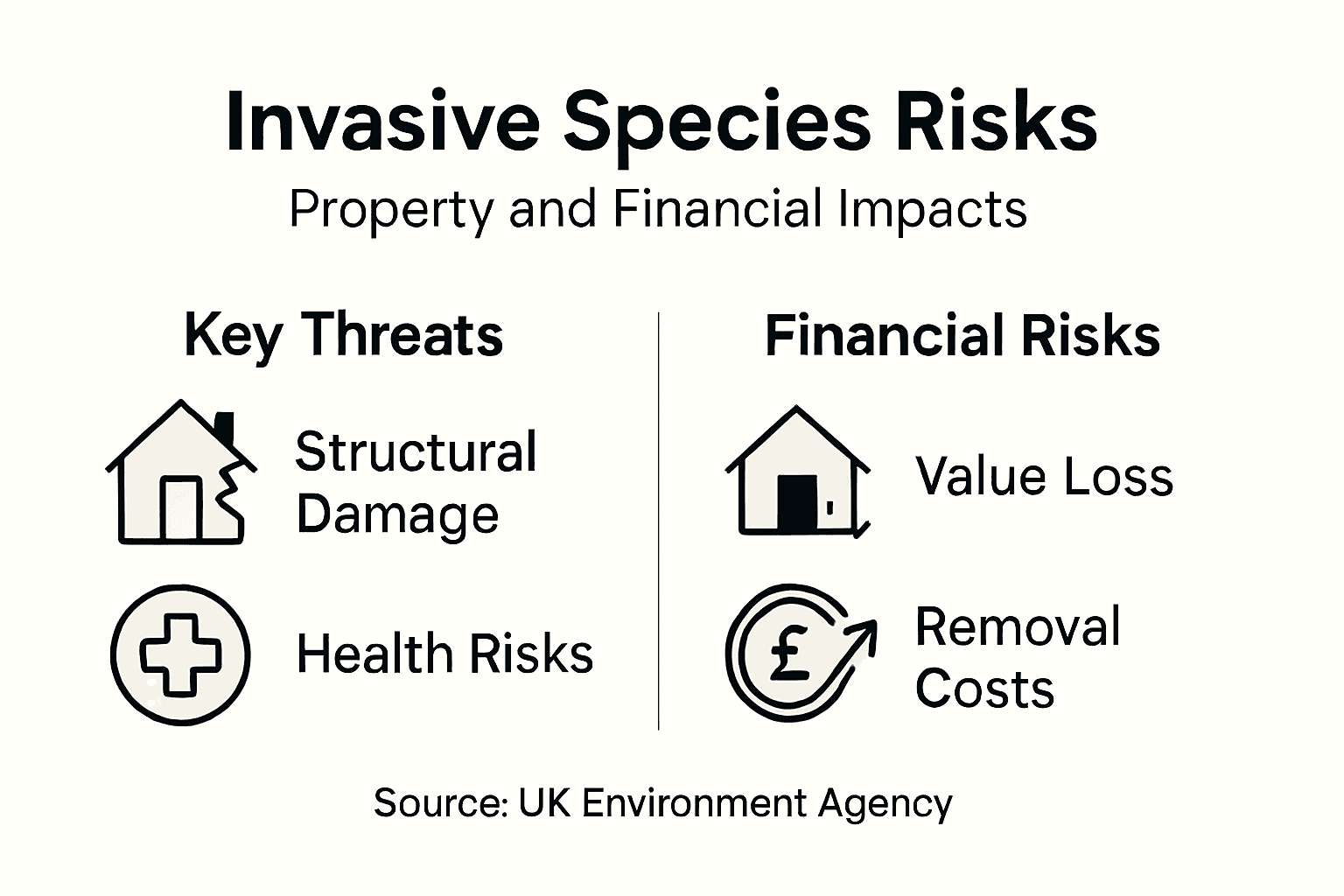
The most critical financial risks emerge from multiple interconnected factors. Property Valuation Impacts can be dramatic, with invasive species like Japanese Knotweed potentially reducing market value by up to 10-20%. Mortgage lenders frequently refuse lending on affected properties, creating additional barriers for potential sellers. Insurance companies may impose higher premiums or completely exclude coverage, leaving homeowners financially vulnerable to potential structural damage and remediation expenses.
Economic implications of invasive plant infestations extend beyond immediate property devaluation. Comprehensive removal and management can cost thousands of pounds, with specialised treatment programmes potentially running into tens of thousands. Professional surveys, legal compliance, and long-term monitoring contribute to these escalating expenses. Potential buyers will likely demand significant price reductions or completely withdraw from property transactions upon discovering invasive species, further compounding financial risks for current property owners.
To clarify legal and financial consequences, consider the following comparison:
| Risk Type | Legal Consequence | Financial Impact |
|---|---|---|
| Non-compliance | Prosecution, fines, mandatory remediation | Increased management costs |
| Plant Spread | Liability for neighbouring property damage | Property value reduction, mortgage refusal |
| Lack of Documentation | Difficulty proving due diligence | Higher survey and insurance costs |
Expert Tip: Obtain a professional invasive species survey before selling or purchasing a property to understand potential financial risks and negotiate effectively.
Take Control of Invasive Species Before They Ruin Your Property
Invasive species like Japanese Knotweed and Giant Hogweed not only threaten your property’s structural integrity but also pose serious health risks and legal challenges. The aggressive spread of these plants can lead to costly remediation and property devaluation. Act now to protect your home and investment with proven chemical-free solutions designed to eliminate these persistent threats.
Discover how Japanese Knotweed Agency pioneers advanced treatment using high voltage energy targeting the invasive plant root systems without harmful chemicals. Avoid repeated damage and comply with legal obligations by scheduling a comprehensive property survey with experts who understand local regulations and ecological nuances. Don’t wait until the problem spreads further, visit Japanese Knotweed Agency today and secure your property’s future.
Frequently Asked Questions
What are invasive species and why are they a concern for property owners?
Invasive species are non-native organisms introduced to new ecosystems that can cause significant ecological and economic damage. They reproduce rapidly and can disrupt local biodiversity, impacting property structures and human health.
How can invasive plants damage my property?
Invasive plants like Japanese Knotweed can penetrate concrete foundations, undermine building structures, and destabilise landscapes. They can also clog drainage systems, leading to increased flood risks on properties.
What legal responsibilities do I have regarding invasive species on my property?
Homeowners are legally required to manage and prevent the spread of invasive species, such as Japanese Knotweed and Giant Hogweed. Non-compliance can lead to legal action, fines, and mandatory remediation costs.
How can I effectively manage invasive species without using chemicals?
Chemical-free management can involve habitat management and targeted physical removal techniques. It’s essential to monitor invasive plant growth and employ professional services to ensure effective and environmentally safe eradication.