

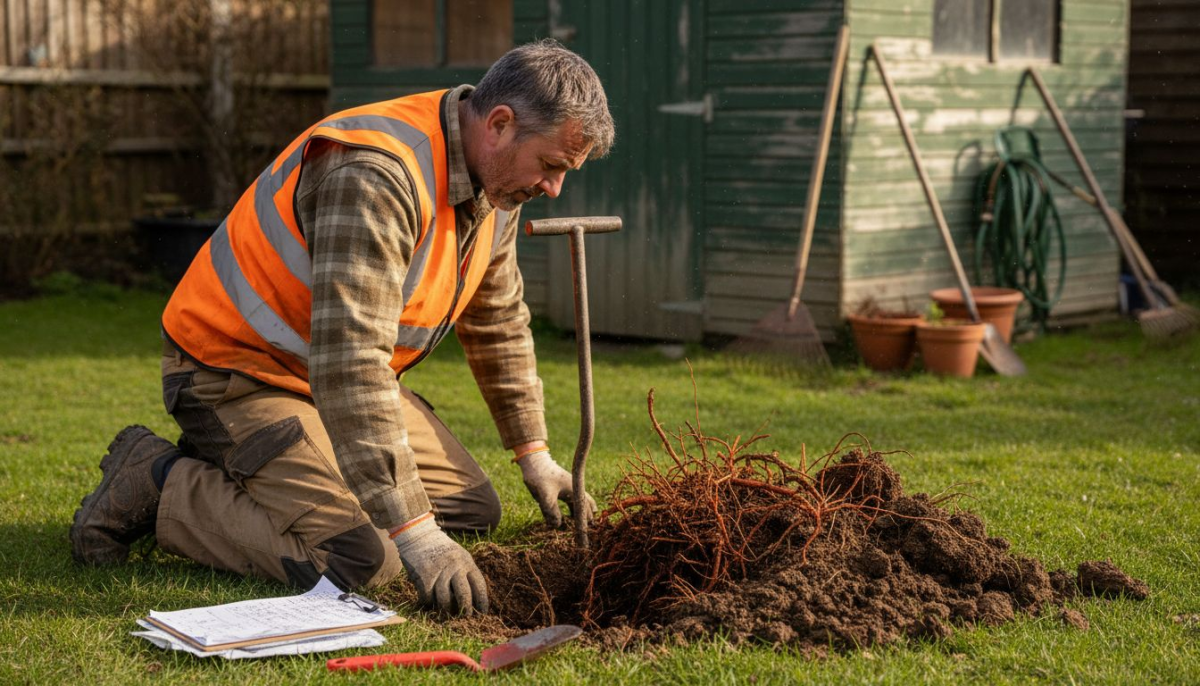
Many British homeowners in England, Wales, and Ireland are discovering that Japanese Knotweed’s underground rhizome system can silently compromise property value and mortgage approval. The plant’s roots can stretch up to 7 metres, often with barely any sign above ground, leading to unexpected financial headaches and legal complications. Eco-friendly treatment and professional property surveys offer practical solutions for tackling these issues while protecting both the environment and your investment.
Table of Contents
- Defining Knotweed Rhizomes And Common Misconceptions
- How Rhizomes Enable Japanese Knotweed Spread
- Identifying Knotweed Infestation In Your Property
- Mortgage Risks Linked To Invasive Rhizomes
- Eco-Friendly Treatment And Legal Solutions
Key Takeaways
| Point | Details |
|---|---|
| Invasive Nature of Japanese Knotweed | Japanese Knotweed’s rhizome system can extend up to 7 metres laterally and 2 metres deep, making eradication extremely difficult. |
| Misconceptions About Treatment | Traditional gardening techniques are ineffective; specialised interventions are necessary to manage this invasive plant. |
| Impact on Property Values | Presence of Knotweed can significantly lower property value and create complications for mortgage approval. |
| Legal Responsibilities for Landowners | Landowners must adhere to legal regulations regarding Knotweed management, including controlled waste disposal and prevention of its spread. |
Defining Knotweed Rhizomes And Common Misconceptions
Japanese Knotweed is a highly aggressive invasive plant characterised by complex underground rhizome networks that pose significant challenges for property owners across the United Kingdom. These underground stem systems are remarkably resilient, capable of spreading extensively beneath the surface with minimal visible evidence above ground. Understanding Japanese knotweed’s unique biological characteristics reveals why this plant creates such substantial problems for homeowners and mortgage providers.
The rhizome system of Japanese Knotweed is extraordinarily robust, with underground stems that can extend up to 7 metres laterally and penetrate depths of 2 metres. Critically, these rhizomes can regenerate new plant growth from fragments as small as 0.6 grams, making complete eradication extremely challenging. Contrary to common misconceptions, surface treatments or cutting the visible plant will not eliminate the underlying rhizome network. Only specialised intervention can effectively interrupt the plant’s extensive underground propagation mechanisms.
Many property owners mistakenly believe that Japanese Knotweed is simply another aggressive weed that can be managed through traditional gardening techniques. However, the plant’s unique reproductive strategy relies almost exclusively on rhizome fragment movement, with no viable seed production in the United Kingdom. This means that even tiny pieces of root transported through soil, construction materials, or landscaping activities can potentially generate entirely new infestations. Comprehensive identification guides are crucial for recognising the subtle signs of potential knotweed presence before significant spread occurs.
Pro Tip for Homeowners: Conduct a professional invasive plant survey before purchasing any property, especially in areas with known Japanese Knotweed prevalence, to identify potential rhizome networks and avoid significant financial complications.
Here is a summary comparing Japanese Knotweed rhizome characteristics to typical garden weeds:
| Attribute | Japanese Knotweed Rhizome | Common Garden Weed Root |
|---|---|---|
| Growth Depth | Up to 2 metres below ground | Usually less than 0.5 metres |
| Lateral Spread | Up to 7 metres | Typically under 1 metre |
| Regeneration Potential | From fragments as small as 0.6g | Rarely regrow from fragments |
| Above-Ground Indicators | Often minimal or delayed | Clear growth correlates |
| Eradication Difficulty | Extremely challenging | Easily managed |
How Rhizomes Enable Japanese Knotweed Spread
Japanese Knotweed’s extraordinary ability to proliferate stems directly from its incredibly adaptive rhizome network, a subterranean system that allows unprecedented levels of vegetative reproduction. Understanding the mechanisms of knotweed spread reveals how even minuscule root fragments can generate entirely new plant colonies across different landscapes.
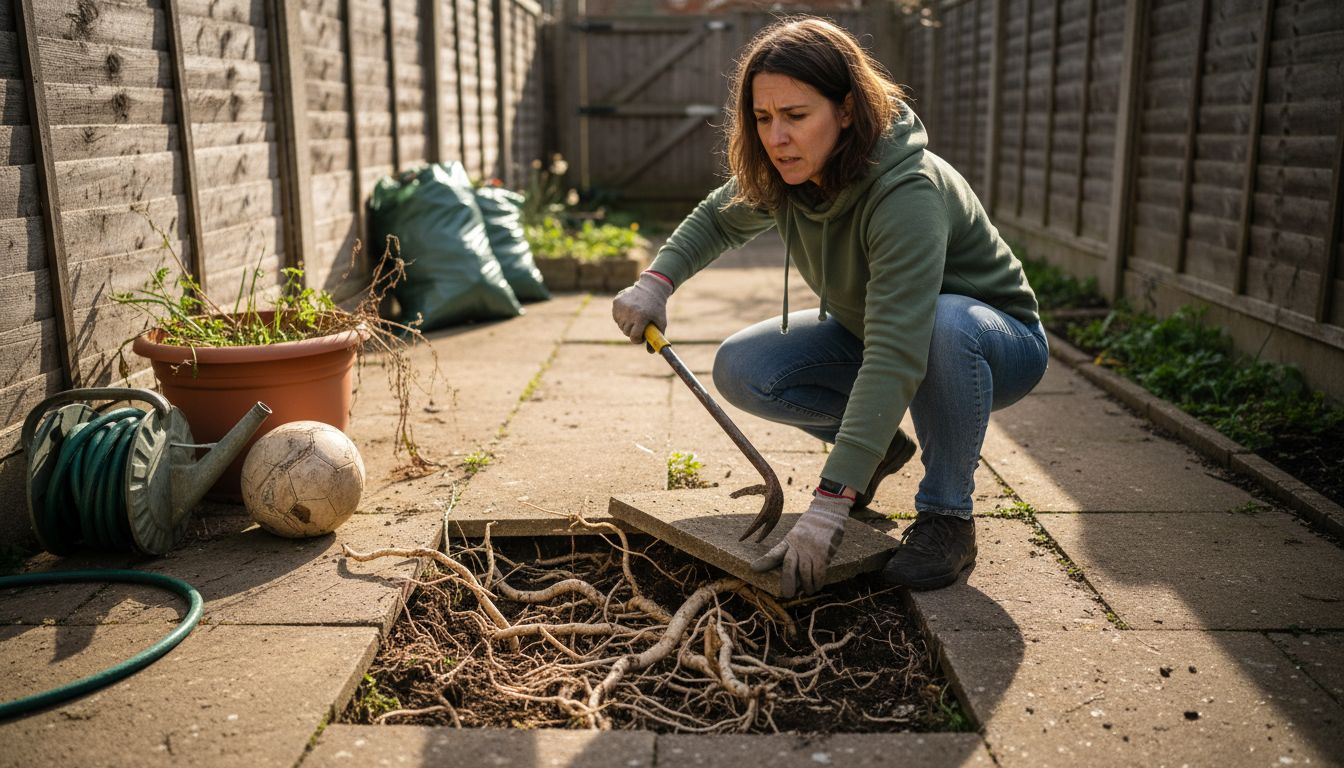
The rhizome system functions as an underground survival mechanism, capable of remaining dormant in soil for extended periods while retaining remarkable regenerative potential. Scientific research demonstrates that fragments as small as 1 centimetre can generate new plant growth, making complete eradication exceptionally challenging. These underground stems can traverse significant distances, emerging through concrete, tarmac, and building foundations with persistent destructive capability.
Movement of contaminated soil represents a critical vector for Japanese Knotweed propagation. Construction activities, landscaping work, and inappropriate waste disposal can inadvertently transport rhizome fragments across different sites, enabling rapid and uncontrolled spread. The consequences of unmanaged knotweed expansion can be devastating, potentially compromising property structural integrity and significantly reducing land value.
Pro Tip for Property Managers: Implement strict soil management protocols during any ground disturbance, ensuring comprehensive screening and careful handling of excavated materials to prevent unintentional knotweed dispersal.
Identifying Knotweed Infestation In Your Property
Detecting Japanese Knotweed early requires a keen understanding of its distinctive botanical characteristics. 7 key warning signs can help homeowners quickly identify potential infestations, preventing long-term property damage and costly remediation efforts. The plant’s unique appearance includes hollow bamboo-like stems with prominent nodes, distinctive heart-shaped leaves arranged in a zigzag pattern, and creamy white flower clusters that emerge during late summer.
Seasonal identification becomes crucial, as Japanese Knotweed transforms dramatically throughout the year. During spring, reddish-purple shoots emerge rapidly, quickly developing into dense bamboo-like canes that can grow up to 3 metres in height. By late summer, the plant produces small creamy-white flower tassels, while autumn sees the stems turn brown and woody, persisting through winter as distinctive dead canes that signal potential underground rhizome activity.
Professional property surveys remain the most reliable method for comprehensive knotweed detection, especially in urban and infrastructure-adjacent settings where the plant frequently establishes dense monocultural stands. Homeowners can follow a systematic checklist to systematically inspect their property, paying special attention to boundaries, disturbed ground areas, and locations with previous landscaping or construction work. The underground rhizome system can extend several metres laterally, meaning visible surface growth might represent only a fraction of the actual infestation.
Pro Tip for Property Inspection: Photograph any suspicious vegetation and consult a professional invasive plant specialist for definitive identification, as many native plants can be mistaken for Japanese Knotweed.
Mortgage Risks Linked To Invasive Rhizomes
Japanese Knotweed represents a significant financial threat to property owners, with its invasive rhizome system capable of causing substantial structural damage that directly impacts mortgage prospects. Mortgage lenders have developed stringent policies to mitigate risks associated with these pervasive underground networks, often requiring comprehensive treatment plans before approving property financing.
The presence of Japanese Knotweed can dramatically reduce a property’s market value and create substantial barriers to mortgage approval. Lenders typically demand extensive evidence of professional treatment, ongoing monitoring, and complete remediation plans before considering a mortgage application. Some financial institutions may refuse lending entirely or impose significantly higher interest rates and stricter lending conditions when knotweed is detected on or near a property.
Property sellers face legal obligations to disclose any known knotweed infestations, with failure to do so potentially resulting in future legal challenges and financial penalties. The risks of untreated knotweed extend far beyond immediate property damage, potentially creating long-term financial complications that can affect property transferability, insurance coverage, and overall investment value. Mortgage providers increasingly require comprehensive surveys and professional treatment certifications to mitigate their potential financial exposure.
Pro Tip for Homeowners: Obtain a professional Japanese Knotweed survey before listing your property or applying for a mortgage, ensuring you have comprehensive documentation of the plant’s status and any remediation efforts.
Eco-Friendly Treatment And Legal Solutions
Addressing Japanese Knotweed requires a sophisticated approach that balances environmental responsibility with legal compliance. Chemical-free treatment methods have emerged as a progressive solution, offering landowners sustainable alternatives to traditional chemical interventions. The legal framework surrounding knotweed management is complex, with strict regulations governing its control and potential spread.
UK environmental legislation imposes significant responsibilities on landowners, making professional intervention crucial. The Wildlife and Countryside Act 1981 and Environmental Protection Act 1990 establish clear legal boundaries for invasive species management. These regulations classify knotweed-contaminated material as controlled waste, requiring specialist disposal at licensed facilities. Innovative approaches now include biological controls such as specialised insects and pathogenic fungi that can naturally suppress knotweed populations with minimal environmental disruption.
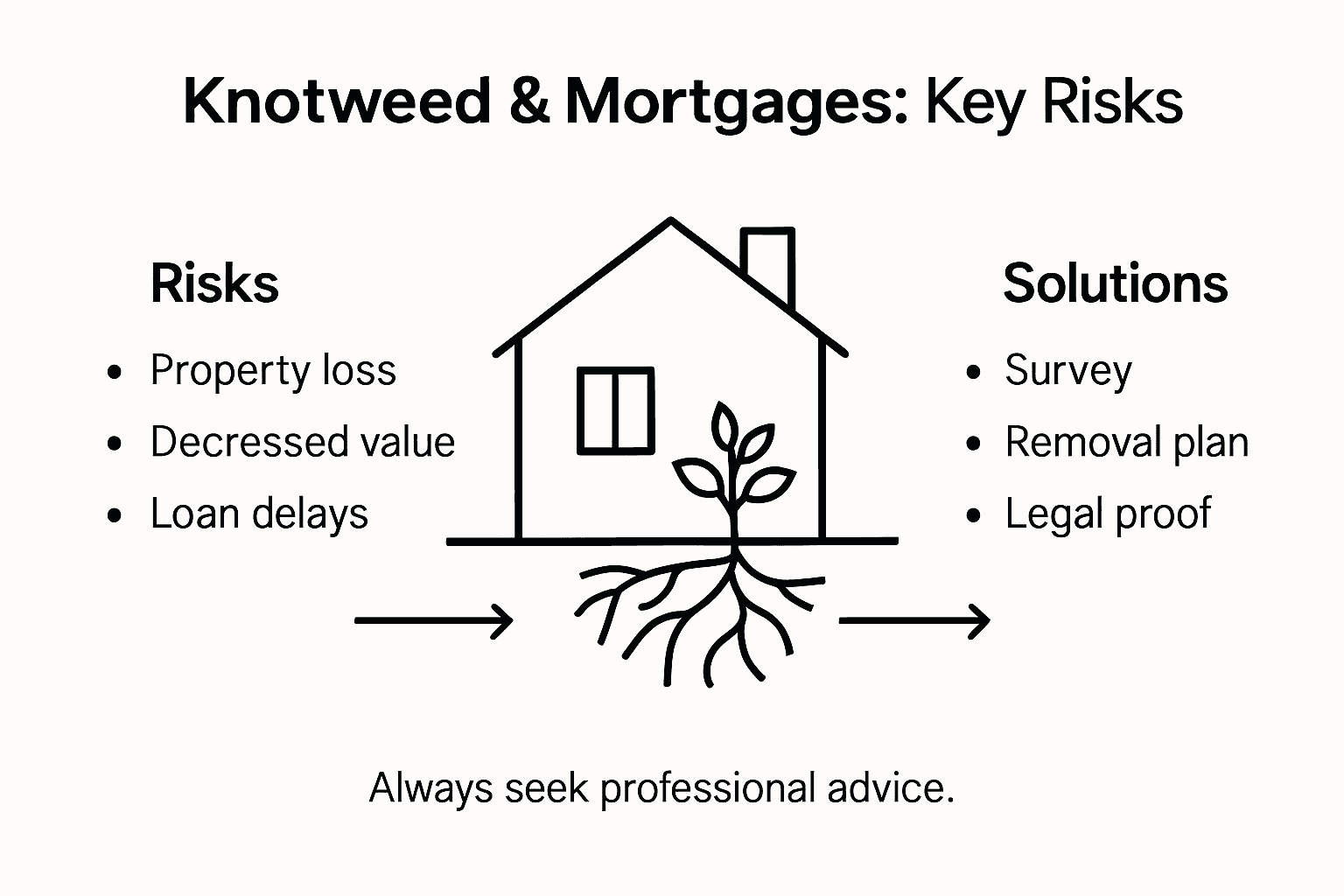
Landowners must navigate a delicate balance between effective treatment and legal compliance. It is a criminal offence to allow knotweed to spread into wild areas, creating substantial potential for legal and financial consequences. Professional treatment services now offer comprehensive solutions that include detailed documentation, systematic removal, and ongoing monitoring. These approaches not only address the immediate knotweed challenge but also provide essential protection against potential legal challenges and property devaluation.
Pro Tip for Landowners: Maintain comprehensive documentation of all knotweed treatment efforts, including professional survey reports, treatment plans, and disposal certificates, to protect yourself from potential legal disputes and demonstrate responsible land management.
The following table outlines legal responsibilities and eco-friendly solutions for controlling Japanese Knotweed:
| Legal Requirement | Eco-Friendly Solution | Benefit |
|---|---|---|
| Controlled waste disposal | Biological control methods | Reduces chemical use |
| No spread to wild land allowed | Mechanical removal and monitoring | Prevents legal penalties |
| Professional documentation recommended | Use of natural pathogens and insects | Supports long-term site health |
| Compliance with UK legislation mandatory | Specialist surveys and tailored plans | Minimises property value loss |
Protect Your Property From Japanese Knotweed Rhizomes Impacting Your Mortgage
The underground rhizome network of Japanese Knotweed can deeply threaten your property value and mortgage approval, as highlighted in our article. If you want to avoid costly surprises and ensure your investment remains secure you need a proven chemical-free solution that targets these resilient root systems at their core. Japanese Knotweed Agency specialises in delivering high-voltage treatment onsite, damaging rhizome cell structure to stop regrowth combined with expert root barrier installations and excavation services for thorough eradication.

Do not risk blocked mortgages or legal disputes. Take control with a professional invasive weed survey and treatment plan created specifically for your property. Discover how our innovative and eco-friendly methods protect your home while meeting legal requirements. Visit Japanese Knotweed Agency to book your survey now and learn more about our chemical free treatment and property surveys for invasive weeds services. Act today to secure your property’s future before knotweed rhizomes jeopardise your mortgage prospects.
Frequently Asked Questions
What are Japanese Knotweed rhizomes?
Japanese Knotweed rhizomes are complex underground stem systems that enable the plant to spread extensively. They can extend up to 7 metres laterally and penetrate depths of 2 metres, making complete eradication challenging.
How do knotweed rhizomes affect property mortgages?
The presence of Japanese Knotweed can significantly impact property mortgages. Lenders often require evidence of professional treatment and remediation plans before approving loans, which can reduce property value and complicate mortgage applications.
Can I remove Japanese Knotweed myself?
Removing Japanese Knotweed is not advisable as traditional gardening techniques are ineffective. Professional intervention is essential to ensure the comprehensive removal of the resilient rhizome network and prevent regrowth.
What should I do if I suspect Japanese Knotweed on my property?
If you suspect Japanese Knotweed, conduct a professional survey immediately. Early identification and intervention are crucial to mitigate potential damage and comply with legal responsibilities regarding invasive species management.