

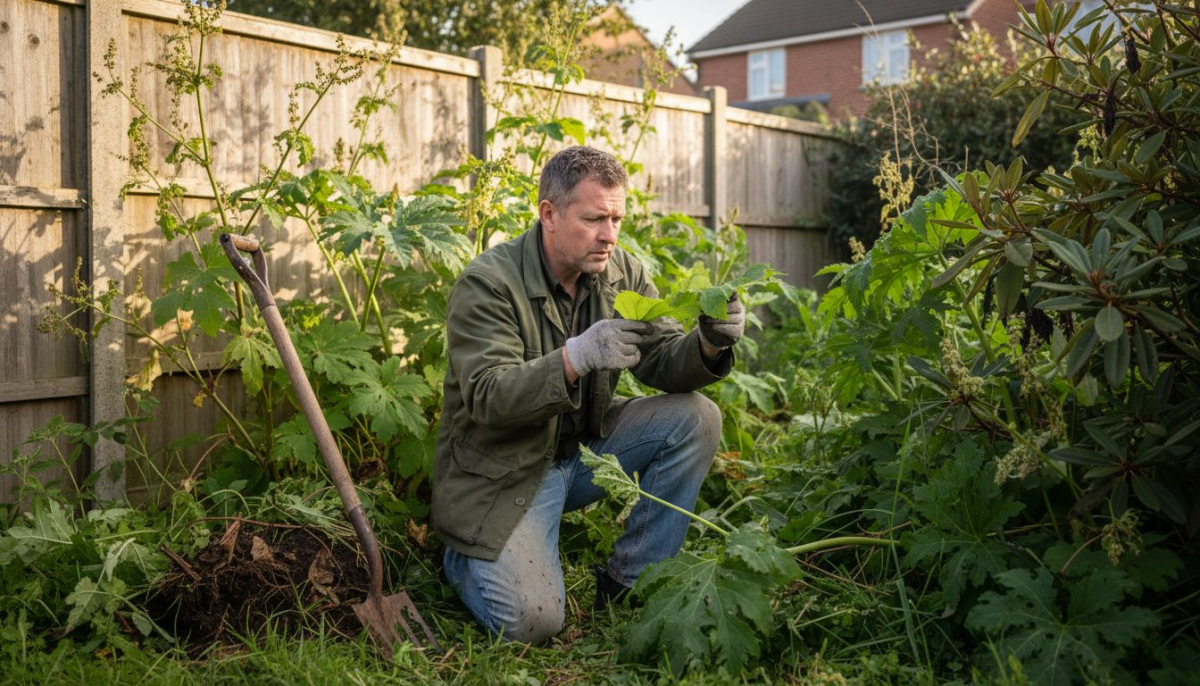
Spotting Japanese Knotweed can turn a routine property survey into a major concern for any british homeowner. Its roots are powerful enough to breach concrete, and this plant can grow up to two metres each month. With banks and surveyors in England, Wales, and Ireland now flagging its presence, there is growing urgency for reliable, chemical-free solutions. Discover how you can protect your investment and peace of mind without reaching for harsh chemicals.
Table of Contents
- Japanese Knotweed: Why It Is Such a Threat
- Giant Hogweed: Dangers to Health and Property
- Himalayan Balsam: Rapid Spread and Control Methods
- Rhododendron Ponticum: Effects on Native Wildlife
- New Zealand Pigmyweed: Issues in Garden Ponds
- Floating Pennywort: Impact on Waterways and Removal
- Chemical-Free Solutions for Invasive Weed Species
Quick Summary
| Key Message | Explanation |
|---|---|
| 1. Engage Professionals for Removal | Always consult specialists for invasive plant removal to avoid spreading and legal issues. |
| 2. Understand Legal Restrictions | Familiarise yourself with laws concerning invasive species to prevent legal and financial repercussions. |
| 3. Implement Integrated Weed Management | Combine multiple non-chemical techniques for effective invasive species management while protecting ecosystems. |
| 4. Monitor Invasive Plant Growth | Keep a vigilant eye on your property for signs of invasive plants to manage outbreaks early. |
| 5. Dispose of Invasive Plants Responsibly | Always use sealed bags and licensed facilities for disposing of invasive species to prevent further spreading. |
1. Japanese Knotweed: Why It Is Such a Threat
Japanese Knotweed represents one of the most destructive invasive plant species in the United Kingdom, causing significant challenges for homeowners and property managers. This extraordinary plant, originally imported as an ornamental garden species, has become a serious environmental and structural threat.
Originally introduced from East Asia, Japanese Knotweed can grow at an astonishing rate of up to 2 metres per month, with its underground rhizome system spreading extensively across properties. Its ability to penetrate hard surfaces like concrete and tarmac makes it particularly dangerous for building foundations and infrastructure.
What makes Japanese Knotweed uniquely problematic is its remarkable regenerative capability. Even tiny root fragments measuring less than a centimetre can develop into entirely new plants, making complete eradication extremely challenging. Property surveyors and mortgage lenders take this threat seriously, often requiring professional treatment plans before approving loans.
The plant’s aggressive growth pattern allows it to outcompete native vegetation, destroying local ecosystems and reducing biodiversity. Its bamboo-like stems with distinctive reddish-purple speckling can quickly form dense thickets that choke out other plant species.
Legally, Japanese Knotweed is controlled under the Wildlife and Countryside Act 1981, which prohibits its deliberate spread. Homeowners can face significant legal and financial consequences if they fail to manage this invasive species responsibly.
Top Expert Tip: Always engage professional specialists for Japanese Knotweed removal, as attempting DIY treatment can inadvertently spread the plant and potentially breach legal regulations.
2. Giant Hogweed: Dangers to Health and Property
Giant Hogweed is a menacing invasive plant that poses serious risks to human health and local ecosystems across the United Kingdom. Growing up to an extraordinary height of 5 metres, this plant looks deceptively impressive but harbours significant dangers for unsuspecting property owners and outdoor enthusiasts.
The most alarming characteristic of Giant Hogweed is its highly toxic sap, which can cause severe skin burns and blisters when exposed to sunlight. Contact with the plant’s tissues creates phototoxic reactions that result in painful, long-lasting skin damage potentially leaving permanent scarring.
Beyond its direct health hazards, Giant Hogweed represents an ecological threat by rapidly colonising riverbanks and disturbed soils. Its dense growth patterns effectively shade out native plant species, disrupting local biodiversity and causing significant environmental imbalance. When the plant dies back during winter, it leaves riverbanks vulnerable to increased erosion, further compromising local landscape stability.
The plant reproduces prolifically, with a single specimen capable of generating thousands of seeds. This reproductive strategy allows Giant Hogweed to spread aggressively across different terrains, making professional intervention crucial for effective management.
Homeowners discovering Giant Hogweed on their property should never attempt personal removal. Legal regulations under the Wildlife and Countryside Act 1981 strictly control its management, and improper handling can lead to significant legal and health consequences.
Professional Warning: Always contact specialised invasive plant removal experts when encountering Giant Hogweed, as amateur attempts can potentially worsen the spread and increase personal health risks.
3. Himalayan Balsam: Rapid Spread and Control Methods
Himalayan Balsam represents one of the most aggressive invasive plant species threatening British ecosystems, particularly riverine environments. Originally introduced as an ornamental garden plant, this deceptively pretty species has become a significant ecological challenge for property owners and environmental managers.
The plant’s most remarkable characteristic is its extraordinary seed dispersal mechanism. Explosive seed pods can catapult seeds up to 7 metres from the parent plant, allowing it to colonise new territories with remarkable speed and efficiency. Growing up to 2 metres tall, Himalayan Balsam forms dense stands that comprehensively outcompete native vegetation.
Ecological impacts extend far beyond simple plant competition. When Himalayan Balsam dies back during autumn, it leaves riverbanks and damp habitats with exposed soil, dramatically increasing erosion risks and potentially exacerbating local flooding challenges. Its ability to dominate entire habitats makes it a serious threat to biodiversity.
Legal restrictions under the Wildlife and Countryside Act 1981 make it illegal to cause Himalayan Balsam to grow in the wild. This underscores the plant’s significant environmental impact and the importance of responsible management. Property owners discovering this invasive species should prioritise careful, systematic removal to prevent further spread.
Control methods include manual pulling before seed production, ensuring complete root removal, and responsible disposal to prevent accidental propagation. Community led initiatives and targeted removal campaigns have proven effective in managing Himalayan Balsam populations.
Expert Recommendation: Always wear protective gloves and dispose of Himalayan Balsam plants in sealed bags at licensed waste management facilities to prevent unintended seed dispersal.
4. Rhododendron Ponticum: Effects on Native Wildlife
Rhododendron Ponticum represents a silent ecological menace threatening Britain’s woodland ecosystems. Introduced by Victorian plant enthusiasts as an ornamental shrub, this evergreen species has transformed from a garden curiosity to a significant environmental challenge.
The plant’s most destructive characteristic is its ability to form extraordinarily dense thickets that comprehensively suppress native vegetation. Its persistent foliage blocks sunlight and prevents native woodland plants from regenerating, creating a biological desert beneath its expansive canopy.
Beyond competitive suppression, Rhododendron Ponticum poses additional ecological threats. Its toxic nectar can disrupt local pollinator networks, while simultaneously hosting dangerous tree pathogens like Phytophthora ramorum. These characteristics make it particularly devastating for delicate woodland ecosystems, especially in rare temperate rainforest environments.
The plant’s spread is remarkably aggressive. Its evergreen nature allows continuous growth and displacement of native species throughout the year. Woodland managers and conservationists face significant challenges in controlling its proliferation, with removal efforts often requiring costly and intensive physical and chemical interventions.
Property owners with woodland or adjacent natural areas should remain vigilant about identifying and managing Rhododendron Ponticum to prevent its unchecked expansion and protect local biodiversity.
Expert Warning: Consult professional ecological management services before attempting Rhododendron removal, as improper techniques can accidentally promote further spread.
5. New Zealand Pigmyweed: Issues in Garden Ponds
New Zealand Pigmyweed represents an insidious aquatic invader that can transform garden ponds from thriving ecosystems into biological deserts. Originally introduced as an innocuous pond oxygenator, this plant has become a significant environmental threat across the United Kingdom.
The plant’s extraordinary reproductive capacity makes it particularly dangerous. Capable of spreading through microscopic stem fragments, New Zealand Pigmyweed can rapidly colonise water bodies, forming dense mats that comprehensively suffocate native aquatic life. Its growth pattern allows it to exist simultaneously submerged, emergent, and terrestrial, making traditional removal methods ineffective.
Ecological impacts are profound. The plant blocks essential light and oxygen transmission, effectively creating a biological barrier that prevents native flora and fauna from surviving. Its thick vegetation can impede water drainage and potentially increase local flood risks, transforming seemingly harmless garden ponds into potential environmental hazards.
Legal restrictions underscore the plant’s destructive potential. Listed under Schedule 9 of the Wildlife and Countryside Act 1981, it is prohibited to plant or allow New Zealand Pigmyweed to grow in the wild. Since 2014, its sale has been completely banned, reflecting the serious concerns surrounding its uncontrolled spread.
Property owners with garden ponds must remain vigilant, as even tiny plant fragments can initiate a complete ecosystem takeover. Professional ecological assessment is crucial when managing potential infestations.
Expert Warning: Always consult professional ecological management services before attempting New Zealand Pigmyweed removal, as improper techniques can inadvertently accelerate its spread.
6. Floating Pennywort: Impact on Waterways and Removal
Floating Pennywort represents a rapidly proliferating aquatic menace that can transform healthy waterways into ecological wastelands with astonishing speed. Originating from North America, this invasive plant has become a significant environmental challenge across British waterways.
The plant’s most alarming characteristic is its extraordinary growth rate. Capable of expanding up to 20 centimetres per day, Floating Pennywort forms dense vegetative mats that comprehensively smother native aquatic ecosystems. These thick coverings block essential sunlight and oxygen, effectively suffocating underwater life and disrupting entire ecological networks.
Ecological impacts extend far beyond simple plant competition. The dense vegetation impedes water flow, interferes with navigation, and creates significant challenges for native flora and fauna. Fish populations and aquatic invertebrates suffer dramatically as the plant deoxygenates water and blocks critical habitat spaces.
Legal restrictions underscore the plant’s destructive potential. Under UK law, it is illegal to plant or allow Floating Pennywort to grow in the wild. Removal efforts are complex and expensive, often requiring specialized equipment and carefully managed disposal techniques to prevent further spread.
Property owners near waterways must remain vigilant, as even tiny plant fragments can initiate a complete ecosystem transformation. Professional ecological assessment is crucial when managing potential infestations.
Expert Warning: Always engage professional ecological management services for Floating Pennywort removal, as improper techniques can inadvertently accelerate its spread across water systems.
7. Chemical-Free Solutions for Invasive Weed Species
Chemical-free weed control represents a sustainable approach to managing invasive plant species while protecting environmental and human health. As awareness grows about the potential risks associated with traditional herbicides, homeowners are increasingly seeking alternative management strategies.
Integrated weed management techniques offer comprehensive approaches to controlling invasive species without relying on potentially harmful chemical treatments. These methods combine multiple strategies including mechanical removal, cultural interventions, and preventative techniques to effectively manage unwanted plant growth.
Key non-chemical strategies include manual techniques such as hand-weeding, repeated cutting, and smothering. These approaches require consistent effort but provide significant environmental benefits by avoiding soil and water contamination. Mechanical methods like hoeing can effectively disrupt weed growth cycles, preventing established invasive species from spreading.
Barrier techniques offer another powerful non-chemical solution. Using landscape fabrics, mulches, and strategic ground coverings can prevent weed germination and growth, creating natural obstacles that limit invasive plant establishment. These methods are particularly effective in garden beds and landscaped areas.
Property owners should consider integrated approaches that combine multiple techniques, timing interventions strategically to maximise effectiveness and minimise plant regeneration. Understanding each specific invasive species behaviour is crucial for developing targeted removal strategies.
Professional Recommendation: Develop a comprehensive weed management plan that combines multiple non-chemical techniques, and remain consistent in your approach to effectively control invasive plant species.
Below is a comprehensive table summarising the invasive plant species and their impacts as discussed in the article.
| Plant Species | Characteristics | Impact | Management Advice |
|---|---|---|---|
| Japanese Knotweed | Rapid growth and regenerative capability. | Damages infrastructure, reduces biodiversity. | Engage professional services for removal, avoid DIY attempts. |
| Giant Hogweed | Toxic sap causing skin reactions, substantial height. | Health risks due to burns, disrupts ecosystems, accelerates erosion. | Avoid contact, seek professional removal assistance. |
| Himalayan Balsam | Explosive seed dispersal, rapid colonisation. | Loss of native flora, increased soil erosion during die-off periods. | Manual removal prior to seed formation, proper disposal techniques. |
| Rhododendron Ponticum | Dense canopy formation, year-round growth. | Suppresses native woodland vegetation, hosts harmful pathogens. | Consult ecological specialists for thorough removal strategies. |
| New Zealand Pigmyweed | Aggressive aquatic spread through tiny fragments. | Forms dense mats that deplete oxygen, impairs aquatic ecosystems, blocks light for other aquatic life. | Seek professional containment and removal to curtail spreading. |
| Floating Pennywort | Rapid aquatic growth up to 20 cm per day. | Smothers aquatic ecosystems, impedes navigation, lowers water quality. | Professional removal with specialised equipment; avoid DIY removal. |
| Chemical-Free Weed Control | Strategies include manual hand-pulling, barrier techniques, and strategic placement. | Environmentally friendly; avoids soil and water contamination associated with chemical methods. | Develop an integrated plan combining multiple techniques targeted to each species’ behaviours. |
Take Control of Invasive Weed Threats with Proven Chemical-Free Solutions
Invasive plants like Japanese Knotweed, Giant Hogweed and Himalayan Balsam can devastate your property and the local environment. The article highlights how these species grow quickly and resist simple removal methods. If you want to protect your home from costly damage and comply with legal restrictions, professional intervention is essential. At Japanese Knotweed Agency, we specialise in chemical-free treatment that targets invasive weeds at their root, using high-voltage direct energy to disable the extensive rhizome networks without harming your land.

Do not let invasive species continue to threaten your property and peace of mind. Whether you require expert surveys or advanced eradication, our effective services cover England, Wales and Ireland. Get ahead of the problem today and discover how our safe, eco-friendly approach can help by visiting Japanese Knotweed Agency. Protect your home, preserve local biodiversity and ensure legal compliance with our specialist invasive weed solutions.
Frequently Asked Questions
What are the key characteristics of Japanese Knotweed that homeowners should know?
Japanese Knotweed is known for its fast growth, capable of reaching up to 2 metres per month. Homeowners should identify and manage it promptly, as even tiny root fragments can regrow into new plants. Engage a professional for safe removal to prevent further spread.
How does Giant Hogweed affect human health, and what should I do if I find it on my property?
Giant Hogweed’s sap is highly toxic and can cause severe skin burns when exposed to sunlight. If you find it on your property, avoid touching it and contact a professional for safe removal to prevent health risks and legal issues.
What steps can I take to control Himalayan Balsam in my garden?
To control Himalayan Balsam, manually pull it up before it produces seeds, ensuring you remove the entire root. Dispose of the plants in sealed bags at licensed waste facilities to prevent re-sprouting and spread.
What impact does Rhododendron Ponticum have on local wildlife?
Rhododendron Ponticum suppresses native vegetation by blocking sunlight, creating a barren environment beneath its canopy. To protect local wildlife, regularly monitor and manage this species through professional removal efforts.
How can I effectively manage New Zealand Pigmyweed in my pond?
To manage New Zealand Pigmyweed, consult with professionals who specialise in aquatic weeds, as traditional removal methods may not suffice. Swift action is crucial, as tiny stem fragments can rapidly take over water bodies.
What are some chemical-free methods to control invasive weeds in my garden?
Consider using integrated weed management, which combines manual weeding, repeated cutting, and barrier techniques like landscape fabrics. These approaches can help reduce invasive growth by at least 30% over a few months without harmful chemicals.