How to Prevent Knotweed Regrowth Naturally: Step-by-Step

Most American homeowners are surprised to learn that Japanese knotweed can grow through concrete and cost thousands in property damage. Tackling this invasive plant is more than just a nuisance—it can impact your home’s value, safety, and even legal standing. Practical strategies that stop knotweed at its source give you real power to protect your property for the long term.

Table of Contents

Quick Summary

Key Insight Explanation
1. Thoroughly assess knotweed infestations Conduct detailed visual inspections to identify Japanese knotweed and its spread across your property. Focus on areas with prior disturbances.
2. Safely remove visible shoots and rhizomes Cut and collect all visible plant material, using disinfected tools, and dispose of it properly to prevent regrowth.
3. Install effective root barriers Excavate a trench and install high-density polyethylene membranes to block knotweed roots from spreading into new areas.
4. Apply direct energy treatments Use electrical currents to disrupt knotweed’s cellular structure, ensuring multiple treatment sessions for comprehensive coverage.
5. Monitor treated areas regularly Inspect treated zones every three to six months for signs of regrowth, documenting findings to confirm effective eradication.

Step 1: Assess existing knotweed infestations thoroughly

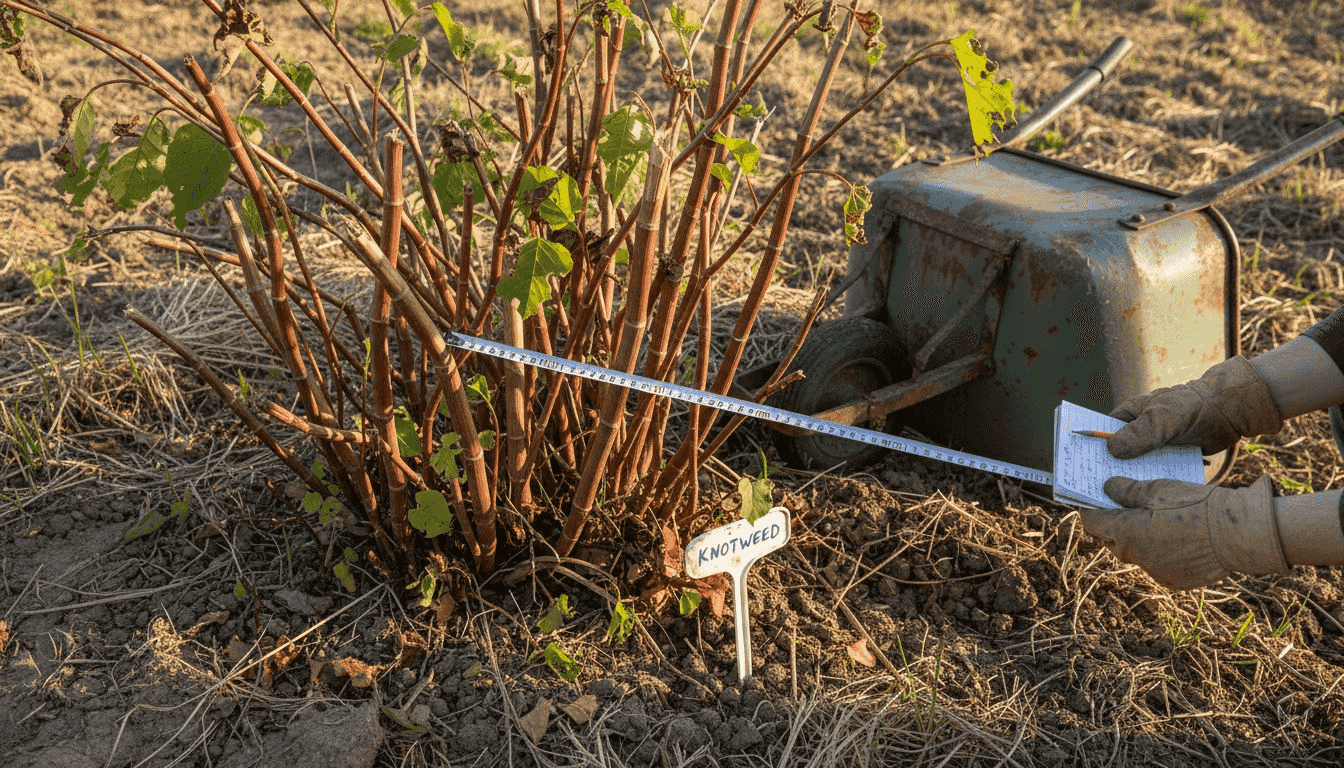
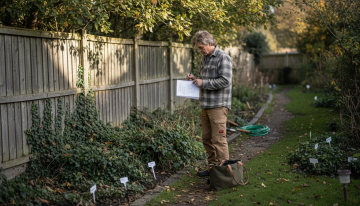
Thoroughly assessing a Japanese knotweed infestation requires careful visual inspection and systematic evaluation of your property. The first step involves identifying the distinctive characteristics of this invasive plant species and understanding its potential spread across your landscape.

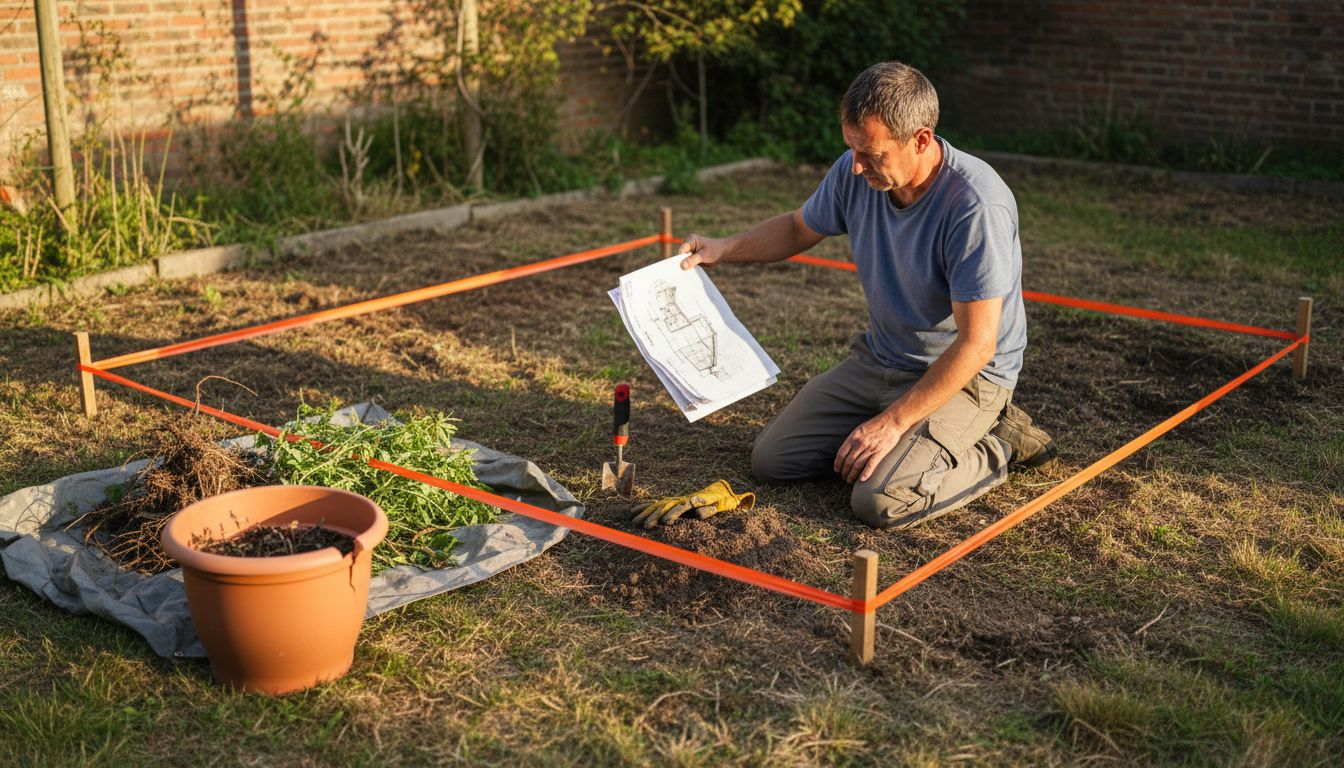
Begin by examining the areas most likely to harbor knotweed growth, such as property boundaries, garden edges, and areas with previous ground disturbance. Japanese knotweed typically presents with bamboo like stems, reddish purple shoots in spring, and large heart shaped green leaves that can grow up to 10 centimeters wide. Pay special attention to patches where the ground seems unusually dense or where previous landscaping work might have occurred. The UK government guidelines emphasize that knotweed can spread rapidly through underground rhizome networks, making a comprehensive visual survey critical.

Warning: Even small patches of knotweed can indicate a much larger underground root system. Professionals recommend mapping out the entire potential infestation area and noting the specific locations of visible plant growth. Your next step will involve determining the extent of the spread and preparing for targeted removal strategies.

Step 2: Remove visible shoots and invasive rhizomes safely

Removing Japanese knotweed requires a strategic and careful approach to prevent further spread of this aggressive invasive plant. Your primary goal is to eliminate both visible plant material and the extensive underground root system without risking additional contamination.

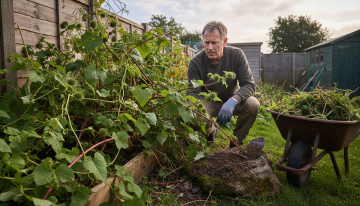
Begin by carefully cutting and removing all visible shoots at ground level, ensuring you use clean cutting tools that can be thoroughly disinfected between uses. Invasive plant management requires precision to minimize the risk of spreading rhizome fragments. Government guidelines emphasize the critical importance of collecting all plant material in sealed plastic bags for proper disposal at licensed waste facilities. Never attempt to compost knotweed material or dispose of it in standard green waste collections, as even tiny root fragments can regenerate into new plants.

Warning: Mechanical removal is complex and potentially ineffective if not done comprehensively. Small root fragments as tiny as 0.7 grams can regenerate into entirely new plants, making complete extraction challenging. Professional treatment methods often involve specialized techniques that target the entire underground rhizome network to prevent regrowth. Your next step will involve carefully documenting the removal process and preparing for potential follow up treatments to ensure complete eradication.

Step 3: Install root barriers to stop underground spread

Installing root barriers is a critical strategy for preventing Japanese knotweed from spreading across your property. These specialized barriers create a physical blockade that stops the aggressive underground rhizome network from expanding into unaffected areas.

To install an effective root barrier, you will need to excavate a trench around the infected area that is deep enough to intercept the knotweed’s extensive root system. Root barrier installation requires precision and careful material selection. Government guidelines recommend using high density polyethylene membranes that are at least 1 millimeter thick and can withstand root penetration. The trench should extend approximately 3 meters deep and be lined completely with the impermeable membrane, ensuring that all potential underground pathways are sealed.

Landscapers installing root barrier against knotweed

Warning: Improper installation can render the root barrier ineffective. Professional installation is often recommended because even small gaps or punctures can allow knotweed roots to escape and continue spreading. Your next step will involve monitoring the barrier and surrounding areas to confirm the containment of the invasive plant species.

Step 4: Apply direct energy treatments for internal cell damage

Direct energy treatments represent an innovative approach to permanently eradicating Japanese knotweed by targeting its internal cellular structure. This method goes beyond traditional removal techniques by delivering precise electrical energy directly into the plant’s root system.

Thermo-electric eradication involves applying high voltage electrical currents that penetrate deep into the knotweed’s rhizome network. Government guidelines suggest using specialized equipment capable of delivering controlled electrical pulses that disrupt the plant’s cellular metabolism. The treatment works by causing internal cell damage that prevents photosynthesis and gradually depletes the plant’s energy reserves, effectively stopping its ability to regenerate or spread.

Warning: Professional application is crucial because improper energy treatment can lead to incomplete eradication. The electrical current must be precisely calibrated to penetrate the entire root system without causing environmental damage. Experts recommend multiple treatment sessions to ensure comprehensive coverage and complete elimination of the invasive plant species. Your next step will involve monitoring the treated area for any signs of regrowth and preparing for potential follow up treatments.

Step 5: Monitor treated areas and verify regrowth prevention

Monitoring treated areas is a critical final step in permanently eliminating Japanese knotweed from your property. This ongoing surveillance ensures that your previous eradication efforts have been successful and prevents potential reemergence of this persistent invasive species.

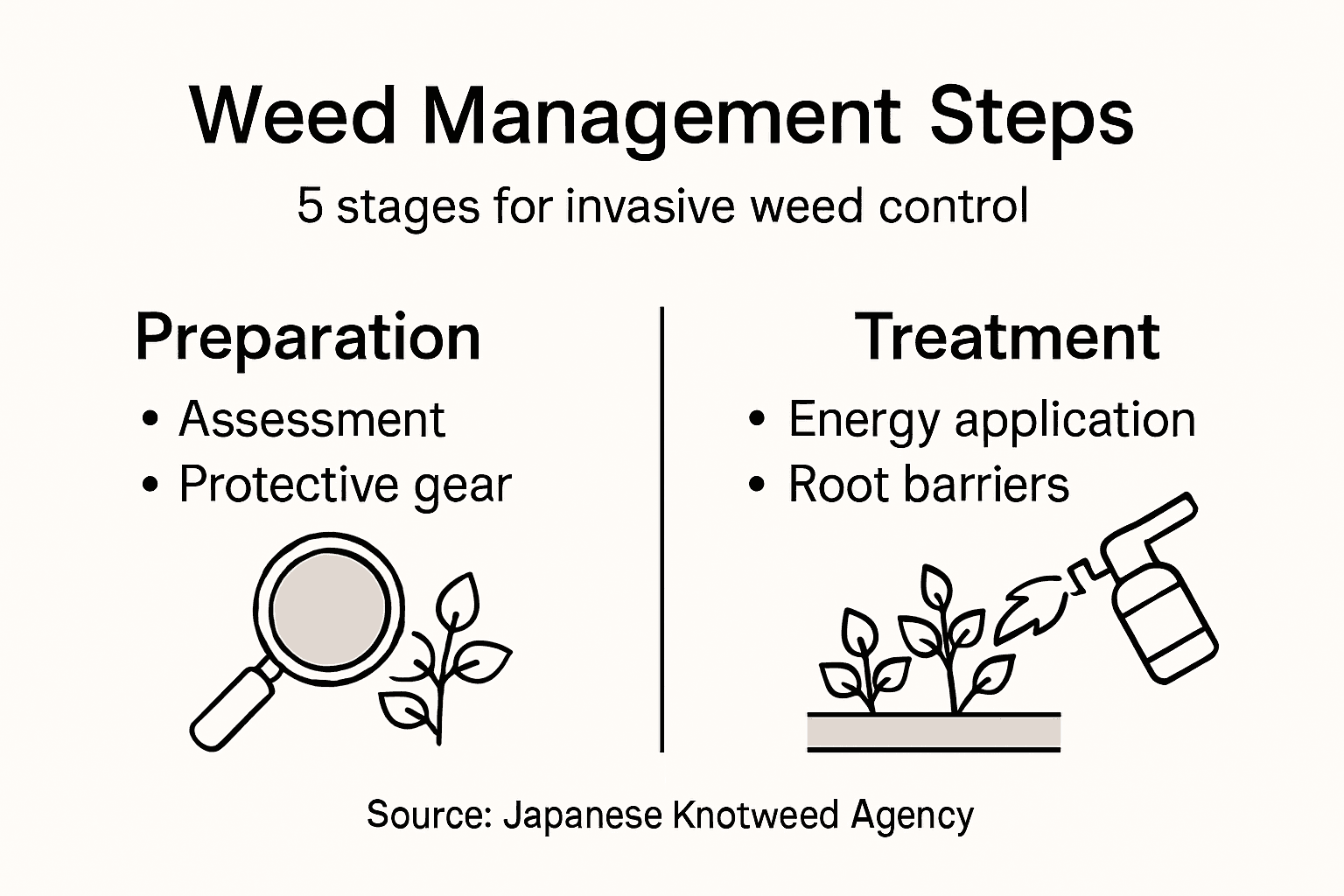
Infographic shows knotweed regrowth prevention cycle

Japanese knotweed management requires systematic inspection of the treated zones at regular intervals. Government guidelines recommend conducting thorough visual examinations every three to six months, looking for any signs of new shoot growth or emerging rhizome activity. Pay special attention to previously infected areas and surrounding zones, checking for distinctive reddish purple shoots, bamboo like stems, or unusual ground disturbances that might indicate underground root regeneration.

Warning: Even after comprehensive treatment, Japanese knotweed can remain dormant and suddenly reappear years later. Professional monitoring is strongly recommended, as tiny root fragments can potentially restart the entire infestation. Create a detailed documentation log tracking each inspection, including dates, observations, and any suspicious plant growth. Your diligence during this monitoring phase will be crucial in confirming the complete eradication of this resilient invasive plant.

Stop Japanese Knotweed Regrowth with Proven Natural Solutions

Preventing knotweed regrowth is a tough challenge that demands effective strategies beyond simple removal. The article highlights key pain points like thorough assessment, safe extraction of rhizomes, and innovative treatments like direct energy to cause internal cell damage. For anyone struggling to control this invasive plant naturally without harmful chemicals, understanding and accessing professional help is vital.

Japanese Knotweed Agency offers groundbreaking chemical-free treatment using direct energy up to 5000 volts. This technology targets the extensive underground rhizome network, depleting its energy and stopping regrowth at the source. Plus, with expert root barrier installation and comprehensive property surveys, our team helps secure your entire property against new infestations.

https://japaneseknotweedagency.co.uk

Take control of Japanese knotweed today by partnering with specialists who understand the complex biology and persistent nature of this invasive species. Visit Japanese Knotweed Agency now to schedule a professional survey or learn more about our direct energy eradication and root barrier installation services. Act quickly before dormant roots reemerge — your property deserves lasting relief.

Frequently Asked Questions

How can I assess my property for Japanese knotweed infestations?

To assess your property for Japanese knotweed, conduct a thorough visual inspection, focusing on areas like property boundaries and previous ground disturbances. Look for distinctive features such as bamboo-like stems and large heart-shaped leaves to identify infestations.

What steps should I take to safely remove visible knotweed shoots?

Begin by carefully cutting down all visible knotweed shoots at ground level, using clean tools to prevent spreading. Collect all plant material in sealed plastic bags and dispose of them properly to avoid regeneration.

How can root barriers be effectively installed to prevent knotweed spread?

To install a root barrier, excavate a trench around the infected area that is at least 3 meters deep. Line the trench with high-density polyethylene membranes that are at least 1 millimeter thick, ensuring no gaps for roots to escape.

What is the procedure for applying direct energy treatments to knotweed?

Apply direct energy treatments by delivering electrical currents into the knotweed’s root system to damage its cells. Use specialized equipment to ensure the current penetrates effectively, often requiring multiple sessions for complete eradication.

How often should I monitor treated areas for signs of knotweed regrowth?

Monitor treated areas every three to six months for any signs of new growth or rhizome activity. Conduct thorough visual examinations to ensure that no new shoots or disturbances are present, and maintain detailed documentation of your findings.

7 Top Invasive Plant Threats Homeowners Should Know

Every year, invasive plants cause billions in property and environmental damage, yet many American homeowners never realize the threat lurking in their own backyards. These aggressive species are not just a nuisance—they’re the second leading cause of global biodiversity loss, posing risks to ecosystems and home values alike. Understanding what makes these invaders so dangerous can help you better protect your property, local wildlife, and long-term investments.

Table of Contents

Quick Summary

Takeaway Explanation
1. Identify Invasive Plants Early Early identification prevents extensive ecological and financial damage to property and local ecosystems.
2. Understand Japanese Knotweed Risks This plant can cause serious property damage and legal issues if not managed properly.
3. Monitor for Giant Hogweed Exposure Contact with this plant can lead to severe skin burns and other health risks.
4. Control Himalayan Balsam Growth This plant rapidly spreads and threatens local biodiversity; quick removal is essential.
5. Seek Professional Help for Eradication Aggressive species may require expert intervention for safe and effective removal.

1. Understanding Invasive Plants and Their Risks

Invasive plants represent a significant ecological challenge that can dramatically transform local ecosystems and property landscapes. These non native species pose substantial threats to homeowners, causing environmental and property damage that often goes unnoticed until substantial harm occurs.

The impact of invasive plants extends far beyond simple gardening inconveniences. Invasive species are considered the second greatest threat to global biodiversity after habitat loss, with over 1,800 non native species documented across the United Kingdom. These aggressive plant varieties can rapidly overtake native vegetation, disrupting intricate ecological balance and creating widespread environmental problems.

Key Characteristics of Invasive Plants:

  • Reproduce and spread extremely quickly
  • Outcompete native plant species
  • Require minimal resources to thrive
  • Lack natural predators or control mechanisms

Non native invasive plants like Japanese Knotweed, Himalayan Balsam, and Giant Hogweed represent prime examples of ecological invaders. These plants can cause significant harm not just to surrounding vegetation, but potentially to human health and property structures. Some species can penetrate building foundations, damage underground infrastructure, and create expensive remediation challenges for homeowners.

Understanding these risks allows property owners to take proactive identification and management steps. Early detection and strategic intervention can prevent extensive ecological and financial damages, protecting both local biodiversity and personal property investments.

2. Japanese Knotweed: Why It’s a Major Threat

Japanese Knotweed represents one of the most destructive and challenging invasive plant species homeowners can encounter. This seemingly innocent plant has earned a notorious reputation for its ability to cause extensive property damage and create significant legal complications.

Japanese Knotweed spreads rapidly through an extraordinarily resilient root system capable of penetrating concrete foundations, underground pipes, and building structures. Its underground network can extend several meters horizontally and vertically, making complete eradication extremely challenging.

Critical Characteristics of Japanese Knotweed:

  • Grows up to 10 centimeters per day
  • Can break through solid concrete and tarmac
  • Regenerates from tiny root fragments
  • Extremely difficult to kill permanently

Homeowners face serious consequences if Japanese Knotweed is left untreated. Local authorities can issue community protection notices or pursue legal action against property owners who allow the plant to spread. The potential for prosecution exists when knotweed migrates to neighboring properties, creating potential financial and legal risks.

The economic impact can be substantial. Japanese Knotweed can dramatically reduce property values, with some estimates suggesting a potential 15 percent decrease in market value. Professional removal and treatment can cost thousands of dollars, making early detection and professional intervention crucial for property owners.

Protecting your property requires proactive monitoring, immediate identification, and professional remediation strategies. Understanding the plant’s aggressive growth patterns and potential destruction can help homeowners take swift action before significant damage occurs.

3. Giant Hogweed: Dangers and Identification Tips

Giant Hogweed might look like an innocent garden plant, but it represents one of the most dangerous invasive species homeowners can encounter. This towering plant harbors a toxic secret that can cause severe health risks to humans and animals who come into contact with it.

Physical Characteristics:

  • Height can reach up to 16 feet tall
  • Large white flowering clusters
  • Thick green stems with purple blotches
  • Enormous leaves spanning several feet wide

Giant Hogweed is classified as a serious environmental hazard, with legal restrictions preventing its intentional growth. Its sap contains phototoxic chemicals that create an extreme skin reaction when exposed to sunlight, causing painful blisters and potential long term skin damage.

Potential Health Risks:

  • Severe skin burns and blistering
  • Potential blindness if sap contacts eyes
  • Extreme skin sensitivity to sunlight
  • Potential scarring from chemical burns

According to wildlife regulations, planting or allowing Giant Hogweed to grow is legally prohibited. The Wildlife and Countryside Act 1981 specifically lists this plant under Schedule 9, making it an offense to intentionally cause its spread.

If you suspect Giant Hogweed on your property, professional removal is strongly recommended. Attempting to remove the plant without proper protective equipment can result in serious medical complications. Always wear protective clothing, avoid direct skin contact, and consult experts who can safely eliminate this dangerous invasive species.

4. Himalayan Balsam: How to Spot and Control It

Himalayan Balsam might appear beautiful with its delicate pink flowers, but this invasive plant represents a serious ecological threat to native ecosystems. Often mistaken for an ornamental garden plant, it aggressively spreads and destroys local biodiversity.

Distinctive Identification Features:

  • Purple pink helmet shaped flowers
  • Tall plant structure
  • Smooth green stems
  • Large leaf formations
  • Explosive seed dispersal mechanism

This invasive species demonstrates remarkable reproductive capabilities that make it particularly dangerous to local environments. Each plant can produce an astonishing 800 seeds that can be propelled up to 7 meters away, creating rapid and uncontrolled spread across landscapes.

Control and Removal Strategies:

  • Hand pull plants before seed formation
  • Cut plants at ground level multiple times per season
  • Prevent seed pod development
  • Monitor areas for recurring growth
  • Dispose of plants carefully to prevent accidental spread

Homeowners should act quickly when identifying Himalayan Balsam. The plant typically flowers from June to October, providing a clear window for identification and removal. Professional intervention might be necessary for large infestations, as improper removal can inadvertently assist the plant’s aggressive propagation.

5. Common Rhododendron: Harm to Local Ecosystems

Rhododendron might seem like an attractive ornamental plant with its vibrant blooms, but this deceptive species represents a significant threat to native ecosystems. What appears to be a beautiful garden addition can quickly become an ecological nightmare for local environments.

Invasive Characteristics:

  • Dense growth patterns
  • Rapid spread capabilities
  • Ability to suppress native vegetation
  • Toxic properties deterring local wildlife

Extensive research confirms Rhododendron ponticum as a particularly aggressive invasive species that systematically destroys local biodiversity. The South Downs National Park Authority emphasizes how this plant can completely dominate landscapes, suppressing native flora and fundamentally altering habitat structures.

Ecological Impact Zones:

  • Woodland environments
  • Grassland ecosystems
  • Coastal vegetation regions
  • Agricultural border zones

Homeowners and land managers must recognize the potential long term consequences of allowing Rhododendron to establish itself. Its dense canopy blocks sunlight, preventing native plant growth and creating monoculture environments that drastically reduce local plant and animal diversity. Professional removal and strategic management are crucial to preventing widespread ecological disruption.

6. New Zealand Pigmyweed: Waterway Invasion Issues

New Zealand Pigmyweed might seem like an innocuous aquatic plant, but this small organism represents a significant threat to waterway ecosystems across the United Kingdom. Its unassuming appearance belies a remarkably destructive potential that can fundamentally alter local aquatic environments.

Distinctive Growth Characteristics:

  • Thrives in slow moving water
  • Rapid reproduction capabilities
  • Adaptable to multiple water environments
  • Can grow in both submerged and emerged conditions

Invasive species strategies highlight New Zealand Pigmyweed as a critical ecological concern for water management professionals. The plant can flourish in stagnant and slow moving water sources, including canals, lakes, and small water bodies, creating substantial disruption to native aquatic ecosystems.

Potential Ecological Impacts:

  • Displaces native aquatic plant species
  • Reduces water oxygen levels
  • Blocks sunlight from reaching underwater vegetation
  • Disrupts local marine biodiversity

Homeowners with ponds, water features, or properties near water sources should remain vigilant. Professional assessment and targeted removal strategies are crucial to preventing this invasive species from establishing itself and causing long term environmental damage.

7. Steps Homeowners Can Take to Tackle Invasive Plants

Tackling invasive plant species requires a strategic and informed approach that goes beyond simple garden maintenance. Homeowners play a critical role in preventing the spread of destructive non native plants that can cause significant ecological and property damage.

Key Proactive Strategies:

  • Accurate plant identification
  • Immediate intervention
  • Professional consultation
  • Proper disposal techniques
  • Regular monitoring

Successful invasive plant management begins with understanding proper identification and treatment methods. The Royal Horticultural Society recommends specific disposal protocols for different invasive plant species, emphasizing that different plants require unique removal approaches.

Recommended Action Steps:

  • Research specific plant characteristics
  • Consult local ecological resources
  • Use protective equipment during removal
  • Avoid spreading plant material
  • Document and track plant locations

Professional intervention becomes crucial when dealing with particularly aggressive species like Japanese Knotweed or Giant Hogweed. Homeowners should never attempt removal without understanding the specific risks and proper containment methods. Specialized treatment techniques can prevent further ecological damage and potential legal complications associated with invasive plant spread.

Below is a comprehensive table summarizing the main threats and management strategies for invasive plant species discussed throughout the article.

Plant Species Characteristics Risks & Impacts Management Strategies
Invasive Plants Overall Rapid Spread
Outcompete Natives
Disrupt Ecosystems
Environmental Damage
Property Damage
Early Detection
Strategic Intervention
Japanese Knotweed Resilient Roots
Grows Quickly
Property Damage
Legal Complications
Professional Removal
Proactive Monitoring
Giant Hogweed Tall Growth
Phototoxic Sap
Health Risks
Legal Restrictions
Professional Removal
Protective Clothing
Himalayan Balsam Explosive Seed Dispersal Ecological Threat
Rapid Spread
Hand Pulling
Monitor Growth
Common Rhododendron Dense Growth
Toxic Properties
Suppresses Native Plants
Reduces Biodiversity
Professional Management
Regular Intervention
New Zealand Pigmyweed Aquatic Growth
Rapid Reproduction
Displaces Native Species
Disrupts Waterways
Targeted Removal
Professional Assessment
General Strategies Accurate Identification
Proper Disposal
Prevents Spread
Minimizes Ecological Damage
Use Protective Equipment
Consult Experts

Protect Your Property from Destructive Invasive Plants Today

Invasive plants such as Japanese Knotweed, Giant Hogweed, and Himalayan Balsam pose serious risks to your property and local ecosystems. These aggressive species can damage foundations, reduce property value, and even create legal troubles if left unchecked. If you want to tackle these threats with safe and effective solutions, our chemical free treatments at Japanese Knotweed Agency are designed to deliver direct energy to invasive plants, breaking down their root systems and preventing regrowth.

https://japaneseknotweedagency.co.uk

Don’t wait until invasive plants cause irreparable damage. Take proactive steps now by scheduling a professional property survey and exploring innovative options like root barrier installations and excavation works. Visit Japanese Knotweed Agency to learn more about our proven eradication methods and secure your home’s future against these relentless invaders.

Frequently Asked Questions

How can I identify invasive plants on my property?

To identify invasive plants, look for species that spread quickly, outcompete native plants, and have distinct growth patterns. Familiarize yourself with common characteristics of invasive plants, such as rapid reproduction rates and minimal resource requirements. You can start by comparing local vegetation with online resources or field guides.

What are the signs of Japanese Knotweed infestation?

Signs of Japanese Knotweed infestation include bamboo-like stems, large heart-shaped leaves, and hollow stems with distinct purple speckles. If you notice these features, take immediate action by marking the area and consulting extermination experts to manage the situation effectively within a timely manner.

How can I safely remove Giant Hogweed from my yard?

Safely remove Giant Hogweed by wearing protective clothing and avoiding direct contact with the plant. Use gloves and eye protection, and seek professional help to ensure safe removal of this hazardous plant without risking exposure to its toxic sap.

What steps should I follow if I find Himalayan Balsam in my garden?

If you find Himalayan Balsam, act quickly by hand-pulling plants before they set seed, ideally before they start flowering from June to October. Properly dispose of the plants by sealing them in bags to prevent seed dispersal and consider asking for professional assistance if the infestation is extensive.

How do invasive plants like Rhododendron affect local ecosystems?

Invasive plants like Rhododendron create dense areas that block sunlight and suppress native species, leading to a decline in local biodiversity. To mitigate their effect, regularly monitor your property and remove any Rhododendron plants to promote a healthier ecosystem around you.

What’s the best approach to manage New Zealand Pigmyweed in waterways?

To manage New Zealand Pigmyweed, conduct regular assessments of your waterway and remove any signs of growth immediately. Engage local environmental services if necessary to deploy targeted removal strategies within the weed’s growing season to limit its spread.

Impact of Knotweed on Insurance: Complete Guide UK

Most american property owners might be surprised to learn that Japanese knotweed is responsible for billions in damages worldwide each year. This fast-growing plant does not just ruin gardens, it can also crack foundations and lower property values with astonishing speed. Understanding the risks tied to Japanese knotweed can help homeowners protect their investment, avoid legal trouble, and make informed choices about insurance and treatment.

Table of Contents

Key Takeaways

Point Details
Invasive Nature of Japanese Knotweed Japanese knotweed is a highly invasive plant that can cause significant property damage and disrupt local ecosystems. Its robust root system makes eradication extremely challenging.
Legal Obligations for Property Owners Property owners are legally required to prevent the spread of Japanese knotweed and disclose its presence during real estate transactions to avoid legal repercussions.
Impact on Homeowners Insurance Homeowners with Japanese knotweed infestations may face higher insurance premiums, coverage limitations, and additional conditions for securing insurance against property damage.
Mortgage Lender Challenges Mortgage lenders require extensive documentation and treatment plans for properties with knotweed, complicating the loan approval process and potentially impacting property marketability.

What Is Japanese Knotweed and Its Risks

Japanese knotweed is an extraordinarily aggressive invasive plant species that poses significant risks to property owners and ecosystems across the United Kingdom. Originally introduced in the 19th century as an ornamental garden plant, this seemingly innocuous vegetation has transformed into a major environmental and property management challenge. Japanese knotweed can grow in most soil conditions, particularly thriving in man-made habitats like roadsides and railway embankments.

The plant’s most dangerous characteristic is its incredibly robust root system, known as rhizomes, which can spread aggressively and cause substantial structural damage. These underground networks are so resilient that plant fragments as small as 1 centimeter can regenerate into entirely new plants, making complete eradication extremely difficult. The consequences of letting Japanese knotweed spread can be devastating, with potential to compromise building foundations, disrupt pavements, and undermine structural integrity.

The risks associated with Japanese knotweed extend far beyond simple property damage. The plant forms dense stands that effectively outcompete native vegetation, dramatically altering local ecosystems. Its ability to exploit joints and cracks in hard surfaces means it can penetrate concrete, drainage systems, and building foundations with alarming ease. Property owners facing a Japanese knotweed infestation can experience significant financial consequences, including reduced property values, costly removal processes, and potential legal complications if the spread is not promptly and professionally managed.

Key risks of Japanese knotweed include:

  • Structural damage to buildings and infrastructure
  • Rapid and unpredictable growth patterns
  • Significant reduction in property market value
  • Potential legal liability for spread to neighboring properties
  • Expensive professional removal requirements
  • Ecosystem disruption and displacement of native plant species

How Knotweed Affects Homeowners Insurance

Japanese knotweed presents significant challenges for homeowners seeking property insurance, dramatically impacting coverage options and potential financial risks. Japanese knotweed house insurance has become increasingly complex due to the plant’s potential to cause structural damage and reduce property values. Insurers view this invasive species as a serious risk factor that can significantly complicate property ownership and mortgage approvals.

Homeowner reviewing insurance documents, knotweed outside

Research from leading universities suggests that the risks might be somewhat overstated, with studies indicating that the plant may pose less structural threat than previously believed. However, most insurance providers remain cautious, often requiring specialized surveys and treatment plans before offering comprehensive coverage. Homeowners with confirmed knotweed infestations frequently face higher premiums, reduced coverage options, and potential difficulties in obtaining mortgage approvals.

The financial implications of Japanese knotweed can be substantial. Insurance companies typically approach knotweed-affected properties with significant scrutiny, potentially refusing coverage or imposing stringent conditions. Homeowners may need to invest in professional eradication services, provide detailed treatment documentation, and demonstrate ongoing management to secure adequate insurance protection. Mortgage issues related to knotweed can further complicate property transactions, potentially reducing market value and making refinancing challenging.

Key insurance considerations for knotweed-affected properties include:

  • Higher insurance premiums
  • Potential coverage limitations
  • Required professional survey documentation
  • Mandatory treatment and management plans
  • Potential reduction in property marketability
  • Additional costs for specialized removal services

Mortgage Lenders’ Policies on Knotweed Presence

Mortgage lenders have developed increasingly strict policies regarding properties with Japanese knotweed, creating significant challenges for homeowners and potential buyers. Getting a mortgage with Japanese knotweed has become a complex process that requires careful documentation and specialized treatment plans. Most financial institutions now require comprehensive evidence of knotweed management and potential eradication before considering loan approval.

Research from university studies suggests that the current lending policies might be disproportionately cautious. The scientific evidence indicates that Japanese knotweed may pose less structural risk than traditionally assumed, yet many mortgage providers continue to maintain conservative lending standards. This approach often results in additional hurdles for property owners, including mandatory professional surveys, treatment certifications, and potential loan denials.

The UK Parliament’s Science and Technology Committee has recommended a more nuanced approach to knotweed assessment, suggesting that lending decisions should be proportionate to the actual physical risks. Despite these recommendations, most mortgage lenders continue to implement stringent policies that can significantly impact property transactions. Potential borrowers with knotweed-affected properties must typically provide extensive documentation, including professional survey reports, comprehensive treatment plans, and ongoing management strategies to demonstrate the property’s long-term viability.

Key considerations for mortgage applicants with knotweed-affected properties include:

  • Mandatory professional knotweed surveys
  • Detailed treatment and eradication documentation
  • Potential requirement for specialized insurance
  • Higher likelihood of loan application scrutiny
  • Possible need for additional financial guarantees
  • Potential additional costs for professional assessments

Landowners face significant legal obligations when it comes to managing Japanese knotweed on their property. Government guidance clearly outlines critical responsibilities that property owners must understand to avoid potential legal complications. The primary legal duty centers on preventing the spread of this invasive plant, with serious consequences for those who fail to manage knotweed effectively.

Under the Wildlife and Countryside Act, property owners are legally prohibited from deliberately allowing Japanese knotweed to spread into wild areas. This restriction means that simply ignoring the plant’s presence can result in prosecution. Property sellers must be particularly cautious, as failing to disclose a known knotweed infestation can lead to legal action and potential financial penalties.

The legal landscape surrounding Japanese knotweed extends beyond simple removal requirements. Property transactions now typically involve mandatory disclosure of knotweed presence, with potential buyers having the right to request comprehensive information about any existing infestations. Homeowners may be held liable for damages if they knowingly fail to address a knotweed problem that subsequently impacts neighboring properties or causes structural damage. This creates a complex legal environment where proactive management is not just recommended, but essentially required.

Key legal considerations for property owners include:

  • Mandatory prevention of knotweed spread
  • Legal obligation to disclose knotweed presence during property sales
  • Potential prosecution for intentional or negligent spread
  • Liability for damages to neighboring properties
  • Required documentation of treatment and management
  • Potential financial penalties for non-compliance

Treatment Options and Proof for Insurers

Insurers demand comprehensive documentation and evidence of professional Japanese knotweed treatment to consider coverage for affected properties. Japanese knotweed and its detrimental impact on the property industry highlights the critical importance of systematic eradication strategies that provide verifiable proof of effective management.

Infographic showing knotweed insurance claim process

Professional treatment recommendations emphasize the use of specialized herbicide treatments, typically glyphosate-based solutions applied during late summer or autumn. These treatments require professional application and often span two to three years to achieve complete eradication. Insurance providers typically require detailed documentation including treatment plans, professional survey reports, and ongoing management strategies to validate the property’s reduced risk profile.

The most effective treatment approaches combine multiple strategies to demonstrate comprehensive knotweed management. Physical removal techniques, chemical treatments, and root barrier installations provide insurers with multiple layers of evidence that the infestation is being systematically controlled. Property owners must maintain meticulous records of all treatment interventions, including professional assessments, chemical application logs, and follow-up inspection reports to satisfy the stringent documentation requirements of most insurance providers.

Key documentation requirements for insurers include:

  • Comprehensive professional survey reports
  • Detailed treatment and eradication plans
  • Chemical application logs and treatment history
  • Ongoing management and monitoring documentation
  • Professional certification of treatment effectiveness
  • Photographic evidence of treatment progress

Protect Your Property Against Japanese Knotweed Risks Today

Japanese Knotweed presents serious challenges affecting property insurance, mortgage approval, and costly treatments. If you are facing issues like higher premiums, strict lender requirements, or legal obligations to prove effective eradication, you need a solution designed to tackle these pain points head-on. Our chemical-free treatment delivers powerful energy directly to knotweed rhizomes, ensuring thorough control that insurers will recognize. With root barrier installations and expert excavation services, we help you protect your property value and meet the stringent documentation demands outlined throughout this guide.

https://japaneseknotweedagency.co.uk

Take control of the risks linked to Japanese Knotweed by partnering with trusted experts. Visit Japanese Knotweed Agency to explore our treatment options, arrange a professional property survey, and access the reliable documentation needed for your insurance and mortgage processes. Act now to secure your home and avoid the financial and legal pitfalls discussed in this guide.

Frequently Asked Questions

What is Japanese knotweed and why is it a problem for homeowners?

Japanese knotweed is an invasive plant species that can cause significant structural damage to properties due to its aggressive growth and robust root system. It can undermine foundations, pathways, and drainage systems, leading to substantial repair costs and decreased property values.

How does Japanese knotweed affect home insurance coverage?

Japanese knotweed can complicate home insurance coverage, as insurers often see it as a serious risk. Homeowners with infestations may face higher premiums, reduced coverage options, and requirements for specialized surveys and treatment plans before obtaining insurance.

What documentation is required for insurance if Japanese knotweed is present?

Insurers typically require comprehensive documentation, including professional survey reports, detailed treatment plans, chemical application logs, and ongoing management records to validate effective knotweed management.

Are mortgage lenders concerned about properties with Japanese knotweed?

Yes, mortgage lenders have strict policies regarding properties affected by Japanese knotweed. They often require evidence of proper management and treatment before considering lending approval, which can complicate property transactions.

Complete Guide to the Role of Knotweed Specialists

More than 40 percent of american homeowners have never heard of Japanese Knotweed, yet this aggressive plant can silently destroy property value and infrastructure. Its rapid spread leaves many facing unexpected repair bills and legal headaches. If you own or plan to buy property, understanding why specialized knotweed expertise matters could save you thousands and protect your investment from hidden dangers.

Table of Contents

Key Takeaways

Point Details
Expertise of Knotweed Specialists These professionals specialize in the identification and management of Japanese Knotweed, combining scientific knowledge with practical experience.
Comprehensive Services Offered They provide a range of services, including site assessments, treatment plans, and ongoing monitoring to effectively manage infestations.
Non-Chemical Eradication Methods Innovative approaches, such as thermo-electric eradication and mechanical removal, offer environmentally safe alternatives to traditional chemical treatments.
Legal Responsibilities and Risks Property owners must understand their legal obligations regarding Knotweed management to avoid financial penalties and property value reduction.

Defining Knotweed Specialists and Their Expertise

Knotweed specialists are highly trained professionals who focus exclusively on identifying, managing, and eradicating Japanese Knotweed, an invasive plant species notorious for its aggressive growth and potential property damage. These experts combine scientific knowledge, practical experience, and specialized techniques to address the complex challenges presented by this persistent plant.

Unique expertise characterizes these specialists, who understand the intricate biological characteristics of Japanese Knotweed. Research from Swansea University highlights the critical role of scientific understanding in developing effective control strategies. Knotweed specialists possess deep knowledge about the plant’s growth patterns, underground rhizome networks, and the potential legal and financial implications of its presence on properties.

The core responsibilities of knotweed specialists typically include:

  • Comprehensive site surveys and invasive plant identification
  • Precise mapping of knotweed spread and root systems
  • Development of targeted eradication strategies
  • Implementation of chemical-free treatment protocols
  • Providing expert documentation for property transactions and legal requirements

These professionals play a crucial role in protecting property values and preventing the extensive damage that Japanese Knotweed can cause. By combining scientific expertise with practical field experience, knotweed specialists offer property owners a comprehensive approach to managing this challenging invasive species.

Types of Knotweed Services Offered

Knotweed specialists provide a comprehensive range of services designed to address the complex challenges posed by Japanese Knotweed. These professional services are tailored to meet diverse client needs, from initial property assessments to complete eradication strategies. Property owners, developers, and legal professionals rely on these specialized services to mitigate risks associated with this invasive plant species.

The primary services offered by knotweed specialists typically include:

  • Site Surveys and Identification: Detailed property assessments using advanced detection techniques
  • Root Mapping: Precise underground rhizome network documentation
  • Treatment Plans: Development of targeted chemical-free eradication strategies that comply with legal requirements
  • Documentation Services: Preparation of expert reports for property transactions, legal proceedings, and insurance claims
  • Ongoing Monitoring: Long-term tracking and management of knotweed growth and potential reemergence

Beyond standard treatment, many knotweed specialists offer specialized services such as root barrier installations, excavation works, and expert consultations for complex scenarios. These professionals use cutting-edge technologies and scientific approaches to provide comprehensive solutions that protect property values and prevent potential environmental and structural damage. Their expertise extends beyond simple plant removal, encompassing a holistic approach to invasive species management that considers ecological, legal, and financial implications.

Installing root barrier against knotweed

Clients can expect a systematic approach that begins with a thorough initial assessment and culminates in a customized treatment plan. Whether dealing with residential properties, commercial developments, or legal disputes, knotweed specialists bring a combination of scientific knowledge, practical experience, and specialized techniques to effectively address the challenges presented by this persistent and potentially destructive plant.

Non-Chemical Methods for Knotweed Eradication

Non-chemical eradication methods represent innovative approaches to managing Japanese Knotweed without relying on traditional herbicide treatments. These techniques focus on physically disrupting the plant’s growth and preventing its ability to regenerate, offering environmentally friendly alternatives that minimize potential ecological damage.

One of the most promising non-chemical approaches is thermo-electric eradication, which uses targeted electrical energy to destroy the plant’s cellular structure. This method works by delivering precise electrical pulses that cause internal cell damage, effectively killing the knotweed without introducing harmful chemicals into the environment. The technique is particularly advantageous because it:

  • Prevents chemical contamination of soil
  • Minimizes damage to surrounding vegetation
  • Provides a targeted approach to plant elimination
  • Reduces long-term environmental impact

Mechanical removal methods remain another critical non-chemical strategy. These techniques involve physically extracting the plant’s extensive root system, though extreme caution is required. Professionals must carefully excavate and remove the entire rhizome network, as even small root fragments can potentially regenerate into new plants. Proper disposal is crucial, with strict protocols mandating that knotweed waste be treated as controlled waste to prevent accidental spread.

Advanced non-chemical methods also include innovative approaches like root barrier installations and systematic excavation works. These strategies focus on comprehensive removal and prevention, creating physical barriers that stop knotweed spread and completely removing contaminated soil. Property owners and land managers increasingly favor these methods for their long-term effectiveness and minimal environmental disruption, representing a sophisticated approach to managing this challenging invasive species.

Non-chemical knotweed control methods infographic

Legal obligations surrounding Japanese Knotweed create a complex landscape of responsibilities for property owners, developers, and land managers. Understanding these legal requirements is crucial for preventing potential financial and environmental consequences associated with this invasive plant species.

Landowner responsibilities extend beyond simple property maintenance, with specific legal mandates governing knotweed control and prevention. While it is not inherently illegal to have Japanese Knotweed on private property, property owners can face significant legal challenges if they fail to prevent its spread. Key legal considerations include:

  • Preventing knotweed from spreading to neighboring properties
  • Ensuring proper containment and management
  • Providing accurate disclosure during property transactions
  • Implementing approved eradication methods

Survey requirements represent a critical component of legal compliance and risk management. Professional knotweed specialists must conduct comprehensive site assessments that document the extent of infestation, potential spread, and recommended treatment strategies. These surveys serve multiple purposes, including:

  • Establishing a baseline for potential legal documentation
  • Identifying potential liability risks
  • Supporting insurance and mortgage applications
  • Providing evidence for potential legal proceedings

Property owners and potential buyers must recognize that Japanese Knotweed can significantly impact property values and legal standing. Failure to address knotweed appropriately can result in legal disputes, reduced property values, and potential financial penalties. Engaging certified knotweed specialists who understand the intricate legal landscape is essential for effectively managing this challenging invasive species.

Risks, Costs, and Choosing a Specialist

Japanese Knotweed presents significant financial and structural risks that can dramatically impact property values and long-term maintenance expenses. Property owners face potentially extensive costs associated with professional eradication, which can range from minor remediation to complete site reconstruction depending on the infestation’s severity and spread.

The primary risks associated with Japanese Knotweed include:

  • Structural damage to foundations, walls, and underground infrastructure
  • Significant reduction in property market value
  • Potential mortgage and insurance complications
  • Expensive long-term treatment and management requirements
  • Legal disputes with neighboring properties

When selecting a knotweed specialist, property owners must carefully evaluate several critical factors. Surveyor credentials and specialized training represent the most crucial considerations in identifying a qualified professional. Key selection criteria should include:

  • Proven expertise in invasive species management
  • Comprehensive certification and professional credentials
  • Documented experience with successful knotweed eradication
  • Transparent pricing and detailed treatment proposals
  • Advanced non-chemical treatment capabilities

Financial considerations extend beyond immediate treatment costs. Potential property owners must understand that unaddressed knotweed can lead to substantial long-term expenses, including potential structural repairs, legal fees, and decreased property values. Professional knotweed specialists provide critical expertise in mitigating these risks, offering comprehensive assessment, targeted treatment strategies, and ongoing management solutions that protect both property investments and environmental integrity.

Take Control of Japanese Knotweed with Expert, Chemical-Free Solutions

Japanese Knotweed can create overwhelming risks for your property and peace of mind. This persistent invasive plant demands specialized knowledge and proven methods that go beyond traditional treatments. At Japanese Knotweed Agency, we understand the challenges you face with root mapping, legal survey requirements, and non-chemical eradication techniques like thermo-electric treatment. Our cutting-edge approach delivers direct energy up to 5000 volts onsite, causing irreversible damage to knotweed’s extensive rhizome network while protecting the surrounding environment and complying with legal standards.

https://japaneseknotweedagency.co.uk

Do not let Japanese Knotweed threaten your investment or legal standing any longer. Discover how our expert team can provide comprehensive property surveys and effective root barrier installations alongside excavation services. Take the first step toward a knotweed-free property by contacting Japanese Knotweed Agency today. Your property’s future is too important to leave to chance.

Frequently Asked Questions

What is the role of a knotweed specialist?

Knotweed specialists are trained professionals focused on identifying, managing, and eradicating Japanese Knotweed. They assess the infestation, develop targeted eradication strategies, and ensure compliance with legal requirements surrounding the invasive plant.

What services do knotweed specialists offer?

Knotweed specialists offer various services, including site surveys, root mapping, non-chemical treatment plans, expert documentation for property transactions, and ongoing monitoring of knotweed growth.

What are the risks associated with Japanese Knotweed?

The risks of Japanese Knotweed include structural damage to buildings, significant market value reduction of properties, complications with mortgages and insurance, costly long-term management needs, and potential legal disputes with neighboring properties.

What are non-chemical methods for eradicating knotweed?

Non-chemical methods for eradicating knotweed include thermo-electric eradication, which destroys the plant’s cells without chemicals, as well as mechanical removal techniques that focus on physically extracting the plant’s root system to prevent regrowth.