

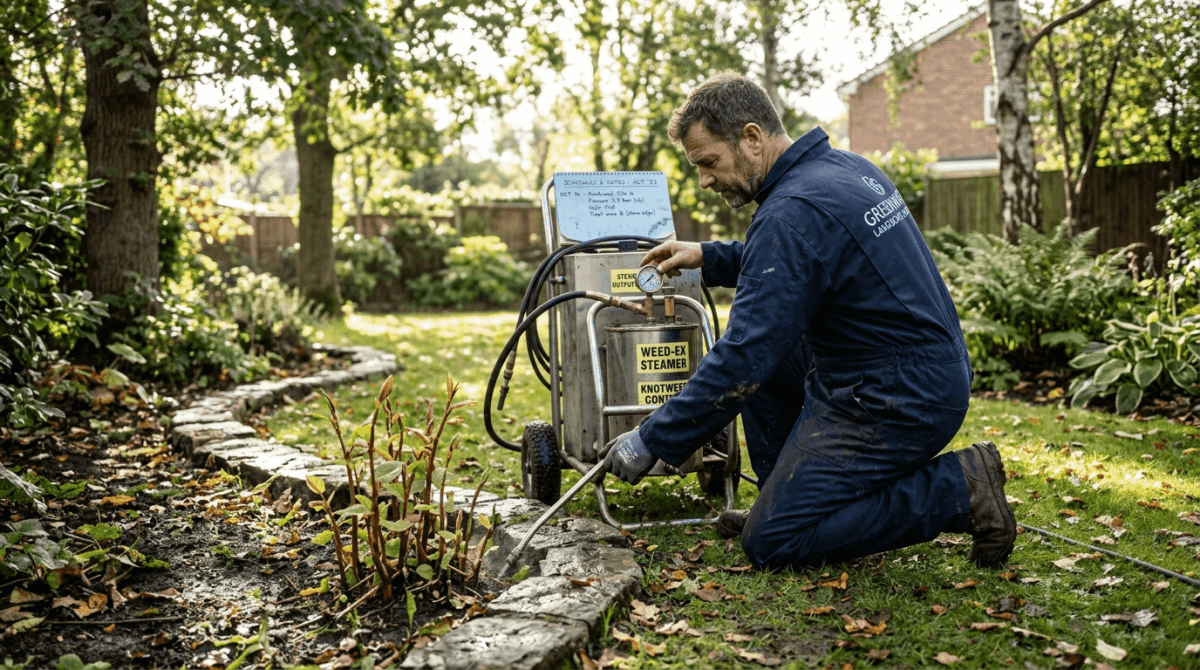
Most homeowners believe that powerful chemical herbicides are the only way to eliminate Japanese Knotweed, yet these treatments often fail to reach deep rhizomes and face imminent regulatory bans. Energy-based eradication methods, using controlled heat and electrical energy, are transforming invasive plant control across England, Wales, and Ireland. These chemical-free approaches deliver targeted energy directly to plant cells, causing internal damage without harming surrounding soil or ecosystems. This guide explains how thermo-electric and steam treatments work, why they outperform traditional herbicides, and how property owners can protect their investments whilst supporting sustainable land management practices.
Table of Contents
- Understanding Energy-Based Eradication And Its Benefits
- How Energy-Based Methods Work: Thermo-Electric And Steam Treatments
- Why Homeowners In England, Wales And Ireland Should Consider Energy-Based Eradication
- Challenges And Misconceptions About Japanese Knotweed Eradication
- Explore Chemical-Free Invasive Plant Solutions For Your Home
Key takeaways
| Point | Details |
|---|---|
| Chemical-free control | Energy-based methods eliminate Japanese Knotweed without toxic herbicides, protecting soil health and family safety. |
| Thermo-electric precision | Direct electrical heating damages internal plant cells and depletes rhizome energy reserves with targeted accuracy. |
| Steam soil restoration | High-temperature steam neutralises weeds, seeds, and pathogens, allowing contaminated soil to be safely reused onsite. |
| Regulatory compliance | Energy-based treatments align with upcoming glyphosate restrictions and health safety standards for residential properties. |
| Property value protection | Effective eradication prevents the 5-15% market value loss associated with persistent knotweed infestations. |
Understanding energy-based eradication and its benefits
Energy-based eradication represents a fundamental shift in invasive plant control, using precisely controlled thermal and electrical energy to destroy Japanese Knotweed without chemical intervention. Unlike conventional herbicides that rely on toxic compounds absorbed through leaves, energy-based weed control delivers direct heat or electrical current to plant tissues, causing irreversible cellular damage throughout the entire organism. This approach targets the extensive underground rhizome network that makes knotweed so difficult to eliminate, addressing the root cause rather than surface symptoms.
Comparing energy-based methods to chemical herbicides reveals stark differences in safety, effectiveness, and environmental impact. Chemical treatments typically require multiple applications over several years, leaving residues that contaminate soil and groundwater whilst facing increasing regulatory scrutiny. Energy-based solutions produce zero chemical residues, eliminate the need for costly soil disposal, and align with upcoming glyphosate bans anticipated across the UK. The benefits of chemical free weed control extend beyond environmental protection to include faster treatment cycles and reduced long-term costs for property owners.
Thermo-electric treatment exemplifies the precision possible with energy-based approaches. Specialised equipment delivers controlled electrical heating directly into knotweed stems and rhizomes, raising internal temperatures to lethal levels whilst leaving surrounding plants and soil unaffected. This targeted application causes protein denaturation and cell membrane rupture deep within the plant structure. The risk of regrowth is greatly reduced because the treatment depletes energy reserves stored in rhizomes, weakening the plant’s ability to regenerate after each session.
Key advantages for residential properties include:
- No toxic exposure for children, pets, or beneficial garden organisms
- Immediate usability of treated areas without waiting periods
- Compatibility with organic gardening and sustainable landscaping goals
- Reduced insurance complications and mortgage approval barriers
- Compliance with environmental protection regulations for sensitive sites
Pro Tip: Energy-based methods work exceptionally well in confined spaces like garden borders or areas near water features where chemical drift poses risks. The chemical-free knotweed eradication workflow allows treatment within metres of ponds, streams, or vegetable gardens without contamination concerns, making it ideal for typical residential settings where families want safe outdoor spaces.
How energy-based methods work: thermo-electric and steam treatments
Steam treatment harnesses high-temperature water vapour to destroy invasive plants and sanitise contaminated soil simultaneously. The process involves applying pressurised steam at temperatures exceeding 100°C directly to affected areas, penetrating soil depths where knotweed rhizomes proliferate. Steam treatment neutralises weeds, seeds, and harmful pathogens in soil, creating conditions where previously infested material can be safely reused for landscaping or construction fill. This eliminates disposal costs that can reach thousands of pounds for excavated knotweed waste, whilst restoring soil biological activity disrupted by years of herbicide applications.
Thermo-electric treatment operates on different principles but achieves similar outcomes through precisely controlled electrical heating. Thermo-electric treatment delivers precisely controlled, directed heat causing internal cell damage throughout the plant structure. Equipment applies electrical current through probes inserted into knotweed stems, generating resistance heating that raises tissue temperatures to 60-80°C. This thermal shock destroys cellular proteins and disrupts nutrient transport systems, whilst repeated treatments progressively deplete the carbohydrate reserves that fuel rhizome growth. The method proves particularly effective because it bypasses the waxy leaf cuticles that often repel herbicide sprays.
Implementing energy-based eradication follows a systematic chemical free treatment process designed for maximum effectiveness:
- Conduct thorough site assessment to map infestation extent and identify sensitive areas requiring protection.
- Select appropriate energy method based on site access, soil conditions, and treatment timeline requirements.
- Apply initial treatment during active growth periods when plants transport maximum energy to rhizomes.
- Schedule follow-up sessions at strategic intervals to target regrowth and exhaust underground energy reserves.
- Monitor treated areas with regular inspections to confirm eradication and address any residual growth promptly.
- Document treatment outcomes for property records, insurance purposes, and future landscaping plans.
Comparing the two primary energy-based approaches helps property owners select the optimal method:
| Feature | Steam Treatment | Thermo-electric Treatment |
|---|---|---|
| Typical cost per session | Moderate to high | Moderate |
| Treatment duration | 2-4 hours per area | 1-2 hours per area |
| Soil impact | Sanitises and restores | Minimal disturbance |
| Regrowth risk | Low with proper application | Very low with repeat treatments |
| Best suited for | Large infestations, soil remediation | Targeted control, sensitive sites |
Pro Tip: Thermo-electric methods excel in established gardens where you want to preserve surrounding plants, whilst steam treatment makes sense when you’re planning major landscaping changes and need to remediate large soil volumes. Combining both approaches in a staged treatment plan often delivers the fastest, most complete eradication for complex infestations.
Why homeowners in England, Wales and Ireland should consider energy-based eradication
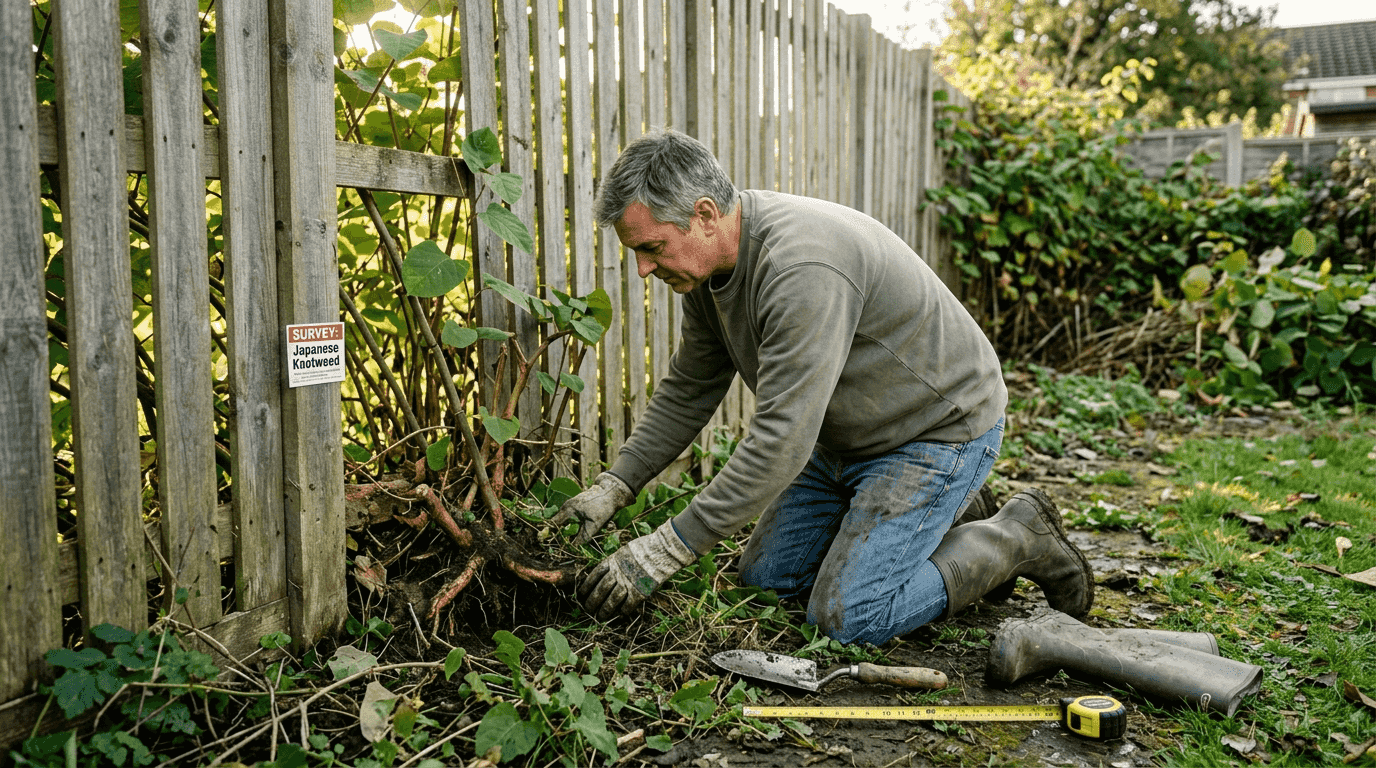
Japanese Knotweed affects an estimated 4% of properties across England, Wales, and Ireland, creating significant financial and legal complications for homeowners. The plant’s aggressive growth damages building foundations, disrupts drainage systems, and penetrates through tarmac and concrete with surprising force. Affected homes can lose between 5-15% of their market value due to Japanese Knotweed presence, whilst mortgage lenders often refuse financing until professional eradication programmes are in place. These economic pressures make effective, sustainable control methods essential for protecting property investments.
Regulatory changes are accelerating the shift away from chemical herbicides across the UK and Ireland. Glyphosate may be banned in the UK in December 2025 due to health risks, leaving homeowners who rely on traditional treatments facing limited options. European Union restrictions on chemical pesticides already influence Irish regulations, whilst growing public health concerns about herbicide exposure near homes and schools are prompting stricter local authority guidelines. Energy-based methods provide future-proof solutions that comply with emerging environmental standards.
Comparing traditional and modern approaches reveals why homeowners are switching to chemical-free alternatives:
| Aspect | Chemical Herbicide Control | Energy-based Methods |
|---|---|---|
| Family safety | Toxic exposure risks | Zero chemical contact |
| Treatment duration | 3-5 years typical | 1-2 years with proper protocol |
| Environmental impact | Soil and water contamination | No residues or runoff |
| Regulatory compliance | Facing restrictions | Fully compliant |
| Soil disposal costs | High for excavated material | Minimal with steam sanitisation |
Homeowners choosing non-chemical knotweed controls gain multiple practical advantages:
- Immediate garden access after treatment without waiting for chemical breakdown periods
- Protection for beneficial insects, soil microorganisms, and native plant species
- Compliance with organic gardening standards and sustainable property management goals
- Reduced liability concerns related to chemical drift onto neighbouring properties
- Alignment with knotweed removal best practices recognised by surveyors and insurance providers
Alan Hoey, pioneer of chemical-free knotweed solutions, emphasises that homeowners deserve treatment options that protect both property values and family health. His work demonstrates how chemical-free knotweed control benefits extend beyond immediate eradication to support long-term environmental stewardship and community wellbeing.
Pro Tip: Document your energy-based treatment programme with dated photographs and professional reports. This creates a clear property history that satisfies mortgage lenders, reassures potential buyers, and demonstrates responsible land management if knotweed ever spreads from neighbouring properties in future.
Challenges and misconceptions about Japanese Knotweed eradication
Numerous myths about Japanese Knotweed control persist amongst homeowners, often leading to wasted money and prolonged infestations. Common misconceptions include beliefs that ordinary weed killers designed for dandelions or thistles will eliminate knotweed, that cutting stems prevents spread, or that covering affected areas with landscape fabric stops growth. These approaches fail because they don’t account for the plant’s unique biology. Standard solutions used for other weeds don’t work on Japanese Knotweed due to its extensive rhizome network that can extend 3 metres deep and 7 metres horizontally from visible stems.
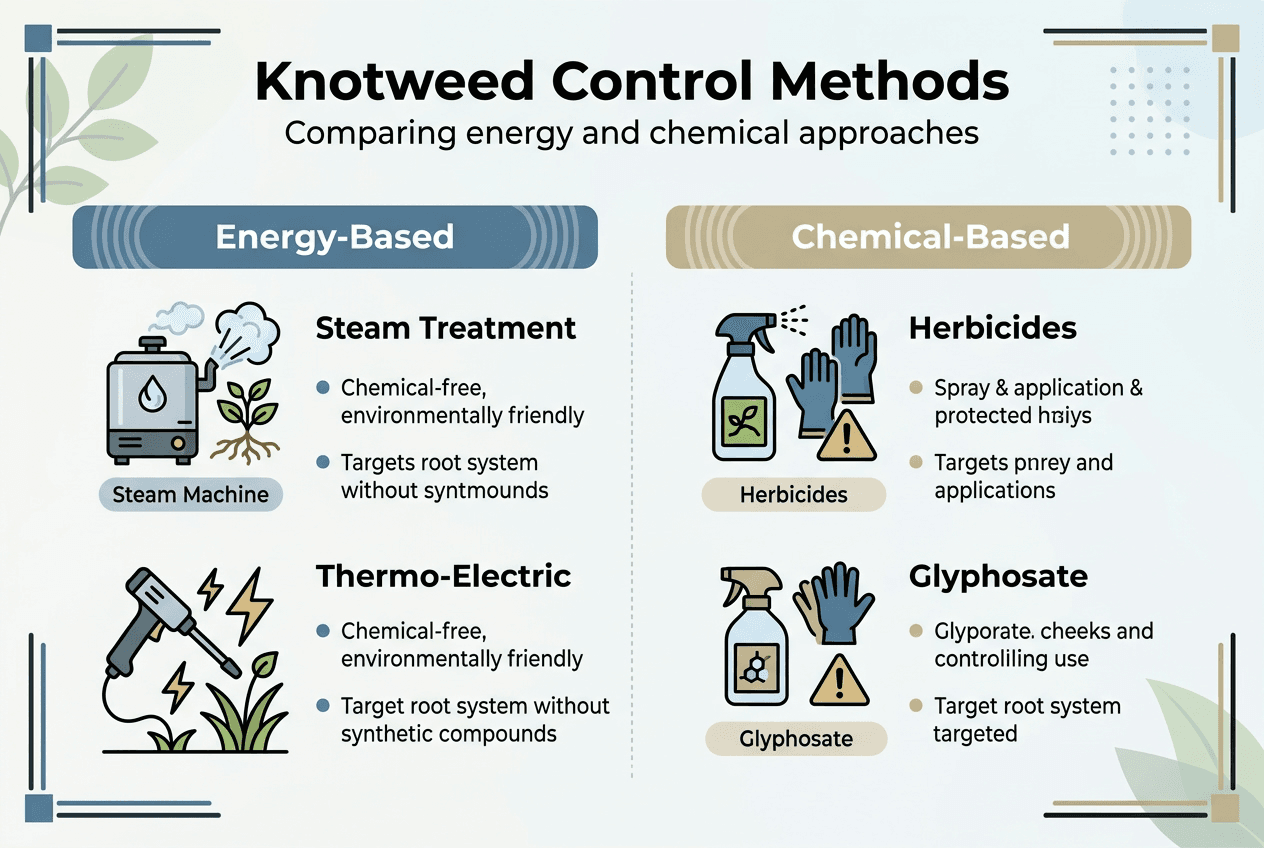
DIY attempts at knotweed control frequently worsen infestations rather than resolving them. DIY solutions do not work because improper cutting or digging fragments rhizomes, with each piece capable of generating new plants. Homeowners who attempt excavation without professional guidance often spread contaminated soil to other garden areas, creating multiple infestation sites. Even small rhizome fragments measuring just 0.7 grams can regenerate into full plants under favourable conditions, making amateur eradication efforts counterproductive.
Chemical herbicides marketed for knotweed control carry their own limitations that many property owners discover too late. Glyphosate-based treatments require perfect timing during active growth periods, multiple applications over several years, and careful technique to penetrate the plant’s waxy leaf surfaces. Environmental conditions like rain within 24 hours of application wash away herbicides before absorption occurs. The temporary nature of chemical suppression means rhizomes remain viable underground, ready to exploit any gap in treatment schedules.
Effective Japanese Knotweed eradication requires understanding the plant’s biology, using methods that target deep rhizome systems, and maintaining treatment consistency over appropriate timeframes. Shortcuts and generic approaches invariably fail, costing homeowners more in the long run.
Energy-based eradication addresses these challenges through direct physical destruction of plant tissues rather than relying on chemical absorption. Thermo-electric and steam treatments bypass the biological defences that make knotweed resistant to conventional controls, delivering lethal temperatures directly to rhizomes regardless of growth stage or weather conditions. This fundamental difference explains why energy methods achieve reliable results where other approaches struggle.
Most homeowners miss critical factors when evaluating eradication methods:
- Regrowth potential from untreated rhizome fragments left in soil
- Long-term soil contamination from repeated herbicide applications
- Realistic timeframes for complete eradication versus temporary suppression
- Legal obligations for preventing knotweed spread to neighbouring properties
- Documentation requirements for property sales and mortgage applications
Professional assessment identifies the full extent of infestations using techniques like ground-penetrating radar or systematic soil sampling. This prevents the common mistake of treating only visible growth whilst leaving extensive underground rhizome networks intact. The natural knotweed removal guide emphasises that lasting success requires combining appropriate technology with expert knowledge of plant behaviour and site-specific conditions.
Explore chemical-free invasive plant solutions for your home
Protecting your property from Japanese Knotweed doesn’t require compromising on environmental values or family safety. Professional chemical-free invasive plant solutions combine advanced energy-based technologies with expert assessment to deliver reliable eradication results. These services provide comprehensive treatment programmes tailored to your property’s specific conditions, ensuring compliance with regulations whilst preserving soil health and garden ecosystems. Homeowners gain peace of mind knowing their properties receive the same cutting-edge approaches that are revolutionising invasive species management across the UK and Ireland.

The chemical-free knotweed treatment process begins with thorough site evaluation and continues through systematic energy applications designed to exhaust rhizome reserves completely. Professional teams document every stage, creating the detailed records mortgage lenders and property surveyors require. Whether you’re dealing with a small garden infestation or extensive knotweed affecting multiple areas, expert guidance ensures you choose the most effective approach for your situation.
Take these practical steps to address knotweed concerns:
- Book a professional survey to accurately map infestation extent and assess treatment options
- Review the complete treatment workflow to understand timeframes and expected outcomes
- Explore knotweed FAQs to get answers about costs, guarantees, and property implications
FAQ
What is energy-based eradication?
Energy-based eradication uses controlled thermal or electrical energy to destroy invasive plants without chemical herbicides. Thermo-electric methods deliver precise electrical heating to plant tissues, whilst steam treatments apply high-temperature vapour to eliminate weeds and sanitise soil. Both approaches target the deep rhizome networks that make Japanese Knotweed so difficult to control with conventional methods.
How does energy-based eradication compare to chemical treatments?
Energy-based methods eliminate toxic exposure risks, produce zero soil or water contamination, and typically achieve complete eradication in 1-2 years versus 3-5 years for herbicides. The chemical-free knotweed eradication workflow allows immediate garden use after treatment and complies with emerging restrictions on glyphosate and other chemical pesticides.
Is energy-based eradication safe for residential properties?
Yes, energy-based treatments pose no risks to children, pets, or beneficial garden organisms. The methods target only the invasive plants being treated, leaving surrounding vegetation and soil biology unaffected. Properties can be used normally immediately after treatment sessions, unlike chemical applications that require exclusion periods.
How long does energy-based eradication take?
Complete eradication typically requires 12-24 months with properly scheduled treatment sessions. Initial applications target visible growth and accessible rhizomes, whilst follow-up treatments address regrowth and exhaust underground energy reserves. The exact timeline depends on infestation size, site conditions, and treatment method selected.
What are the main benefits of chemical-free weed control?
The benefits of chemical free weed control include protecting family health, preserving soil quality, complying with environmental regulations, and maintaining property values. Energy-based methods also reduce long-term costs by eliminating soil disposal fees and accelerating treatment timelines compared to traditional herbicide programmes.
Can energy-based methods treat large knotweed infestations?
Yes, both steam and thermo-electric treatments scale effectively for properties with extensive knotweed coverage. Professional equipment handles large treatment areas efficiently, whilst systematic application protocols ensure complete rhizome network destruction. The methods prove particularly valuable for sites where chemical use is restricted or where rapid, reliable eradication is essential for property transactions.