

TL;DR:
- Holistic weed control uses cultural, mechanical, and biological methods to manage weeds sustainably without chemicals. It builds long-term garden resilience through practices like mulching, cover cropping, and timely weeding, fostering healthy soil and ecosystems. While slower than chemical options, it offers lasting results, especially for invasive weeds requiring professional intervention.
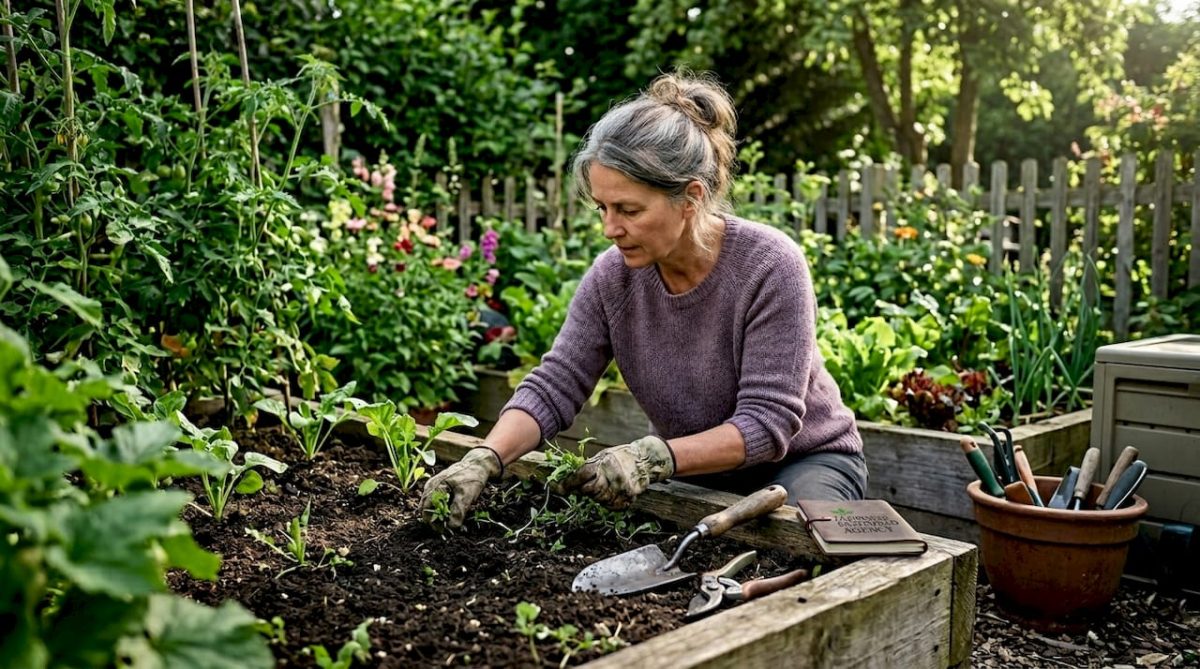
Most homeowners reach for a bottle of herbicide the moment weeds appear, assuming it is the fastest and most effective route to a tidy garden. What is holistic weed control, and why should it matter to you? Put simply, it is a science-grounded approach that manages weed populations using a combination of cultural, mechanical, and biological methods, reducing or eliminating the need for synthetic chemicals entirely. It treats your garden as a living system rather than a problem to be suppressed, and the results, when applied consistently, far outlast anything a single spray can deliver.
Table of Contents
- Key takeaways
- What holistic weed control really means
- Practical organic weed strategies for your garden
- Managing expectations: holistic versus chemical methods
- How to start holistic weed control in your garden
- My perspective on holistic weed control
- Professional help for invasive weed challenges
- FAQ
Key takeaways
| Point | Details |
|---|---|
| Definition of holistic weed control | It integrates multiple non-chemical methods to keep weed populations below damaging levels sustainably. |
| Mulching is highly effective | A 3 to 4 inch layer of organic mulch can reduce weed emergence by up to 70%. |
| Multi-season commitment required | Holistic methods build long-term resilience; they require monitoring and adjustment across growing seasons. |
| Soil health is foundational | Addressing bare soil and compaction with cover crops shifts control from reactive to systemic. |
| Invasive species need professional input | Resistant or invasive weeds such as Japanese knotweed require specialist surveys and chemical-free treatment. |
What holistic weed control really means
Integrated weed management is a science-based process that aims to keep weed populations below harmful thresholds rather than pursuing total eradication. That distinction matters. The goal is not a sterile garden but a balanced one, where weeds do not dominate or reduce the productivity and health of your planting.
Holistic weed control draws on several interconnected principles:
- Prevention: Stopping weeds before they establish by managing soil conditions, using certified weed-free compost, and avoiding unnecessary soil disturbance.
- Monitoring: Regularly observing which weed species are present, at what density, and at which stage of their life cycle.
- Cultural control: Dense planting, cover cropping, and crop rotation to reduce the opportunity for weeds to germinate and spread.
- Mechanical control: Hand weeding, hoeing, and mowing at the right time and growth stage.
- Biological methods: Using natural competitors and allelopathic plants to suppress weed growth without any chemical input.
- Selective intervention: Reserving any chemical use strictly for situations where all other methods have proven insufficient.
This stands in direct contrast to the conventional approach, where synthetic herbicides are the first response rather than the last resort. That reliance has real consequences. Weeds reduce crop productivity by 34% on average, and widespread herbicide resistance now affects 273 weed species across 168 different herbicides. Holistic methods sidestep this resistance cycle entirely by targeting weed vulnerabilities at multiple points in their life cycle.
Pro Tip: When identifying weeds in your garden, note whether they are annual or perennial. Annuals are best tackled before they set seed; perennials require persistent removal of root systems across multiple seasons.
Practical organic weed strategies for your garden
Understanding the principles is one thing. Applying them in a residential garden requires specific, well-timed actions. The following integrated weed management practices are well suited to UK gardens and can be introduced gradually without disrupting your existing planting.
-
Mulch generously and maintain it. A 3 to 4 inch layer of organic mulch, such as wood chip, bark, or composted straw, blocks the sunlight that weed seeds need to germinate. Mulching is the single most effective organic method for most vegetable and ornamental beds. Replenish it each spring and autumn as it breaks down into the soil.
-
Plant densely with cover crops. Cover crops such as rye, clover, and buckwheat suppress weeds through shading and nutrient competition whilst improving soil fertility. In a garden context, low-growing ground cover plants serve the same function, occupying the space that weeds would otherwise colonise.
-
Hoe at the right moment. Weeds are most vulnerable when they are at the white thread stage, just germinating beneath the surface. A sharp hoe used on a dry day severs those seedlings before they establish, and the sun desiccates them before they can re-root.
-
Hand weed before plants set seed. A single nettle or dock plant can produce thousands of seeds. Removing plants before they flower breaks the seed bank cycle that makes weed pressure worse year on year.
-
Consider soil solarisation for heavily infested beds. Covering bare soil with clear plastic sheeting during warm summer months raises soil temperature to 40 to 45°C, which kills up to 80 to 90% of weed seeds and soil pathogens without any chemical input. Leave the sheeting in place for four to six weeks for best results.
-
Switch to drip irrigation where possible. Surface watering encourages weed germination across the entire bed. Drip irrigation reduces weed emergence by 15 to 35% by delivering water directly to plant roots rather than the open soil surface.
Pro Tip: Avoid tilling your soil unless absolutely necessary. Tilling brings dormant weed seeds to the surface, where light and warmth trigger germination. No-dig methods, combined with mulch layering, produce better long-term results and protect soil biology.
Managing expectations: holistic versus chemical methods
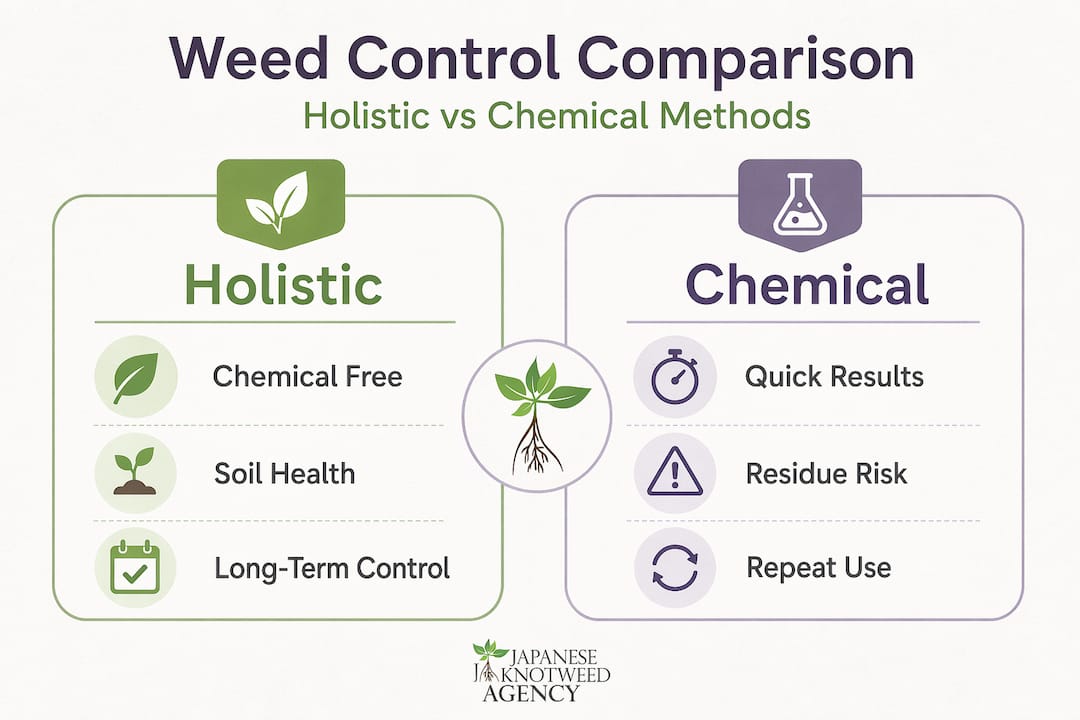
One of the most honest conversations to have about the benefits of holistic weed control is around timescale. Chemical herbicides produce visible results within days. Holistic methods build results over seasons. That difference requires a shift in how you think about success.
| Factor | Chemical herbicide approach | Holistic weed control |
|---|---|---|
| Speed of visible results | Days | Weeks to months |
| Long-term effectiveness | Declines with resistance | Improves over time |
| Soil health impact | Can degrade microbial life | Actively improves soil |
| Environmental risk | Herbicide residues, run-off risk | Minimal to none |
| Cost over time | Recurring product purchases | Lower once practices are established |
| Suitability for invasive species | May provide temporary suppression | Requires specialist intervention |
The challenges are real and worth acknowledging. Perennial weeds such as bindweed, ground elder, and horsetail have deep, regenerative root systems that demand persistent mechanical removal over multiple growing seasons. Most homeowners fail by treating weed control as a one-time event rather than a continuous management system.
There are also common mistakes that undermine otherwise good intentions. Landscape fabric is frequently used as a low-maintenance solution, but geotextiles break down and lose effectiveness over time, and they can interfere with soil biology. Thick organic mulch, replenished seasonally, consistently outperforms fabric both in weed suppression and soil health contribution.
The ecological gains are significant. Combined organic methods suppress weeds by up to 80 to 90% with no synthetic chemical use, building what researchers describe as self-regulating ecosystems. You are not just reducing weeds; you are creating conditions where your garden becomes progressively more resilient.
How to start holistic weed control in your garden
You do not need to overhaul your garden overnight. The most effective approach is to begin with a clear assessment and build your management practices methodically across the growing year.
-
Assess your current situation. Walk your garden and note which weed species are present, how established they are, and whether any show signs of rapid spread or deep root systems. Pay particular attention to anything resembling bamboo-like hollow stems or heart-shaped leaves, which may indicate Japanese knotweed or other invasive species requiring specialist assessment.
-
Test your soil. Weed pressure signals underlying soil health issues. Docks thrive in compacted, acidic soil; fat hen indicates nitrogen-rich, disturbed ground. Understanding your soil type and pH guides your cover crop choices and amendment strategy.
-
Plan a seasonal calendar. Spring is the time for mulch application and early hoeing. Summer is ideal for solarisation and dense planting. Autumn rewards cover crop sowing and organic matter addition. Winter involves clearing any remaining annual weeds before spring germination begins.
-
Choose appropriate mulches for UK conditions. Bark chip works well in borders and around shrubs. Composted wood chip suits vegetable beds. Straw mulch is cost-effective for larger kitchen gardens. All perform best when applied thickly and refreshed regularly.
-
Monitor consistently. Diversified strategies reduce weed density by 20 to 60% over three to five years, but only when applied with regular observation and adjustment. Keep a simple garden journal noting which methods work best in each area of your plot.
-
Seek professional advice for resistant or invasive species. Not every weed responds to standard chemical-free weed eradication practices. Invasive species, in particular, require specialist identification and treatment programmes that go well beyond standard garden management.
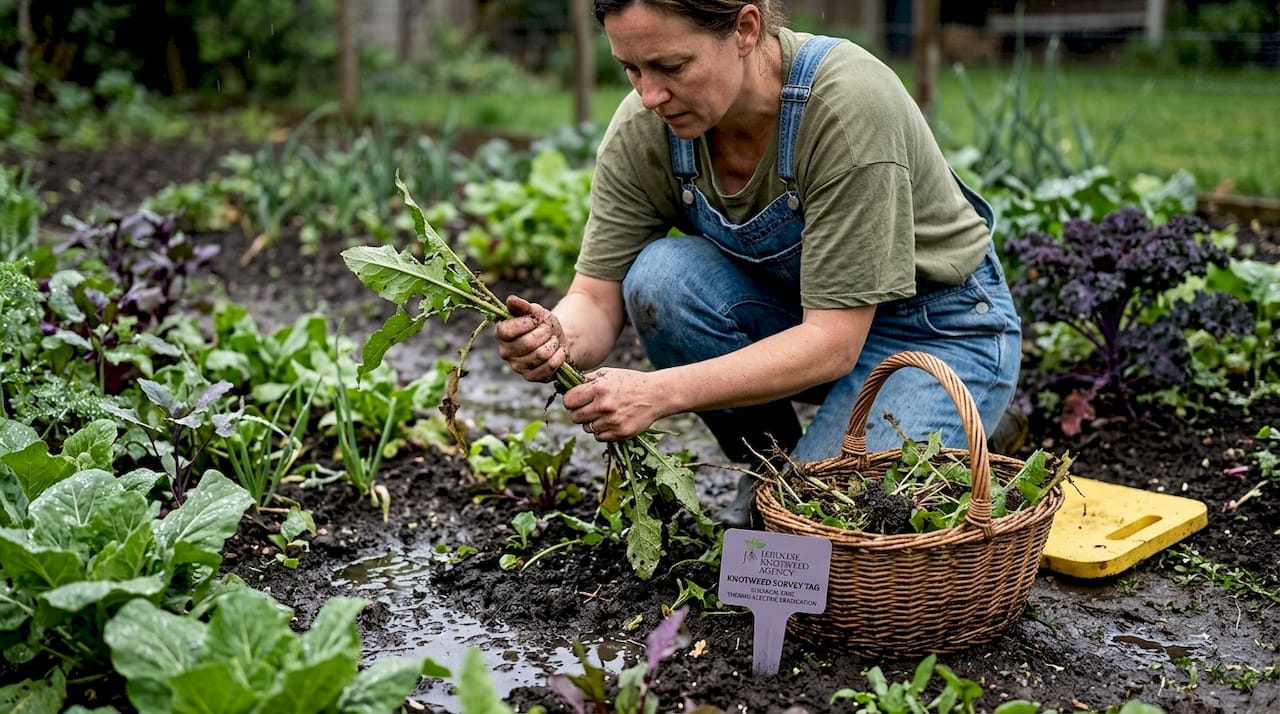
Pro Tip: The best time to hand weed is the day after rain, when soil is moist but not waterlogged. Roots release far more cleanly from damp soil, reducing the risk of leaving fragments behind that would regenerate.
My perspective on holistic weed control
In my experience working with homeowners and surveyors across England, Wales, and Ireland, the same misunderstanding surfaces repeatedly. People equate speed with effectiveness. They see chemical herbicides as the professional choice and manual or ecological methods as the amateur alternative. That assumption is, frankly, the wrong way round.
What I have observed across years of working with difficult, persistent plant species is that chemical suppression rarely addresses root cause. Quite literally. A perennial weed cut back with herbicide at the surface still has an extensive root or rhizome network beneath the soil, often depleted but not destroyed. When conditions improve, it recovers.
Holistic methods, applied with consistency and knowledge, shift the balance at a systemic level. Dense planting, healthy soil biology, and well-timed mechanical removal collectively remove the conditions weeds depend on. The garden stops being a space that requires constant intervention and begins to self-regulate.
What I would also say to any homeowner is this: know your limits. Allelopathic crops like oilseed rape release natural compounds that inhibit weed germination, which is a fascinating and underused strategy. But when you are dealing with Japanese knotweed, giant hogweed, or Himalayan balsam, you are outside the territory of garden management and into the domain of specialist invasive species control. The ecological approach still applies; the methods and expertise required are substantially more advanced.
— Alan
Professional help for invasive weed challenges

Holistic weed control gives most gardens the tools they need to manage common weeds without reaching for chemicals. For invasive species, the stakes are considerably higher. Japanese knotweed, for example, can penetrate building foundations and carries serious implications for property surveys and mortgage lending. Early identification is the single most important step you can take.
Japaneseknotweedagency specialises in chemical-free treatment and eradication of Japanese knotweed and other invasive plant species across England, Wales, and Ireland. Using thermo-electric treatment delivering up to 5,000 volts directly to the rhizome network, the team causes internal cell damage and progressively depletes the plant’s energy reserves without a drop of herbicide. Root barrier installation and excavation works are also available where appropriate. If you have any concern about an unidentified or fast-spreading weed on your property, book a professional survey as your first step. You can also explore Japaneseknotweedagency’s chemical-free knotweed solutions with a 95% success rate.
FAQ
What is holistic weed control in simple terms?
Holistic weed control is the practice of managing weeds using a combination of cultural, mechanical, and biological methods rather than relying on synthetic herbicides. The goal is to keep weed populations below damaging thresholds whilst preserving soil health and ecological balance.
What are the main benefits of holistic weed control?
The benefits include improved long-term soil health, no herbicide residues, reduced weed resistance issues, and lower ongoing costs. Combined organic methods can suppress weeds by up to 80 to 90% when applied consistently across multiple seasons.
How long does holistic weed control take to work?
Results build progressively over one to three growing seasons. Unlike chemical herbicides, which act rapidly but may lose effectiveness over time, integrated weed management practices improve in effectiveness as soil health and planting density increase.
Can holistic methods control Japanese knotweed?
Standard garden-based holistic methods are not sufficient for Japanese knotweed, which requires specialist treatment due to its extensive rhizome network. Japaneseknotweedagency offers chemical-free thermo-electric treatment that targets the plant’s root system directly, without herbicide use.
Is mulching alone enough for effective weed control?
Mulching is highly effective as part of a broader programme, with a 3 to 4 inch mulch layer preventing germination in most beds. However, perennial weeds with deep root systems require mechanical removal alongside mulching for sustained control.