


TL;DR:
- Electrical weed control uses high-voltage electricity to rupture plant cells and kill weeds systemically. It is effective in dry, well-aerated soils, requires slow application, and benefits from pre-treatment mowing. The method preserves soil health, reduces seed viability, and offers a chemical-free alternative to herbicides and mechanical methods.
Electrical weed control is defined as the use of high-voltage electricity delivered directly through plant tissue to cause internal cell rupture and systemic plant death, including the roots. The technique, also known as thermo-electric treatment, works by heating moisture inside the plant’s cells until they expand and burst. Unlike herbicides, it leaves no chemical residue in the soil. Japaneseknotweedagency has pioneered this approach for invasive species such as Japanese Knotweed, delivering up to 5,000 volts on site to deplete energy reserves within the rhizome network. Understanding why electrical weed control works helps homeowners make confident, informed decisions about managing weeds without chemicals.
Why electrical weed control works: the science explained
Electricity heats internal moisture in weed cells, causing rapid expansion and rupture that kills the plant from the inside out. This systemic action is what separates electrical treatment from surface-level scorching methods. The damage travels down through the stem and into the root system, which is critical when dealing with deep-rooted or rhizome-forming species.
The physics behind this depend on a key principle: plant impedance must be lower than soil impedance for the current to flow through the weed rather than dispersing into the ground. Wet soils reduce efficacy because saturated ground conducts electricity away from the plant before it can cause damage. Dry foliage and well-aerated soil are therefore prerequisites, not optional conditions.
Modern systems use high-frequency AC current at approximately 18,000 Hz rather than DC current. This frequency improves both operator safety and weed-killing performance. The Weed Zapper and systems used by Garford are among the commercial tools built on this principle.
The table below summarises how key physical variables affect treatment outcomes:
| Variable | Effect on treatment |
|---|---|
| High plant impedance vs. low soil impedance | Current diverts into soil, reducing plant damage |
| Dry weed foliage | Improves current flow through plant tissue |
| Slow electrode contact (0.3–0.6 mph) | Increases energy transfer and root damage |
| High-frequency AC (~18,000 Hz) | Improves safety and kill rate |
| Waterlogged soil | Reduces efficacy significantly |
Pro Tip: Test soil moisture before treatment. If the ground feels saturated after recent rainfall, wait 48–72 hours before applying electrical weed control to maximise current flow through the plant.
What conditions and techniques improve electrical weed control effectiveness?
Optimal effectiveness reaches up to 89% when operators move at slow travel speeds of 0.3–0.6 mph. Faster speeds reduce the contact time between electrode and plant, allowing the weed to recover. For perennial or deep-rooted species, slow and deliberate application is not optional. It is the difference between surface damage and genuine root kill.
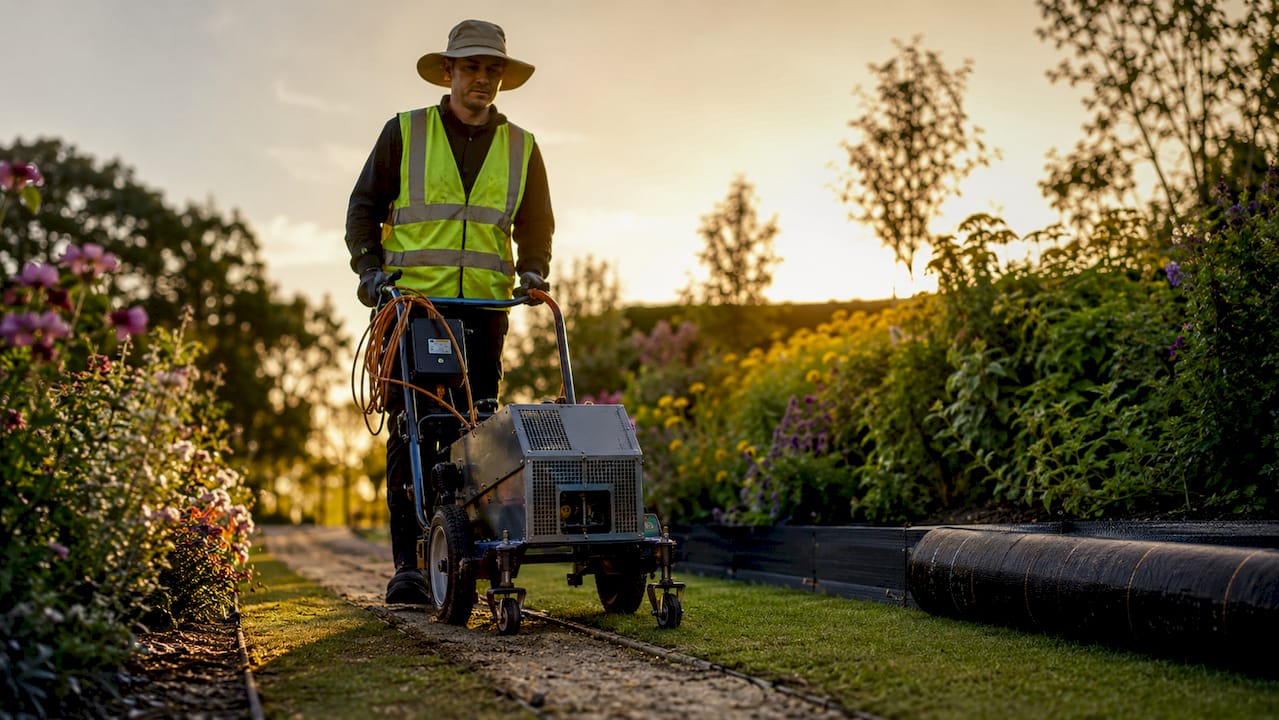
Mowing before treatment also matters. Mowing reduces weed biomass by 72%, which means the electrical current encounters less plant material and concentrates its effect more efficiently. This is particularly relevant for dense infestations of invasive species where tall, thick stems can absorb and dissipate energy before it reaches the root zone.
Repeated treatments are necessary for persistent species. Well-timed electrical treatments distinguish professional electrical weed management from a simple one-pass approach. Japanese Knotweed, for example, stores energy in an extensive rhizome network that requires multiple treatment cycles to deplete fully.
Key best practices for homeowners and gardeners include:
- Treat weeds when foliage is dry, ideally after a period of settled, dry weather
- Move slowly across the treatment area, particularly over established perennial weeds
- Mow or cut back dense growth before applying electrical treatment
- Plan repeat visits at intervals to target regrowth and deplete root energy reserves
- Shield or avoid contact with any desirable plants nearby, as electrical treatment is non-selective and will damage any plant the electrode touches
Pro Tip: For garden borders with mixed planting, use a physical barrier such as a sheet of rigid plastic to protect ornamental plants during treatment. Precision applicator design, as demonstrated by Garford’s high-voltage system, addresses this in commercial settings.
How does electrical weed control benefit soil and the environment?
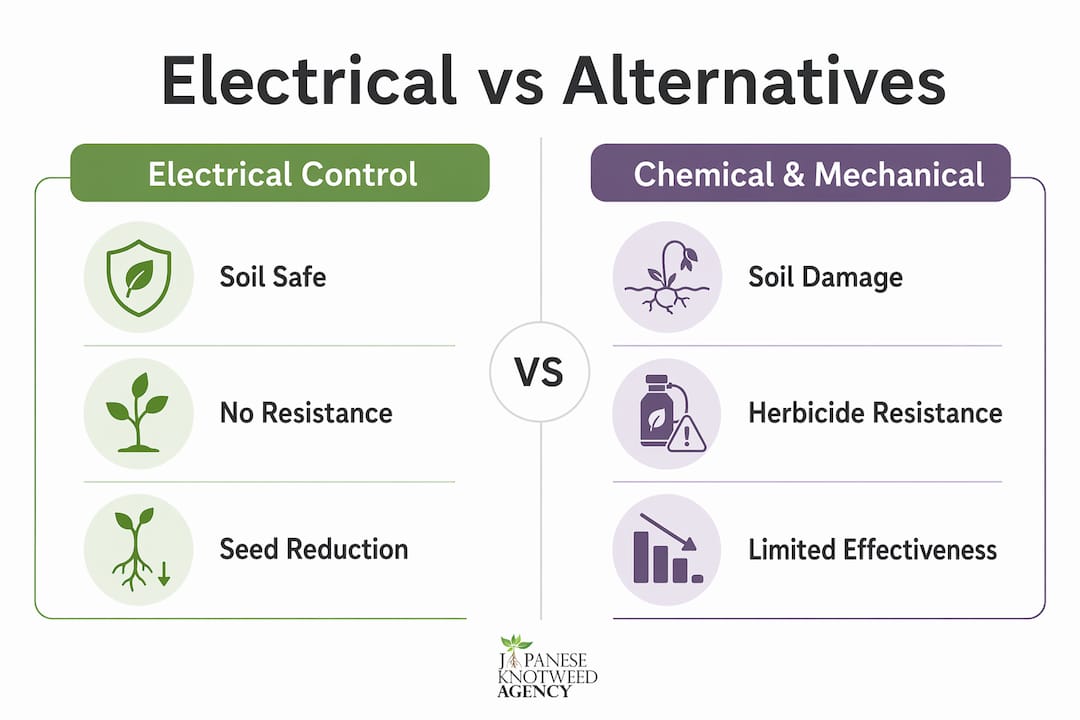
Electrical weed control preserves soil microorganisms including bacteria, fungi, and nematodes, with energy dissipating harmlessly into the soil after treatment. This is a fundamental advantage over chemical herbicides, which can disrupt soil biology for months or years. Healthy soil biology supports plant growth, nutrient cycling, and long-term garden productivity.
Unlike glyphosate and other herbicides, electricity does not create weed resistance. Resistance to chemical herbicides is a well-documented problem in UK agriculture and horticulture. Electricity works through a physical mechanism, not a biochemical one, so weeds cannot adapt to it over generations.
The method also reduces seed viability. Seed viability drops by 54% to 80% depending on the species treated, which suppresses future weed populations without any chemical input. This long-term suppression effect is rarely discussed but is one of the strongest arguments for electrical weed management in sustainable gardens.
The comparison below shows how electrical methods stand against chemical and mechanical alternatives on environmental criteria:
| Criterion | Electrical weed control | Chemical herbicides | Mechanical tillage |
|---|---|---|---|
| Soil microorganism impact | None | Moderate to high | Low to moderate |
| Weed resistance risk | None | High | Low |
| Seed viability reduction | 54%–80% | Variable | Low |
| Chemical residue | None | Yes | None |
| Suitable for organic certification | Yes | No | Yes |
| Wind sensitivity | Low | High | Low |
Electrical treatment also works across a wider range of weather conditions than herbicide spraying. Wind renders spray applications unsafe and ineffective. Electrical systems are unaffected by wind, which extends the practical treatment window for homeowners throughout the growing season. For those pursuing eco-safe weed management or organic garden certification, this method aligns directly with those goals.
Electrical weed control vs. chemical and mechanical methods
Chemical herbicides remain the most widely used weed control method in the UK, but their limitations are significant. Resistance is growing across multiple weed species, and herbicide run-off into watercourses is a documented environmental concern. Glyphosate, the most common active ingredient, faces increasing regulatory scrutiny across Europe.
Mechanical weed control, including hoeing, rotavating, and hand-pulling, avoids chemicals but disturbs soil structure. Tillage brings dormant weed seeds to the surface, often creating more germination than it prevents. For invasive species with deep rhizomes, mechanical removal is rarely complete and frequently stimulates regrowth.
Electrical weed control avoids both problems. It does not disturb soil structure, leaves no chemical residue, and delivers systemic damage to roots without the need for excavation. The equipment investment is higher than a bottle of herbicide, but the long-term labour savings and absence of repeat chemical purchases make it cost-competitive over time.
The practical limitations are worth understanding clearly:
- Non-selectivity. Any plant the electrode contacts will be damaged. Careful application is required in mixed planting areas.
- Soil moisture sensitivity. Waterlogged conditions reduce effectiveness significantly, as current diverts into saturated soil.
- Repeat treatments required. Persistent invasive species such as Japanese Knotweed need multiple sessions to exhaust rhizome energy reserves.
- Equipment cost. Professional-grade electrical weed control systems represent a higher upfront investment than conventional tools.
- Operator skill. Achieving consistent results requires understanding of travel speed, electrode contact, and plant conditions.
For homeowners managing Japanese Knotweed specifically, professional electrical treatment delivered by specialists such as Japaneseknotweedagency is the most reliable route. The chemical-free treatment approach targets the rhizome network directly, which is where the plant’s energy and regenerative capacity reside. A professional invasive weed survey before treatment confirms the extent of the infestation and informs the treatment plan.
Key takeaways
Electrical weed control works by delivering high-voltage current through plant tissue to rupture cells and kill roots, with effectiveness determined by application speed, soil moisture, and treatment frequency.
| Point | Details |
|---|---|
| Cell rupture mechanism | Electricity heats internal moisture, causing cell walls to burst and killing the plant systemically. |
| Optimal application speed | Travel speeds of 0.3–0.6 mph maximise energy transfer and root damage. |
| Soil conditions matter | Dry foliage and well-aerated soil are required for current to flow through the plant, not the ground. |
| No resistance or residue | Electricity cannot trigger weed resistance and leaves no chemical trace in the soil. |
| Repeat treatments needed | Persistent invasive species require multiple sessions to deplete rhizome energy reserves fully. |
Why I think electrical weed control deserves more attention from homeowners
The conversation about weed control in UK gardens still defaults to herbicides. Homeowners reach for glyphosate because it is familiar, cheap, and available in every garden centre. What rarely gets discussed is what happens after the spray dries: the soil biology disruption, the resistance build-up, and the cumulative run-off into drainage systems.
Electrical weed control is not a new idea, but it has matured significantly. The shift to high-frequency AC systems has made equipment safer and more reliable. The research coming out of institutions like Oregon State University Extension Service confirms what practitioners have observed: slow, deliberate application with dry conditions produces results that rival chemical methods, without the ecological cost.
What I find most compelling is the seed viability reduction. Most homeowners focus on killing the visible plant. The fact that electrical treatment also suppresses future germination by up to 80% in some species changes the long-term maths entirely. You are not just removing today’s problem. You are reducing next season’s.
The honest caveat is this: electrical weed control requires more skill and preparation than spraying. You need dry conditions, the right speed, and repeat visits for deep-rooted species. For Japanese Knotweed, which can push through tarmac and has rhizomes extending metres below ground, professional application is the only realistic option. A sustainable weed control approach that combines electrical treatment with a proper survey and management plan will always outperform a single-pass chemical application.
The technology is sound. The environmental case is clear. The gap is awareness, and that is closing.
— Alan
Japaneseknotweedagency: chemical-free invasive plant management
Japaneseknotweedagency specialises in chemical-free eradication of Japanese Knotweed and other invasive plant species across England, Wales, and Ireland. The team delivers direct electrical energy on site, targeting the rhizome network to deplete the plant’s energy reserves with each treatment cycle.

Before any treatment begins, a professional property survey confirms the extent of the infestation and shapes the management plan. Japaneseknotweedagency carries out invasive weed property surveys for homeowners and property professionals, providing the evidence base needed for mortgage applications and treatment decisions. For homeowners ready to act without chemicals, the chemical-free invasive plant solutions page outlines the full range of available services.
FAQ
How does electrical weed control kill weeds?
Electricity heats the moisture inside plant cells, causing them to expand and rupture. This systemic damage travels through the stem and into the root system, killing the plant without chemicals.
Is electrical weed control safe for soil biology?
Electrical weed control preserves soil microorganisms including bacteria, fungi, and nematodes. Energy dissipates harmlessly into the soil after treatment, leaving no residue and causing no lasting disruption to soil biology.
How many treatments does Japanese Knotweed need?
Japanese Knotweed requires repeated electrical treatments to deplete the energy stored in its extensive rhizome network. The exact number of sessions depends on the size and maturity of the infestation, which a professional survey will determine.
Why does soil moisture affect electrical weed control effectiveness?
When soil is waterlogged, its electrical conductivity rises above that of the plant. Current then diverts into the ground rather than through the weed, significantly reducing treatment effectiveness. Dry conditions are required for reliable results.
Can homeowners use electrical weed control in mixed garden borders?
Electrical weed control is non-selective and will damage any plant the electrode contacts. Homeowners can use physical shields to protect desirable plants, but professional application is recommended for complex or heavily planted areas.