TL;DR:
- Japanese knotweed rhizomes are underground storage structures that enable the plant to regrow, spread, and cause structural damage. Complete removal of rhizomes is essential to prevent recurrence, legal issues, and property damage, as superficial clearance does not address the underground network. Effective control includes professional removal methods, such as thermo-electric treatment, excavation, and proper surveys, which also support soil health and property value.
Japanese knotweed rhizomes are defined as underground storage organs that fuel the plant’s regrowth, spread, and structural damage to buildings and soil. Understanding why rhizome removal matters is the critical first step for any homeowner or property buyer facing an invasive plant problem. The Environment Agency classifies Japanese knotweed as a controlled waste under the Environmental Protection Act 1990, meaning improper disposal of rhizome material carries legal consequences. Without complete rhizome removal, surface clearance achieves nothing lasting.
Why rhizome removal matters: the underground threat you cannot ignore
Rhizomes are not simply roots. They are horizontal underground stems that store energy, produce new shoots, and extend the plant’s reach without any visible surface activity. Japanese knotweed rhizomes can penetrate paved and built structures, pushing through tarmac, concrete, and drainage systems, causing physical damage that directly lowers property value and triggers mortgage complications.
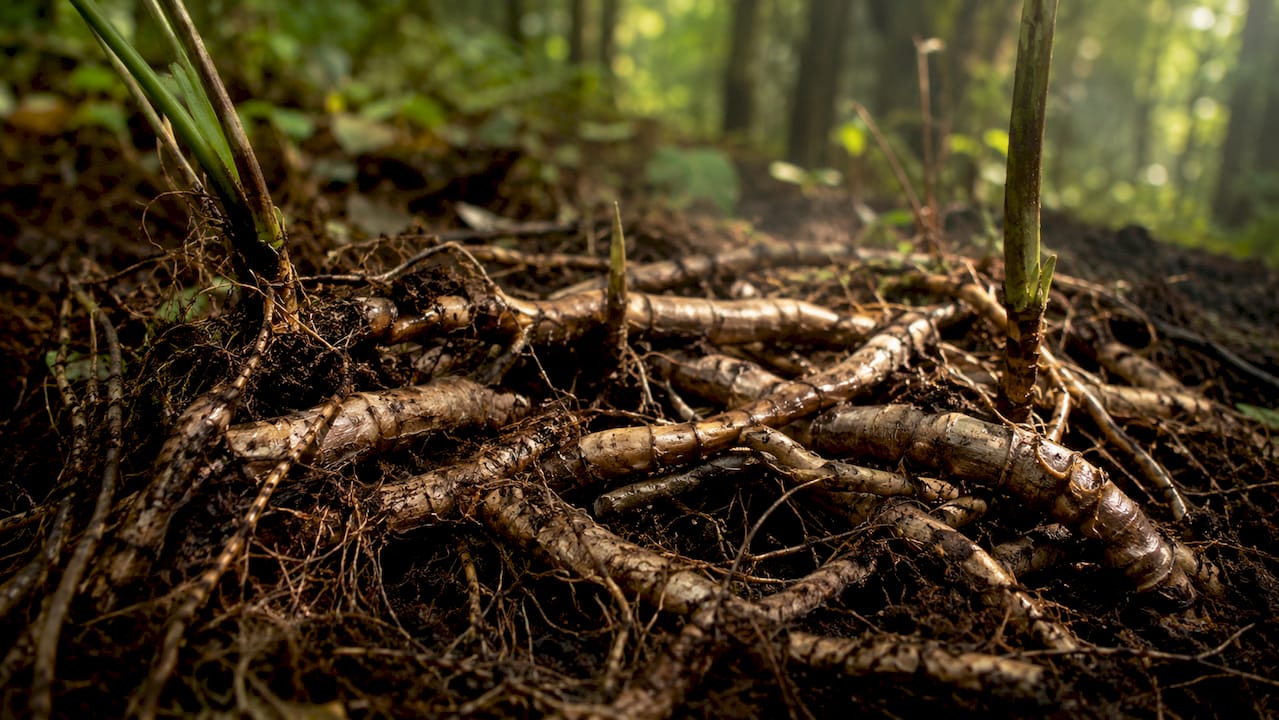
The scale of underground spread is the reason why rhizome longevity matters so much. Invasive rhizomatous plants can spread 10–20 feet annually through woody underground networks growing 6–18 inches deep. That rate of expansion means a plant that appears contained above ground may already be colonising a neighbouring garden or undermining a boundary wall below the surface.
Rhizomes also compact and alter soil structure, making it harder for other plants to establish and increasing erosion risks. This soil disruption compounds the problem: once native plants are displaced, the invasive species faces no competition and accelerates its spread further.
Key characteristics of Japanese knotweed rhizomes that drive persistence:
- Energy storage: Rhizomes accumulate carbohydrate reserves that sustain regrowth even after the above-ground plant is removed.
- Depth: Networks extend 6–18 inches below the surface, beyond the reach of standard garden tools.
- Fragmentation risk: A rhizome fragment as small as 1 cm can generate a new plant if left in disturbed soil.
- Seasonal dormancy: Rhizomes remain viable through winter, resuming growth in spring regardless of surface conditions.
Pro Tip: Never rotovate or dig informally in an area suspected of knotweed. Fragmenting the rhizome network spreads the infestation rather than containing it.
What removal methods actually work?
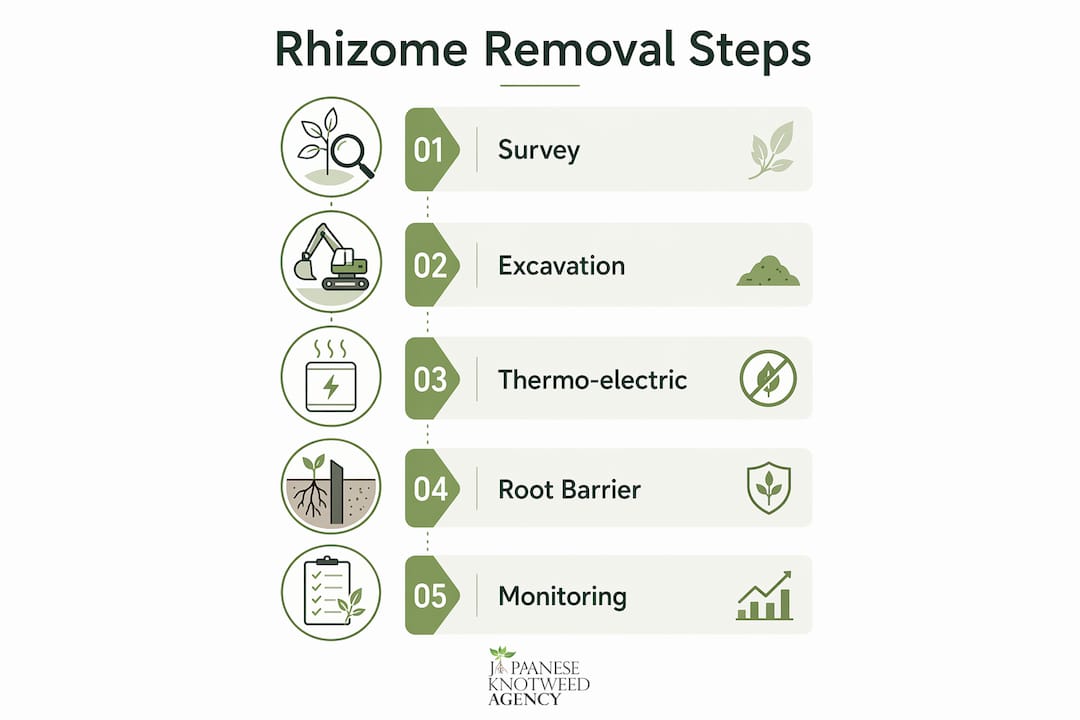
Cutting, mowing, and strimming are the most common mistakes homeowners make. Manual cutting alone fails because severing shoots signals the rhizome network to produce more growth from its energy reserves. Effective exhaustion of rhizome energy through repeated cutting requires mowing every shoot every 2–4 weeks across 1–3 full growing seasons. Most homeowners cannot sustain that commitment, and a single missed season allows the plant to recover fully.
The table below summarises the main rhizome control techniques and their practical limitations:
| Method | How it works | Key limitation |
|---|---|---|
| Repeated cutting | Starves rhizomes by preventing photosynthesis | Requires 1–3 years of consistent effort every 2–4 weeks |
| Manual excavation | Physically removes rhizome network | Requires specialist knowledge to avoid fragmentation |
| Root barriers | Contain lateral spread post-removal | Containment only; does not eradicate existing rhizomes |
| Herbicide treatment | Translocates chemical into rhizome network | Chemical use; multiple seasons needed; regulated disposal |
| Thermo-electric treatment | Delivers energy directly into rhizome cells | Requires specialist equipment and trained operatives |
Chemical-free removal practices reduce environmental impact and are particularly relevant where knotweed is close to watercourses, where herbicide use is restricted under the Water Framework Directive. Japaneseknotweedagency delivers direct energy up to 5,000 volts onsite, causing internal cell damage and depleting energy resources within the rhizome network with each treatment. This thermo-electric approach targets the underground system directly without introducing chemicals into the soil.
Root barriers, when correctly installed, prevent rhizome re-invasion into neighbouring properties after primary removal. They are most effective as a secondary measure combined with excavation or treatment, not as a standalone solution.
Pro Tip: Always commission a pre-excavation survey before any ground works. Surveys locate the full extent of the rhizome network and prevent accidental spread during digging.
How does rhizome removal affect property value and mortgage approval?
Mortgage lenders treat Japanese knotweed as a material risk. Several major UK lenders will decline applications or require specialist management plans before approving a mortgage on an affected property. The importance of rhizome removal extends directly into the conveyancing process: solicitors are legally required to disclose known knotweed presence, and buyers who discover undisclosed infestations post-completion have grounds for legal action.
Incomplete rhizome removal prolongs infestation, increases remediation costs, and further reduces property desirability. A property with a documented, professionally managed removal programme is significantly more marketable than one with a history of surface-only treatment and recurring regrowth.
The benefits of removing rhizomes thoroughly include:
- Mortgage eligibility: Lenders require evidence of a professional management plan, often with an insurance-backed guarantee.
- Legal compliance: Proper disposal of rhizome material as controlled waste avoids prosecution under the Environmental Protection Act 1990.
- Buyer confidence: A completed removal programme with documented surveys gives buyers verifiable assurance.
- Structural protection: Eliminating the rhizome network stops ongoing damage to foundations, drainage, and paved surfaces.
Surveys before excavation are not optional formalities. They locate the full rhizome network, inform the removal strategy, and provide the documented evidence that lenders and solicitors require. Japaneseknotweedagency carries out property surveys for invasive weeds across England, Wales, and Ireland.
What are the environmental benefits of rhizome removal?
Rhizome removal delivers measurable ecological benefits beyond the property boundary. Research shows that removing invasive rhizomatous plants enhances soil multifunctionality and the stability of soil microbial communities, particularly fungi. Fungal networks underpin nutrient cycling, water retention, and the conditions that allow native plant communities to re-establish.
“Rhizome removal significantly stabilises soil microbial communities, mainly fungi, which underpin essential soil functions and overall ecosystem recovery.” — Forest Ecosystems, 2026
The ecological case for persistent rhizome control is clear. Once invasive rhizomes are removed, native plants face less competition for light, water, and nutrients. Soil compaction caused by dense rhizome networks decreases, reducing surface runoff and erosion. Biodiversity returns progressively as the soil microbiome stabilises.
| Ecological outcome | Effect of rhizome removal |
|---|---|
| Fungal community stability | Increases, supporting nutrient cycling |
| Soil compaction | Decreases, improving water infiltration |
| Native plant recovery | Accelerates as competition reduces |
| Erosion risk | Reduces as soil structure improves |
Chemical-free invasive plant management aligns with these ecological outcomes. Avoiding herbicides preserves the soil microbiome that rhizome removal is working to restore. This is why Japaneseknotweedagency’s thermo-electric approach is particularly well suited to ecologically sensitive sites.
Key takeaways
Thorough rhizome removal is the only reliable method to stop Japanese knotweed regrowth, protect property value, and restore soil health.
| Point | Details |
|---|---|
| Rhizomes drive regrowth | Underground energy reserves sustain the plant even after complete surface clearance. |
| Partial removal fails | Incomplete removal prolongs infestation and increases long-term remediation costs. |
| Surveys are non-negotiable | Pre-removal surveys locate the full network and provide the documentation lenders require. |
| Property value depends on it | Mortgage approval and legal compliance both require evidence of professional rhizome management. |
| Soil health recovers | Full rhizome removal stabilises fungal communities and allows native ecosystems to return. |
Why I think homeowners underestimate the rhizome problem
Working in invasive species management, the most common mistake I see is treating Japanese knotweed as a surface problem. Homeowners cut it back, feel reassured by the cleared ground, and assume the job is done. By the following spring, the shoots return with the same vigour because the rhizome network below was never addressed.
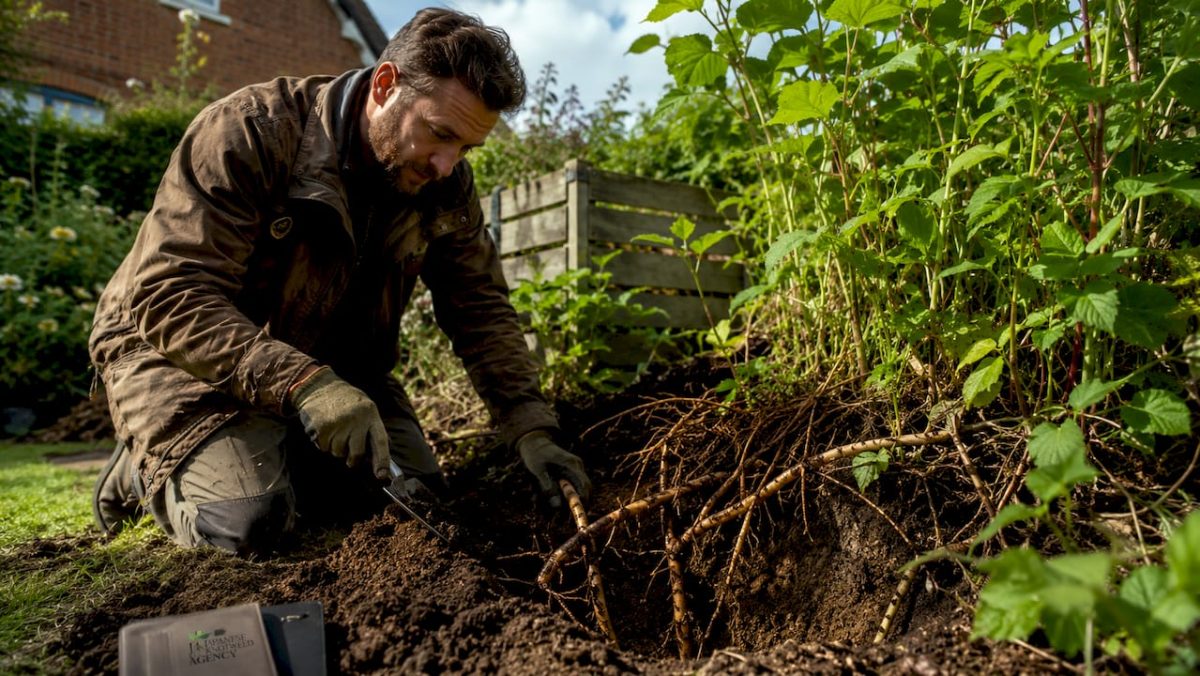
The second most common mistake is fragmentation through informal digging. A single rhizome fragment left in disturbed soil will generate a new plant. I have seen properties where well-intentioned DIY excavation spread the infestation across a garden that was previously contained to one corner.
The investment in professional removal, including a proper survey, a documented management plan, and a chemical-free treatment programme, pays for itself when the property comes to be sold or remortgaged. Lenders and buyers want evidence, not assurances. A professionally managed site with an insurance-backed guarantee is a fundamentally different proposition from one with a history of surface treatment and recurring growth.
Patience matters too. Rhizome control is a multi-season commitment. The plants that have been establishing underground for years will not disappear after a single treatment. Consistent, expert-led management across multiple growing seasons is what delivers lasting results.
— Alan
Professional rhizome removal and property surveys from Japaneseknotweedagency
Japaneseknotweedagency provides specialist Japanese knotweed surveys, thermo-electric treatment, excavation, and root barrier installation across England, Wales, and Ireland. Every service is chemical-free, ecologically responsible, and backed by documented management plans that satisfy mortgage lender requirements.
If you are buying or selling a property, or have identified knotweed on your land, a professional survey is the right starting point. Japaneseknotweedagency’s property survey service locates the full extent of any rhizome network and provides the evidence you need for legal compliance and buyer confidence. For a full overview of treatment and removal options, the chemical-free eradication guide covers every stage of the process in detail.
FAQ
What are rhizomes and why do they cause problems?
Rhizomes are underground stems that store energy and produce new shoots. Japanese knotweed rhizomes can extend 6–18 inches deep and spread several metres laterally, allowing the plant to regrow after surface clearance and penetrate building structures.
Why does cutting knotweed not remove it?
Cutting removes above-ground growth but leaves the rhizome network intact. The rhizomes use stored energy to produce new shoots, and effective exhaustion requires cutting every 2–4 weeks across 1–3 growing seasons without interruption.
Does Japanese knotweed affect mortgage approval?
Yes. Many UK mortgage lenders require a professional management plan and insurance-backed guarantee before approving a mortgage on a property with confirmed Japanese knotweed. Documented rhizome removal is the most reliable route to satisfying lender requirements.
How does rhizome removal benefit soil health?
Research confirms that removing invasive rhizomatous plants increases fungal community stability and improves overall soil multifunctionality, allowing native plants to re-establish and reducing erosion risk.
What is thermo-electric treatment for knotweed?
Thermo-electric treatment delivers direct electrical energy into the plant’s rhizome network, causing internal cell damage and depleting the energy reserves that drive regrowth. Japaneseknotweedagency uses this chemical-free method as a primary treatment approach across residential and ecologically sensitive sites.