

TL;DR:
- A comprehensive site assessment involves desktop research, physical site walkover, and only intrusive testing when necessary.
- Japanese knotweed presence requires a specialized survey and management plan to satisfy lenders and legal requirements.
A step by step site assessment is a systematic, evidence-based process for evaluating a property’s environmental condition, identifying risks such as contamination or invasive weeds, and supporting informed decisions before purchase or development. The industry term for the formal version of this process is a Phase 1 Environmental Site Assessment, which progresses from desktop research through site reconnaissance to a written risk report. For homeowners and property buyers in England, Wales, and Ireland, following a structured site evaluation process is the most reliable way to avoid costly surprises after contracts are exchanged. Japanese knotweed, ground contamination, and unrecorded land use are among the risks that a methodical approach will surface before they become your problem.
What preparation is needed before starting a site assessment?
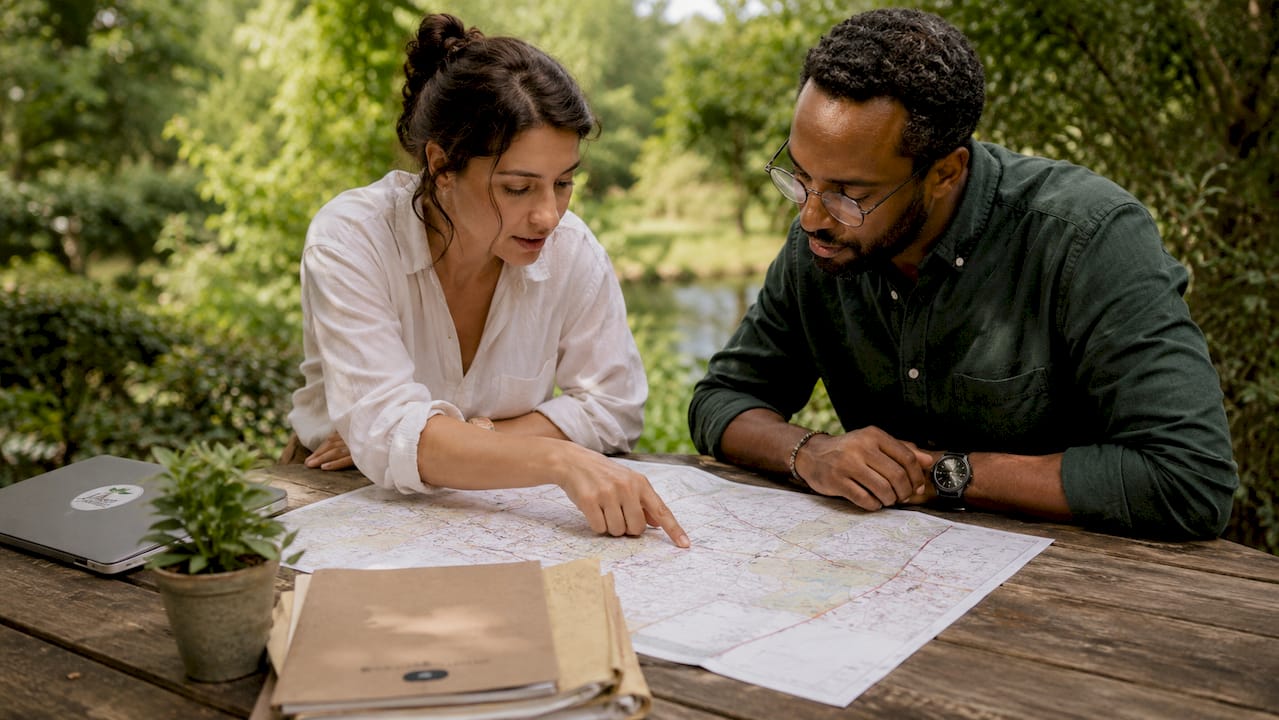
The foundation of any site assessment is desktop research gathered before you set foot on the land. A Phase 1 desk study reviews historical mapping, environmental datasets, and existing planning records to build a picture of what the site has been used for and what risks may be present. This stage is known as a preliminary assessment, and environmental samples are rarely collected at this point.
Before commissioning or conducting any assessment, gather the following:
- Ownership and title documents: Confirm boundaries, rights of way, and any restrictive covenants that may affect use.
- Planning history: Check local authority records for previous permissions, refusals, or enforcement notices.
- Previous survey reports: Obtain any earlier environmental, structural, or invasive weed surveys from the vendor.
- Historical maps and aerial imagery: Ordnance Survey maps from different decades reveal former industrial use, filled land, or watercourses that no longer appear on modern plans.
- Environmental databases: Services such as Groundsure or Landmark provide contamination alerts, flood risk data, and records of nearby regulated sites.
- Land use records: Former petrol stations, dry cleaners, or tanneries on or near the site are significant risk indicators.
A high-quality Phase 1 desk study informs planning and design decisions by identifying plausible pollutant linkages before any ground is broken. That clarity shapes foundation design, drainage planning, and budget allocation from the outset.
Pro Tip: Verifying preliminary desktop findings with a qualified environmental professional before proceeding to site visits can identify gaps in the records and save significant costs later. Many buyers conflate basic conveyancing searches with a technical Phase 1 desk study. They are not the same thing.
How do you conduct a non-intrusive site reconnaissance?
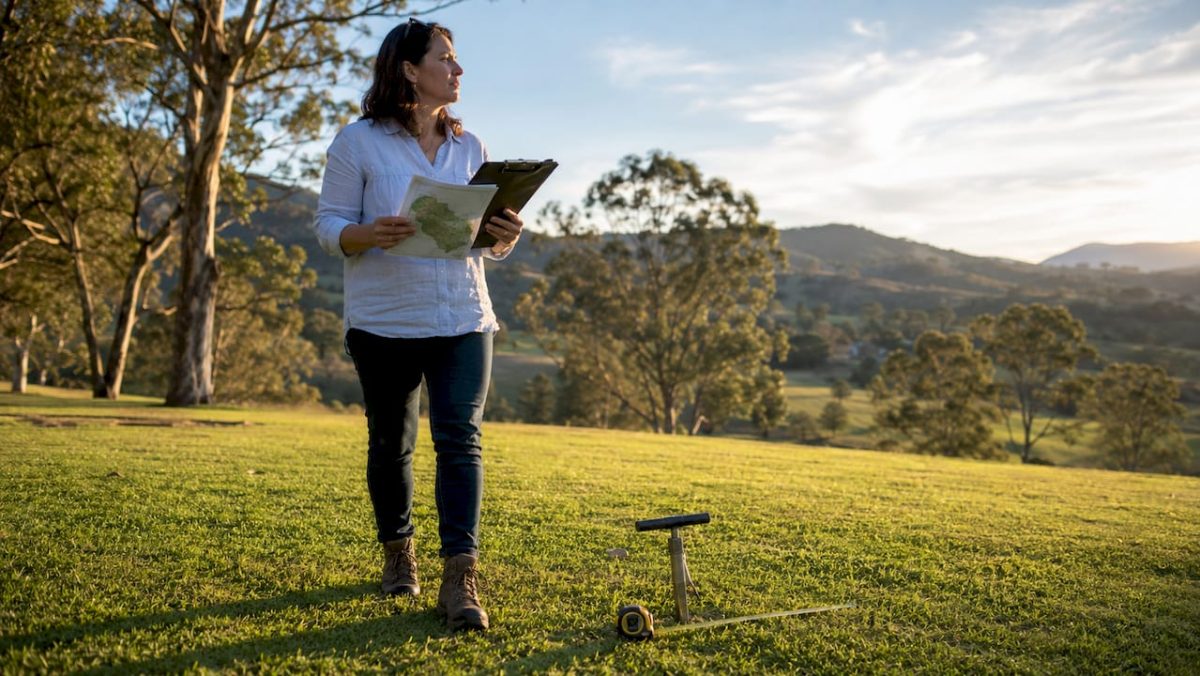
Site reconnaissance is the physical walkover that supplements your desktop findings. A Phase 1 Environmental Site Assessment includes records review, site reconnaissance, interviews, and a written report, all conducted without soil or groundwater sampling. The walkover is your opportunity to confirm, challenge, or expand on what the desktop research revealed.
During a site walkover, look for the following indicators:
- Soil or pavement staining: Discolouration around drainage channels, hardstanding, or building perimeters may indicate historic fuel or chemical spillage.
- Distressed or unusual vegetation: Bare patches, discoloured grass, or vegetation die-back can signal soil contamination or ground gas.
- Invasive weeds: Japanese knotweed, giant hogweed, and Himalayan balsam are environmental weed risks that affect mortgage eligibility and require specialist management.
- Above-ground storage tanks or drums: These suggest past fuel storage and potential ground contamination.
- Unusual materials or fly-tipping: Asbestos sheeting, chemical containers, or construction waste warrant further investigation.
- Adjoining land use: A neighbouring industrial unit or former garage can create pollutant pathways onto your site through groundwater or surface drainage.
Non-intrusive assessments gain their value from the environmental professional’s rigour in combining observations, records, and regulatory data into a defensible written conclusion. Interviewing the current owner, neighbours, or local authority officers can reveal information that no database holds, such as informal waste disposal or undocumented building works.
Pro Tip: Visit the site in late spring or early summer when Japanese knotweed is actively growing and most visible. Visiting in winter can cause you to miss a significant infestation entirely. Always wear appropriate PPE and check for overhead hazards before entering any structure.
How do you interpret findings and decide on further investigation?
Site assessment is primarily a risk-filtering exercise that focuses on historical and physical information before committing to higher-cost intrusive sampling. The written report from a Phase 1 assessment will classify findings using the concept of Recognised Environmental Conditions (RECs) and a source-pathway-receptor model. This model asks: is there a source of contamination, a pathway for it to travel, and a receptor (such as a building, garden, or person) that could be harmed?
A Phase 1 assessment does not confirm contamination. It identifies plausible risks that may require a Phase 2 intrusive investigation, which involves soil and groundwater sampling. Commissioning only what initial screening justifies saves costs and focuses resources on sites with genuine risk indicators.
The table below contrasts the two main assessment types:
| Assessment type | Purpose | Involves sampling? | Typical trigger |
|---|---|---|---|
| Phase 1 (non-intrusive) | Identify plausible risks using records and walkover | No | All property transactions |
| Phase 2 (intrusive) | Confirm or rule out contamination through sampling | Yes | RECs identified in Phase 1 |
Scenarios that typically trigger a Phase 2 investigation include past industrial land use, visible invasive weeds with structural implications, regulatory flags from environmental databases, or unexplained staining and odours found during the walkover. Timing also matters: under ASTM E1527-21 standards, site interviews and inspections must be completed within 180 days of property acquisition to maintain assessment validity, and the full report within one year. UK practice follows similar principles of currency and relevance.
How does Japanese knotweed fit into a comprehensive site assessment?
Japanese knotweed is the invasive species most likely to affect a UK property transaction. Mortgage lenders routinely decline or restrict lending on properties where knotweed is present and unmanaged. A general environmental site assessment will flag visible knotweed during the walkover, but a dedicated invasive weed survey provides the detailed mapping, risk classification, and management plan that lenders and solicitors require.
A stepwise approach to invasive weed assessment within your site evaluation includes:
- Identification: Confirm the species present. Japanese knotweed has distinctive shovel-shaped leaves, hollow bamboo-like stems, and can push through tarmac and masonry.
- Mapping: Record the extent of any infestation, including proximity to boundaries, structures, and drainage.
- Risk classification: Assess distance from the property, growth stage, and potential for encroachment onto neighbouring land.
- Management options: A qualified surveyor will recommend treatment, root barrier installation, or excavation depending on the severity and location of the infestation.
- Documentation for lenders: A formal management plan from a specialist company is required by most mortgage providers before they will proceed.
Japaneseknotweedagency carries out property surveys for invasive weeds across England, Wales, and Ireland. The company’s thermo-electric treatment delivers up to 5,000 volts directly to the plant, causing internal cell damage and depleting energy reserves within the rhizome network without the use of chemicals. Root barrier installation and excavation are also available where the situation requires a physical containment or removal solution. For buyers concerned about chemical-free treatment options, this approach avoids glyphosate entirely while delivering documented results.
Key takeaways
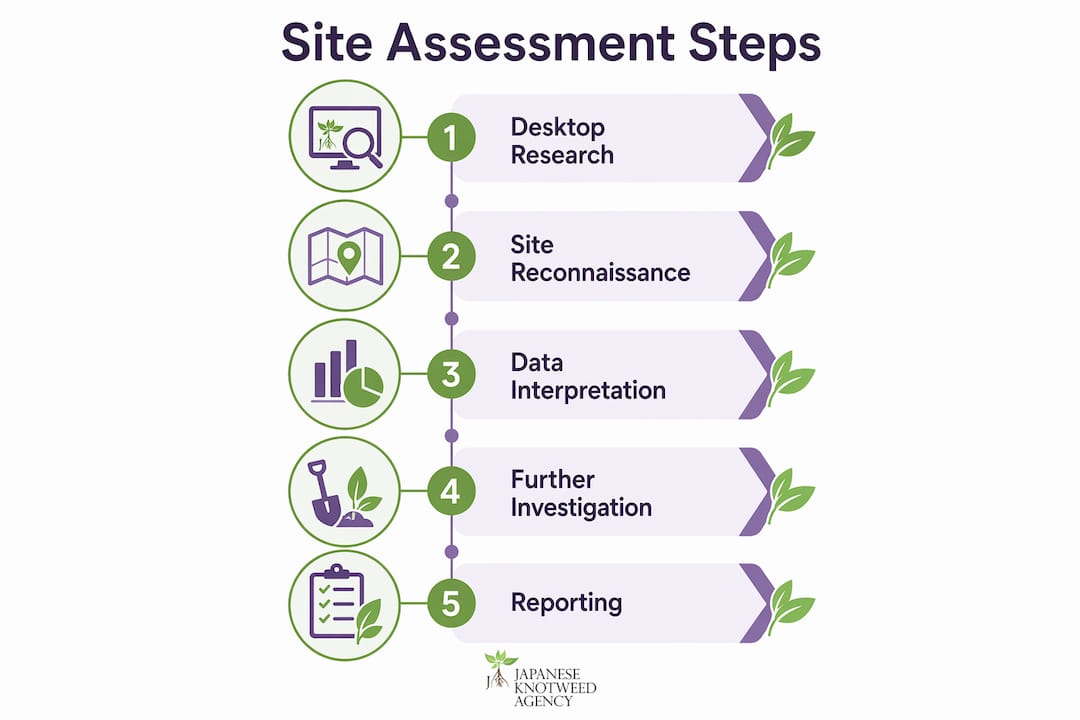
A thorough site assessment follows a staged evidence pipeline: desktop research first, site reconnaissance second, and intrusive investigation only when risk indicators justify the cost.
| Point | Details |
|---|---|
| Start with desktop research | Gather historical maps, planning records, and environmental database reports before visiting the site. |
| Conduct a structured walkover | Look for staining, distressed vegetation, invasive weeds, and storage tanks during the physical inspection. |
| Understand Phase 1 limitations | A Phase 1 assessment identifies plausible risks; it does not confirm contamination without Phase 2 sampling. |
| Treat Japanese knotweed separately | Commission a dedicated invasive weed survey to satisfy mortgage lenders and produce a formal management plan. |
| Escalate only when justified | Commission intrusive investigation only when Phase 1 findings identify Recognised Environmental Conditions. |
Why I think most buyers underestimate the site assessment process
The most common mistake I see is buyers treating a site assessment as a box-ticking exercise rather than a genuine risk-filtering tool. They commission the cheapest desktop search available, receive a thin report, and assume the site is clean. That assumption is the problem.
A Phase 1 desk study is only as good as the professional who writes it. The thoroughness of a site assessment depends entirely on the environmental professional’s rigour in combining multiple data sources and observations into a defensible conclusion. A report that lists database results without interpreting them against the site’s specific history is not a Phase 1 desk study. It is a data dump.
The other pitfall is timing. Buyers often commission assessments too early in the process, then proceed to exchange months later without checking whether the findings are still current. Site conditions change. A neighbouring property can be demolished and contaminated soil disturbed between your walkover and your completion date.
My advice is straightforward. Start with a proper desktop study from a qualified professional. Visit the site yourself at the right time of year to look for invasive weeds and visible anomalies. If the desktop study raises any flags, escalate to a Phase 2 investigation before exchange, not after. And if Japanese knotweed is present or suspected, commission a dedicated survey from a specialist rather than relying on a general environmental report to capture the full picture. The cost of getting this right is always less than the cost of getting it wrong.
— Alan
How Japaneseknotweedagency supports your site assessment
Japaneseknotweedagency provides specialist invasive weed surveys and treatment services for homeowners and property buyers across England, Wales, and Ireland. Whether you are purchasing a new property or managing an existing one, a professional survey from Japaneseknotweedagency gives you the documented evidence lenders and solicitors need.

The team carries out detailed site assessments for Japanese knotweed and other invasive species, producing formal management plans that support mortgage applications and planning submissions. Treatment options include chemical-free thermo-electric treatment, root barrier installation, and full excavation works. To protect your investment and get a clear picture of your site’s condition, book a survey with Japaneseknotweedagency today.
FAQ
What is a step by step site assessment?
A step by step site assessment is a staged process that begins with desktop research, progresses to a physical site walkover, and escalates to intrusive investigation only when risk indicators are identified. The formal industry equivalent is a Phase 1 Environmental Site Assessment.
Does a Phase 1 assessment confirm contamination?
A Phase 1 assessment does not confirm contamination. It identifies plausible risks using historical records and site observations, and recommends Phase 2 intrusive sampling where Recognised Environmental Conditions are present.
Can Japanese knotweed affect my mortgage?
Japanese knotweed can cause mortgage lenders to decline or restrict lending. Most lenders require a formal management plan from a qualified specialist before they will proceed with a property affected by knotweed.
How long does a site assessment remain valid?
Under ASTM E1527-21 standards, site interviews and inspections must be completed within 180 days of property acquisition, with the full report completed within one year. UK practice follows similar principles of currency.
When should I commission an invasive weed survey?
Commission a dedicated invasive weed survey before exchanging contracts if any invasive species are visible or suspected during the site walkover, or if the desktop research flags previous land use that may have encouraged their spread.